Most people can name a band’s biggest hits without thinking twice. But the songs that separate casual listeners from true devotees are the ones buried on side two of a double album, tucked away as B-sides, or quietly closing out a record without ever getting radio time. These are the tracks that fans memorize word for word, debate in forums, and defend passionately to anyone who will listen. From the mid-1960s through the early 1990s, rock music produced some of its most ambitious and emotionally honest work in places that mainstream audiences rarely explored.
The fifteen songs covered here span multiple generations and genres, from blues-rock and progressive pop to grunge and art rock, each one representing a moment when an artist pushed past the obvious and created something unexpectedly profound. Whether you already know these tracks or are discovering them now, each one rewards close attention.
1. Silver Springs – Fleetwood Mac
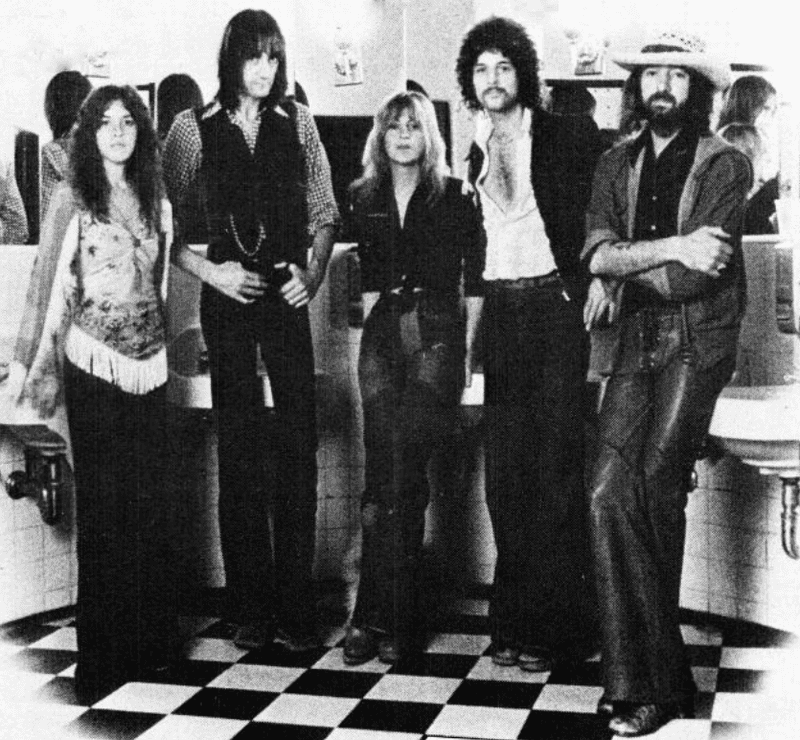
Few songs have a backstory as layered as this one. Stevie Nicks wrote it during one of the most painful periods of her life, as her relationship with bandmate Lindsey Buckingham was unraveling in real time.
The track was originally intended for the 1977 album Rumours, but was cut at the last minute due to runtime concerns. It was instead released as the B-side to Buckingham’s own breakup song, which added a sharp irony that fans have never stopped talking about.
Co-producer Richard Dashut reportedly called it the best song that never made a proper album. Its full-circle moment came in 1997, when a live version performed at the band’s reunion concert became one of the most discussed performances in rock television history.
2. The Rain Song – Led Zeppelin
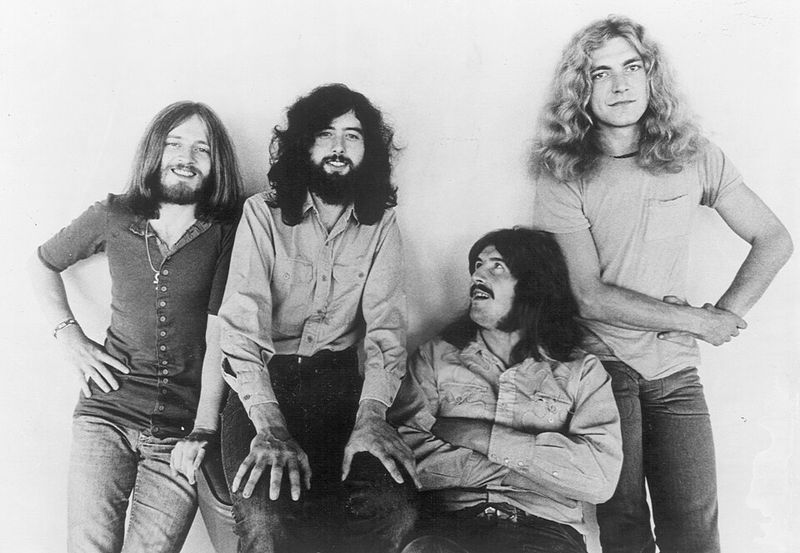
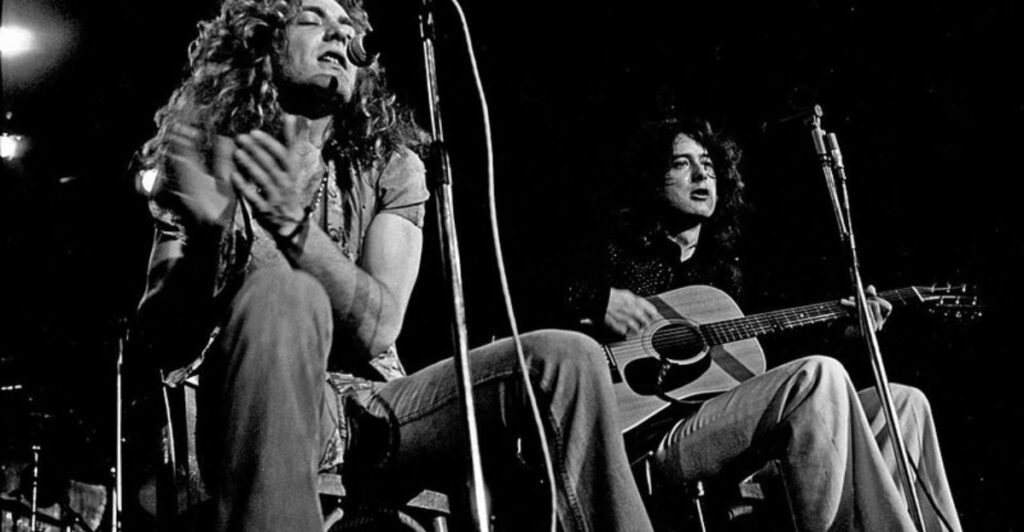
A casual remark from a Beatle may have sparked one of Led Zeppelin’s most musically sophisticated compositions. George Harrison reportedly told drummer John Bonham that the band never wrote ballads, and Jimmy Page apparently took that observation seriously.
Page constructed the arrangement at home, layering acoustic and electric guitars across multiple tunings. John Paul Jones added Mellotron, an early keyboard instrument that replicated orchestral sounds using magnetic tape, giving the track a rich, symphonic weight that was unusual for the band.
Robert Plant has cited his vocal performance here as among his personal best. Drummer John Bonham used brushes for the opening three minutes rather than his trademark powerful stick work, creating a restrained, building tension. The song appeared on the 1973 album Houses of the Holy and remains a fan benchmark for the band’s range.
3. A Day in the Life – The Beatles
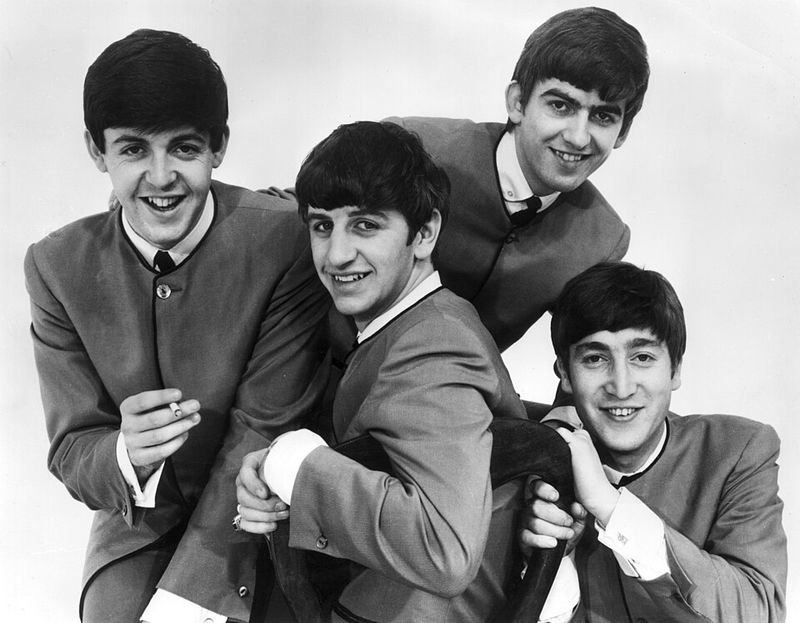
The closing track of Sgt. Pepper’s Lonely Hearts Club Band began with a newspaper and a tragedy. John Lennon drew inspiration from a report about Tara Browne, a friend of the band who died in a car accident, weaving real headlines into a surreal narrative about modern disconnection.
Paul McCartney contributed a separate middle section describing a mundane morning commute, which he later acknowledged was partly about smoking a cigarette before school. The BBC banned the song in 1967, citing the line “I’d love to turn you on” as a reference to drug use, though both Lennon and McCartney publicly denied that interpretation at the time.
The ban was lifted in 1972. The song’s orchestral crescendo, built by instructing 41 musicians to move from their lowest note to their highest over 24 bars, remains one of the most analyzed production choices in pop history.
4. Ten Years Gone – Led Zeppelin
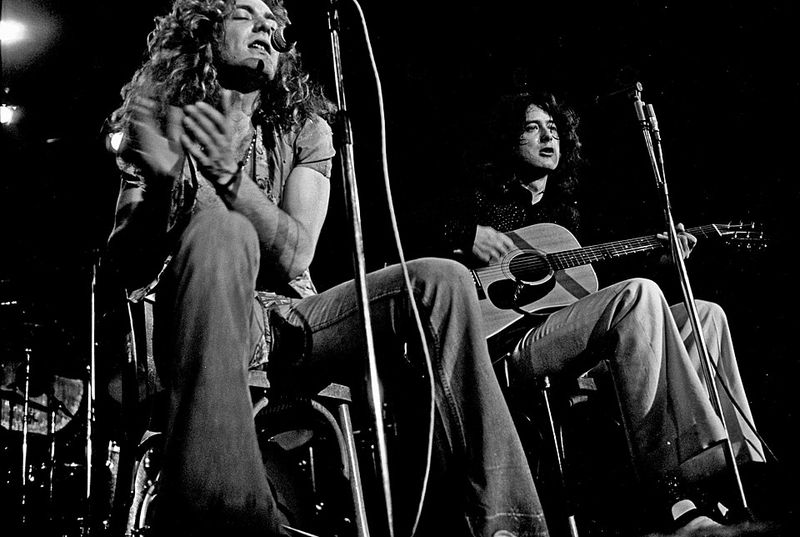
Originally conceived as an instrumental, this track from the 1975 double album Physical Graffiti grew into one of Jimmy Page’s most technically demanding studio compositions. Robert Plant later added lyrics reflecting on a past relationship and the strange clarity that comes from looking back after a decade.
Page recorded fourteen separate guitar tracks for the song, using a 1964 Fender Stratocaster, a Harmony Sovereign acoustic, and a Dan Electro electric sitar among other instruments. The layering created a texture so dense and orchestral that replicating it live required John Paul Jones to commission a custom triple-neck instrument.
The harmonic structure draws on modal and jazz-influenced chord progressions, setting it apart from the band’s blues-rock foundation. Its floating intro, built on open-string pedal tones, delays rhythmic clarity until Bonham’s drums arrive. Devoted fans consistently rank it among the band’s most inventive studio achievements.
5. Jungleland – Bruce Springsteen
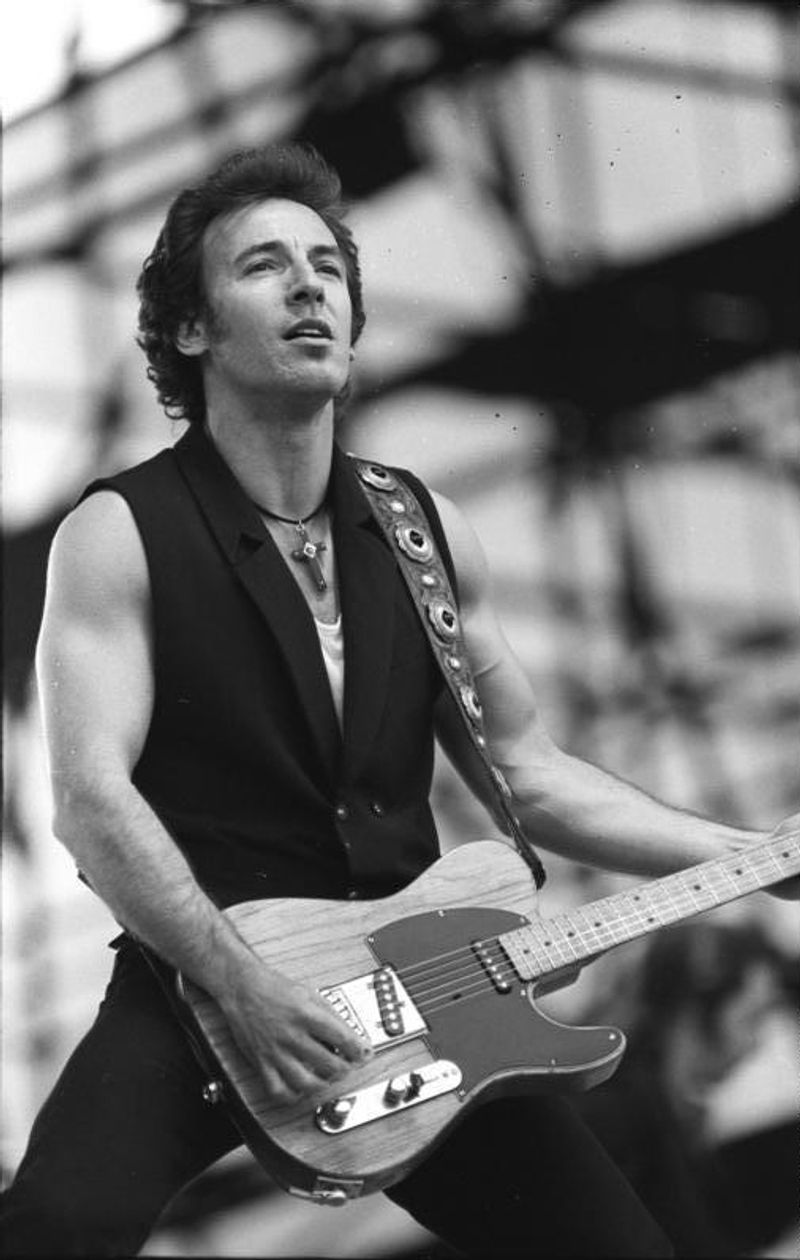
At nearly ten minutes long, this track closes Born to Run with the weight of a short film. Springsteen built the song around the streets of New Jersey, populating it with characters like Magic Rat and the Barefoot Girl, giving working-class mythology a cinematic scale.
The saxophone solo by Clarence Clemons is widely considered one of the finest in rock history. Springsteen reportedly spent sixteen hours in the studio guiding Clemons through each phrase, shaping the solo’s emotional arc from restraint into full release. That level of perfectionism defined the entire Born to Run recording process.
The track also features a 23-note violin introduction by Suki Lahav and prominent piano from Roy Bittan, who joined the E Street Band specifically for this album. Springsteen designed the record to echo Phil Spector’s Wall of Sound approach, and “Jungleland” is where that ambition is most fully realized.
6. She’s Leaving Home – The Beatles
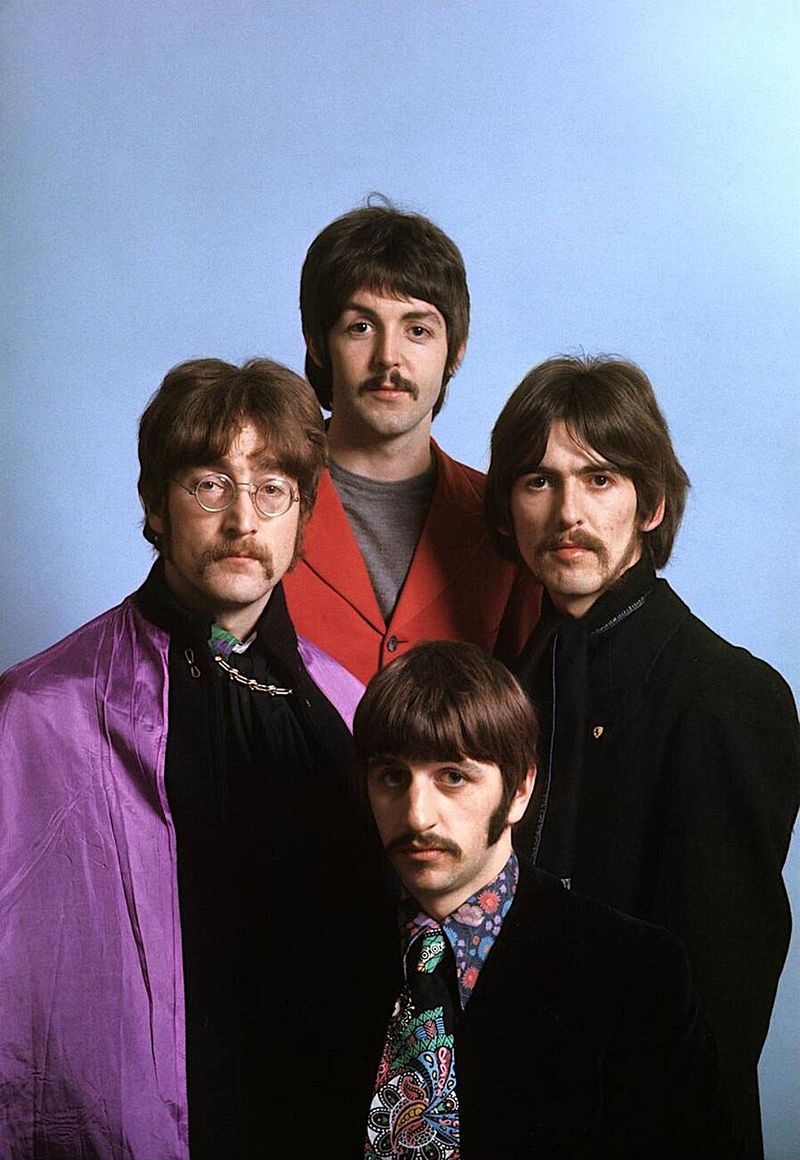
Paul McCartney wrote this song after reading a 1967 newspaper article about a teenage girl named Melanie Coe who had run away from her home in Stamford Hill, London. Years later, Coe confirmed the song captured her story with surprising accuracy, including details about her boyfriend’s occupation.
The songwriting splits perspectives: McCartney sings from the girl’s point of view, while John Lennon voices the confused and heartbroken parents in the chorus. Lennon’s lines were reportedly shaped by phrases his Aunt Mimi had used with him while he was growing up.
No Beatles member plays an instrument on the track. The entire backing comes from a string orchestra arranged by Mike Leander, brought in because producer George Martin was unavailable. That orchestral-only backing, unusual for the band at the time, contributed to the song’s classification as baroque pop and gave it a formal, almost theatrical emotional weight.
7. Down by the Seaside – Led Zeppelin
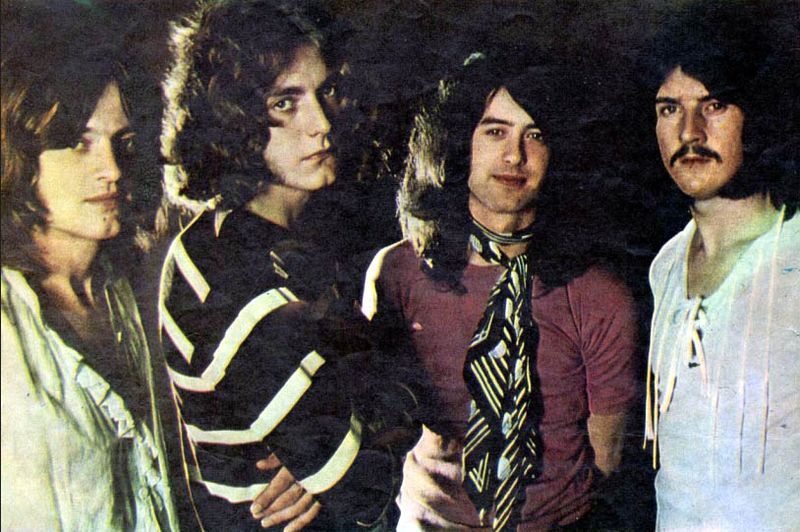
Written during a 1970 retreat to Bron-Yr-Aur, a remote cottage in Wales, this track began as an acoustic piece that Page and Plant developed away from the pressures of touring. It was originally considered for Led Zeppelin IV before being held back and eventually placed on the 1975 double album Physical Graffiti.
The song alternates between gentle passages and harder-rocking sections, with a tremolo effect on Page’s guitar during the quieter moments, likely produced through a Leslie speaker. John Paul Jones contributed an electric piano part using a Hohner Electra-Piano, adding texture to the softer segments.
Unlike most of the band’s catalog, “Down by the Seaside” was never performed at a live concert, which only deepened its appeal among collectors and dedicated listeners. Critics reviewing Physical Graffiti noted it as a welcome contrast to the album’s heavier material, praising its understated craft and wistful character.
8. Long Away – Queen
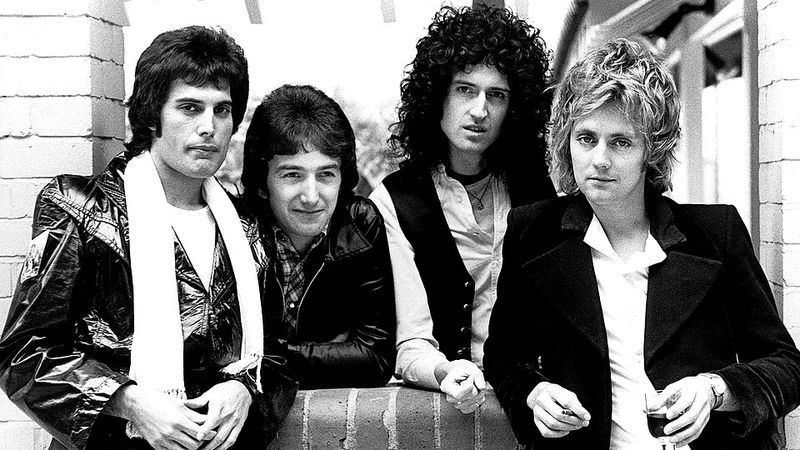
Brian May stepping up to the microphone as lead vocalist was not a common event in Queen’s catalog, which makes this 1976 album track from A Day at the Races genuinely distinctive. May wrote and sang the song himself, exploring themes of longing and the contrast between cosmic vastness and human struggle.
For the rhythm guitar parts, May chose a Burns twelve-string electric rather than his iconic Red Special, aiming for a different tonal character. He had initially wanted a Rickenbacker inspired by John Lennon’s playing, but found the neck too narrow for his hand. The 12-string riff gave the song a mid-1960s texture reminiscent of The Beatles and The Byrds.
Freddie Mercury and Roger Taylor added harmonies, with Taylor contributing the highest vocal range. The song was released as a single in North America and New Zealand but did not chart significantly. It was never performed live during Mercury’s lifetime, a fact that has only strengthened its reputation as a hidden gem for loyal fans.
9. Soul Love – David Bowie
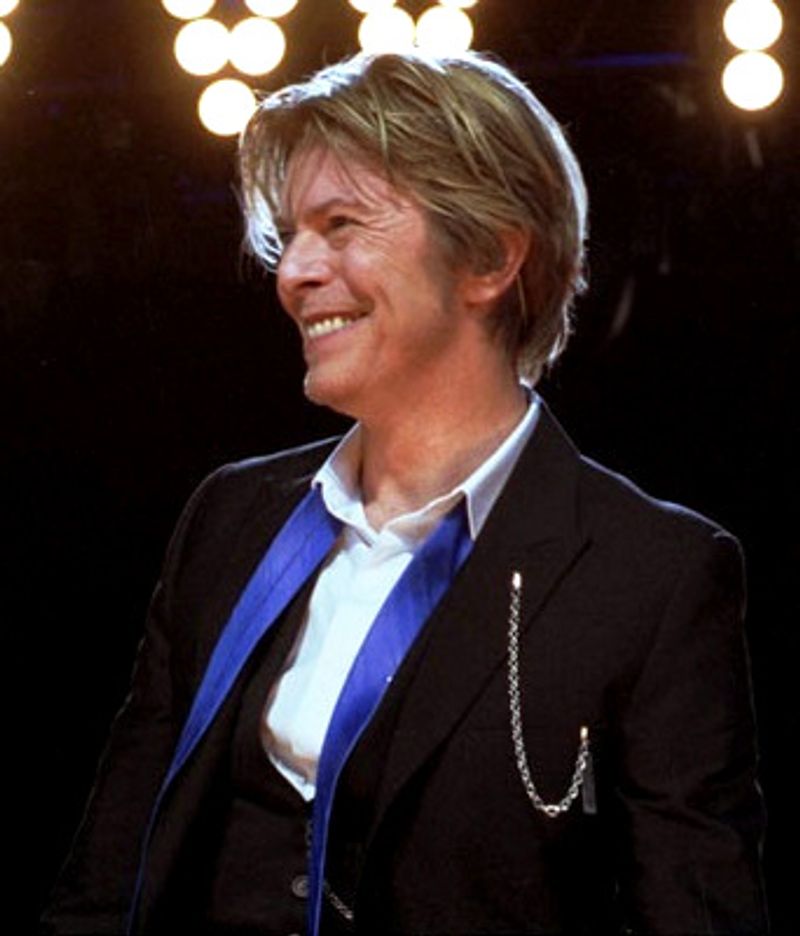
Positioned second on The Rise and Fall of Ziggy Stardust and the Spiders from Mars, this track functions as an early philosophical anchor to the album’s apocalyptic storyline. Bowie wrote it before fully developing the Ziggy narrative, but it fit seamlessly into the broader concept once the record took shape.
The lyrics cycle through three distinct expressions of love: a mother mourning a son, teenagers swept up in romantic intensity, and a congregation directing devotion toward a God who offers no response. Bowie frames all three with skepticism, suggesting that love, in each form, carries the potential to wound as much as to sustain.
The track was recorded in a single take on November 12, 1971, at Trident Studios in London. Bowie played acoustic guitar and saxophone on the recording, while drummer Woody Woodmansey aimed for a futuristic yet minimal drum part. Some critics have called it the album’s quietest moment, but lyrically it may be its most precise.
10. Sweet Virginia – The Rolling Stones
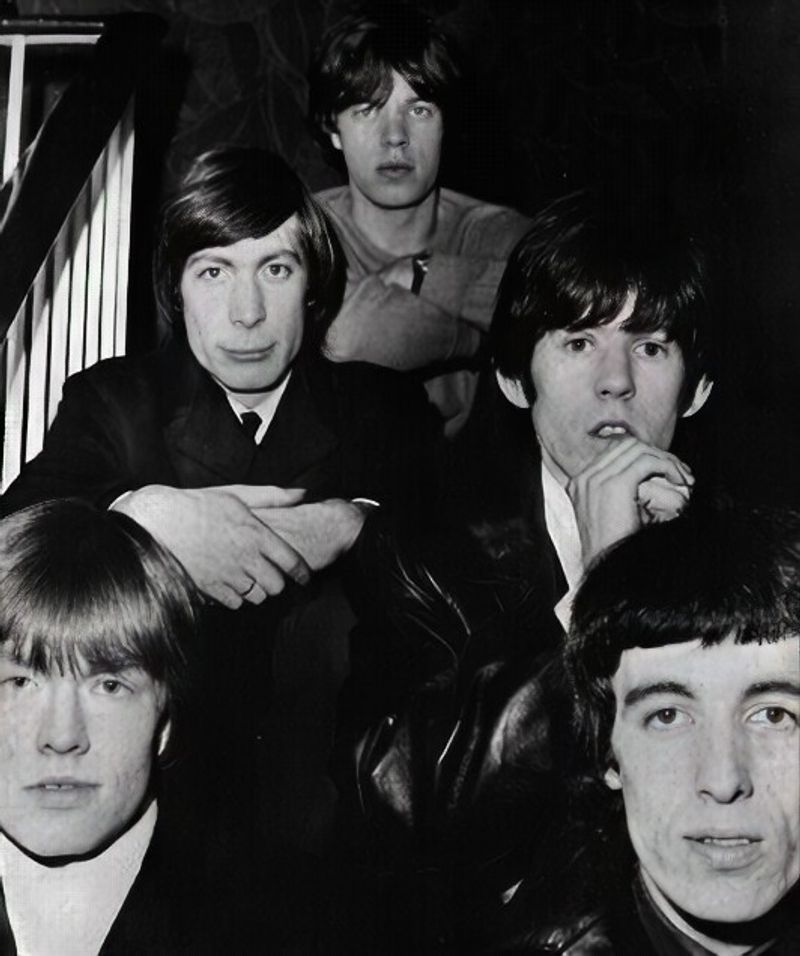
Country music rarely entered the Rolling Stones’ vocabulary with as much ease as it does here. This track from the 1972 double album Exile on Main St. blends acoustic guitar, harmonica, piano, and a saxophone solo from Bobby Keys into something that sounds completely natural rather than borrowed.
The song’s recording history stretches back to 1970 sessions at Olympic Sound Studios in London, though significant work was also completed at Nellcote, a rented villa in the South of France where the band tracked much of the album using a mobile studio setup. That setting contributed to the record’s famously loose, unpolished character.
Beneath the relaxed melody, the lyrics engage with themes of temptation and survival, and the line referencing scraping something off one’s shoes became one of the most debated in the Stones’ catalog. The song never received a worldwide single release but gained a strong following through radio play and live performances.
11. The Prophet’s Song – Queen
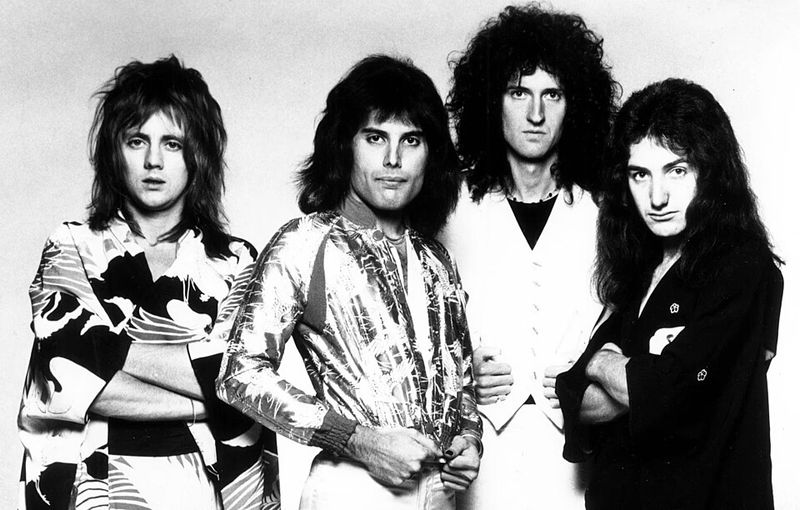
At 8 minutes and 21 seconds, this is the longest song in Queen’s studio catalog, surpassing even “Bohemian Rhapsody” in runtime. Brian May wrote it while recovering from hepatitis in 1974, drawing on a vivid dream about a catastrophic flood that he transformed into an apocalyptic warning delivered by a prophet.
The track’s centerpiece is a multi-tracked vocal canon in the middle section, where Freddie Mercury layered his voice live using tape delay to create a dense choral effect without any additional singers in the room. May applied similar delay techniques to his Red Special guitar, building passages that feel genuinely otherworldly.
The song opens with wind sounds processed from an air conditioner recording and features a haunting intro played on a toy koto, a small Japanese string instrument. It appeared on the 1975 album A Night at the Opera and was eventually removed from live setlists due to its vocal demands, making recorded versions all the more valued by fans.
12. Moonlight Mile – The Rolling Stones

Road weariness produced this closing track on Sticky Fingers, one of the most emotionally honest songs Mick Jagger ever put his name to. He reportedly wrote the lyrics during the band’s 1970 European tour, capturing the specific loneliness that comes with months of travel and performance with no real pause.
Keith Richards was largely absent during the later recording sessions for the album, so the song became a collaboration between Jagger and guitarist Mick Taylor. Jagger played the prominent acoustic guitar part himself, while Taylor reworked an unfinished Richards piece that had been informally titled “Japanese Thing.”
Paul Buckmaster contributed a lush string arrangement, and Jim Price added understated piano throughout. Jagger later clarified that references in the lyrics to a “head full of snow” were about exhaustion from touring rather than anything else. Critics have consistently called it one of the band’s most underappreciated recordings, admired for its emotional restraint and unusual intimacy.
13. Wot’s… Uh the Deal – Pink Floyd
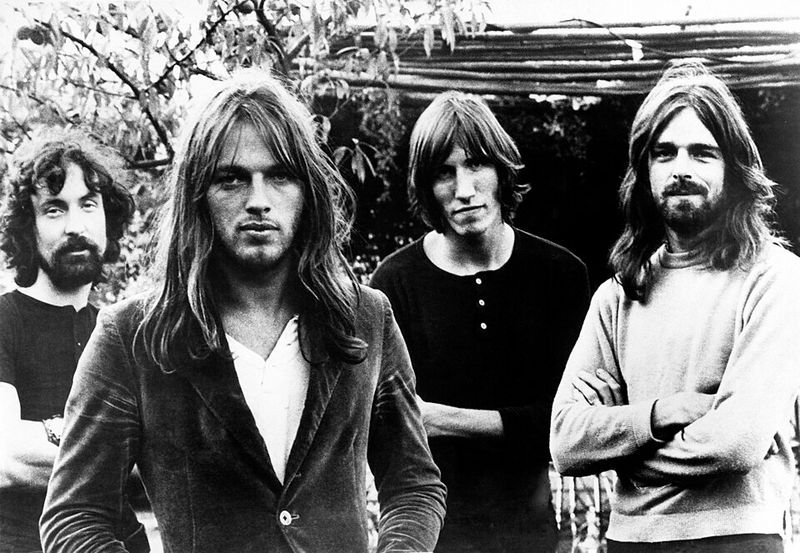
Released as part of the soundtrack album Obscured by Clouds in 1972, this track was written for Barbet Schroeder’s French film La Vallee but carries lyrical themes that reach well beyond the film’s narrative. Roger Waters wrote the words, while David Gilmour composed the music and handled multi-tracked lead vocals.
The lyrics work through the experience of reflecting on life choices and the quiet realization that time moves faster than expected. Lines about shouting a welcome to someone at the door while feeling hollowed out inside give the song a specific kind of melancholy that is grounded in everyday experience rather than abstraction.
The phrase in the title reportedly came from roadie Chris Adamson’s informal speech, grounding the philosophical content in casual working-class language. Fans who know The Dark Side of the Moon well often trace thematic threads between this song and “Time,” noting how both address aging and missed opportunity, though this one arrived two years earlier and with considerably less fanfare.
14. Aneurysm – Nirvana
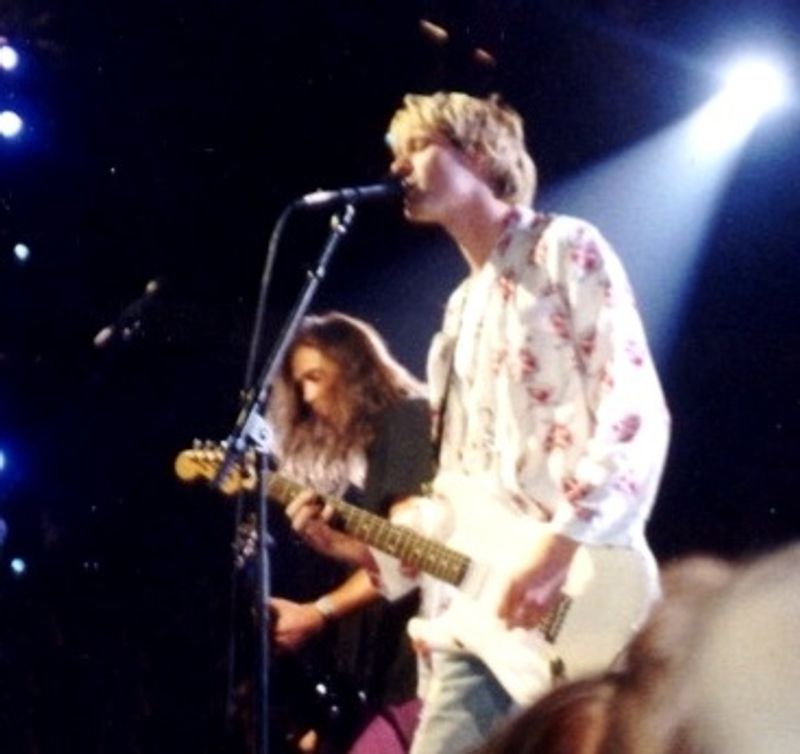
This track first appeared as a B-side to “Smells Like Teen Spirit” in 1991, which meant that millions of people who bought the single had access to it before most critics even knew it existed. It was later compiled on the 1992 rarities collection Incesticide, where it found a wider audience and a lasting reputation.
All three band members share the writing credit: Kurt Cobain, Krist Novoselic, and Dave Grohl. The lyrics are widely understood to reference Cobain’s relationship with Tobi Vail, drummer of Bikini Kill, and the song is notable as one of the few Nirvana recordings to reference drug use directly within its lyrics.
Critic Stephen Thomas Erlewine of AllMusic described it as perhaps the greatest single song the band ever recorded. Jenny Pelly of Pitchfork called it the apex of Incesticide, praising its emotional intensity and raw construction. Its consistent presence in the band’s live sets gave it a weight that far exceeded its B-side origins.
15. This Must Be the Place (Naive Melody) – Talking Heads
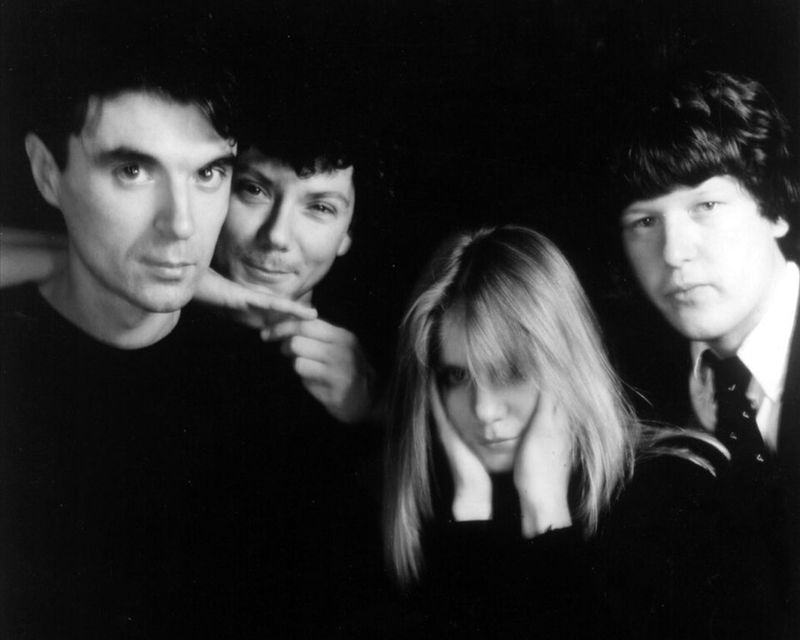
David Byrne built much of his songwriting reputation on irony and distance, which is exactly what makes this 1983 track from Speaking in Tongues so unexpected. He wrote it as a direct and sincere love song, inspired by his relationship with costume designer Adelle Lutz, and the straightforwardness of that intention is audible throughout.
The subtitle “Naive Melody” refers to the looping, repetitive musical structure the band developed before any lyrics were written. During recording, band members intentionally stepped outside their usual roles: Byrne played lead guitar and synthesizer, Tina Weymouth handled rhythm guitar, and Jerry Harrison contributed synth bass.
The line “Home is where I want to be, but I guess I’m already there” became one of the most quoted in the band’s catalog, capturing a feeling of contentment that Byrne rarely expressed so openly. The song was a modest commercial success but has grown steadily in cultural stature, frequently appearing in film soundtracks and year-end critical lists decades after its release.
Share this story