Sugar is found in everything from soft drinks and breakfast cereals to sauces, snacks, and desserts. While many countries consume large amounts of sugar overall because of their large populations, this list focuses on per-capita sugar consumption, meaning how much the average person eats each day.
The rankings below draw on international nutrition and agricultural data, which consistently show that many Western countries have the highest average sugar intake. Get ready to meet the sweet-toothed nations leading the global sugar rush.
United States

Americans have a legendary sweet tooth, and the numbers back it up. The average person in the United States consumes roughly 126 grams of sugar every single day, which is more than three times the amount health experts recommend.
That staggering figure places the U.S. firmly at the top of global sugar consumption charts.
Processed foods are a massive part of the problem. Everything from ketchup and salad dressing to granola bars and flavored yogurt is quietly packed with added sugars.
Soft drinks alone account for a huge chunk of daily intake for millions of Americans.
Fast food culture also plays a big role. Supersized sodas, milkshakes, and dessert items are standard menu fixtures across thousands of restaurant chains.
Sugar is essentially woven into the fabric of American food culture, making it incredibly hard to avoid. Public health campaigns have tried to raise awareness, but changing deeply rooted eating habits in a country this size is no small challenge.
Germany

Germany might be famous for its beer and bratwurst, but its sugar consumption tells a surprisingly sweet story. The average German consumes just over 100 grams of sugar per day, placing the country among the top sugar-consuming nations in the world.
That figure might raise a few eyebrows for a country known for hearty, savory meals.
The culprit is a deeply rooted love of baked goods and confectionery. Germans take their cakes, cookies, and chocolates seriously, and the bakery industry reflects that passion with an enormous variety of sweet products available year-round.
Christmas markets alone are a sugar lover’s paradise, overflowing with gingerbread, marzipan, and glazed nuts.
Processed foods also contribute significantly to daily sugar intake. Packaged cereals, flavored dairy products, and convenience meals often contain far more sugar than people realize.
Germany has one of Europe’s most robust food manufacturing sectors, which means sugary options are always within easy reach. Health-conscious movements are growing, but sweet traditions run deep in German culture and are unlikely to disappear anytime soon.
Netherlands

Stroopwafels, hagelslag, and sweet dairy desserts are just a few reasons why the Netherlands lands on this list. The Dutch record one of Europe’s highest per-capita sugar intakes, and the variety of sweet products available in Dutch supermarkets is genuinely impressive.
Sugar shows up in places you might never expect.
Dairy products are a big part of Dutch culture, and many of the most popular options, including flavored yogurts and custard desserts, carry significant amounts of added sugar. Bread toppings like chocolate sprinkles and sweet peanut butter spreads are everyday staples for Dutch children and adults alike.
Packaged snacks and baked goods round out the picture. The Netherlands has a thriving food processing industry that produces a wide range of convenience foods, many of which rely on sugar for flavor and shelf life.
Licorice, or drop as it is called locally, is practically a national obsession, with the Dutch consuming more of it per person than almost anyone else on Earth. Awareness of sugar-related health risks is growing, but changing snack habits in a country this passionate about its treats takes considerable time and effort.
Ireland

Ireland has long held an impressive, if not entirely flattering, reputation as one of the world’s biggest sugar consumers. Chocolate biscuits, cream-filled cakes, and fizzy drinks are beloved fixtures of everyday Irish life, and the statistics reflect just how deeply sugar is embedded in the national diet.
Biscuits are practically a cultural institution in Ireland. Offering someone a cup of tea without a biscuit on the side would feel almost rude in many Irish households.
Brands like Digestives, Kimberley, and Mikado have loyal followings that span generations, and they are consumed in large quantities daily.
Sugar-sweetened beverages also contribute heavily to Ireland’s high intake figures. Energy drinks and fizzy sodas are popular among younger demographics, and portion sizes have crept upward over the years.
Chocolate consumption is similarly enthusiastic, with Ireland consistently ranking among the highest per-capita consumers of chocolate in Europe. Public health authorities have pushed hard for labeling reforms and sugar reduction strategies, and some progress has been made.
Still, the Irish sweet tooth remains one of the most enthusiastic on the planet, showing little sign of slowing down significantly anytime soon.
Australia

Australians consume nearly 96 grams of sugar per day on average, making the country one of the sweetest-eating nations in the Southern Hemisphere. That number might surprise people who associate Australia with outdoor lifestyles and health-conscious beach culture, but the reality of the average diet tells a different story.
Breakfast cereal is one of the biggest contributors to daily sugar intake in Australia. Many popular brands marketed to families and children contain alarming amounts of added sugar per serving, often disguised by health-related branding and colorful packaging.
Starting the day with a sugar spike has become completely normalized for millions of Australians.
Soft drinks, flavored milk, and packaged snack foods add considerably to the daily total as well. Australia has a thriving convenience food market, and sugary products are aggressively marketed and widely available.
Tim Tams, iced VoVos, and other iconic Australian biscuits hold a special place in the national identity, which makes reducing consumption feel almost unpatriotic to some. Health campaigns have gained traction in recent years, particularly around childhood obesity, and some manufacturers have quietly reduced sugar in their recipes.
However, overall per-capita consumption remains stubbornly high across the country.
Belgium

Belgium makes chocolate so extraordinary that people fly in from other countries just to buy it. But beyond the world-class pralines and golden waffles, Belgium’s everyday diet is quietly loaded with sugar in ways that go far beyond tourist treats.
The country consistently ranks among Europe’s highest per-capita sugar consumers.
Belgian waffle culture deserves special mention. These thick, crispy, syrup-drenched creations are not just for tourists wandering the streets of Brussels or Bruges.
Many Belgians enjoy waffles as a regular snack or dessert, often topped with whipped cream, strawberries, and generous drizzles of chocolate sauce. That adds up fast.
Everyday processed foods also push consumption higher. Belgian supermarkets are stocked with sweet spreads, flavored dairy products, packaged biscuits, and dessert items that contain significant amounts of added sugar.
The country’s strong confectionery manufacturing sector ensures that sugary products are always competitively priced and attractively packaged. Belgium also has a culture of celebrating occasions with elaborate cakes and sweet pastries, which means sugar appears at birthdays, holidays, and casual gatherings alike.
Health awareness is increasing, but the country’s deep love of fine chocolate and baked treats makes meaningful reduction a genuinely difficult cultural conversation.
United Kingdom

The UK introduced a sugar tax on soft drinks back in 2018, and many manufacturers quietly reformulated their recipes to avoid the levy. Despite that policy win, the average Briton still consumes well above recommended daily sugar limits.
Old habits, it turns out, are remarkably stubborn.
Biscuits are practically a British obsession. The nation runs on tea breaks, and tea breaks run on biscuits.
Digestives, Hobnobs, and Jaffa Cakes are consumed in staggering quantities every single day, contributing meaningfully to the national sugar average. Chocolate bars are similarly beloved, with the UK ranking among the highest per-capita chocolate consumers in Europe.
Packaged and ultra-processed foods account for a significant share of hidden sugar in the British diet. Ready meals, flavored sauces, breakfast cereals, and flavored yogurts all contain more added sugar than most people realize.
Children’s food products are particularly concerning, with many marketed as healthy options despite carrying high sugar content. Public Health England has pushed for front-of-pack labeling improvements and voluntary sugar reduction targets across the food industry.
Some brands have responded positively, but progress has been uneven, and overall consumption figures remain frustratingly high for health authorities.
Mexico

Mexico has one of the most dramatic sugar-drink relationships of any country on Earth. For years, the country ranked as the world’s largest per-capita consumer of Coca-Cola, and sugary beverages remain deeply embedded in everyday life from busy city streets to small rural villages.
The numbers are hard to ignore.
Pan dulce, the beloved Mexican sweet bread, is another major contributor. Sold cheaply at bakeries and street stalls across the country, pan dulce is a daily staple for millions of families.
Varieties range from conchas and cuernos to polvorones, each one sweet, soft, and completely irresistible with a cup of hot coffee or chocolate.
Mexico introduced a tax on sugar-sweetened beverages in 2014, becoming one of the first countries in the world to take that bold step. Studies showed some initial reduction in consumption, particularly among lower-income households.
However, overall sugar intake across the country remains high, driven by affordable processed foods, widespread marketing of sugary products, and deeply rooted food traditions. Obesity and diabetes rates in Mexico are among the highest globally, creating a serious public health challenge.
Efforts to expand nutrition labeling and restrict advertising to children are ongoing but face significant industry resistance.
Finland
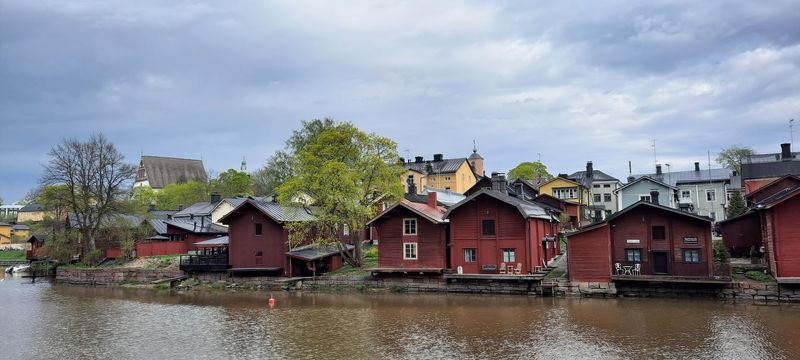
Finland has a candy culture so enthusiastic that the country invented its own shopping ritual around it. Saturday has historically been known as “karkkipaiva,” or candy day, a tradition where families buy and enjoy sweets together as a weekly treat.
What started as a post-war health guideline somehow evolved into a beloved national custom.
Finnish licorice is legendary. The country’s love of salty licorice, known as salmiakki, is borderline extreme by international standards.
But alongside the salty varieties, Finns also consume enormous quantities of sweet licorice, chocolate-covered candies, and sugar-dusted gummies. Confectionery consumption per person is among the highest in Europe.
Baked goods and sweet dairy products add further to Finland’s impressive sugar tally. Cinnamon rolls, called korvapuusti, are a national treasure enjoyed with coffee at cafes across the country.
Flavored yogurts, berry desserts, and cream-filled pastries round out a diet that skews surprisingly sweet for a country often associated with clean Nordic living. Health authorities have been working to shift attitudes, particularly around childhood sugar intake.
Gradual progress is being made, but the cultural affection for sweets, especially on that sacred Saturday, remains a deeply cherished part of Finnish identity.
Canada
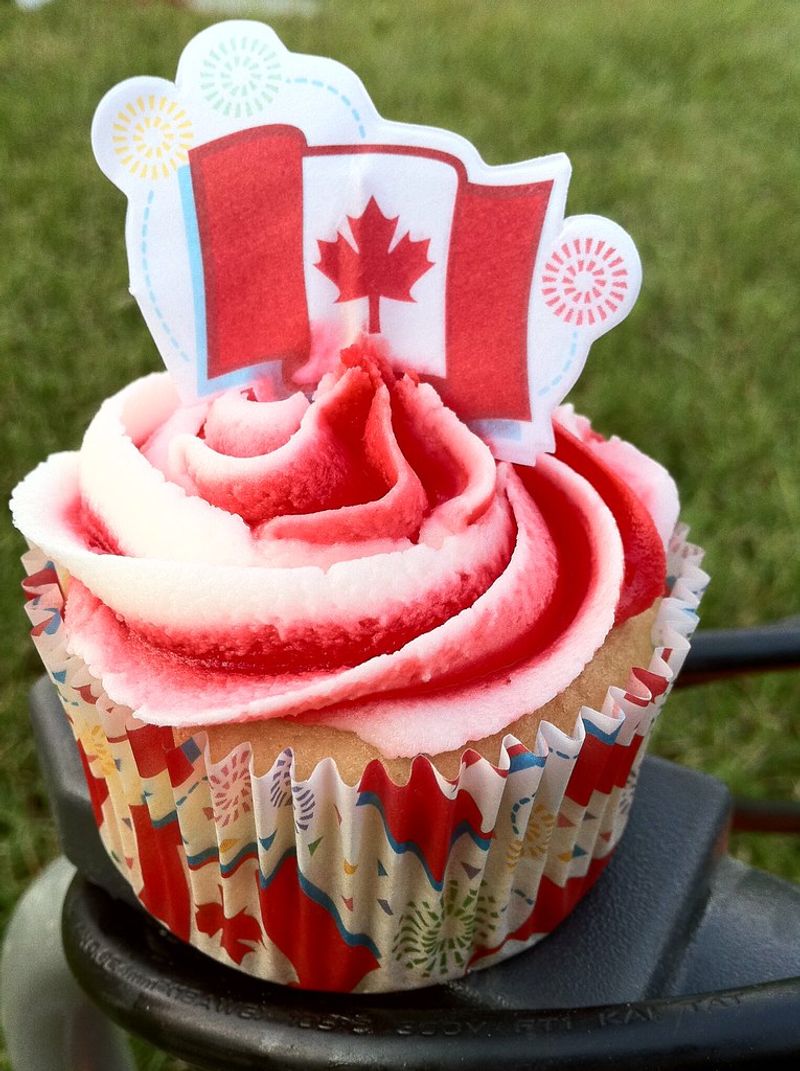
Canadians consume nearly 90 grams of sugar per day on average, a figure that surprises many people who think of Canada as a nation of maple syrup enthusiasts rather than serious sugar consumers. The reality is that added sugars show up across almost every category of the Canadian food supply.
Breakfast is a major source of sugar for many Canadians. Popular cereals, flavored instant oatmeal, fruit juices marketed as healthy options, and sweetened coffee drinks can collectively deliver a significant sugar load before 9 a.m.
The morning routine, for millions of Canadians, is basically a sugar delivery system dressed up as nutrition.
Convenience foods and packaged snacks drive the numbers even higher throughout the day. Canada has a large and sophisticated processed food industry, and sugary products are heavily marketed across all age groups.
Chocolate bars, cookies, and flavored beverages are staples of Canadian convenience stores and office break rooms alike. Tim Hortons, one of Canada’s most iconic brands, has built much of its identity around sweet baked goods and sugary specialty drinks.
Health Canada has introduced updated dietary guidelines and improved nutrition labeling, and awareness is growing. However, changing purchasing habits in a country with such strong brand loyalties takes considerable time and effort.
Luxembourg

Luxembourg is a tiny country with outsized sugar consumption figures, and the explanation involves more than just what Luxembourgers eat at home. The country sits at the crossroads of France, Belgium, and Germany, meaning its supermarkets attract cross-border shoppers who boost local sales data considerably.
Still, even accounting for that quirk, per-capita sugar figures remain impressively high.
Luxembourgers enjoy rich culinary traditions influenced by all three of its neighboring countries. French pastries, Belgian chocolates, and German sweet breads all have a strong presence in local bakeries and supermarkets.
The result is a food environment where high-quality, indulgent sweet products are not only available but actively celebrated as part of everyday life.
Packaged and imported confectionery products also contribute to Luxembourg’s elevated consumption numbers. As one of Europe’s wealthiest countries by income per capita, Luxembourg residents have significant purchasing power, which translates into higher spending on premium food products, including sweets and desserts.
Restaurants and cafes serve elaborate dessert courses as standard, and food culture here genuinely values indulgence. International health organizations have noted the country’s high sugar figures, and some public awareness efforts are underway.
However, with such a diverse and delicious sweet food landscape, meaningful reduction faces a uniquely pleasant set of obstacles.
Poland

Poland’s sweet tooth has ancient roots, and the country’s traditional baking culture is genuinely spectacular. Paczki, the gloriously rich Polish doughnuts filled with rose hip jam or custard, are consumed by the millions on Fat Thursday alone.
That single annual event gives you a pretty clear picture of how seriously Poland takes its sweets.
Recent international datasets consistently place Poland among the world’s highest per-capita sugar consumers, reflecting both traditional confectionery culture and the rapid expansion of processed food availability since the 1990s. As global food brands entered the Polish market after the fall of communism, the variety and accessibility of sugary products increased dramatically.
Makowiec, sernik, and kremowka are just a few of the beloved traditional desserts that Poles enjoy at family gatherings, holidays, and everyday occasions. These are not occasional treats but regular fixtures of Polish home cooking and bakery culture.
Candy shops and confectionery stalls remain popular across the country, and flavored sodas and sweet juices are common beverage choices. Polish health authorities have raised concerns about rising obesity rates and diet-related illnesses, particularly among children.
Efforts to improve nutritional education and update food labeling standards are progressing, but the cultural pride wrapped up in traditional Polish sweets makes the conversation genuinely complicated and emotionally charged.
Share this story