France has a habit of hiding its best-kept secrets just around the corner from the well-worn tourist path. Beyond the Eiffel Tower and the Riviera, there are gorges, medieval clifftop villages, volcanic plateaus, and island archipelagos waiting to be discovered.
These 15 destinations prove that the most memorable French adventures often happen far from the crowds, where locals still outnumber tour buses and the scenery takes your breath away.
Collioure
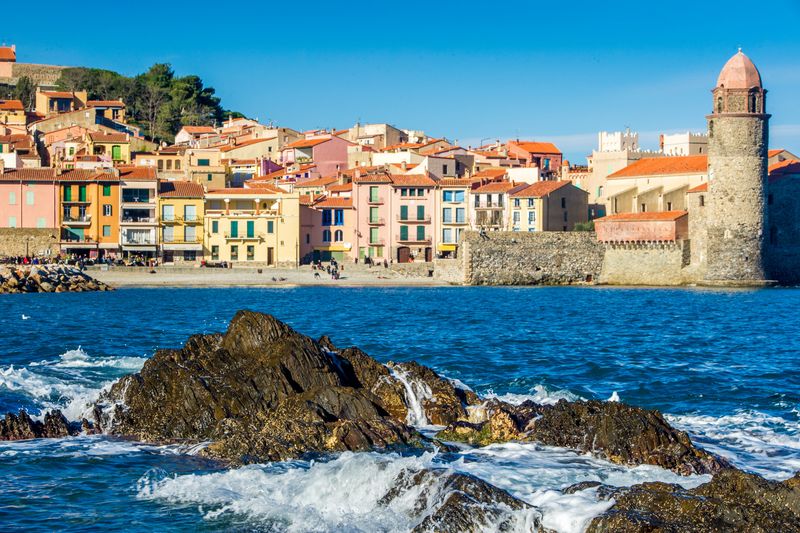
Picasso never painted here, but Matisse and Derain certainly did, and one look at Collioure tells you exactly why. The harbor glows with candy-colored buildings reflected in still, turquoise water, and the old church tower rises dramatically from the seafront like something out of a dream.
Artists were drawn here in the early 1900s and sparked an entire movement called Fauvism, right on these very shores.
Despite its painterly fame, Collioure stays refreshingly relaxed compared to the crowded French Riviera. The narrow lanes are perfect for wandering without a plan, dipping into tapas bars and local anchovy shops along the way.
Yes, anchovies are a big deal here, and the ones cured in Collioure are considered among the finest in the world.
Catalan culture runs deep in this corner of France, blending Spanish and French influences into something wonderfully unique. Catch a sardana folk dance in the main square on a summer evening if you can.
The town is small enough to explore on foot in a day, but charming enough to make you want to stay much longer.
Rocamadour
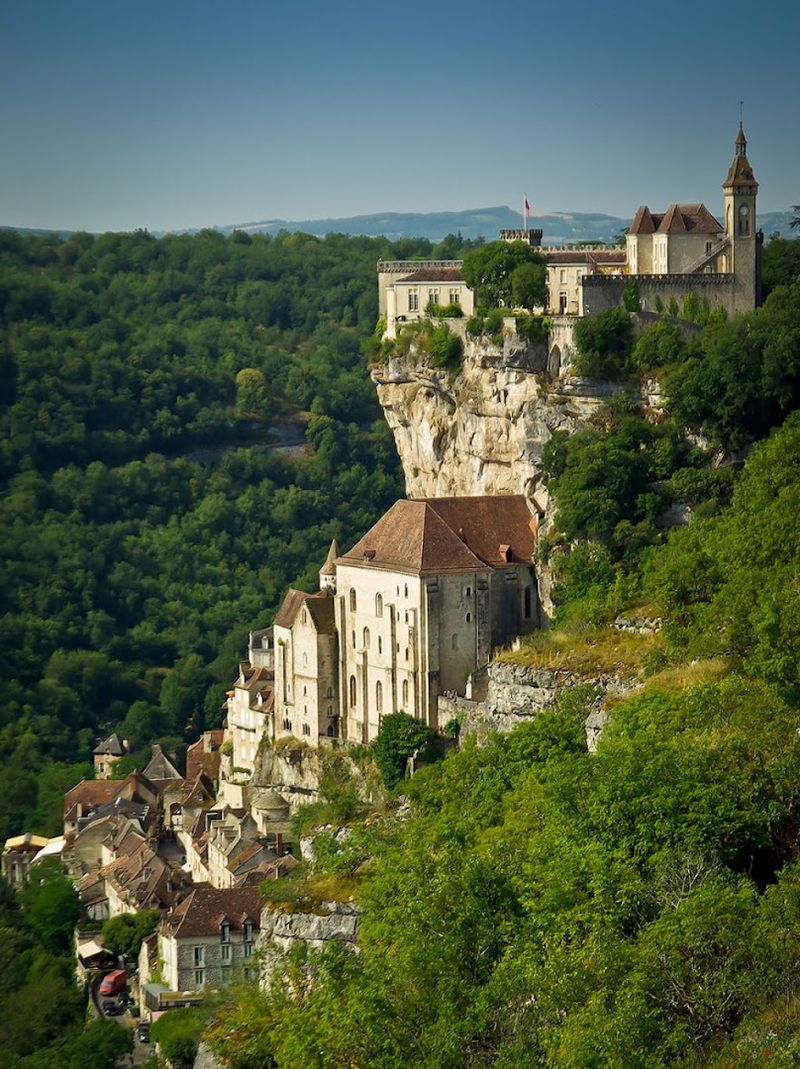
Few sights in France stop people in their tracks quite like Rocamadour. Built directly into a sheer limestone cliff, this medieval village looks physically impossible, as if someone stacked a thousand-year-old town vertically just to prove it could be done.
The effect is jaw-dropping from the valley below, especially at golden hour when the stone glows amber.
Pilgrims have been climbing these sacred steps since the 12th century, drawn by a revered Black Madonna statue housed in the clifftop chapel. Today, visitors come for the spiritual atmosphere, the staggering architecture, and the sweeping panoramic views across the Alzou Canyon.
You can ride a lift if the 216 steps sound a bit ambitious.
The village itself is divided into three levels connected by staircases carved into the rock. Each level has its own character, from souvenir shops and restaurants near the base to the quiet sanctuaries higher up.
Rocamadour is busiest in summer, so arriving early in the morning rewards you with cooler temperatures and far fewer fellow visitors jostling for the best photo spot.
Lescun
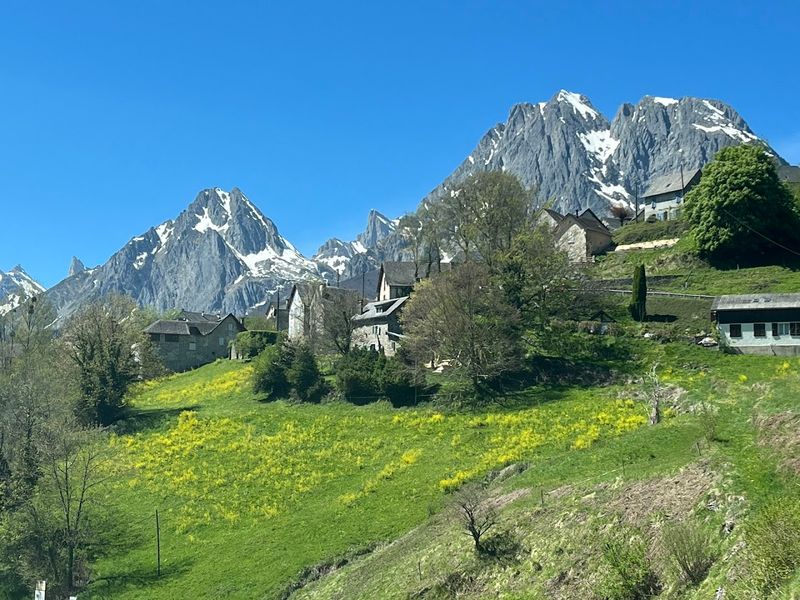
Some villages earn their reputation through history; Lescun earns its through sheer, unapologetic scenery. Tucked into a high valley in the French Pyrenees, this tiny stone hamlet sits beneath a semicircle of jagged limestone peaks so dramatic they look like a film set.
On clear mornings, the views across the cirque are genuinely heart-stopping.
Hiking is the main reason most people make the effort to reach Lescun, and the trails here do not disappoint. Routes wind through wildflower meadows, past grazing horses, and up into rocky terrain with views stretching toward Spain.
The famous GR10 long-distance trail passes nearby, making Lescun a popular overnight stop for serious walkers.
The village itself has fewer than 200 permanent residents, which means life here moves at a wonderfully unhurried pace. Traditional stone farmhouses line the quiet lanes, and the local gite and auberge offer simple but satisfying mountain cooking after a long day on the trails.
Lescun rewards the effort of getting there with something increasingly rare in modern travel: genuine, uncrowded, unspoiled mountain beauty that feels entirely real.
Eguisheim
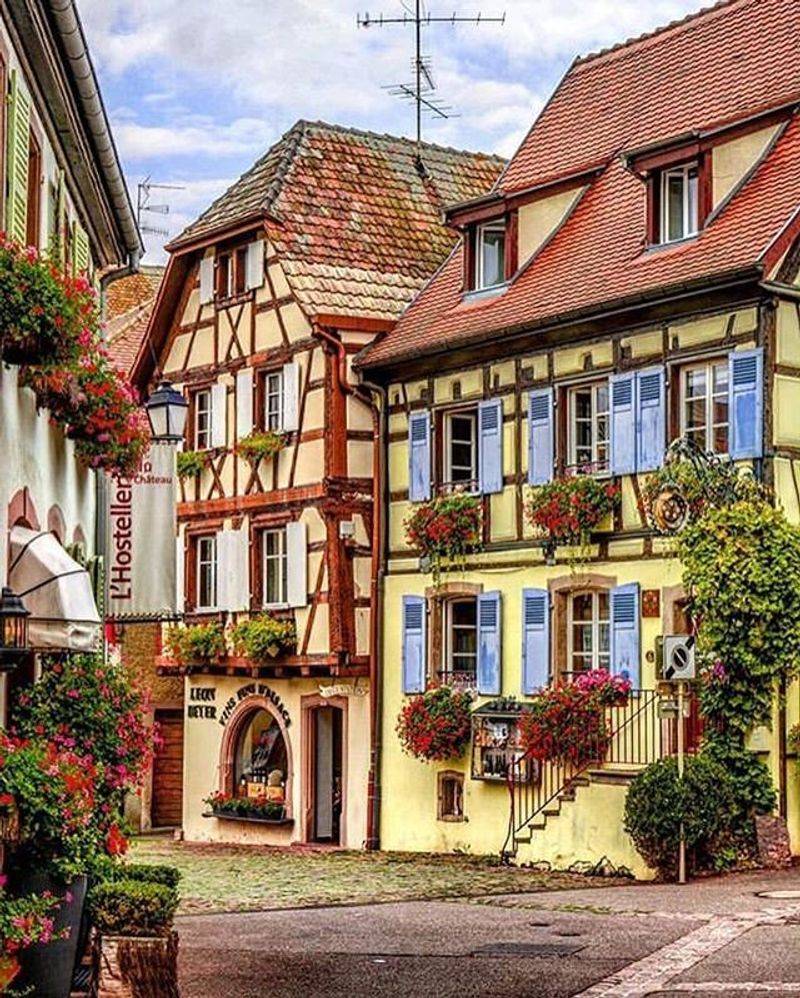
Walking into Eguisheim feels like someone shrunk a fairy tale and placed it gently in the Alsatian foothills. The village is built in concentric rings around a central square, and the half-timbered houses are painted in shades of yellow, pink, and terracotta, every one of them dripping with flower boxes.
It is genuinely one of the most photogenic villages in France, and it knows it.
What makes Eguisheim special beyond its looks is the wine. The village sits at the heart of the Alsace wine route, surrounded by Grand Cru vineyards producing outstanding Riesling and Gewurztraminer.
Tasting rooms are easy to find, welcoming, and often family-run, giving visitors a real sense of local winemaking tradition.
Eguisheim was named the favorite village of France by a popular television vote in 2013, yet it somehow avoids feeling overly touristy. Visit in early spring before the summer crowds arrive, or come during the Christmas market season when the village is lit by warm lights and the smell of mulled wine fills every alley.
Either way, budget more time than you think you need.
Gorges de l’Ardèche
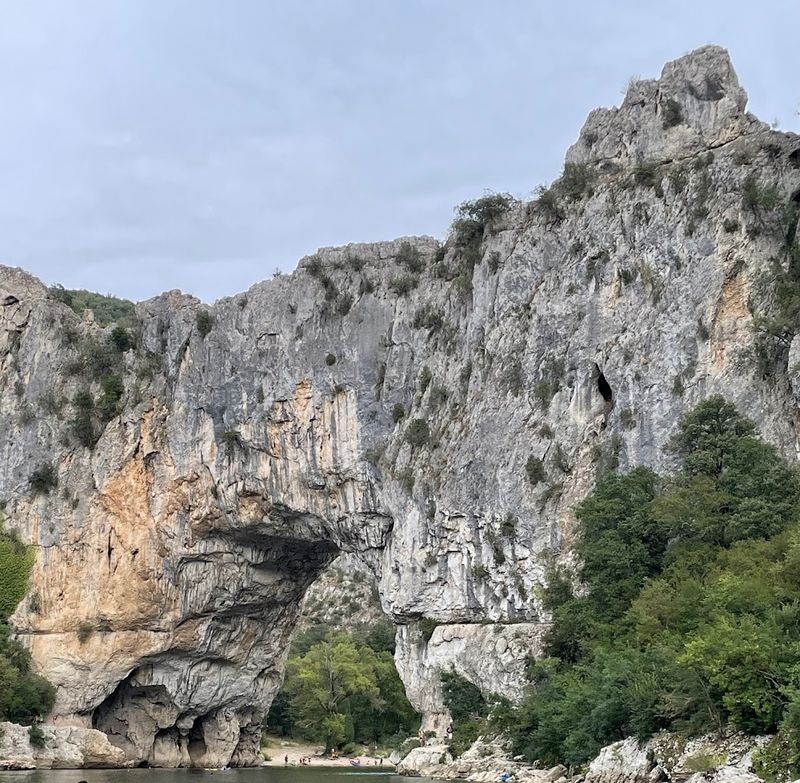
Nature spent millions of years carving the Gorges de l’Ardèche, and the result is one of southern France’s most spectacular landscapes. Limestone cliffs rise up to 300 meters above the winding river, creating a canyon that looks more like something from the American Southwest than the French countryside.
The natural stone arch of Pont d’Arc, spanning 60 meters across the river, is the gorge’s most iconic sight.
Kayaking through the gorge is the classic way to experience it, and for good reason. Paddling beneath those towering walls, through calm stretches and gentle rapids, with kingfishers darting overhead, is a genuinely thrilling day out.
Canoe rental companies operate throughout summer along the river, making the trip accessible even for beginners.
The gorge also sits beside the Chauvet Cave, home to some of the oldest cave paintings in the world, dating back around 36,000 years. The original cave is closed to protect the art, but a brilliant replica called the Caverne du Pont d’Arc brings those ancient paintings to life nearby.
Combine kayaking with a cave visit for a full day of Ardèche adventure that is impossible to forget.
Menthon-Saint-Bernard
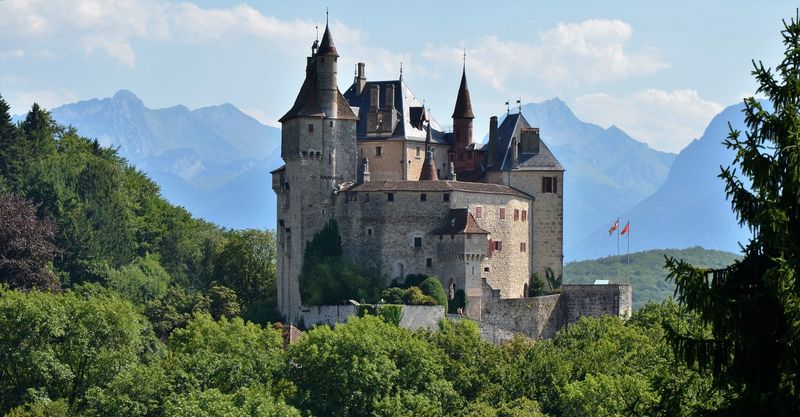
Reflected in the turquoise waters of Lake Annecy, the Chateau de Menthon-Saint-Bernard looks exactly like the castle your childhood imagination invented. Towers, turrets, and steep rooflines rise from a forested hilltop above the lake, and the Alpine backdrop completes a scene so perfect it feels slightly unreal.
Legend has it the chateau inspired Walt Disney’s Sleeping Beauty castle, and honestly, that tracks completely.
The chateau has been owned by the same noble family for over a thousand years, and guided tours offer a wonderfully personal glimpse inside. Rooms are filled with antique furniture, tapestries, and family portraits spanning centuries of history.
The views from the upper terraces over Lake Annecy are among the best in the entire Alps region.
The village of Menthon-Saint-Bernard sits right on the lakeshore and is far quieter than nearby Annecy town, making it an ideal base for exploring the lake by pedalo, paddleboard, or kayak. The swimming is excellent in summer, with clear, cool water straight from the mountains.
Cycling paths connect the village to Annecy, offering a scenic and easy alternative to driving around the lake’s busy roads.
Salers
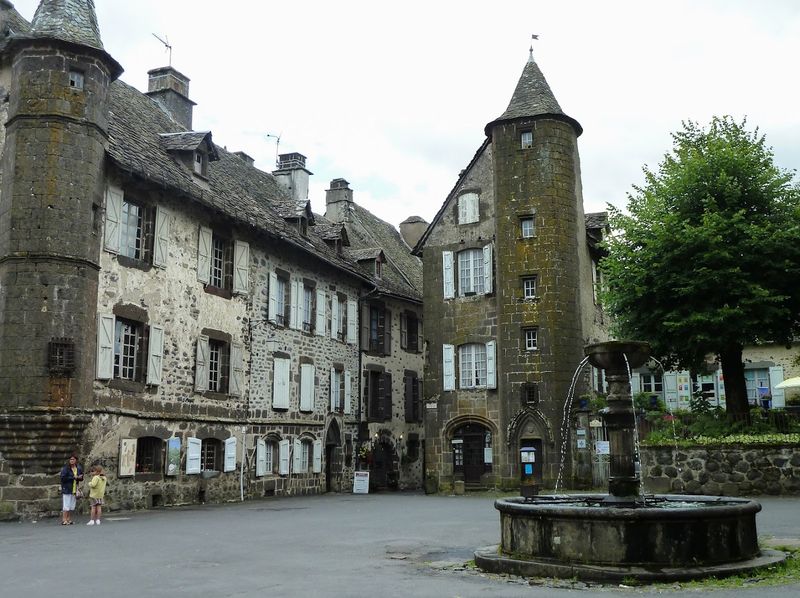
Built entirely from dark volcanic stone, Salers has a mood unlike any other village in France. The basalt gives the buildings a brooding, almost gothic quality, and combined with the misty Auvergne landscape rolling away in every direction, the atmosphere is wonderfully dramatic.
This is a place where the geology tells the story before you even read a single information panel.
Salers is a commune in the Cantal department and sits at around 950 meters above sea level, giving it a crisp, clean mountain air even in summer. The historic center is remarkably intact, with Renaissance mansions, turretted towers, and a central square that has barely changed in centuries.
Wander the rampart walk for sweeping views across the volcanic plateau.
The town is also famous for two things that locals are fiercely proud of: Salers cattle, a hardy russet-colored breed that grazes the surrounding hills, and Salers cheese, a rich, tangy semi-hard cheese made from their milk. Pick some up at the market and pair it with a local wine for an authentic Auvergne picnic.
Few places in France offer this combination of dramatic scenery, medieval heritage, and outstanding local produce all in one compact location.
Château de Troussay
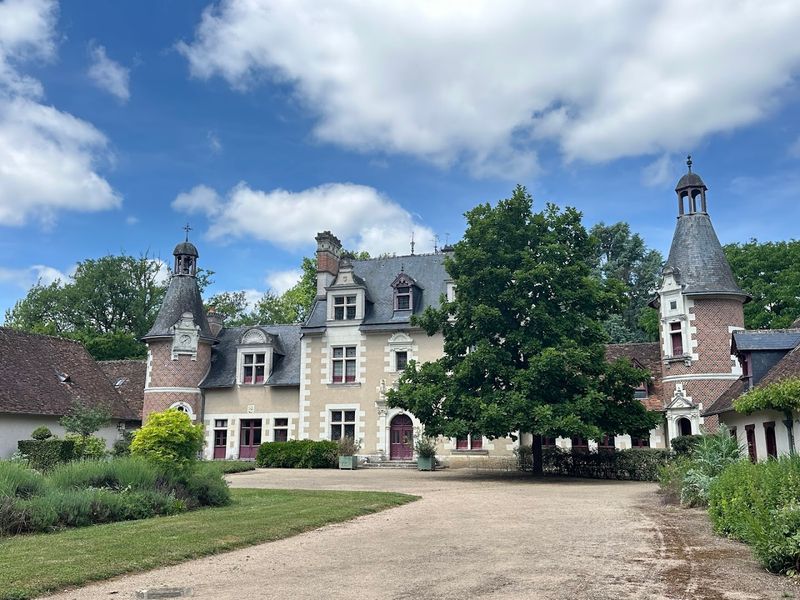
Forget the crowds at Chambord for a moment, because the Loire Valley’s best-kept secret is a modest, perfectly proportioned Renaissance chateau that most visitors drive straight past. Chateau de Troussay is often called the smallest chateau in the Loire Valley, and that intimate scale is precisely what makes it so appealing.
There are no queues, no audio guides competing for your attention, and no tour groups blocking the best angles.
The chateau dates from the 15th century and was lovingly restored in the 19th century by historian Louis de la Saussaye, who incorporated decorative stonework salvaged from other Loire buildings being demolished at the time. The result is a fascinating architectural patchwork filled with authentic Renaissance details.
The interior retains original furniture, painted ceilings, and period artifacts that feel genuinely lived-in rather than museum-sterile.
The surrounding gardens are beautifully maintained and offer a tranquil spot for a picnic after the tour. The estate also includes a traditional outbuilding housing a charming rural life museum with old farm tools and local crafts.
Troussay sits near Cheverny, so pairing the two makes for a satisfying day of Loire chateau exploration without the overwhelming scale of the region’s most famous sites.
Porquerolles Island
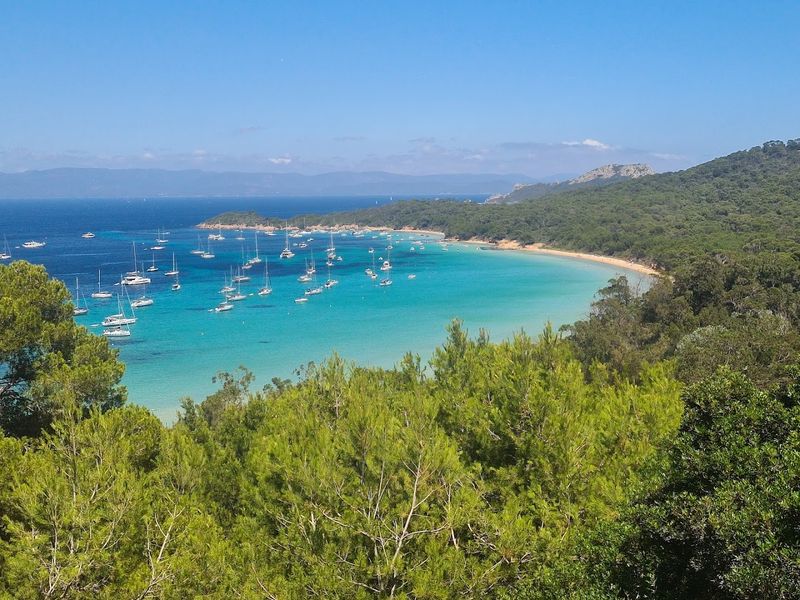
No cars. White sand beaches.
Water so clear you can count the pebbles from a boat. Porquerolles is the kind of island that makes you immediately rethink every holiday decision you have ever made.
Located just a short ferry ride from Hyeres on the southern coast, this protected national park island feels like the Mediterranean the way it used to be before mass tourism arrived.
Bicycles are the main form of transport here, and the island has a well-maintained network of trails winding through pine forests, past vineyards, and down to beaches that rival anything in the Caribbean. The beach at Notre-Dame is particularly stunning, a long crescent of pale sand backed by fragrant pines with barely a parasol in sight outside peak season.
Porquerolles produces its own wine from vineyards managed by the national park, and the local rose is genuinely worth seeking out. The single village at the island’s center has a handful of restaurants and cafes clustered around a sunny square shaded by eucalyptus trees.
Ferries run frequently from the mainland, making a day trip perfectly feasible, though staying overnight transforms the experience entirely once the day visitors head home.
Pérouges
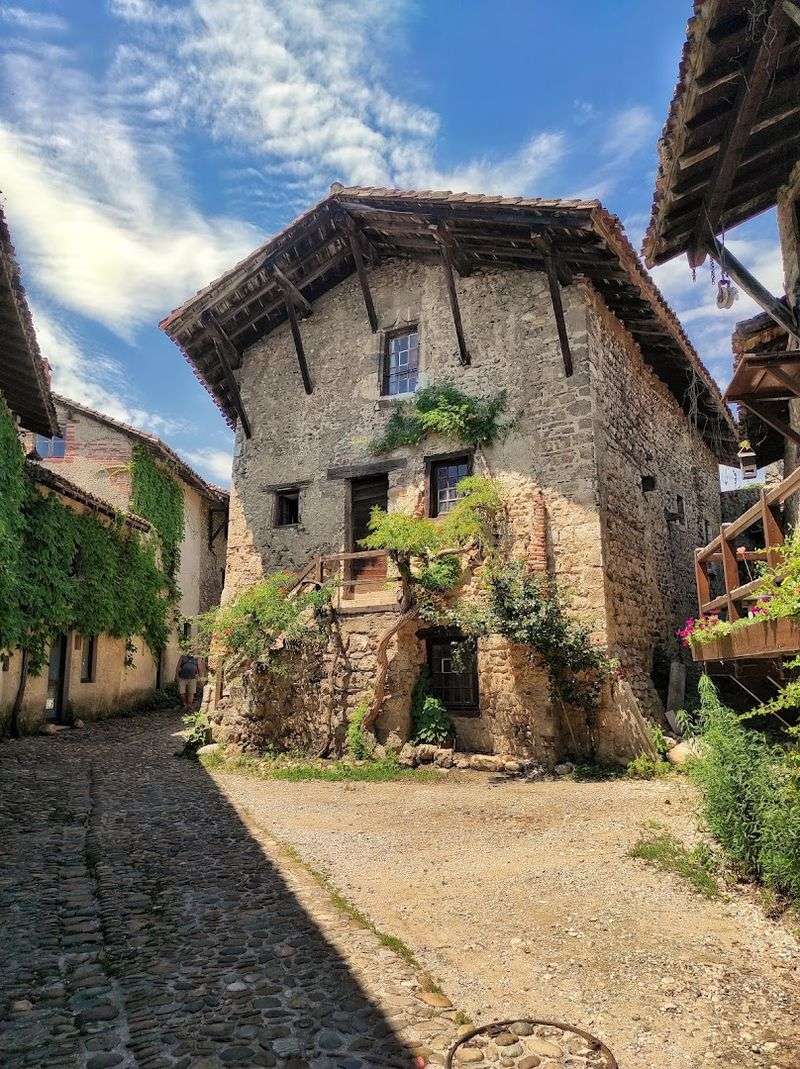
Step through the fortified gates of Perouges and the 21st century simply disappears. This walled hilltop town near Lyon is so extraordinarily well preserved that film crews have been using it as a ready-made medieval film set for decades.
Productions including The Three Musketeers have filmed here, and once you see the cobbled lanes and ancient stone facades, the appeal is obvious.
Perouges dates back to the Middle Ages and was actually saved from demolition in the early 20th century by a group of determined locals who convinced the government to protect it. That rescue effort paid off spectacularly.
Today the entire town is classified as a historic monument, and its authenticity is remarkable, with almost no modern intrusions visible once inside the walls.
The local specialty is galette de Perouges, a flat, buttery, sugary pastry that has been made here since medieval times. Every restaurant and cafe in town serves it, usually warm and accompanied by a glass of local wine.
The combination of extraordinary medieval atmosphere, great food, and easy access from Lyon makes Perouges one of the most rewarding half-day trips in all of eastern France. Go on a weekday to avoid weekend crowds.
Aubrac Plateau
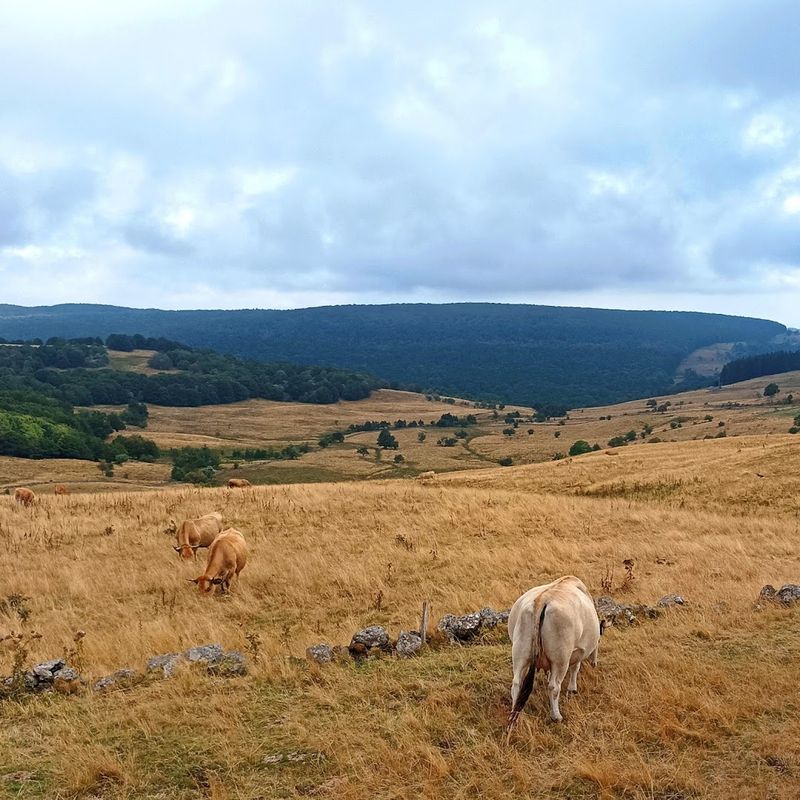
There is something almost otherworldly about the Aubrac Plateau. This vast, high-altitude tableland in south-central France stretches in every direction under enormous skies, dotted with granite boulders, ancient stone villages, and herds of the distinctive tawny Aubrac cattle.
It is one of France’s least-visited natural regions, which makes exploring it feel like a genuine discovery.
The plateau sits at around 1,000 to 1,400 meters above sea level and is known for its wild, windswept beauty and extreme seasons. In winter it is blanketed in snow and largely inaccessible.
In summer it transforms into a sea of wildflowers, and the hiking trails offer solitude and sweeping views that are hard to find anywhere else in France. The GR65 pilgrimage route to Santiago de Compostela crosses the plateau, bringing walkers from across Europe.
The food culture here is extraordinary and deeply rooted in the landscape. Aligot, a volcanic-smooth blend of mashed potato and melted Tome cheese that stretches into ribbons, is the regional dish and absolutely worth seeking out at any local auberge.
Pair it with a slow-cooked Aubrac beef stew and a carafe of house red for a meal that feels like a warm embrace from the landscape itself.
Vogüé
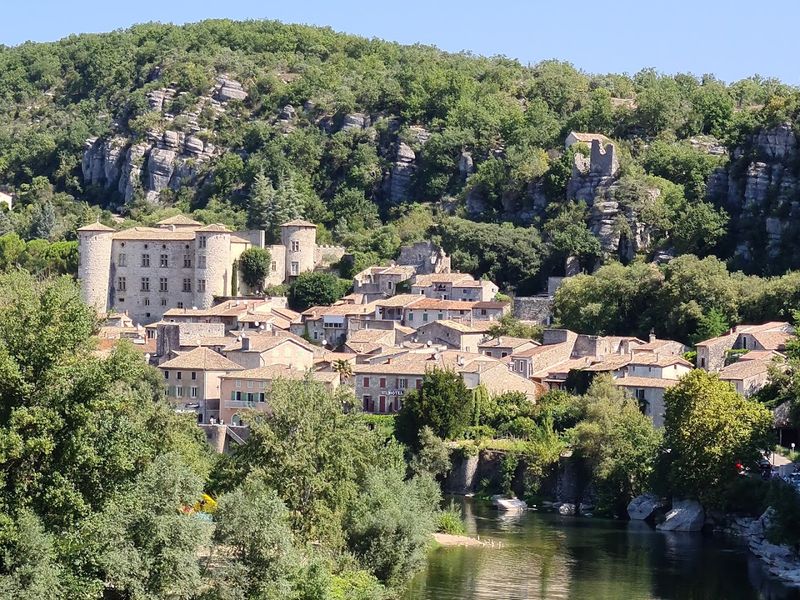
Clinging to a curve in the Ardeche River like a barnacle on a cliff face, Vogue is a medieval village that refuses to be ignored. The chateau rises dramatically above the rooftops, the river glitters below, and the whole scene is framed by pale limestone cliffs that make every photograph look professionally composed.
It is the kind of place that makes you genuinely angry it is not better known.
The village is classified as one of the Plus Beaux Villages de France, a national designation for exceptional historic villages, and a short wander through its narrow stone lanes explains why. Arched passageways, ancient fountains, and sun-bleached facades create an atmosphere that feels genuinely medieval without being over-restored or tourist-polished.
The chateau can be visited during summer months and offers excellent views over the river valley.
Vogue sits at the northern end of the Gorges de l’Ardeche, making it a natural starting point for kayak trips downstream. The riverside beach below the village is popular with locals for swimming in summer, and the water is clean and refreshingly cool.
A handful of small restaurants and cafes operate in the village during the warmer months, serving simple regional food in settings that are hard to beat anywhere in southern France.
Chausey Islands
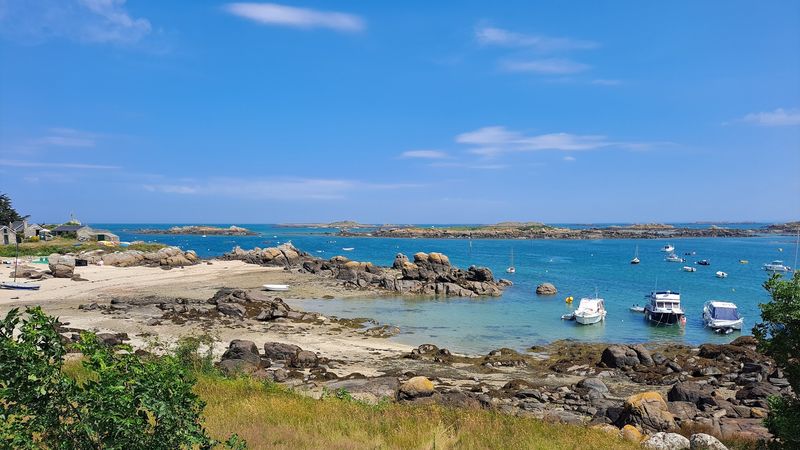
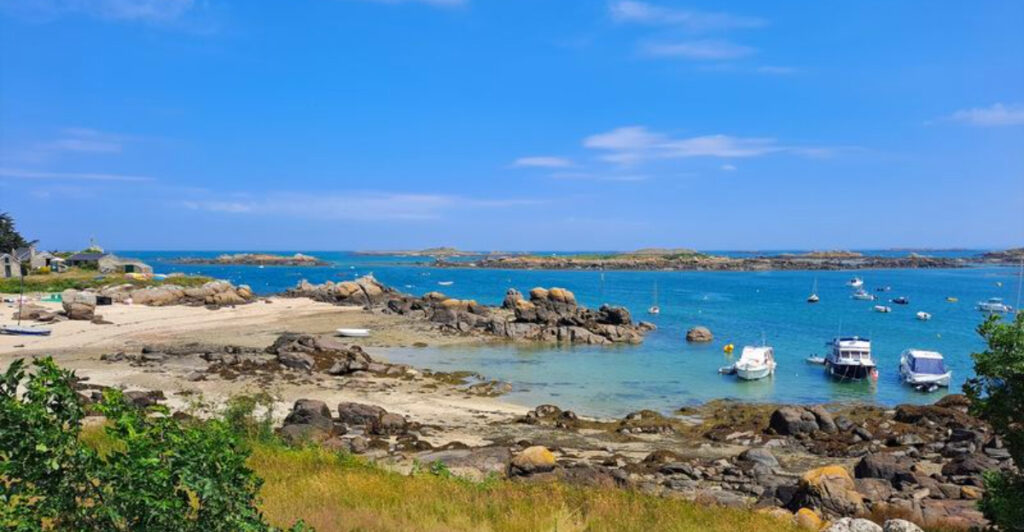
At low tide, the Chausey Islands multiply. What appears to be a small archipelago of about 50 islands at high water becomes a vast, otherworldly landscape of over 350 granite islets, sandbanks, and tidal channels when the sea retreats.
The tidal range here is among the largest in Europe, sometimes exceeding 14 meters, and watching the sea pull back to reveal this hidden world is genuinely astonishing.
Located just 17 kilometers off the Normandy coast near Granville, Chausey is far less visited than the nearby Mont Saint-Michel, yet it offers a completely different and arguably more peaceful kind of magic. The main island, Grande Ile, has a small year-round population of fishermen, a lighthouse, and a handful of simple guesthouses.
The beaches are wide, the water is turquoise, and the granite boulders are draped in vivid orange lichen.
Seabirds nest on the quieter islets throughout spring and summer, making Chausey a rewarding destination for birdwatchers and nature lovers. Ferries run from Granville, and day trips are possible, though staying overnight on Grande Ile gives you the islands at their most magical, when the tourist boats have gone and the only sounds are waves and seabirds calling across the water.
Cité des Pierres
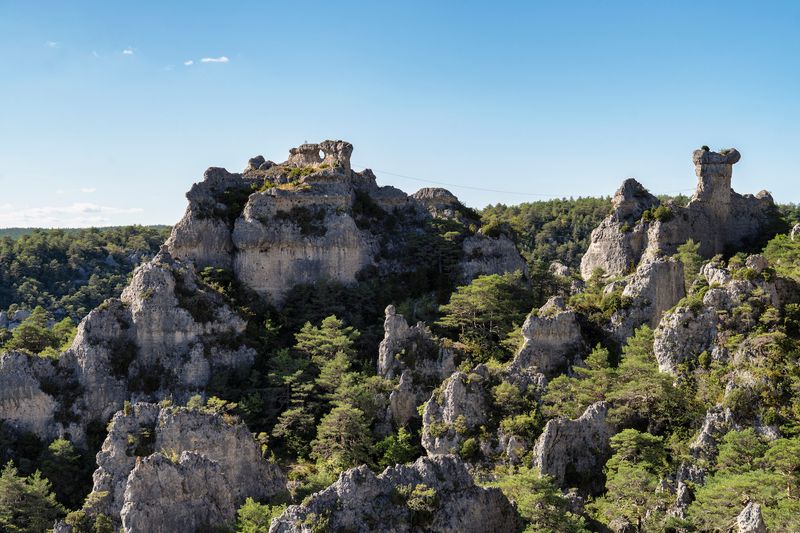
Nobody built the Cite des Pierres, and yet it looks unmistakably like the ruins of an ancient city. Located within the Grands Causses Regional Natural Park in the Aveyron, this extraordinary landscape of weathered limestone towers and columns has been sculpted entirely by millions of years of wind, rain, and frost.
The result is a collection of formations that genuinely resemble crumbling walls, doorways, and towers.
The site sits near Montpellier-le-Vieux, which is the larger and more famous chaos of dolomite rocks nearby, but the Cite des Pierres offers a similarly surreal experience with considerably fewer visitors. Walking trails wind between the formations, and the scale of some of the rock towers is genuinely humbling.
Early morning visits are recommended when low light casts long shadows across the pale stone.
The surrounding Grands Causses landscape is itself spectacular, characterized by vast limestone plateaus, dramatic river gorges, and medieval villages that look unchanged since the 13th century. The nearby town of Millau is famous for its breathtaking modern viaduct, the tallest cable-stayed bridge in the world, creating a fascinating contrast between ancient geology and cutting-edge engineering.
Together, they make this corner of Aveyron one of France’s most rewarding and underrated travel destinations.
Saint-Thomé
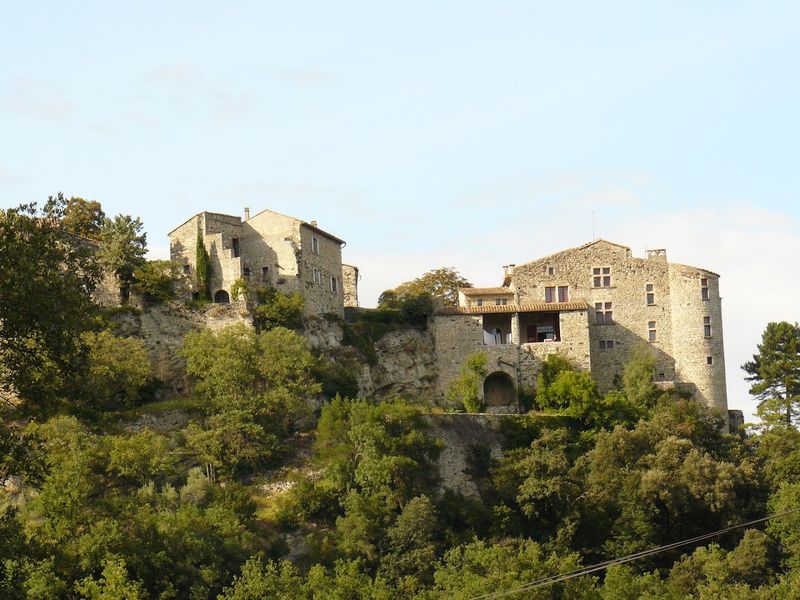
Blink and you might miss Saint-Thome entirely. Perched on a rocky hilltop in the southern Ardeche, this tiny medieval village has a population measured in dozens rather than thousands, and its narrow stone lanes see far more cats than cars.
The silence here is the kind that actually has a texture to it, broken only by birdsong and the occasional church bell echoing across the valley below.
The village is built around a beautifully simple Romanesque church that dates back to the 12th century. Its rough-hewn stone walls have weathered centuries of Ardeche sun and storm, and the interior retains a quiet, unadorned dignity that feels genuinely ancient.
The surrounding lanes twist past old stone houses with heavy wooden doors and window boxes filled with lavender and rosemary.
The views from the village are outstanding, stretching across a patchwork of vineyards, chestnut forests, and rocky hillsides typical of the southern Ardeche. This region produces excellent Cotes du Vivarais wines, and several local producers operate nearby.
Saint-Thome pairs well with a visit to Vogüé just a few kilometers away, making a leisurely half-day loop through some of the Ardeche’s most characterful and least-visited medieval villages absolutely worthwhile.
Share this story