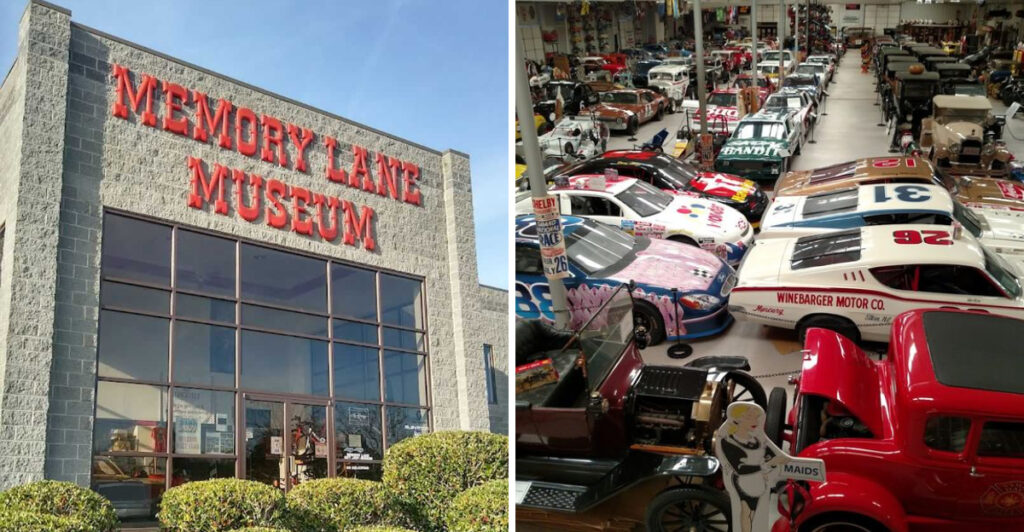
There is a building in Mooresville, North Carolina, that most people drive right past without a second glance. Inside, more than 150 vehicles are packed together in a way that feels less like a museum and more like stumbling into someone’s extraordinary private world.
Classic cars from the 1920s sit alongside NASCAR legends, movie props, and rare racing machines that you genuinely will not find anywhere else. The admission price is just twelve dollars, and you can stay as long as you want.
Whether you are a die-hard motorsports fan or simply someone who appreciates beautiful machines with real stories behind them, this place delivers something memorable at every turn.
Where Memory Lane Museum Actually Lives
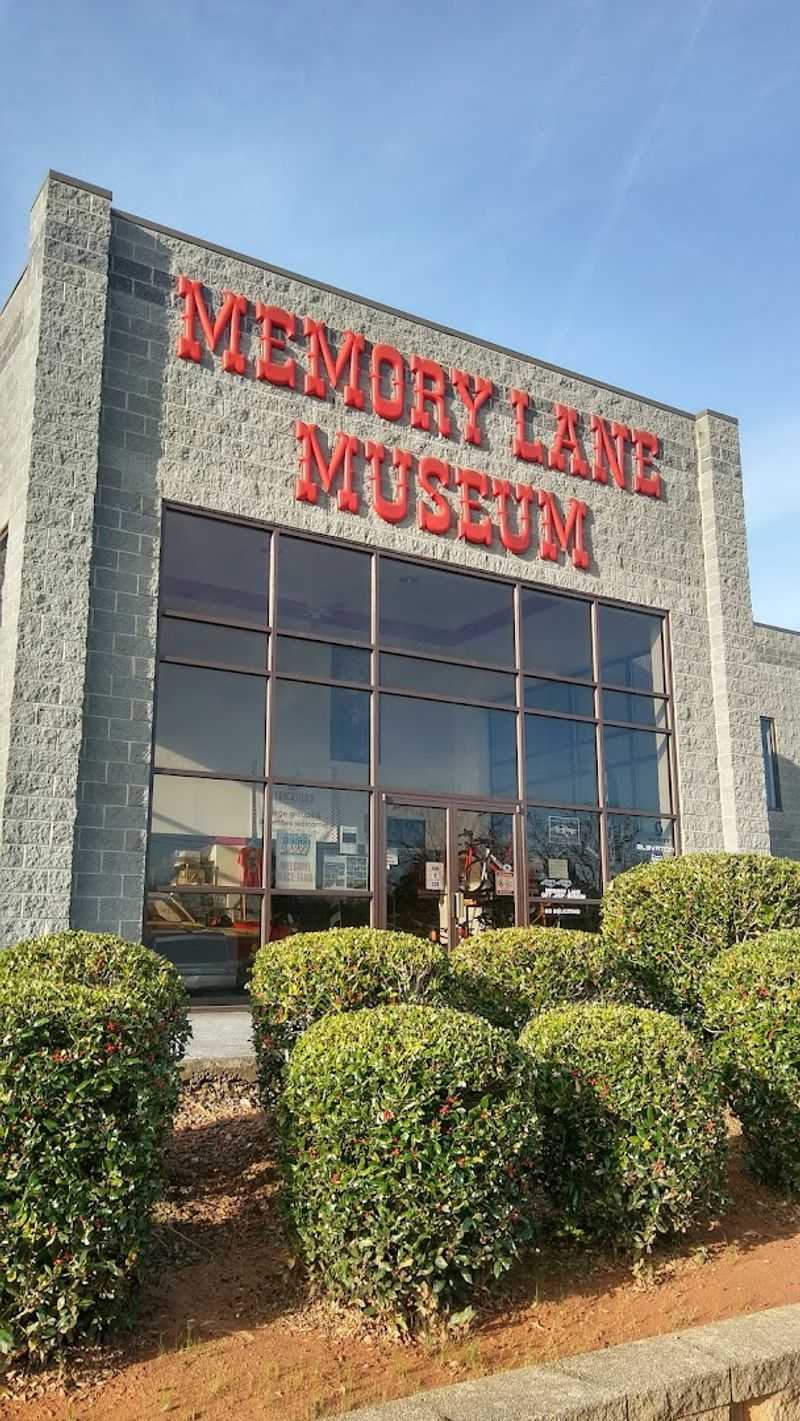
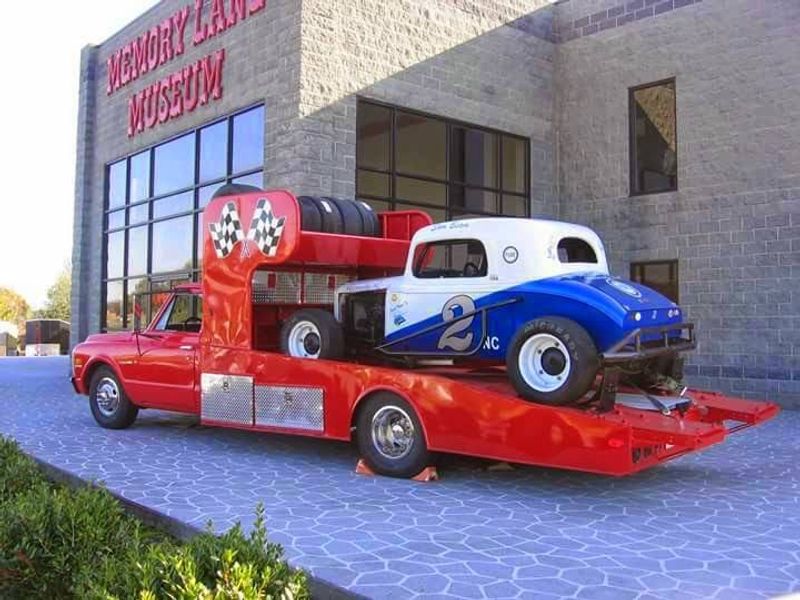
Most museums announce themselves with big signs and grand architecture, but this one keeps a lower profile, and that is part of its charm. Memory Lane Museum sits at 769 River Hwy in Mooresville, North Carolina 28117, a town already well known as the heart of NASCAR country.
The location makes perfect sense once you know the history of the surrounding area. Mooresville and its neighboring communities have long served as home base for racing teams, mechanics, and car collectors who take their passion seriously.
The museum is open Thursday and Friday from 10 AM to 4:30 PM, which means planning your visit matters. It is closed on weekends, so a midweek trip is your best bet for a relaxed, unhurried experience.
You can reach the museum by phone at 704-662-3673, and the website at memorylaneautomuseum.com offers additional details before you go. Admission runs just twelve dollars, which is genuinely one of the better deals in the state for what you actually get inside.
More Than 150 Vehicles Under One Roof
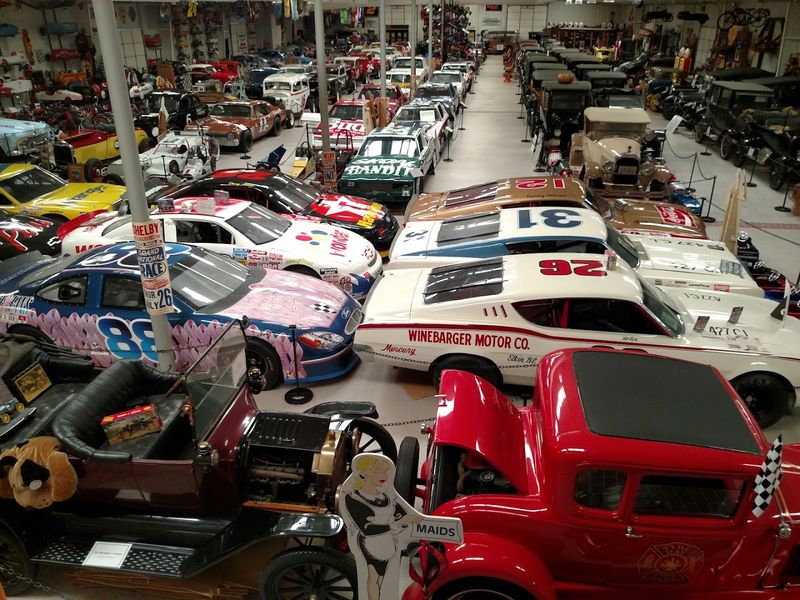
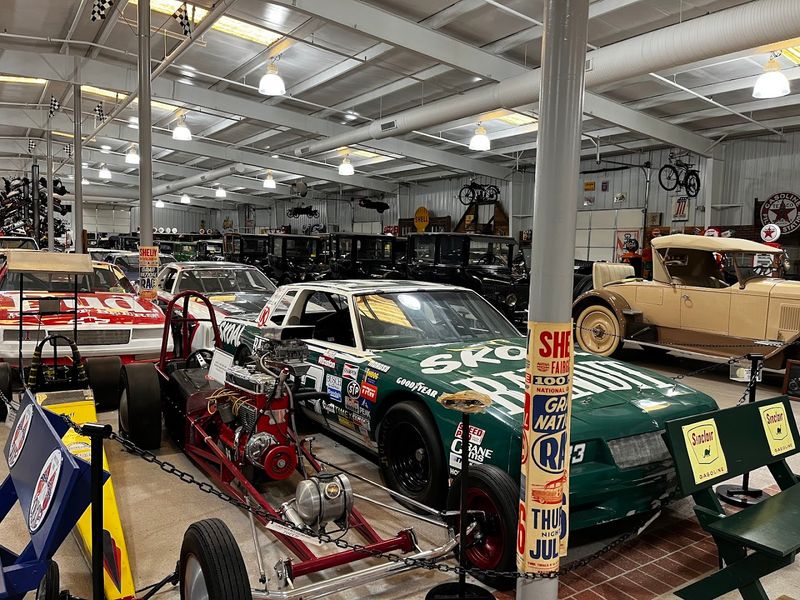
The sheer number of vehicles packed into this museum is the first thing that hits you when you walk through the door. Over 150 antique and classic cars are on display, ranging from brass-era beauties of the early 20th century all the way through to modern NASCAR machines.
Cars from the 1920s and 1930s take up a generous portion of the floor space, and many of them are in remarkable condition. Model Ts, Model As, and other early American automobiles stand side by side, each one carrying decades of mechanical and cultural history.
The collection does not feel curated in the sterile, hands-off way of larger institutions. There is a personal quality to how the vehicles are arranged, as if the collector genuinely loved every single one and wanted you to feel that same connection.
Visitors consistently report spending around 85 minutes walking through the full collection, which says a lot about how much there is to take in. Every corner holds something unexpected, and that sense of discovery keeps you moving eagerly from one exhibit to the next.
NASCAR History That Will Genuinely Surprise You
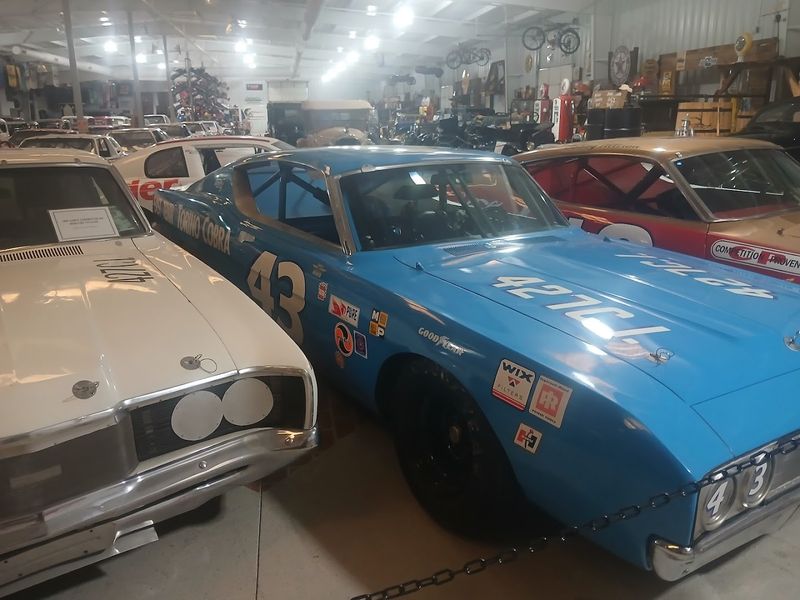
Racing fans who think they have seen it all tend to go quiet when they round the corner and spot the NASCAR section of this museum. The Winston Cup era is represented with a depth that even dedicated motorsports followers do not expect from a small regional museum.
Several of the race cars on display carry historical significance that is hard to overstate. These are not replicas or tribute builds.
They are actual race-used vehicles with real competition history, and some of them saw action during some of the most celebrated seasons in NASCAR history.
The collection also reaches beyond the headline names. Lesser-known series from the 1980s, including the NPTRA series, are represented here, giving fans a broader picture of American motorsports than the famous names alone can provide.
There is something quietly powerful about standing next to a car that once ran at speed on a real track, with the original paint still telling its story. The staff can point you toward the most significant pieces, and their knowledge adds real depth to what you are seeing with your own eyes.
The Movie Cars With a Famous Story
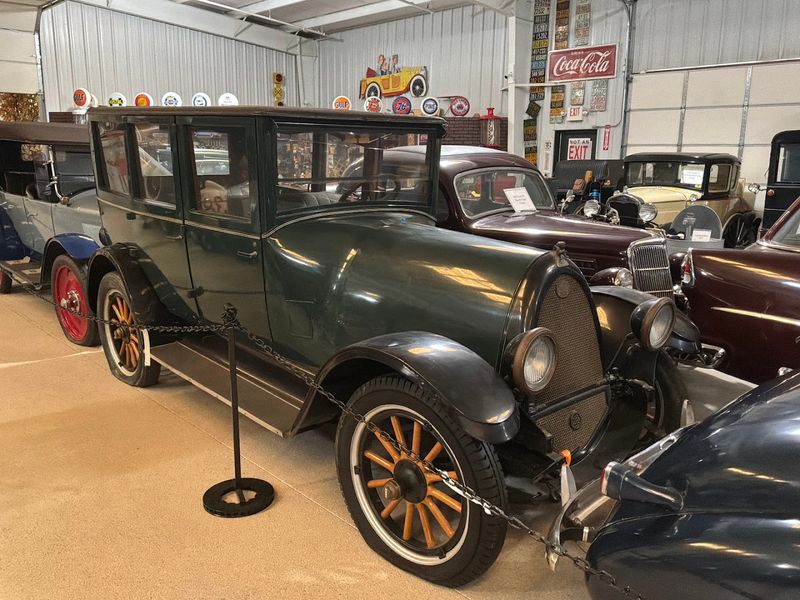
Here is a detail that stops most visitors in their tracks: several of the cars in this museum actually appeared in a major Hollywood motion picture. A number of Model Ts and Model As were used in the filming of George Clooney’s movie Leatherheads, and they came back to the museum with their film-set dust still on them.
That dust is not neglect. It is powdered milk, applied deliberately to give the cars an aged, period-appropriate look for the film, and the museum chose to leave it exactly as it was.
The information plaques near each vehicle explain the story in full, so you understand what you are looking at rather than wondering why some cars look different from the rest.
It is a genuinely clever piece of storytelling that turns a potential question into a memorable exhibit. The cars went from this collection to a film set and came back carrying a new layer of history on top of the old one.
Not many museums can say their exhibits have a Hollywood credit to their name, and that alone makes this section of the floor worth finding.
The Brass Era Collection That Takes You Back 100 Years
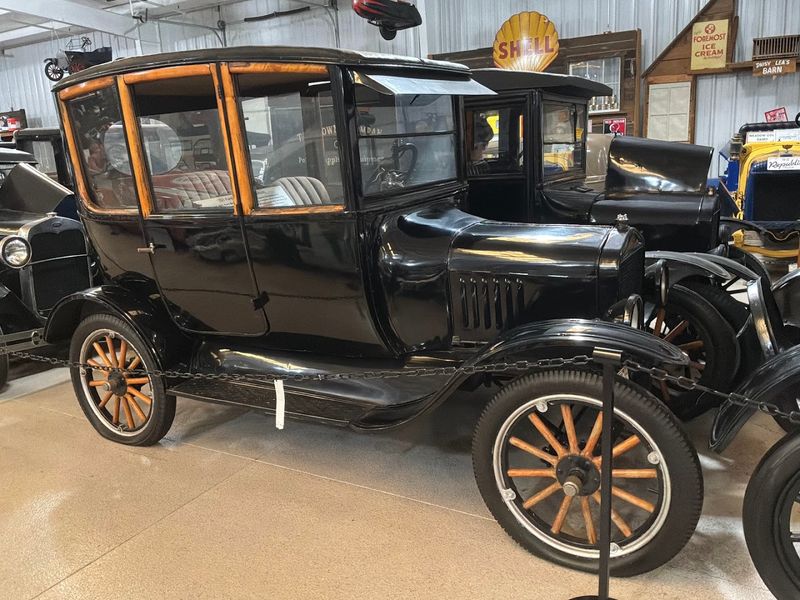
Long before NASCAR and Hollywood got involved, the automobile itself was the spectacle, and the brass era vehicles in this collection remind you of that fact immediately. Cars built in the early decades of the 20th century represent a period when engineering and craftsmanship were the same thing.
The headlamps, fenders, and trim work on these early vehicles catch the museum lighting in a way that makes them feel almost alive. Brass fittings gleam against painted bodies, and the mechanical simplicity of these machines is both beautiful and fascinating to anyone who has ever looked under a modern hood.
Many visitors with no particular interest in racing find themselves spending the most time in this section. The vehicles have a sculptural quality that transcends their function, and the stories attached to them connect directly to the birth of American car culture.
Seeing a brass era automobile in person is a completely different experience from seeing one in a photograph. The scale, the detail, and the craftsmanship all land differently when you are standing right next to one, and this collection gives you plenty of time and space to appreciate every one of them properly.
The Pedal Car Collection That Surprises Everyone
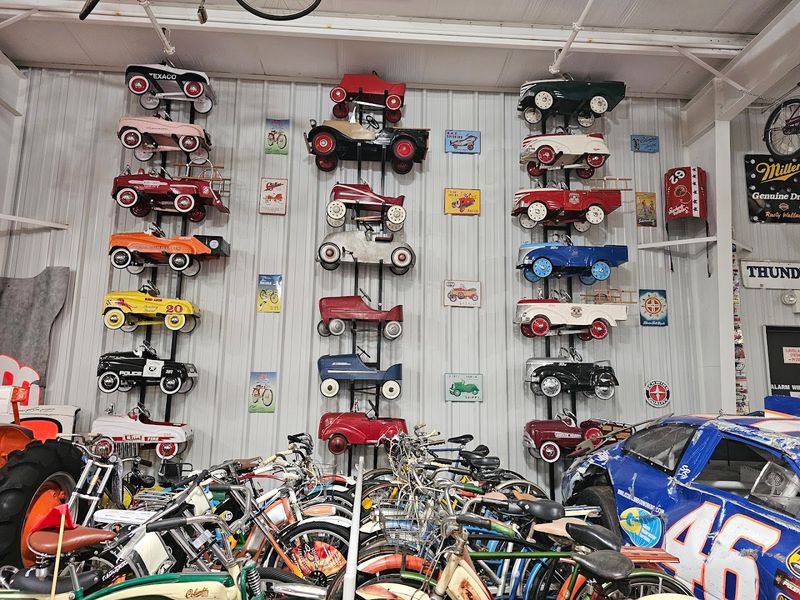
Nobody walks into an automobile museum expecting the pedal car collection to become a highlight, but that is exactly what happens here. The display of vintage pedal cars is genuinely impressive in both size and variety, and it tends to delight visitors of every age for completely different reasons.
For older visitors, the pedal cars trigger a wave of recognition that is hard to describe. These miniature vehicles were childhood treasures in an era when toys were built to last, and seeing them lined up in pristine condition feels like a small miracle of preservation.
Younger visitors, including children on school field trips, find the pedal cars approachable in a way that full-size vehicles sometimes are not. The scale makes the history feel less distant, and the colorful designs hold attention in a room full of much larger competition.
The collection also functions as a parallel history of automobile design, since pedal car manufacturers often mimicked the styling trends of full-size cars from the same period. Running your eye along the row of pedal cars is like watching American car design evolve in miniature, which is a genuinely clever way to experience automotive history.
Vintage Gas Pumps and Garage Memorabilia
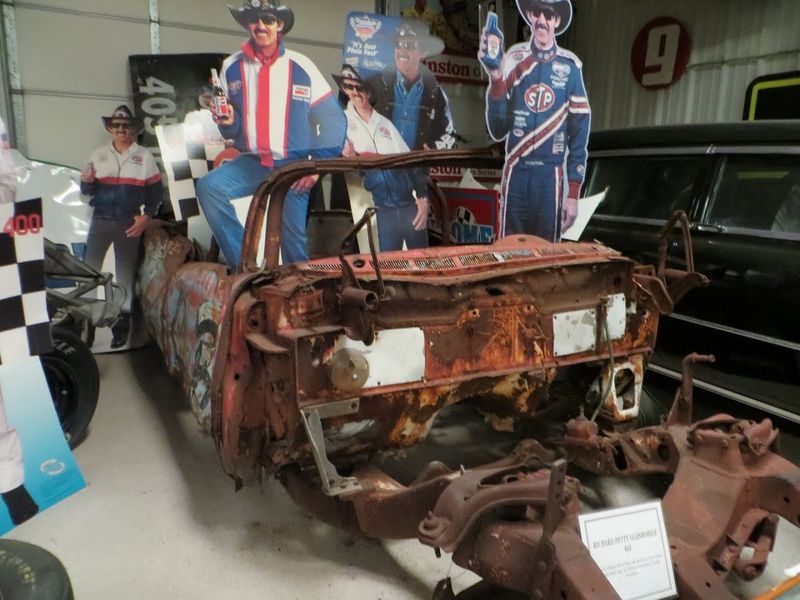
The cars are the obvious stars, but the supporting cast of vintage garage items and automotive memorabilia adds a layer of texture that serious collectors absolutely love. Old gas pumps, oil cans, road signs, and workshop tools are scattered throughout the museum in a way that recreates the atmosphere of a working garage from several decades ago.
There is real craft in how these items are displayed alongside the vehicles. A beautifully restored car sitting next to period-correct pumps and signage tells a more complete story than the car alone ever could.
The context makes everything feel more real.
For anyone who grew up around old service stations or family garages, the memorabilia section carries an emotional weight that sneaks up on you. A particular style of oil can or a familiar brand logo can unlock a memory you had completely forgotten, and that is one of the quiet powers of a collection like this one.
The museum has accumulated enough of these supporting items to fill a separate exhibit on their own, but the decision to weave them throughout the main floor was the right call. They turn a car show into a full cultural experience, and that distinction matters.
Self-Guided Tours That Let You Set the Pace
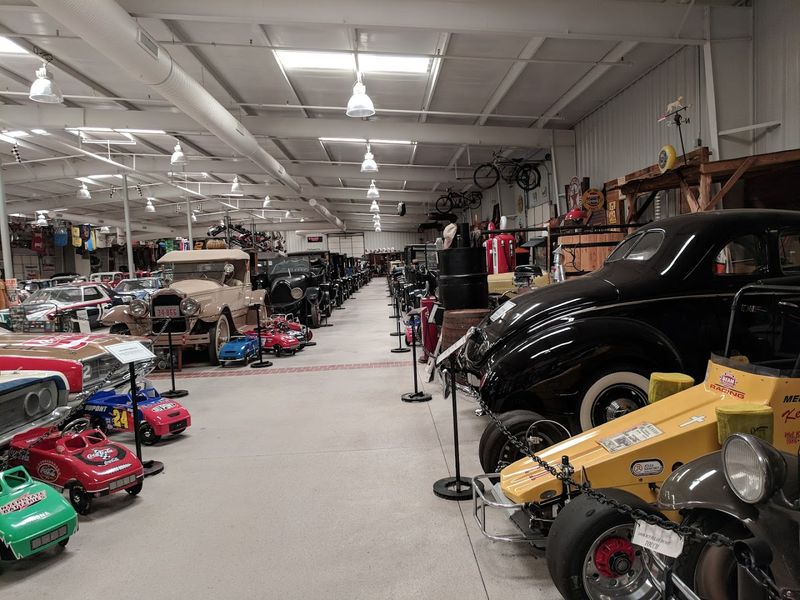
One of the best things about this museum is the freedom it gives you. The tours here are entirely self-guided, which means you move at your own speed, linger as long as you like on the cars that interest you most, and skip quickly past the ones that do not.
That format suits the collection perfectly. Some visitors want to spend twenty minutes in the NASCAR section and breeze through the rest.
Others come specifically for the brass era vehicles and want to read every information card in that part of the museum. Both approaches are completely valid, and the layout accommodates them without friction.
Families with children find the self-guided format particularly useful. Kids tend to move in bursts of enthusiasm rather than steady progress, and having no guide to keep up with removes a significant source of stress from the visit.
Parents can follow their children’s curiosity instead of managing a schedule.
The museum staff are present and genuinely knowledgeable, so if you do want information or context for a particular vehicle, the help is right there. The balance between independent exploration and available guidance is one of the things that makes repeat visits feel worthwhile rather than repetitive.
Staff Who Actually Know Their Cars
The people working at Memory Lane Museum are one of the most consistently praised parts of the experience, and that is not a small thing. A great collection with indifferent staff feels very different from the same collection with people who are genuinely excited to share what they know.
The staff here land firmly in the second category. The person at the ticket booth tends to offer information and stories before you even ask, and the enthusiasm is clearly authentic rather than performed.
There is a difference between someone who has memorized facts and someone who genuinely loves the subject, and this team falls into the second group.
Visitors who have made the drive from Greensboro, Charlotte, and other parts of the state consistently mention the staff as a reason they would return. When someone at the door makes you feel welcome and sends you off with useful tips, it sets the tone for everything that follows.
The staff also offer local lunch recommendations, which is a small but appreciated touch. Knowing where to eat after a 90-minute walk through automotive history turns a good trip into a complete afternoon, and that kind of local knowledge is worth more than any guidebook.
Why This Museum Belongs on Your North Carolina Road Trip
North Carolina has no shortage of things to see, but few stops combine historical depth, personal passion, and genuine surprise the way this one does. The twelve-dollar admission covers unlimited time inside, and most visitors find that the 85-minute average stay flies past faster than expected.
The museum offers discounts for military personnel and visitors over 65, which reflects the kind of thoughtful, community-minded approach that keeps a place like this running on goodwill as much as ticket sales. Those small gestures add up to a welcoming atmosphere that larger institutions sometimes struggle to replicate.
Families, solo travelers, racing fans, and history buffs all find something here that speaks directly to them. The five-year-old who cannot stop staring at the pedal cars and the seasoned NASCAR follower who recognizes a specific Winston Cup chassis are having equally valid experiences under the same roof.
Memory Lane Museum in Mooresville, North Carolina, is the kind of place that stays with you after you leave. The cars are spectacular, the stories are real, and the experience has a warmth to it that no amount of polish or marketing budget can manufacture.
Some places are just genuinely worth the drive, and this is one of them.
Share this story