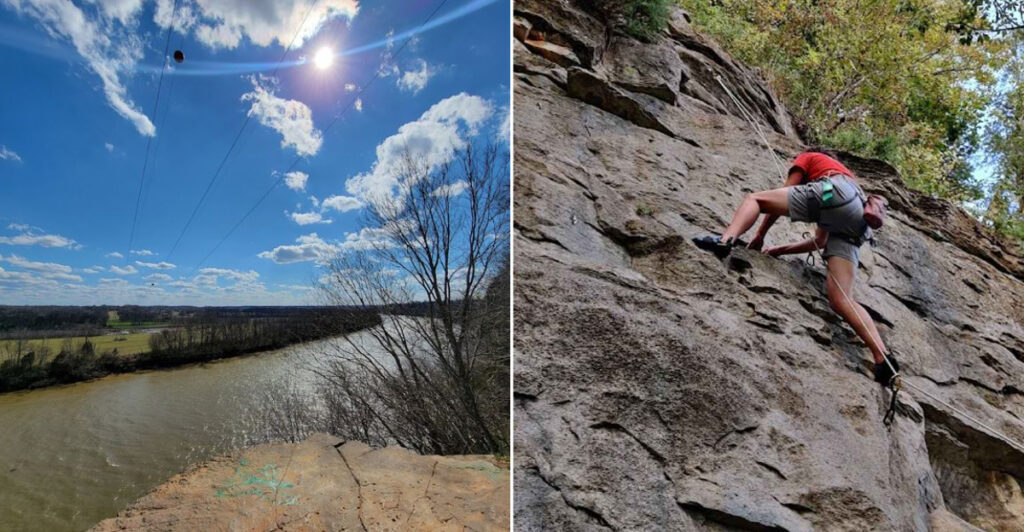
There is a spot in Clarksville, Tennessee, that most people drive right past without knowing it exists. Tucked behind a locked gate and a short registration process, this bluff sits high above the Cumberland River and offers something most parks in the region simply cannot match.
The rock faces draw climbers of all skill levels, and the narrow paths along the cliff edge give hikers a workout that flat trails never could. From the moment you scan the QR code at the entrance to the moment you reach the edge of the cliff and take in that wide river view, Kings Bluff delivers a genuinely memorable outdoor experience that keeps people coming back again and again.
The Bluff That Overlooks the Cumberland River
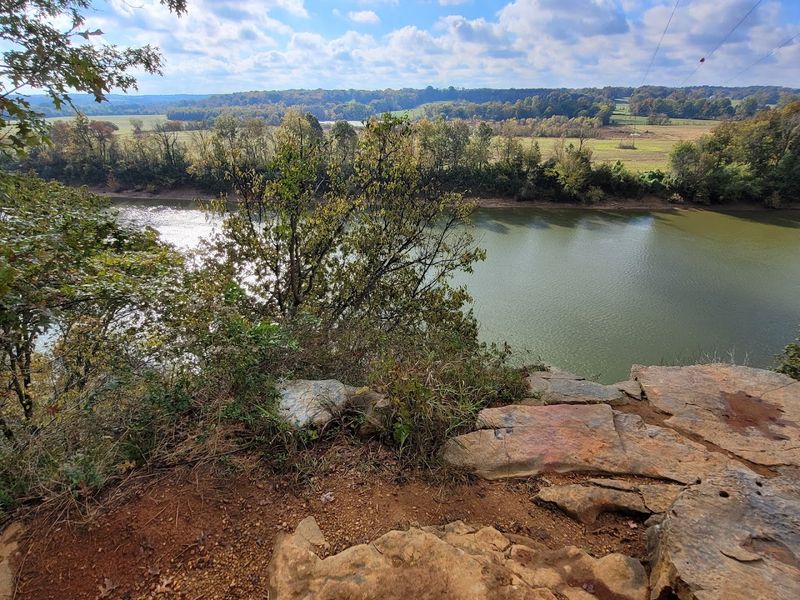
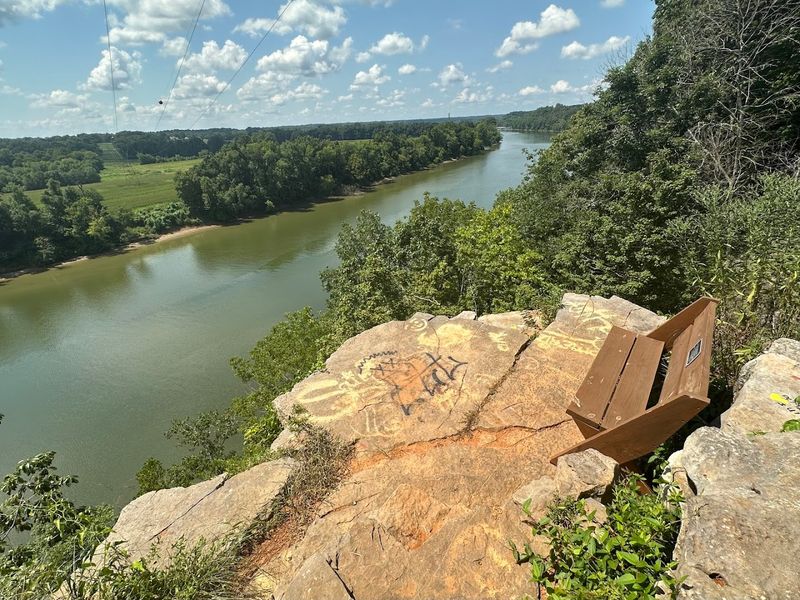
From the top of Kings Bluff, the Cumberland River stretches out below in a way that is hard to fully appreciate until you are actually standing there. The elevation of the bluff creates a high vantage point that puts the river on full display, and the view extends far enough in both directions to feel genuinely expansive.
The cliff edge runs close to the climbing routes, which means that even people working on a specific route can glance over and catch the river between moves. There are no safety rails along the edge, so awareness and caution matter here.
The paths along the bluff are narrow in several places, and some sections drop steeply toward the water below. That combination of height, exposure, and natural terrain is exactly what makes the view so striking.
The Cumberland River from this angle looks completely different from how it appears at street level anywhere else in the city.
Rock Climbing Routes for Every Skill Level
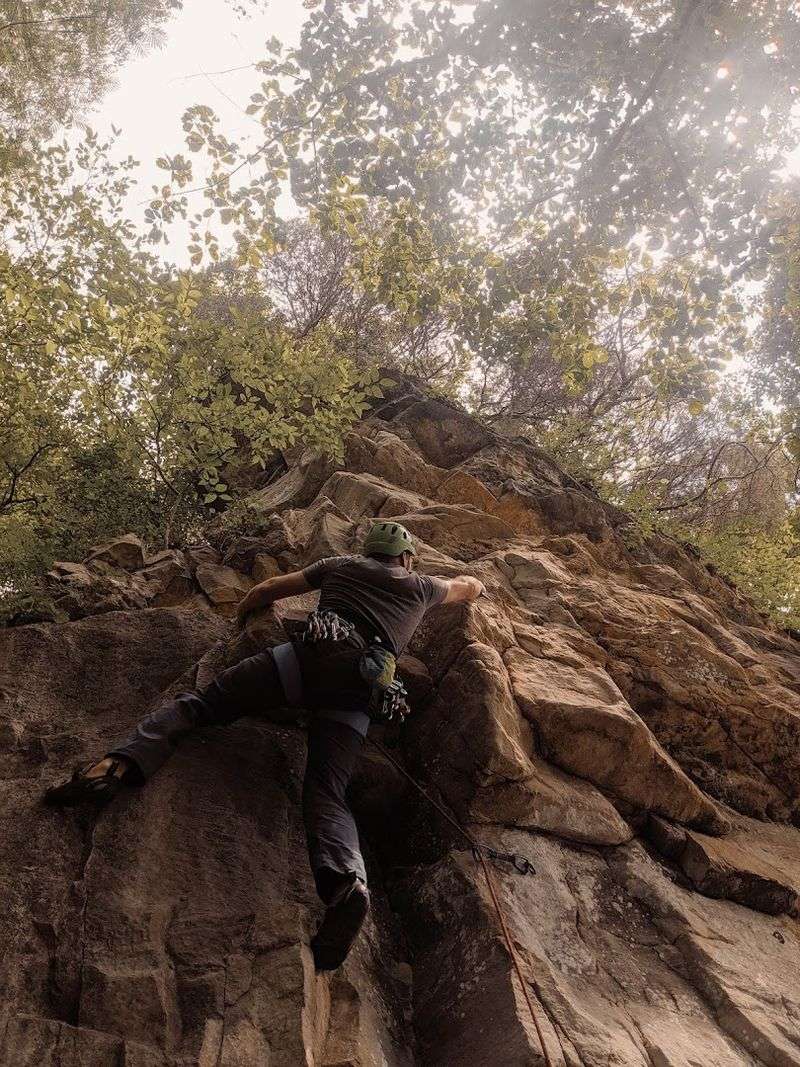
Kings Bluff is primarily known as a sport climbing destination, and the routes here cover a wide range of difficulty levels. Beginners can find accessible lines to practice on, while experienced climbers can work routes up to 5.13a, which is a serious technical challenge by any standard.
Most routes are bolted, and the hardware is regularly maintained, which is one of the reasons the climbing community keeps returning. A fall on a properly rigged setup is manageable, and the well-placed bolts give climbers confidence even on harder lines.
Placards mark many of the routes, and resources like Mountain Project help identify the unnamed ones. The routes are not particularly tall compared to some larger crags, but what they lack in height they make up for in variety.
Some of the easier lines have become polished from heavy use, but they remain climbable and useful for anyone working on foundational technique.
What the Trail Itself Is Actually Like
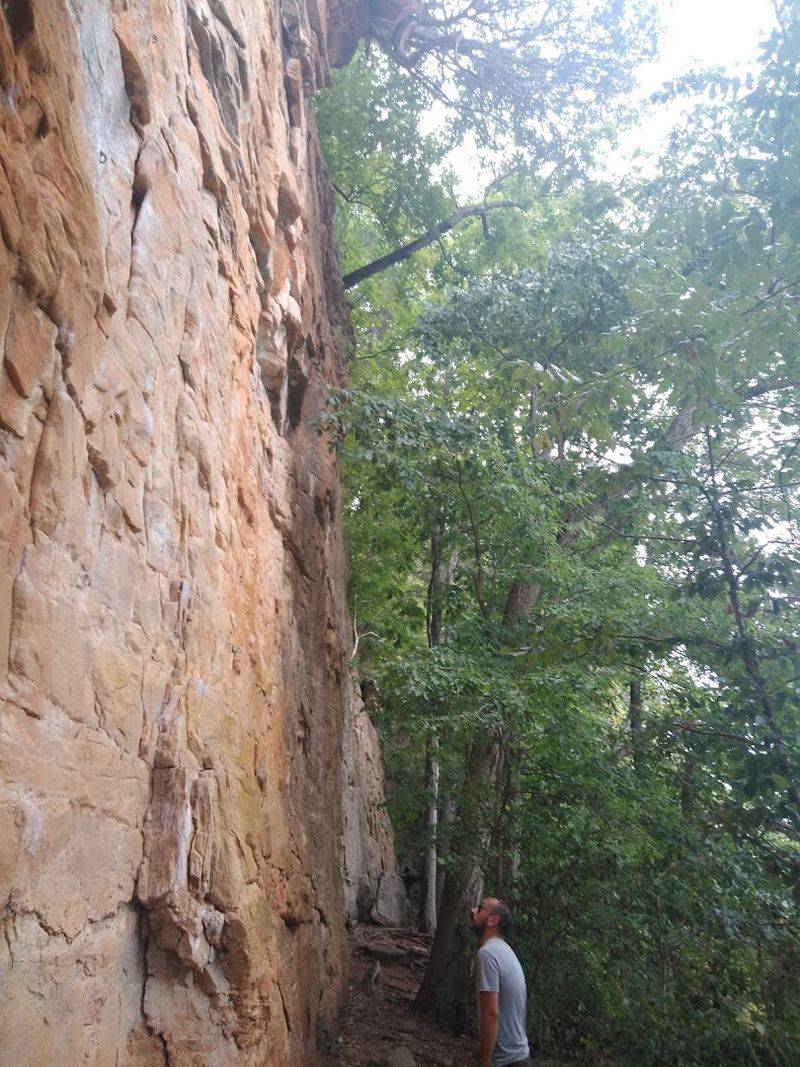
The trail at Kings Bluff is short but it earns every step. The path runs close to the cliff wall for much of its length, with the climbing routes on one side and steep drop-offs toward the river on the other.
Narrow sections require focused footing, especially when the ground is wet or muddy.
Tree roots, loose rocks, and uneven terrain make solid footwear a genuine requirement rather than a suggestion. The trail is not long enough to qualify as a full-day hike, but it is challenging enough that people with balance issues or limited mobility may find certain sections difficult to navigate.
There are stairs at some of the steepest descents, which helps significantly on the way down. Trees have fallen across parts of the path in various spots over the years, though the trail is generally maintained well enough to stay passable.
The overall experience rewards people who come prepared and take their time.
The Rope Swing and Riverside Section
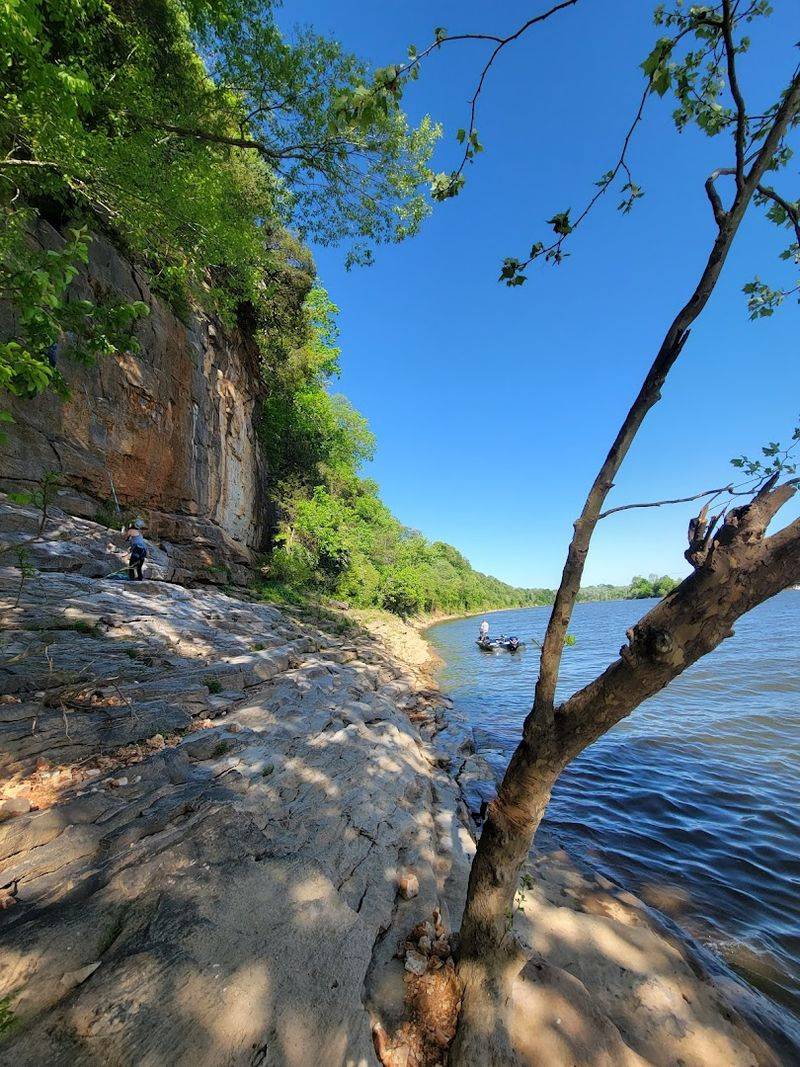
One of the more unexpected features of Kings Bluff is a section of trail that runs right down to the water’s edge along the Cumberland River. At that lower riverside stretch, there is a rope swing that has become a well-known landmark for people who make it that far along the path.
The riverside area gives the site a second personality, separate from the climbing routes up on the bluff. It functions as a natural stopping point where hikers can take a break, look out over the water, and enjoy a completely different angle of the landscape compared to the view from the top.
Swimming is possible in that area during warmer months, though the river is a natural body of water and conditions can vary. The rope swing adds a playful element to a spot that is otherwise known for more technical pursuits.
It is one of those small details that makes Kings Bluff feel like more than just a climbing wall.
Hidden in Plain Sight Inside the City
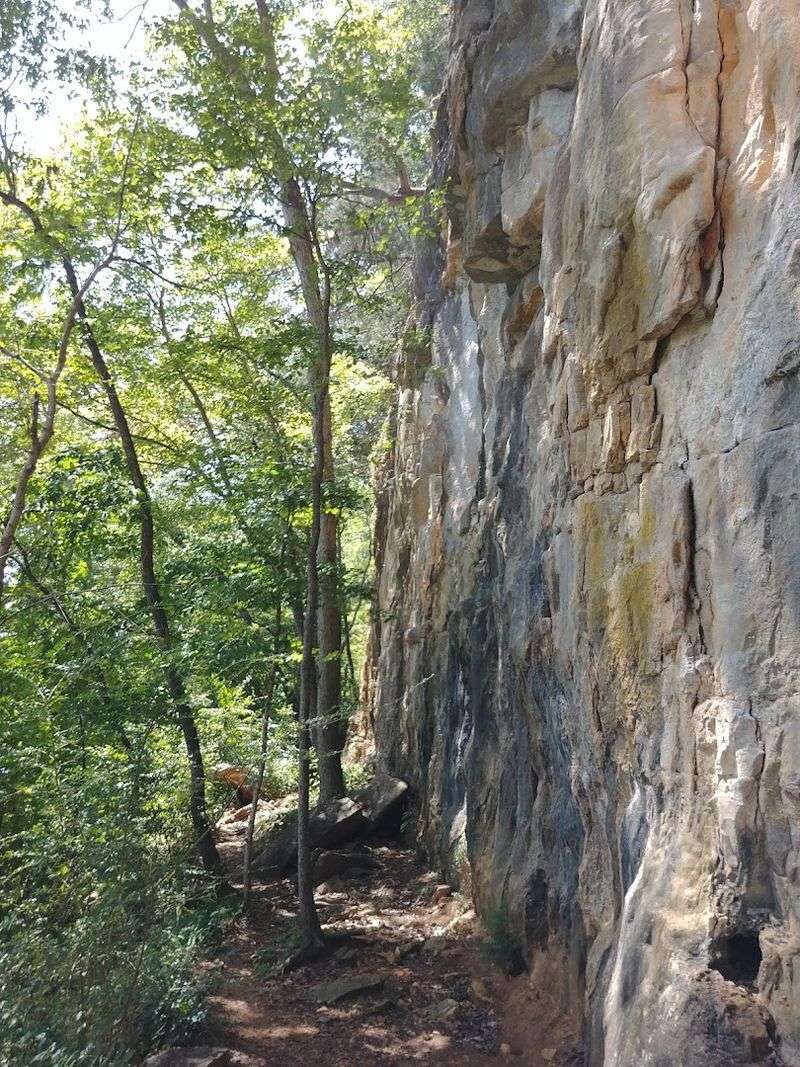
One of the more surprising things about Kings Bluff is how close it sits to the rest of Clarksville. The city surrounds the site, yet once you step past the gate and move down the trail, the urban environment disappears almost entirely.
The trees, rocks, and river take over quickly, and the trail feels far removed from the streets and buildings just a short distance away. That contrast between the developed city and the raw natural terrain of the bluff is part of what makes the spot so appealing to locals looking for a quick escape.
Clarksville is a mid-sized city with a growing population, and outdoor spaces like Kings Bluff carry real value for residents who want access to nature without a long drive. The fact that the site is managed and gated also helps preserve the environment, keeping it from becoming overrun the way many urban natural areas tend to do over time.
Wildlife and Natural Hazards on the Trail
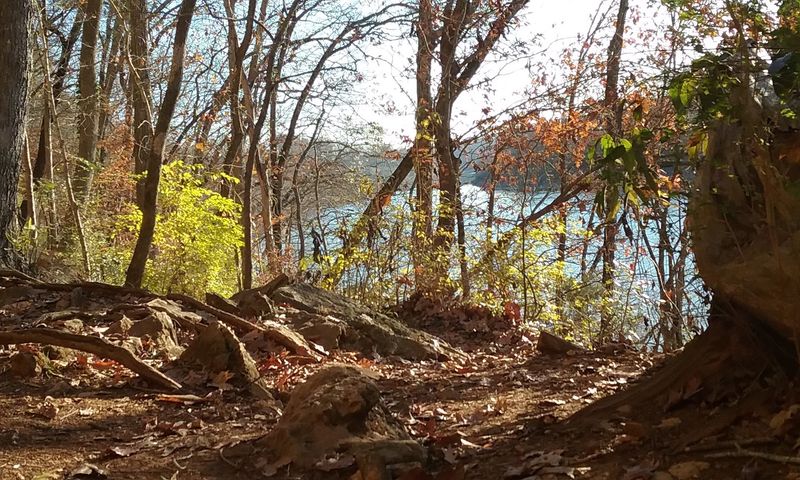
Kings Bluff is a natural environment, and that means the trail comes with the kinds of wildlife and terrain hazards that any honest outdoor space carries. Snakes have been spotted along the path, which is worth knowing before heading out, especially during warmer months when they are more active.
The rocky terrain creates trip hazards throughout the trail, and the steep drop-offs near the cliff edge add another layer of caution to the experience. There are no guardrails or safety barriers along the more exposed sections, so personal awareness is the main line of protection.
Mud can make the narrow paths slippery after rain, which affects both footing and the quality of the climbing routes. The fallen trees scattered along parts of the trail add one more obstacle to navigate.
None of these hazards make the trail off-limits, but they do make a strong case for wearing proper footwear, watching where you step, and paying attention throughout the entire visit.
Is Kings Bluff Right for Kids and Dogs

Kings Bluff is not designed with young children or small dogs in mind. The rocky and steep terrain, narrow paths with drop-offs, and technical climbing routes make it a challenging environment for anyone who needs close supervision or struggles with uneven ground.
Older children with solid balance and outdoor experience may manage the trail with careful adult guidance, but carrying a small child through certain sections is a real possibility. Dogs with good trail instincts and solid recall tend to do better than young or anxious animals, though the narrow paths near the cliff edge require the same caution for pets as for people.
Some people do bring dogs, and the site has been described as dog-friendly in certain conditions, but the terrain is the deciding factor. Leashes are a practical necessity given the proximity to the cliff edge.
Anyone who is unsure about their child’s or dog’s ability to handle the terrain should err on the side of caution on a first visit.
Photography Opportunities at Every Turn
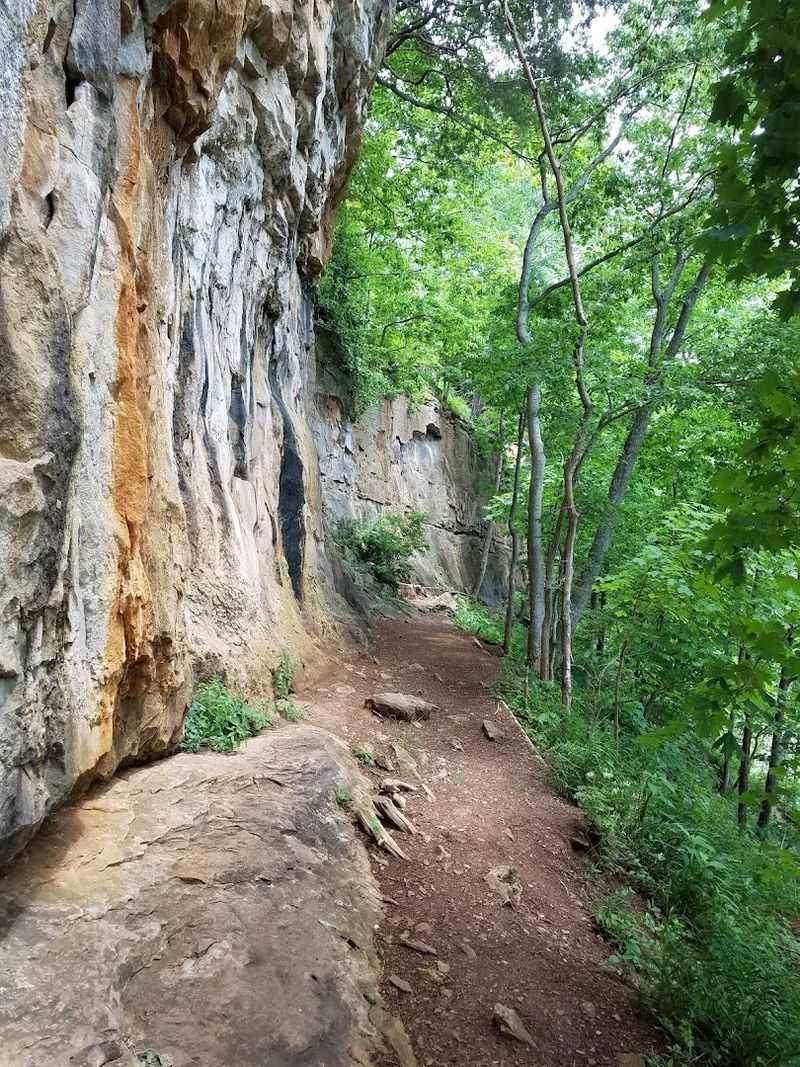
Kings Bluff has drawn photographers to its trails for years, and the reasons are easy to understand. The combination of limestone rock faces, dense forest, river views, and dramatic elevation changes gives a camera plenty of material to work with across a relatively short stretch of trail.
The high vantage point above the Cumberland River is the obvious draw, but the details along the path are just as rewarding. Textured rock surfaces, root systems pushing through stone, and the interplay of light through the tree canopy all create layered compositions that reward patience and attention.
Early morning light hits the bluff before the trees fully shade the trail, which makes the first hour after opening particularly productive for outdoor photography. The site is not crowded enough to make working around other people a constant challenge, and the varied terrain means that two photographers visiting on the same day can easily come away with completely different sets of images.
What to Wear and Bring for the Visit
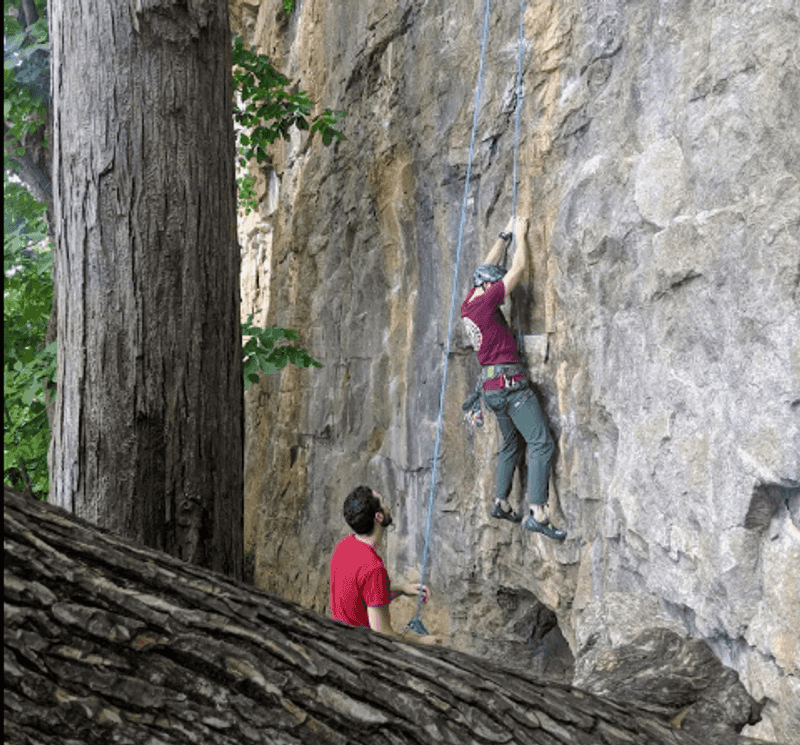
What you bring to Kings Bluff makes a bigger difference here than at most casual outdoor spots. The terrain is uneven and rocky from the parking area through to the end of the trail, so sturdy closed-toe shoes with solid grip are the baseline requirement for any visit.
Climbers need a full sport climbing setup, including a harness, belay device, helmet, and a rope long enough for the routes. Chalk bags help with grip on the rock, and many climbers bring a small brush to clean holds that have built up residue from repeated use.
Hikers who are not climbing still benefit from trekking poles on the steeper descent sections. Water is essential regardless of the season, and sun protection matters during warmer months when the upper sections of the bluff get full exposure.
The trail is short enough that a single water bottle usually covers the visit, but the physical effort of the terrain means hydration is easy to underestimate.
The Cave and Unique Geological Features
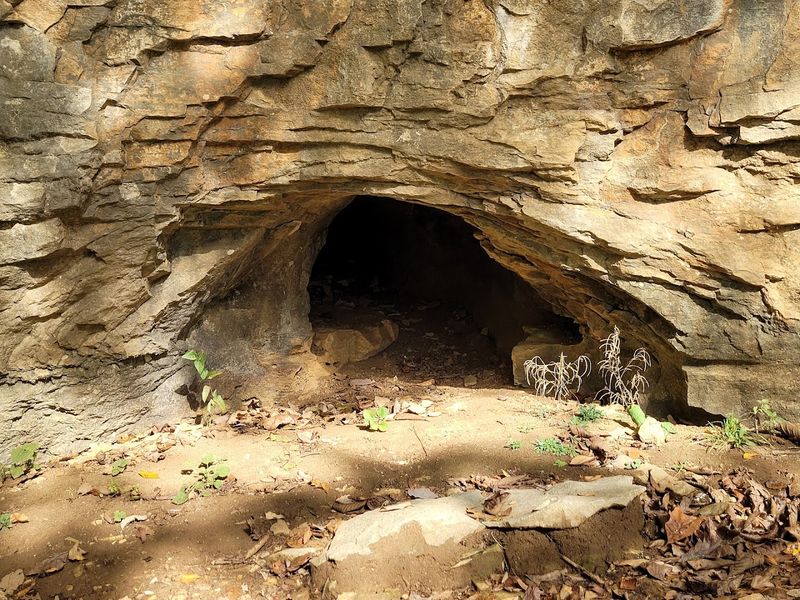
Along the trail at Kings Bluff, the geology does more than just provide climbing holds. The limestone bluff has produced at least one cave formation that hikers have discovered while exploring the paths near the cliff wall.
It is not a developed cave system, but it is a natural feature that adds an unexpected element to an already varied landscape.
The rock faces themselves show the layered character of limestone, with horizontal lines, pockets, and edges that make the routes technically interesting for climbers. The variety of surface types means that different routes call for different techniques, which is one of the reasons the site works well for climbers at different stages of development.
The overall geology of the bluff explains why the Cumberland River sits so far below the trail. The elevation difference is the result of the same rock formations that make climbing here possible.
The landscape has a natural logic to it that becomes more apparent the longer you spend time moving through it.
Best Times to Visit Kings Bluff
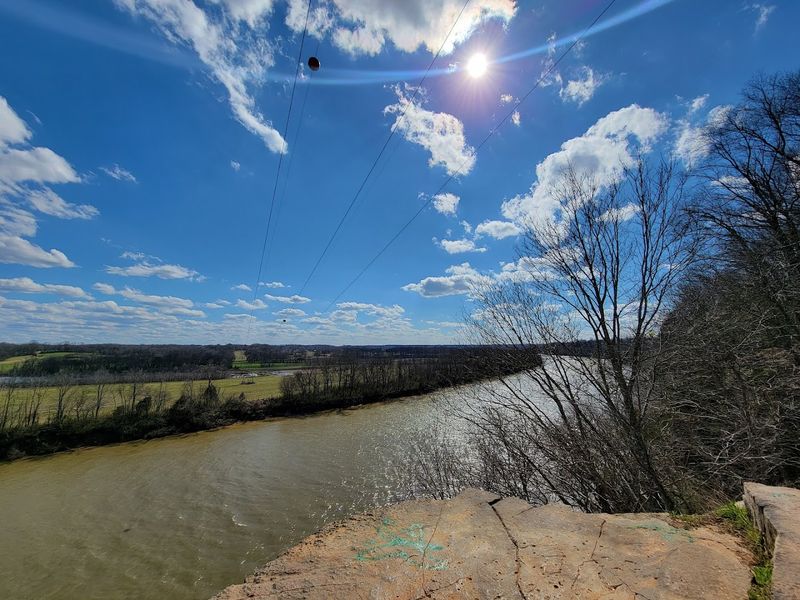
Kings Bluff is open every day from 7 AM to 7 PM, which gives visitors a solid window of time throughout the year. The best conditions for climbing tend to fall in spring and fall, when temperatures are moderate and the rock surface holds friction well without the extremes of summer heat or winter cold.
Summer visits are popular for the rope swing and riverside area, but the upper sections of the bluff can get warm during midday hours. Early morning visits in summer help avoid the hottest part of the day and also tend to mean fewer people on the trail.
Winter visits are possible on dry days, though the narrow paths become more hazardous when frost or ice settles on the rock and soil. Rain at any time of year affects the trail significantly, making mud and slippery surfaces the main concern.
Checking the weather before heading out is a simple step that can make the difference between a smooth visit and a frustrating one.
How Kings Bluff Compares to Other Tennessee Climbing Spots
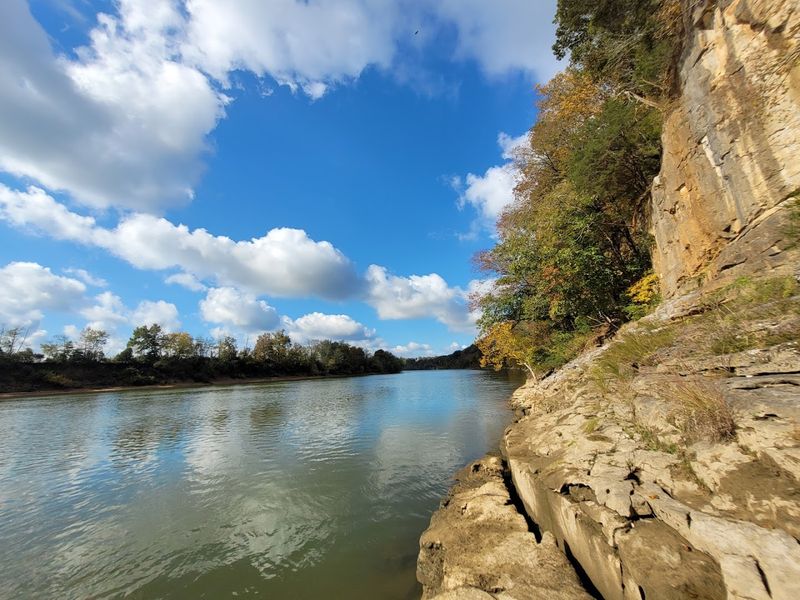
Tennessee has no shortage of outdoor climbing destinations, but Kings Bluff holds its own for specific reasons. Its location inside a city gives it an accessibility advantage that remote crags simply cannot match.
Climbers who live in or near Clarksville can get in a session after work or on a short weekend morning without committing to a long drive.
The route variety, ranging from beginner-friendly lines to a 5.13a, means the site functions as a training ground for climbers at multiple stages. More established Tennessee crags may offer taller routes or larger volumes of rock, but Kings Bluff delivers a concentrated and well-maintained experience that punches above its size.
The river view from the top is also a differentiating factor. Many climbing areas in the region sit in forested valleys or on hillsides without a major water feature nearby.
The Cumberland River running directly below the bluff creates a setting that is visually distinct from most other local options and gives the site its own character.
Why Kings Bluff Keeps People Coming Back
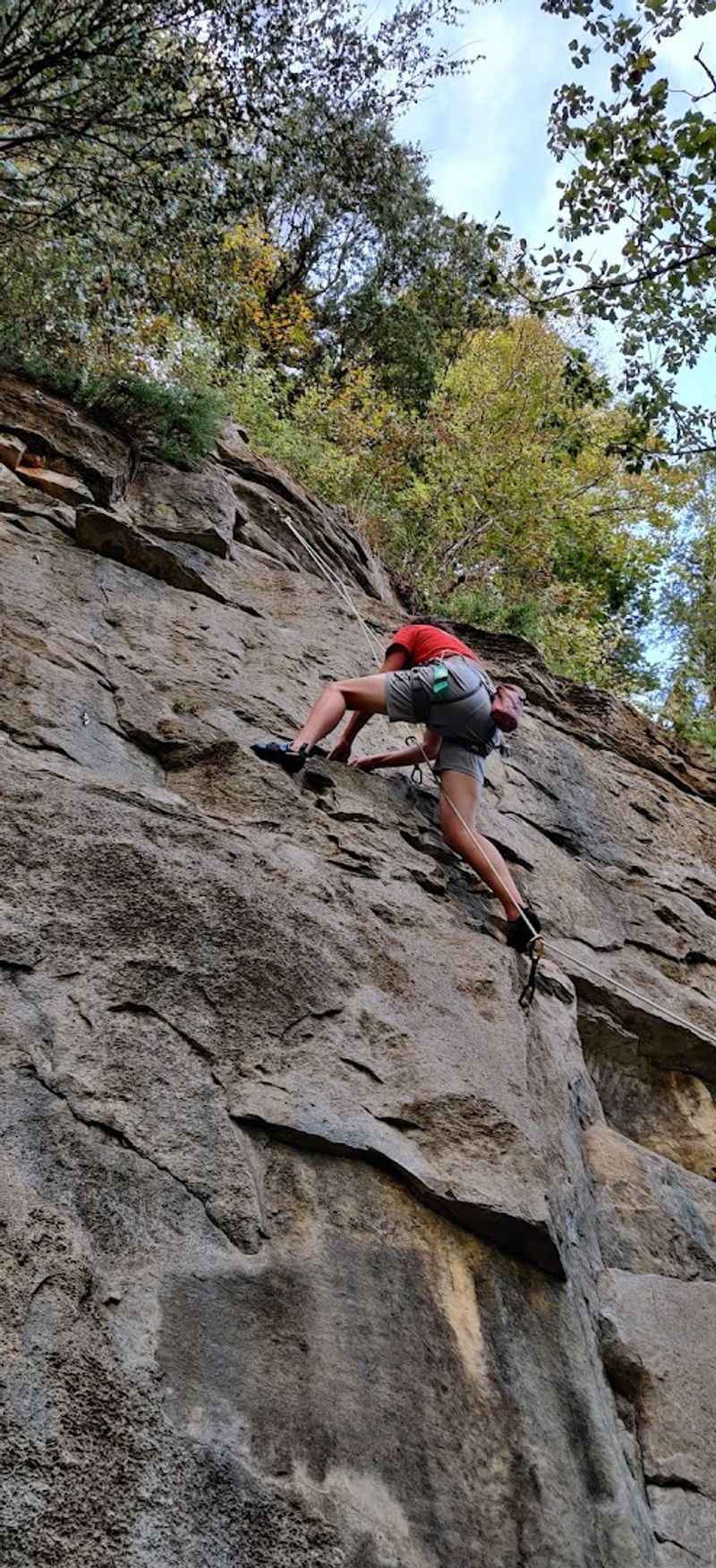
The repeat visit rate at Kings Bluff says something meaningful about the place. People who go once tend to go again, and the reasons stack up quickly.
The combination of climbing, hiking, river views, and a cave gives the site more variety than its short trail length would suggest.
Climbers return to work on specific routes, progress through harder lines, or introduce new people to the sport in a setting that is manageable and well-maintained. Hikers come back because the trail rewards attention to detail, and different seasons change the character of the path enough to make each visit feel slightly different.
The gated access and registration system also help maintain the quality of the environment over time. Graffiti has been a recurring issue on some of the rock faces, but the managed access keeps the broader site in better condition than it might otherwise be.
Kings Bluff is the kind of place that earns loyalty by delivering something real every single time.
Where Kings Bluff Actually Is and How to Get In
Kings Bluff sits at 919 Max Court, Clarksville, TN 37043, and getting through the front gate is the first small adventure of the day. The property is managed by the SEC Climbing Coalition and is not a standard open-access park, which means the entrance gate stays locked at all times.
To get in, visitors need to visit the website listed on the sign posted at the gate, fill out a climbing waiver or registration form online, and then receive a four-digit gate code. The code unlocks the chain entry, which can look confusing at first glance because it does not look like a typical combination lock.
Once inside, the property opens up into a well-kept natural area with rocky trails leading toward the bluff. The site is open every day of the week from 7 AM to 7 PM, so early morning visits are just as possible as afternoon ones.
Planning ahead makes entry smooth.
Share this story