Every year, millions of travelers cross the country to visit famous landmarks they’ve seen in movies, postcards, and social media feeds. But sometimes, reality doesn’t quite match the picture.
From tiny rocks to crowded streets, some of America’s most talked-about attractions leave visitors feeling a little underwhelmed. Before you plan your next road trip, here’s an honest look at 15 popular U.S. destinations that travelers say don’t always deliver on their big promises.
1. Hollywood Walk of Fame – Los Angeles, California
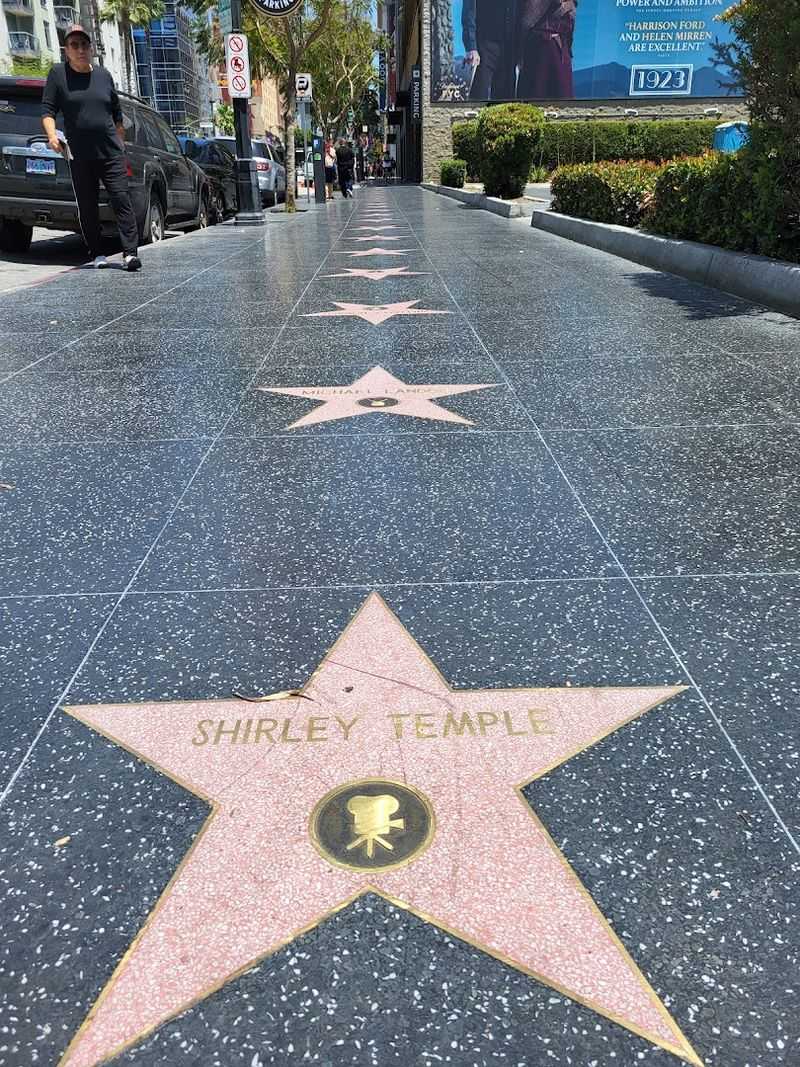
You’ve seen it in countless movies and music videos, but stepping onto the Hollywood Walk of Fame in person can feel surprisingly ordinary. The famous sidewalk stretches along Hollywood Boulevard, lined with over 2,700 brass stars honoring entertainers.
Sounds magical, right? The reality is a bit different.
Many visitors are caught off guard by how crowded and noisy the area gets, especially on weekends. Street performers frequently ask for tips, souvenir shops line every corner, and keeping the sidewalk clean is an ongoing challenge.
The glamour fades quickly when you’re dodging crowds just to snap a photo.
If you still want to visit, go early in the morning on a weekday for a calmer experience. Finding your favorite celebrity’s star can actually be fun.
Just keep your expectations realistic and treat it as one small part of a bigger Los Angeles adventure.
2. Plymouth Rock – Plymouth, Massachusetts
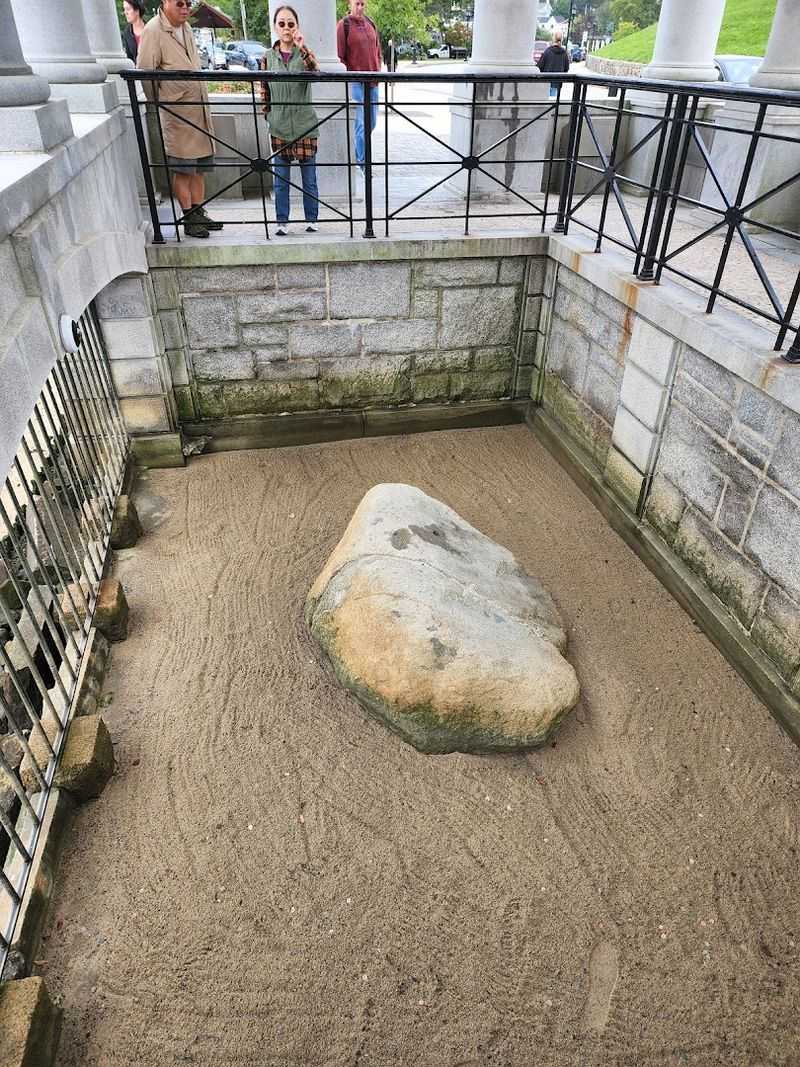
Few landmarks carry as much historical weight as Plymouth Rock, the site where Pilgrims reportedly stepped ashore in 1620. It’s one of America’s most recognized symbols of early history, which is exactly why so many visitors make a special trip to see it.
The surprise comes fast.
The rock itself is shockingly small, roughly the size of a large kitchen table at best. Centuries of souvenir chipping and natural erosion have reduced it significantly from its original size.
Visitors peer down at it through iron railings, often blurting out, “That’s it?”
Historians actually debate whether the Pilgrims even landed on this specific rock, adding another layer of skepticism. Still, the surrounding area in Plymouth is genuinely worth exploring.
The Mayflower II replica ship, Plimoth Patuxent living history museum, and the charming waterfront town make the overall trip worthwhile, even if the rock disappoints.
3. Times Square – New York City, New York
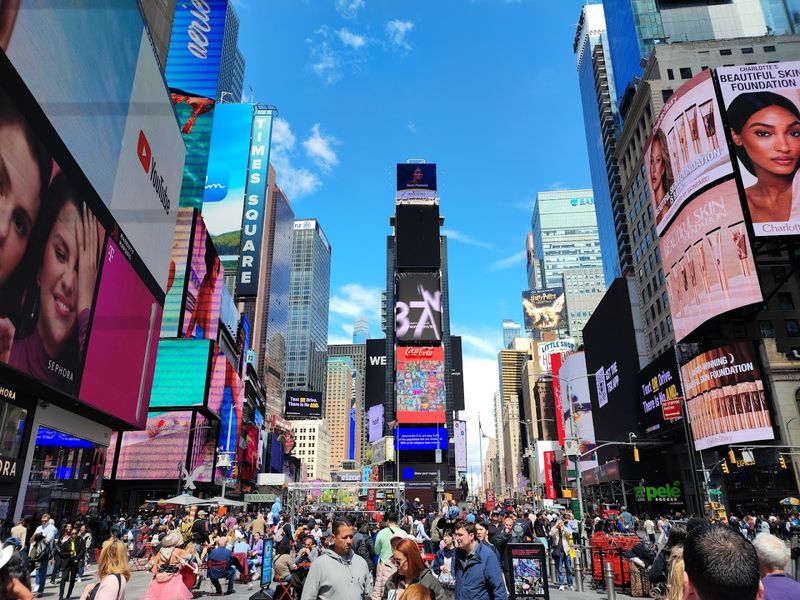
Times Square is one of the most photographed places on Earth, and its glittering lights genuinely do look spectacular in photos. Walking through it for the first time still delivers a jolt of excitement.
But that feeling can wear off surprisingly fast once the reality sets in.
Overcrowding is the number one complaint from visitors. The sidewalks are packed at nearly every hour, navigating through the area feels chaotic, and restaurant prices nearby are notoriously high for average quality food.
Many travelers describe it as sensory overload rather than a relaxing highlight.
Seasoned New York visitors often recommend treating Times Square as a quick stop rather than a destination. Spend twenty minutes soaking in the spectacle, grab a photo, then head to neighborhoods like the West Village, Chelsea, or Central Park for a more authentic New York City experience.
The city has so much more to offer beyond the neon.
4. Four Corners Monument – Arizona, New Mexico, Utah and Colorado
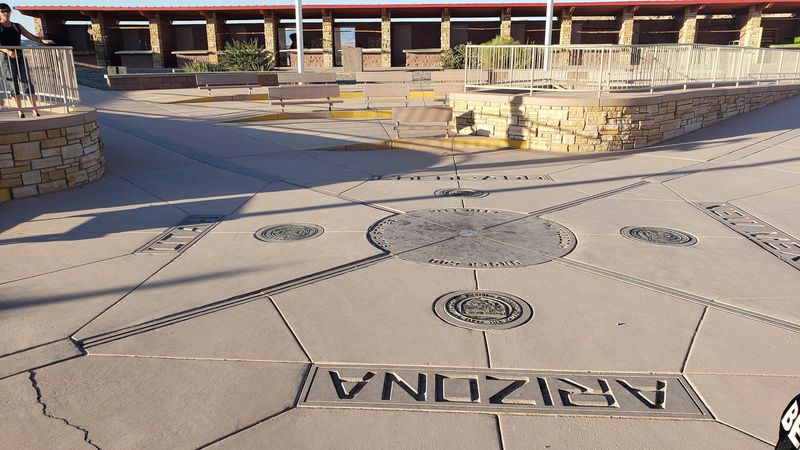
Standing in four U.S. states at the same time sounds like one of the coolest road trip bragging rights imaginable. The Four Corners Monument marks the only point in the country where four state borders meet: Arizona, New Mexico, Utah, and Colorado.
The novelty is real, but the experience is brief.
Most visitors spend about ten to fifteen minutes at the site, crouch down for a photo straddling the marker, and then head back to their car. The surrounding landscape is beautiful in a stark, desert way, and the Navajo Nation operates the monument with a small admission fee.
There are vendor stalls selling local crafts nearby.
The biggest issue for many travelers is the drive. Getting there requires a significant detour on rural roads, sometimes taking hours out of a road trip itinerary.
If you’re already passing through the region, stop. But building an entire trip around it may leave you underwhelmed.
5. Wall Drug – Wall, South Dakota
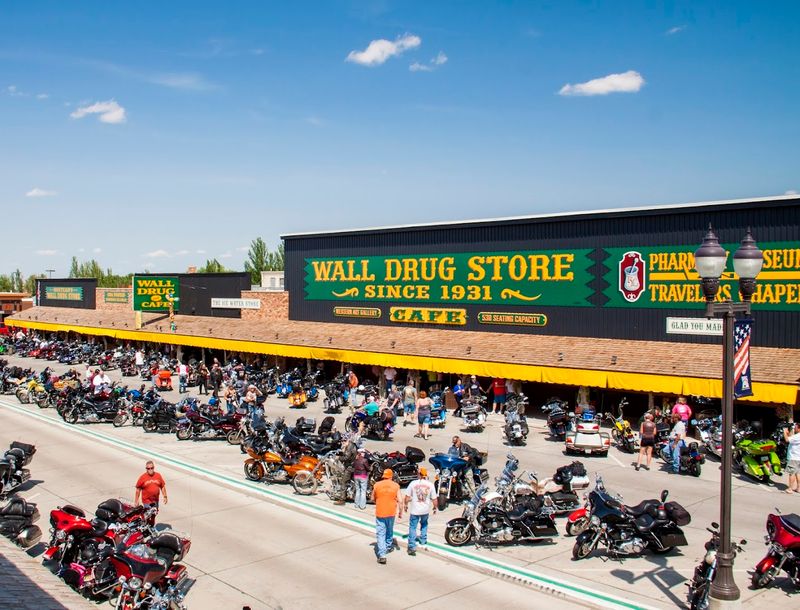
Driving across South Dakota, you simply cannot escape the Wall Drug billboards. They appear hundreds of miles before you arrive, promising free ice water, homemade donuts, and a legendary roadside experience.
By the time you pull into the parking lot, expectations are sky-high.
Wall Drug started in 1931 as a tiny pharmacy struggling to survive. The owners began advertising free ice water to weary travelers, and the idea took off in a big way.
Today it has expanded into a sprawling complex of gift shops, restaurants, and quirky Western-themed displays. It’s genuinely fun in a campy, nostalgic way.
The honest truth is that Wall Drug is essentially a very large souvenir mall with some personality. Travelers who embrace it as a classic American roadside oddity tend to enjoy themselves.
Those expecting something more profound often leave scratching their heads. Go for the experience, buy a bumper sticker, and enjoy the free ice water.
6. The Alamo – San Antonio, Texas
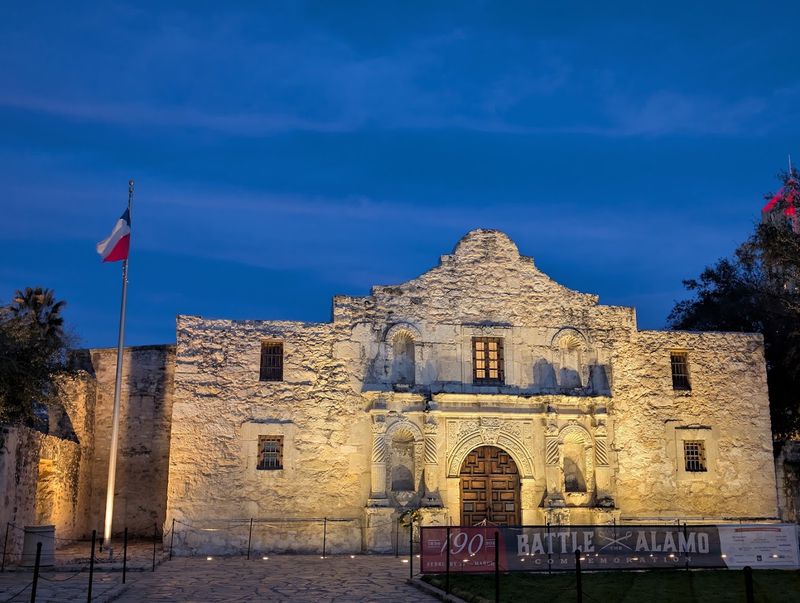
“Remember the Alamo” is one of the most famous battle cries in American history, and the site carries real historical weight. The 1836 Battle of the Alamo, where a small group of defenders held off Mexican forces for thirteen days, remains one of the most dramatic stories in Texas history.
Visiting should feel monumental.
Many first-time visitors are startled by how compact the mission building actually is, especially surrounded by the busy streets and hotels of modern downtown San Antonio. The church itself is smaller than most people picture from paintings and movies.
Getting inside requires waiting in line, and photography is restricted in certain areas.
That said, the Alamo Museum and surrounding Alamo Plaza have improved significantly in recent years. If you appreciate history and take time to read the exhibits, the visit becomes much more meaningful.
Pair it with a walk along the nearby San Antonio River Walk for a much fuller day of exploration.
7. Cadillac Ranch – Amarillo, Texas
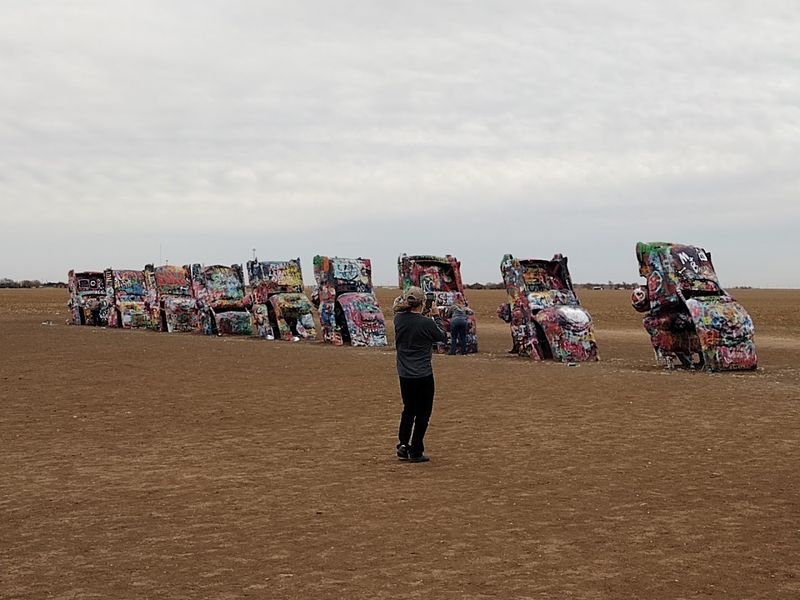
Ten vintage Cadillacs buried nose-first in a Texas wheat field along old Route 66 might be one of the most wonderfully bizarre sights in America. Cadillac Ranch was created in 1974 by the art group Ant Farm, and visitors are actually encouraged to bring spray paint and add their own mark to the cars.
That interactive element makes it genuinely fun.
The honest reality, though, is that most visits last about ten to fifteen minutes. You park on a gravel lot, walk across a field, take some photos, maybe shake a spray can, and then head back to the car.
There’s no visitor center, no restrooms, and no shade on hot Texas afternoons.
For Route 66 road trippers, Cadillac Ranch is a perfect quick stop that adds character to the journey. Expecting a polished tourist destination, however, will leave you puzzled.
Treat it like a fun, quirky detour and it delivers exactly what it promises.
8. Las Vegas Welcome Sign – Las Vegas, Nevada
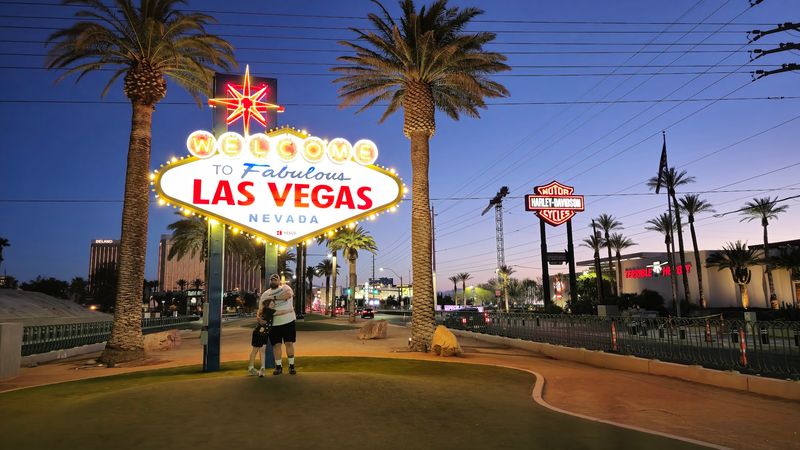
That glittering diamond-shaped sign reading “Welcome to Fabulous Las Vegas Nevada” is one of the most recognized images in American pop culture. Designed by Betty Willis in 1959, it has appeared in films, television shows, and advertisements for decades.
Naturally, tourists want a photo with it.
What surprises many visitors is just how long the wait can be. Lines form throughout the day as groups and families take turns posing in front of the sign.
The sign itself sits in a small median at the southern end of the Las Vegas Strip, meaning you also have to deal with traffic and heat, sometimes for a photo that takes thirty seconds to snap.
The sign is genuinely iconic and worth seeing if you’re already in Las Vegas. But some visitors describe the experience as anticlimactic after waiting.
Visit early in the morning or later in the evening for shorter lines and better lighting for photos.
9. Fisherman’s Wharf – San Francisco, California
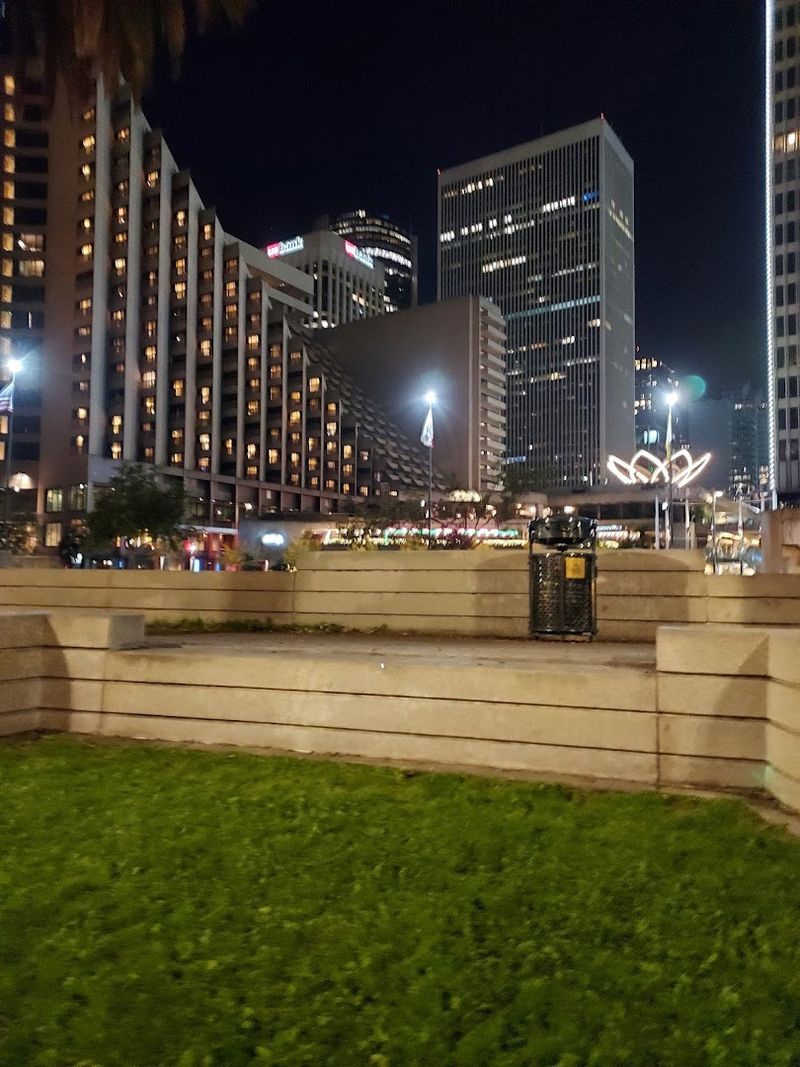
Fisherman’s Wharf has been a San Francisco institution for generations, offering bay views, fresh seafood, souvenir shops, and the famous barking sea lions at Pier 39. It sounds like the perfect afternoon.
Many travelers do enjoy it, but a growing number leave feeling the area has become more theme park than authentic waterfront.
The crowds are relentless on most days, prices at restaurants and shops run noticeably high, and the overall atmosphere can feel heavily commercialized compared to other San Francisco neighborhoods. Locals rarely visit, which is often a telling sign about any tourist district anywhere in the world.
The sea lions are genuinely entertaining and completely free to watch, which is a highlight. Clam chowder in a sourdough bread bowl remains a classic experience worth trying.
For a more authentic San Francisco feel, consider also visiting the Mission District, Haight-Ashbury, or the Ferry Building Marketplace just a short distance away.
10. Bourbon Street – New Orleans, Louisiana
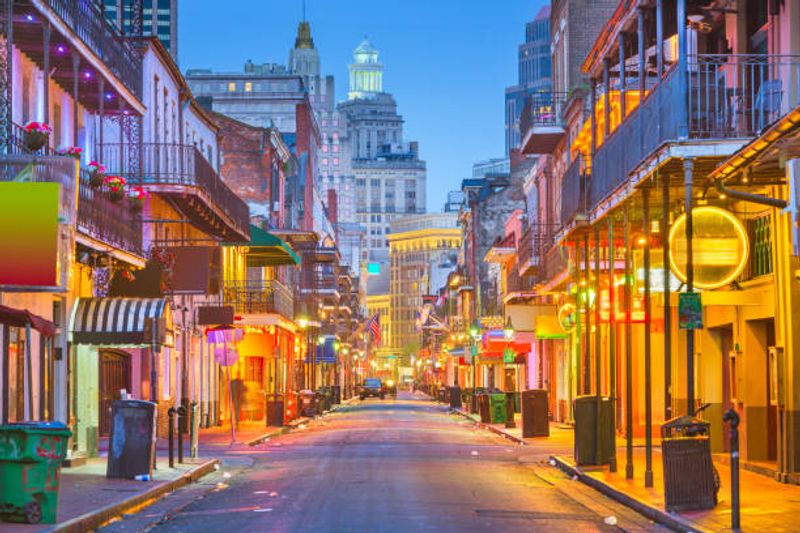
Bourbon Street’s reputation precedes it by miles. The nonstop party atmosphere, the balconies draped with beads, the smell of Cajun food drifting through the air, it all sounds like the ultimate New Orleans experience.
For some visitors, it absolutely delivers that promise.
For others, though, Bourbon Street can feel like a loud, crowded tourist corridor that doesn’t fully capture the real spirit of New Orleans. The bars can be overpriced, the crowds get extremely dense on weekends, and the street itself isn’t always the cleanest environment.
Some travelers describe it as more exhausting than exciting after an hour.
The good news is that New Orleans has layers of authentic culture just steps away. Frenchmen Street offers live jazz in a more local atmosphere.
The Garden District, the streetcar lines, and the incredible food scene throughout the city are where many travelers say they found the real magic of New Orleans.
11. The Original Starbucks – Seattle, Washington
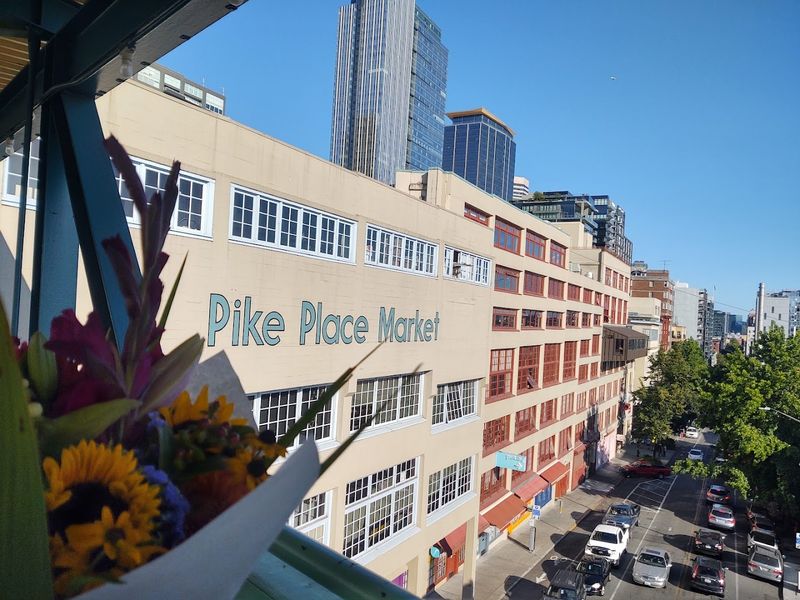
Coffee lovers from around the world make a pilgrimage to Pike Place Market in Seattle to visit the original Starbucks location, opened in 1971. The idea of standing in the very spot where one of the world’s most recognizable brands was born genuinely sounds exciting.
The experience itself is more humbling.
The store is small, the line is consistently long, and the menu is largely identical to any other Starbucks you’ve visited. There’s no exclusive drink, no museum-style exhibit, and very little that distinguishes it from a standard location beyond the original brown siren logo on the sign outside.
Starbucks fans and brand history enthusiasts still tend to enjoy the visit as a quick novelty. But if you’re expecting a dramatically unique cafe experience, you’ll likely feel the wait wasn’t worth it.
The real highlight is that Pike Place Market itself is spectacular, so make the Starbucks stop part of a longer market visit.
12. The Bean (Cloud Gate) – Chicago, Illinois
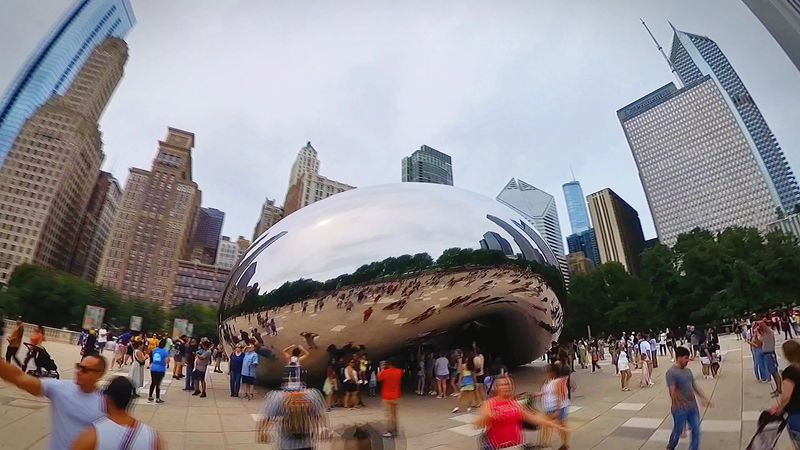
Anish Kapoor’s Cloud Gate sculpture, nicknamed The Bean, is undeniably one of the most visually striking public artworks in America. Its polished stainless steel surface reflects the Chicago skyline and the faces of everyone standing nearby in a wonderfully distorted way.
First impressions are usually genuinely impressive.
The issue many travelers raise is that The Bean is primarily a photo stop rather than a destination that holds your attention for long. Most visitors spend ten to twenty minutes walking around it, snapping selfies from different angles, and then move on.
There’s not much more to do with the sculpture itself once you’ve captured the shot.
Millennium Park, however, is a different story. The surrounding park offers free outdoor concerts, beautiful gardens, a skating rink in winter, and the nearby Art Institute of Chicago is world-class.
Treat The Bean as a fun opener to a full day in the park rather than the main event.
13. Carhenge – Alliance, Nebraska
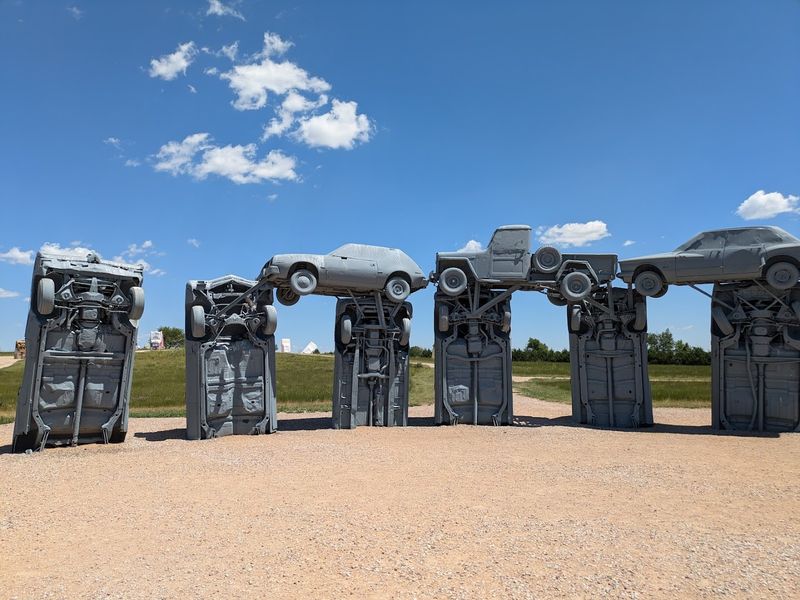
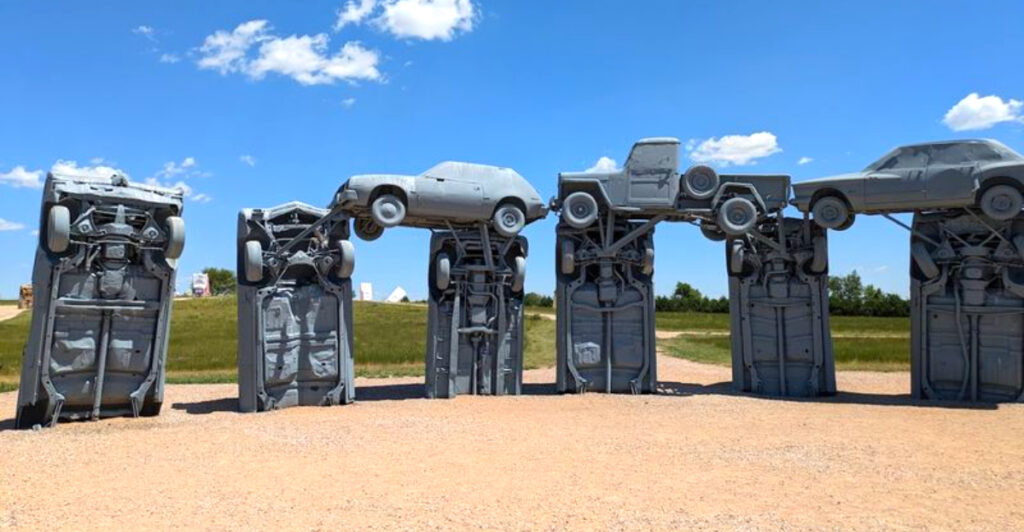
Somewhere in the wide, flat plains of western Nebraska stands one of America’s most delightfully absurd roadside attractions. Carhenge is a full-scale replica of England’s Stonehenge, built entirely from vintage American automobiles painted gray.
Artist Jim Reinders created it in 1987 as a tribute to his father, and it has attracted curious travelers ever since.
The charm of Carhenge is undeniable once you actually see it. There’s something genuinely funny and oddly beautiful about a circle of old Cadillacs and Fords standing upright in a Nebraska field.
The problem is that the experience wraps up quickly. Most visitors spend fifteen to twenty minutes exploring, take a few photos, and head back to the highway.
Carhenge works best as a fun detour on a longer road trip through the region rather than a stand-alone destination. If you’re driving across Nebraska on Highway 385, stopping here is absolutely worth a few minutes.
It’s weird, it’s wonderful, and it’s completely free to visit.
14. The Corn Palace – Mitchell, South Dakota
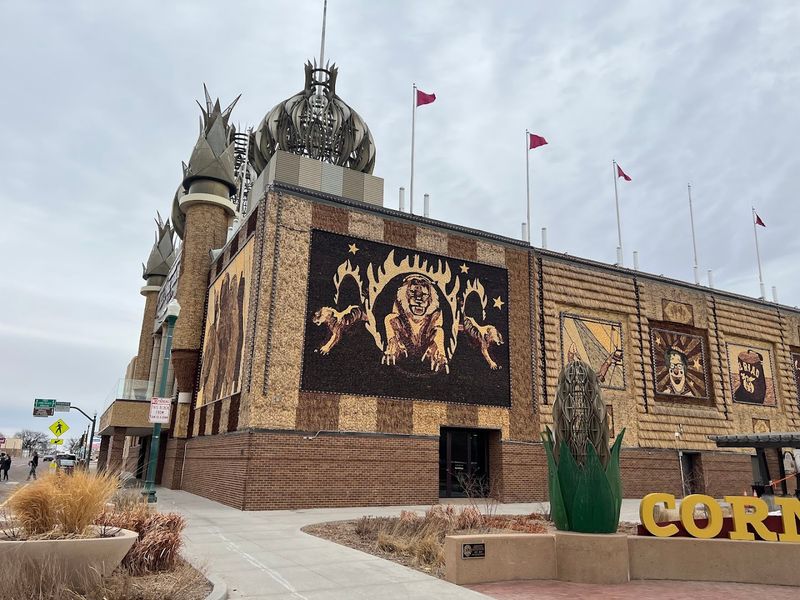
Every year, workers in Mitchell, South Dakota, spend weeks covering the outside of a large arena with thousands of bushels of corn, grain, and grasses to create elaborate murals that change with each new theme. The Corn Palace has been doing this since 1892, making it one of the most genuinely unique traditions in American folk art.
That’s not nothing.
The surprise for many visitors is the scale. From photos, the building looks enormous and elaborately grand.
In person, while the murals are impressive up close, the overall structure is essentially a mid-sized events arena. The interior hosts concerts and sporting events, so touring options can be limited depending on the schedule.
Admission to walk around the exterior is free, and the murals are worth a close look for the craftsmanship alone. Combine the stop with a visit to the nearby Badlands National Park or Wall Drug and it fits naturally into a South Dakota road trip without feeling like a wasted stop.
15. Roswell UFO Museum – Roswell, New Mexico
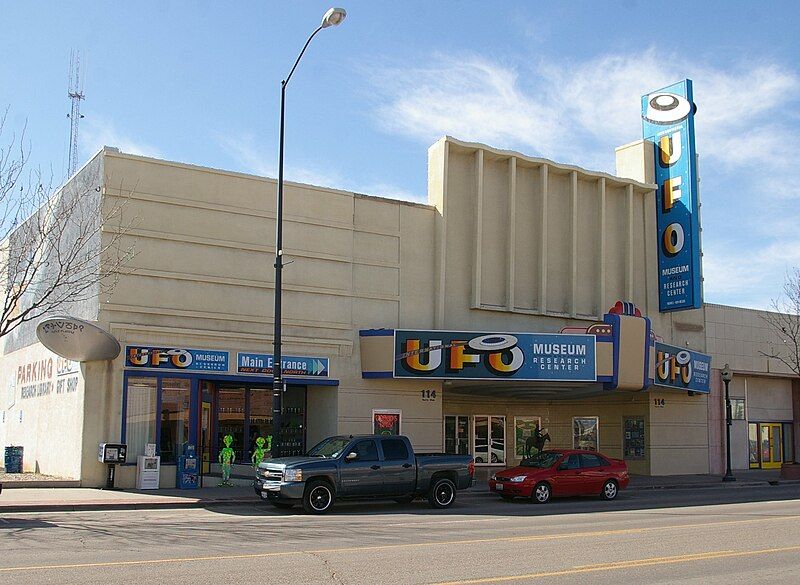
In 1947, something crashed near Roswell, New Mexico, and the U.S. military’s shifting explanations sparked one of the most enduring conspiracy theories in modern history. The International UFO Museum and Research Center was built to honor that mystery, and the entire town of Roswell has leaned hard into its alien identity.
Alien-themed shops, restaurants, and murals are literally everywhere.
The museum itself is a modest, independently run attraction filled with newspaper clippings, alien mannequins, replica crash debris, and exhibits on UFO sightings around the world. Hardcore UFO enthusiasts tend to enjoy it thoroughly.
Visitors expecting a high-tech, Smithsonian-style experience, however, often find the presentation a bit rough around the edges.
Admission is inexpensive, and the staff is genuinely passionate about the subject matter. The town’s quirky alien culture makes for fun photos and unique souvenirs.
If you’re driving through New Mexico, a Roswell stop is entertaining and worth a couple of hours, as long as you arrive with an open mind.
Share this story