Not every great trip needs a week-long itinerary. Some of Europe’s most stunning cities are perfectly designed for a single day of exploring, eating, and soaking up atmosphere without feeling like you missed anything important.
Whether you have a layover, a long weekend, or just one free day before heading home, the right city can leave you feeling like you saw something genuinely memorable. This list ranks 15 European cities by how well they actually work in 24 hours, based on walkability, cultural payoff, ease of navigation, and how quickly each city reveals its best side.
Some surprises are waiting near the top.
Rome, Italy
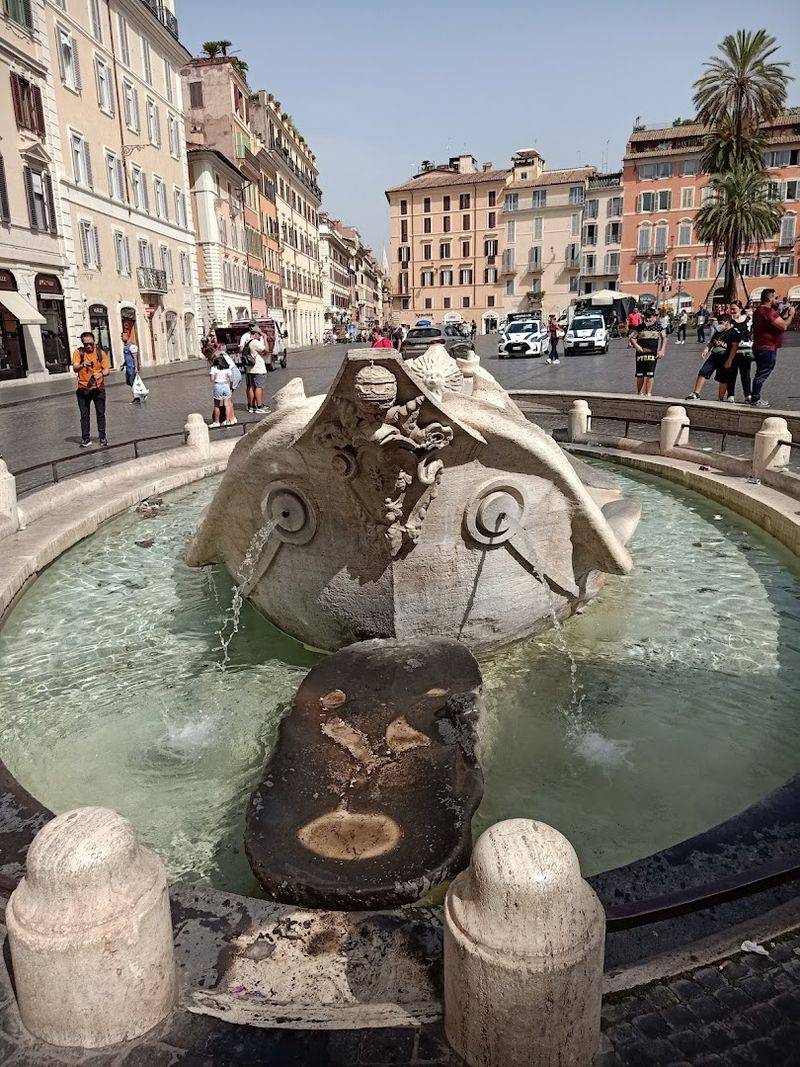
Rome is not a city that fits neatly into 24 hours, but it rewards travelers who go in with a focused plan rather than a wish to see everything. The Colosseum, Roman Forum, Pantheon, Piazza Navona, and Trevi Fountain are all within a manageable geographic range if you start early and move with purpose.
Rome’s official tourism resources continue to highlight visitor passes, public galleries, outdoor spaces, and major sights, confirming the city is fully active and open for travelers year-round. The practical challenge is that Rome is enormous in cultural weight, and one day barely scratches the surface.
That said, the atmosphere is hard to match anywhere in the world. Pick one ancient landmark, one neighborhood, one long meal, and one golden-hour walk, and Rome will still feel extraordinary.
It ranks lower simply because its scale makes a short visit feel bittersweet rather than complete.
Kraków, Poland
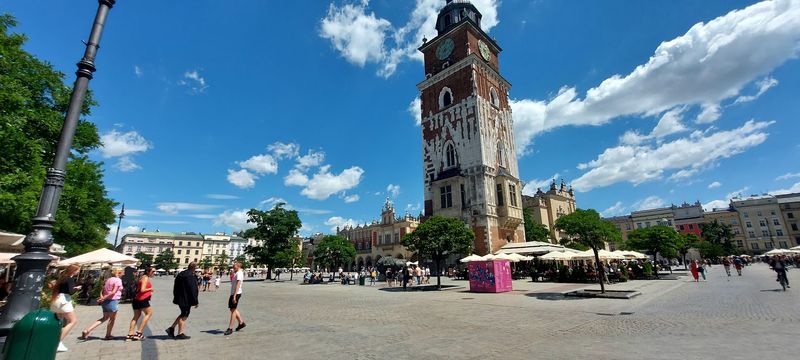
One of Europe’s best-value cultural destinations, Kraków works well in 24 hours because so much of what makes it special is concentrated in the Old Town and the Kazimierz district. You can spend a morning in the medieval Main Market Square, visit Wawel Hill and its royal castle, walk the Planty park loop, and still have energy left for dinner in the old Jewish quarter.
InfoKraków continues to operate as the city’s official information network, keeping visitor updates and event listings current. The city is very much open and welcoming to travelers throughout the year.
What makes Kraków work for a short trip is its pace. It is less frantic than larger European capitals, but it still feels layered, historic, and genuinely interesting around every corner.
Hearty Polish food, walkable streets, and centuries of architecture make it a strong choice for anyone with just one day to spend in Poland.
Tallinn, Estonia
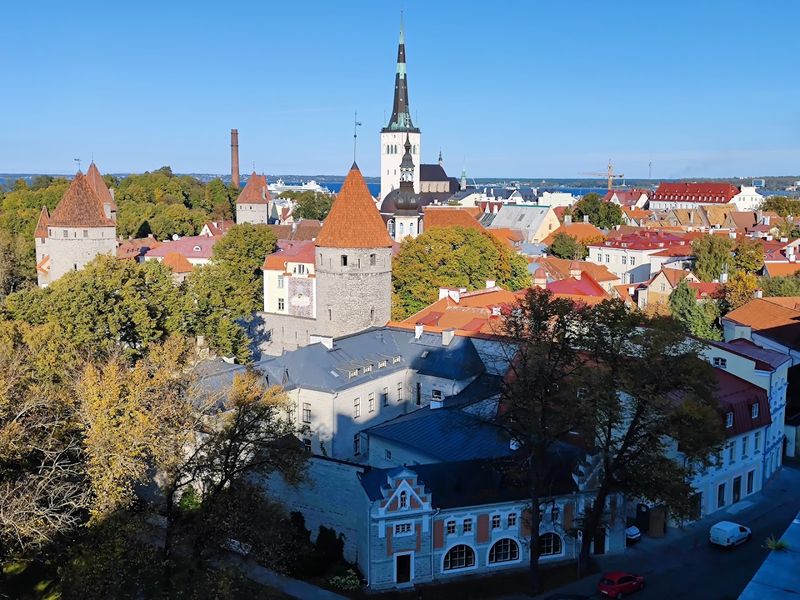
Few European cities are as naturally suited to a short visit as Tallinn. Its medieval Old Town is compact, photogenic, and easy to navigate on foot, while the Telliskivi Creative City adds food halls, street art, independent shops, and a more contemporary energy just a short walk away.
Visit Tallinn, the city’s official travel guide, currently provides detailed visitor information on attractions, transport, restaurants, hotels, and events, making it straightforward to plan a tight itinerary without stress.
In 24 hours, you can wander the cobbled lanes of the Old Town, climb to the viewpoints on Toompea Hill, grab a coffee in the Kalamaja neighborhood, and still have time for a relaxed dinner before the day ends. Tallinn is particularly well-suited for travelers who want a city that feels genuinely historic without being overwhelming or exhausting.
It is one of those places that somehow feels bigger than its size suggests.
Budapest, Hungary
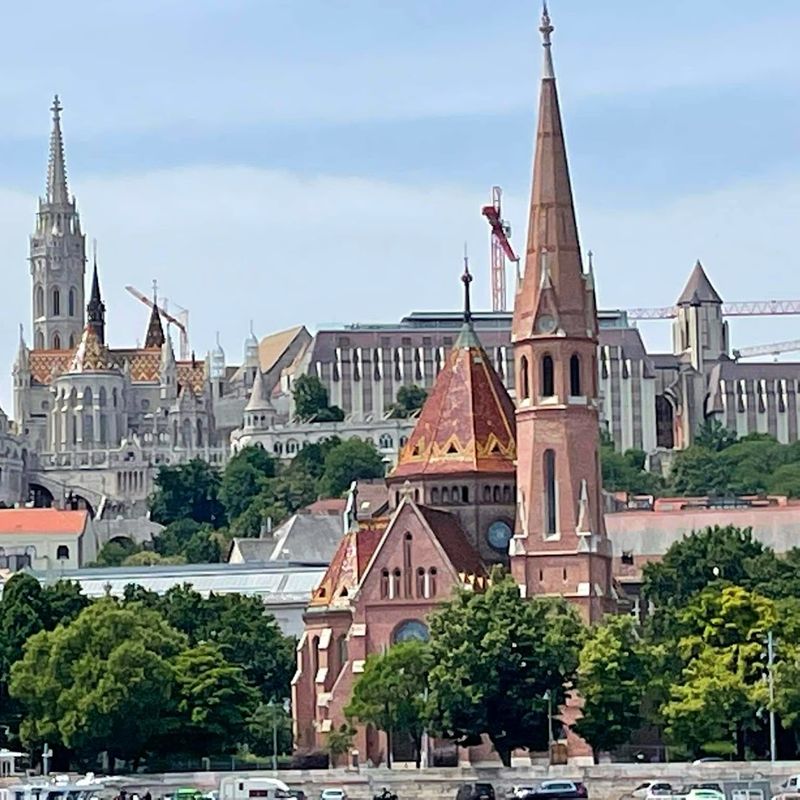
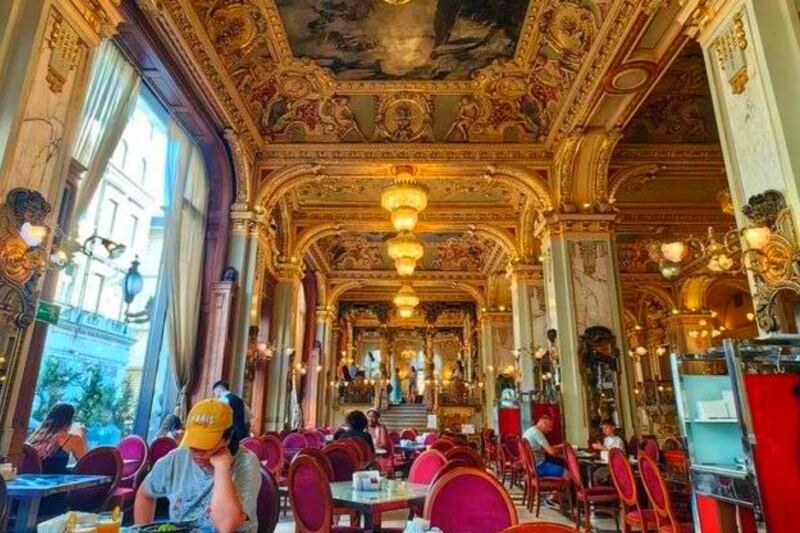
Budapest is slightly too spread out to rank higher on this list, but it remains a fantastic 24-hour destination when you keep the itinerary focused. Think of it as two cities sharing one riverbank: Buda for castle views and hilltop perspectives, Pest for grand boulevards, ornate cafés, and dramatic architecture.
The official Budapest tourist website actively lists attractions, sightseeing programs, events, gastronomy, and visitor information, including the Budapest Card, which can simplify transport and entry fees on a tight schedule.
A strong one-day plan starts at Castle Hill, crosses the Danube on the Chain Bridge, takes in St. Stephen’s Basilica or the Parliament exterior, and ends with an evening in the ruin bar district of the Jewish Quarter. Budapest earns its ranking because it delivers a remarkable amount in one day: thermal bath culture, sweeping river views, and one of Europe’s most dramatic city skylines all within reach.
Ljubljana, Slovenia
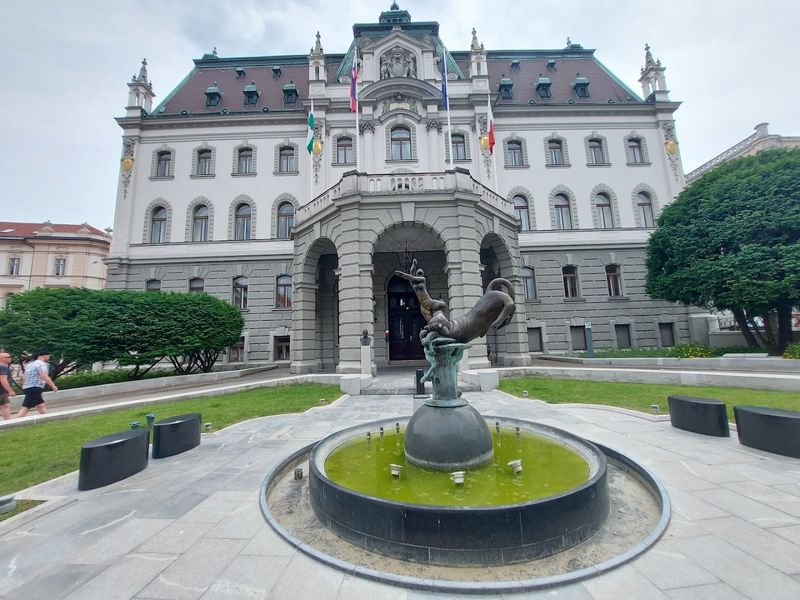
Ljubljana might be the most underrated capital city in Europe for a short trip. It is small, green, genuinely relaxed, and built around a beautiful riverfront that practically organizes your day for you without any complicated planning required.
Visit Ljubljana’s official tourism site actively promotes city trips, food tours, local stories, and things to do in and around the capital. The city is described by its own tourism resources as small enough to walk through completely, yet varied enough to keep revealing new details.
A well-spent day here includes the old town, a stroll along the Ljubljanica River, the open-air market area, Ljubljana Castle, and café terraces in the pedestrian center. It is not as famous as Paris or Rome, and that is honestly part of its appeal.
For a low-stress, high-reward 24-hour escape, Ljubljana is one of the smartest choices anywhere on the continent. You leave feeling refreshed rather than exhausted.
Florence, Italy
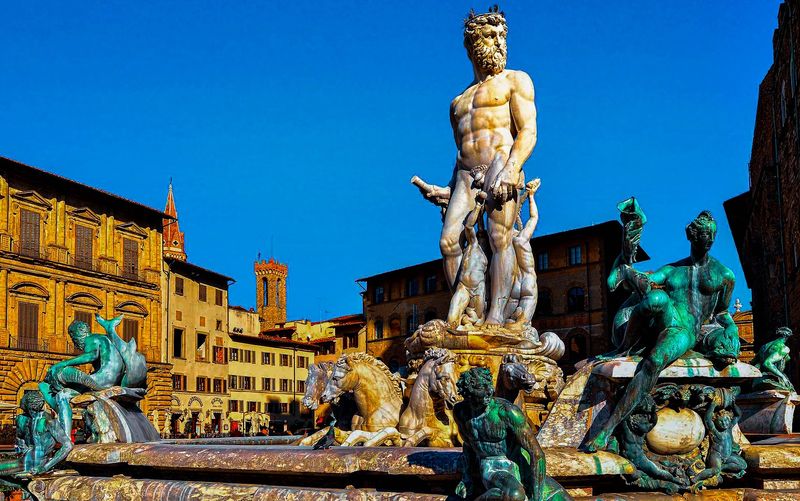
Florence is one of those cities that can make you feel like you are walking through a living museum, which is both its greatest appeal and its biggest challenge in 24 hours. The historic center is walkable and compact, but the major museums require advance booking and careful timing to avoid long waits.
FeelFlorence, the official tourism website for the Municipality and Metropolitan City of Florence, remains active with events, itineraries, museum listings, garden openings, and outdoor summer programming throughout the year.
A smart 24-hour Florence visit skips the attempt to cover everything and focuses instead on the Duomo area, Ponte Vecchio, Piazza della Signoria, one well-chosen museum or church, and sunset from Piazzale Michelangelo. One day is genuinely enough to absorb the Renaissance atmosphere that makes this city so famous.
The reason it ranks here rather than higher is that Florence rewards slower visitors, and a single day always ends with a long list of things left unseen.
Barcelona, Spain
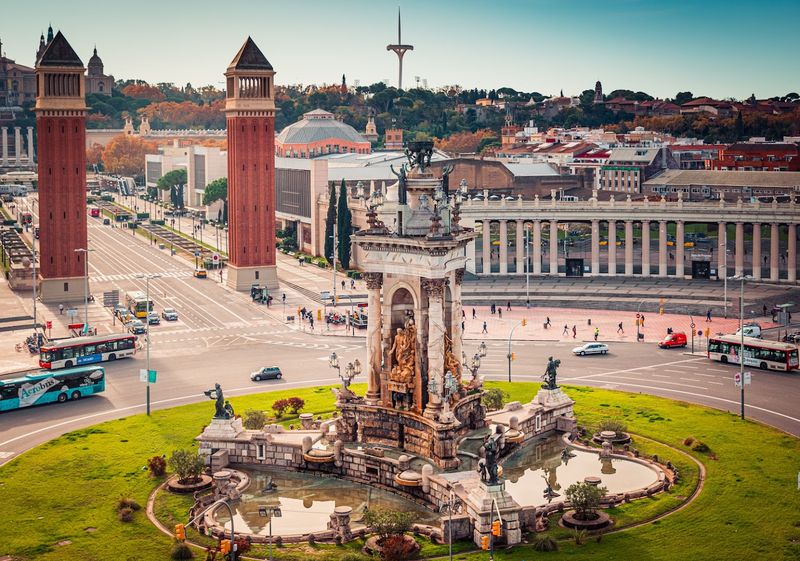
Barcelona is a thrilling city for a single day, but it asks more of its visitors than most cities on this list. The major attractions are spread out, popular sites get crowded early, and booking ahead for Gaudí landmarks is essentially non-negotiable if you want to avoid wasting precious hours in a queue.
Barcelona’s official tourism portal provides practical guidance on transport, tours, museums, architecture, gastronomy, beaches, and city itineraries. The city is also actively managing overtourism pressures, which means visitors benefit from planning thoughtfully and treating the city with genuine respect rather than rushing through it.
For 24 hours, a focused plan works best: the Gothic Quarter for history and street life, one Gaudí landmark for architecture, a proper Catalan meal for the food culture, and a waterfront walk to end the day. Barcelona ranks here because the payoff is genuinely high, but the logistics require more effort than the cities ranked above it.
Edinburgh, Scotland
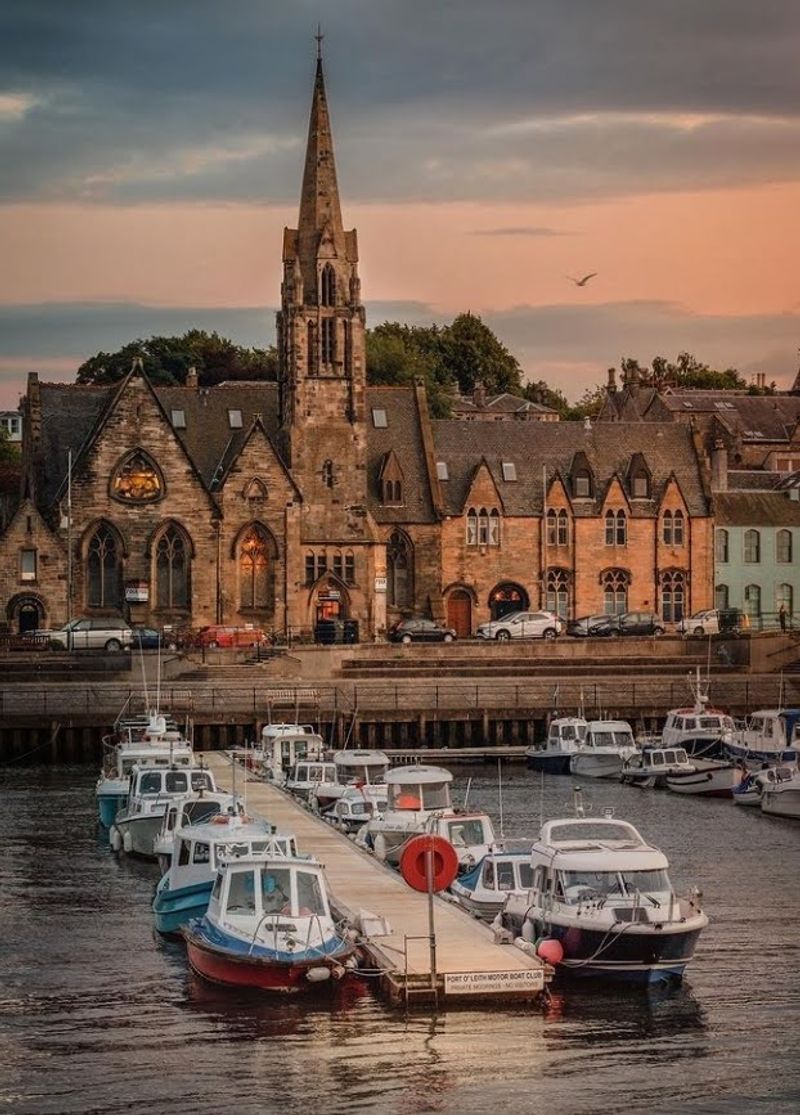
Edinburgh announces itself dramatically the moment you arrive. The castle sits on volcanic rock above the city, the Royal Mile connects major landmarks in a straight line, and the closes and courtyards branching off the main street reward every curious detour you take.
Forever Edinburgh, the city’s official guide, actively lists things to do, food and drink options, events, neighborhood guides, and practical visitor planning information. The resources are well-organized, which makes building a one-day itinerary much easier than in larger, more sprawling cities.
A solid 24-hour route starts at Edinburgh Castle, follows the Royal Mile downhill, dips into the closes, visits Greyfriars or the National Museum of Scotland, and finishes with sunset from Calton Hill or Arthur’s Seat if the weather is cooperating. Edinburgh ranks this high because it delivers atmosphere fast.
Within an hour of arriving, most visitors already feel like they understand what makes this city so enduringly popular.
Bruges, Belgium
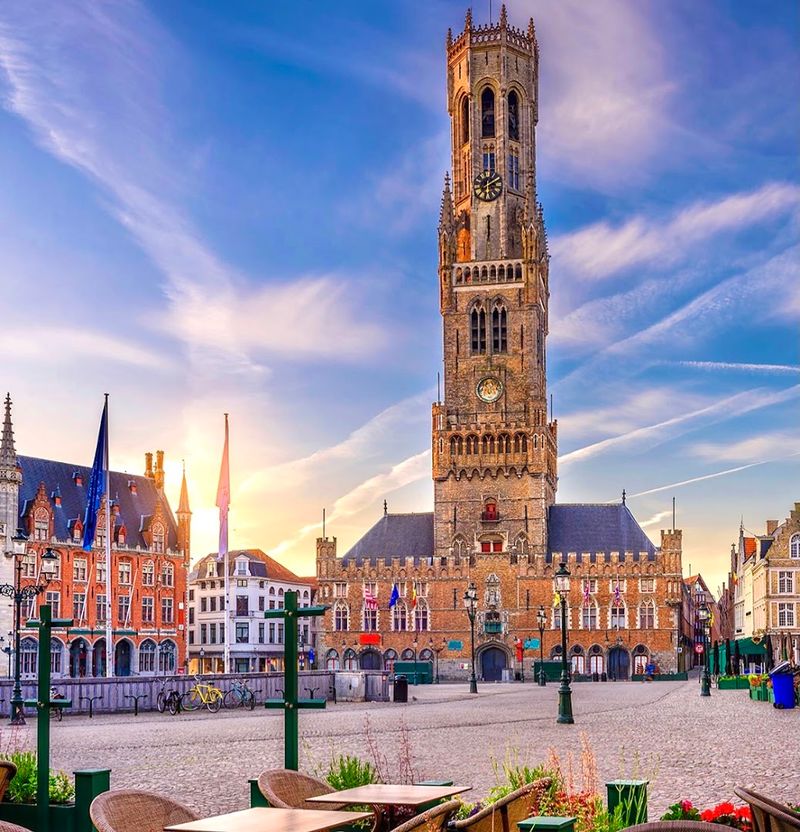
Bruges is one of those rare cities where the compact size works entirely in your favor. Everything worth seeing sits close together, the streets are manageable on foot, and you do not need to think about metro lines or complicated transport connections at any point during the day.
Visit Bruges, the official visitor website, describes the city as medieval, human-scaled, and proud of its UNESCO World Heritage status. The site also maintains a current and well-organized list of top sights, seasonal events, and practical visitor guidance.
In one day, you can take in the Markt, view or climb the Belfry, walk the canal paths, browse the chocolate shops lining the old lanes, and catch evening reflections shimmering on the water. Yes, Bruges draws a lot of tourists, and for good reason.
For a short trip where you want beauty, history, and ease without a complicated itinerary, its compactness is one of the most practical advantages on this entire list.
Porto, Portugal
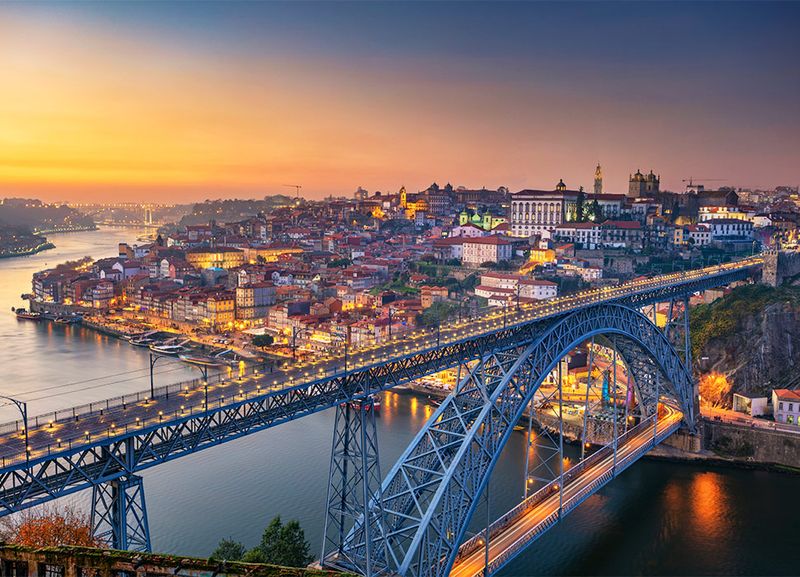
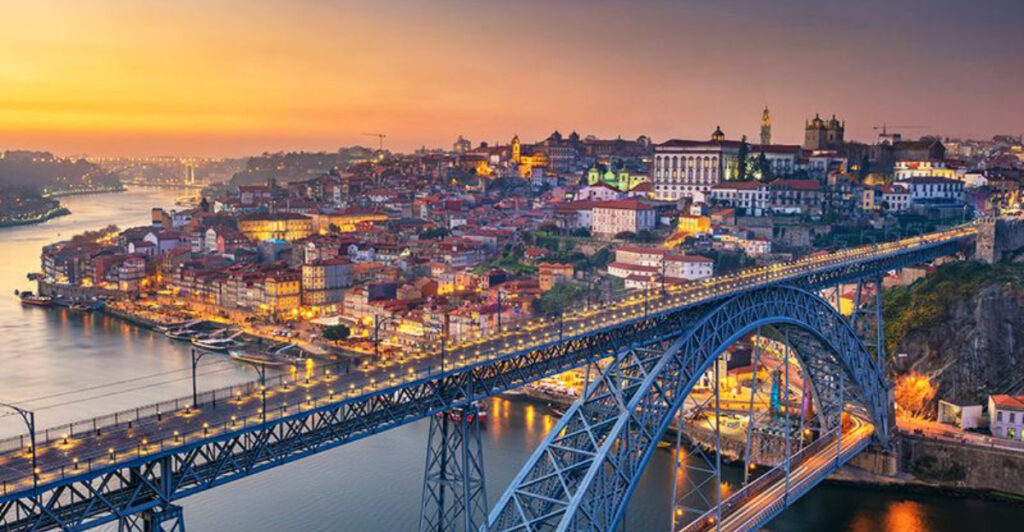
Porto is a city that rewards wandering more than planning. The streets are steep, the tiles are everywhere, and every uphill climb delivers a new view of tiled church facades, iron bridges, and the wide Douro River below.
It is not effortless, but the effort always pays off.
Visit Porto, the official tourism website, continues to list attractions, heritage sites, food and wine experiences, and the Porto Card for visitors. The official Portuguese tourism page also confirms Porto’s historic center carries UNESCO World Heritage classification.
A well-constructed 24-hour visit should include São Bento Station for its famous tile panels, the Ribeira waterfront, Dom Luís I Bridge, at least one port wine cellar across the river in Vila Nova de Gaia, and a long dinner somewhere in the old city. Porto feels more relaxed than Lisbon and tends to win over first-time visitors faster.
It is the kind of city people immediately want to return to with more time.
Lisbon, Portugal
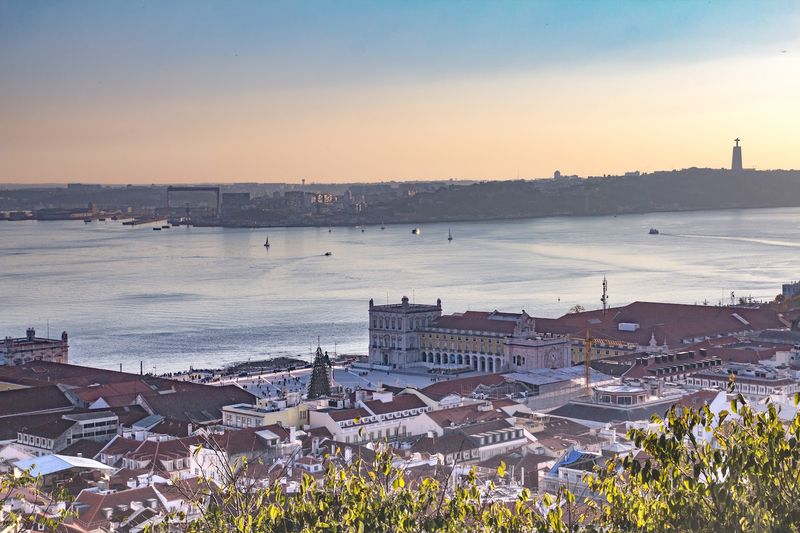
Lisbon is not as tightly packed as Porto, but it has a rhythm that works beautifully in a single day if you choose your neighborhoods wisely and resist the temptation to see every viewpoint on the map. The city moves between hilltop miradouros, vintage trams, ornate tile facades, and riverside light in a way that feels effortless.
Visit Lisboa, the official tourism site, remains fully active with traveler information, things to see and do, planning resources, and cultural programming. Major attractions including Belém Tower, Jerónimos Monastery, São Jorge Castle, and the Oceanário operate with published visitor hours and some weekly closures, so checking ahead is worthwhile.
For 24 hours, pick Alfama for character, Baixa and Chiado for shopping and coffee, one miradouro for the view, and either Belém or a food-focused evening in the city center. Lisbon ranks this high because even a brief visit feels sun-warmed, flavorful, and genuinely alive from morning through late night.
Paris, France
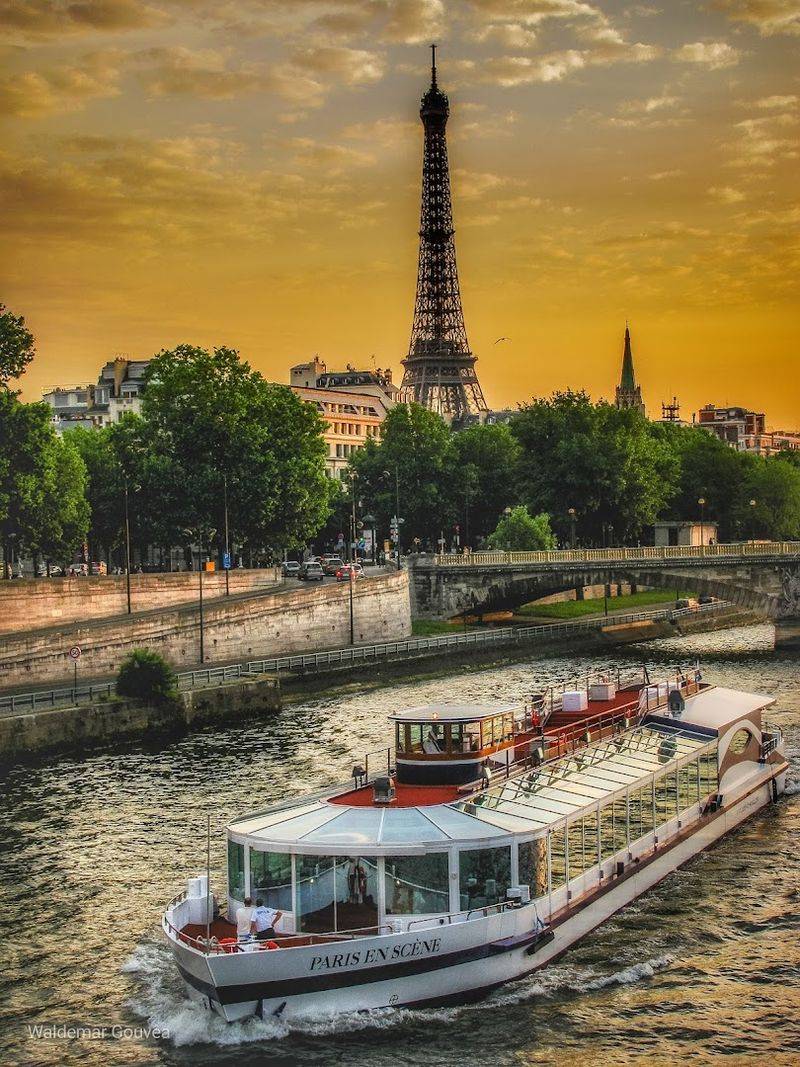
Paris might seem like the wrong choice for a 24-hour trip, but it is actually one of Europe’s most satisfying short visits if you let go of the idea that you need to see everything. The goal is not completion.
The goal is one perfect slice of the city, experienced fully rather than rushed through.
The official Paris tourist office continues to provide practical visitor information, city pass options, museum booking tools, restaurant guides, and attraction planning resources that make organizing a tight itinerary much more manageable than it used to be.
A strong one-day plan might include the area around Notre-Dame, a walk along the Seine, the Louvre exterior or one timed museum visit, the Tuileries Garden, Eiffel Tower views, and a late dinner in Montmartre. Paris ranks this high because even a few hours here feels genuinely special.
The only reason it is not in the top three is that crowds and ticket logistics can make one day feel slightly rushed.
Copenhagen, Denmark
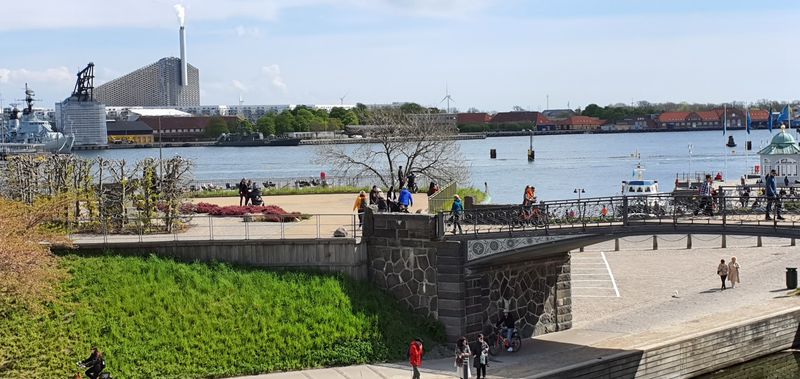
Copenhagen is one of those capitals that makes a short visit feel easy rather than stressful. It is clean, well-organized, stylish, and built around neighborhoods that are genuinely pleasant to explore without a rigid sightseeing checklist keeping you moving from one attraction to the next.
Visit Copenhagen, the official city guide, provides current information on attractions, restaurants, design culture, architecture, family activities, and planning resources. Copenhagen Visitor Service also offers local maps, digital event overviews, sightseeing tickets, and on-the-ground visitor support throughout the year.
In 24 hours, you can see Nyhavn with its colorful harbor-front buildings, wander Christianshavn, visit a design or contemporary art museum, eat fresh pastries from a good bakery, and end with Tivoli Gardens if the timing works out. Copenhagen ranks near the top of this list because it is smooth, stylish, and unusually easy to navigate for a capital city.
First-time visitors rarely leave feeling like they missed the point.
Amsterdam, Netherlands
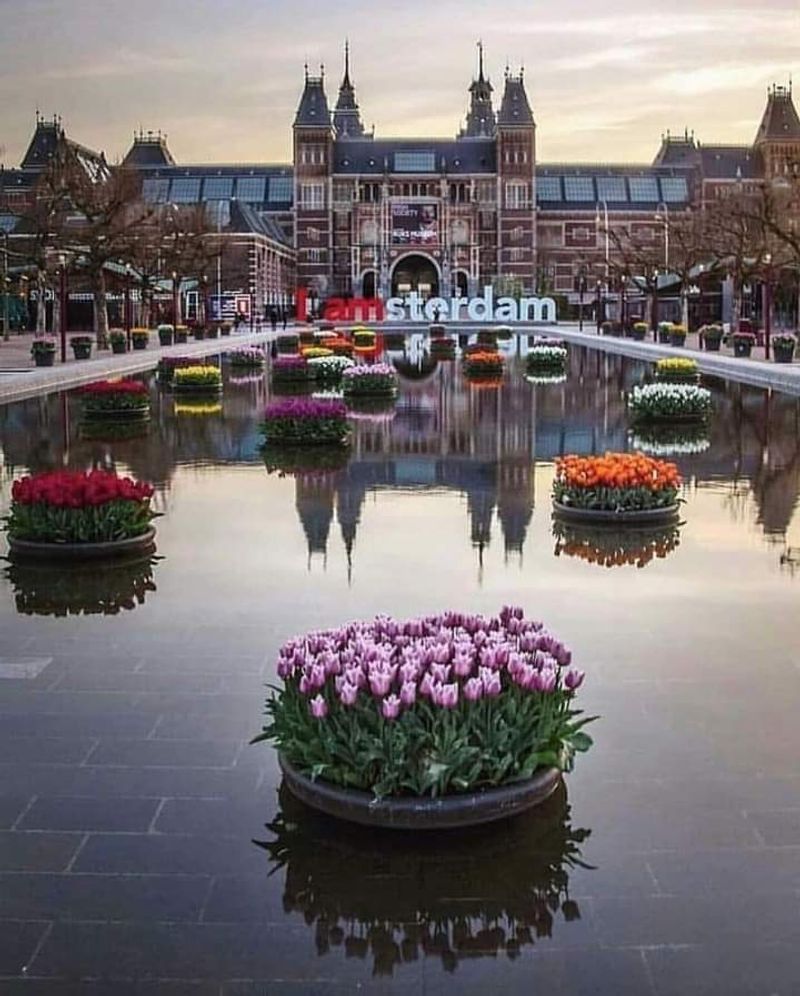
Amsterdam is one of Europe’s strongest 24-hour cities because its core experience is both clear and compact. Canals, world-class museums, independent cafés, cycling culture, and historic streets flow naturally from one neighborhood into the next without requiring complicated transit planning or long commutes between highlights.
I amsterdam, the official city guide, continues to provide visitor resources, neighborhood guides, event listings, transport help, and city card planning. The I amsterdam City Card currently covers access to more than 70 museums and experiences, a canal cruise, and bicycle rental, which is genuinely useful when time is limited and you want to cover meaningful ground efficiently.
A perfect 24-hour visit might include the canal belt, either the Rijksmuseum or Van Gogh Museum, a wander through the Jordaan neighborhood, a canal cruise, and a relaxed evening walk near Leidseplein. Amsterdam ranks second because the city’s best parts are not hidden behind a long journey.
They sit right there, waiting around the next bridge or canal corner.
Prague, Czech Republic
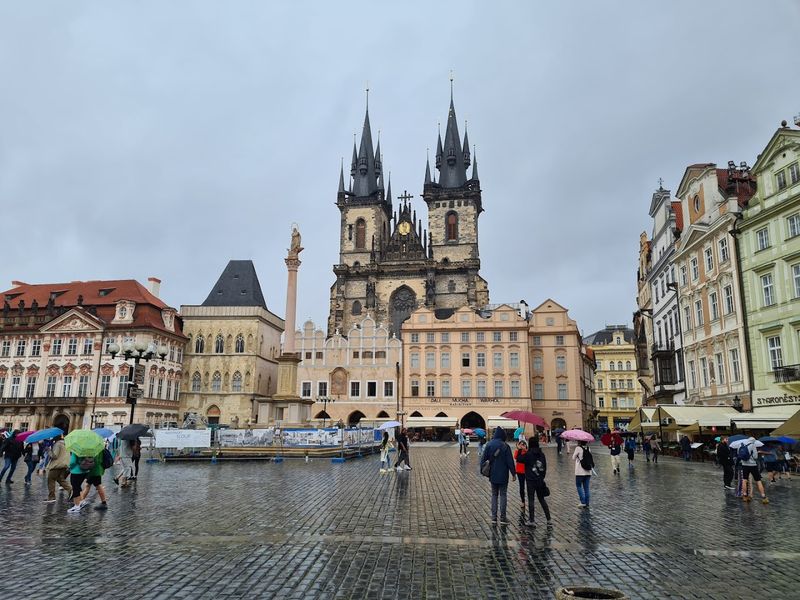
Prague takes the top spot because it gives first-time visitors an extraordinary amount of beauty packed into a very walkable, one-day-friendly package. Castles, medieval bridges, cobblestone squares, riverside views, Gothic towers, and traditional beer halls all sit close enough together that a 24-hour visit can feel genuinely complete rather than frustratingly incomplete.
Prague City Tourism’s official visitor pass currently lists more than 70 experiences, covering historical monuments, museums, galleries, guided city tours, a Vltava River cruise, and unlimited public transport including the airport connection. Prague Castle remains one of the city’s central attractions, with the castle grounds generally open daily and generous visitor hours.
The 24-hour route practically writes itself: start at Prague Castle, walk down through Malá Strana, cross Charles Bridge, explore Old Town Square, watch the Astronomical Clock, and end near the river or in a traditional beer hall. Prague is romantic, dramatic, efficient, and endlessly photogenic.
For a single-day European city trip, nothing on this list beats it.
Share this story