Puerto Rican food is a celebration of bold flavors, rich history, and family traditions all on one plate. From crispy street snacks to slow-roasted holiday centerpieces, the island’s cuisine reflects a beautiful mix of Taino, Spanish, and African influences.
Whether you grew up eating these dishes or are discovering them for the first time, each one tells a story worth tasting. Here are 13 traditional Puerto Rican dishes that truly deserve a spot on your food bucket list.
1. Mofongo
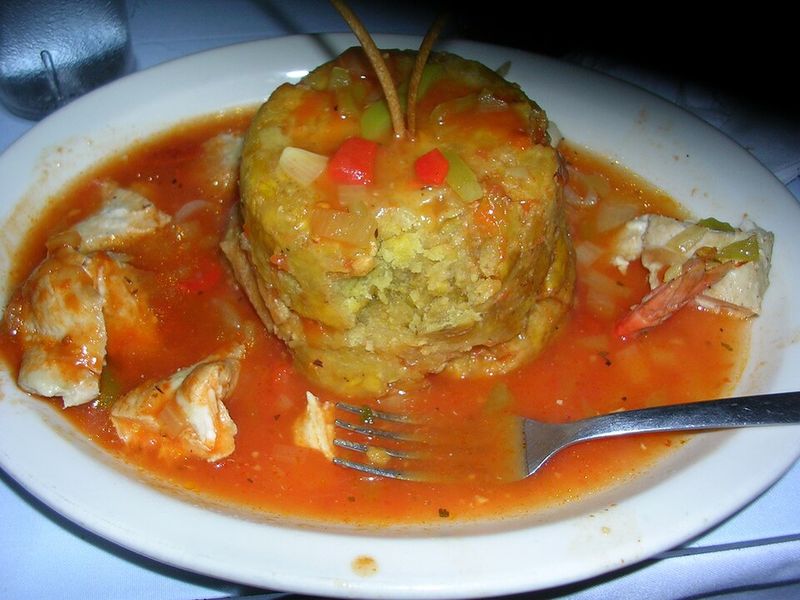
Ask any Puerto Rican to name their most iconic dish and mofongo will almost always come up first. Made from fried green plantains mashed in a wooden pilón with garlic, olive oil, and crispy pork cracklings called chicharrón, this dish is earthy, savory, and deeply satisfying.
What makes mofongo truly special is its versatility. Depending on where you order it, it can be served stuffed with shrimp, topped with chicken in broth, or paired with a rich seafood stew.
The plantain base soaks up every drop of sauce beautifully.
Mofongo is traditionally shaped into a dome inside the pilón and served right at the table. Restaurants across Puerto Rico take pride in their own version of this classic.
If you only try one Puerto Rican dish in your lifetime, make it this one.
2. Arroz con Gandules
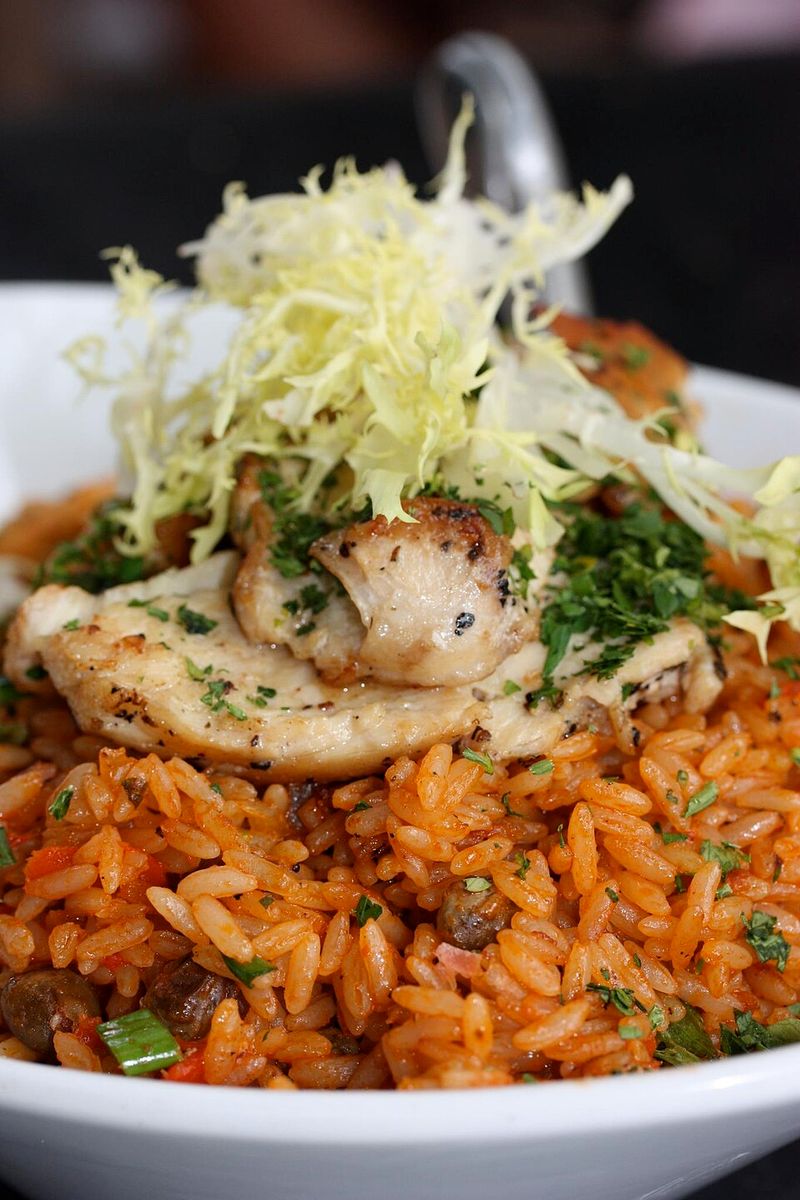
Officially recognized as Puerto Rico’s national dish, arroz con gandules is the heart of any holiday table. Rice is cooked low and slow with pigeon peas, sofrito, olives, capers, and chunks of pork until every grain is packed with flavor.
The aroma alone is enough to make your mouth water.
Sofrito, a blended mix of peppers, onions, garlic, cilantro, and recao, is the secret ingredient that gives this dish its signature Puerto Rican taste. No two family recipes are exactly alike, and many households guard their sofrito formula like a treasure.
Christmas and family celebrations in Puerto Rico are almost unimaginable without a pot of arroz con gandules at the center. It pairs perfectly with pernil, pasteles, and tostones.
Trying this dish means tasting a piece of Puerto Rican culture that has been passed down through generations with love.
3. Lechón Asado
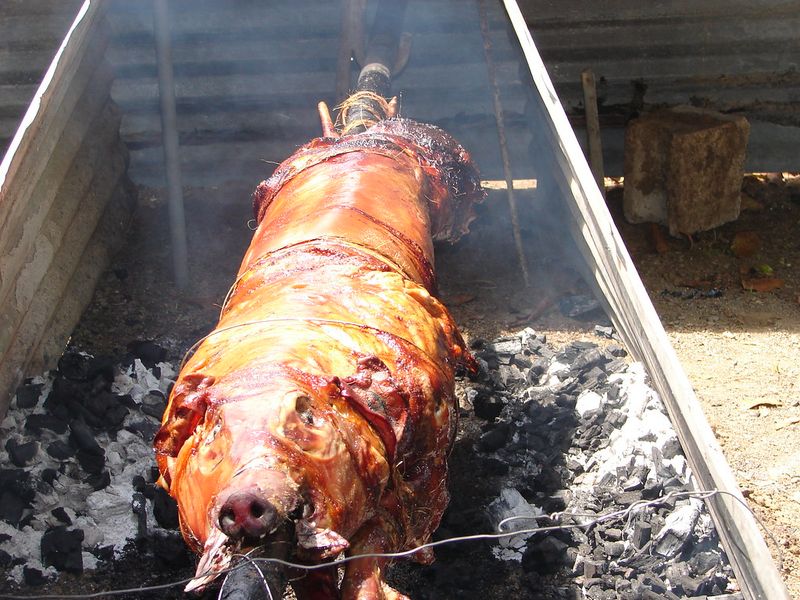
Few food experiences compare to pulling up to a lechonera in Guavate, the mountain town famous for its roadside roasted pig stands. Lechón asado is a whole pig slow-roasted on a spit over open wood fire for hours until the skin turns shatteringly crispy and the meat inside becomes fall-apart tender.
The preparation begins the night before, when the pig is seasoned generously with garlic, oregano, salt, and sazón. Patience is the key ingredient here.
The slow roasting process allows the fat to render gradually, keeping the meat incredibly juicy while the skin crisps to perfection.
During Christmas and other major celebrations, lechón asado becomes a true communal event. Families and friends gather around the fire, and the feast lasts all day.
Guavate’s Route 184 is lined with lechoneras that have been serving this tradition for decades, drawing visitors from across the island every weekend.
4. Pasteles
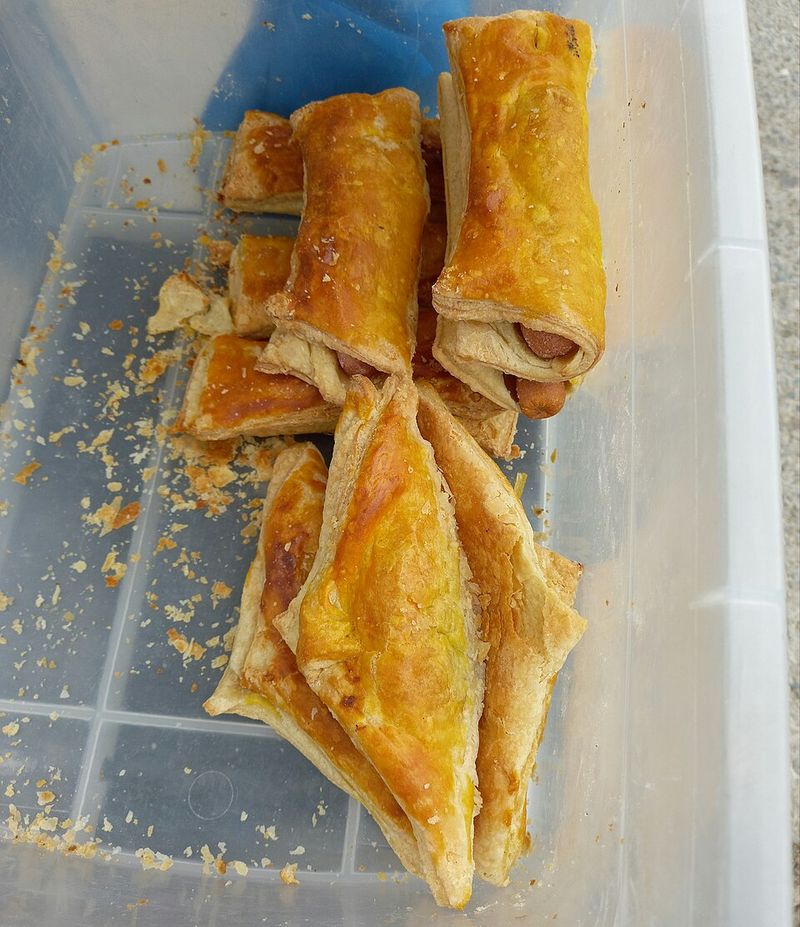
Making pasteles is a labor of love that Puerto Rican families have shared across generations. The dough, called masa, is made from grated green bananas, plantains, yautía, and pumpkin blended together into a thick, earthy mixture.
Each pastel is filled with seasoned pork, wrapped in a banana leaf, and tied with string before being boiled.
The banana leaf does more than hold everything together. It infuses the masa with a subtle, grassy aroma that is impossible to replicate with any other cooking method.
Unwrapping a pastel at the table is a small but genuinely exciting moment.
Pasteles are closely tied to Puerto Rican Christmas traditions. Families often gather in large groups to make dozens or even hundreds at a time in what is called a pastelada.
Freezing extras is common, so the holiday flavor can be enjoyed well into the new year.
5. Alcapurrias
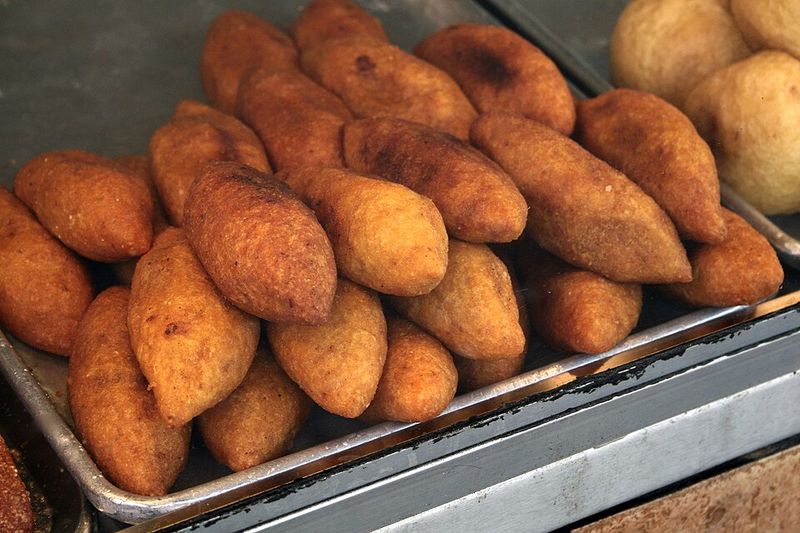
Bite into an alcapurria and you will understand why Puerto Ricans love their street food so much. These torpedo-shaped fritters are made from a dough of grated green bananas and yautía, stuffed with well-seasoned ground beef or crab, then deep-fried until the outside is golden and slightly crispy.
The contrast between the chewy, starchy outer shell and the savory, spiced filling is what makes alcapurrias so addictive. They are sold at beach kiosks, roadside stands, and local festivals all across the island, often wrapped in a paper napkin and eaten while still piping hot.
Luquillo Beach is one of the most popular spots to grab alcapurrias straight from the fryer. The filling can vary by vendor, with some offering crab as a more indulgent option.
First-timers should try one with crab filling to experience the dish at its most flavorful and traditional best.
6. Bacalaítos
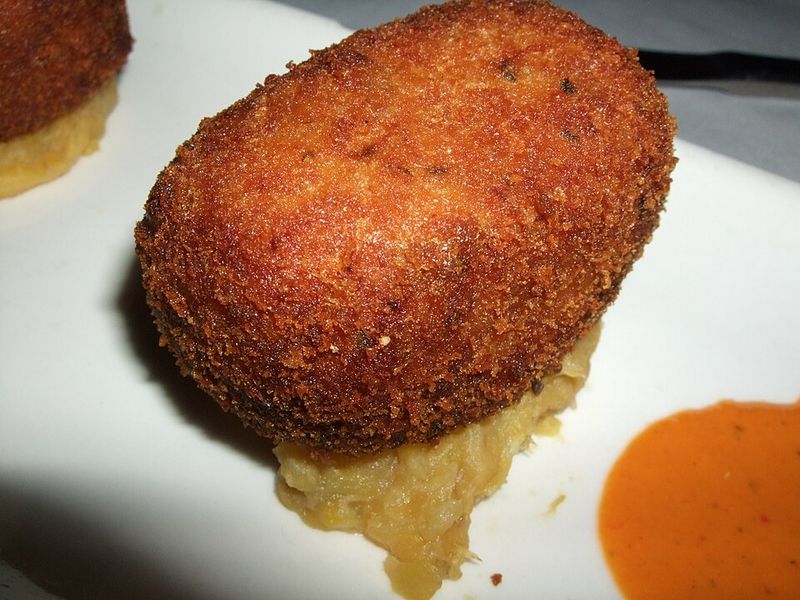
There is something almost magical about the smell of bacalaítos sizzling in hot oil at a festival. These thin, crispy codfish fritters have been a Puerto Rican staple for generations, made from salted codfish mixed with flour, water, garlic, cilantro, and a blend of spices, then ladled into hot oil and fried flat.
The result is a lacy, golden fritter with crispy edges and a chewy center packed with bold, savory flavor. Because the batter is poured thin, bacalaítos cook up almost like a savory pancake rather than a thick fritter.
That lightness makes them easy to eat several at once.
Bacalaítos are a common sight at Puerto Rican beach towns and outdoor carnivals, especially on weekends. They are best eaten fresh and hot, right off the griddle.
Paired with a cold drink on a warm afternoon, they represent the laid-back, flavorful spirit of Puerto Rican street food culture perfectly.
7. Tostones
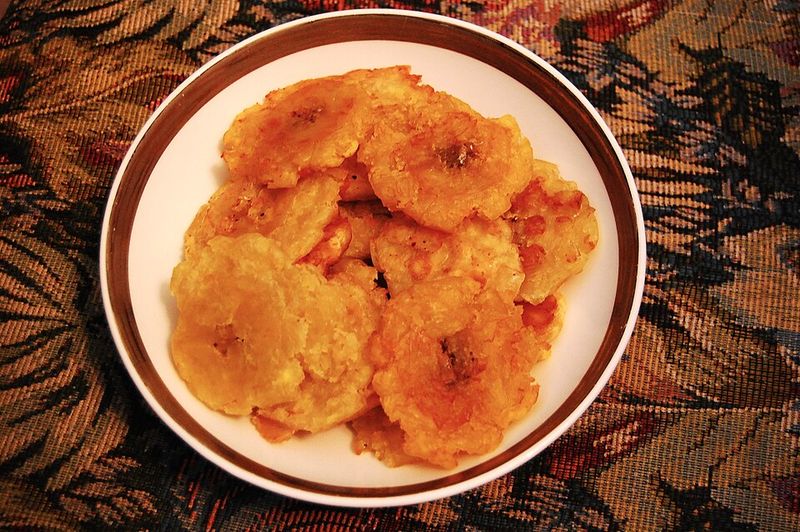
Tostones prove that sometimes the simplest ingredients produce the most satisfying results. Green plantains are sliced, fried once until softened, smashed flat with a tostonera or the bottom of a glass, then fried a second time until they become crispy, golden rounds with a tender center.
The double-frying technique is what sets tostones apart from other plantain dishes. The first fry softens the starch, while the second creates that irresistible crunch.
A sprinkle of salt right after frying is all they really need, though garlic mojo sauce takes them to a completely different level.
Tostones show up everywhere in Puerto Rican cooking, from casual home dinners to restaurant appetizer menus. They work as a side dish, a snack, or even a base for toppings like shrimp or pulled pork.
Unlike sweet maduros made from ripe plantains, tostones are savory and hearty through and through.
8. Arroz con Pollo
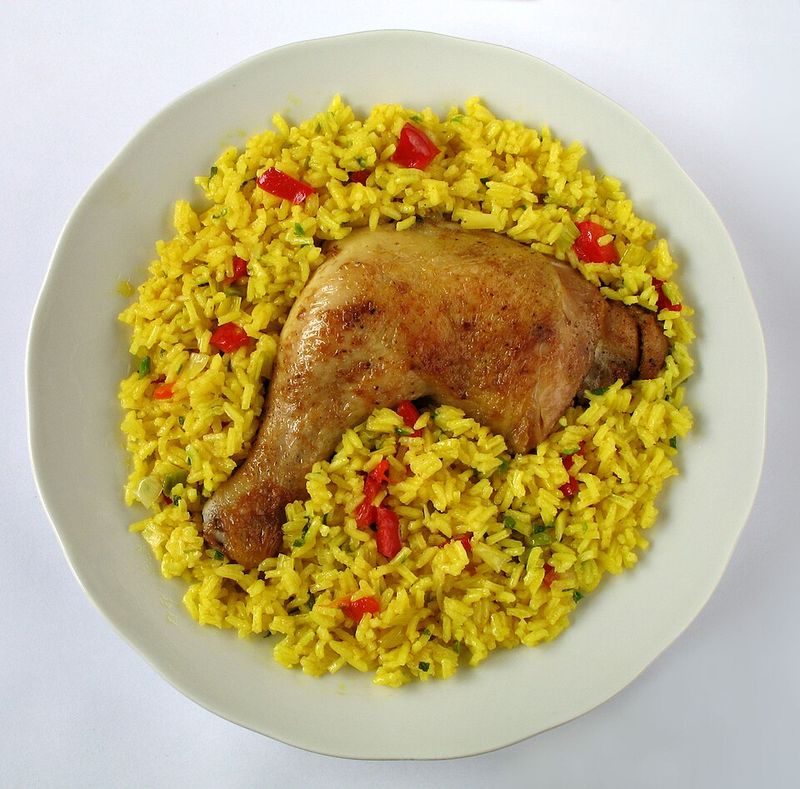
Warm, filling, and full of flavor, arroz con pollo is the kind of meal that wraps around you like a hug. Chicken pieces are browned and then simmered together with seasoned rice, sofrito, peppers, olives, and sazón in one pot until everything melds into a cohesive, deeply satisfying dish.
What separates the Puerto Rican version from similar dishes in other cultures is the use of sofrito and sazón, which give the rice a vivid golden-orange color and a layered, aromatic flavor that feels uniquely island-style. The chicken becomes incredibly tender from cooking directly in the rice.
This is a go-to weeknight meal in many Puerto Rican households because it is affordable, filling, and easy to scale up for a crowd. Leftovers taste even better the next day after the flavors have had more time to develop.
A simple side salad or tostones rounds out the meal perfectly.
9. Empanadillas
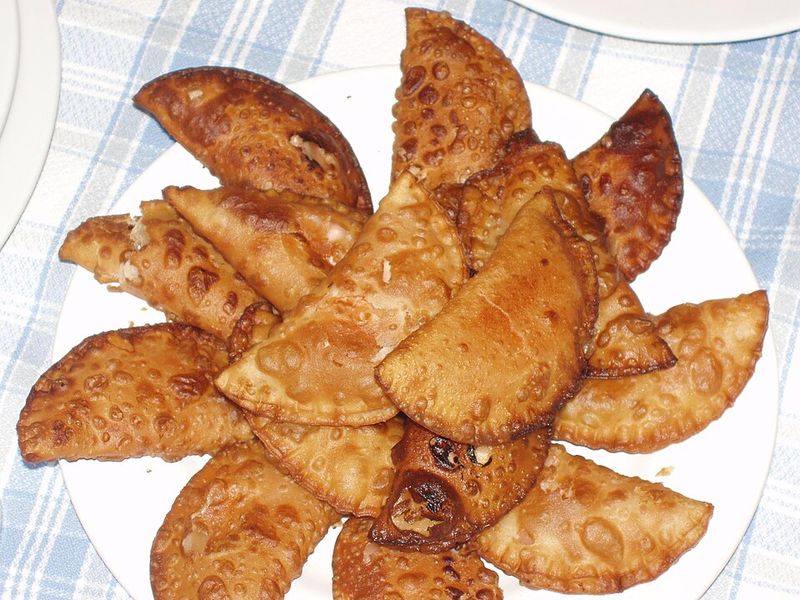
Empanadillas are one of Puerto Rico’s most beloved grab-and-go foods, and once you try one, it is easy to understand why. A thin dough is folded over a filling of seasoned beef, chicken, cheese, seafood, or even a pizza-style combination, then sealed with a fork crimp and deep-fried until golden and flaky.
The dough is the star here. When done right, it blisters and crisps in the oil, creating a shatteringly light shell that contrasts beautifully with the warm, savory filling inside.
Every bite delivers both crunch and richness at the same time.
Street vendors, bakeries, and school cafeterias across Puerto Rico sell empanadillas daily. They are popular at any hour, from breakfast to late-night snacking.
Cheese-filled versions are especially popular with younger eaters, while beef and seafood fillings are the traditional favorites among adults who grew up eating them at local festivals and family gatherings.
10. Sorullitos de Maíz
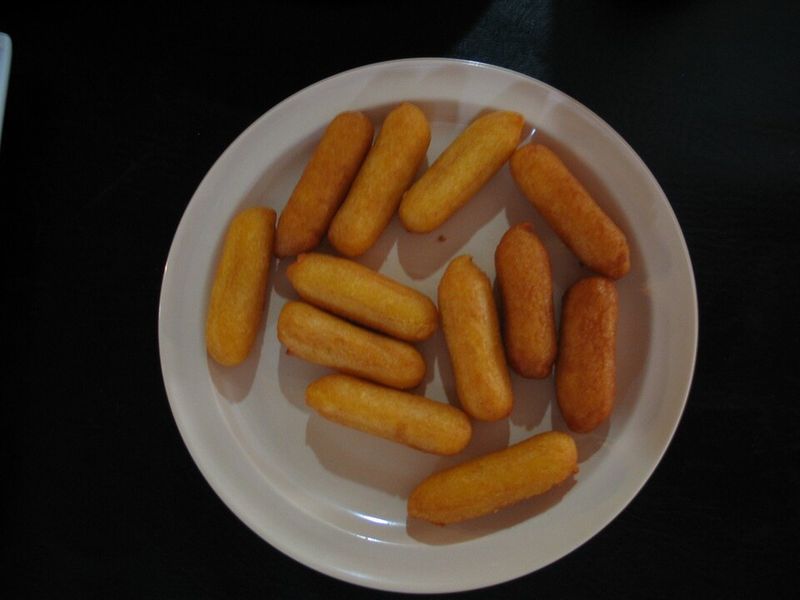
Crispy on the outside, soft and slightly sweet on the inside, sorullitos de maíz are a Puerto Rican snack that manages to feel both indulgent and nostalgic at the same time. These short, cylindrical sticks are made from a cooked cornmeal dough, sometimes mixed with cheese, then rolled by hand and fried until golden.
The sweetness of the cornmeal dough is a pleasant surprise for first-timers. Most savory fried foods do not carry that hint of sweetness, which makes sorullitos feel unlike anything else in Puerto Rican street food.
Some versions include cheddar or gouda mixed right into the dough for extra richness.
The classic dipping sauce for sorullitos is mayo-ketchup, a simple blend of mayonnaise and ketchup that is wildly popular across Puerto Rico. It sounds unusual at first, but the creamy, tangy dip pairs perfectly with the sweet, crispy sorullito.
Try them together before making any judgments.
11. Pernil
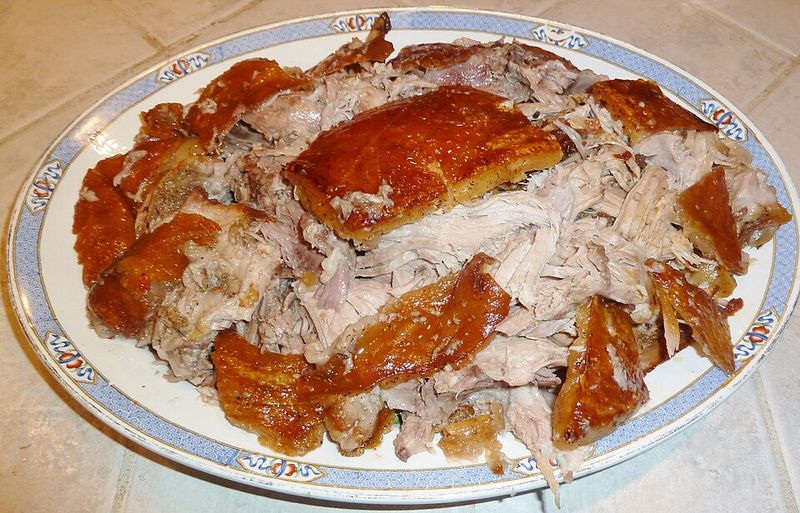
If lechón is the showstopper of outdoor celebrations, pernil is the king of the holiday dinner table. A bone-in pork shoulder is marinated overnight, sometimes for two full days, in a paste of garlic, oregano, adobo, vinegar, and olive oil that penetrates deep into the meat through small cuts made all over the surface.
The roasting process takes hours at low heat, which slowly breaks down the tough connective tissue and turns the pork into something incredibly tender and juicy. The final stretch of high heat crisps the skin into what Puerto Ricans call cuero, the prized crunchy outer layer that everyone fights over at the table.
Pernil is a centerpiece of Nochebuena, the Christmas Eve feast, alongside arroz con gandules and pasteles. The combination of those three dishes is considered the ultimate Puerto Rican holiday meal.
Leftovers make outstanding sandwiches the next day, layered with mustard and pickles on fresh bread.
12. Tembleque
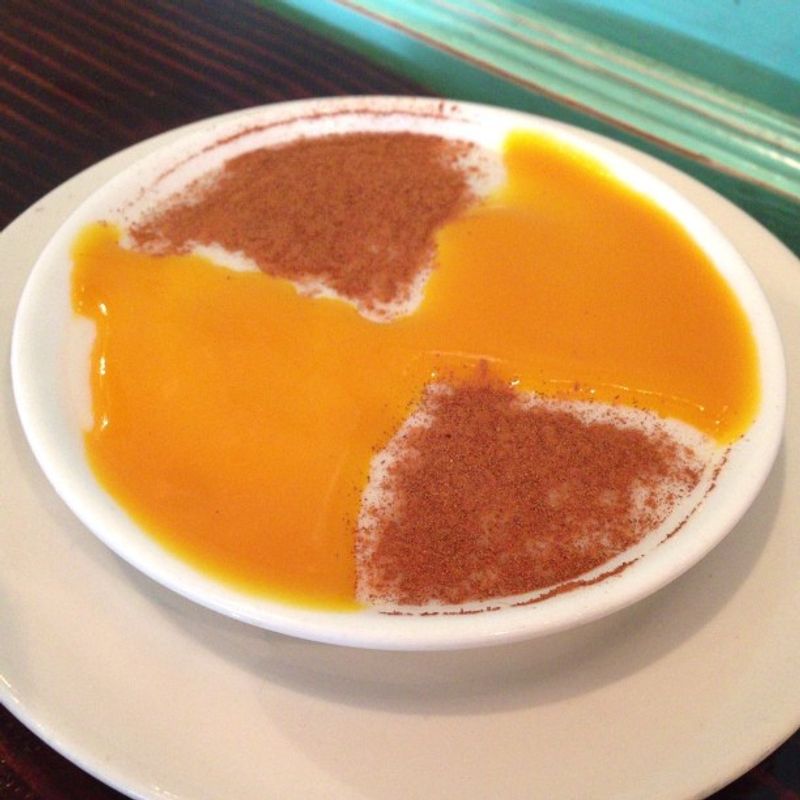
The name tembleque comes from the Spanish word for wobbly, which perfectly describes this silky coconut pudding that shimmers and jiggles when you set it on the table. Made from coconut milk, cornstarch, sugar, and a pinch of salt, tembleque is one of Puerto Rico’s most beloved traditional desserts.
What makes tembleque stand out from other puddings is its pure, clean coconut flavor. There are no eggs, no cream cheese, and no heavy additions to distract from the tropical richness of the coconut milk.
A generous dusting of cinnamon on top adds a warm, spiced contrast to the cool, creamy base.
Tembleque is traditionally served chilled, making it a refreshing dessert option in Puerto Rico’s warm climate. It is easy to prepare at home and is commonly made for holidays, birthdays, and Sunday family dinners.
The simplicity of the recipe is part of what has kept it popular across so many generations.
13. Flan de Queso
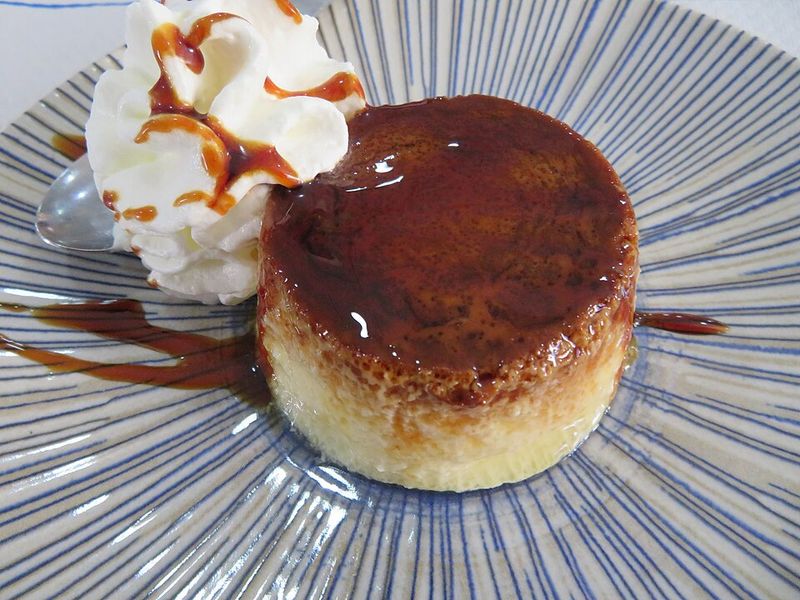
Classic flan is already a beloved dessert across Latin America, but Puerto Rico took it a step further by adding cream cheese to the mix. Flan de queso has a denser, creamier texture than traditional caramel custard, with a subtle tanginess from the cheese that balances the sweetness of the caramel beautifully.
The cream cheese also makes the flan more stable and sliceable, which is why it holds its shape so well when unmolded. When you flip the mold and that glossy caramel cascades down the sides of the custard, it is genuinely one of the most satisfying moments in home baking.
Flan de queso is a staple at Puerto Rican bakeries, family celebrations, and holiday dinners. It requires only a handful of ingredients, including eggs, sweetened condensed milk, evaporated milk, cream cheese, vanilla, and sugar for the caramel.
The result is far more impressive than the effort involved in making it.
Share this story