A free public garden on the Kansas State University campus has become one of Manhattan’s favorite places to slow down, take photos, and enjoy the changing seasons. Visitors come for the elegant fountains, colorful flower displays, butterfly gardens, public art, and peaceful walking paths that make every visit feel a little different. With more than a dozen themed gardens spread across 18 acres, there’s far more to explore than most first-time visitors expect.
The gardens also serve as an outdoor classroom where students help care for the landscape, while volunteers and community donations keep new projects growing year after year. Whether you’re looking for spring tulips, summer roses, fall color, or simply a quiet place to spend an afternoon, it’s one of Kansas’ most rewarding free attractions.
Here’s why the K-State Gardens have become one of Manhattan’s most photographed destinations and a favorite stop for gardeners, families, photographers, and anyone who appreciates beautiful outdoor spaces.
A Welcoming Oasis Right on Denison Avenue
The K-State Gardens are tucked into Kansas State University’s campus at 1500 Denison Avenue, Manhattan, Kansas 66502, just west of the Denison Avenue and Claflin Road intersection. That address might sound like a typical campus stop, but the moment you turn in, you realize this is something entirely different from a lecture hall or a research building.
Admission is completely free, and complimentary parking is available right on site. Concrete sidewalks, at least 56 inches wide, guide visitors through the main areas, making the space genuinely accessible for strollers, wheelchairs, and anyone who simply wants a leisurely stroll without worrying about uneven terrain.
The Visitor Center, open Monday through Friday from 9 a.m. to 5 p.m., is staffed by knowledgeable folks happy to point you toward whatever is currently blooming. The gardens themselves stay open daily from dawn until 10 p.m., so an evening visit under the soft glow of the Kansas sky is absolutely on the table.
The Fountains That Made This Garden Famous
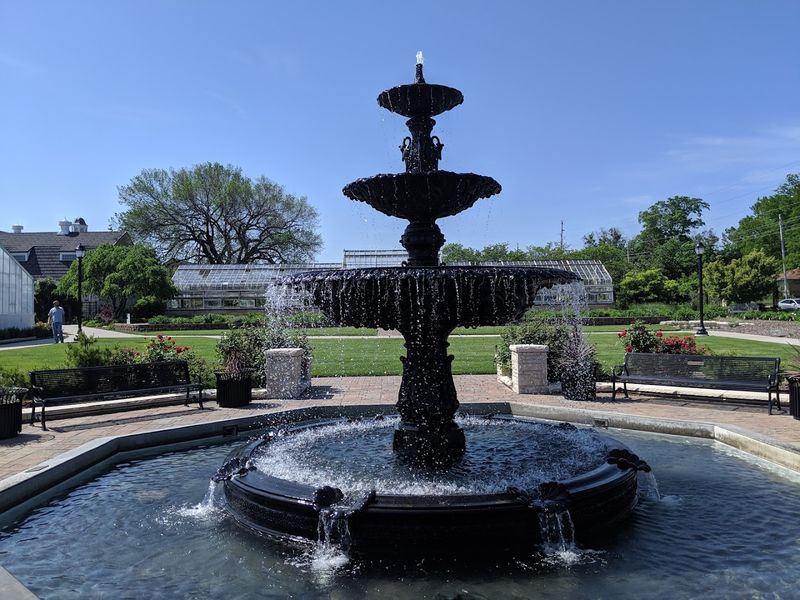
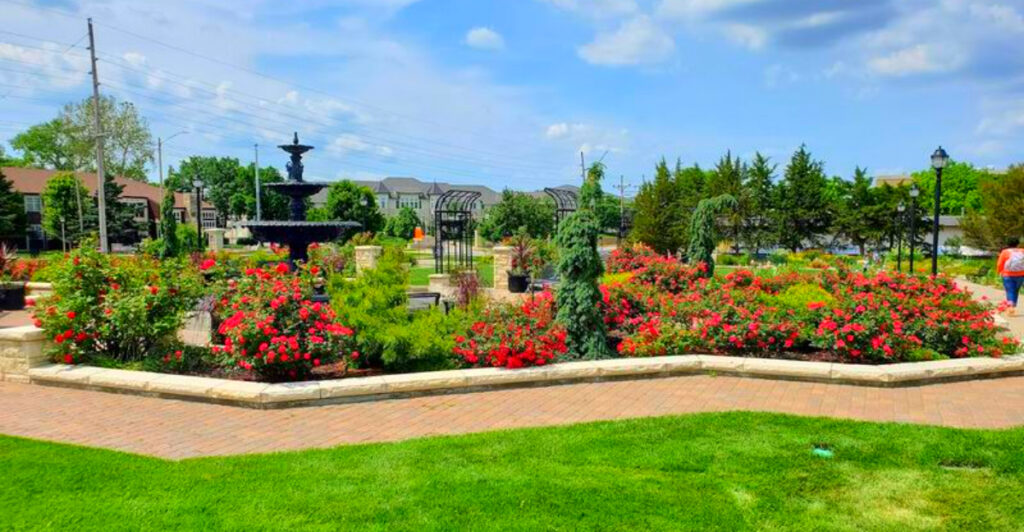
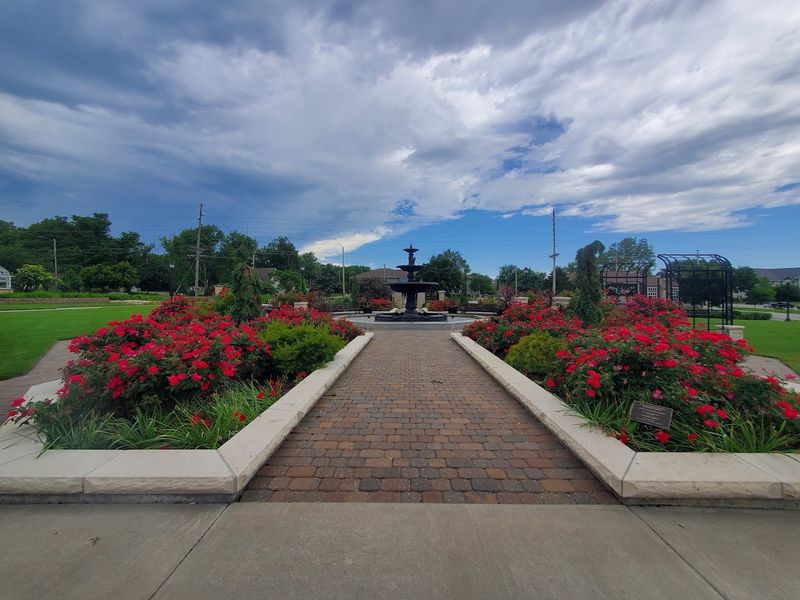
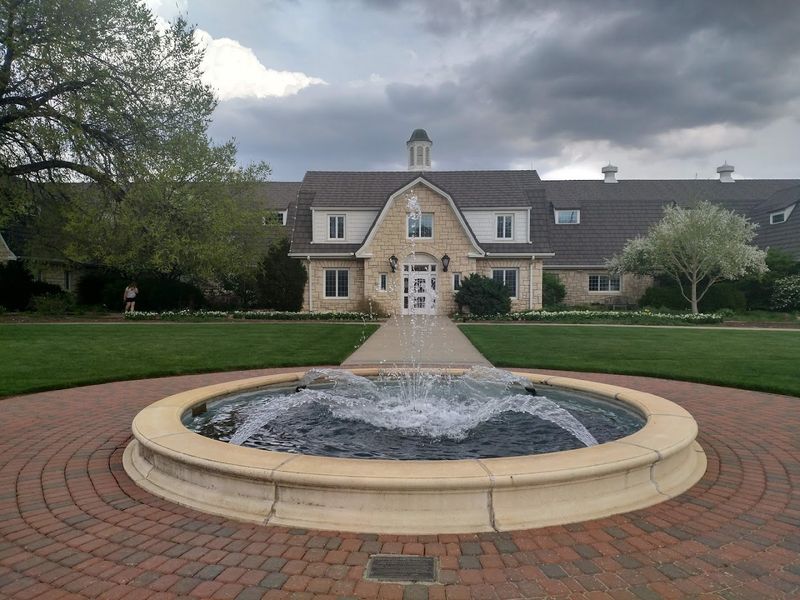
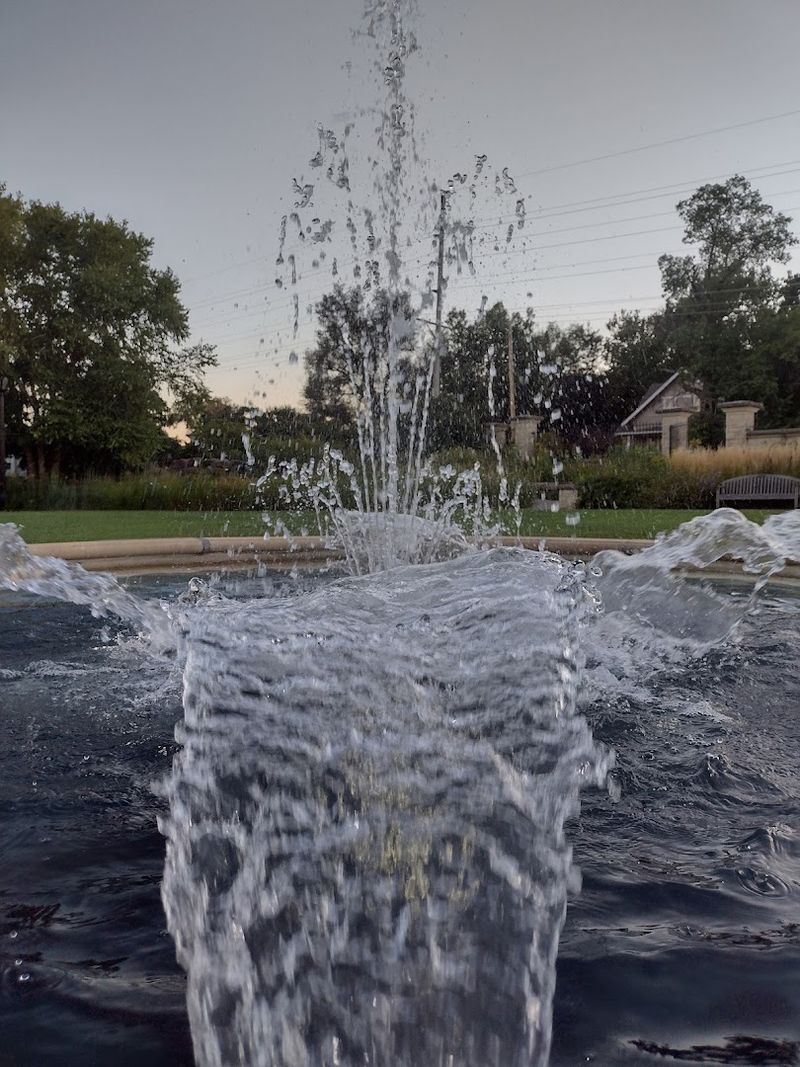
Ask almost anyone who has visited the K-State Gardens what they remember most vividly, and the fountains come up immediately. The main fountain is a three-tier structure that cycles water continuously, producing a sound so soothing that it genuinely feels like a reset button for the nervous system.
Golden-hour light does something extraordinary to the splashing water here. The droplets catch the late afternoon sun and scatter it in a way that makes every photograph look professionally edited, even when it absolutely was not. Photographers, both hobbyists and professionals, plan entire sessions around this specific quality of light.
The Bidwell Family Fountain, donated in 1996 in honor of Professor of Soils Orville E. Bidwell, adds a second water feature with its own quiet elegance. Together, these two fountains anchor the garden’s identity and explain why the spot has earned a reputation as one of the most photographed locations on any Kansas campus. The water keeps flowing until the first hard freeze of winter.
Over 150 Years of Botanical History in One Spot
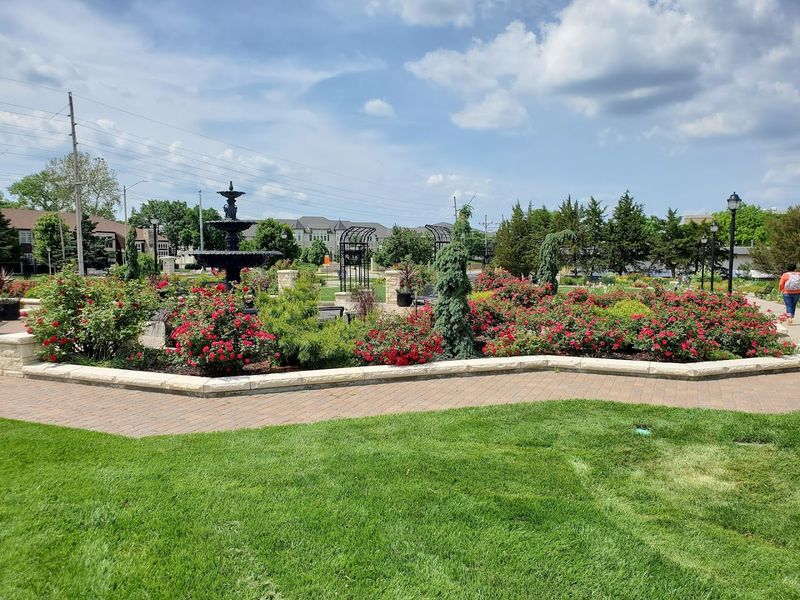
The roots of this garden reach back to 1871, when Kansas State’s Agriculture College acquired the Gale farmstead, a property that had previously operated as a plant nursery. That early connection to cultivation set a tone that has never really left the place.
Six years later, in 1877, a gift arrived from the Harvard Botanical Gardens: 100 species of trees and shrubs intended to establish a campus arboretum. At its peak, that arboretum contained an astonishing 4,000 specimens representing 700 species of woody plants, making it one of the more impressive botanical collections in the region.
A Victorian-style conservatory went up in 1907, affectionately called the “plant museum” by generations of students. Campus expansion eventually pushed the formal gardens to their current dedicated site, and a comprehensive 12-acre master design was finalized in 1993 by K-State faculty and students in the Landscape Architecture and Horticulture Departments. Every corner of the present-day garden carries a thread of that long, layered history.
The Reflection Pool: New Water, Old Soul
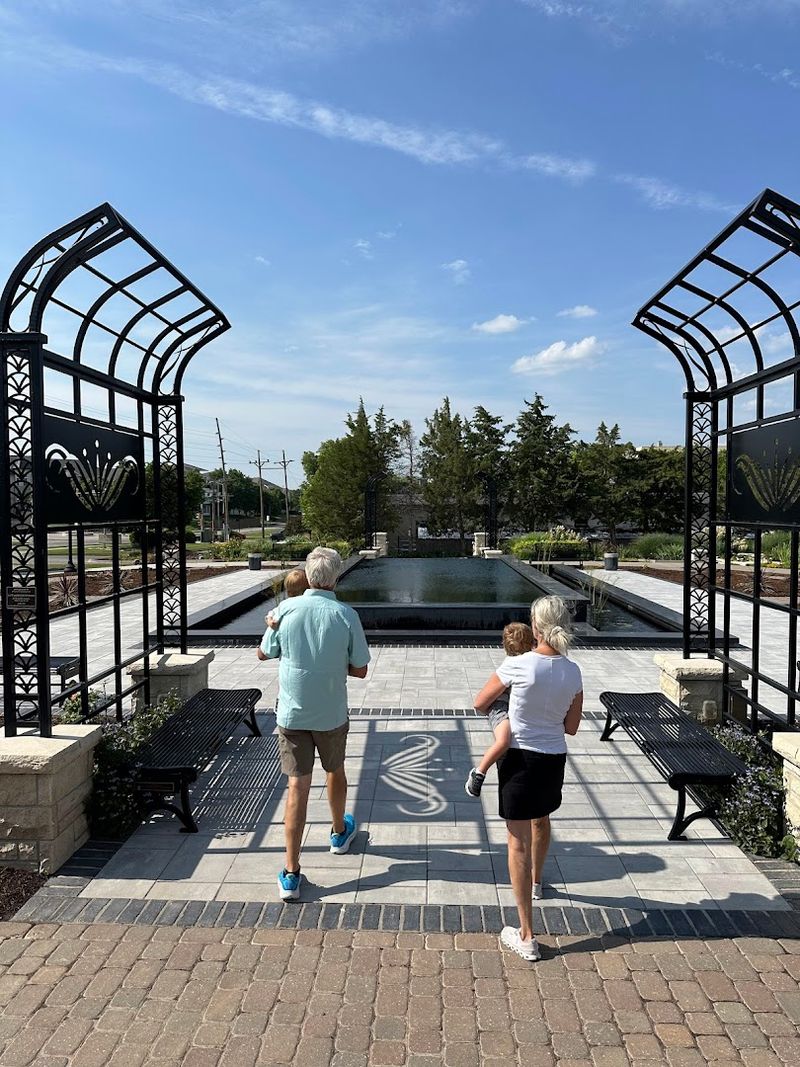
Between a pair of sleek black arbors in the Conservatory Garden sits one of the newest additions to the property: a reflection pool that quietly pays tribute to a beloved feature from the garden’s original central campus location. The groundbreaking for this project happened in September 2022, and construction wrapped up in 2024, giving the garden a contemporary focal point with deep historical roots.
The surface of the pool mirrors the surrounding plants and sky with a stillness that invites you to stop walking and simply look. It is the kind of water feature that rewards patience, shifting in appearance as clouds move overhead and light changes throughout the day.
Phase two of the project is currently underway, bringing water plants, additional landscaping, and a friendship wall that will allow visitors to leave a personal mark on this growing space. Watching a garden evolve in real time, with new layers added thoughtfully and deliberately, is its own kind of reward for anyone who returns season after season.
Every Season Brings a Completely Different Garden
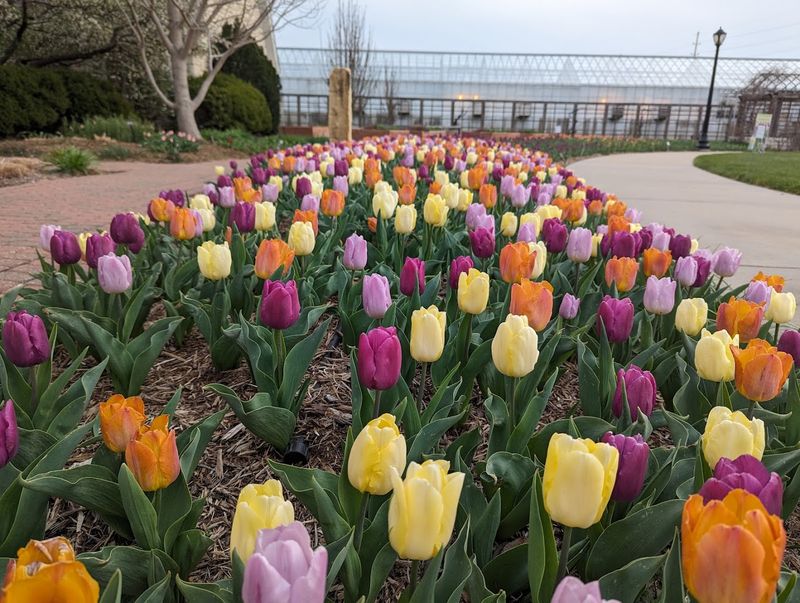
Spring arrives at the K-State Gardens with a theatrical flair. Tulips lead the charge, followed closely by irises, peonies, and roses, each taking its turn in the spotlight with a color range that feels almost too vivid to be real. May is widely considered the peak month, when tall bearded irises and opulent peonies bloom simultaneously and the air carries a fragrance that stops you mid-stride.
Summer brings its own cast of performers: daylilies, crape myrtles, and a rotating lineup of annuals fill the Cottage Garden with continuous color. Fall softens the palette into warm ambers and deep reds, and the fountains keep flowing until the first hard freeze, adding movement to an otherwise quieting landscape.
Even winter has its admirers. Snow on the garden’s permanent structures and dormant beds creates a spare, almost meditative scene that photographers with an eye for minimalism find genuinely compelling. The garden never fully closes for the season, and neither does the curiosity it inspires in the people who keep coming back.
Specialty Gardens That Feel Like Hidden Worlds
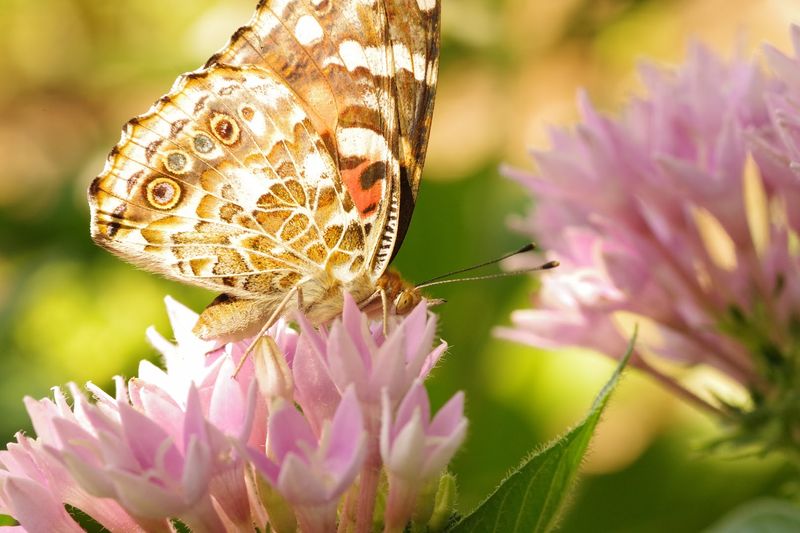
Wandering deeper into the property, the landscape begins to subdivide into distinct rooms, each with its own character and purpose. The Adaptive and Native Plant Garden showcases species that thrive in Kansas conditions, offering a practical and visually rich argument for planting regionally appropriate flora at home. Every plant is labeled, making it an unexpectedly useful resource for anyone planning a garden of their own.
The Butterfly Garden is a particular highlight during warm, calm summer days. Native plants selected specifically for their value to larval and adult butterflies draw monarchs and other species in numbers that genuinely surprise first-time visitors. The bronze “Serenity” sculpture, depicting a student cradling a butterfly, stands nearby as a quiet focal point that fits the mood perfectly.
Then there is the Cottage Garden, overflowing with annuals, fruits, vegetables, herbs, and woody ornamentals arranged in a style that feels abundant rather than formal. Each specialty area introduces a new visual language, and moving between them keeps the experience fresh long after you would expect a garden visit to start feeling repetitive.
The Insect Zoo That Steals the Show for Younger Visitors
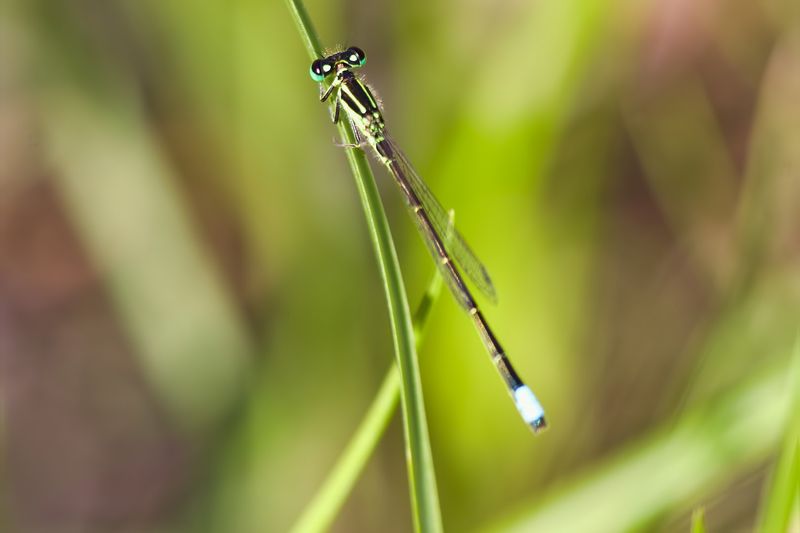
Tucked within the garden grounds is an exhibit that consistently catches visitors off guard in the best possible way: the Insect Zoo. Open Tuesday through Saturday from 1 p.m. to 6 p.m., it offers up-close encounters with live insects in thoughtfully designed enclosures that make even confirmed bug-skeptics pause and look twice.
Children are the most obvious audience, but adults tend to linger just as long once they start reading the information panels and actually looking at what is inside the enclosures. The diversity of insect life on display challenges the assumption that bugs are all the same, revealing instead a miniature world of extraordinary variety and ecological importance.
After spending time among the fountains and flower beds, the Insect Zoo provides a completely different sensory experience, one that shifts the focus from color and fragrance to movement, structure, and biological curiosity. It is a smart programming choice that broadens the garden’s appeal well beyond traditional garden visitors, and it makes the overall visit feel surprisingly full and varied. Plan extra time for it.
Art Woven Into the Landscape at Every Turn
The K-State Gardens treat art as a natural extension of horticulture rather than an afterthought. Several bronze sculptures by artist Kwan Wu are positioned throughout the grounds, each one chosen and placed with enough care that they feel like organic parts of the landscape rather than objects dropped into it.
The “Blue Heron” stands with a quiet authority that suits its surroundings perfectly. “The Big Cats,” a pair of wildcats honoring the university’s mascot, adds a spirited note that connects the garden to campus identity. Smaller pieces like the “Prairie Birds” appear almost unexpectedly along pathways, rewarding attentive walkers who take their time rather than rushing through.
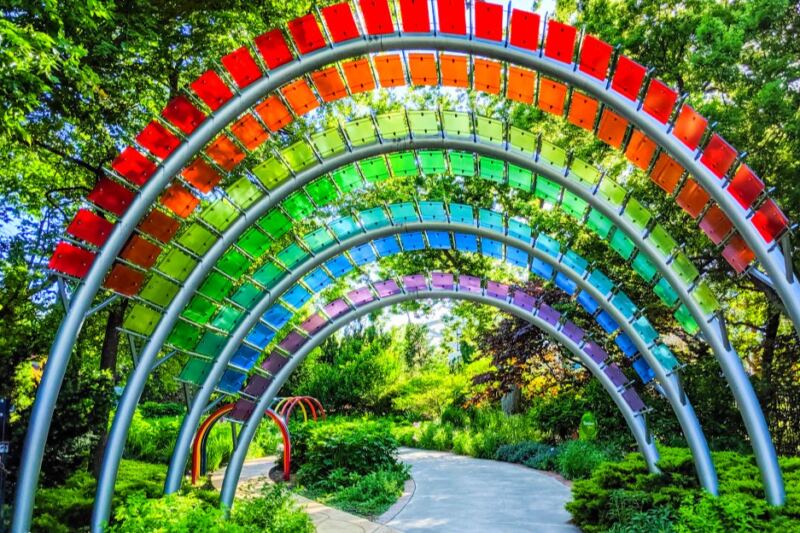
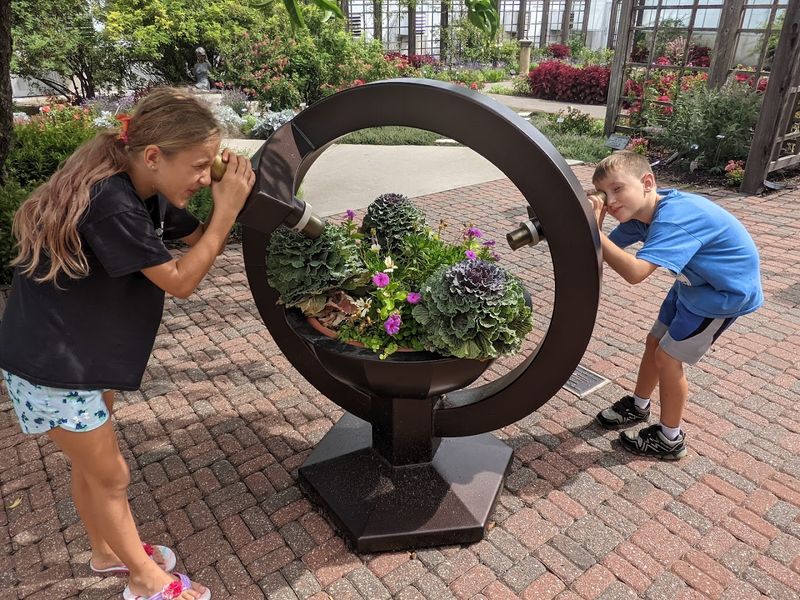
The “Kaleidoscope” installation is the most interactive of the bunch. Stand before it and the surrounding plant life transforms into abstract, shifting patterns of color and form, turning passive observation into genuine participation. Children are especially captivated by it, and adults tend to spend longer at it than they expect. It is the kind of detail that makes a revisit feel worthwhile even when the blooms are the same.
Community Generosity Keeps This Garden Alive
Here is a detail that changes how you see everything once you know it: the K-State Gardens receive no formal budget allocation from the university. Every plant, every fountain repair, every new sculpture, and every educational program is funded through donations, fundraising events, and the volunteer hours of people who genuinely love this place.
The “Friends of The Gardens” organization anchors this community effort, hosting events throughout the year that are as enjoyable as they are purposeful. The Garden Party, the Run for the Roses, and seasonal plant sales draw supporters who see these gatherings as both a contribution and a celebration. Plant sales in particular offer visitors the chance to take home varieties they have admired during their walks through the beds.
Volunteers handle everything from hands-on gardening tasks to staffing the information center and leading guided tours. The result is a space that feels personally tended rather than institutionally managed, and that distinction is palpable the moment you walk in. Knowing the garden runs on collective goodwill makes every bloom feel a little more meaningful.
A Photographer’s Reliable Dream, Rain or Shine
Senior portraits, engagement sessions, family photos, prom pictures, and even wedding ceremonies have all found a natural home at the K-State Gardens. The variety of backdrops available within a single visit is genuinely unusual: formal rose beds, shaded pathways, open lawns, rustic outbuildings, water features, and specialty garden rooms each offer a completely different visual register.
The fountains are the most requested backdrop, and it is easy to understand why. Water adds movement and sound to a photograph in a way that static scenery cannot, and the light that plays across the cascading tiers during the late afternoon creates effects that photographers describe as nearly effortless to capture beautifully.
Macro work on individual blooms is equally rewarding. The plants are labeled with name plates and variety information, which means photographers also leave with notes for their own gardens. Whether the goal is a polished portrait or a quiet afternoon of personal photography practice, the gardens deliver reliable beauty across every season and every level of photographic ambition. A fresh angle always seems to present itself.
What the Future Holds for This Growing Garden
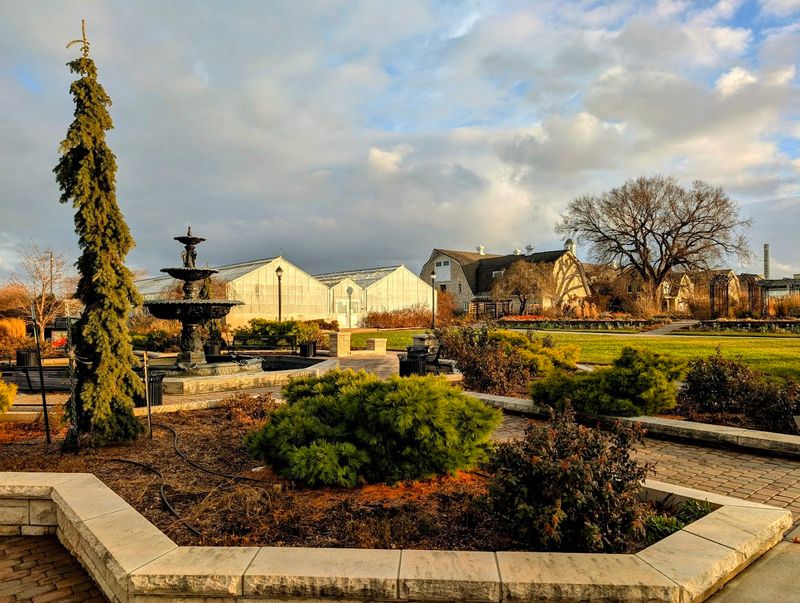
The original Victorian conservatory, built in 1907 and beloved by generations of visitors, had to be carefully removed in 2023 due to structural safety concerns. Historical components were salvaged, and fundraising is now underway to replace it with a new structure that will house the conservatory’s original plants, currently kept in university greenhouses, alongside a dedicated education wing.
The master plan, developed in part by K-State alumni from architecture firms and shaped by Professor William P. Winslow III of the landscape architecture department, also calls for several entirely new garden areas. A Wetland Garden is planned as Phase III of the expansion, introducing an ecological dimension that the current property does not yet have. An Alumni Garden and a Children’s Garden are also on the drawing board.
For anyone who has visited before, these additions make a return trip feel genuinely anticipated rather than merely nostalgic. The K-State Gardens are not coasting on their existing beauty; they are actively building toward something larger, and watching that process unfold across multiple visits is its own quiet reward for anyone paying attention.
Share this story