Europe may be home to world-famous landmarks, but some of its most rewarding destinations remain surprisingly under the radar. Hidden among mountains, coastlines, vineyards, and medieval valleys are places where life still revolves around local markets, neighborhood cafes, and centuries-old traditions.
These escapes offer authentic experiences without the crowds that define many of Europe’s best-known hotspots. Pack light, keep an open mind, and prepare to discover a side of Europe that most tourists never find.
Tubingen, Germany
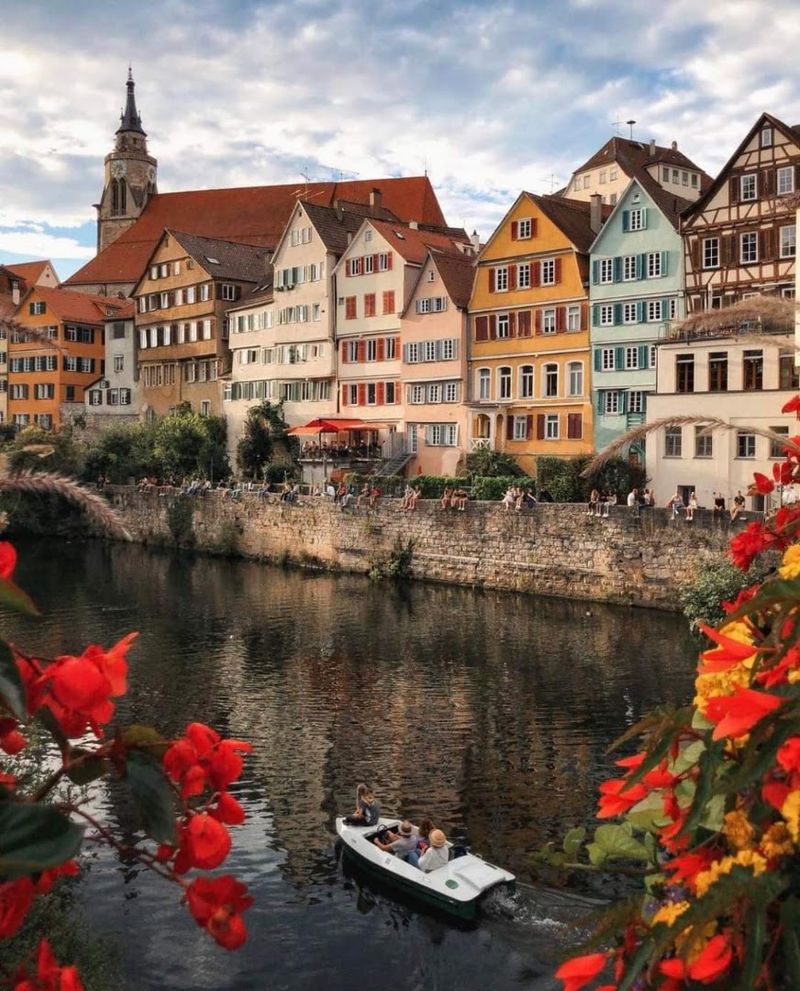
Wander through Tubingen on a weekday morning and you might wonder if you have stumbled onto a film set. The half-timbered houses lean over cobblestone lanes, each painted in warm shades of red, yellow, and cream.
Founded in 1477, the University of Tubingen gives the town a wonderfully youthful energy that keeps cafes buzzing year-round.
Punting along the Neckar River is one of those simple pleasures that locals swear by. Flat-bottomed boats called Stocherkahn carry passengers past weeping willows and centuries-old stone walls.
Student crews race these boats every summer in a tradition that dates back well over a hundred years.
The old town market square hosts a cheerful weekly market where vendors sell fresh produce, regional cheeses, and handmade goods. Tubingen sits just 40 kilometers south of Stuttgart, making it an easy day trip or a worthy overnight stay.
Accommodation is affordable compared to most German cities, and the food scene punches well above its weight.
Motovun, Croatia
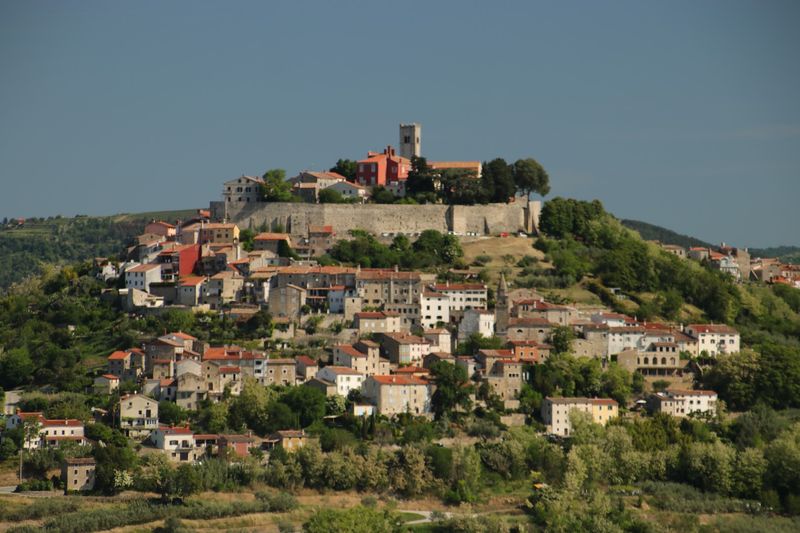
Sitting roughly 277 meters above the Mirna River valley, Motovun looks like someone sketched a fairytale town and forgot to erase it. The drive up the winding road through vineyards is half the adventure, and arriving through the ancient stone gate feels genuinely theatrical.
Only about 900 people call this hilltop home full-time.
Truffles are serious business here. The surrounding Motovun Forest produces some of Europe’s finest white truffles, and local restaurants shave them generously over pasta, eggs, and risotto without charging the eye-watering prices you might expect.
Truffle hunting tours with trained dogs are available for visitors who want the full experience.
The town walls offer a walking circuit with views stretching across Istria’s patchwork of vineyards and oak forests. Sunsets from this vantage point are genuinely spectacular.
The Motovun Film Festival draws independent cinema fans each July, briefly filling the lanes with a creative crowd before the town returns to its peaceful rhythm. Accommodation options are small and intimate, which suits the place perfectly.
Plovdiv, Bulgaria
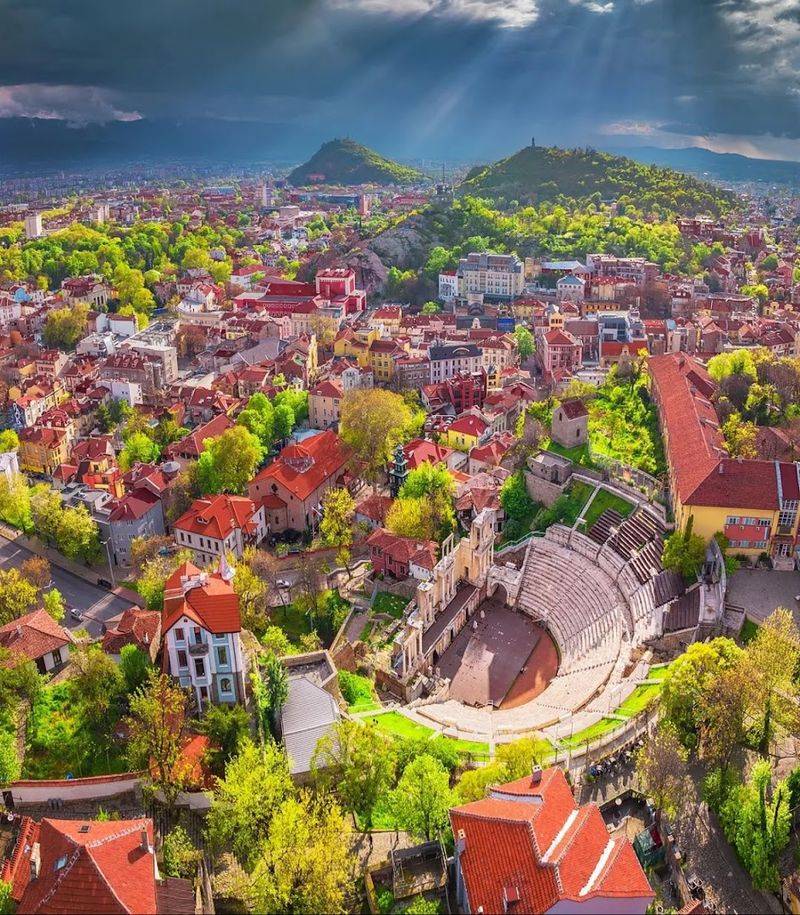
Plovdiv has been continuously inhabited for roughly 8,000 years, which makes most European capitals look like new builds. Walking through the Old Town feels like flipping through a history textbook, except the ruins are real and the coffee is excellent.
Roman amphitheaters, Byzantine walls, and 19th-century Revival mansions all share the same hillside without any fuss.
The Kapana district is where Plovdiv shows its modern personality. This compact creative quarter is packed with independent galleries, street art, craft beer bars, and specialty coffee shops run by enthusiastic young locals.
Prices are refreshingly low by any European standard, and the atmosphere is relaxed without feeling sleepy.
Plovdiv served as the European Capital of Culture in 2019, which brought investment and attention without dramatically inflating tourist numbers. The city hosts a lively international theater festival each summer.
Day trips to the nearby Rhodope Mountains or Thracian Valley wine region are easy to arrange and genuinely worthwhile. Bulgaria’s affordable train and bus network makes Plovdiv a smart base for exploring the surrounding region.
Lake Bohinj, Slovenia
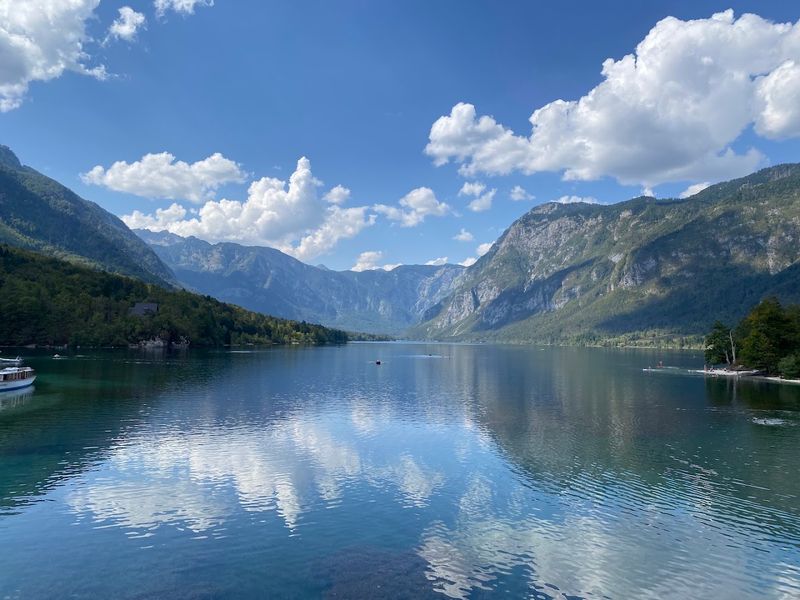
Forget everything you think you know about Slovenian lakes after seeing Lake Bled on social media. Lake Bohinj, just 26 kilometers away, is larger, wilder, and blissfully free of the Instagram crowds.
The water is so clear that you can see the rocky bottom several meters down, and the surrounding Julian Alps create a backdrop that genuinely stops people mid-sentence.
Triglav National Park wraps around the lake, offering hiking trails that range from gentle lakeside walks to serious mountain ascents. The Savica Waterfall hike is a local favorite, rewarding walkers with a dramatic 78-meter cascade after a moderately steep climb.
Kayaking, paddleboarding, and wild swimming are all popular during the summer months.
The villages around the lake feel authentically Slovenian rather than tourist-polished. Ribcev Laz at the eastern end has a small church, a handful of restaurants, and a genuinely unhurried pace.
Bus connections from Ljubljana make the journey easy without needing a rental car. Winter transforms the area into a quiet snow-covered retreat popular with cross-country skiers and snowshoers seeking solitude.
Ourense, Spain
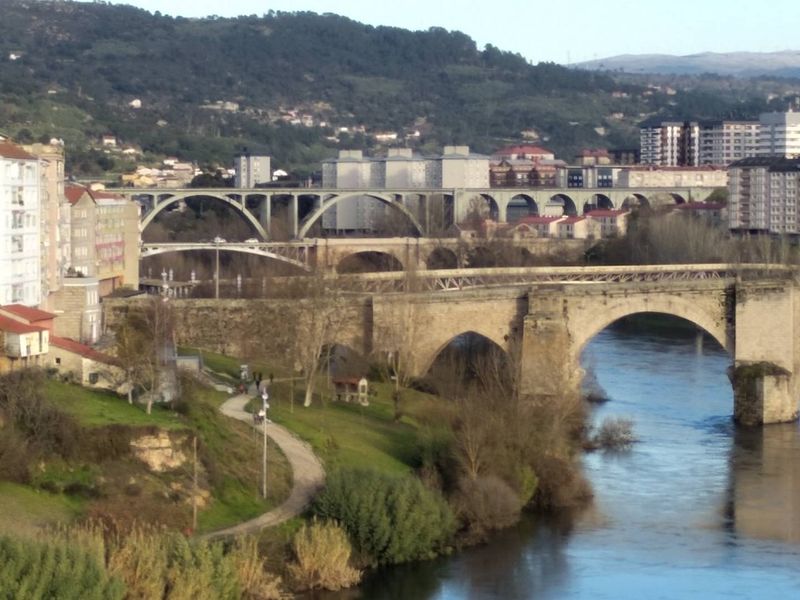
Most travelers pass straight through Ourense on their way to Santiago de Compostela, which is genuinely their loss. This Galician city sits on top of one of Spain’s most impressive networks of natural hot springs, and locals have been soaking in the thermal pools along the Mino River for centuries.
The Roman bridge spanning the river has been standing since the 1st century AD.
The old town rewards slow exploration. Medieval lanes open unexpectedly into grand plazas anchored by Romanesque cathedrals, and tapas bars offer free pintxos with every drink, a tradition that feels almost too generous to be true.
Wine from the nearby Ribeiro and Valdeorras regions appears on nearly every menu.
Ourense is a working Galician city rather than a polished tourist attraction, which gives it an honest, lived-in character that many travelers find more satisfying than perfectly curated historic centers. The Thursday market is a chaotic and wonderful mix of local produce, household goods, and street food.
Getting there by train from Madrid takes around four hours, and accommodation costs a fraction of what you would pay in Lisbon or Seville.
Olomouc, Czechia
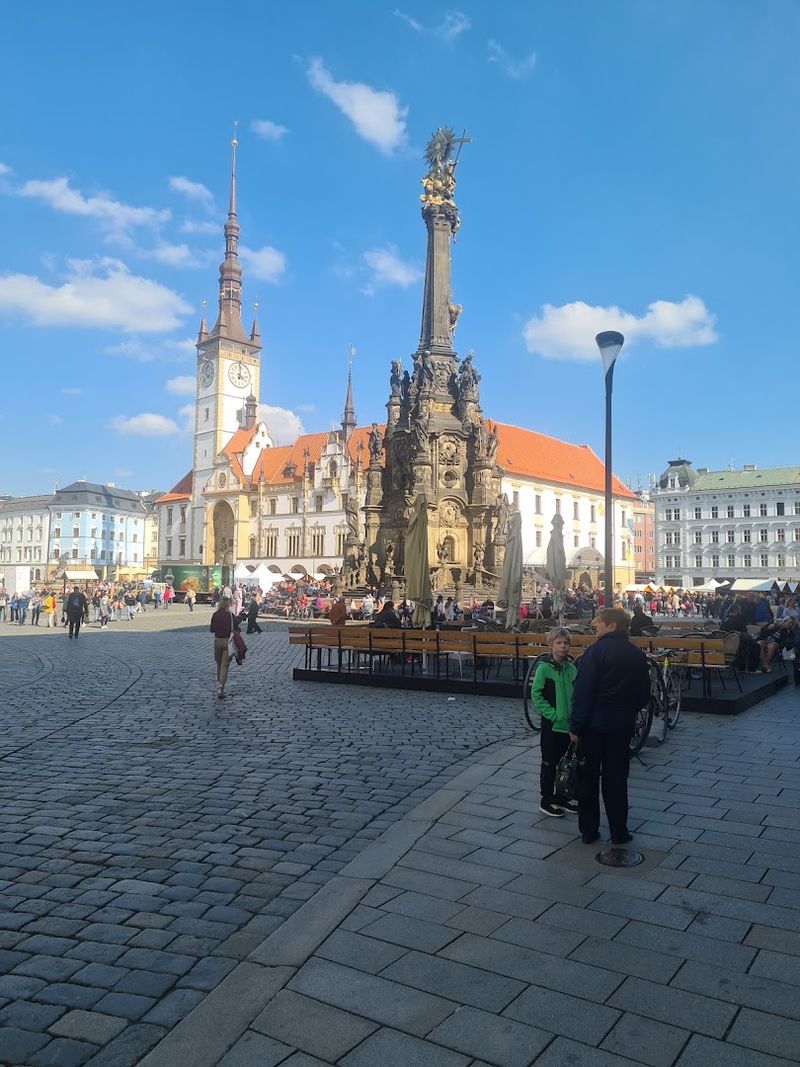
Prague gets all the glory, but Olomouc has been quietly doing its own thing since the 11th century. This Moravian city served as the capital of the region for centuries, and its central squares are lined with some of the finest Baroque architecture in Central Europe.
The Holy Trinity Column, added to the UNESCO World Heritage list in 2000, towers over Horni namesti with impressive confidence.
Six ornate Baroque fountains are scattered across the city center, each dedicated to a figure from Roman mythology. Local university students gather around them in warm weather, turning the squares into casual outdoor living rooms.
The student population of around 25,000 keeps Olomouc lively, affordable, and culturally active throughout the academic year.
The cheese market in Olomouc is famous across Czechia for producing Olomoucke tvaruzky, a pungent aged soft cheese that divides opinion sharply but rewards the brave. The city’s cafe culture is excellent and unhurried, with independent roasters and traditional coffee houses competing for attention.
Trains from Prague take under three hours, making Olomouc a perfect addition to any Czech itinerary that ventures beyond the obvious.
Terracina, Italy
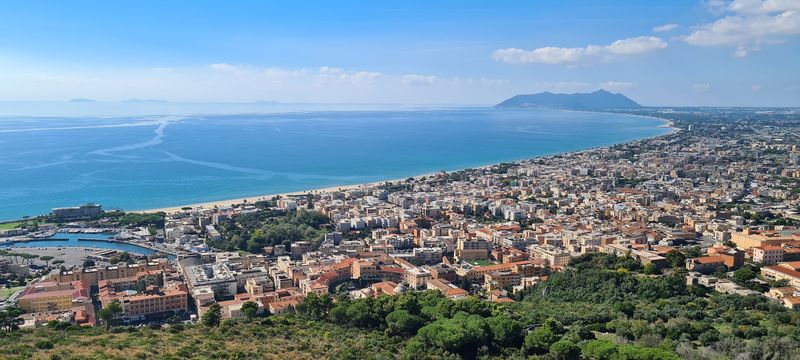
Wedged between Rome and Naples along the Tyrrhenian coast, Terracina has somehow avoided the tourist overflow that floods both of those cities every summer. The town splits neatly into two personalities: a sandy beach resort humming with Italian families below, and a medieval hilltop old town draped over ancient Roman foundations above.
The Temple of Jupiter crowns the cliff like a crumbling crown.
The Roman forum ruins sit partly beneath the modern town, with ancient columns poking through the pavement in ways that would cause planning headaches anywhere else. Local seafood restaurants along the lungomare serve simply prepared fish dishes at prices that feel almost suspiciously reasonable.
Grilled sea bass with lemon, a glass of local white wine, and a sea view costs far less here than in Amalfi or Positano.
Terracina is a genuinely Italian beach town rather than an international resort, which means the atmosphere in August is loud, cheerful, and completely unself-conscious. Nearby Circeo National Park offers hiking, boat trips, and cave exploration for those who want something beyond the beach.
Direct trains from Rome Termini take just over an hour, making Terracina a very achievable escape from the capital.
Mostar, Bosnia and Herzegovina
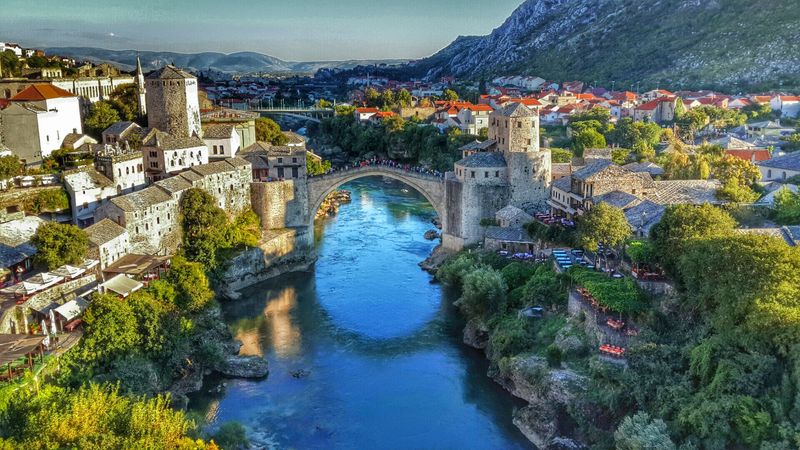
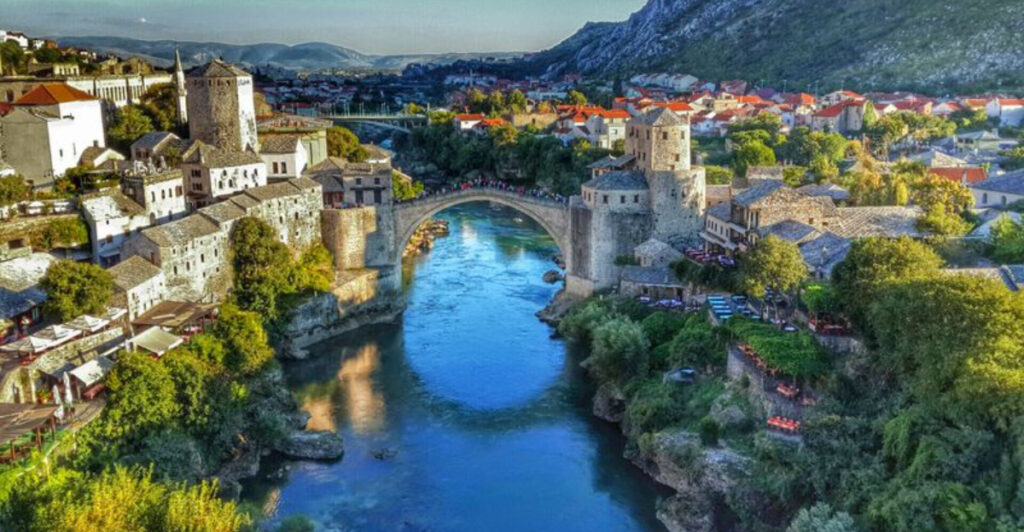
The Stari Most bridge has been rebuilt once already after being destroyed in 1993, and standing on its steep arch watching the emerald Neretva flow below feels like witnessing something quietly remarkable. Mostar earns its reputation through that single image, but the city has far more depth than the postcard suggests.
Arrive before 9am and the old bazaar belongs almost entirely to you.
The Kujundziluk bazaar stretches along cobblestones worn smooth by centuries of foot traffic, lined with copper workshops, textile sellers, and small restaurants serving cevapi, the regional grilled meat dish eaten with pillowy flatbread. Local divers still leap from the bridge in summer, a tradition that requires both courage and considerable skill.
Watching from a riverside cafe with a Bosnian coffee is one of Europe’s great free spectacles.
Mostar sits in a valley surrounded by rugged limestone hills, and the surrounding region holds interesting day trip options including the Kravice Waterfalls and the pilgrimage town of Medjugorje. The city rewards evening visitors particularly well, when the day-trippers have departed and restaurants fill with locals.
Accommodation is affordable and hospitality is genuinely warm without feeling performed.
Braga, Portugal
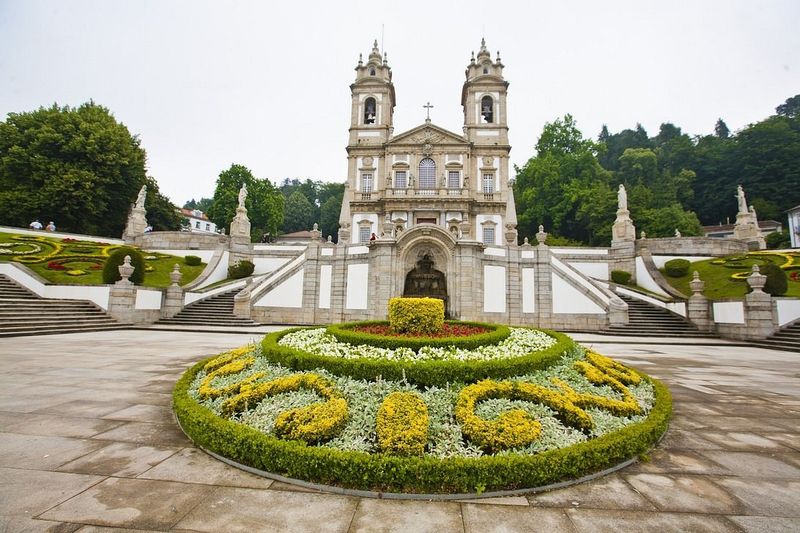
Braga might be Portugal’s third-largest city, but it carries itself with the quiet confidence of somewhere that knows exactly what it is. Founded by the Romans and later a major center of Christianity in the Iberian Peninsula, the city packs an extraordinary number of churches, chapels, and religious monuments into a relatively compact historic center.
The Bom Jesus do Monte sanctuary above the city is one of Portugal’s most theatrical architectural set pieces.
The cafe culture here is serious and deeply local. Braga’s coffee scene has developed a strong specialty roasting community, and the city regularly features in discussions about Portugal’s best independent cafes.
The covered market building, Mercado Municipal, is a wonderful place to spend a slow morning browsing fresh produce and local pastries.
Braga has a large university population that keeps the nightlife lively and the restaurant scene adventurous without pricing out regular visitors. The surrounding Minho region produces Vinho Verde, the slightly sparkling young wine that pairs perfectly with fresh seafood.
Day trips to Guimaraes, considered the birthplace of Portugal, and the Peneda-Geres National Park are both straightforward from Braga. Train connections to Porto take under an hour.
Villach, Austria
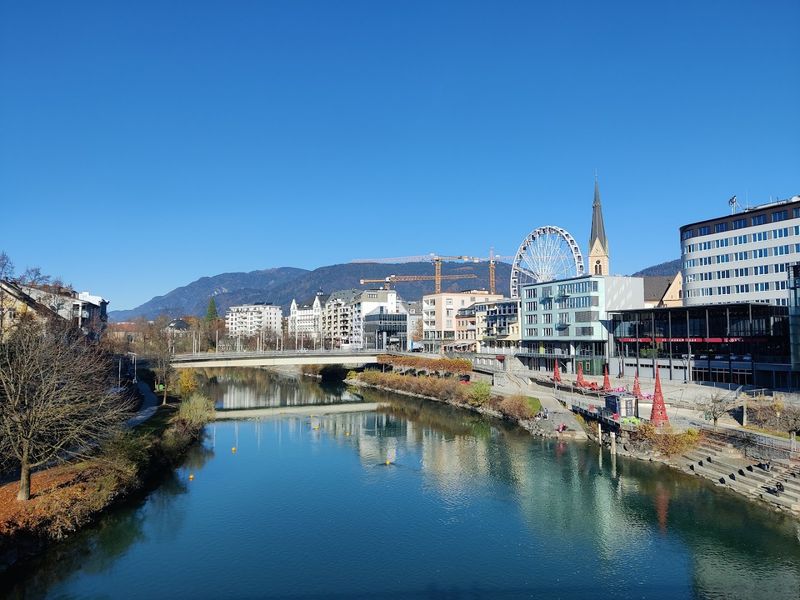
Austria has no shortage of charming towns, but Villach pulls off something slightly unusual by sitting at the crossroads of three countries without feeling like a transit stop. The Italian border is 40 kilometers south, Slovenia is 15 kilometers east, and the result is a town with a pleasantly hybrid character.
The food alone reflects this, shifting between Austrian hearty cooking, Italian pasta traditions, and Slovenian influences depending on which restaurant you choose.
The Ossiacher See and Worthersee lakes are both within easy reach, offering swimming, sailing, and cycling paths through Alpine meadows. Villach itself has a pedestrianized old town center that comes alive on warm evenings with outdoor dining and a relaxed, unhurried pace.
The weekly summer street festival fills the main square with music and local food stalls.
Skiing and winter sports are easily accessible in the surrounding Carnic and Karawanken Alps, and the town itself rarely gets buried under heavy tourist pressure even in peak season. Hotel prices stay reasonable by Austrian standards, and the train station connects directly to Vienna, Ljubljana, and Venice.
Villach is the kind of place that surprises visitors who expected a simple stopover and ended up staying three extra nights.
La Graciosa, Spain
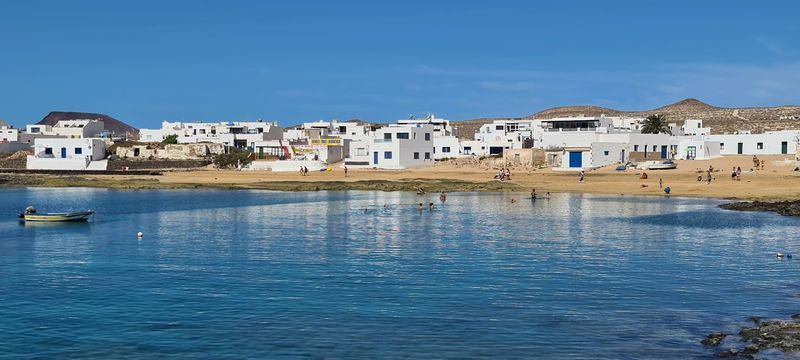
There are no paved roads on La Graciosa. That single fact tells you almost everything you need to know about this tiny Canary Island, which sits just two kilometers north of Lanzarote across a narrow channel.
Getting here requires a 25-minute ferry ride from Orzola, and that short crossing feels like crossing into a genuinely different era.
The island covers just 29 square kilometers and has a permanent population of around 700 people, most of whom live in the small village of Caleta de Sebo. Bikes and four-wheel-drive vehicles are the main forms of transport.
Beaches like Playa de las Conchas rank among the most beautiful in the entire Canary Islands archipelago, and they are almost never crowded.
Fishing remains the economic backbone of the island, and the restaurants in Caleta de Sebo serve whatever came off the boats that morning. The volcanic landscape looks almost Martian in the afternoon light, with rust-colored cones rising from pale sand.
Accommodation is limited to a handful of small guesthouses and rental apartments, which naturally keeps visitor numbers manageable. La Graciosa became Spain’s eighth Canary Island officially in 2018, though locals had been calling it home for much longer.
Ghent, Belgium
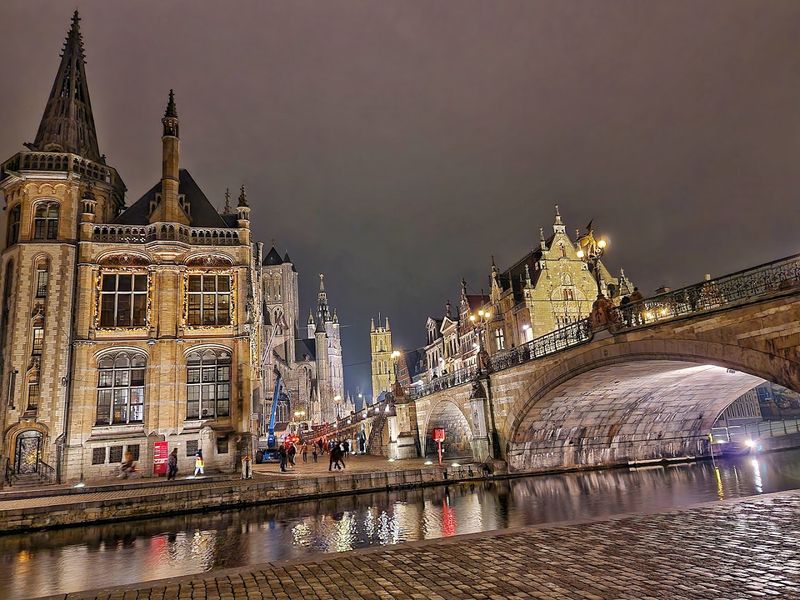
Ghent smells like chocolate and yeast on a good morning, which is an excellent way to start any city visit. Belgium’s third-largest city has managed to stay genuinely local despite growing interest from travelers who discovered it after exhausting Bruges.
The medieval waterfront along the Graslei is arguably more impressive than anything in Bruges, and the queues are nowhere near as painful.
The city’s student population of around 70,000 generates a cultural energy that keeps galleries, music venues, and independent restaurants thriving. The Ghent Festivities, held every July, transform the entire city center into a ten-day street party that locals plan their summers around.
The food scene is particularly strong, with Ghent earning a reputation as one of Europe’s most vegetarian-friendly cities.
The Gravensteen castle sits in the middle of the city center like a medieval intruder, complete with a dungeon and a collection of medieval torture instruments that delights visitors of all ages. Ghent’s tram network makes getting around easy and affordable.
Day trips to Bruges, Antwerp, and Brussels are all under an hour by train, making it an ideal base for exploring Flanders. Hotel options range from budget hostels to boutique canal-side properties.
Bergen, Norway
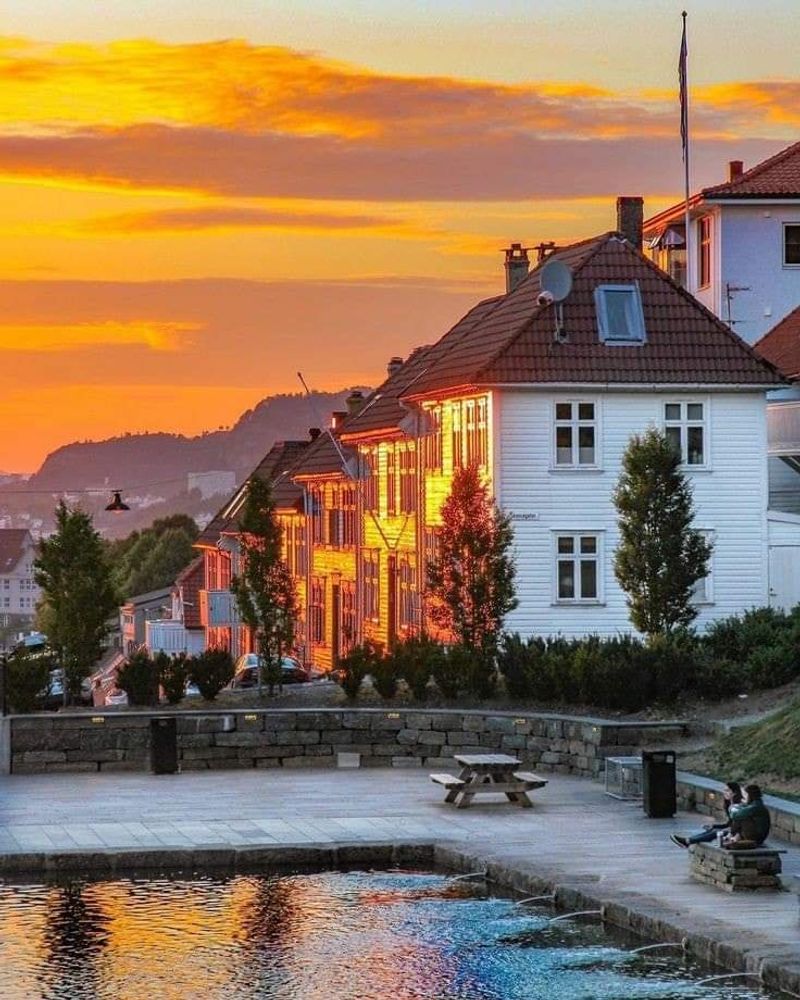
Bergen gets more rain than almost any other city in Europe, and locals will tell you this themselves before you have even unpacked. Despite that meteorological reputation, or perhaps because of it, the city has an irresistible coziness.
The Bryggen wharf, a row of colorful wooden Hanseatic trading houses dating from the 14th century, looks even more atmospheric with low clouds rolling in from the fjord.
The fish market at Torget has operated in some form for centuries, and the current version sells everything from fresh shrimp and salmon to reindeer jerky and whale meat. Eating a paper cone of boiled shrimp by the harbor is a Bergen rite of passage.
The Floibanen funicular climbs Mount Floyen in eight minutes and delivers views across the fjords that justify the visit entirely on their own.
Bergen serves as the gateway to the Norwegian fjords, with boat tours heading out to Sognefjord and Hardangerfjord from the city harbor. The city itself has excellent museums, a thriving arts scene, and a restaurant culture built around exceptional seafood.
Despite its natural attractions, Bergen receives far fewer international visitors than Oslo, keeping prices and crowds at manageable levels throughout most of the year.
Pula, Croatia
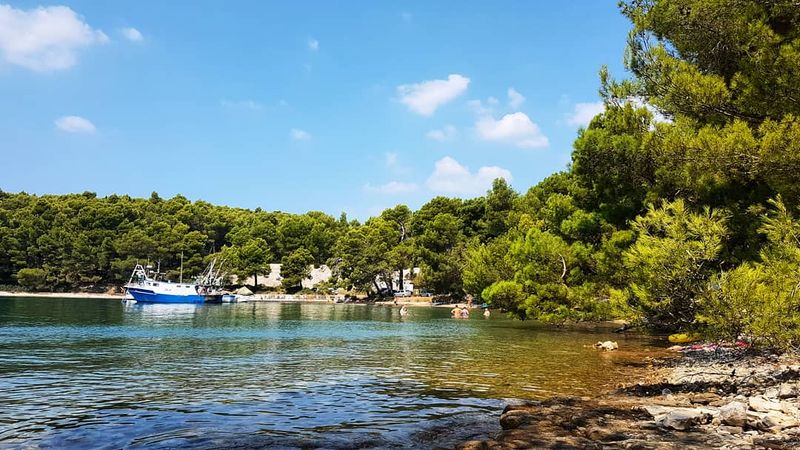
Standing inside Pula’s Roman amphitheater for the first time produces a specific kind of disbelief. Built in the 1st century AD, the arena seated 23,000 spectators and remains one of the six largest surviving Roman amphitheaters in the entire world.
Unlike the Colosseum in Rome, you can walk right up to it, touch the stones, and enter without planning months in advance.
Pula sits at the southern tip of the Istrian peninsula and combines serious ancient history with a relaxed Adriatic lifestyle. The old town holds a Roman triumphal arch, a temple of Augustus in near-perfect condition, and a medieval fortress, all within comfortable walking distance of each other.
The harbor area fills with fishing boats in the early morning and with locals eating grilled fish by evening.
Beaches around Pula tend toward rocky coves and pine-shaded platforms rather than long sandy stretches, which suits the Mediterranean swimming style perfectly. The nearby Brijuni National Park, a small archipelago that was once Tito’s personal retreat, makes for a fascinating half-day boat trip.
Pula’s international airport connects to numerous European cities, making it one of Croatia’s most accessible destinations without being one of its most overrun.
Geres National Park, Portugal
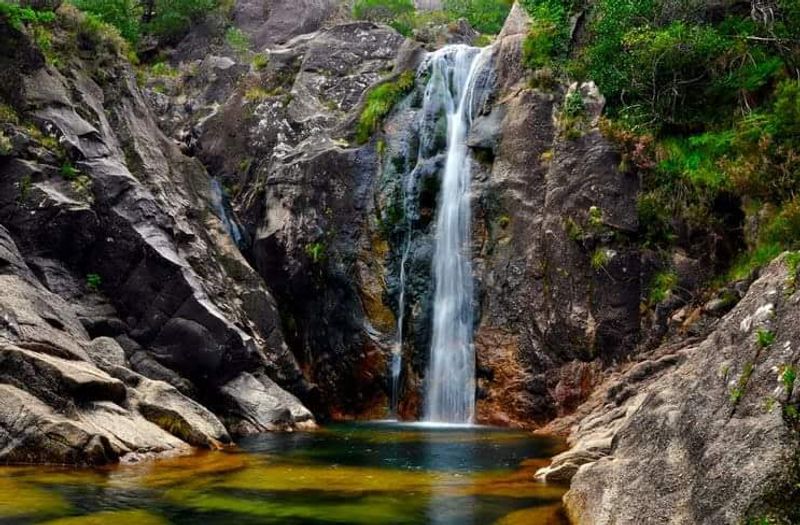
Portugal’s only national park hides in the far northwest corner of the country, tucked against the Spanish border in a landscape of granite boulders, oak forests, and cold mountain streams. Peneda-Geres covers around 70,000 hectares and manages to feel genuinely wild despite sitting within a few hours of Porto.
The garrano, a small native horse breed, roams freely through the valleys and has been doing so for thousands of years.
Waterfalls appear around almost every bend in the hiking trails, and the park holds dozens of named cascades ranging from gentle trickles to thundering drops. The Mata da Albergaria section, an ancient oak forest, is particularly beautiful in autumn when the leaves turn gold and the mist hangs low over the canopy.
Roman roads, Bronze Age petroglyphs, and abandoned granite villages add a historical dimension that surprises most visitors.
The spa town of Caldas do Geres at the heart of the park has thermal pools, simple restaurants, and accommodation options ranging from camping to comfortable guesthouses. Wild swimming in the park’s rivers and reservoirs is a local summer tradition that feels like a genuine privilege.
International visitors remain relatively scarce, meaning that on a weekday walk you might share a trail with nothing but birdsong and the sound of moving water.
Share this story