Some of the world’s most densely populated cities pack astonishing numbers of people into remarkably small areas. High population density often means vibrant street life, efficient public transportation, towering apartment buildings, and neighborhoods buzzing with activity around the clock.
While dense cities face challenges like housing pressure and congestion, they also tend to be cultural and economic powerhouses. Population density figures vary depending on whether they measure the city proper, municipality, or metropolitan area, but the cities below consistently rank among the world’s densest.
Manila, Philippines
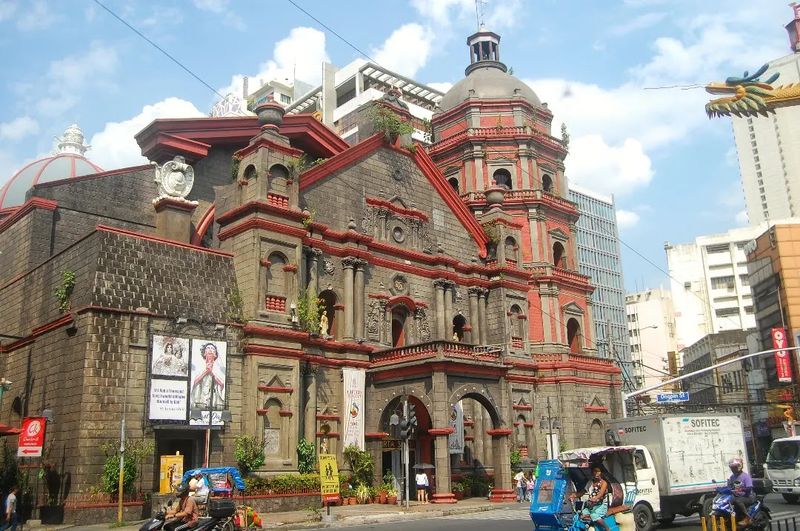
Step onto any street in Manila and you will feel the city’s heartbeat instantly. With over 46,000 people packed into every square kilometer, Manila holds a strong claim as the most densely populated major city on Earth.
That number is not just a statistic; it shapes every sidewalk, every jeepney route, and every rooftop garden you see.
Manila is the capital of the Philippines and has been a crossroads of culture for centuries. Spanish colonial architecture sits beside modern shopping malls, and street food vendors set up shop just steps from government buildings.
The city wears its history proudly while racing toward a modern future.
Life here moves at an electric pace. Residents have mastered the art of living efficiently in compact spaces, turning small apartments into cozy, welcoming homes.
Public markets overflow with produce, fresh fish, and laughter. Despite the pressure that extreme density brings, Manila’s communities are famously tight-knit, and barangay (neighborhood) pride runs incredibly deep.
Visiting Manila means experiencing urban energy at its absolute peak.
Mandaluyong, Philippines
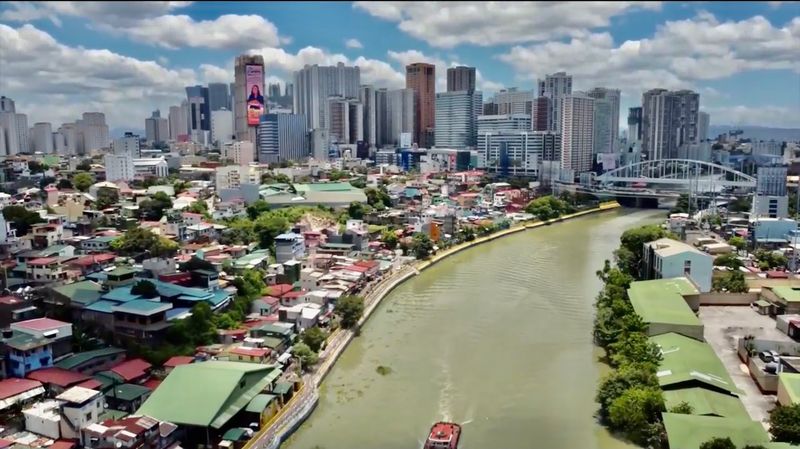
Squeezed inside Metro Manila like a book crammed onto an already full shelf, Mandaluyong punches well above its weight. This compact city manages to host a massive residential population alongside thriving business districts and some of the region’s most popular shopping destinations.
Small land area, enormous ambition.
Mandaluyong is home to the massive Shangri-La Plaza mall and the Ortigas Center business hub, meaning office workers, shoppers, and residents all share the same crowded streets daily. Elevated rail lines thread through the city, giving commuters a rare escape from ground-level traffic.
The cityscape is a layered mix of glass towers and older low-rise neighborhoods packed side by side.
What makes Mandaluyong interesting is how ordinary life continues at full volume despite the density. Families raise children in high-rise condos, street food stalls thrive in every available corner, and community festivals still manage to draw huge crowds.
The city’s government has invested in parks and public spaces to give residents room to breathe. Mandaluyong proves that a small city footprint does not have to mean a small quality of life.
Dhaka, Bangladesh
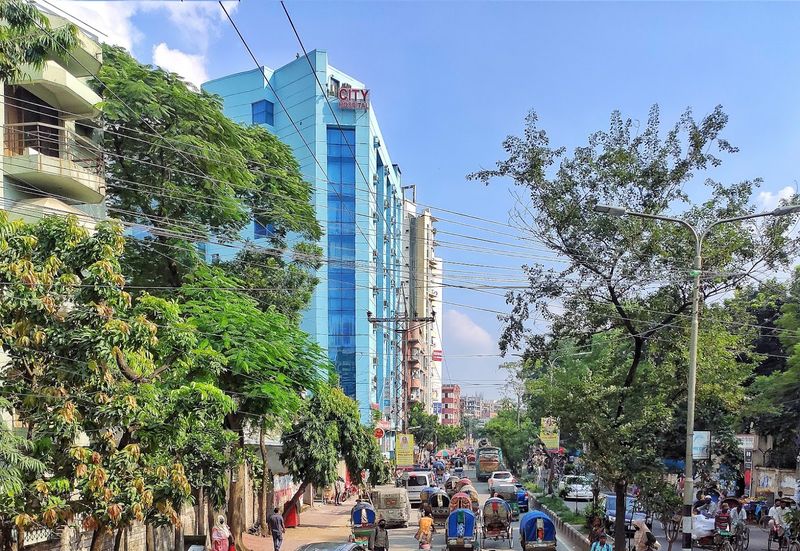
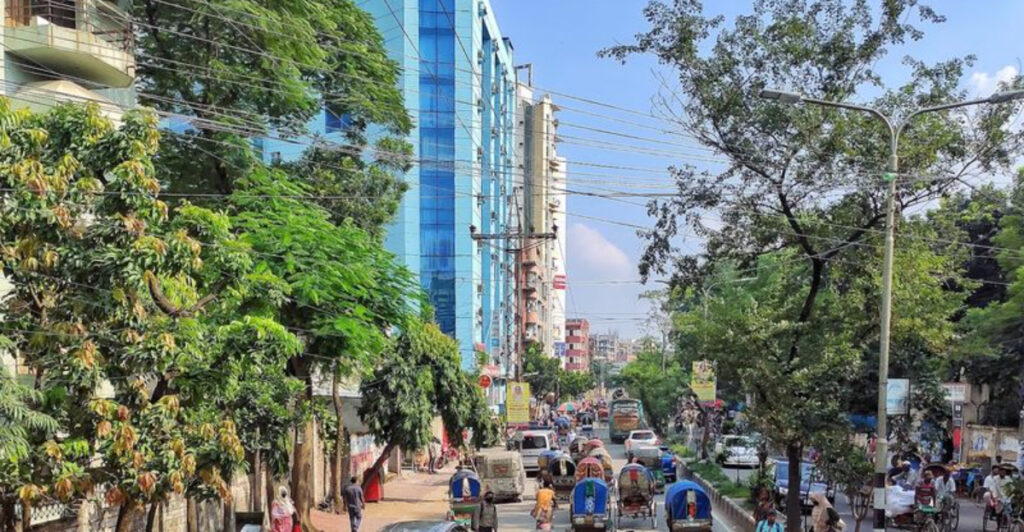
Roughly 23 million people call Dhaka home, and the city keeps growing faster than almost any other megacity on the planet. Bangladesh’s capital has transformed from a modest colonial town into a sprawling, pulsating urban giant within just a few decades.
The speed of that change is breathtaking and a little mind-bending.
Rickshaws are still a beloved fixture of Dhaka’s streets, weaving through traffic alongside CNGs (auto-rickshaws) and buses in a choreographed urban dance that somehow works. The garment industry powers much of the national economy, and millions of workers have migrated to Dhaka seeking jobs, pushing density figures to staggering levels.
Infrastructure has struggled to keep pace with this rapid growth.
Despite the challenges, Dhaka pulses with creativity and resilience. Street art brightens building walls, roadside tea stalls serve as neighborhood social hubs, and the city’s food scene is genuinely outstanding.
Hilsa fish curry, biryani, and freshly fried puri are available on almost every corner. Dhaka’s residents have developed a remarkable ability to find community and joy within one of the world’s most congested urban environments.
The city’s spirit is as dense as its population.
Mumbai, India
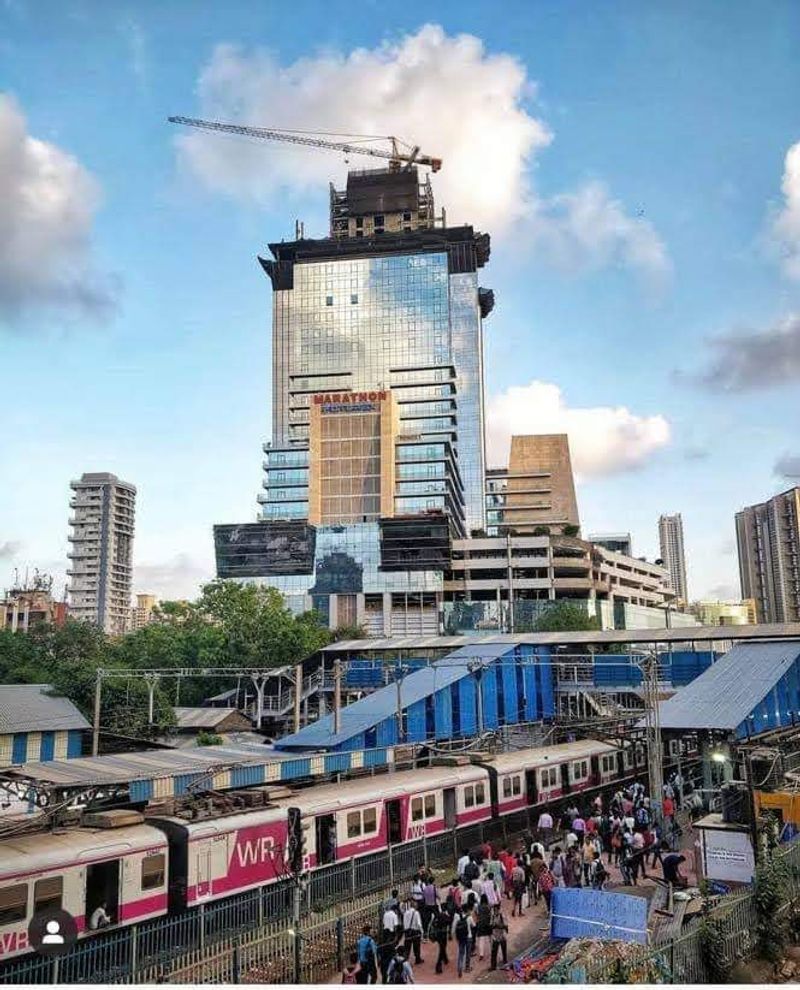
Mumbai sits on a narrow peninsula, which means the city literally cannot spread sideways, so it grows upward and inward instead. This geographic constraint has created one of the most dramatic urban density situations anywhere on Earth.
Over 20 million people share a city that simply has nowhere left to expand horizontally.
The contrasts here are stunning. Luxury skyscrapers in Bandra and Worli tower over Dharavi, one of Asia’s largest informal settlements, where roughly a million people live within just 2.1 square kilometers.
Both realities exist simultaneously, separated by minutes on the local train network. Mumbai’s suburban rail system is the city’s true lifeline, carrying millions of passengers daily in conditions that would shock outsiders.
Mumbai is also India’s entertainment and financial capital, home to Bollywood studios, the Bombay Stock Exchange, and some of the country’s most expensive real estate. Street food culture is extraordinary here.
Vada pav, pav bhaji, and bhel puri are city institutions eaten by everyone from office workers to film directors. Despite the chaos, Mumbai has an unmistakable energy that makes residents fiercely loyal to their city.
Once Mumbai gets into your blood, leaving feels almost impossible.
Caloocan, Philippines
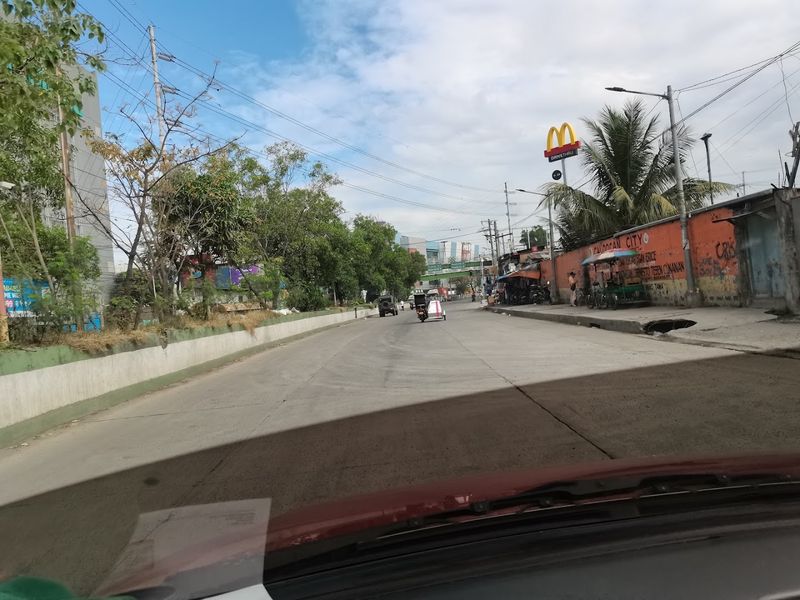
Caloocan often flies under the radar compared to its flashier Metro Manila neighbors, but its population density numbers are anything but quiet. Home to well over a million residents concentrated in a relatively small urban area, Caloocan consistently earns its spot among the world’s most packed cities.
It is a city that works hard and asks for little recognition.
Divided into two non-contiguous sections by other municipalities, Caloocan has a unique geography that adds another layer of complexity to urban planning. The northern section is more residential and lower-density, while the southern portion near Manila is dramatically more crowded.
Markets, schools, and community centers are woven tightly into every neighborhood block.
Caloocan has a proud history as a site of Philippine revolutionary activity during the fight for independence from Spain. That fighting spirit shows up in the community’s character today.
Residents are resourceful, community-oriented, and deeply invested in local identity. Street basketball courts are packed every evening, sari-sari stores (neighborhood convenience shops) anchor every corner, and the noise of daily life creates a constant, reassuring hum.
Caloocan is not trying to be glamorous, and that honesty is exactly what makes it charming.
Taguig, Philippines
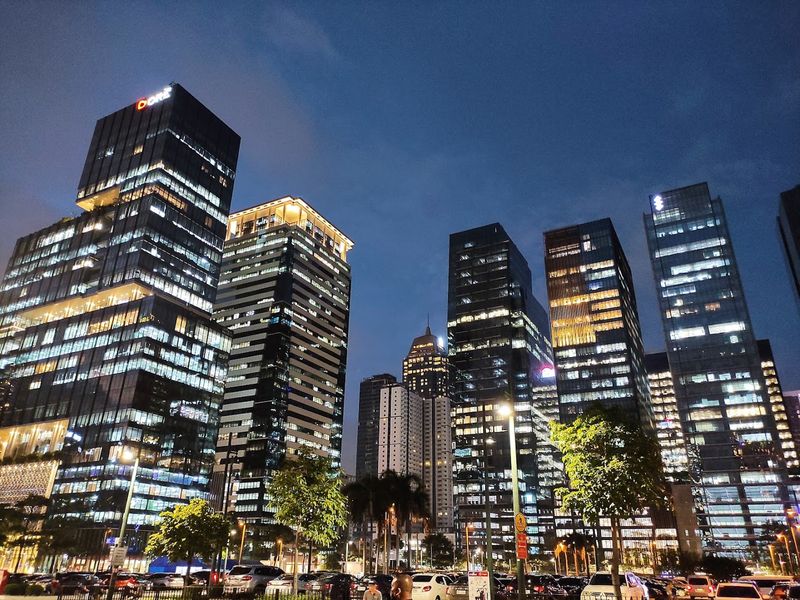
Taguig contains one of the most dramatic urban contrasts in Southeast Asia. On one side, Bonifacio Global City (BGC) gleams with glass towers, upscale restaurants, and manicured streets that would look at home in any global financial hub.
On the other side, tightly packed residential communities house hundreds of thousands of everyday residents. Both exist within the same city boundaries.
BGC was literally built on a former military base and has become one of the Philippines’ most sought-after addresses in just a few decades. Tech companies, multinational corporations, and luxury brands have all planted their flags here.
The contrast with adjacent high-density neighborhoods is stark but tells the full story of how rapidly Philippine cities are evolving.
Despite its polished modern image, Taguig’s overall population density is driven largely by its enormous residential population spread across traditional barangays. Wet markets, jeepney terminals, and community basketball courts remain central to daily life for most residents.
The city has invested in infrastructure improvements, and new transit links are connecting BGC to the broader metro rail network. Taguig is proof that a city can be simultaneously ultramodern and deeply traditional, sometimes within the same city block.
Pasig, Philippines
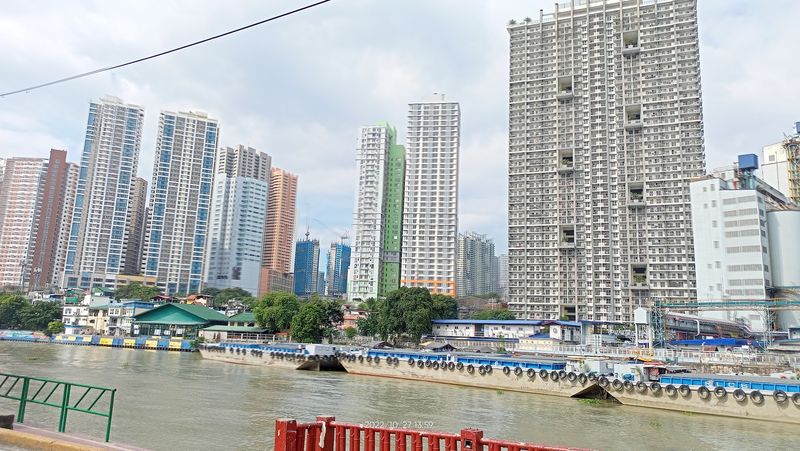
Pasig City sits at the geographic heart of Metro Manila, and its central location has made it a magnet for both business and residential development. The Ortigas Center, one of Metro Manila’s major central business districts, straddles the border of Pasig and Mandaluyong, filling the city with office towers and commercial energy every weekday.
On weekends, those same streets fill with families and market-goers.
The Pasig River, which gives the city its name, runs through the urban landscape and has been the subject of major cleanup and restoration efforts in recent years. Riverbanks Center, a popular commercial complex along the water, is one of the city’s most recognizable landmarks.
Seeing the river gradually recover from decades of pollution is a genuine source of local pride.
Residential density in Pasig is remarkable. Condominium towers have risen rapidly alongside older low-rise communities, creating a layered cityscape that reflects decades of urban growth compressed into a small footprint.
School enrollment numbers are among the highest in the region, reflecting just how many families call Pasig home. The city’s combination of commercial dynamism and dense residential life makes it one of Metro Manila’s most genuinely complete urban environments, where people live and work within walking distance of almost everything they need.
Malabon, Philippines
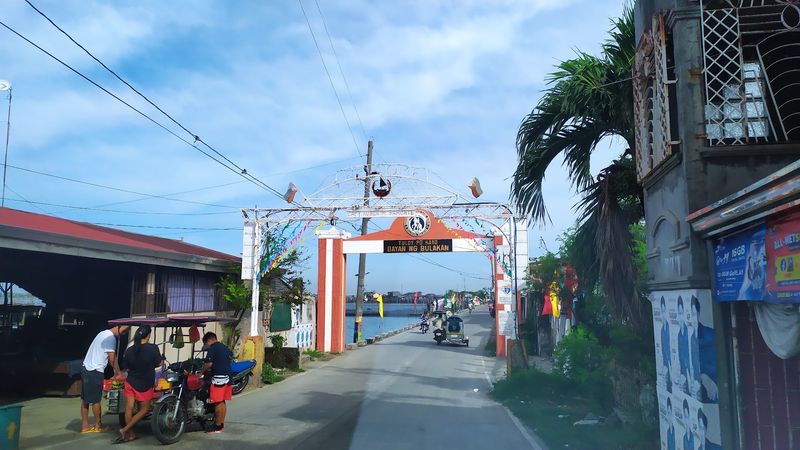
Malabon has a personality all its own within the Metro Manila mosaic. Known as the “fishball capital” of the Philippines, the city has a deep culinary identity rooted in its proximity to Manila Bay and its network of fish processing communities.
Food here is not just sustenance; it is a source of civic pride.
The city’s geography includes numerous waterways and low-lying areas, which have historically made flooding a serious concern. Many residents live in homes built on stilts or elevated platforms above tidal channels.
This relationship with water is fundamental to Malabon’s character and has shaped its architecture, culture, and community resilience for generations.
With a large population squeezed into limited dry land, Malabon’s density figures are consistently high. Streets are narrow, neighborhoods are tightly woven, and community bonds run extremely strong.
The Malabon Public Market is a legendary destination for fresh seafood and local delicacies that draw visitors from across Metro Manila. Residents here have an almost stubborn attachment to their city, choosing to stay and rebuild after every flood rather than relocate.
That loyalty to place, even in challenging circumstances, says something powerful about what community really means in one of the world’s densest urban settings.
Bnei Brak, Israel
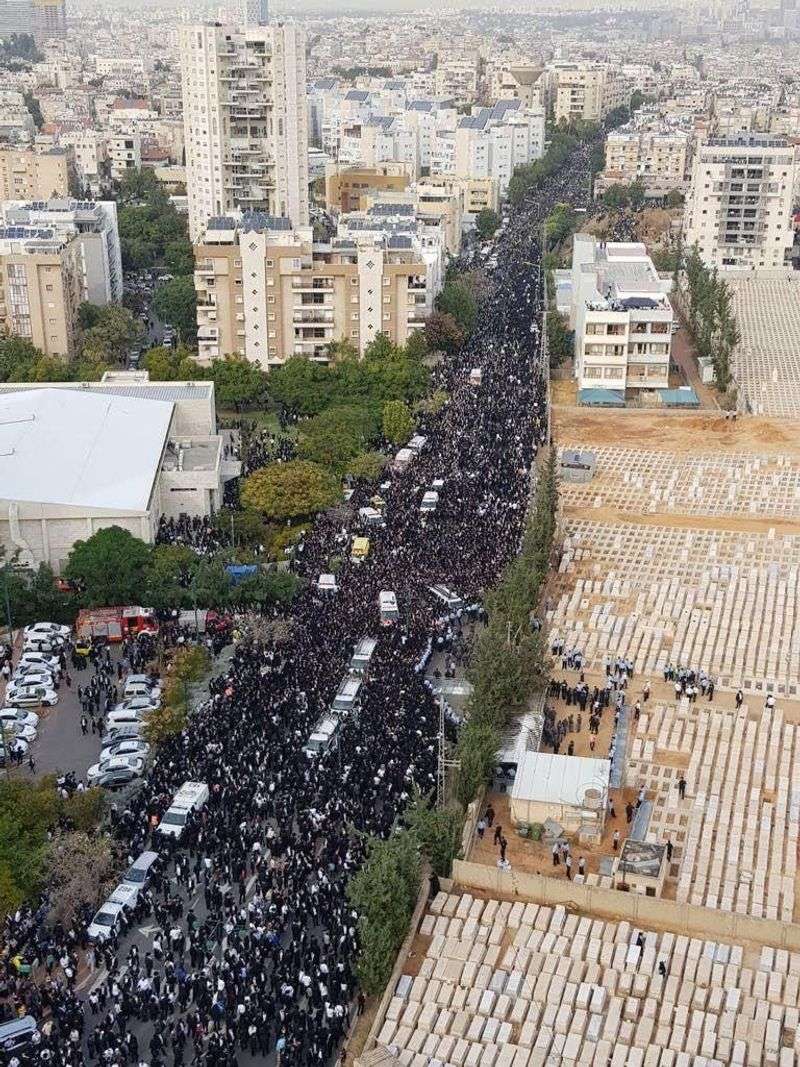
Just a few kilometers east of Tel Aviv’s gleaming beachfront, Bnei Brak operates as a world almost entirely unto itself. This predominantly ultra-Orthodox Jewish city is one of the most densely populated municipalities in Israel and one of the densest in all of Europe and the Middle East.
Its population density rivals some of the most crowded cities in Asia.
Life in Bnei Brak follows a distinct rhythm shaped by religious observance. On Shabbat (the Jewish Sabbath), the city falls into a remarkable quiet as streets empty of vehicles and families walk to synagogue together.
The contrast with the buzzing weekday street scene is genuinely striking. Kosher bakeries, yeshivas (religious schools), and bookshops line nearly every commercial street.
The city’s high density is partly explained by large family sizes, which are common in the ultra-Orthodox community. Apartments are shared by many children, and communal spaces take on outsized importance.
Despite limited public green space, Bnei Brak’s residents maintain a strong sense of shared identity and mutual support. Community institutions, from charitable food organizations to religious study groups, hold the social fabric together.
Bnei Brak is a reminder that density is not just about buildings and numbers; it is about how people choose to live together.
Port-au-Prince, Haiti
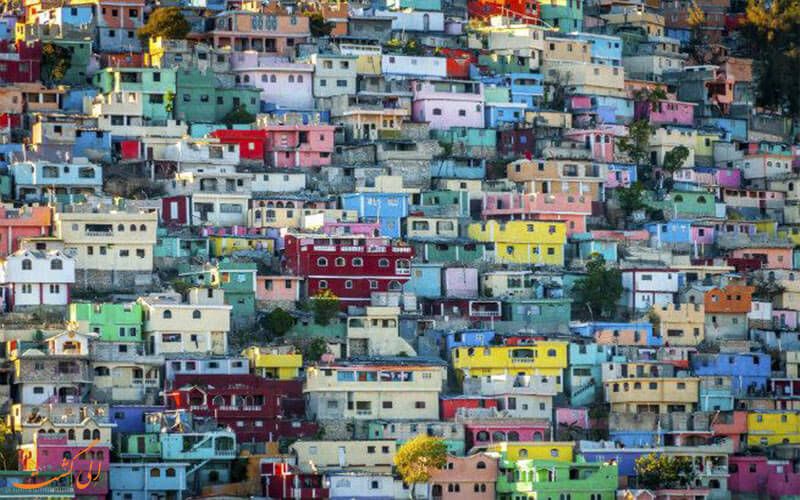
Colorful, resilient, and impossibly layered, Port-au-Prince climbs up steep hillsides in a patchwork of neighborhoods that seem to defy gravity. Haiti’s capital is one of the most densely populated cities in the entire Western Hemisphere, a fact made even more remarkable given the devastating earthquake the city endured in 2010.
The rebuilding that followed showed the world just how determined its people truly are.
Rapid rural-to-urban migration over several decades has pushed Port-au-Prince’s population into the millions, straining water, electricity, and transportation systems that were never designed for this scale. Informal settlements known as bidonvilles cling to hillsides throughout the city.
Yet within these neighborhoods, vibrant social life continues, with street vendors, tap-tap (colorfully decorated buses), and community gathering spots providing daily structure.
Haitian art, music, and cuisine are extraordinary and deserve far more global recognition than they typically receive. Rara music, griot (fried pork), and the city’s famous iron market are all expressions of a culture that refuses to be defined by hardship alone.
Port-au-Prince carries enormous weight but also enormous creativity. Its people have built community under some of the most difficult urban conditions imaginable, and that achievement is worth acknowledging loudly and clearly.
Bogota, Colombia
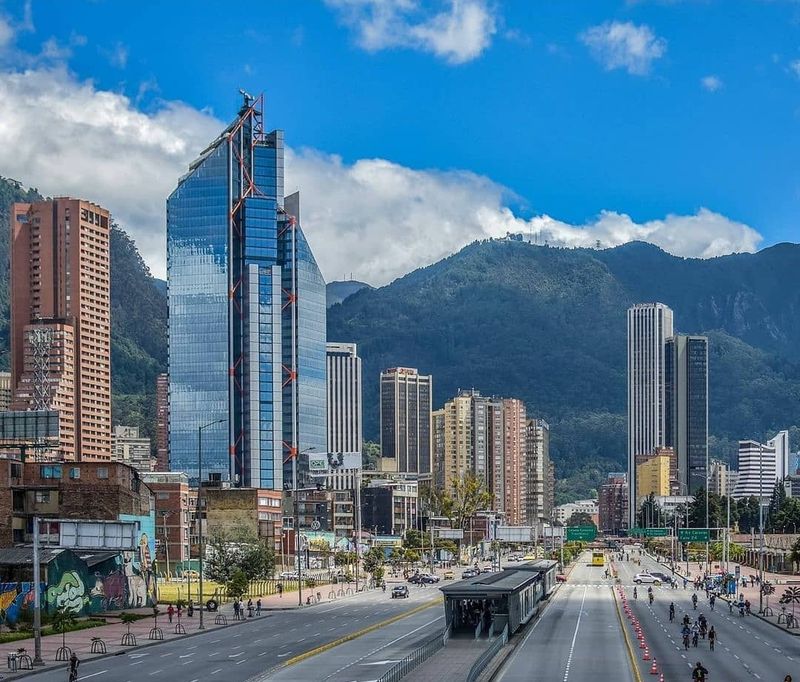
Bogota sits at 2,600 meters above sea level, making it one of the highest-altitude capital cities in the world and giving new meaning to the phrase “elevated living.” Colombia’s capital is also one of South America’s most densely populated major cities, home to over 8 million people within the city proper. The Andes mountains frame the eastern edge of the city in a dramatic natural backdrop that never gets old.
The city has undergone a remarkable urban transformation since the late 1990s. Former Mayor Enrique Penalosa championed the TransMilenio bus rapid transit system and an extensive network of ciclovias (car-free bike paths), fundamentally changing how residents move through the city.
Sunday ciclovias close major roads to vehicles, turning them into pedestrian and cycling corridors enjoyed by millions each week.
Bogota’s neighborhoods each carry a distinct personality. La Candelaria preserves colonial-era architecture and street art alongside university campuses.
Chapinero hums with cafes, bookstores, and LGBTQ+ nightlife. Usaquen hosts a beloved weekend flea market in a charming cobblestone plaza.
The city’s cultural institutions, including the Gold Museum and the Botero Museum, are world-class. Bogota has shed its troubled past reputation and emerged as one of Latin America’s most dynamic, creative, and genuinely exciting urban destinations.
Levallois-Perret, France
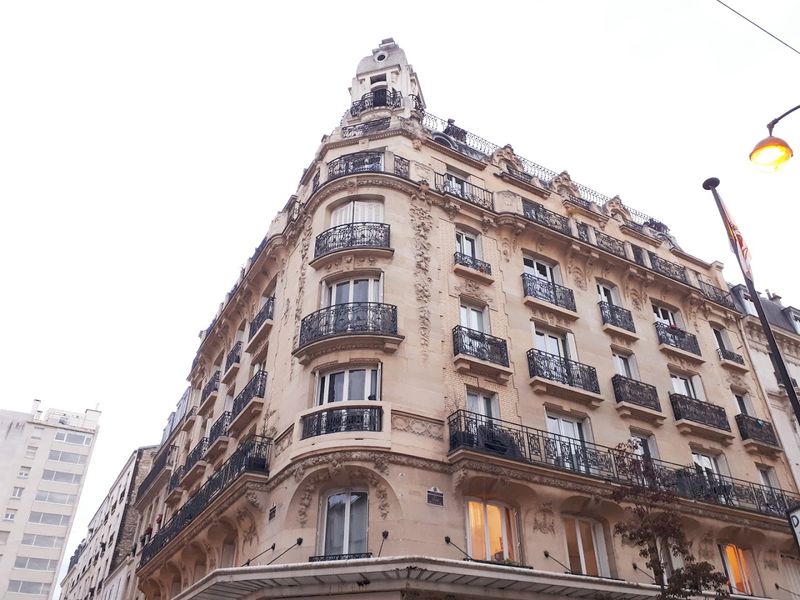
Right on the doorstep of Paris but often overlooked by tourists rushing toward the Eiffel Tower, Levallois-Perret quietly holds the title of one of Europe’s most densely populated municipalities. This small commune northwest of central Paris packs an extraordinary number of residents into its compact grid of streets.
At roughly 26,000 people per square kilometer, it rivals many Asian cities for sheer density.
The city’s built environment is dominated by mid-rise apartment buildings that maximize every square meter of available land. Unlike central Paris with its strict Haussmann-era height limits, Levallois-Perret has a more varied architectural texture, mixing older stone buildings with modern residential blocks.
The Seine river borders the city to the west, offering a sliver of green relief from the urban density.
Levallois-Perret is home to several major media companies and corporate headquarters, giving it a professional, business-oriented character that complements its dense residential fabric. Excellent metro connections mean residents can reach central Paris in under 10 minutes, making the city extremely attractive to workers who want proximity to the capital without paying Parisian rents.
Local markets, bakeries, and neighborhood cafes maintain that quintessentially French quality of daily life. Levallois-Perret is essentially Paris at full volume, minus the tourist crowds.
Saint-Josse-ten-Noode, Belgium
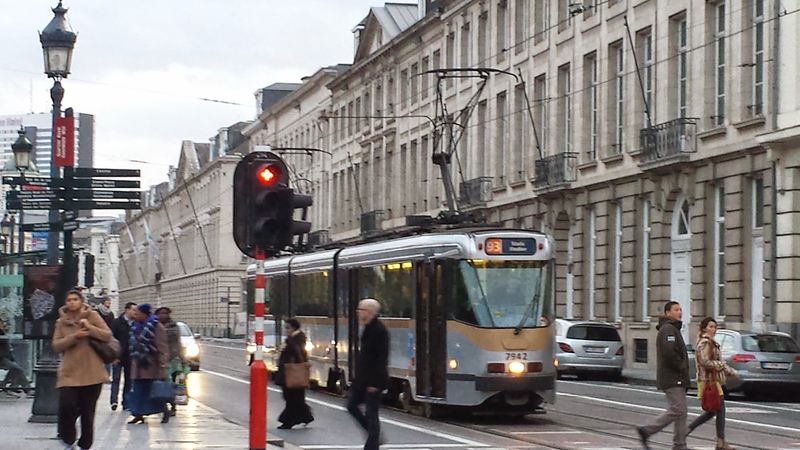
Saint-Josse-ten-Noode holds a quirky distinction: it is the smallest municipality in Belgium by area, yet it manages to be one of the most densely populated urban areas in all of Europe. Covering barely 1.1 square kilometers in the heart of the Brussels-Capital Region, this tiny neighborhood packs in tens of thousands of residents with remarkable efficiency.
Small but absolutely not quiet.
The municipality has one of the most diverse populations in Brussels, with large communities of North African and Turkish origin living alongside longtime Belgian residents. This multicultural mix gives Saint-Josse-ten-Noode a uniquely layered character.
Halal butchers, Turkish pastry shops, and Belgian estaminets (traditional pubs) coexist on the same blocks, creating a food scene that is genuinely exciting for anyone willing to explore.
Housing here is primarily dense apartment blocks, many of which are older buildings subdivided into numerous small units to accommodate as many residents as possible. Rent is generally lower than in wealthier Brussels neighborhoods, making the area a first stop for many new arrivals to the city.
Community organizations and local schools play an important role in connecting residents across cultural lines. Saint-Josse-ten-Noode is small in size but big in urban character, proving that the most interesting places are often the ones that get overlooked on tourist maps.
Giza, Egypt
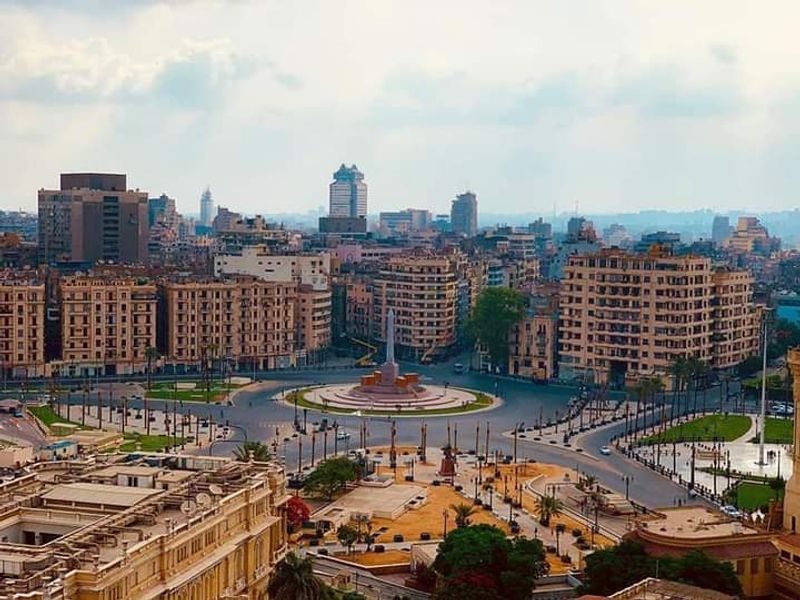
Most people picture camels and ancient stones when they hear the word Giza, but the modern city behind those famous pyramids is a sprawling, densely populated urban giant that forms an integral part of the vast Greater Cairo metropolitan area. Over 9 million people live in Giza Governorate, making it one of the most populated areas in Africa.
The pyramids are extraordinary, but they are also surrounded by a very real, very busy modern city.
Giza’s urban fabric stretches from the Nile River westward toward the desert plateau where the ancient monuments stand. Apartment blocks, markets, and mosques fill the space between the river and the archaeological zone.
The contrast between ancient and modern is not subtle here; you can see a pyramid from the rooftop of a 10-story apartment building in several neighborhoods.
Traffic in Giza is legendary in its intensity, with cars, motorbikes, and pedestrians negotiating space in ways that seem chaotic from the outside but follow their own internal logic. The city’s food scene is rich with Egyptian street food classics: koshary (a beloved mix of rice, lentils, and pasta), ful medames (stewed fava beans), and fresh flatbread from neighborhood bakeries.
Giza’s everyday urban energy is just as fascinating as its ancient wonders, if you take time to look.
Kolkata, India
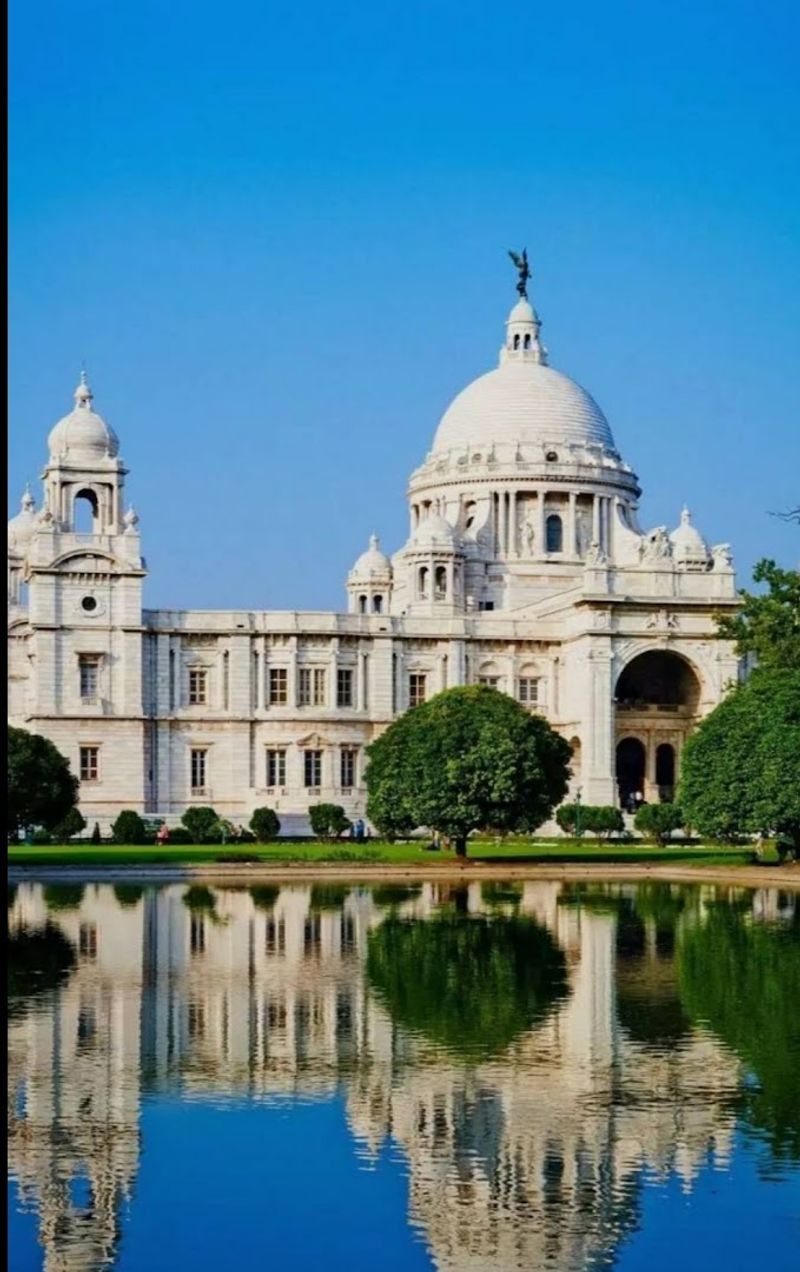
Kolkata moves to a rhythm unlike any other Indian city. Hand-pulled rickshaws still operate in some neighborhoods, yellow Ambassador taxis cruise broad colonial-era boulevards, and trams (the last surviving tram network in India) clatter through streets lined with crumbling but magnificent old buildings.
The city is dense, layered, and absolutely soaked in history.
With a population of over 14 million in the metropolitan area and extremely limited horizontal expansion, Kolkata has developed an intense residential density within its older urban core. North Kolkata’s narrow lanes date back centuries, with buildings pressed so closely together that upper floors almost touch across the street.
The city was once the capital of British India, and that legacy is visible in its grand public buildings, parks, and institutions.
Kolkata is also India’s intellectual and artistic capital in many ways. It produced Nobel laureate Rabindranath Tagore, filmmaker Satyajit Ray, and Mother Teresa’s life work.
The city’s book fair is the largest in Asia, and its Durga Puja festival transforms the entire urban landscape into an open-air art gallery each autumn. Street food here is a serious business, with kati rolls, puchka (pani puri), and mishti doi (sweet yogurt) available on almost every corner.
Kolkata rewards patience with endless discovery.
Share this story