America’s most memorable weekend getaways aren’t always found in big cities. Across the country, small towns with extraordinary histories, quirky traditions, and jaw-dropping landscapes are waiting to be discovered.
Whether you’re drawn to Bavarian-style villages, car-free islands, or old mining boomtowns reinvented as art communities, these 15 destinations prove that the best adventures often come in small packages.
Leavenworth, Washington
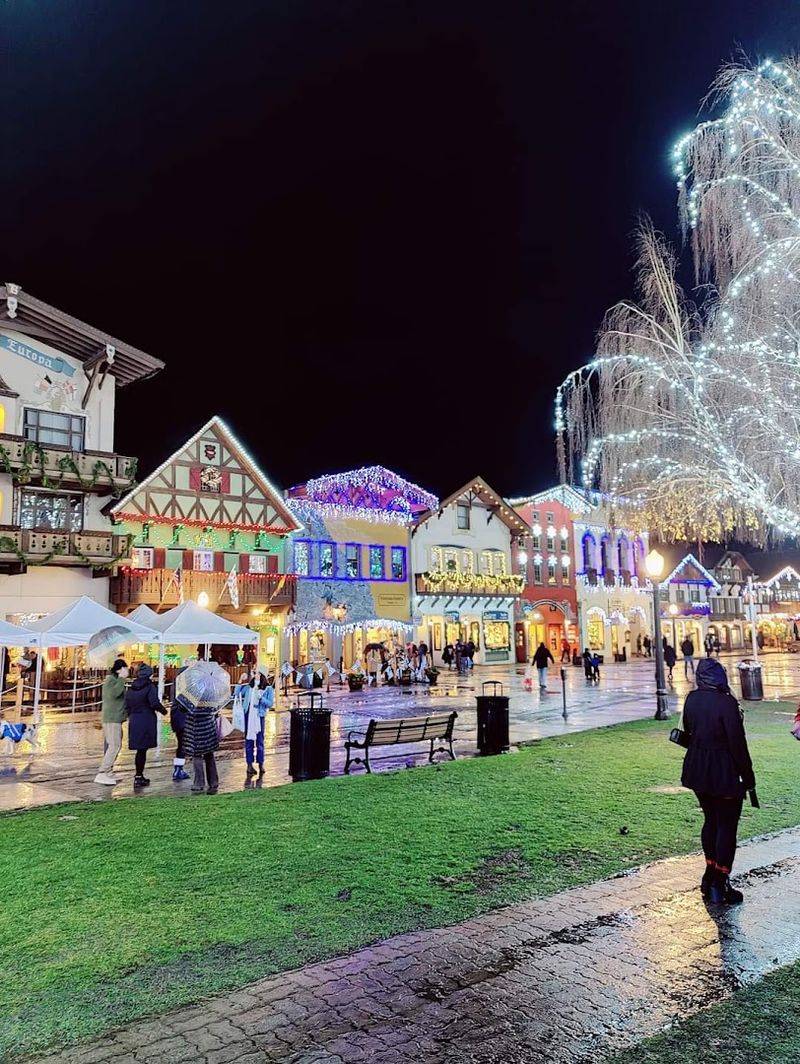
Somewhere between Seattle and the eastern Washington desert, a Bavarian village appeared in the Cascades and never left. Leavenworth was a struggling railroad town in the 1960s until locals decided to reinvent it with lederhosen, flower boxes, and timber-framed storefronts.
The transformation worked spectacularly, and today it draws millions of visitors every year.
Oktoberfest here is a serious event, with live oompah bands, steins of beer, and crowds who actually dress the part. Winter brings the Christmas Lighting Festival, when the entire town glows with thousands of lights against a snowy mountain backdrop.
Spring and summer swap the festivals for hiking trails, river rafting, and winery tours.
The food scene leans hard into the theme with bratwurst, pretzels, and schnitzel at nearly every turn. Nutcracker Museum, yes that is a real place, houses over 7,000 nutcrackers from around the world.
Leavenworth is proof that a good reinvention story can turn a whole town into a destination worth planning around.
Mackinac Island, Michigan
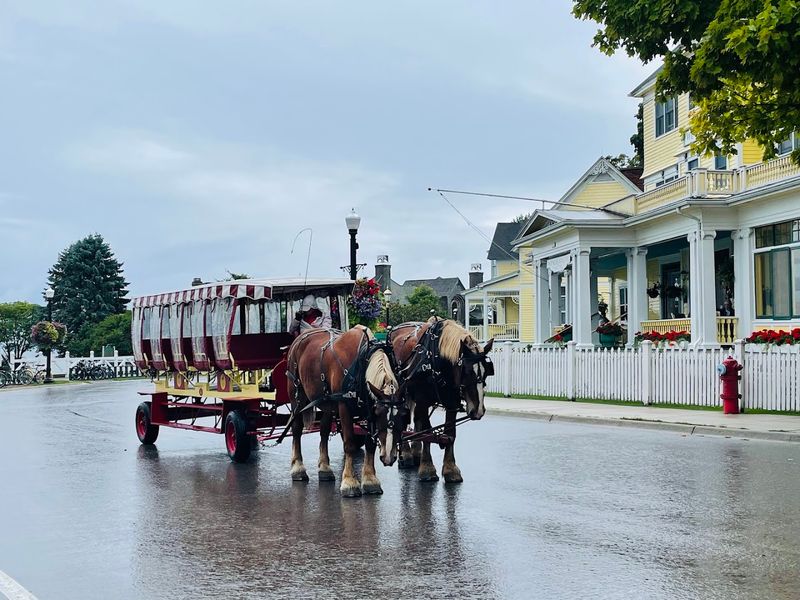
No honking horns, no exhaust fumes, no traffic jams. Mackinac Island banned motor vehicles over a century ago, and somehow the rest of the country never got the memo.
Getting around means hopping on a bicycle, climbing into a horse-drawn carriage, or simply walking at whatever pace feels right.
The island sits in Lake Huron between Michigan’s upper and lower peninsulas, and the ferry ride over already feels like stepping into a different era. Grand Hotel, with its famously long porch, has hosted presidents and film crews alike.
The 1980 movie “Somewhere in Time” was filmed here, and fans still make pilgrimages to the hotel every year.
Fudge shops line the main street, and the island’s homemade fudge has become so iconic that visitors are affectionately nicknamed “fudgies” by locals. Fort Mackinac sits atop a limestone bluff overlooking the harbor and offers living history demonstrations throughout the summer.
A weekend here feels like pressing pause on modern life in the best possible way.
Solvang, California
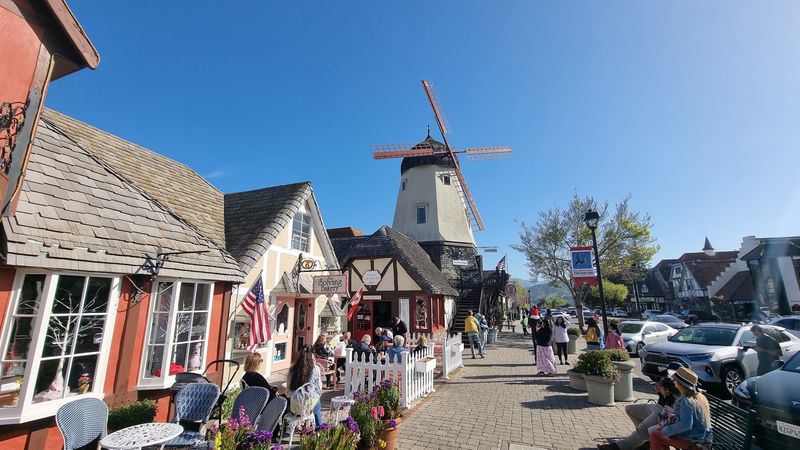
A group of Danish educators arrived in California’s Santa Ynez Valley in 1911, took one look at the rolling hills, and apparently decided it looked enough like home to stay. They built Solvang, which means “sunny field” in Danish, and filled it with windmills, half-timbered buildings, and bakeries that smell like warm pastry from half a block away.
Aebleskiver, a round Danish pancake dusted with powdered sugar, is the town’s unofficial mascot food. Grab a plate from one of the bakeries and eat it while wandering past replicas of the Little Mermaid statue and traditional Danish architecture.
The whole experience feels genuinely charming rather than kitschy, which is harder to pull off than it sounds.
Surrounding the town, the Santa Ynez Valley wine region offers some of California’s best Pinot Noir and Chardonnay. The movie “Sideways” was filmed in this area, sparking a wine tourism boom that never really slowed down.
Solvang pairs perfectly with a winery afternoon followed by a Danish pastry breakfast the next morning, making it an easy two-day itinerary to love.
Bisbee, Arizona
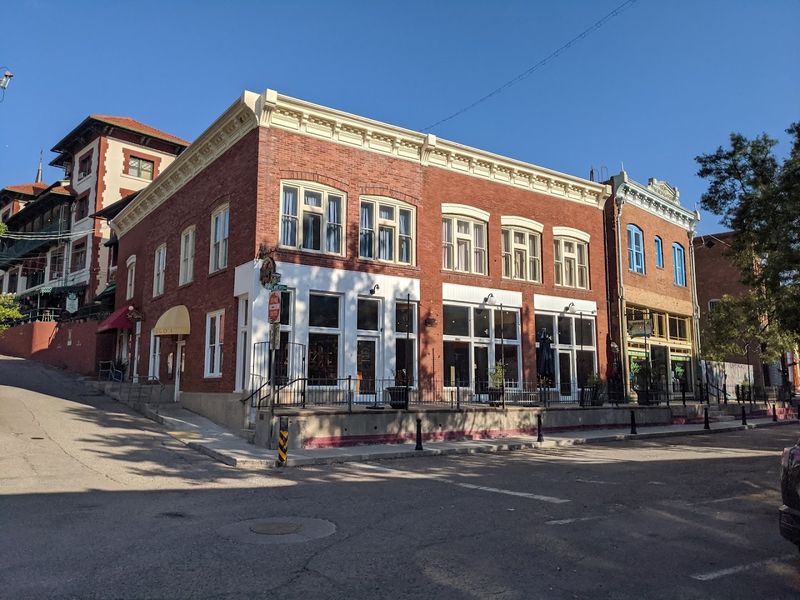
Bisbee clings to the Mule Mountains of southern Arizona like it refused to let go when the copper ran out. At its peak in the early 1900s, it was one of the largest cities in the Southwest, producing more copper than almost anywhere on earth.
When the mines closed, artists moved in, and what they created is one of the most visually striking small towns in America.
Buildings are stacked up the steep hillsides in layers of purple, teal, and terracotta, connected by outdoor staircases that double as neighborhood streets. The Copper Queen Hotel has been operating since 1902 and is famously rumored to be haunted, which only adds to its appeal.
Ghost tours wind through the town most evenings, and even skeptics tend to find them entertaining.
The Bisbee 1000 Stair Climb is an annual event where participants race up and down the town’s many outdoor staircases. The Main Street galleries showcase work from local painters, sculptors, and jewelers who have made this mountain community their creative home.
Bisbee rewards slow exploration, so plan to spend at least two full days wandering without much of an agenda.
Helen, Georgia
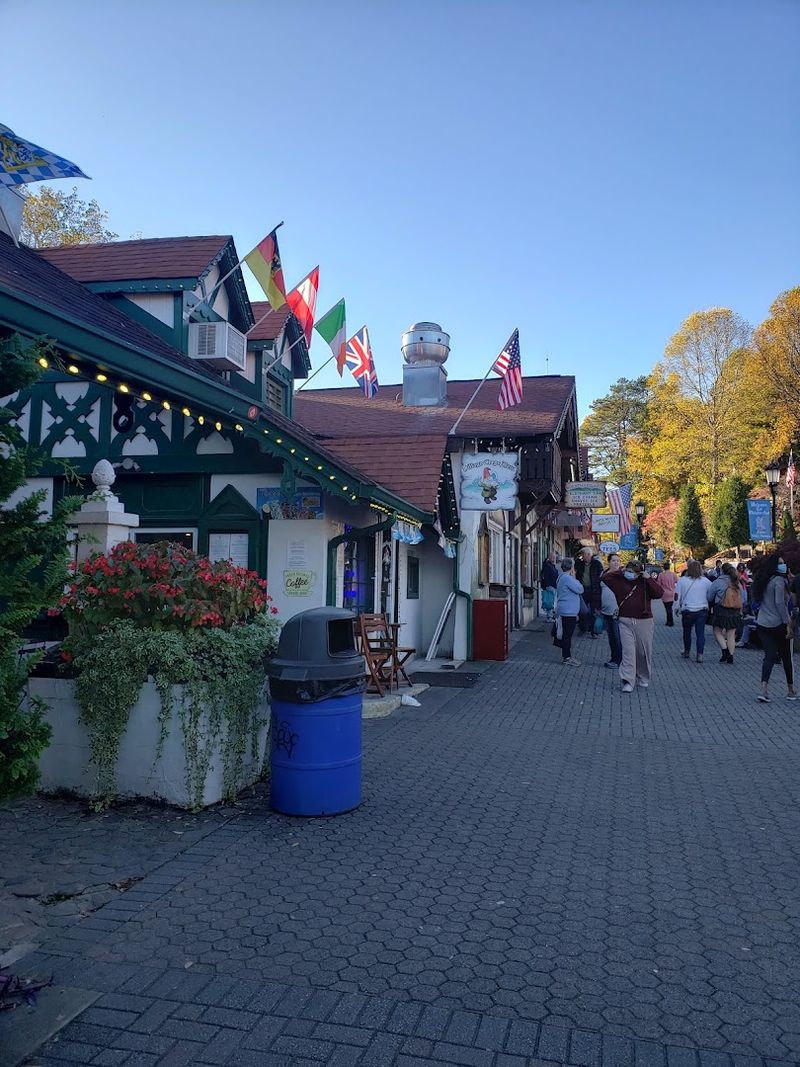
Tucked into the Blue Ridge Mountains of north Georgia, Helen is the South’s most unexpected surprise. In 1969, a group of local business owners hired an artist to sketch what the town might look like as a Bavarian village, and then they actually built it.
Cobblestone streets, alpine-style storefronts, and a river running right through the middle of town appeared almost overnight.
Tubing on the Chattahoochee River is the town’s signature summer activity, and on a hot Georgia afternoon, floating lazily downstream with an inner tube is about as good as life gets. Oktoberfest runs for weeks in the fall and draws visitors from across the Southeast for German food, live music, and dancing.
The autumn leaves in the surrounding mountains add a spectacular backdrop to the whole celebration.
Smithgall Woods State Park sits just minutes from town and offers some of the best trout fishing and hiking trails in Georgia. Unicoi State Park nearby has a lodge, a lake, and trails that are especially beautiful in spring when wildflowers bloom.
Helen is quirky in the best way, a town that committed fully to a theme and made it work beautifully.
Carmel-by-the-Sea, California
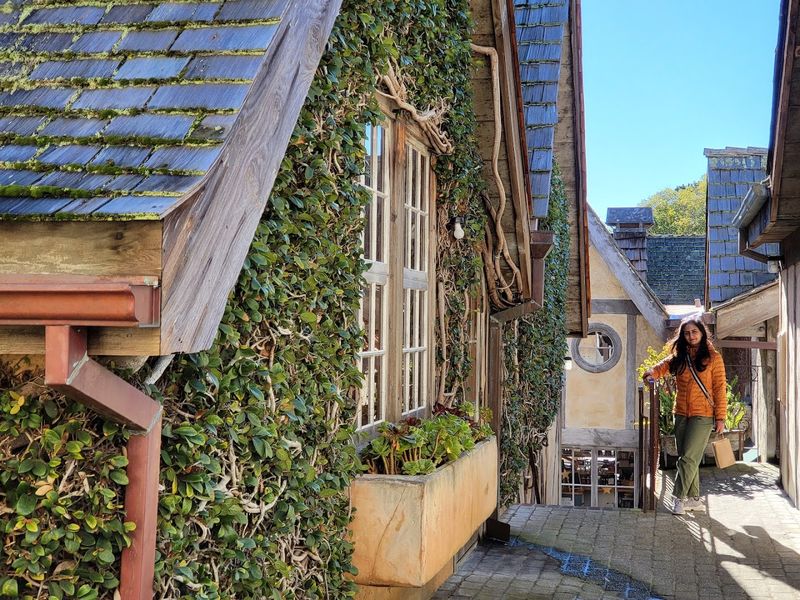
Carmel-by-the-Sea has a rule against wearing high heels without a permit, which tells you something important about its personality right away. This tiny coastal town on the Monterey Peninsula operates on its own charming set of logic, where street addresses are rare, chain restaurants are banned, and fairytale stone cottages sit steps from a white-sand beach.
The Hansel and Gretel cottages near the beach were built in the 1920s by a film set designer who brought his Hollywood imagination to residential architecture. Art galleries outnumber almost every other type of business in town, and the quality of work on display is genuinely impressive.
First Murphy Park hosts outdoor performances and events that feel perfectly in tune with the town’s creative spirit.
Ocean Avenue, the main street, slopes gently down toward the beach and is lined with boutiques, wine tasting rooms, and restaurants that punch well above their weight. Sunset at Carmel Beach is a communal event where locals and visitors gather with dogs and blankets to watch the sky change colors over the Pacific.
Few places in America feel as deliberately, unapologetically beautiful as Carmel-by-the-Sea.
Jim Thorpe, Pennsylvania
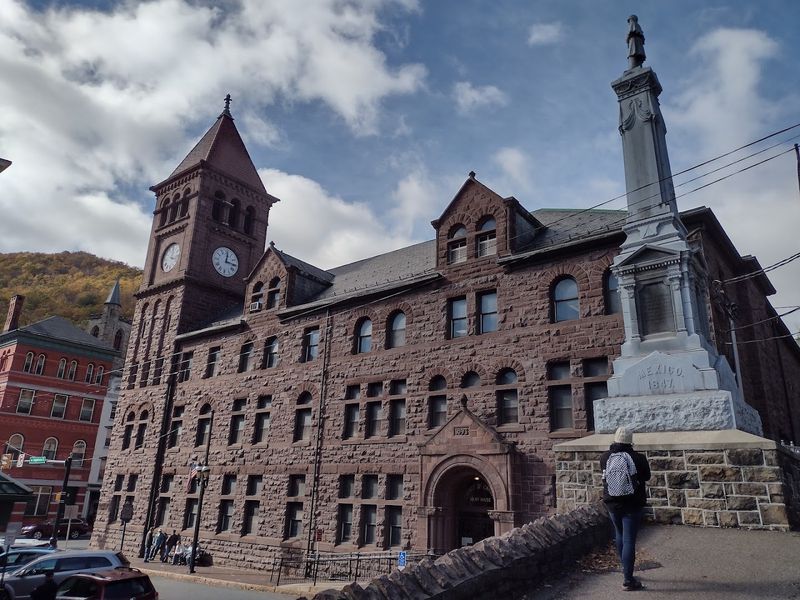
Jim Thorpe is the kind of town where you round a bend in the road and suddenly feel like you have been transported to 19th-century Switzerland. Perched in the Lehigh Gorge of the Pocono Mountains, this Victorian gem earned its nickname as the “Switzerland of America” from visitors who could not believe the scenery was real.
The town was renamed in 1954 to honor Olympic athlete Jim Thorpe, though he never actually lived here.
The historic Asa Packer Mansion sits above the town and is one of the best-preserved Italianate homes in the country, with original furnishings and wallpaper still intact. The Lehigh Gorge Scenic Railway offers a narrated train ride through the gorge that is especially spectacular in fall when the leaves turn every shade of orange and red.
Cyclists love the Lehigh Gorge Trail, which follows the river for miles through some of Pennsylvania’s most dramatic landscape.
The town’s walkable streets are lined with antique shops, independent restaurants, and galleries that keep weekend visitors happily occupied. Carbon County Courthouse, a stunning 1893 building, anchors the downtown with architectural gravitas.
Jim Thorpe rewards those who take the time to look closely at its layered history and scenery.
Galena, Illinois
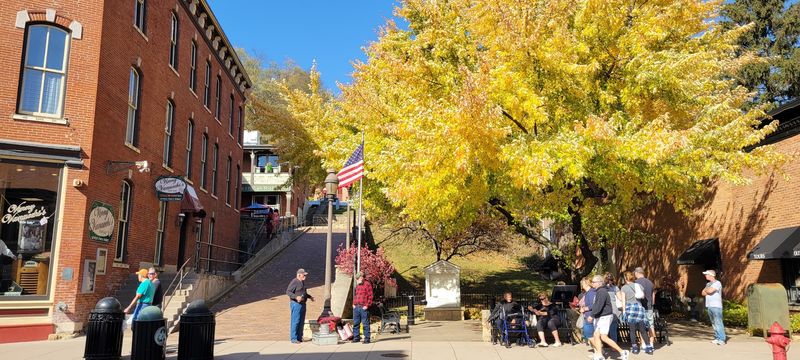
Before Chicago existed as a major city, Galena was already one of the most important towns in the entire Midwest. Built on lead mining wealth in the early 1800s, it developed a Main Street so elegant and well-constructed that most of it still stands today, largely unchanged.
Walking through Galena genuinely feels like strolling through a living museum of American commercial architecture.
Ulysses S. Grant lived here before the Civil War, and his restored home is open for tours that offer a surprisingly personal look at the man behind the uniform.
The DeSoto House Hotel, which opened in 1855, is the oldest operating hotel in Illinois and has hosted Abraham Lincoln and Mark Twain among its notable guests. History here is not behind velvet ropes but woven into the everyday fabric of the town.
The surrounding Jo Daviess County landscape rolls into gentle green hills that look nothing like the flat Illinois most people imagine. Eagle Ridge Resort offers golf, spa services, and lake activities just outside town for visitors who want more than history.
Galena’s combination of authenticity, scenery, and genuine small-town warmth makes it one of the Midwest’s most underrated weekend destinations.
Ouray, Colorado
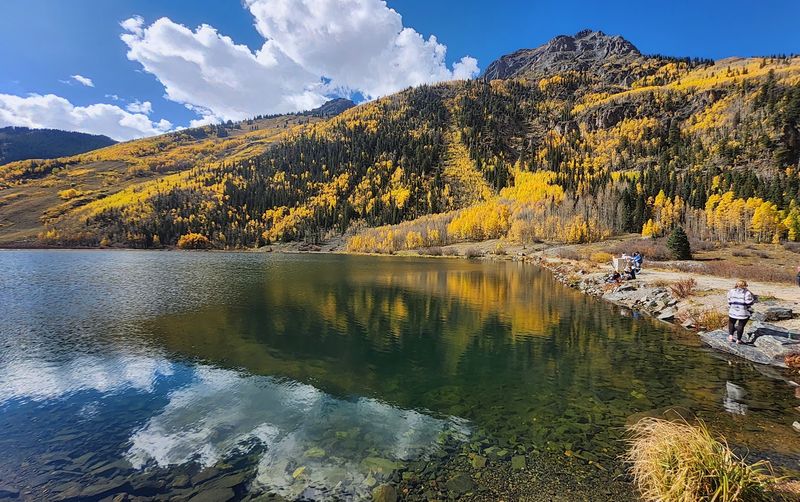
Ouray sits in a box canyon so perfectly framed by the San Juan Mountains that it looks like someone placed it there for dramatic effect. At 7,700 feet above sea level, the air is crisp, the views are staggering, and the town of just under 1,000 people somehow packs in enough attractions to fill a long weekend without any effort.
The Ouray Hot Springs Pool is fed by natural geothermal springs and stays open year-round, making a winter soak with snowflakes falling around you one of Colorado’s most surreal pleasures. Box Canyon Falls Park sits at the edge of town where a 285-foot waterfall thunders through a narrow slot canyon that you can walk directly into.
The sound alone is worth the short hike.
Ice climbers from around the world travel to Ouray every January for the Ice Festival, when the Ouray Ice Park transforms a gorge into a vertical playground of frozen waterfalls. The Million Dollar Highway, a stretch of US-550 south of town, offers some of the most dramatic mountain driving in North America, with sheer cliffs and no guardrails for long stretches.
Ouray earns every bit of its Colorado Switzerland reputation.
Astoria, Oregon
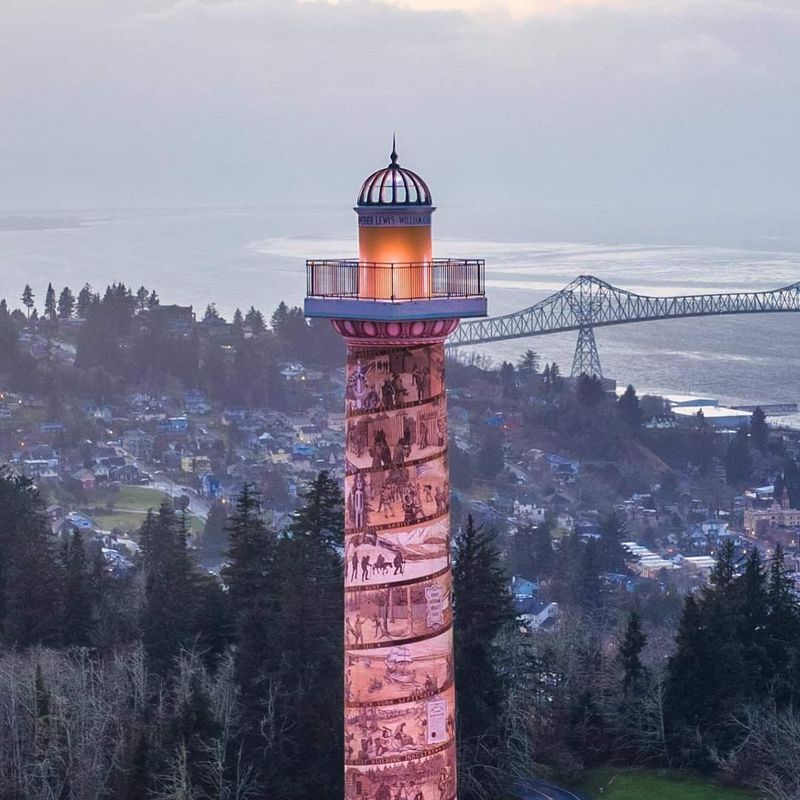
Astoria holds a distinction most American towns can only dream about: it is the oldest American settlement west of the Rocky Mountains, established in 1811. Sitting where the Columbia River meets the Pacific Ocean, it has the kind of layered, lived-in character that takes centuries to develop.
Victorian homes cascade down forested hillsides toward a waterfront that still smells of salt, rain, and history.
Movie fans may recognize Astoria as the filming location for “The Goonies,” “Kindergarten Cop,” and “Short Circuit,” and the town leans into this identity with genuine enthusiasm. The Goonies house is a real address on 38th Street, and visiting it has become something of a pilgrimage for fans of the 1985 film.
The Astoria Column rises 125 feet above town and rewards climbers with panoramic views of the river, ocean, and surrounding mountains.
The waterfront trolley runs along the riverfront on summer weekends and offers a relaxed way to explore the breweries, seafood restaurants, and maritime museum that anchor the downtown. Dungeness crab is the menu star at most local restaurants, served fresh from the nearby Pacific.
Astoria is the kind of place that makes you wonder why it took you so long to visit.
Taos, New Mexico
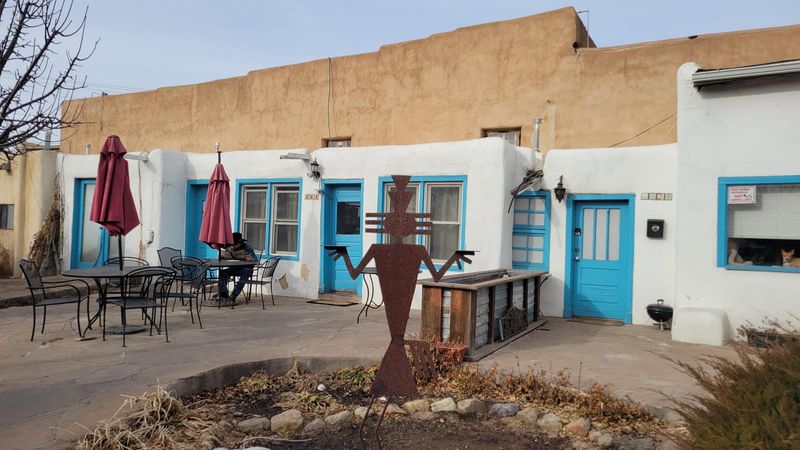
Few American towns carry as much cultural weight as Taos, where three distinct civilizations have shaped the same landscape over thousands of years. Native American, Spanish colonial, and Anglo-American traditions exist here side by side, visible in the architecture, the food, the art, and the rhythms of daily life.
The result is a town unlike anything else in the American Southwest.
Taos Pueblo is the undeniable centerpiece, a multi-story adobe complex that has been continuously inhabited for over 1,000 years and holds UNESCO World Heritage status. Guided tours of the Pueblo offer a respectful window into a living community with deep spiritual and cultural traditions.
Photography is permitted in some areas, but visitors are expected to follow the community’s specific guidelines carefully.
The Taos art scene has attracted painters, sculptors, and writers since Georgia O’Keeffe and her contemporaries discovered the quality of light here in the early 20th century. Taos Ski Valley, just 19 miles from town, offers world-class skiing in winter and stunning hiking in summer.
The Rio Grande Gorge Bridge spans a 650-foot-deep canyon just west of town, and standing at the railing and looking down is a genuinely breathtaking experience that no photograph fully captures.
Frankenmuth, Michigan
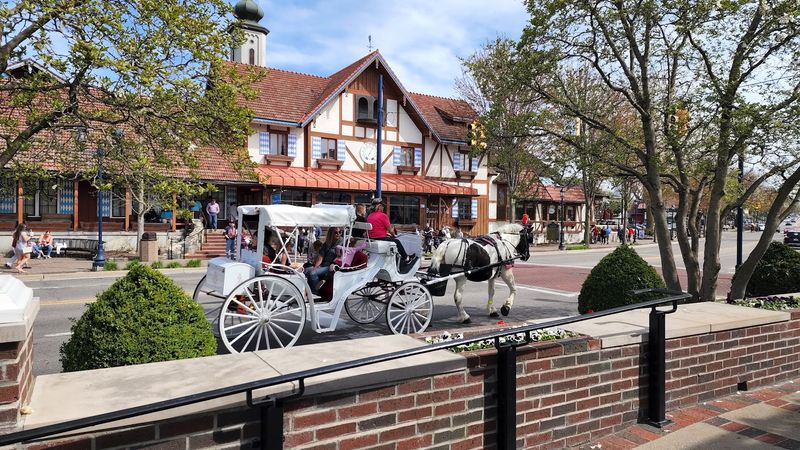
Frankenmuth smells like roasted chicken, fresh pretzels, and something suspiciously close to Christmas all year round. This small Michigan town of about 5,000 people welcomes over three million visitors annually, making it one of the most visited small towns in the entire country.
The secret is a combination of genuinely good food, festive atmosphere, and the world’s largest Christmas store.
Bronner’s Christmas Wonderland covers 2.2 acres of retail space and stocks over 50,000 holiday ornaments and decorations from around the world. It is open 361 days a year, and people drive hours specifically to shop there in July.
The store’s exterior is illuminated by 100,000 lights every evening, which creates a surreal glow visible from the highway.
Zehnder’s and Bavarian Inn Restaurant, two family-style restaurants that have been serving all-you-can-eat chicken dinners since the mid-1800s, remain the town’s most beloved institutions. Horse-drawn carriage rides clip-clop along the Frankenmuth River in warmer months, and the covered wooden Holz-Brucke bridge is one of the most photographed spots in Michigan.
Frankenmuth commits to its Bavarian identity with a sincerity that makes the whole experience genuinely fun rather than forced.
Port Townsend, Washington
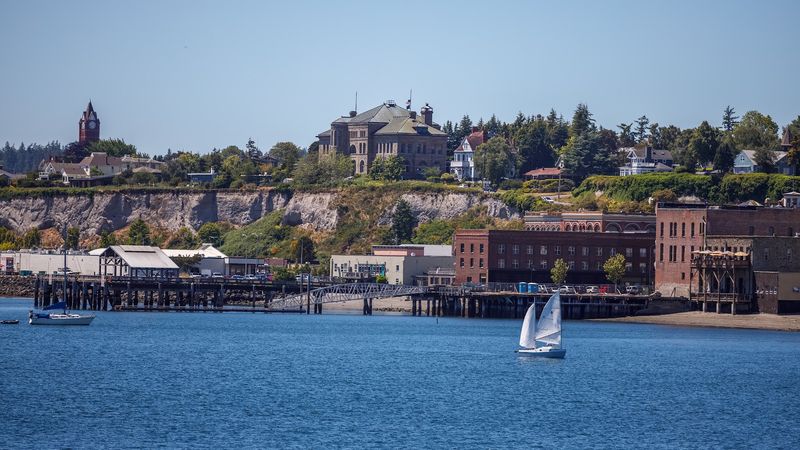
Port Townsend was supposed to become the next great Pacific Northwest city in the 1880s, rivaling Seattle and Portland in size and importance. The railroad never arrived, the boom went bust, and the town was left with block after block of beautifully built Victorian commercial buildings that nobody bothered to tear down.
That accidental preservation is now the town’s greatest treasure.
The uptown residential neighborhood sits on a bluff above the waterfront and is filled with ornate Queen Anne and Italianate homes that local preservation groups have maintained with impressive dedication. Fort Worden State Park, a decommissioned military base turned arts campus, hosts the Centrum performing arts festivals and is the filming location for the 1982 film “An Officer and a Gentleman.” The park’s concrete gun batteries and lighthouse make for fascinating exploration.
Independent bookstores, art galleries, and farm-to-table restaurants fill the downtown with the kind of local character that feels earned rather than manufactured. The ferry to Whidbey Island leaves from Port Townsend and offers a scenic shortcut to further exploration of the Puget Sound region.
Olympic National Park is less than an hour away, making Port Townsend an ideal base for a nature-focused Pacific Northwest weekend.
Sedona, Arizona
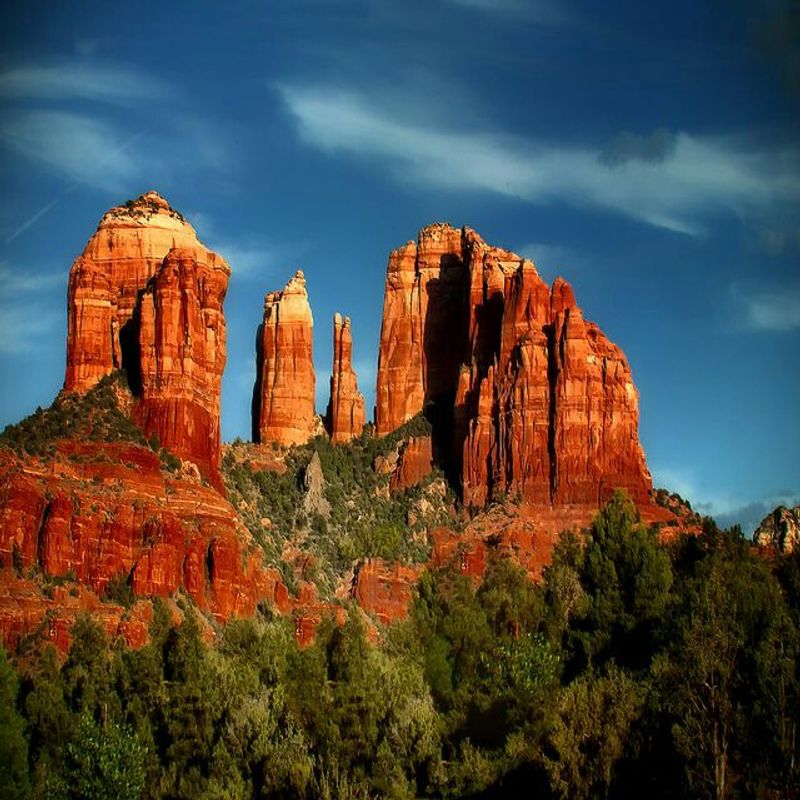
The red rocks of Sedona do something to people. Visitors who arrived skeptical about the town’s spiritual reputation often leave quietly reconsidering their position after watching the sunset paint Cathedral Rock in shades of amber and rose.
Whether you credit the geology or the so-called energy vortexes, something about this place has a way of slowing people down in the best possible sense.
Sedona has managed to keep the feel of a small town despite drawing millions of visitors each year, with a downtown area centered on Tlaquepaque Arts and Shopping Village, a beautifully designed open-air complex modeled after a traditional Mexican village. Pink Jeep Tours are practically a rite of passage, taking visitors off-road through terrain that looks like it belongs on another planet.
The guides are knowledgeable, entertaining, and genuinely passionate about the landscape they navigate daily.
Hiking trails range from easy walks to strenuous all-day climbs, with Devil’s Bridge Trail rewarding hikers with a natural sandstone arch and views that stretch for miles. The Sedona International Film Festival brings independent cinema to the red rocks every February.
Stay for at least two nights to give yourself time to actually slow down and absorb what makes this place so quietly extraordinary.
Cape May, New Jersey
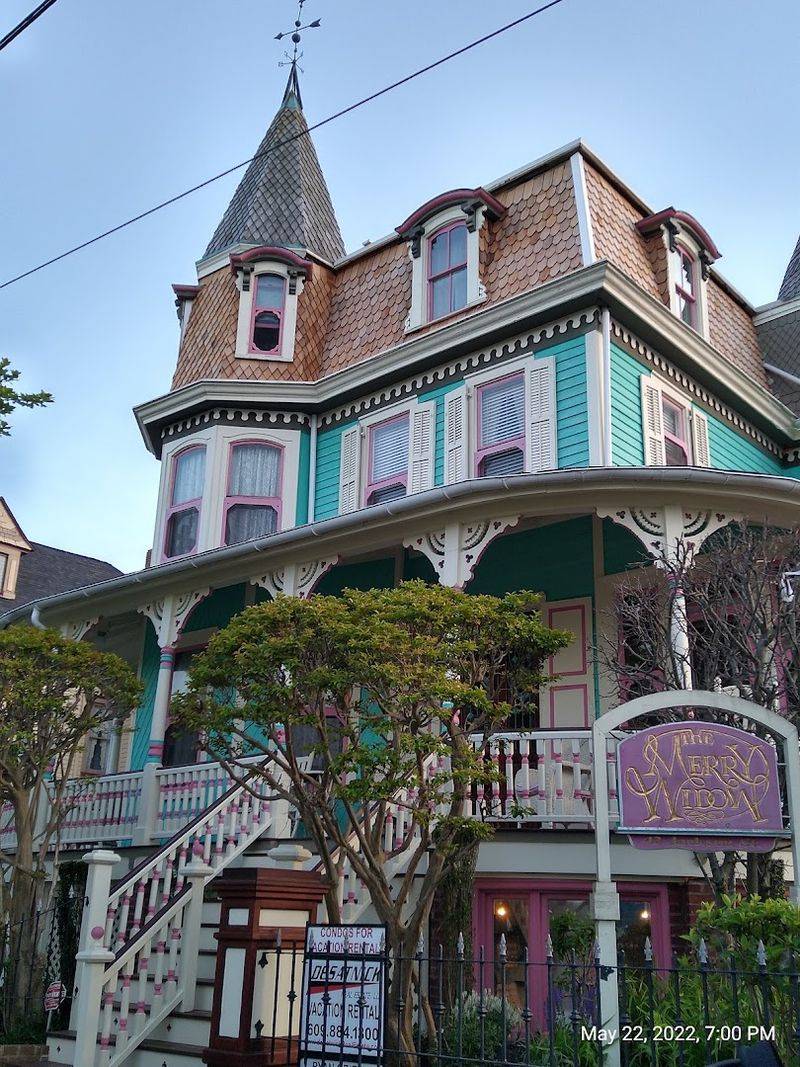
Cape May has been welcoming summer visitors since the 1700s, making it the oldest seaside resort in the United States by a significant margin. Presidents Abraham Lincoln and Franklin Pierce both vacationed here, and the town’s collection of Victorian architecture is so extensive and well-preserved that the entire city is a National Historic Landmark.
Very few American towns can claim that distinction.
The famous “painted ladies,” ornate Victorian homes painted in three or more contrasting colors, line the streets in every direction and create a neighborhood that feels like stepping inside a 19th-century postcard. The Washington Street Mall is a pedestrian shopping area where independently owned boutiques, ice cream shops, and cafes do a lively business throughout the summer season.
Horse-drawn carriage tours offer a relaxed way to learn the history behind the homes.
Cape May’s beaches are wide, clean, and backed by dunes rather than boardwalk noise, giving them a quieter atmosphere than many New Jersey shore towns. The Cape May Lighthouse, built in 1859, is still active and open for climbing, with 199 steps leading to a view that stretches across the Delaware Bay.
Bird watchers consider Cape May one of the top migration hotspots in North America, with hundreds of species passing through each fall.
Share this story