North Carolina is hiding something sparkly beneath its mountains, riverbeds, and red clay soil. The state has produced more gem-quality minerals than any other east of the Mississippi, making it a true paradise for rockhounds, casual adventurers, and curious kids alike.
From rare emeralds to deep red garnets and shimmering quartz crystals, the variety here is jaw-dropping. Pack a bucket, grab a screen, and get ready to discover what the Tar Heel State has been keeping underground all these years.
Emerald Hollow Mine — Hiddenite, North Carolina
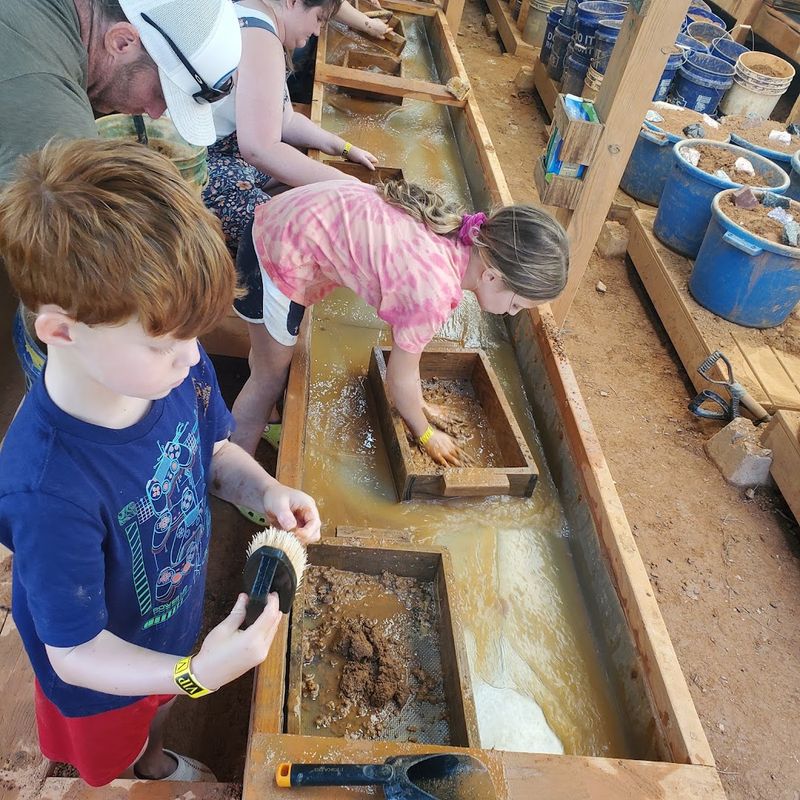
Step onto the only public emerald mine in the entire United States and try not to feel a little electric about it. Emerald Hollow Mine in Hiddenite, North Carolina, gives visitors three ways to hunt: sluicing, creek searching, or full-on digging.
Each method has its own thrill level, so whether you are a first-timer or a seasoned rockhound, there is something perfectly suited to your style.
The mineral variety here is genuinely impressive. Alongside emeralds, you might pull up hiddenite, sapphires, garnets, amethyst, or quartz crystals from your bucket.
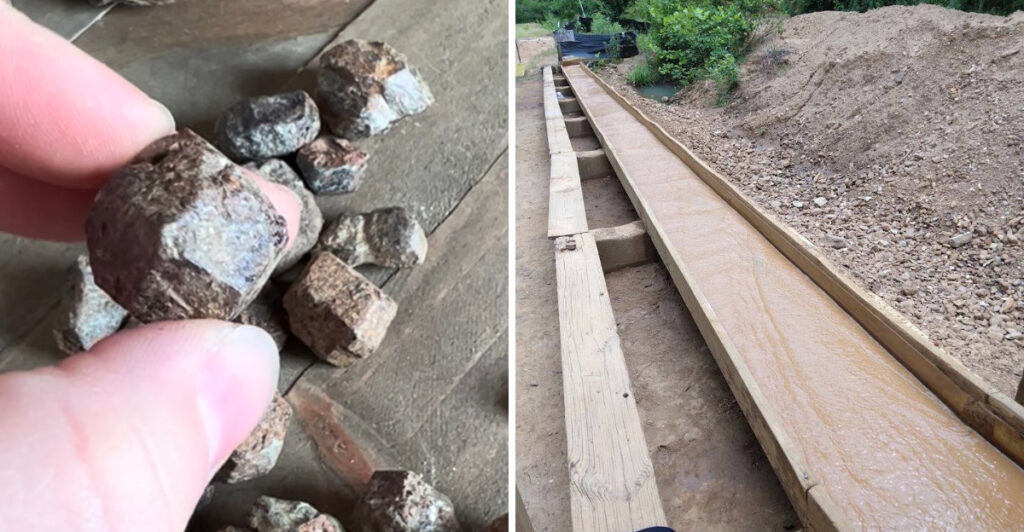
The site has produced over 60 different minerals, which means every scoop of material carries real potential. Kids absolutely love the sluice troughs, and adults tend to lose track of time entirely.
Admission is affordable, and the staff are knowledgeable and happy to help beginners identify what they find. Buying a larger bucket of gem-bearing material increases your odds of scoring something special.
Many visitors leave with small but genuine gemstones they found themselves, which makes the experience far more memorable than picking something off a store shelf. This place earns its legendary reputation every single day.
Mason Mountain Mine — Franklin, North Carolina
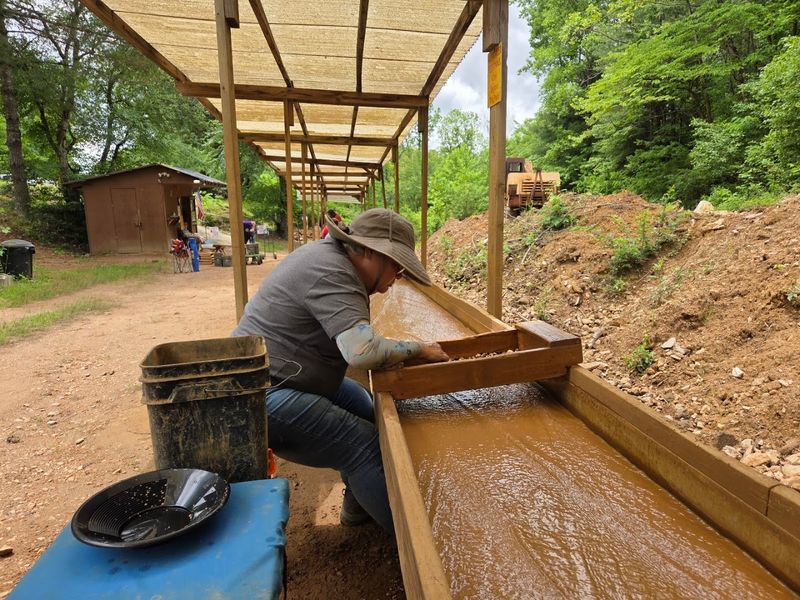
Franklin, North Carolina, calls itself the gem capital of the world, and Mason Mountain Mine makes a pretty strong case for that title. Tucked into the hills of Macon County, this mine lets visitors sift through native material pulled directly from the earth.
No salted buckets here, just honest-to-goodness gemstone hunting the old-fashioned way.
Sapphires are the big draw, showing up in shades of blue, yellow, and even pink. But rubies, moonstones, smoky quartz, and garnets also make regular appearances in the sluice troughs.
The mine provides all the equipment you need, so there is no reason to stress about showing up unprepared. Just bring your enthusiasm and a little patience.
The setting itself adds to the fun. Surrounded by forested mountains and cool mountain air, Mason Mountain has the kind of laid-back atmosphere that makes a half-day trip feel like a full vacation.
Families with children find it especially enjoyable because the sluicing process is easy to learn and endlessly rewarding. Even if you walk away with a small garnet or a rough sapphire, you will leave with a story worth telling.
Franklin’s gem mining tradition runs deep, and this mine keeps it alive beautifully.
Cherokee Ruby & Sapphire Mine — Franklin, North Carolina
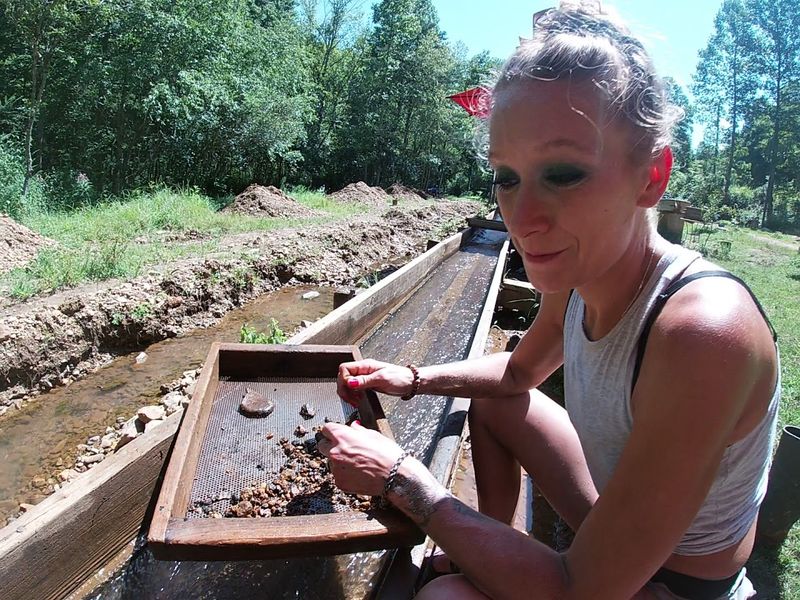
Some mining operations sneak store-bought gems into their buckets to guarantee happy customers. Cherokee Ruby and Sapphire Mine does not play that game.
This family-run operation near Franklin is proudly unsalted, meaning every ruby, sapphire, and garnet you find was already sitting in that mountain soil long before you showed up.
That honesty makes a real difference. When you pull a deep red ruby out of your screen, you know it is the genuine article, not a planted prop.
Visitors regularly discover corundum minerals in a surprising range of colors, and the occasional moonstone or beryl crystal adds extra excitement to an already fun outing.
The staff here genuinely enjoy watching people make their first big find. They will show you exactly what to look for and explain how to tell a rough gemstone from an ordinary pebble.
The mine is open seasonally, so checking ahead before making the drive is a smart move. Groups and families tend to spread out along the sluice troughs and get wonderfully competitive about who can find the biggest stone.
Bring sunscreen, wear clothes you do not mind getting wet, and prepare to be completely hooked on gem hunting by the end of the afternoon.
Cowee Valley — Macon County, North Carolina
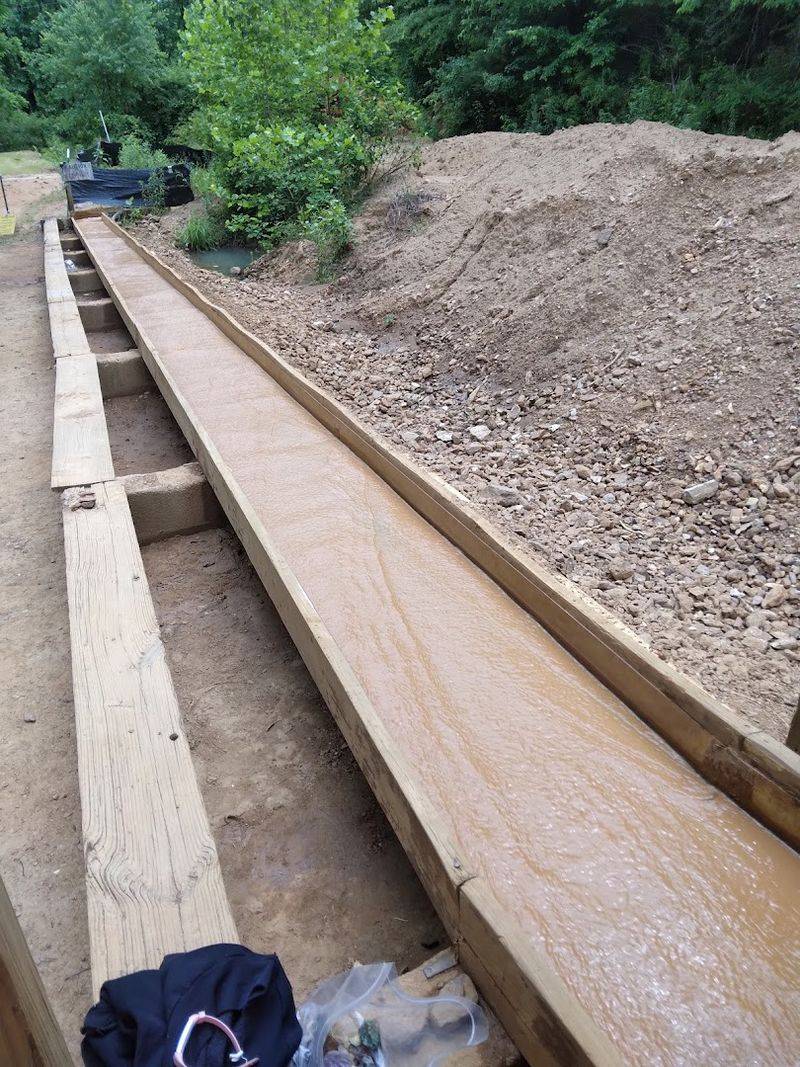
Cowee Valley has been producing gemstones for centuries, and it still has plenty left to offer. Tucked into Macon County’s lush landscape, this historic mineral district stretches along a valley that has attracted gem seekers since the 1800s.
Multiple small mines operate along Cowee Creek Road, giving visitors plenty of options to choose from on a single trip.
Rubies and sapphires are the headliners, but corundum minerals here come in a wild range of colors that can genuinely surprise you. Moonstones, garnets, and occasional rare finds round out the experience.
The material in this valley formed deep inside the Appalachian Mountains under incredible heat and pressure, which is part of why the gemstones are so varied and high quality.
Several family-operated mines along the valley offer fee-dig experiences at reasonable prices. Some use sluice troughs while others let you dig directly into native material, giving you more control over the hunt.
The area has a wonderfully old-school feel, with small signs pointing down gravel roads toward mines that have been in families for generations. If you want to understand why Franklin calls itself the gem capital of the world, spending a morning exploring Cowee Valley will answer that question pretty convincingly.
Little Pine Garnet Mine — Madison County, North Carolina
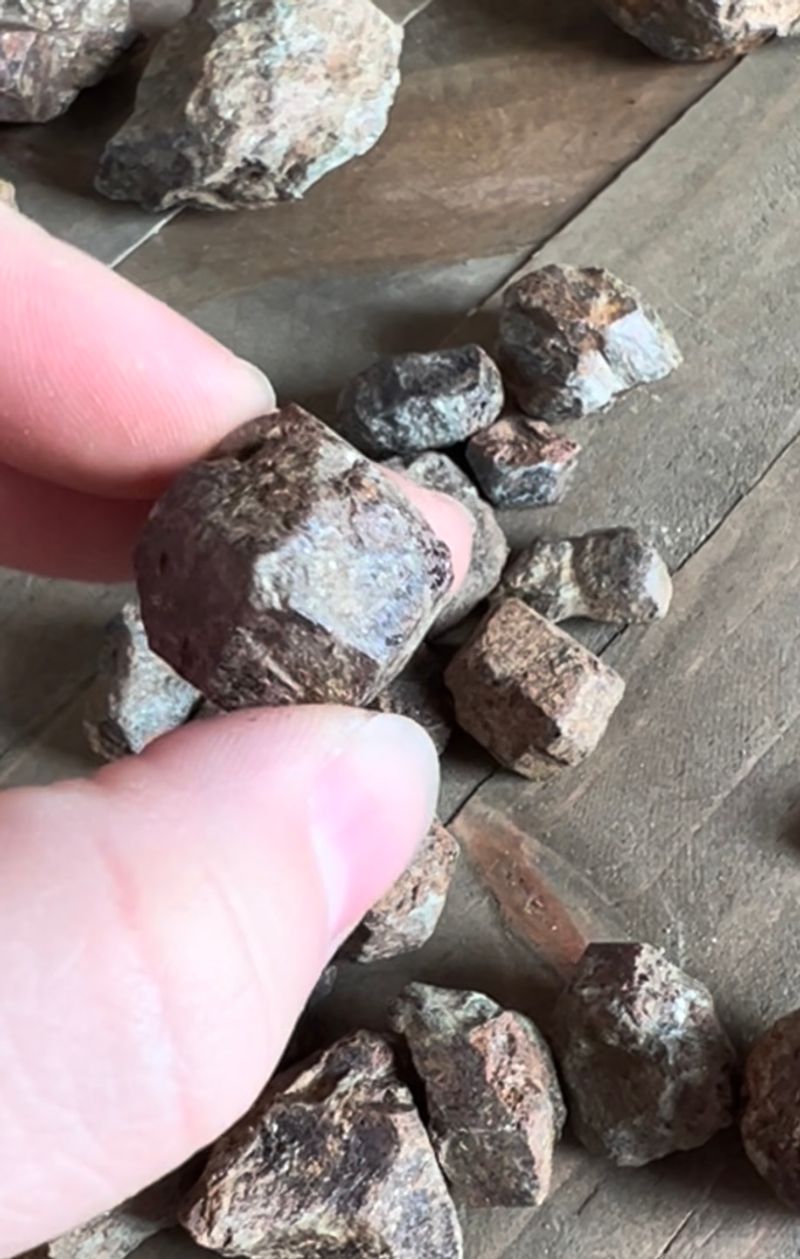
Garnet lovers, this one was practically made for you. Little Pine Garnet Mine sits in the scenic mountains of Madison County and has long been a favorite collecting spot for anyone obsessed with those gorgeous deep red crystals.
The garnets here are almandine variety, known for their rich wine-red color and impressive size compared to what you find at most other sites.
Quartz crystals also show up regularly alongside the garnets, giving collectors a nice bonus mineral to search for while digging through the rocky soil. The mountain setting is genuinely beautiful, with forested ridges and clean air that make the whole experience feel more like an adventure than a chore.
Even on a slow day, the scenery alone makes the trip worthwhile.
Access and availability can vary by season, so contacting the site before visiting is always a good idea. Bring sturdy boots, gloves, and a small rock hammer to make the most of your time here.
Experienced rockhounds recommend splitting open larger rocks to find garnets still embedded in their matrix, which produces some truly striking specimens. Beginners should not feel intimidated though, because even casual searching along the surface often turns up perfectly formed garnet crystals just waiting to be noticed.
Emerald Village — Little Switzerland, North Carolina
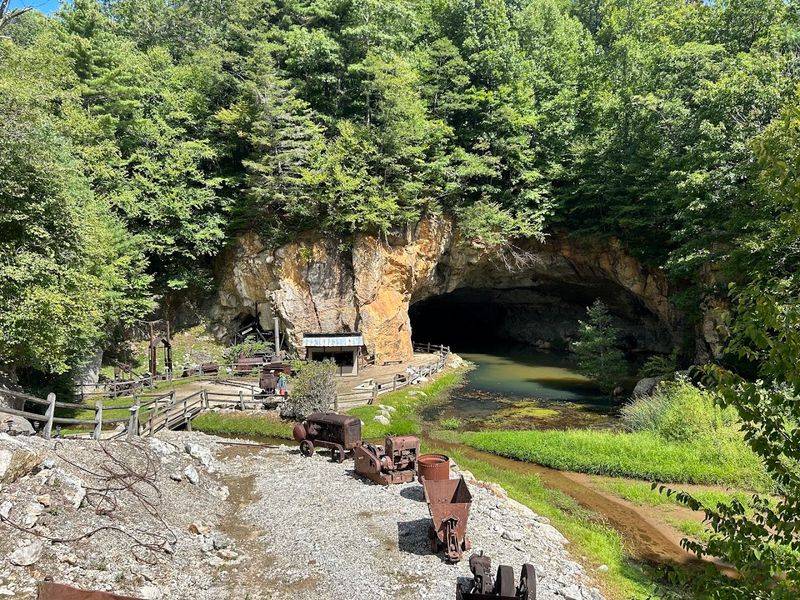
History and hands-on gem hunting collide in the most satisfying way at Emerald Village, perched in the Blue Ridge Mountains near Little Switzerland. This site combines a working gem-hunting attraction with a genuine historic mining district, complete with old tunnels and equipment that tell the story of North Carolina’s mining past.
It is equal parts museum and outdoor adventure.
Visitors can pan for gems in the sluice troughs and search for emeralds, aquamarine, quartz crystals, garnets, and other minerals. The gem-bearing material comes from local sources, keeping the experience authentic and connected to the region’s actual geological history.
Tours of the historic Bon Ami Mine offer a fascinating peek underground that most visitors find unexpectedly memorable.
The location itself is hard to beat. Sitting at elevation in the Blue Ridge, Emerald Village enjoys cooler temperatures even in summer, making it a welcome escape from the heat of lower elevations.
The gift shop carries a solid selection of cut gemstones and mineral specimens for those who want to take something polished home alongside their raw finds. Families, school groups, and solo rockhounds all tend to rate this spot highly.
Plan for at least two to three hours so you can truly soak in everything the village has to offer.
Crabtree Emerald Mine Area — Mitchell County, North Carolina
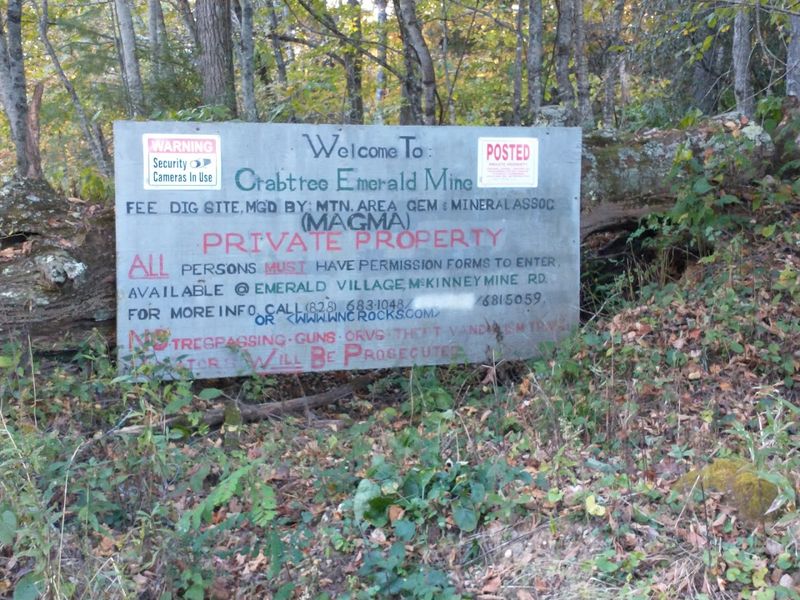
Few names in North Carolina gem lore carry as much weight as Crabtree. The Crabtree Emerald Mine district in Mitchell County has produced some of the finest emerald specimens ever found in the eastern United States, with crystals displaying that deep, saturated green color that makes emerald collectors genuinely weak in the knees.
The area’s geological conditions were simply perfect for emerald formation millions of years ago.
Active commercial mining in the district is limited today, but the surrounding region remains a magnet for mineral enthusiasts who understand its historical significance. Rockhounds with experience in reading geological maps sometimes explore accessible areas in search of float material and surface specimens.
Finding even a small fragment of genuine emerald-bearing rock from this district is considered a meaningful score.
The Crabtree area is not a traditional fee-dig operation, so visitors need to do their homework before heading out. Research current access rules, land ownership, and any applicable collecting regulations before planning a trip.
Connecting with local mineral clubs or the Spruce Pine area rockhounding community can point you toward legally accessible spots nearby. The area rewards patient, well-prepared collectors who appreciate the history embedded in every piece of rock they pick up.
Crabtree’s legacy alone makes it worth adding to any serious North Carolina rockhounding itinerary.
Pisgah National Forest — Western North Carolina
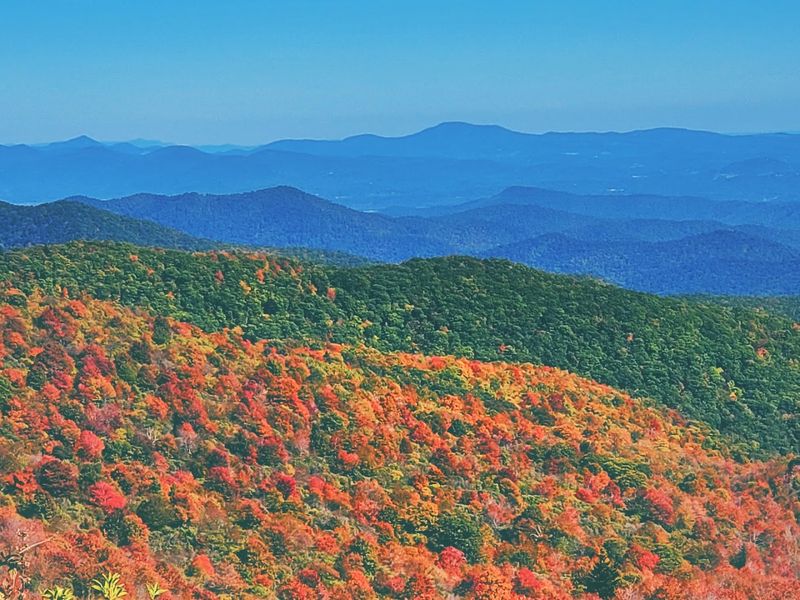
Not every great rockhounding experience happens at a fee-dig mine, and Pisgah National Forest proves that point beautifully. Spread across western North Carolina’s mountains, portions of this massive forest allow casual surface collecting under specific federal guidelines.
Quartz crystals, mica sheets, garnets, and fascinating rock formations reward hikers who keep their eyes open and their pace slow.
The key word here is casual. Federal rules limit the quantity of material you can collect and prohibit the use of motorized tools or heavy digging equipment.
Surface collecting, meaning picking up what you can see without significant excavation, is generally permitted in non-designated wilderness areas. Always verify current Forest Service regulations before collecting anything, since rules can change and vary by specific zone within the forest.
What makes Pisgah special is the sheer scale of the landscape. You are not just hunting minerals here, you are moving through one of the most biologically rich forests in the eastern United States.
Waterfalls, ridgeline views, and old-growth trees share space with geological wonders that most visitors walk right past without noticing. Going with someone who knows basic geology makes a huge difference.
A trained eye can spot a quartz vein or garnet-bearing schist exposure that would look like plain old rock to an untrained observer. The forest rewards curiosity generously.
Hiddenite Community — Alexander County, North Carolina
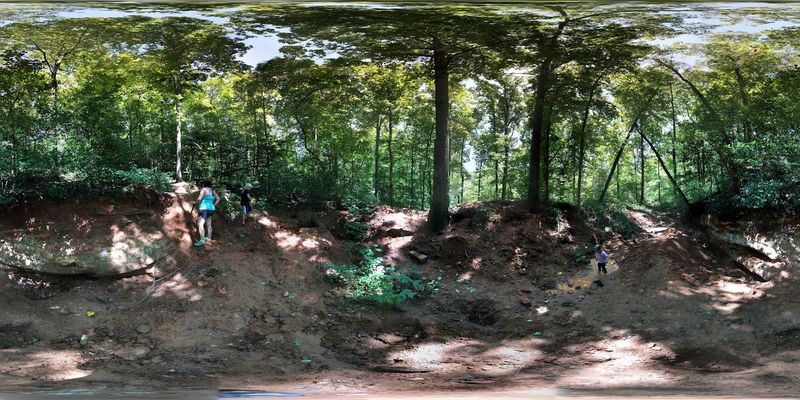
A town so gem-rich that a rare mineral was literally named after it deserves a spot on every rockhound’s radar. The Hiddenite community in Alexander County is where the rare green spodumene mineral hiddenite was first discovered in 1879, and the area has been producing extraordinary gemstones ever since.
Emeralds, hiddenite, quartz varieties, and other minerals have all come from this relatively small but geologically exceptional district.
Emerald Hollow Mine, covered earlier in this list, operates right in this community and gives visitors direct access to the gem-bearing ground. But the broader Hiddenite area carries its own historical weight that goes beyond any single attraction.
Collectors and geologists have been drawn here for well over a century, and significant emerald and hiddenite specimens from this locality sit in museum collections around the world.
Walking through Hiddenite feels a little like stepping into living geological history. The landscape looks peaceful and rural, but beneath the surface it holds one of America’s most unusual concentrations of rare minerals.
Local knowledge is invaluable here, so striking up conversations with longtime residents or visiting the area’s small attractions can open doors to information you will not find in any guidebook. Alexander County may be small, but its contribution to American gem history is genuinely outsized and worth celebrating.
Cullasaja River Area — Macon County, North Carolina
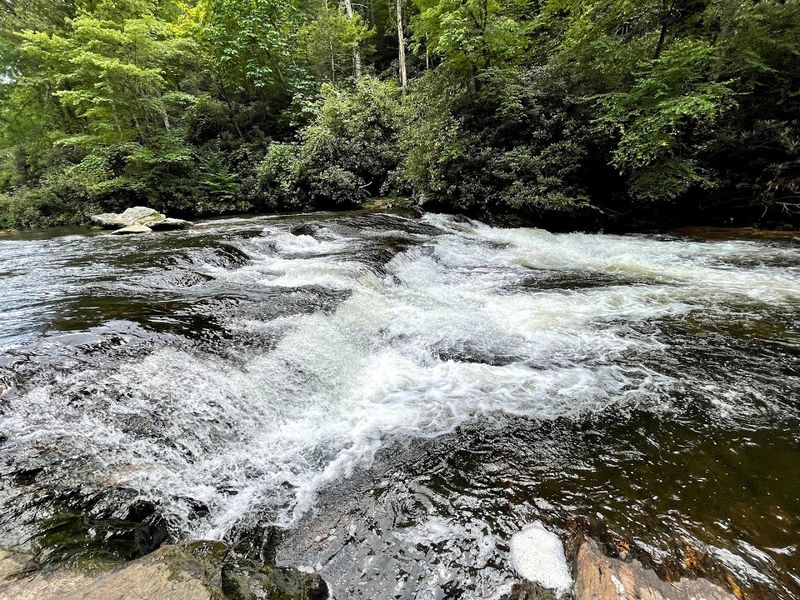
Water and gemstones have a long working relationship in Macon County, and the Cullasaja River watershed is one of the best examples of that partnership in the entire state. Experienced rockhounds regularly work the gravel bars and stream exposures of this scenic river system, searching for quartz, garnets, citrine, amethyst, and the occasional sapphire or emerald that has tumbled downstream from mineral-rich source rocks above.
Stream collecting requires a different skill set than sluice mining. You are reading the water, looking for natural traps where heavy minerals settle, and learning to spot color in wet gravel that all looks similar at first glance.
It takes practice, but the process itself is deeply satisfying once you start recognizing what you are looking at. The gorge scenery along the Cullasaja is spectacular as a bonus.
Access points vary, and some portions of the watershed cross private land, so checking land ownership and regulations before wading in is non-negotiable. The Cullasaja Gorge area along Highway 64 offers some publicly accessible roadside stops where collectors have found material over the years.
Success here depends heavily on water levels, recent rainfall, and your own persistence. Rockhounds who put in the time tend to come away with a genuinely impressive variety of minerals that reflects Macon County’s remarkable geological diversity.
Share this story