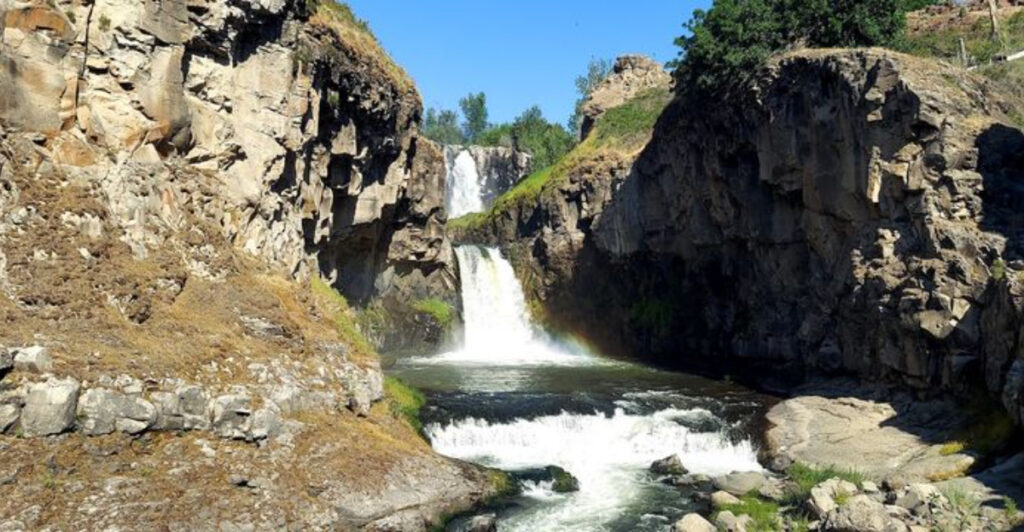
There is a stretch of the Columbia River Gorge in Oregon where you can park your car, lace up your shoes, and walk to not just one but four separate waterfalls without breaking much of a sweat. The trail is paved, the scenery is stunning, and the whole experience feels like a reward that far outweighs the effort.
I had driven past this exit on I-84 more times than I can count before I finally pulled over, and now I genuinely wonder what took me so long. This is the kind of place that turns a simple road trip stop into a full-on afternoon adventure you will talk about for weeks.
The Trailhead at Starvation Creek State Park
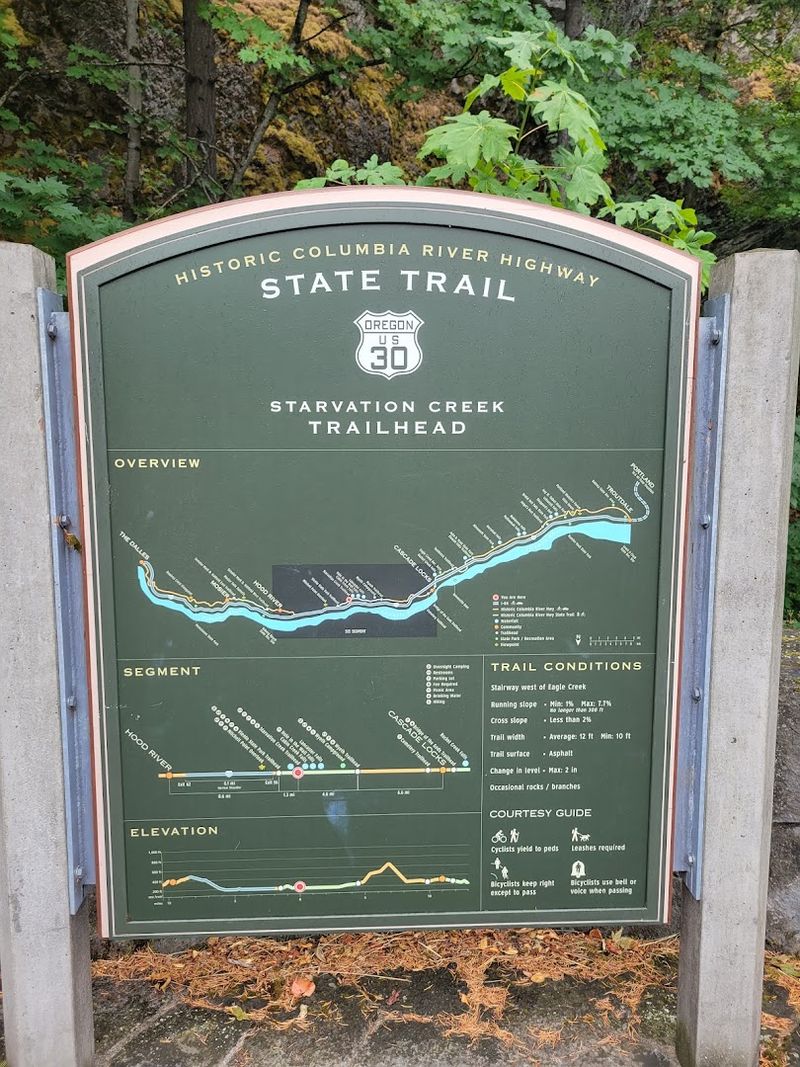
The address is Columbia River Highway, Cascade Locks, OR 97014, and the exit off I-84 drops you almost directly into the parking lot with zero confusion about where you are headed. Starvation Creek State Park sits tucked against the basalt cliffs of the Columbia River Gorge, surrounded by dense Pacific Northwest forest that makes the air smell like moss and cedar the moment you step out of your car.
The parking area is clean and well-maintained, with heated restrooms featuring flush toilets right near the trailhead. A small fee, roughly five dollars, is paid online before you arrive, which keeps the process simple and the crowds manageable.
The paved path begins almost immediately, wide enough for wheelchairs and strollers, which makes this spot genuinely accessible for visitors of all ages and fitness levels. Picnic tables are scattered near the creek, and the sound of rushing water greets you before you even reach the first falls.
Dogs are welcome on a leash, so four-legged companions get to enjoy the adventure too. Weekday visits tend to be quieter, and a rainy day here somehow makes everything feel even more alive and wild.
Starvation Creek Falls Up Close
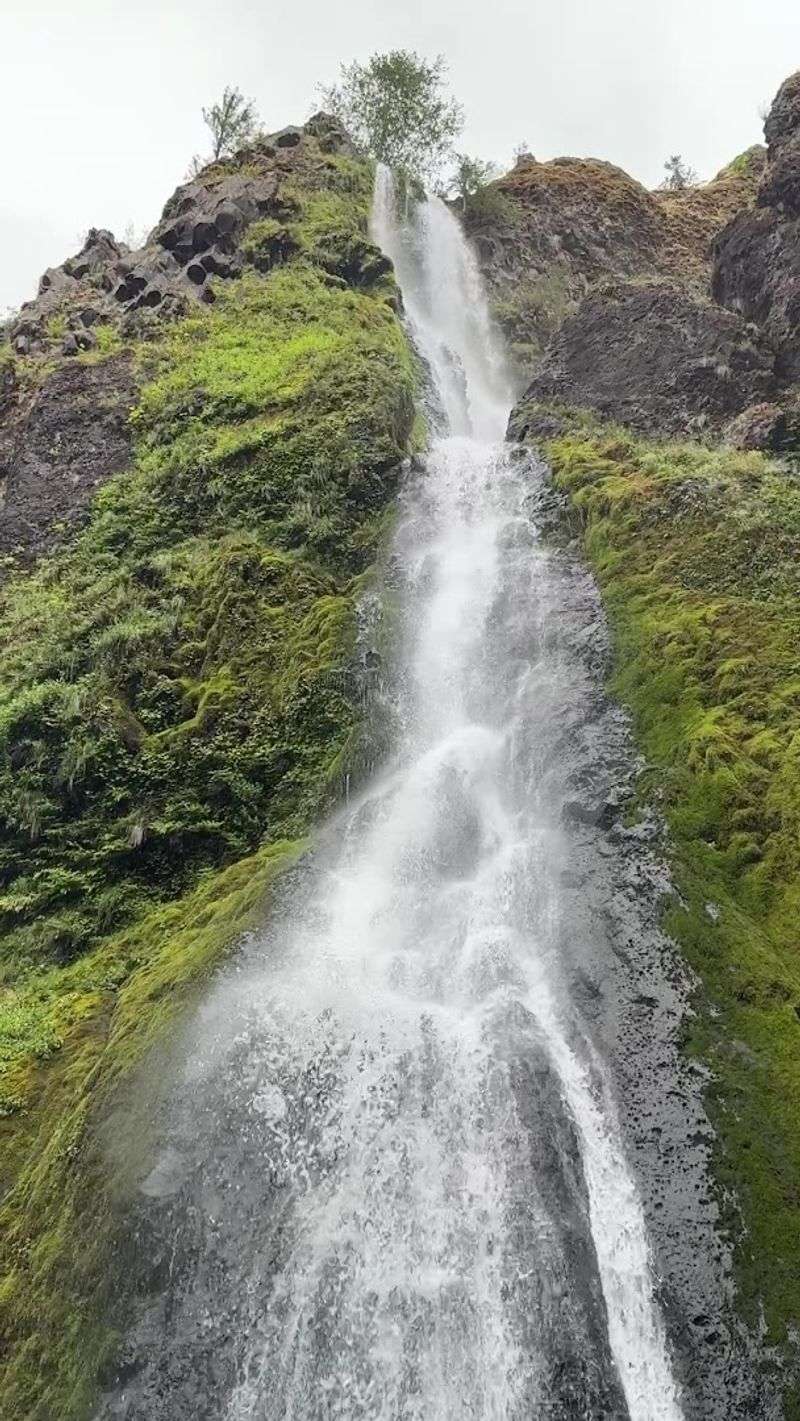
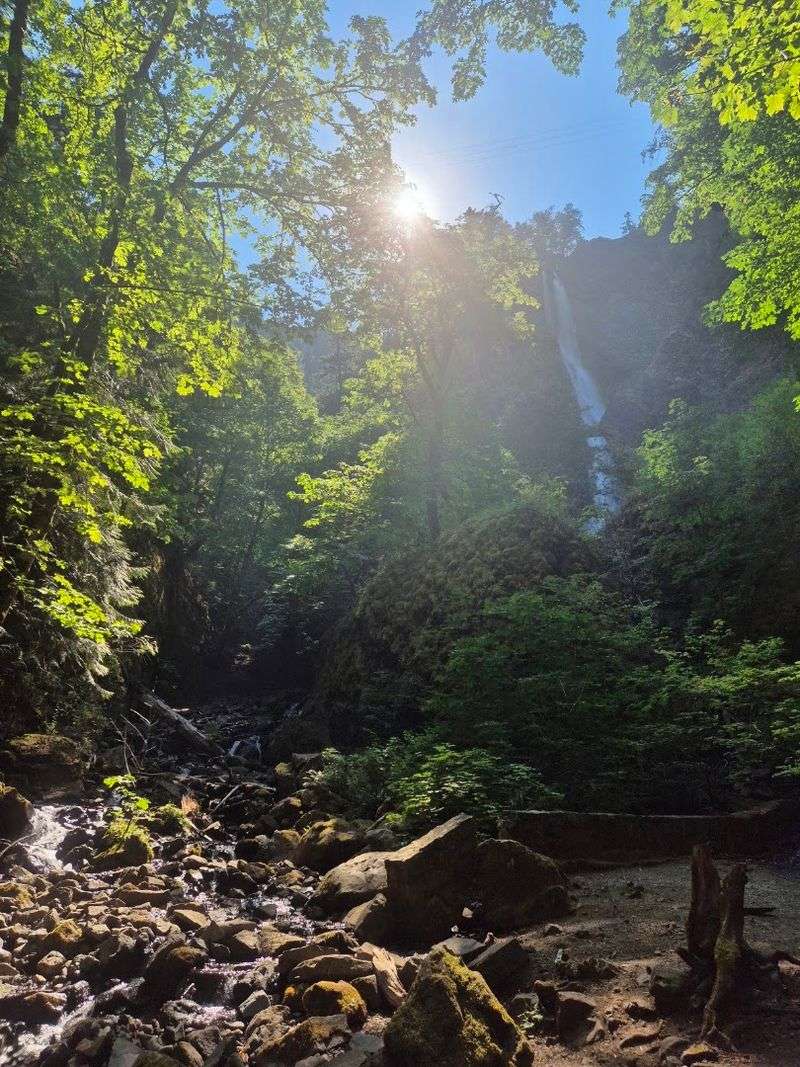
A two-tiered curtain of water drops more than 220 feet straight down a dark basalt cliff face, and the whole thing is visible within about a tenth of a mile from the parking lot. The short paved path leads you right to the base, where the spray hits your face on warm days and the roar of the falls fills the whole canyon.
The creek runs alongside the walkway the entire way, giving the short stroll a wilderness feel that feels completely out of proportion to how little effort it takes to get there. Getting close to the base is possible if you are careful, though the rocks can be slick, so solid footwear matters more than most people expect.
Crossing the creek on the far side offers a slightly different angle that many visitors skip entirely, which means you can get a more dramatic view with almost no one else around. The falls flow strongest in late winter and early spring when snowmelt pushes the volume up significantly.
Dawn and dusk visits reward you with softer lighting that makes the waterfall look almost painterly, while midday sun can create harsh shadows against the cliff. Early mornings in particular feel almost private.
The Story Behind the Name
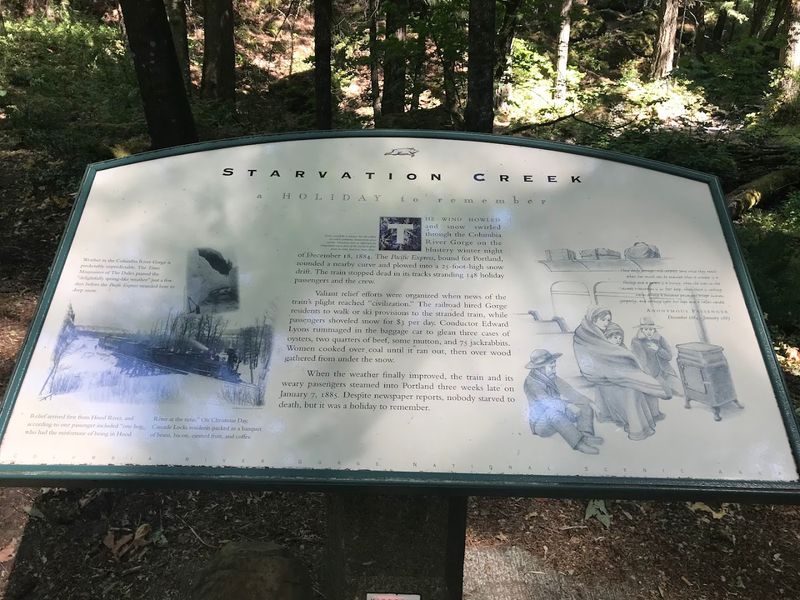
Few waterfall names carry as much historical weight as this one, and the backstory is genuinely fascinating. In December of 1884, a passenger train became snowbound near this creek for several days, stranding hundreds of travelers in freezing temperatures with dwindling food supplies.
Relief crews eventually reached the stranded passengers and brought provisions, so nobody actually went without food for long, but the scare was real enough that the creek earned its dramatic name anyway. That combination of near-disaster and dramatic rescue stuck around long after the snow melted.
The name adds a layer of meaning to the stop that most roadside waterfalls simply do not have. You are not just looking at falling water; you are standing in a place where history unfolded in a genuinely tense and memorable way.
A historical marker near the trailhead shares some of these details, and reading it before you walk to the falls gives the whole experience a richer context. Knowing the backstory makes the sound of the creek feel a little more significant, like the place itself remembers what happened there.
Cabin Creek Falls Along the Trail
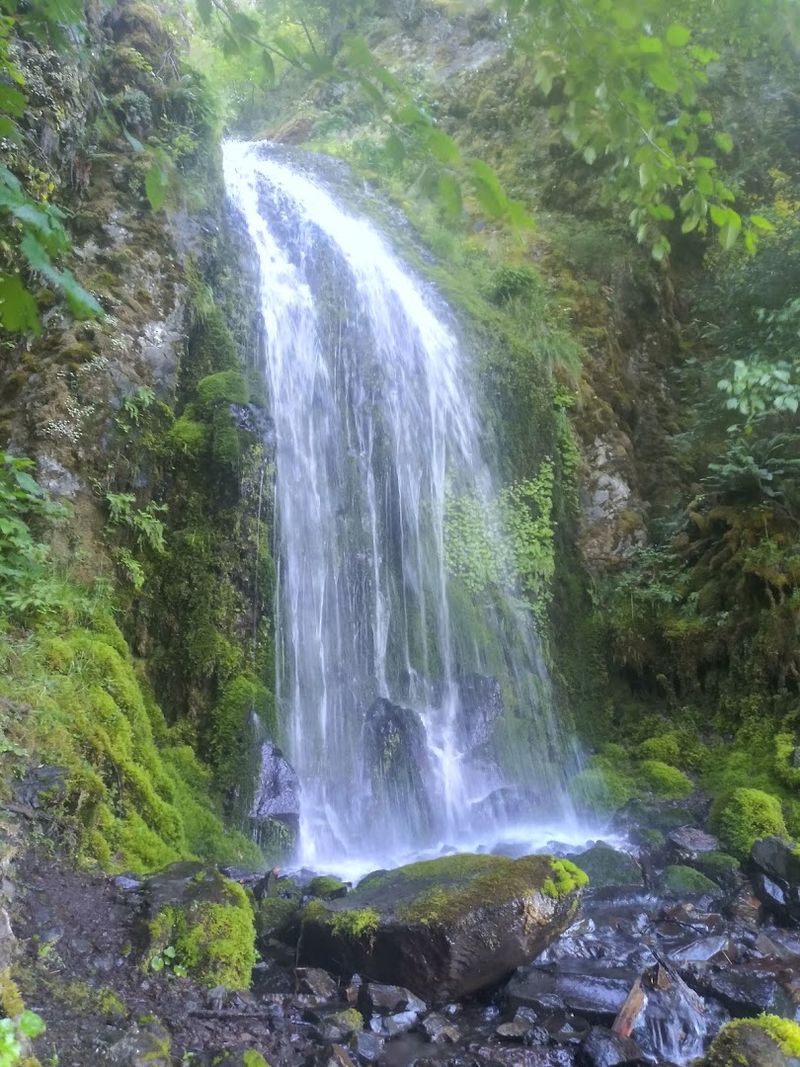
Just a short walk beyond the main falls, the paved trail leads to Cabin Creek Falls, a slender ribbon of water that slides down a mossy cliff in a completely different style from the dramatic plunge of the first waterfall. The contrast between the two is part of what makes the trail so satisfying.
Cabin Creek Falls tends to get less foot traffic than its famous neighbor, which means the area around it feels quieter and more contemplative. The creek feeding it is small, so the flow varies quite a bit depending on the season, with late spring offering the most impressive display.
The basalt walls here are covered in layers of bright green moss and fern, and the color palette on a cloudy day is almost surreal. Photographers tend to linger here longer than at the main falls because the soft light filtering through the canopy creates a natural studio effect.
The paved trail makes reaching this waterfall completely effortless, and the total distance from the parking lot to this point is still well under a mile. The easy terrain means you can take your time and really absorb every detail of the forest around you.
Hole-in-the-Wall Falls and Its Unique Feature
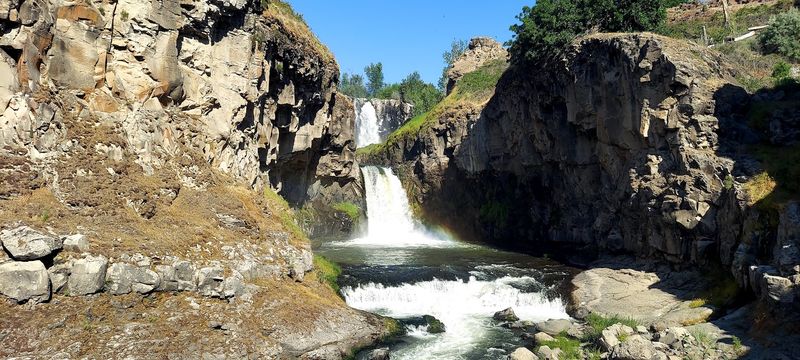
There is something genuinely unexpected about Hole-in-the-Wall Falls that stops most hikers in their tracks the first time they see it. The waterfall does not spill over the edge of a cliff in the traditional sense; instead, it flows through a tunnel blasted through the basalt rock wall, emerging on the other side in a wide fan of water.
The tunnel was carved to redirect the creek when the Historic Columbia River Highway was originally constructed in the early 1900s, making this waterfall a direct product of human engineering as much as natural geology. The result is a hybrid of natural beauty and historical infrastructure that feels unlike anything else on the trail.
A small bridge crosses the creek just before the falls, and from that vantage point the whole scene lines up perfectly for photographs. The sound of the water echoing through the basalt channel adds an acoustic element that makes the experience feel immersive.
Beyond this point, the trail continues uphill toward Mt. Defiance, which is reportedly one of the most challenging climbs in the entire state.
Most visitors turn back here, which is a completely reasonable decision given the views already collected on the way.
Lancaster Falls at the End of the Line
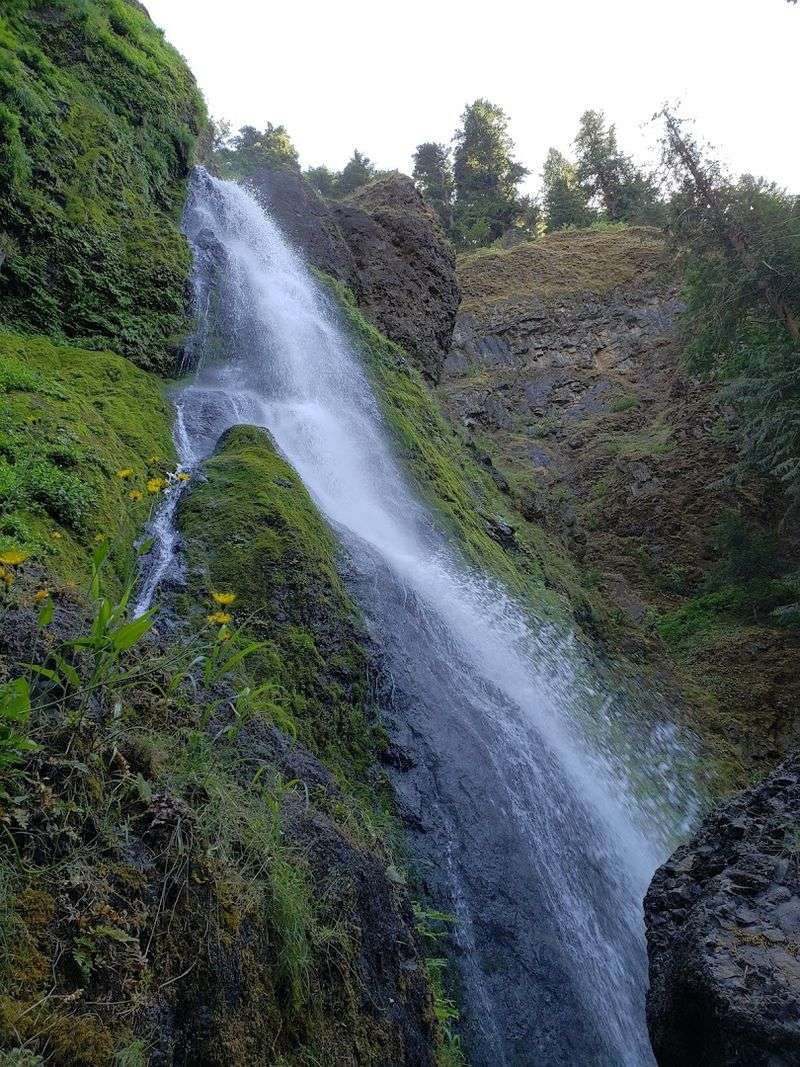
Lancaster Falls marks the fourth waterfall on this trail and serves as the natural turnaround point for most visitors exploring the route from Starvation Creek. Named after Samuel Lancaster, the engineer who designed the Historic Columbia River Highway, this falls carries a fitting tribute given that the road itself made all four of these waterfalls so accessible.
The cascade here is notably taller and wider than Cabin Creek Falls, and the viewing area on the paved trail gives you a clean, unobstructed perspective without requiring any off-trail scrambling. The basalt cliff behind the falls is dramatic and dark, which makes the white water stand out with real visual force.
Reaching Lancaster Falls from the parking lot covers roughly 1.5 to 2 miles of easy, paved terrain, which means the round trip is still very manageable for most people. Families with kids tend to use the picnic tables near Viento Falls area for a lunch break before heading back.
The entire four-waterfall route reads like a greatest hits collection of the Gorge in miniature form. Each falls has its own personality, its own scale, and its own reason to pause and appreciate what the Columbia River Gorge keeps tucked into its cliffs.
Best Times to Visit and Practical Tips
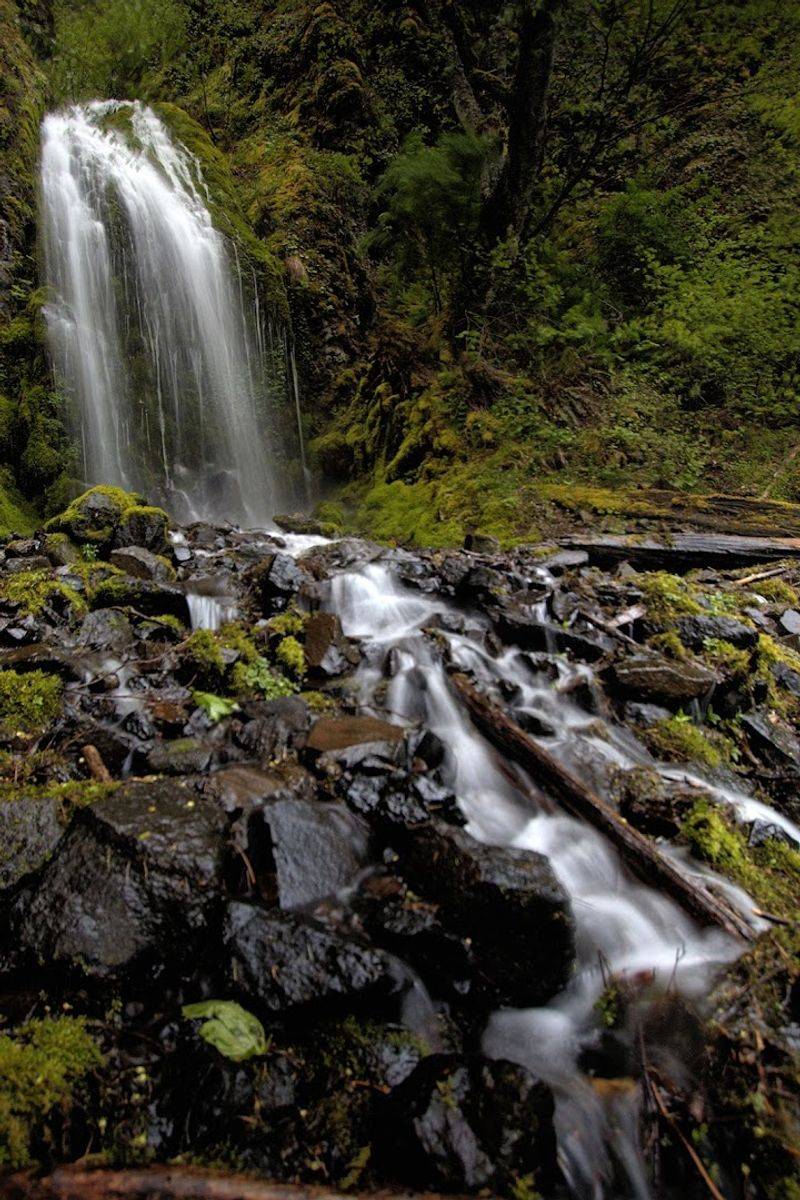
Late winter through early summer is the sweet spot for visiting this trail, when rainfall and snowmelt push all four waterfalls to their most impressive flow. By late summer, some of the smaller falls like Cabin Creek slow down considerably, so timing your visit earlier in the year pays off in a big way.
Weekday mornings are consistently the least crowded, and arriving before 10 a.m. on a weekday almost guarantees you a peaceful experience. Weekends draw more visitors, especially during summer, and the parking lot can fill up faster than you might expect given how close it sits to the freeway.
The parking fee of around five dollars is paid online through the Oregon State Parks reservation system, so having that sorted before you arrive saves time and avoids any last-minute scrambling at the lot. Cell service near the exit is generally reliable enough to complete the payment on the spot if needed.
Waterproof shoes are a smart choice regardless of the forecast, because the trail near the creek base stays damp and the spray from the main falls can catch you off guard. A light rain jacket rounds out a practical kit for a day that will reward you with four genuinely beautiful waterfalls.
Why This Trail Deserves More Credit
Most people driving I-84 through the Columbia River Gorge are aiming for Multnomah Falls, and that is completely understandable given how iconic that destination is. But the four-waterfall trail at Starvation Creek offers something Multnomah often cannot: genuine quiet, easy access, and a sense of discovery that feels personal rather than scripted.
The trail is paved and wide, which makes it accessible to wheelchair users, visitors with mobility limitations, and anyone who simply wants to enjoy natural beauty without technical hiking demands. That level of accessibility without any sacrifice in scenery is genuinely rare in the Pacific Northwest.
The Historic Columbia River Highway State Trail, which connects this section to a longer route between Hood River and Portland, adds context to the walk that turns a simple waterfall visit into a small piece of a much larger story about Oregon’s outdoor heritage. Cyclists also use this section, and the mix of foot traffic and bikes keeps the trail feeling lively without becoming overwhelming.
After visiting once, returning here becomes a habit rather than a novelty. The Gorge has a way of pulling you back, and this particular stretch, with its four distinct falls and effortless access, earns a permanent spot on the short list of places worth revisiting every single season.
Share this story