Not every island on the map has been there for thousands of years. Some of the world’s most fascinating islands were actually built by people, rising out of the ocean through engineering, ambition, and a whole lot of sand.
Over the past century, countries around the world have created entirely new landmasses for airports, housing, resorts, and even world’s fairs. From the glittering coastline of Dubai to the cold waters of San Francisco Bay, these places prove that humans have a remarkable ability to reshape geography.
Whether you’re a travel lover, a geography nerd, or just someone who finds it wild that an island can simply be invented, this list is going to surprise you. These 16 islands did not exist 100 years ago, and today some of them are home to tens of thousands of people.
Palm Jumeirah, Dubai, United Arab Emirates
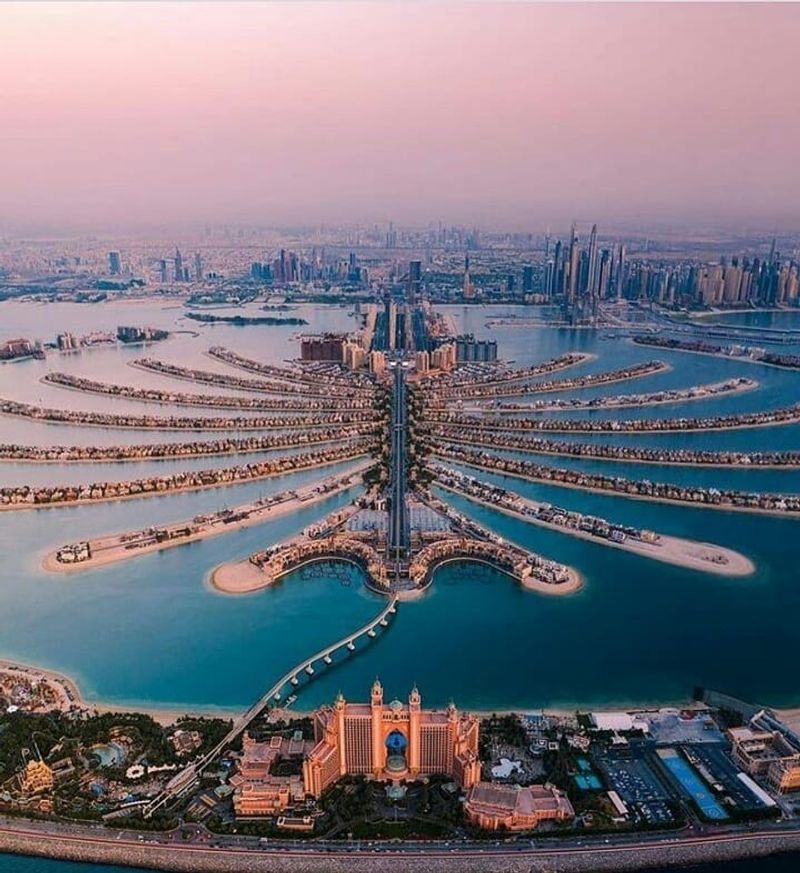
Few places on Earth announce themselves quite like Palm Jumeirah. Shaped like a giant palm tree when seen from above, this man-made island off Dubai’s coast is one of the most recognizable landmarks on the planet, and construction only began in 2001.
Built by Nakheel using land reclamation techniques that involved dredging millions of cubic meters of sand and rock from the Arabian Gulf, the island covers 560 hectares and stretches far into the sea. What was open water just over two decades ago is now home to approximately 25,000 residents living in beachfront villas and high-rise apartments.
The island includes retail destinations, marinas, waterfront restaurants, and leisure attractions that draw millions of visitors annually. The Atlantis, The Palm resort sits at the top of the frond and remains one of Dubai’s most iconic hotels.
Palm Jumeirah is proof that modern engineering can completely rewrite a coastline.
Bluewaters Island, Dubai, United Arab Emirates
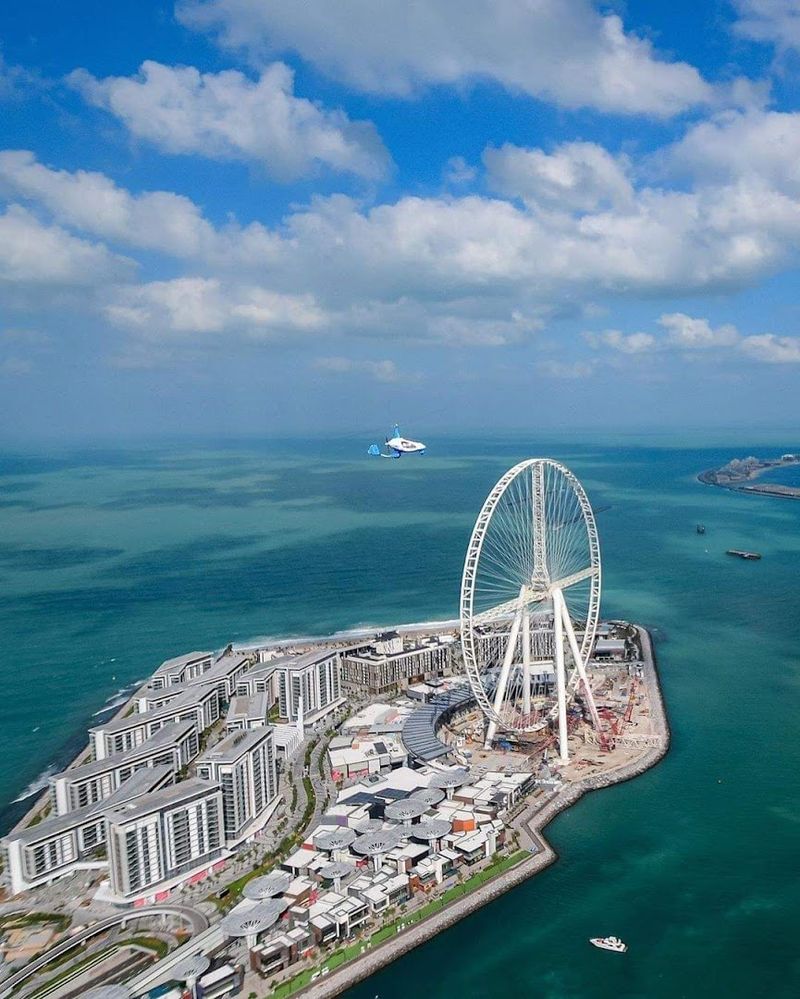
Sitting just 400 meters off Dubai’s JBR coastline, Bluewaters Island is one of the newest man-made islands in the world, having officially opened in 2018. It was developed as a mixed-use destination and is connected to the mainland by both road and a pedestrian bridge, making it straightforward to reach on foot or by car.
The island is home to Ain Dubai, which holds the record as the world’s largest and tallest observation wheel, standing at 250 meters. That single attraction alone draws a significant crowd to the island throughout the year.
Beyond the wheel, Bluewaters offers a lineup of hotels, restaurants, shops, and luxury residential buildings. The layout is designed for walking, with open plazas and waterfront promenades running along much of the island’s edge.
For a place that did not exist until recently, Bluewaters has built a strong identity as a modern urban destination in a very short time.
Jumeirah Bay Island, Dubai, United Arab Emirates
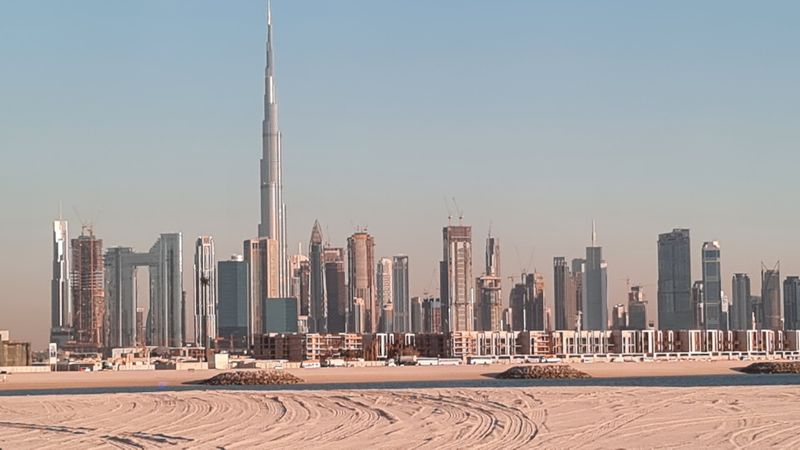
Jumeirah Bay Island is not trying to compete with Palm Jumeirah for scale. Instead, it went in a different direction entirely, becoming one of Dubai’s most exclusive addresses with a shape that reportedly resembles a seahorse when viewed from the air.
The island is best known as the home of Bulgari Resort Dubai, a luxury property that opened in 2017. The resort brings together a hotel, residences, a marina, and a beach club, all set within a compact island environment just minutes from the mainland by bridge.
Unlike some of Dubai’s larger island projects, Jumeirah Bay Island was designed with limited development in mind, keeping the environment quieter and more private. The marina can accommodate a range of vessels, and the surrounding water views are a major draw for guests.
It is a small island in size but significant in terms of what it represents for high-end island development in the region.
The Pearl Island, Doha, Qatar
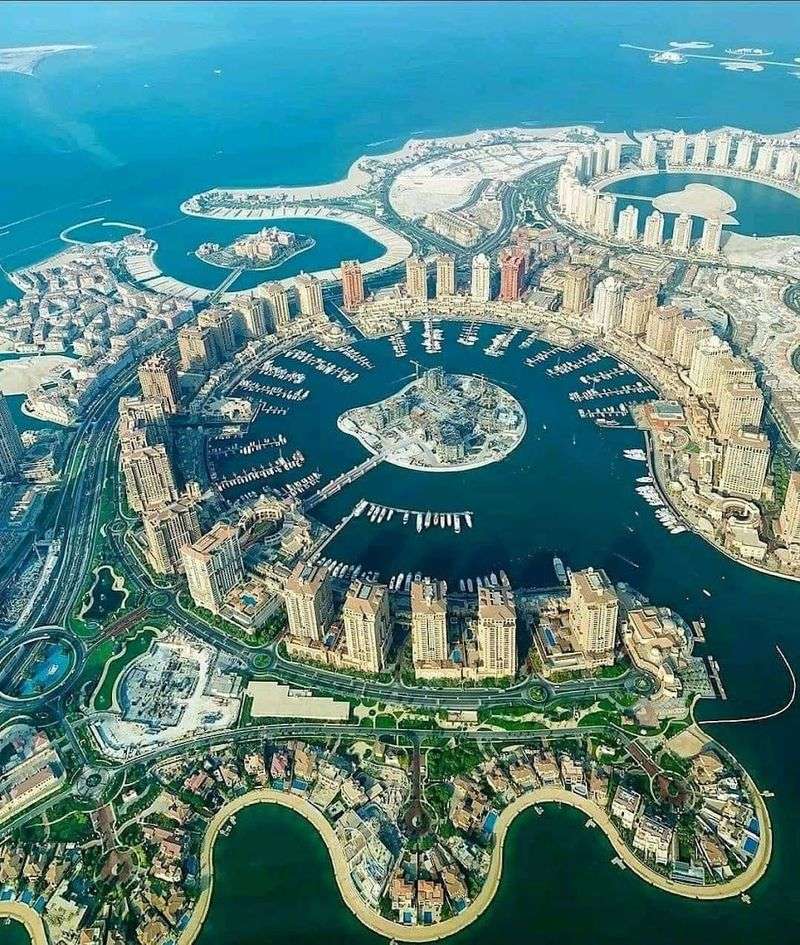
Qatar’s Pearl Island is a genuinely impressive feat of land reclamation. Spanning roughly four million square meters of created land, the project added 32 kilometers of brand new coastline to Doha’s waterfront, none of which existed in its current form a century ago.
The development is built around a series of marinas and residential districts, each with its own architectural style. Some sections have a Mediterranean feel, with low-rise buildings and open plazas, while others feature towers with direct water views.
Residents can walk along the marina promenades, shop in dedicated retail areas, or dine at restaurants that line the waterfront.
The Pearl is not just a tourist attraction. It functions as a real neighborhood, with schools, supermarkets, gyms, and community facilities.
Thousands of families from around the world live there permanently. For a piece of land that was once open sea, it now operates as one of Doha’s most established residential and lifestyle districts.
Banana Island, Doha, Qatar
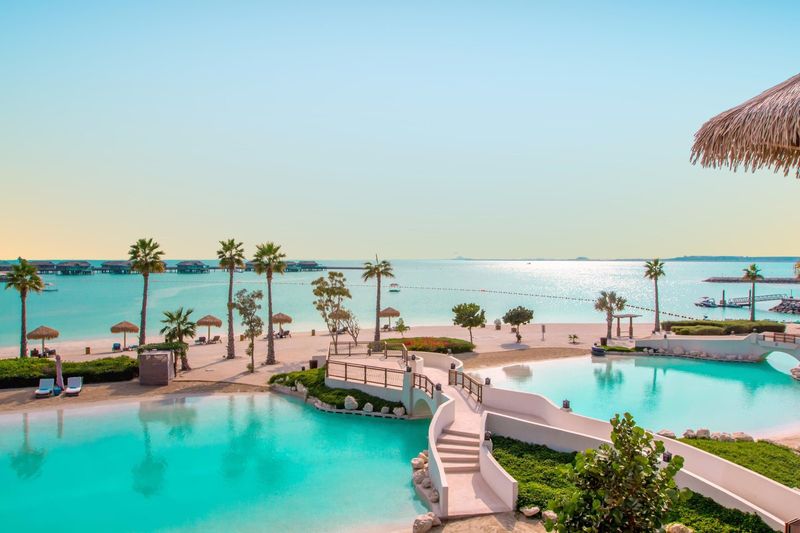
The name alone makes people curious. Banana Island is a crescent-shaped artificial island off the coast of Doha, and it is home to Banana Island Resort Doha by Anantara, which opened in 2015 as one of Qatar’s first dedicated island resort experiences.
Getting there is part of the appeal. Guests can reach the island by ferry or helicopter transfer from Doha, which gives arrivals a sense of genuine separation from the city even though the island sits relatively close to shore.
The resort includes accommodation, multiple pools, a private beach, a spa, and a range of water-based recreation options.
Because the island is essentially a single resort destination, it operates differently from larger island communities like The Pearl. There are no apartment towers or shopping malls.
The focus is entirely on the resort experience. For travelers passing through Qatar or looking for a short escape from Doha, Banana Island offers a self-contained retreat that did not exist on any map before the 21st century.
Hulhumalé, Maldives
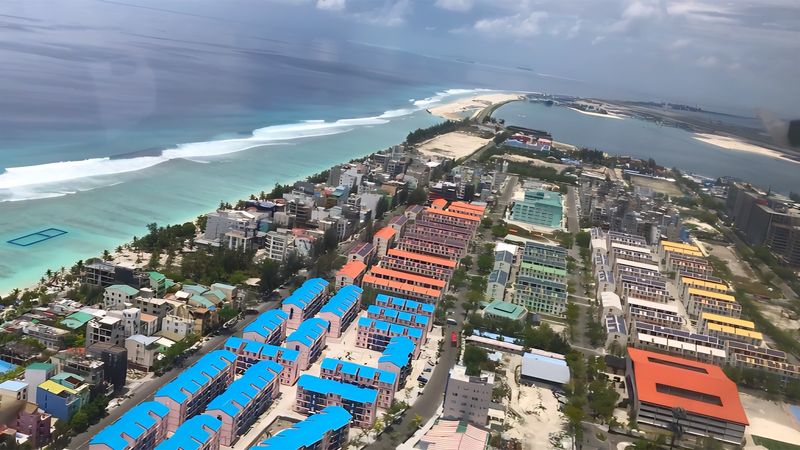
Most people picture the Maldives as a collection of tiny, low-lying natural islands with little room to grow. That is exactly the problem Hulhumalé was designed to solve.
Land reclamation began in 1997, and by 2004 the island was ready for its first residents.
Today, Hulhumalé is part of the Greater Malé urban area and functions as a real city district with paved roads, public bus routes, hospitals, schools, shops, beaches, and a growing population. It was built to ease overcrowding in Malé, which is one of the most densely populated capital cities in the world.
The island is also home to Velana International Airport, which sits on a connected landmass, making Hulhumalé the entry point for most international visitors to the Maldives. Unlike the resort islands the country is famous for, Hulhumalé is a working urban community.
It is practical, growing fast, and represents a very different side of the Maldives that most travelers never see.
Eden Island, Seychelles
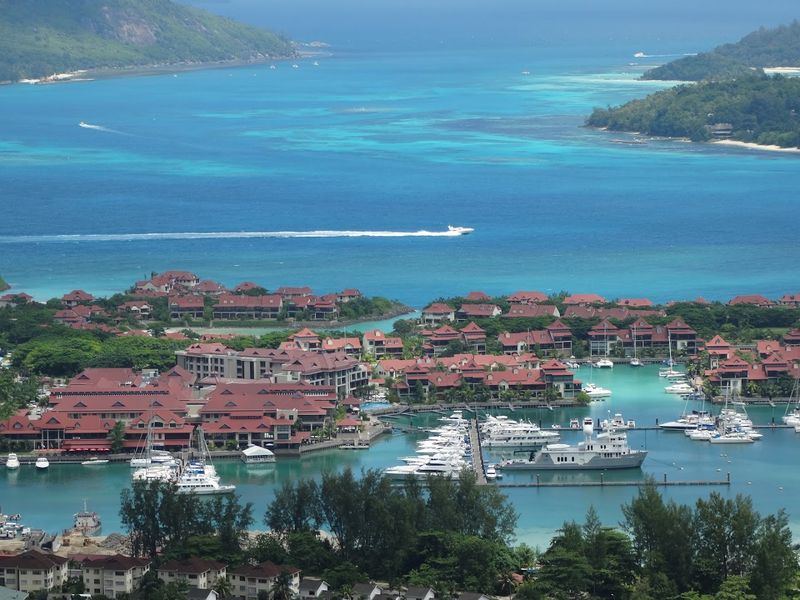
Created during the 2000s just off the coast of Mahé, Eden Island turned a section of shallow water near Victoria into one of the Seychelles’ most talked-about residential and tourism developments. The island sits close enough to the capital city that it barely feels isolated, yet the marina setting gives it a distinctly different atmosphere from the mainland.
The development includes waterfront homes, a hotel, restaurants, shops, and a full-service marina capable of hosting private yachts. Many of the properties are owned by international buyers who use them as vacation homes or permanent residences.
The island is connected to Mahé by a short causeway, so accessing the airport or the city center is straightforward.
Eden Island is a relatively small development compared to some of the larger Gulf projects, but in the context of the Seychelles, it stands out as a significant addition to the archipelago. It represents a new kind of island living in a region that already had plenty of natural island beauty to offer.
Kansai International Airport Island, Osaka Bay, Japan
Building an airport on solid ground is complicated enough. Building one on an artificial island in the middle of a bay, in one of the world’s most earthquake-prone countries, is an entirely different engineering challenge.
Kansai International Airport opened in 1994 after years of construction in Osaka Bay, and it became Japan’s first offshore airport.
The island was built by sinking layers of earth and rock into the bay over several years, gradually raising the surface above sea level. Engineers also had to account for the fact that the island was slowly sinking, which it has continued to do at a manageable rate since opening.
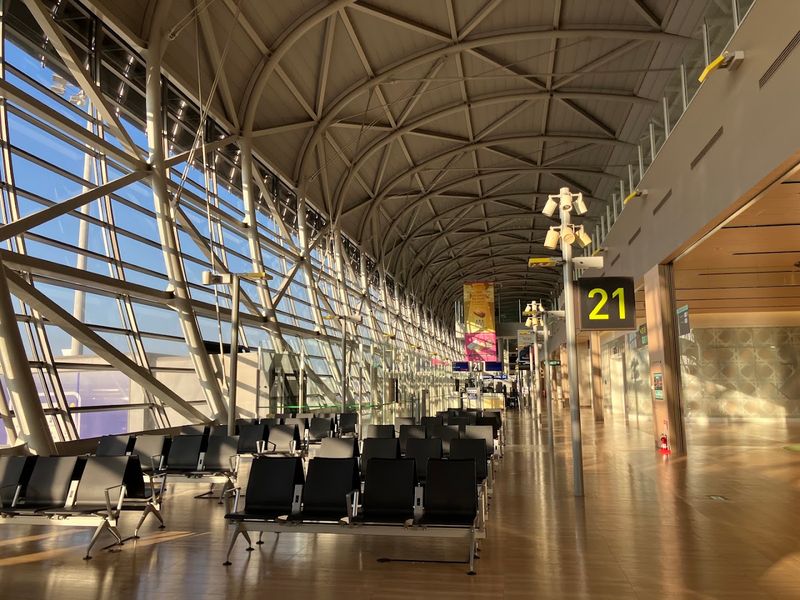
Today, Kansai serves as a major gateway to Osaka, Kyoto, and the wider Kansai region, handling international and domestic flights daily. The airport terminal itself is known for its long, curved roof designed by architect Renzo Piano.
A museum on-site explains the island’s construction history for travelers curious about how the whole thing was actually built.
Chubu Centrair International Airport Island, Aichi, Japan
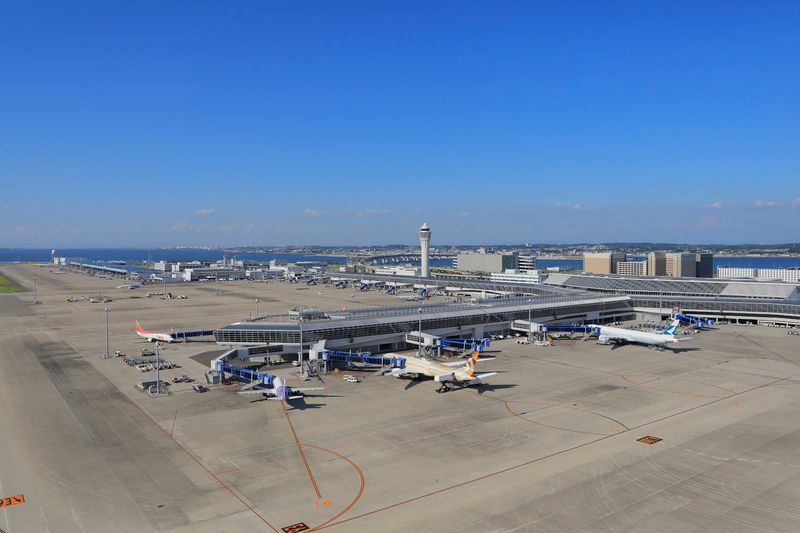
Japan built one offshore airport island and apparently decided that was a good idea worth repeating. Chubu Centrair International Airport opened in 2005 on an artificial island in Ise Bay, serving the Nagoya region and the broader Chubu area of central Japan.
The airport was constructed on reclaimed land and designed to handle both international and domestic traffic for one of Japan’s most industrially significant regions. Nagoya is known as a hub for manufacturing, including automotive production, and the airport was built partly to support that economic activity alongside general passenger travel.
Centrair, as it is commonly known, includes shopping, dining, and a dedicated sky deck where visitors can watch aircraft movements from outside. The airport has consistently been recognized for its facilities and passenger experience.
For a structure that sits entirely on land that did not exist before the 21st century, it has become a well-established part of the region’s transportation infrastructure since the day it opened.
Kobe Airport Island, Kobe, Japan
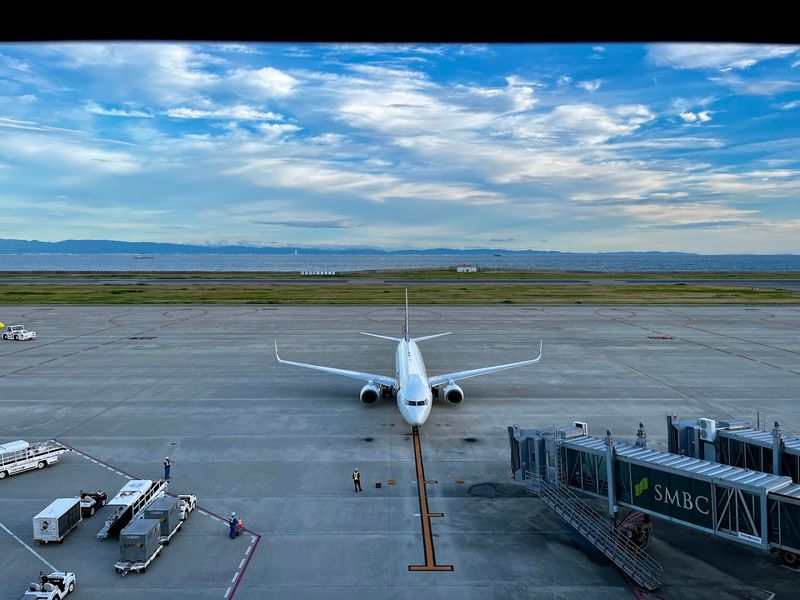
Kobe has a long history of building on water. The city developed Port Island and Rokkō Island decades before anyone thought to put an airport on a similar foundation.
When Kobe Airport opened in 2006 on its own artificial island south of the city center, it became the third offshore airport in Japan and a natural extension of Kobe’s port-based development philosophy.
The airport primarily serves domestic routes and operates at a scale that keeps it manageable compared to the larger international airports nearby. Passengers can reach the island via the Port Liner monorail, which connects the airport to Sannomiya Station in central Kobe without requiring a car.
Kobe’s port history formally lists the airport’s 2006 opening as part of the city’s integrated sea, air, and land transport network. The island itself is compact and functional, designed around the airport rather than a broader mixed-use vision.
It is a working piece of infrastructure sitting on land that the ocean covered not long ago.
Port Island, Kobe, Japan
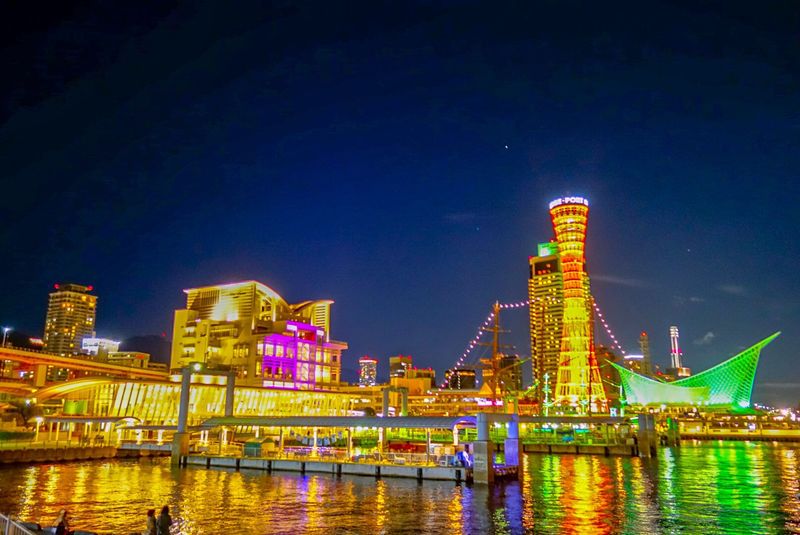
Port Island has been around long enough that many people do not immediately think of it as a man-made island, but that is exactly what it is. Construction began in 1966, and the island was officially unveiled to the world through the Portopia ’81 exposition, a world’s fair that put Kobe on the international map as a city capable of extraordinary urban engineering.
Today, Port Island functions as a full urban district with convention facilities, hotels, universities, a medical cluster, parks, and active port operations. The Kobe Convention Center sits on the island and hosts major international events throughout the year.
The Port Liner, an automated monorail, connects the island to Sannomiya Station in minutes.
The island also plays an important role in Kobe’s medical and research sectors, with several hospitals and biomedical institutions located there. What started as a port expansion project turned into a self-sustaining urban district that continues to grow and adapt more than four decades after its public debut.
Rokkō Island, Kobe, Japan
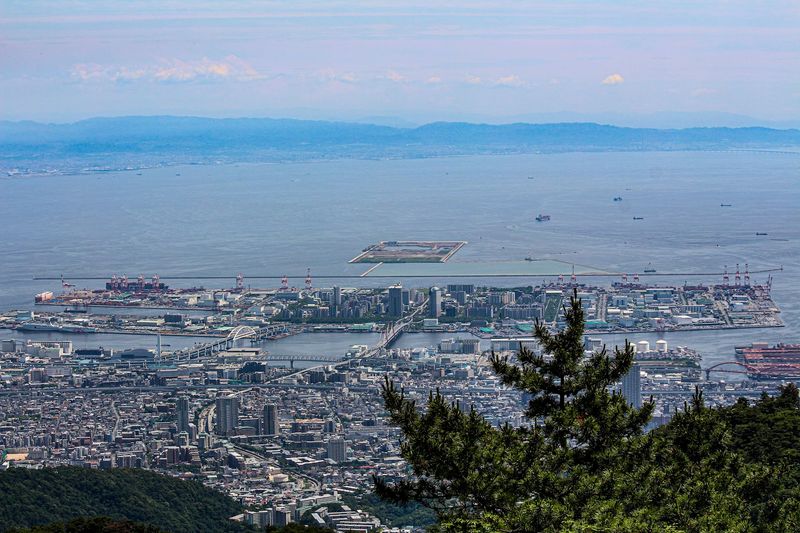
Rokkō Island is Port Island’s quieter neighbor. Construction began in 1972 and the island was completed in 1992, making it a slightly later project that benefited from the lessons learned during Port Island’s development.
The two islands sit close to each other in Kobe’s port area but have developed somewhat different identities over the decades.
Rokkō Island leans more residential than Port Island, with apartment buildings, schools, and community facilities making up much of the interior. It also has a cultural side, with the Kobe Fashion Museum being one of the island’s more distinctive institutions.
The museum focuses on fashion history and design, which is not something you typically expect to find on a reclaimed port island.
The Rokkō Liner, another automated monorail system, connects the island to Sumiyoshi Station on the JR line. Port operations continue alongside the residential areas, giving the island a dual character.
It is a lived-in, working community built entirely on land that was once part of Osaka Bay.
Notre-Dame Island, Montreal, Canada
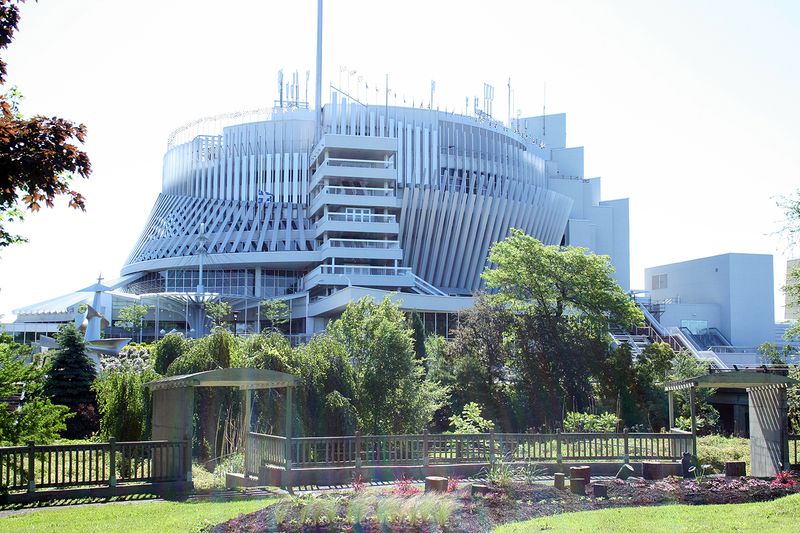
Notre-Dame Island has one of the most interesting origin stories on this list. The island was not built from dredged sand or reclaimed ocean floor.
It was constructed using the millions of tons of earth and rock excavated during the building of Montreal’s Metro system in the 1960s. That material had to go somewhere, and someone decided to turn it into an island.
The island was created specifically to host Expo 67, the world’s fair that brought tens of millions of visitors to Montreal and left a lasting mark on the city’s identity. After the expo ended, the land became part of Parc Jean-Drapeau, which remains open year-round.
Today, the island is home to the Circuit Gilles Villeneuve, the permanent street circuit that hosts the Canadian Grand Prix each year. The Olympic Basin, used during the 1976 Summer Olympics for rowing events, also sits on the island.
It is a place with real sporting history built on land that did not exist before the subway was dug.
Treasure Island, San Francisco, California
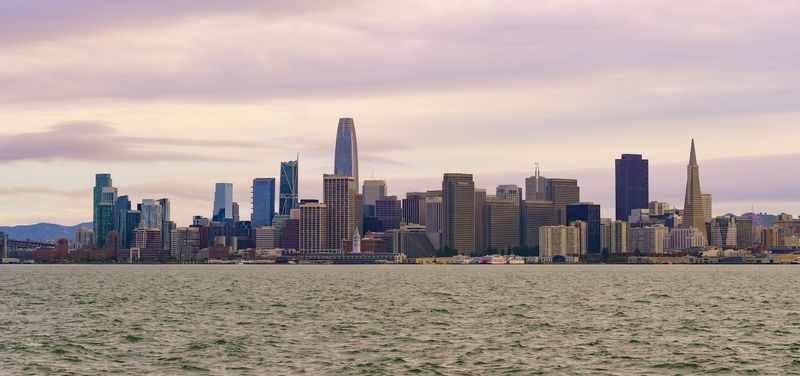
Treasure Island sits in San Francisco Bay with one of the best views of the city skyline available from any neighborhood in the region, which is somewhat ironic given that the island itself was built artificially in 1936 and 1937 on shoals beside natural Yerba Buena Island.
The Army Corps of Engineers constructed the 400-acre island for the Golden Gate International Exposition, a world’s fair held in 1939 and 1940. After the exposition ended, the island served military purposes for decades before eventually being transferred to the city of San Francisco.
Today, Treasure Island is a San Francisco neighborhood going through a significant redevelopment process. New housing, parks, shops, and waterfront improvements are being built out over time, gradually transforming a former military installation into a livable urban community.
The views of the Bay Bridge, the downtown skyline, and the surrounding water remain a constant draw for residents and visitors who make the trip across the bridge to see what the island has become.
Al Marjan Island, Ras Al Khaimah, United Arab Emirates
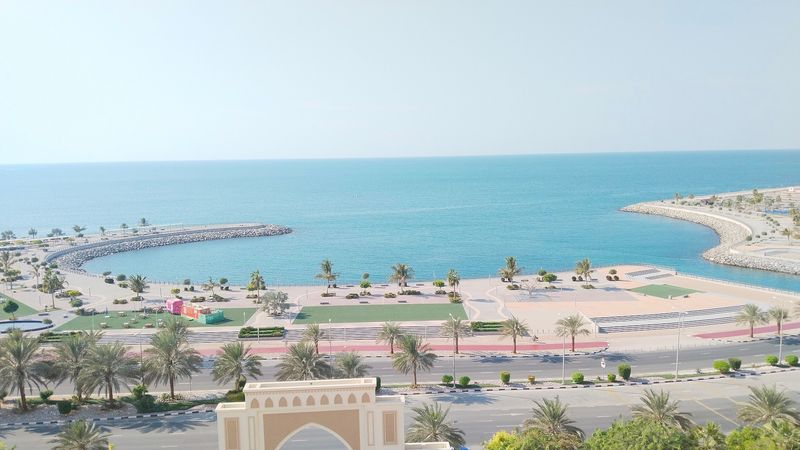
Ras Al Khaimah does not always get the same attention as Dubai when people talk about UAE development, but Al Marjan Island is a project worth knowing about. The man-made archipelago extends 4.5 kilometers into the Arabian Gulf and covers 2.7 million square meters of reclaimed land, adding 7.8 kilometers of beaches to a coastline that once ended much closer to shore.
The development consists of four connected islands and currently has three fully operational hotels alongside residential properties and waterfront leisure areas. The scale of the project relative to Ras Al Khaimah’s overall size makes it one of the more ambitious reclamation efforts in the region.
Al Marjan Island gained additional international attention when it was announced as the location for Wynn Al Marjan Island, a major resort development planned for the area. That project has drawn global interest and is expected to bring significant new tourism infrastructure to the island in the coming years, adding another chapter to a coastline that was still open sea not long ago.
Amwaj Islands, Bahrain
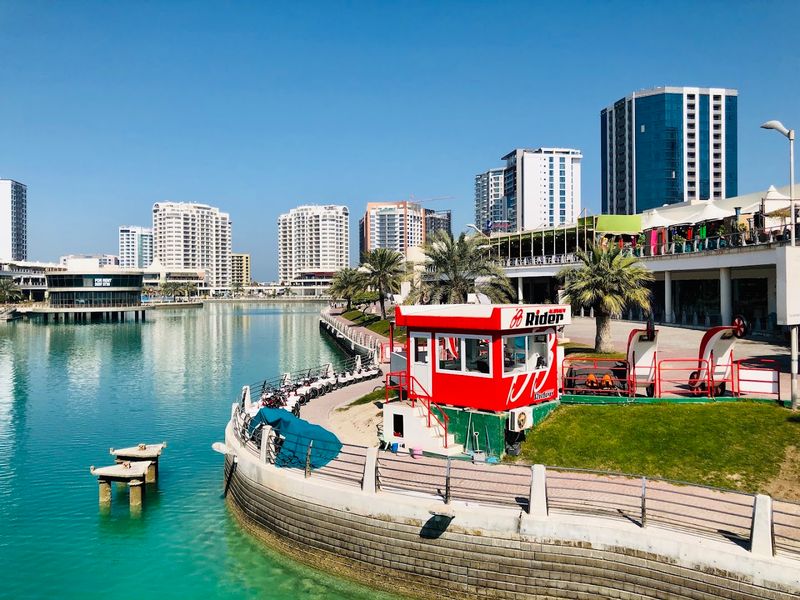
Bahrain has been reclaiming land from the sea for decades, and Amwaj Islands represents one of the more fully realized examples of what that process can produce. Located off the coast of Muharraq, the islands took shape in the early 2000s and have grown steadily into a substantial waterfront community.
According to the Amwaj Islands Central Owners Association, the community is now home to more than 7,000 families and seven hotels. That is a real population living on land that was open water just a few decades ago.
Causeways connect the islands to each other and to the Bahraini mainland, making daily commuting practical for residents.
The community includes dining options along the marina, retail areas, recreational facilities, and waterfront promenades. It functions less like a resort destination and more like a genuine neighborhood with an island address.
For a project that started as reclaimed sea floor in the early 2000s, Amwaj Islands has developed into one of Bahrain’s most established residential waterfront communities.
Share this story