If you love spotting birds in the wild, national parks are some of the best places to do it. The United States is home to dozens of parks that attract hundreds of bird species, from coastal wetlands to high mountain meadows.
Whether you are a seasoned birder with a life list or someone who just enjoys watching a heron stand perfectly still at the water’s edge, there is a park on this list worth planning a trip around. Each of these 12 parks offers something different, and that variety is exactly what makes birdwatching in America so rewarding.
Everglades National Park, Florida
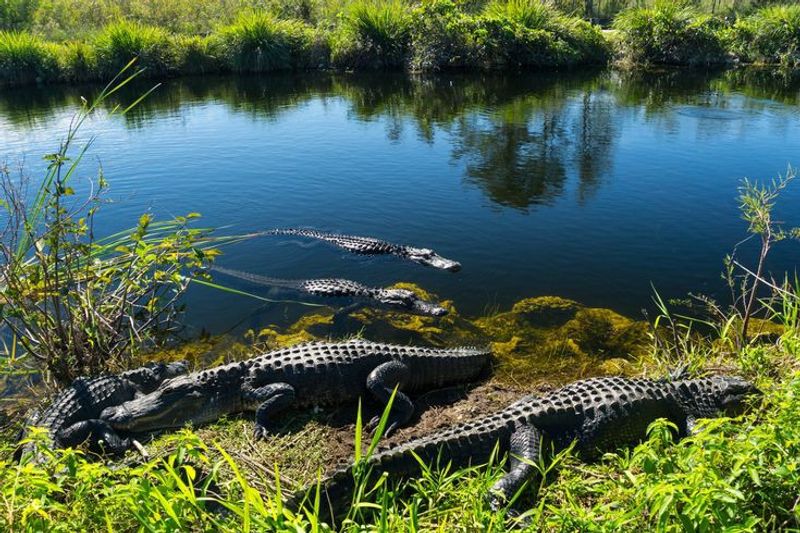
Few places in the country put birds front and center the way Everglades National Park does. With more than 360 recorded bird species, the park groups its avian residents into wading birds, land birds, and birds of prey, and all three categories show up regularly.
Herons, egrets, ibises, anhingas, and raptors are all part of the classic Everglades experience. These are not fleeting glimpses either.
Wading birds often stand in open water for extended stretches, making them easy to observe from boardwalks and overlooks near visitor areas.
The National Park Service actively highlights bird-watching spots near visitor centers and encourages travelers to check in for recent sightings before heading out. For birders who love wetlands, marsh views, and big visual payoffs, this is one of the most rewarding parks in the entire country.
The landscape practically belongs to the birds here.
Big Bend National Park, Texas

The numbers alone make Big Bend National Park worth the attention of any serious birder. The National Park Service has documented more than 450 bird species in the park, which puts it among the top destinations for birdwatching in the entire United States.
A big part of what makes Big Bend so productive is its habitat variety. Desert flats, river corridors, canyon walls, and an isolated mountain range all exist within the same park boundary.
That mix draws in species you would not expect to find together anywhere else.
Only a portion of those 450-plus species live in the park year-round. Spring and fall migration bring waves of new arrivals, and seasonal visitors give birders different reasons to return at different times of the year.
If you have never put Big Bend on your birding radar, the species count alone should change that. It is genuinely one of a kind.
Acadia National Park, Maine
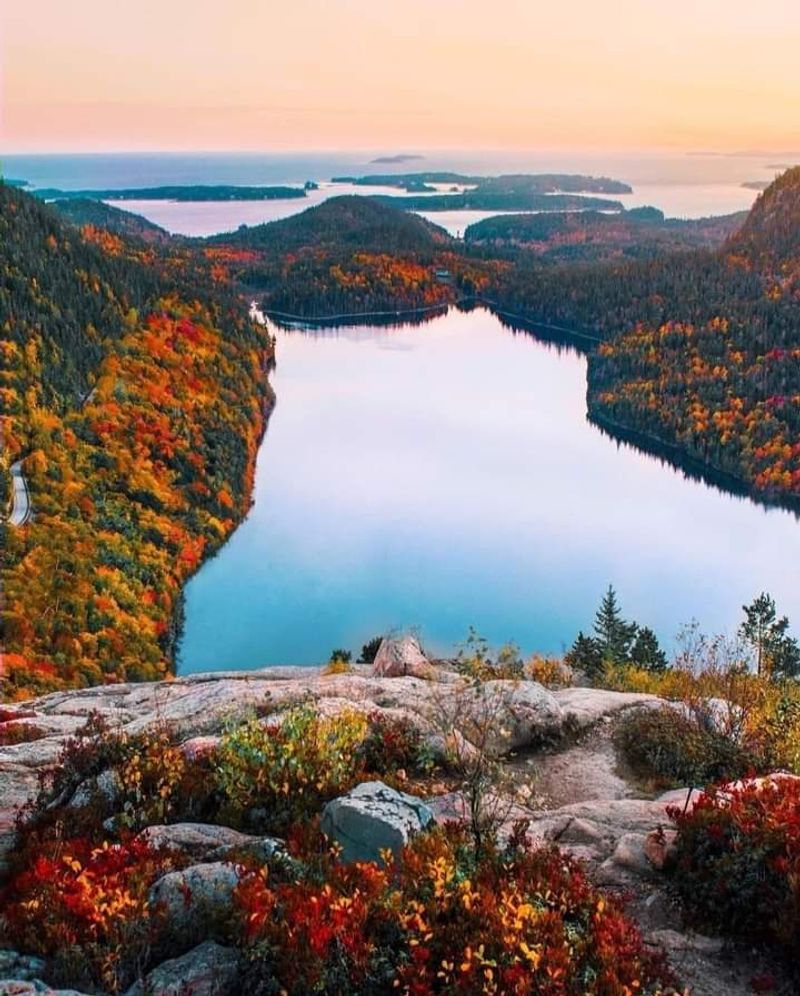
Acadia National Park holds an impressive 338 recorded bird species, and the National Park Service calls it one of the premier bird-watching areas in the entire country. That is a strong claim, and the geography backs it up.
Sitting along the eastern seaboard, Acadia catches both breeding birds and migrating species moving up and down the Atlantic coast. Owls, shorebirds, warblers, and raptors all show up depending on the season.
The park’s mix of forests, mountains, lakes, rocky coastlines, and open ocean creates the kind of habitat variety that birds need and birders love.
What makes Acadia especially appealing for a trip is that the birding happens inside one of the most scenically striking parks in the Northeast. You are not trading views for wildlife here.
Rocky coastlines, carriage roads, and forested trails give birders plenty of access points without feeling like they are roughing it too much.
Great Smoky Mountains National Park, Tennessee and North Carolina
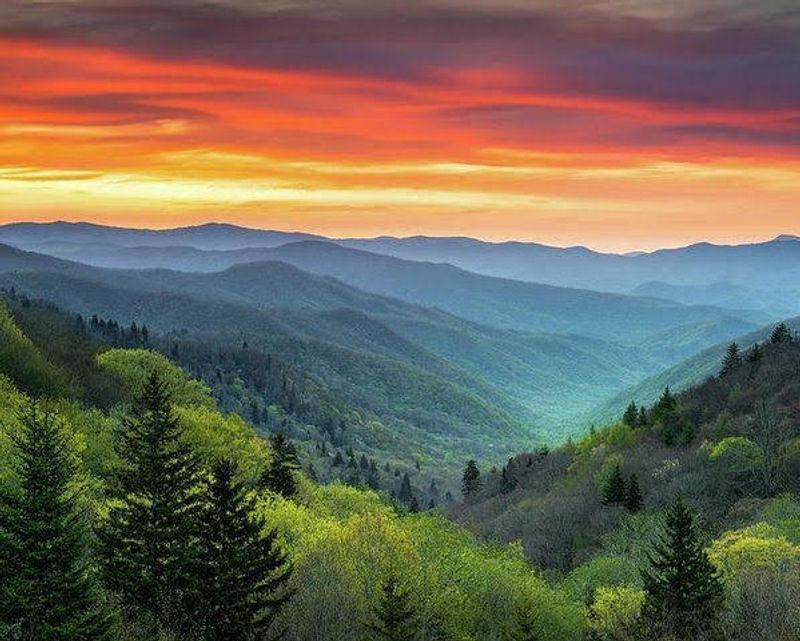
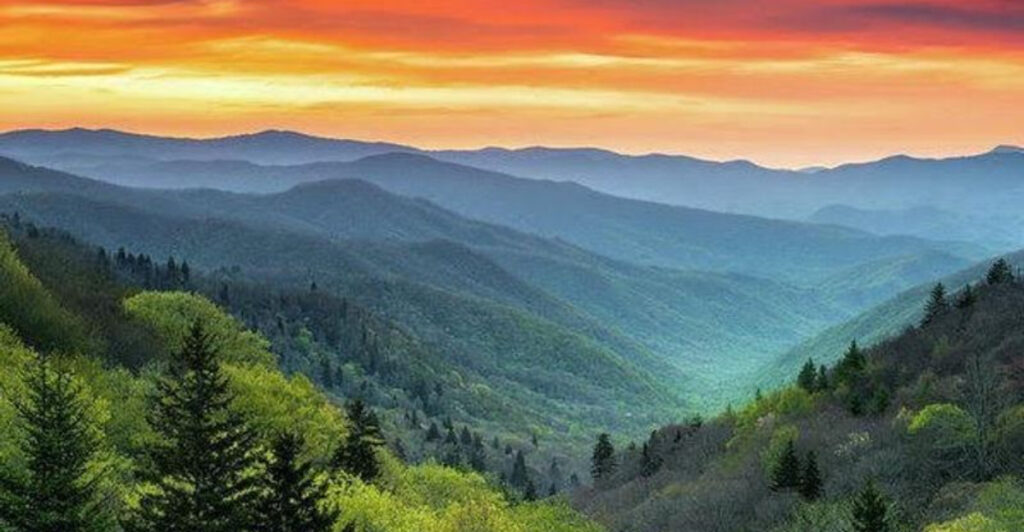
Great Smoky Mountains National Park is already celebrated for its extraordinary biodiversity, and birds are a major part of that story. The National Park Service has documented more than 240 bird species in the park, with around 60 living there year-round and nearly 120 nesting during warmer months.
One of the most compelling reasons to visit for birding is the park’s role as a hub for neotropical migrants. NPS notes that 52 neotropical migrant species travel from Central and South America to raise young or pass through the Smokies each year.
That is a remarkable concentration of migratory activity in a single park.
The variety of elevations and forest habitats within the park means birding conditions change as you move through the landscape. A spring or early summer visit lets you experience birdsong layered across different forest zones.
For anyone drawn to forest birds and mountain scenery together, the Smokies deliver both without compromise.
Rocky Mountain National Park, Colorado
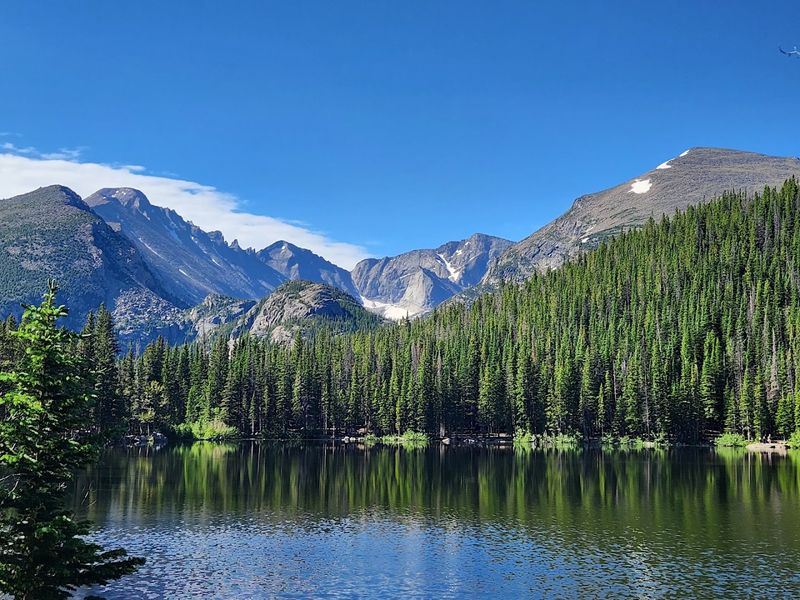
Rocky Mountain National Park earned its designation as a Global Important Bird Area in 2000, and the recognition reflects something real about what the park offers. NPS says 280 bird species call the park home, either year-round or seasonally, spread across a remarkable range of habitats.
Birders can work through aspen groves, ponderosa pine forests, high-elevation willow thickets, spruce and fir stands, and open alpine tundra all within a single park visit. That kind of habitat progression in one place is rare, and it supports a genuinely diverse bird community at every elevation level.
Raptors are a particular strength here. Rocky Mountain National Park has 25 documented raptor species, including eagles, hawks, falcons, and owls.
For birders who want a park that rewards both casual observers and dedicated listers, this one covers the full range. The alpine tundra zone alone is worth the drive up Trail Ridge Road on a clear morning.
Olympic National Park, Washington

Olympic National Park is genuinely unlike any other birding destination on this list because of how dramatically its habitats shift. NPS notes that the park ranges from sea level to over 2,000 meters in elevation, creating an unusually broad gradient of environments used by resident and migratory birds.
That means a single trip can take you from coastal waters and tide pools to old-growth rainforest, subalpine meadows, and mountain ridgelines. Over 250 bird species use Olympic’s extensive habitats and adjoining coastal waters, according to the National Park Service.
Coastal species, forest songbirds, and high-elevation birds all coexist within the same park boundary.
For travelers who want birding that feels genuinely wild and varied rather than confined to one habitat type, Olympic is a strong fit. The temperate rainforest sections of the park, in particular, have a quality that feels unlike anything most visitors have experienced before arriving.
It is atmospheric without being inaccessible.
Yosemite National Park, California
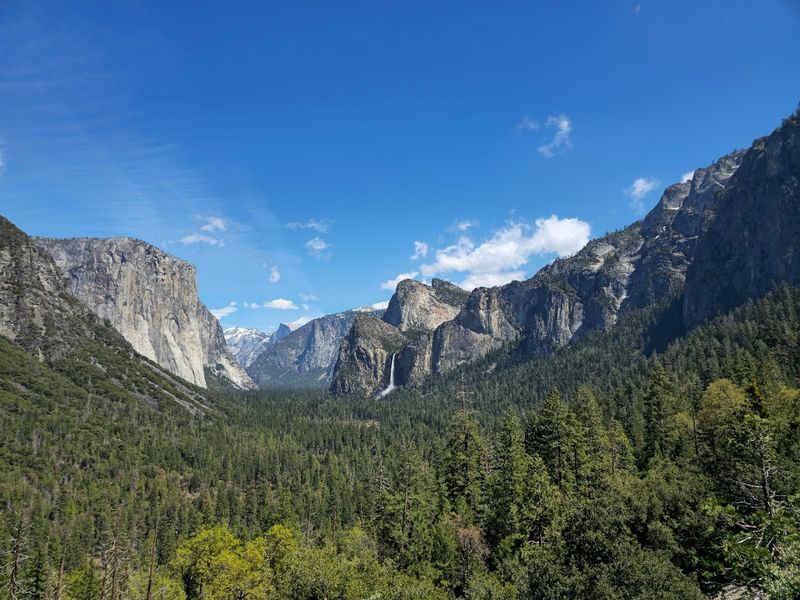
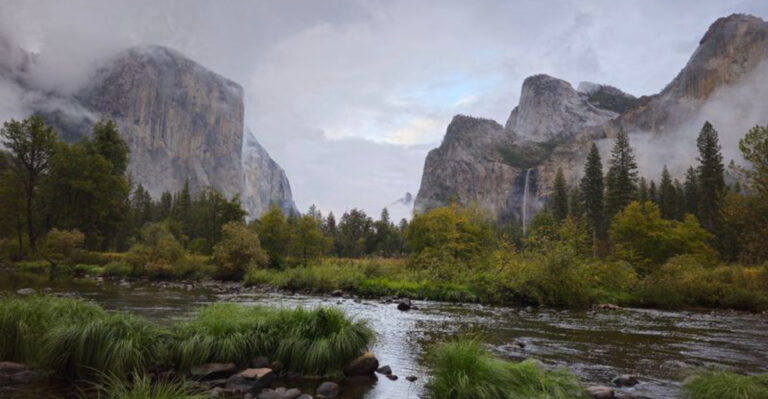
Yosemite is known worldwide for its granite cliffs and waterfalls, but the birding case for visiting is also genuinely strong. NPS has documented 262 bird species in the park, including 165 resident and migratory species that use Yosemite’s habitats regularly throughout the year.
The park covers an impressive range of environments, from foothill grasslands and chaparral-oak woodland to giant conifer forests, alpine meadows, and high-elevation peaks. That variety supports bird communities at every level of the park, which means birding opportunities shift as you move from the valley floor to higher terrain.
Yosemite also carries the formal recognition of being both an Important Bird Area and a UNESCO World Heritage Site. For bird lovers, the added bonus is that the scenery surrounding the birding is among the most dramatic in the National Park System.
A casual walk along a valley trail can turn into an unexpectedly productive birding outing with very little effort required.
Yellowstone National Park, Wyoming, Montana, and Idaho
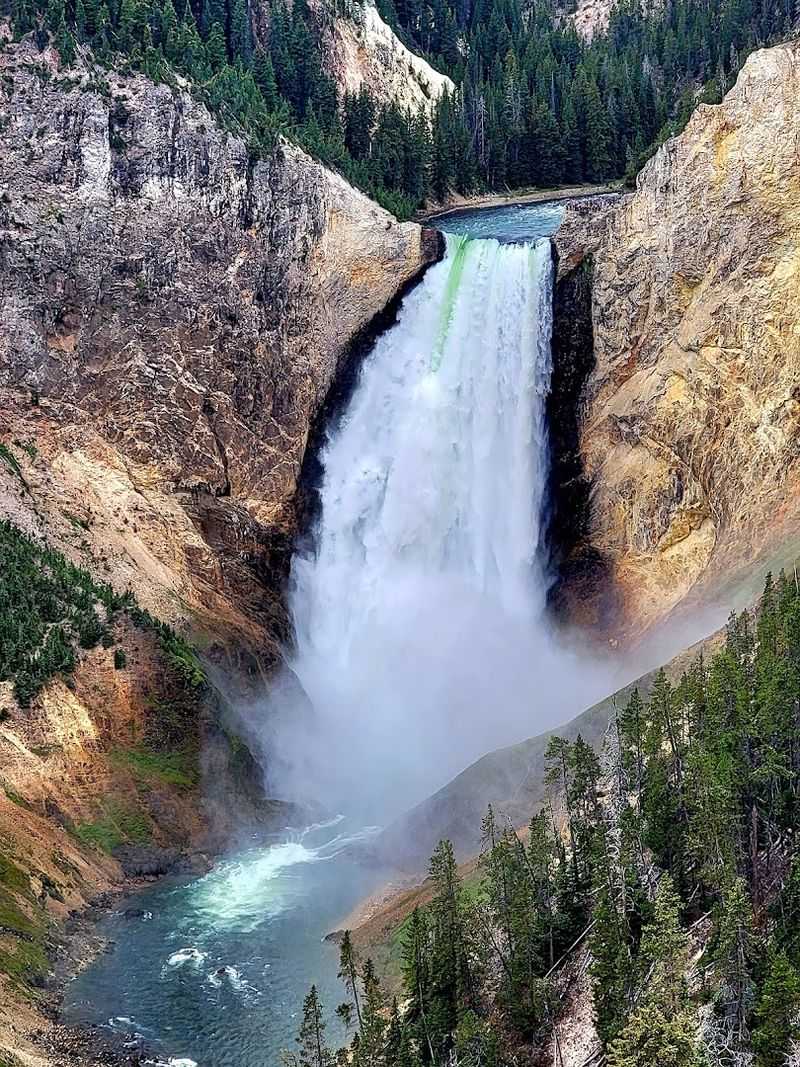
Yellowstone gets most of its wildlife attention for bison, wolves, and bears, but the park’s bird life deserves equal billing. NPS says Yellowstone is home to nearly 300 bird species, and the park’s bird monitoring program covers raptors, wetland birds, songbirds, and woodpeckers across its vast landscape.
Species of particular conservation interest include trumpeter swans, golden eagles, and common loons. These are not just checklist birds.
They are species the park actively monitors and works to protect as part of its broader wildlife management mission.
Yellowstone’s habitat variety helps explain the diversity. Wetlands, rivers, sagebrush flats, dense forests, open grasslands, and geothermally active areas all exist within the park, each supporting different bird communities.
For travelers who already appreciate Yellowstone for its large mammal sightings and geologic features, adding a birding focus to the trip opens up an entirely new layer of what this park has to offer.
Glacier National Park, Montana
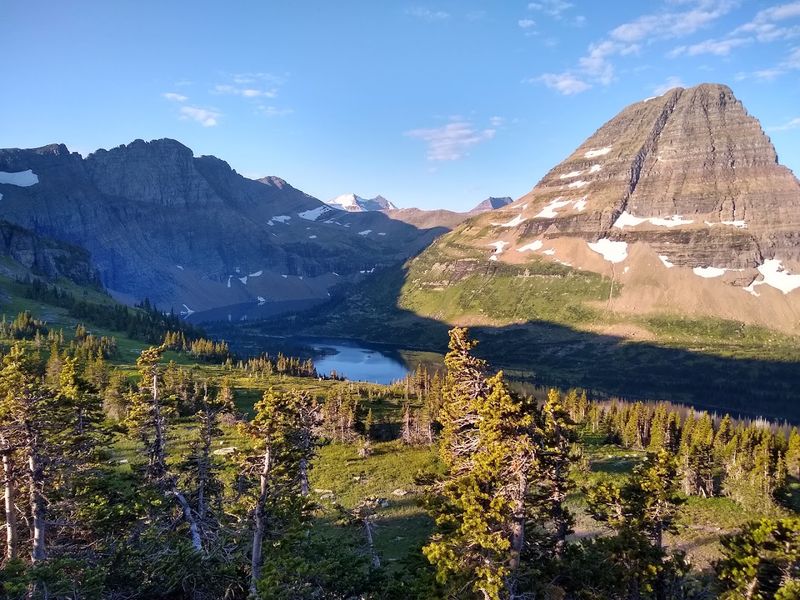
Glacier National Park has 279 documented bird species according to the National Park Service, with 144 of those species confirmed as nesting within the park. That nesting number is particularly meaningful because it signals that Glacier is not just a stopover for migrants but a genuine breeding habitat for a wide variety of birds.
Raptors, songbirds, shorebirds, and waterfowl all rely on Glacier’s mix of habitats and its position along important migratory pathways. The park’s geography, with alpine meadows, glacial lakes, dense forests, and dramatic valley corridors, gives different bird groups exactly what they need at different times of year.
From a practical standpoint, Glacier is also a park where birding fits naturally into any itinerary. You are going to be hiking through mountain terrain and past lakes and streams regardless of whether birds are your primary focus.
The birding here tends to find you as much as you find it, which is a good sign.
Saguaro National Park, Arizona
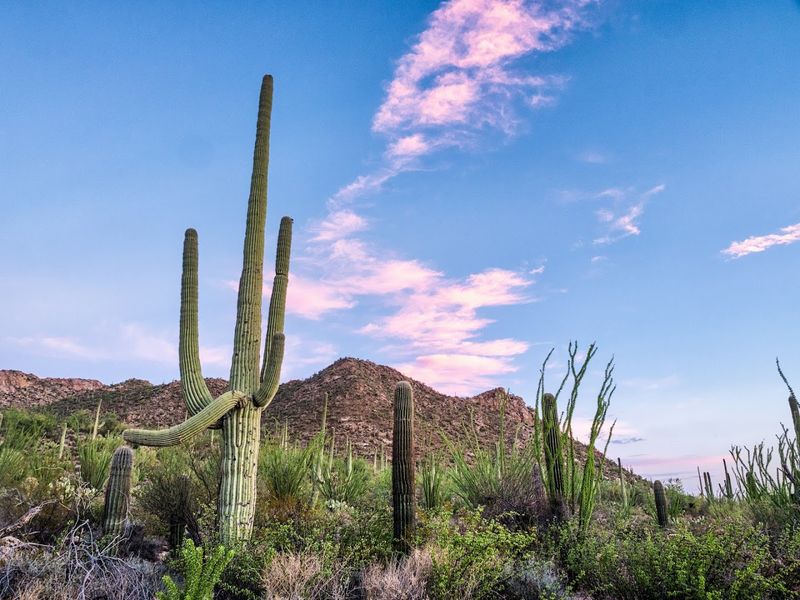
Arizona has a well-earned reputation as one of the top birding states in the country, and Saguaro National Park is a strong example of why. NPS specifically notes that the park contains species seen in very few other places in the United States, including vermilion flycatchers and whiskered screech owls, two birds that make serious birders take notice.
The park’s habitats run from lowland Sonoran Desert up through higher-elevation pine forests, which creates more bird diversity than you might expect from a park named after a cactus. Desert washes, rocky slopes, and the transition zones between habitats all support their own bird communities.
For travelers who want birding with a distinctly Southwestern character, Saguaro delivers on that in a way few parks can match. Cactus wrens, Gila woodpeckers, curve-billed thrashers, and elf owls all fit the scenery here in a way that feels completely natural.
The desert backdrop makes every sighting feel a little more memorable.
Cuyahoga Valley National Park, Ohio
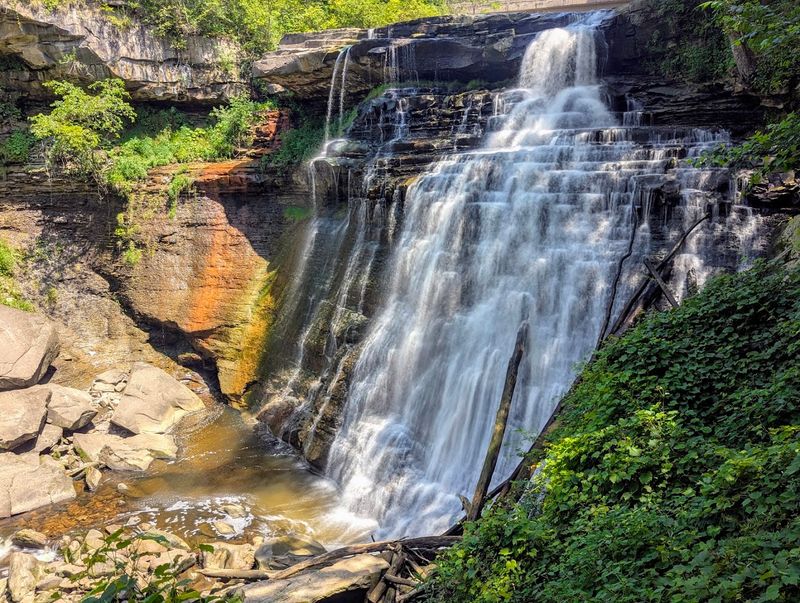
Not every great birding park requires a cross-country flight or a week in the backcountry. Cuyahoga Valley National Park sits between Cleveland and Akron, making it one of the most accessible national parks in the country, and the birding credentials are legitimate.
NPS says more than 200 types of birds can be observed there throughout the year.
The park has been designated an Important Bird Area by the National Audubon Society, which reflects the quality of its habitats. Forests, rolling hills, open farmland, and the Cuyahoga River all contribute to the park’s bird diversity within a relatively compact area.
Beaver Marsh is one of the most visited spots in the park for good reason. The restored wetland attracts waterfowl, herons, and other wetland-dependent species, and it is easy to reach from the Towpath Trail.
For birders in the Midwest who want a national park experience without a major journey, Cuyahoga Valley earns its spot on this list with consistency.
Shenandoah National Park, Virginia
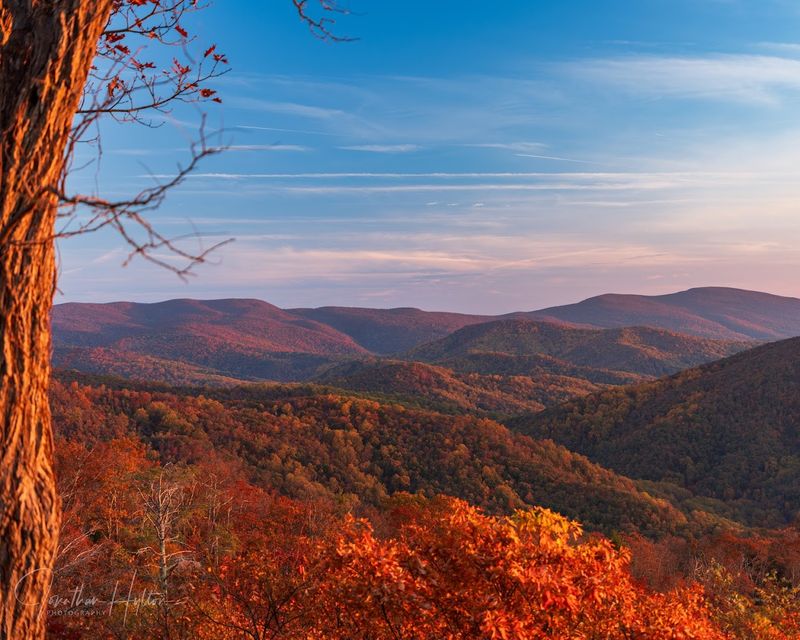
Shenandoah National Park is a reliable eastern birding destination, particularly for people drawn to forest birds and the rhythms of spring migration. NPS says more than 190 resident and transient bird species can be found in the park, with roughly half of them breeding there during the warmer months.
The park’s position along the crest of the Blue Ridge Mountains and its extensive forest cover make it an important corridor for neotropical migratory birds. Warblers, vireos, thrushes, and tanagers move through in significant numbers during spring, and the forest habitat supports a healthy breeding community through summer.
From a practical standpoint, Shenandoah is one of the easier mountain parks to bird systematically. Skyline Drive runs the length of the park and provides access to overlooks, trailheads, meadows, and forested areas at various elevations.
You can cover a lot of productive ground in a single day without needing technical gear or backcountry experience. That accessibility matters.
Share this story