Food is a window into culture, lifestyle, and even economics. Some countries stand out for consuming remarkably large amounts of food per person each year, driven by everything from rich culinary traditions to rising incomes and changing diets.
Understanding which nations eat the most can reveal a lot about how people live around the world. Here is a look at 15 countries where food consumption per person ranks among the highest globally.
1. Belgium
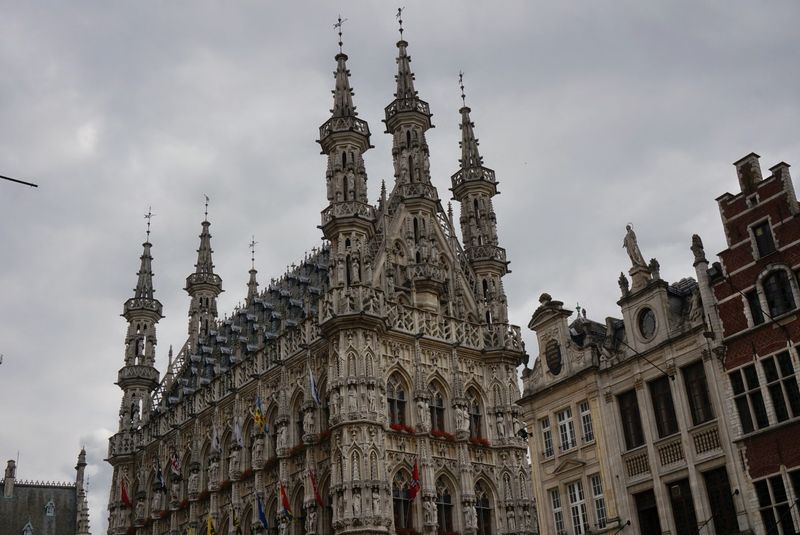
Belgium may be a small country, but its appetite is anything but modest. Known worldwide for chocolate, waffles, and some of the crispiest fries you will ever taste, Belgians take their food culture seriously.
The country consistently ranks among the top food consumers per person in Europe.
Belgian meals are often social events, with families gathering around hearty dishes like carbonnade flamande, a rich beef stew cooked in local beer. Food quality matters deeply here, and Belgians tend to favor fresh, locally sourced ingredients.
The country has more Michelin-starred restaurants per capita than almost anywhere else in the world.
With a strong economy and a deep-rooted love of good eating, it is no surprise that Belgium lands on this list. Belgians also consume a high amount of dairy and meat products, pushing their per-person food intake well above the global average.
2. Israel

Israel’s food scene is one of the most vibrant and diverse in the world. Drawing from Jewish, Arab, Mediterranean, and Middle Eastern traditions, Israeli cuisine is a rich tapestry of flavors that keeps people coming back for more.
Hummus, falafel, shakshuka, and fresh salads are daily staples for millions of residents.
The country’s warm climate supports year-round agriculture, meaning fresh produce is almost always available. Israelis consume large quantities of vegetables, legumes, and grains, which form the backbone of a Mediterranean-influenced diet.
Markets like Mahane Yehuda in Jerusalem overflow with colorful, fresh ingredients every single day.
Food is deeply tied to cultural and religious identity in Israel, with special meals marking holidays and family gatherings. This strong emotional connection to food, combined with a growing food industry and high purchasing power, places Israel firmly among the world’s top food-consuming nations per person.
3. United States

Few countries in the world consume as much food per person as the United States. Americans have long been associated with generous portion sizes, and that reputation is backed by data.
The average American consumes thousands of calories daily, well above what most nutrition experts recommend.
The U.S. food system is enormous, producing everything from grain and beef to processed snacks and fast food on a massive scale. Supermarkets here carry tens of thousands of products, giving consumers access to an almost overwhelming variety of choices.
Fast food culture, in particular, has shaped eating habits for generations.
That said, American food is far more varied than burgers and fries. Regional cuisines range from Cajun cooking in Louisiana to fresh seafood in New England.
Despite ongoing conversations about nutrition and health, overall food consumption per person in the United States remains among the highest anywhere on earth.
4. Ireland

Ireland has a long history built around hearty, filling food. Potatoes, bread, lamb, and dairy products have been central to the Irish diet for centuries, and that tradition of substantial eating continues today.
As Ireland’s economy has grown, so too has the variety and quantity of food its people consume.
Modern Irish diets blend traditional comfort foods with international influences. You will find everything from classic Irish stew to sushi restaurants in Dublin city center.
Still, the Irish love for filling, warming meals remains a defining feature of the country’s food culture, especially during the cooler months.
Ireland is also a major producer of dairy and beef, meaning high-quality animal products are both affordable and widely available. This easy access to protein-rich foods contributes significantly to the country’s high per-person food consumption.
Irish people tend to value sitting down for a proper meal, keeping food at the heart of daily life.
5. Turkiye
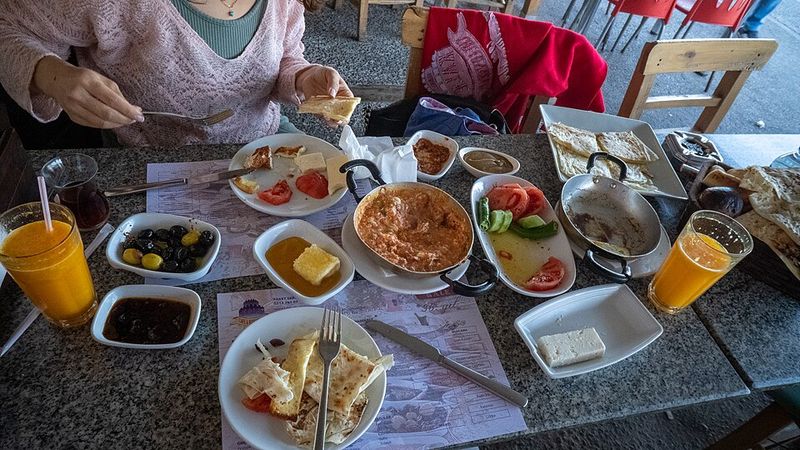
Turkish cuisine is one of the most celebrated in the world, and the country’s food consumption numbers reflect just how seriously Turkiye takes eating well. Meals here are communal, generous, and packed with flavor.
From the famous Turkish breakfast to elaborate dinner spreads, food is woven into the fabric of daily life.
Turkiye’s geography gives it an incredible agricultural advantage. The country produces olives, figs, hazelnuts, wheat, tomatoes, and much more within its own borders.
This abundance keeps food prices relatively accessible and encourages people to eat fresh, varied diets throughout the year.
Kebabs, mezes, baklava, and fresh bread are just a few of the staples that define Turkish eating habits. Meals are rarely rushed, and sharing food with guests is considered a sign of hospitality and respect.
With such a rich culinary tradition and strong agricultural output, Turkiye’s place on this list is well earned.
6. Austria

Austria punches well above its weight when it comes to food consumption per person. The country’s cuisine is hearty and satisfying, rooted in Central European traditions that prioritize meat, bread, dairy, and pastries.
Wiener Schnitzel and apple strudel are famous worldwide, but they are just the beginning of what Austrian kitchens have to offer.
Vienna’s coffee house culture is legendary. Austrians often linger over meals and pastries for hours, turning eating into a leisurely social ritual.
This cultural attitude toward food encourages higher consumption, as meals are savored rather than rushed through.
Austria’s strong economy means people have significant spending power when it comes to groceries and dining out. The country also has a thriving farming sector that supplies fresh meats, cheeses, and produce.
Combining economic strength, culinary tradition, and a genuine love of good food, Austria consistently ranks as one of Europe’s top food-consuming nations per capita.
7. Poland
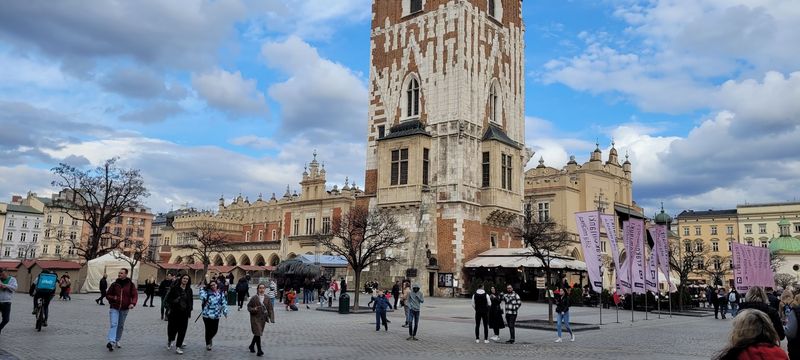
Poland’s food culture is built around bold flavors and filling portions. Pierogi, bigos, kielbasa, and zurek soup are national favorites that have nourished Polish families for generations.
Polish cooking is unpretentious and deeply satisfying, designed to fuel people through cold winters and long workdays.
Meat consumption in Poland is notably high, with pork being a particular staple. Poles also consume significant amounts of bread, dairy, and root vegetables.
Traditional recipes have been passed down through families for centuries, keeping a strong sense of food heritage alive even as modern influences creep into Polish kitchens.
Poland’s economy has grown significantly in recent decades, and rising incomes have allowed more people to eat more varied and plentiful diets. Supermarkets are well stocked, and food remains relatively affordable compared to Western Europe.
This combination of tradition, affordability, and growing prosperity helps explain why Poland ranks among the top food consumers per person in the world.
8. Romania
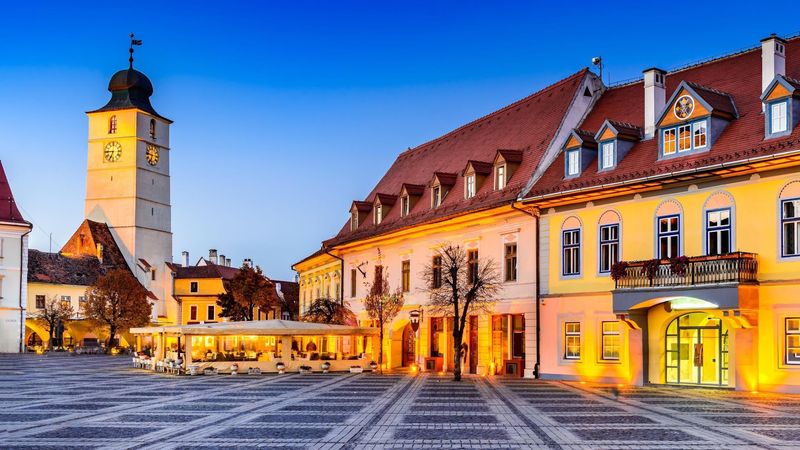
Romanian cuisine is rustic, flavorful, and deeply connected to the land. Sarmale, mamaliga, and ciorba are beloved dishes that have been feeding Romanian families for centuries.
Food in Romania is often homemade, with many families still growing their own vegetables and raising animals in rural areas.
Romania has one of the highest rates of home food production in Europe. This self-sufficiency means people have access to large quantities of fresh, natural food, which contributes to higher overall consumption per person.
Traditional cooking methods, like slow simmering and pickling, are still very much alive here.
Meals in Romania are rarely small. Portions are generous, and hospitality means offering guests as much food as they can eat.
As Romania’s economy has developed and supermarkets have expanded, access to a wider variety of foods has grown too. The result is a country where eating well and eating plenty are both deeply valued parts of everyday life.
9. Saudi Arabia
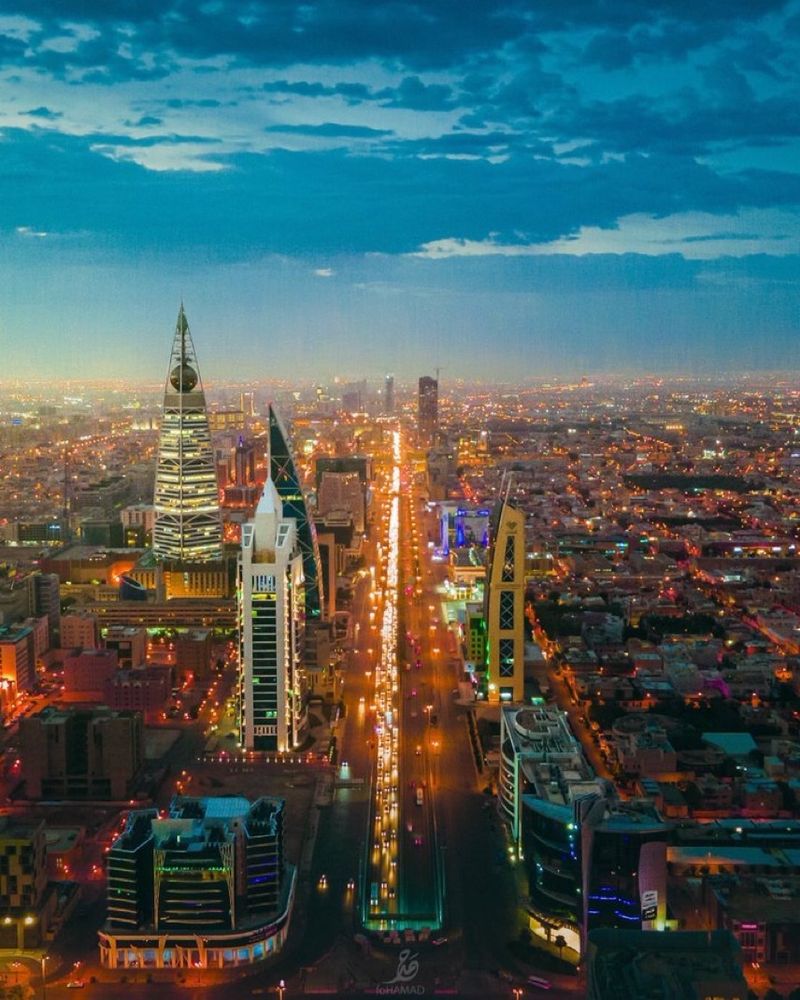
Saudi Arabia’s food culture is defined by generosity and abundance. Hospitality is a core value in Saudi society, and offering guests large, lavish meals is a point of pride.
Kabsa, a fragrant rice dish with meat and spices, is perhaps the most iconic national dish, often prepared in enormous quantities for gatherings.
The country’s high per-capita income means Saudi families spend significantly on food, both at home and in restaurants. International fast food chains are enormously popular alongside traditional cuisine, and food delivery services have boomed in recent years.
Meat consumption, particularly lamb and chicken, is very high.
Saudi Arabia imports a large portion of its food due to its desert climate, but this has not dampened appetite or variety. The country’s food market is one of the largest in the Middle East.
Combining cultural traditions of feasting with strong purchasing power, Saudi Arabia’s per-person food consumption is among the highest in the region and the world.
10. Italy
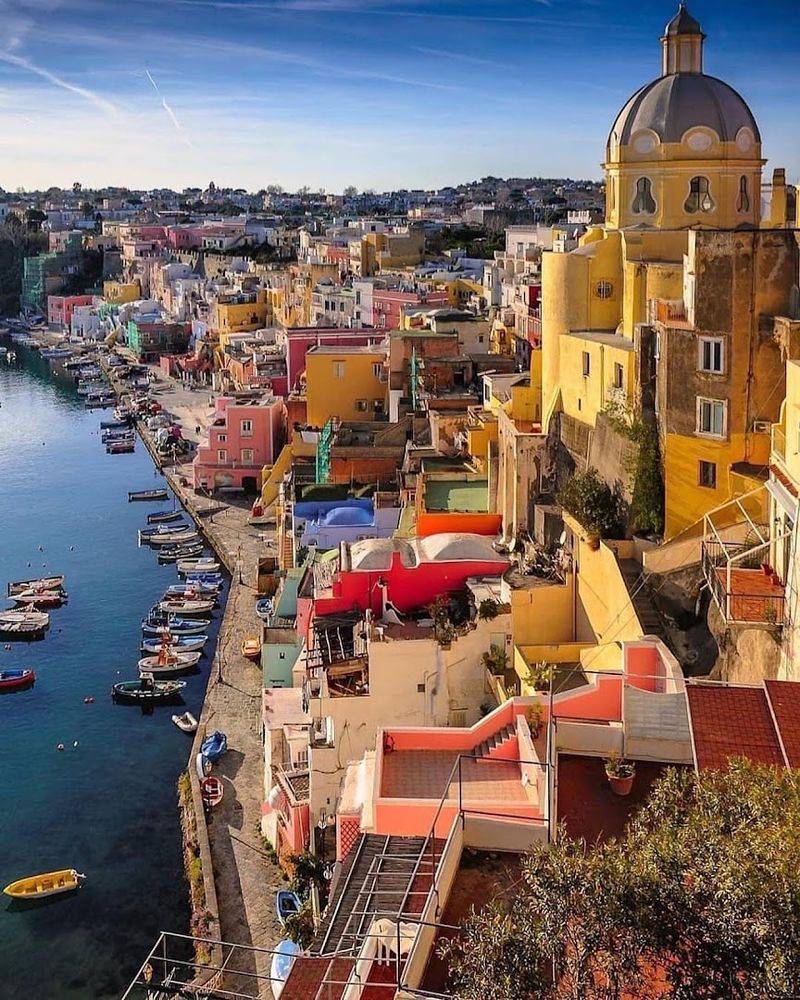
Italy and food are practically synonymous. Few countries on earth have contributed as much to global cuisine as Italy, and Italians themselves eat with a passion and consistency that reflects this deep cultural bond.
From Sunday pasta lunches to evening aperitivo, food structures the Italian day in meaningful ways.
Italian diets are centered around fresh ingredients, seasonal produce, olive oil, and simple but expertly prepared dishes. The Mediterranean diet, largely based on Italian eating habits, is widely recognized as one of the healthiest in the world.
Yet Italians still consume food in generous quantities, particularly carbohydrates, dairy, and cured meats.
Regional variation is extraordinary in Italy. What people eat in Sicily looks very different from what lands on plates in Milan or Bologna.
This diversity keeps food exciting and encourages people to eat widely. With such a rich culinary culture and strong agricultural tradition, Italy’s high per-person food consumption is both understandable and entirely delicious.
11. Iceland

Iceland might seem like an unlikely entry on a list of top food-consuming countries, but its numbers are impressive. The island nation has a small population but a high standard of living, which translates into significant food spending and consumption per person.
Icelanders eat heartily, favoring protein-rich foods to fuel life in a cold climate.
Fish is the cornerstone of Icelandic cuisine. With some of the most productive fishing waters in the world surrounding the island, fresh cod, haddock, and Arctic char are everyday foods.
Lamb is also hugely popular, with Icelandic sheep raised on wild pastures producing notably flavorful meat.
Skyr, a thick dairy product similar to yogurt, has become famous internationally but has been an Icelandic staple for centuries. Dairy consumption in Iceland is high overall.
As a wealthy nation with a strong food culture rooted in the natural environment, Iceland’s per-capita food consumption stands out even among developed nations.
12. North Macedonia

North Macedonia may not be the first country that comes to mind when thinking about big food consumers, but its per-person numbers are genuinely notable. Macedonian cuisine is bold and flavorful, drawing on a blend of Balkan, Mediterranean, and Ottoman influences that have shaped the region’s cooking for centuries.
Tavce gravce, a slow-cooked bean casserole, is considered the national dish and is eaten regularly across the country. Ajvar, a roasted red pepper relish, is made in enormous batches every autumn and consumed throughout the year.
Grilled meats, fresh cheeses, and homemade bread round out the typical Macedonian table.
Agriculture plays a significant role in North Macedonia’s economy, and fresh, locally grown produce is widely available and affordable. Many families still preserve and pickle foods at home, ensuring a steady supply of flavorful ingredients year-round.
This combination of culinary tradition and agricultural abundance keeps food consumption per person consistently high.
13. Denmark
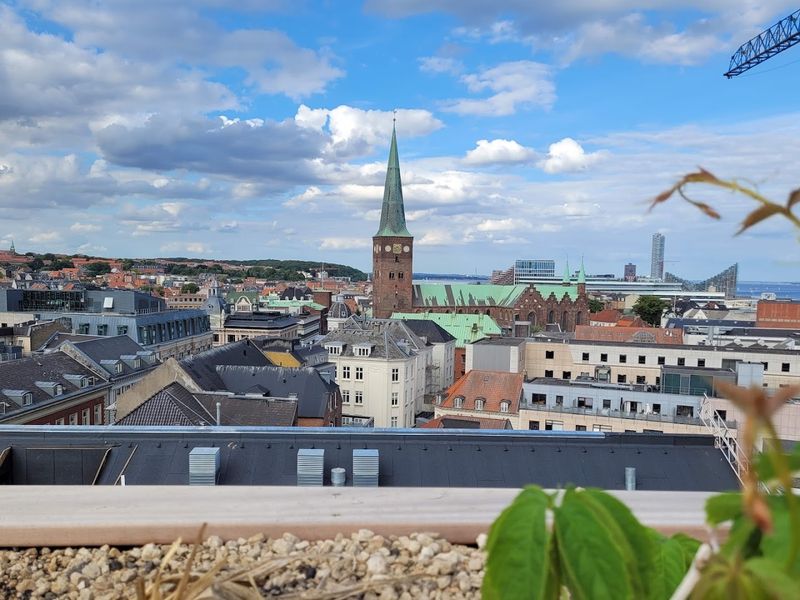
Denmark has become one of the most talked-about food destinations in the world, largely thanks to the New Nordic cuisine movement that put Copenhagen on the global culinary map. But beyond trendy restaurants, everyday Danish food culture is equally impressive in its scale and quality.
The classic smorrebrod, an open-faced rye bread sandwich topped with everything from pickled herring to roast beef, is a Danish staple eaten at lunch across the country. Danes also consume significant amounts of dairy, pork, and pastries.
The famous Danish pastry, known locally as wienerbrød, is a beloved daily treat.
Denmark’s high standard of living means people spend generously on food, prioritizing quality and freshness. Organic food consumption in Denmark is among the highest in Europe.
With a food culture that balances tradition with innovation and a population with strong purchasing power, Denmark’s per-person food consumption is no surprise at all.
14. Germany
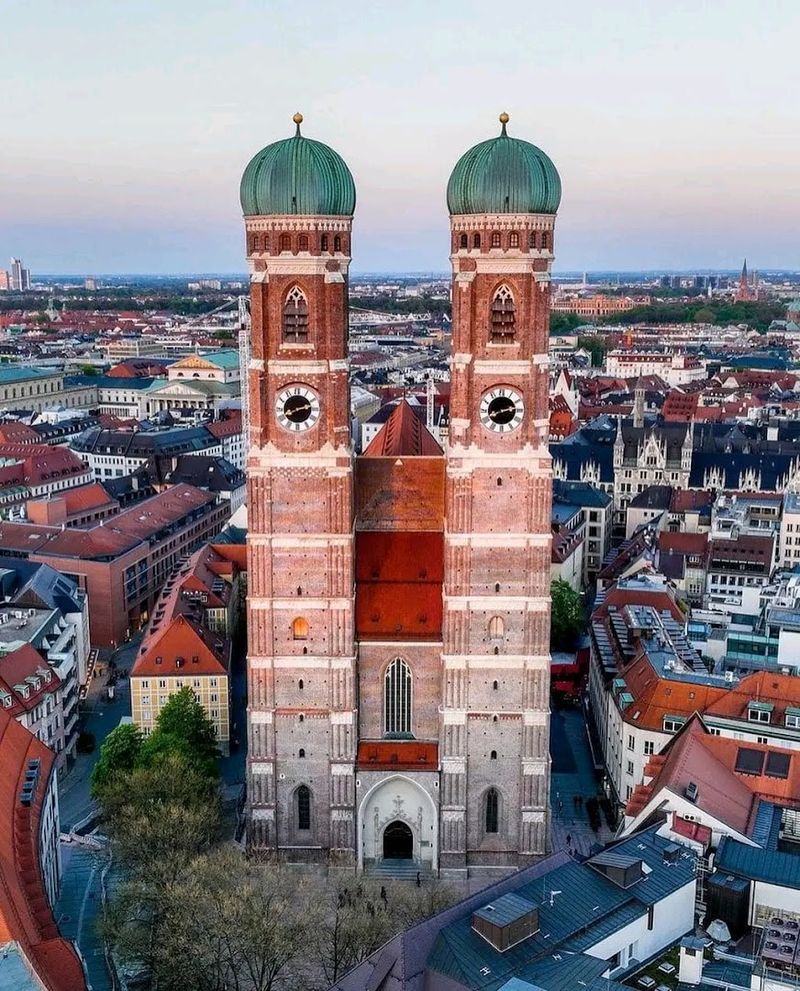
Germany is famous for its love of bread, sausage, and beer, and the data on food consumption per person confirms that this reputation is well founded. Germans take their meals seriously, with a food culture that values quality ingredients, regional specialties, and time-honored recipes passed down through generations.
Bread culture in Germany is extraordinary. The country produces hundreds of distinct varieties of bread, from dense rye loaves to soft pretzels, and Germans consume more bread per person than almost any other nation.
Sausage, known broadly as wurst, comes in just as many regional forms and appears at breakfast, lunch, and dinner.
Germany’s food industry is one of the largest in Europe, producing and exporting enormous quantities of food products. Supermarkets are well supplied, and food prices remain accessible for most households.
Combining a deep-rooted love of hearty eating with economic strength and a thriving food sector, Germany earns its place among the world’s top food-consuming nations.
15. Portugal

Portugal’s relationship with food is deeply emotional and historically rich. Bacalhau, salted and dried codfish, is the country’s most iconic ingredient, with locals claiming there are over 365 ways to prepare it.
Grilled sardines, fresh seafood, and hearty meat stews are equally beloved across the country’s regions.
Portuguese people eat with enthusiasm and frequency. The midday meal is often the largest of the day, with workers and families sitting down for multi-course lunches that might include soup, a main dish, dessert, and coffee.
This cultural approach to eating naturally increases overall food consumption per person.
Portugal’s Atlantic coastline provides an extraordinary supply of fresh fish and shellfish, which are consumed in large quantities year-round. Olive oil, wine, and fresh vegetables from fertile farmland complete the picture of a diet that is both plentiful and rooted in the land.
Portugal’s food culture is a beautiful reflection of its history, geography, and warm way of life.
Share this story