Earthquakes are among the most powerful and unpredictable forces on Earth. They can strike without warning, reshaping entire landscapes and devastating communities in a matter of seconds.
Throughout history, certain earthquakes have left marks so deep that the world still remembers them centuries later. From ancient China to modern Japan, these 15 earthquakes stand out as the most terrifying ever recorded.
1. 1556 Shaanxi Earthquake, China
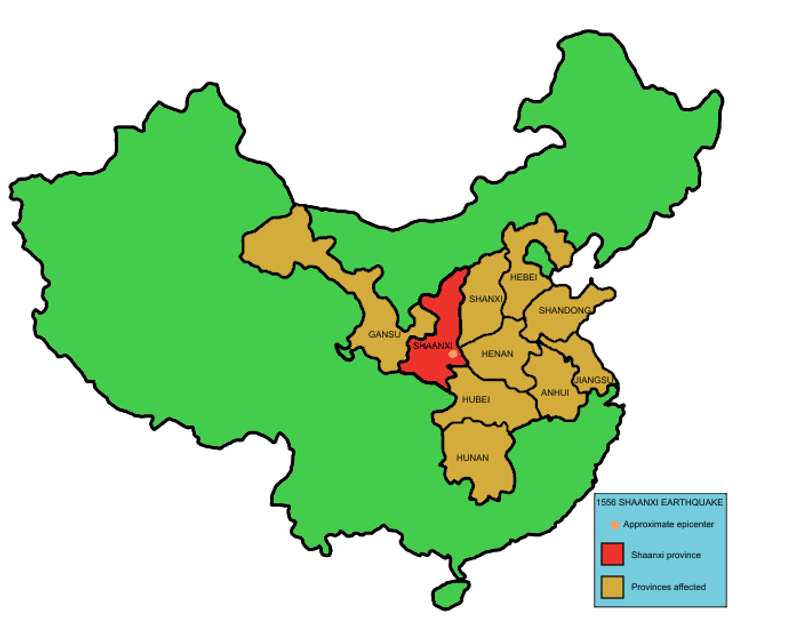
On the morning of January 23, 1556, the ground beneath China’s Shaanxi province shook with a force that modern scientists estimate at magnitude 8.0. What followed was the deadliest earthquake in recorded human history.
An estimated 830,000 people lost their lives in a matter of minutes.
Most residents of the region lived in yaodongs, cave-like homes carved into soft loess cliffs. When the shaking began, these structures collapsed instantly, burying entire families alive.
The destruction spread across an area of roughly 520 miles.
Fires broke out in the chaos, and landslides buried countless villages. The earthquake reshaped rivers and caused the ground to crack open in several places.
Local records from the Ming Dynasty describe the disaster in haunting detail. Even by today’s standards, the death toll remains unmatched by any earthquake in documented history.
2. 2004 Indian Ocean Earthquake and Tsunami, Indonesia
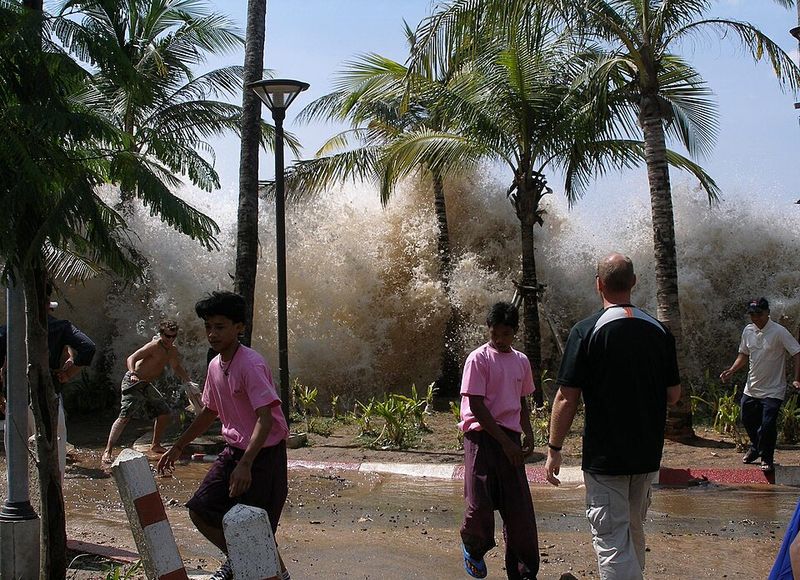
Few natural disasters in modern history match the scale of December 26, 2004. A magnitude 9.1 earthquake ruptured beneath the Indian Ocean off the coast of Sumatra, triggering one of the deadliest tsunamis ever recorded.
Waves traveled across entire ocean basins at jet-aircraft speeds.
Countries across South and Southeast Asia bore the brunt of the devastation. Indonesia, Sri Lanka, India, and Thailand were among the hardest hit.
More than 227,000 people across 14 countries died within hours of the initial quake.
The tsunami waves reached heights of up to 100 feet in some areas, wiping coastal communities completely off the map. Entire fishing villages vanished.
The disaster prompted a global humanitarian response and led to the creation of improved tsunami early-warning systems across the Indian Ocean region, helping protect millions of people from future threats.
3. 2011 Tohoku Earthquake and Tsunami, Japan
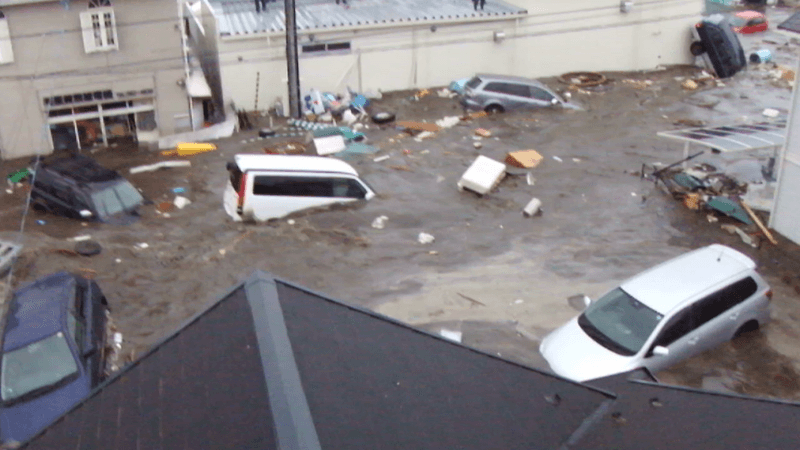
Japan is no stranger to earthquakes, but March 11, 2011, delivered something the country had never seen before. A magnitude 9.0 megathrust earthquake struck off the northeastern coast, generating a tsunami with waves topping 130 feet in some locations.
The ground shook for nearly six minutes.
Nearly 20,000 people died, and entire coastal towns were erased from the map. The tsunami also triggered a catastrophic meltdown at the Fukushima Daiichi nuclear power plant, adding a nuclear crisis to an already overwhelming disaster.
Over 450,000 people were displaced, and the economic damage exceeded 200 billion dollars, making it one of the costliest natural disasters in history. Japan’s response showcased extraordinary community resilience and engineering preparation.
Still, the Fukushima fallout reshaped global conversations about nuclear energy safety and the risks of building power plants near earthquake-prone coastlines.
4. 1960 Valdivia Great Chilean Earthquake, Chile
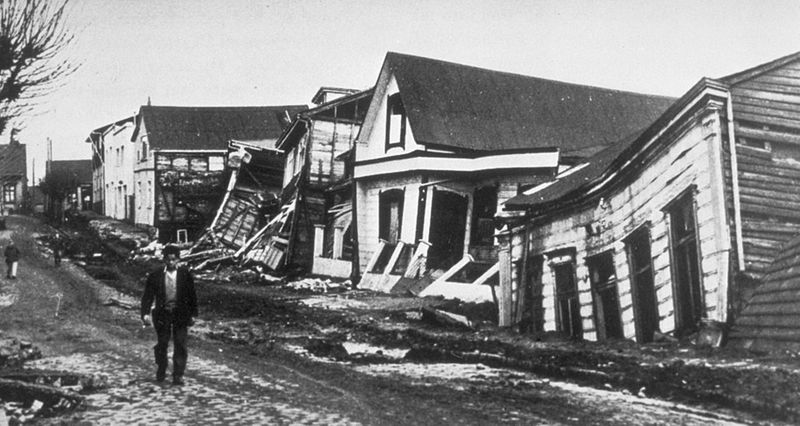
No earthquake in recorded history has ever been stronger than the 1960 Valdivia earthquake. Striking southern Chile on May 22, 1960, with a staggering magnitude of 9.5, it remains the most powerful earthquake ever measured on a seismograph.
The shaking lasted nearly 10 minutes.
The quake triggered massive tsunamis that traveled across the entire Pacific Ocean. Waves struck Hawaii, Japan, and the Philippines hours after the initial event.
In Chile alone, between 1,000 and 6,000 people died, and two million were left homeless.
Volcanic eruptions followed the earthquake, adding more chaos to an already devastated region. The disaster reshaped Chile’s coastline permanently, with some areas sinking several feet.
Scientists still study the Valdivia earthquake today because of what it revealed about the mechanics of subduction zones and how seismic energy can ripple across an entire ocean basin.
5. 2010 Haiti Earthquake, Haiti
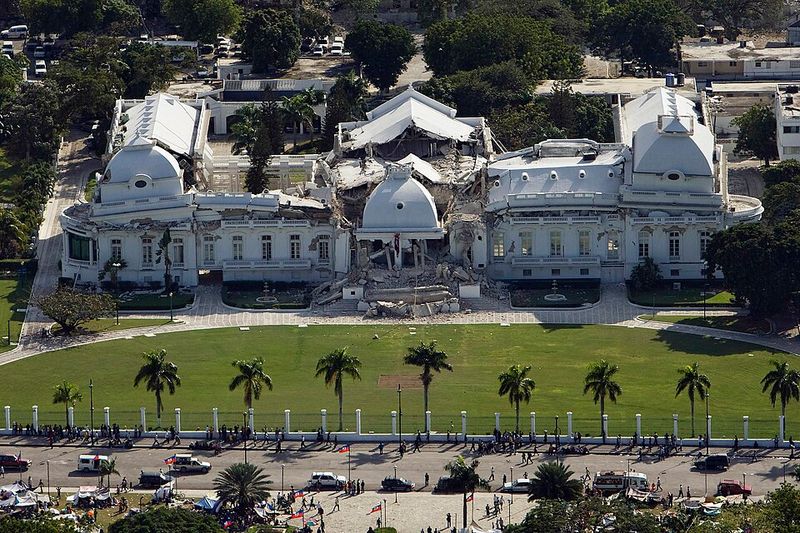
On January 12, 2010, a magnitude 7.0 earthquake struck just 15 miles from Haiti’s capital, Port-au-Prince. The country was already among the most economically vulnerable in the Western Hemisphere, and the quake shattered what little infrastructure existed.
Buildings crumbled like sand castles within seconds.
The death toll is estimated between 100,000 and 316,000 people, making it one of the deadliest earthquakes of the 21st century. Millions were left homeless, sleeping in makeshift camps for months and even years afterward.
The Presidential Palace, hospitals, and schools all collapsed.
Haiti’s lack of earthquake-resistant construction played a major role in the catastrophic loss of life. International aid poured in from around the world, but corruption and logistical challenges slowed recovery significantly.
Years later, many Haitians were still living in temporary shelters, a painful reminder of how poverty amplifies the deadly impact of natural disasters.
6. 1976 Tangshan Earthquake, China
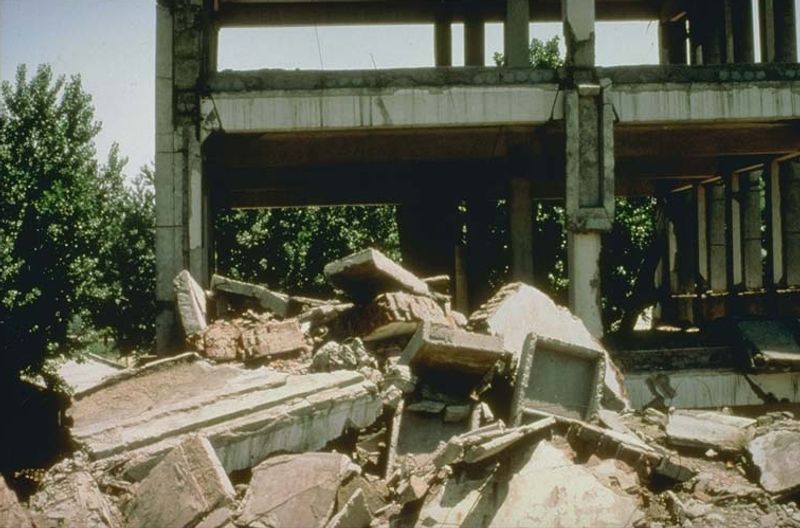
At 3:42 in the morning on July 28, 1976, the Chinese city of Tangshan was essentially leveled in under a minute. The magnitude 7.6 earthquake struck while most residents were asleep, giving them no chance to escape collapsing buildings.
The city of one million people was nearly wiped out.
The Chinese government initially downplayed the disaster, refusing international aid and keeping casualty numbers secret. Official figures placed the death toll at 242,000, but many researchers believe the true number may have been closer to 700,000.
Tangshan was a major coal-mining and industrial hub, and its destruction had significant economic consequences for China. The earthquake came during a turbulent political period, just weeks before the death of Chairman Mao Zedong.
Rebuilding took years, but Tangshan eventually rose again, becoming a symbol of recovery and urban reconstruction in modern Chinese history.
7. 2008 Sichuan Earthquake, China
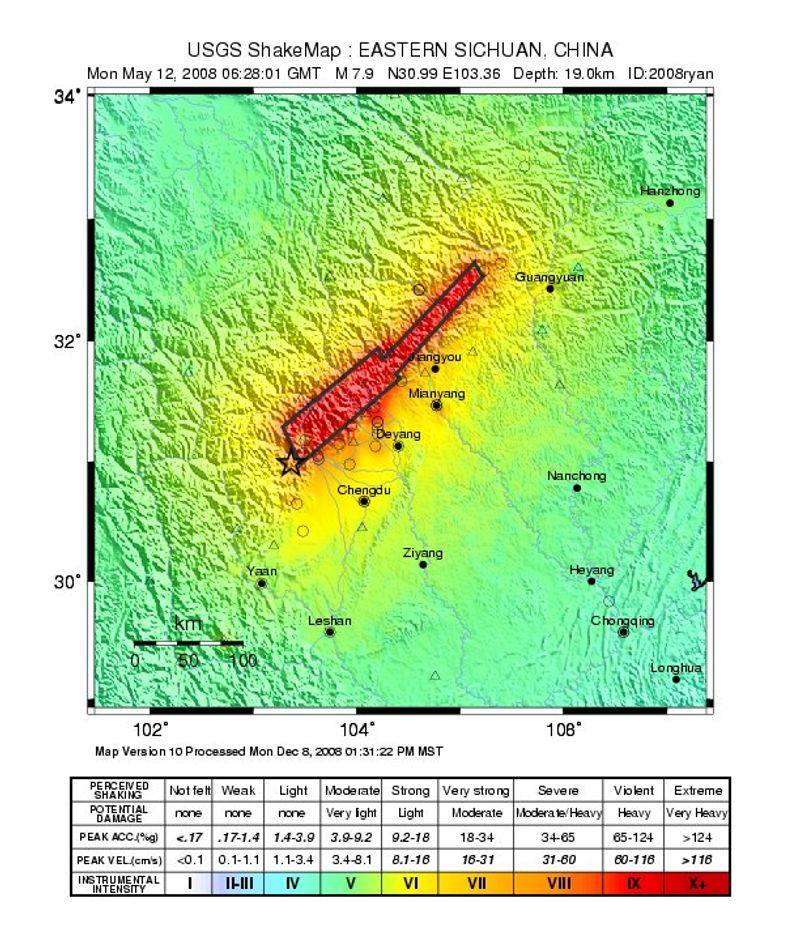
May 12, 2008, started like any normal school day in China’s Sichuan province. Then the ground moved.
A magnitude 7.9 earthquake struck the region, and within seconds, thousands of school buildings pancaked onto the children inside them. The loss of young lives made this disaster especially heartbreaking.
Nearly 70,000 people died, and over 370,000 were injured. Five million people lost their homes.
The earthquake triggered thousands of landslides in the surrounding mountainous terrain, blocking roads and cutting off rescue teams from reaching survivors.
One of the most painful controversies that emerged involved the collapse of so many schools compared to nearby government buildings. Critics blamed poorly constructed “tofu-dreg” buildings built with substandard materials.
China’s government launched a massive relief and reconstruction effort. The Sichuan earthquake became a turning point in how China approached building codes and disaster preparedness in earthquake-prone mountain regions.
8. 1906 San Francisco Earthquake, United States
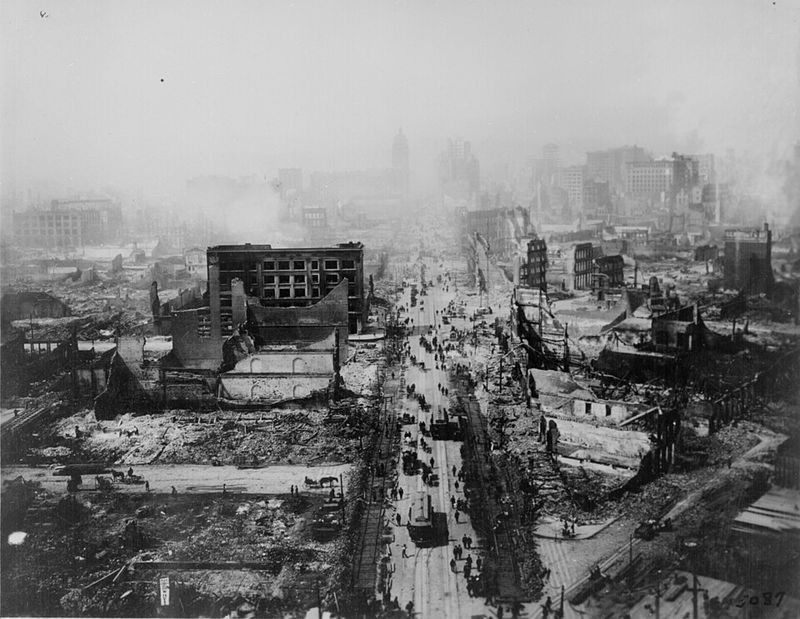
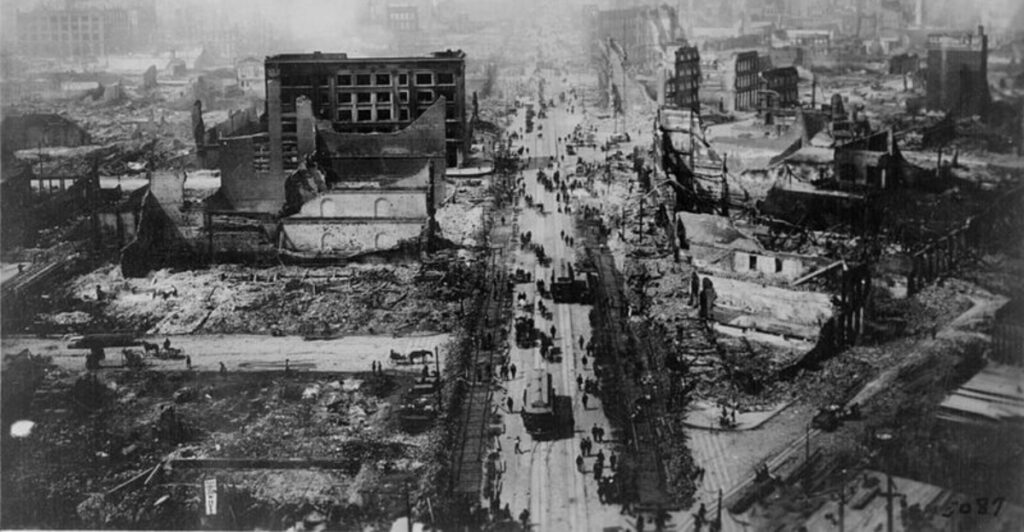
San Francisco in 1906 was a booming city, full of energy and ambition. All of that changed at 5:12 a.m. on April 18, when a magnitude 7.9 earthquake ripped along the San Andreas Fault.
The shaking lasted nearly a minute and cracked water mains throughout the city.
Without water to fight fires, blazes ignited by broken gas lines burned uncontrolled for three days. The fires ultimately caused more destruction than the earthquake itself.
Around 3,000 people died, and more than half the city’s population of 400,000 was left homeless.
City officials infamously tried to undercount the dead, particularly deaths in Chinatown, to avoid deterring future investment. The disaster forced major rethinking of urban planning and fire safety in American cities.
It also remains one of the most studied earthquakes in U.S. history, providing crucial early data about fault lines and seismic behavior.
9. 1923 Great Kanto Earthquake, Japan
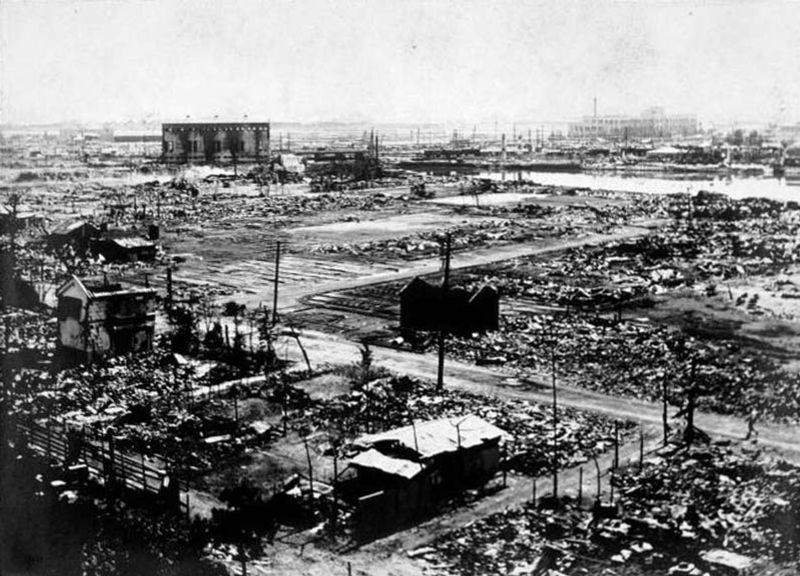
September 1, 1923, was a Saturday, and many families in Tokyo and Yokohama were preparing lunch when the earth erupted beneath them. The magnitude 7.9 Great Kanto Earthquake struck at midday, toppling buildings and snapping gas lines just as cooking fires burned across the city.
The timing was catastrophic.
Firestorms swept through Tokyo’s densely packed wooden neighborhoods for two days. In one tragic incident, around 38,000 people who had taken shelter in an open area called the Military Clothing Depot were killed when a fire tornado swept over them.
Total deaths reached approximately 140,000.
The disaster also triggered a dark chapter in Japanese history. Ethnic Koreans were falsely blamed for the chaos, leading to violent mob killings of thousands of innocent people.
The Great Kanto Earthquake reshaped Tokyo’s urban landscape and influenced Japan’s long-term approach to earthquake-resistant construction and emergency planning.
10. 1755 Lisbon Earthquake, Portugal
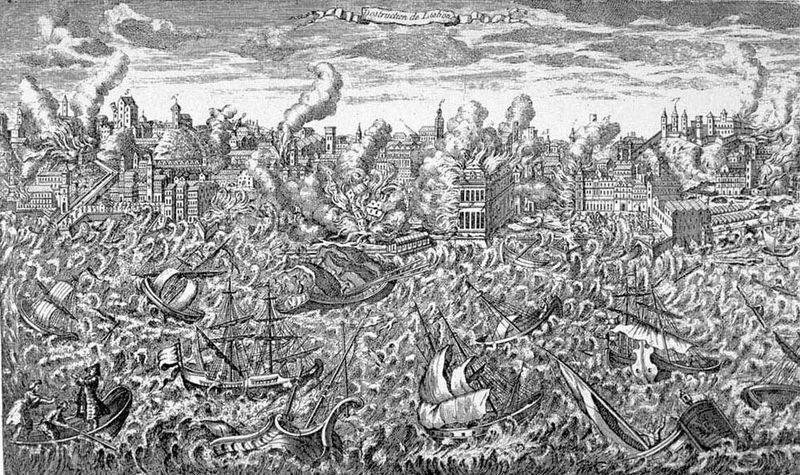
All Saints Day, November 1, 1755, began with church bells ringing across Lisbon, one of Europe’s wealthiest and most magnificent cities. Then, estimated at magnitude 8.5 to 9.0, a massive earthquake struck, collapsing churches packed with worshippers.
Tsunamis and fires followed within minutes.
Between 30,000 and 60,000 people died in Lisbon alone. The earthquake was felt as far away as Finland and North Africa.
The destruction of one of Europe’s great capitals sent shockwaves through the intellectual and religious world, sparking major philosophical debates about God, nature, and human suffering.
Philosopher Voltaire referenced the Lisbon earthquake in his famous work Candide. The disaster also influenced the development of modern seismology and emergency management.
Portugal’s chief minister, the Marquis of Pombal, led a remarkable rebuilding effort, redesigning Lisbon with earthquake-resistant architecture that became an early model for disaster-resilient urban planning worldwide.
11. 2005 Kashmir Earthquake, Pakistan
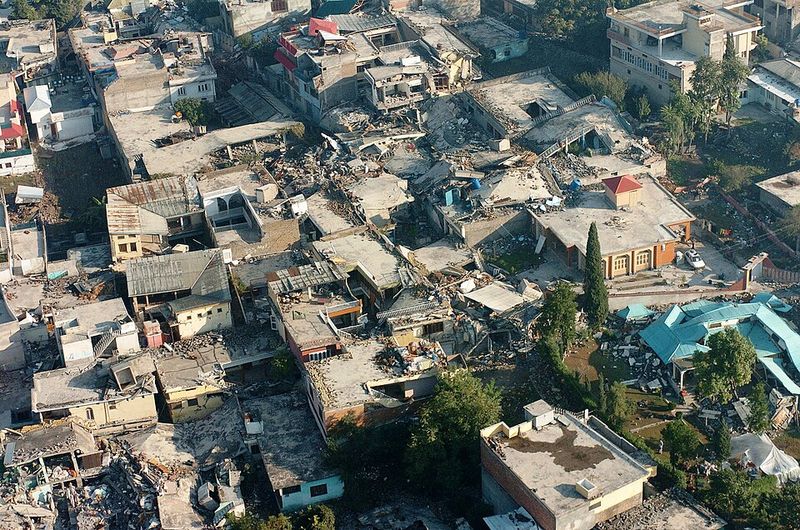
Perched high in the Himalayas, the Kashmir region sits on some of the world’s most active fault lines. On October 8, 2005, a magnitude 7.6 earthquake struck with devastating precision, reducing entire mountain villages to rubble in seconds.
Rescue teams struggled to reach remote areas cut off by landslides.
More than 86,000 people died, and over three million were left homeless as winter approached in the mountains. The timing was particularly cruel since survivors faced freezing temperatures with no shelter and limited food supplies.
Children were heavily impacted as many schools collapsed during morning hours.
International aid organizations mobilized quickly, but the rugged terrain slowed delivery of supplies. Pakistan’s military played a central role in the rescue operation.
The 2005 Kashmir earthquake exposed critical gaps in disaster preparedness for mountain communities and led to improved early-warning systems and building standards across Pakistan’s earthquake-vulnerable northern regions.
12. 2015 Nepal Gorkha Earthquake, Nepal
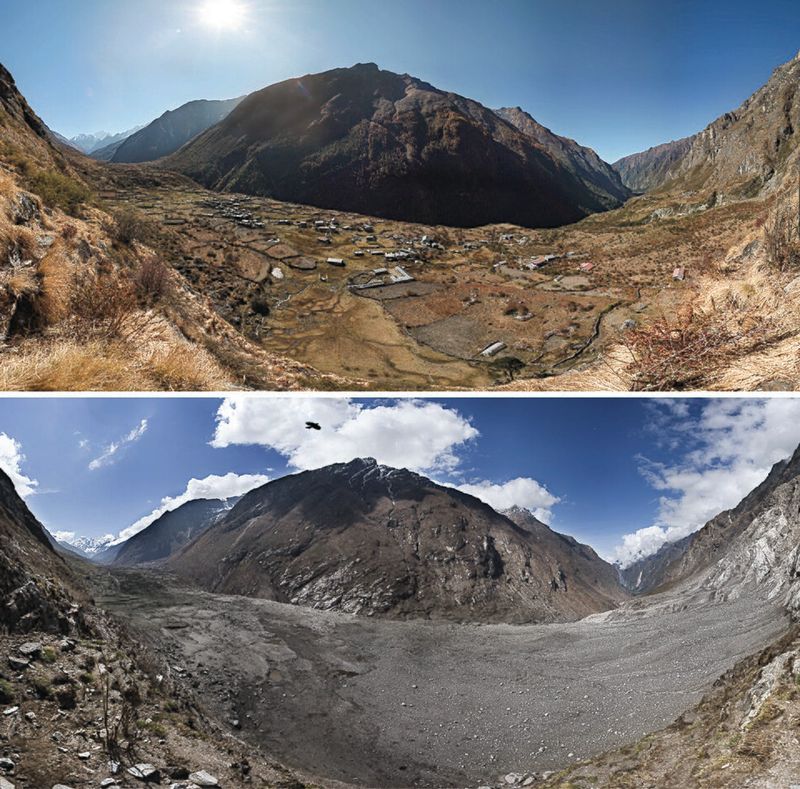
Nepal sits on a collision zone where the Indian tectonic plate pushes steadily northward into the Eurasian plate. On April 25, 2015, that geological tension released in a magnitude 7.8 earthquake centered near Gorkha district.
The shaking lasted nearly a minute and was felt across South Asia.
Nearly 9,000 people died, and over 22,000 were injured. The earthquake destroyed around 600,000 homes and damaged countless historic temples and monuments in Kathmandu’s famous Durbar Square.
An avalanche triggered on Mount Everest killed climbers at base camp.
Aftershocks, including a magnitude 7.3 quake just 17 days later, prolonged the terror and prevented rescue operations. Nepal’s mountainous landscape made accessing remote villages extremely difficult.
Volunteers and aid workers from dozens of countries joined the relief effort. The disaster reignited global discussions about protecting cultural heritage sites and strengthening construction standards in economically developing nations prone to seismic activity.
13. 1985 Mexico City Earthquake, Mexico
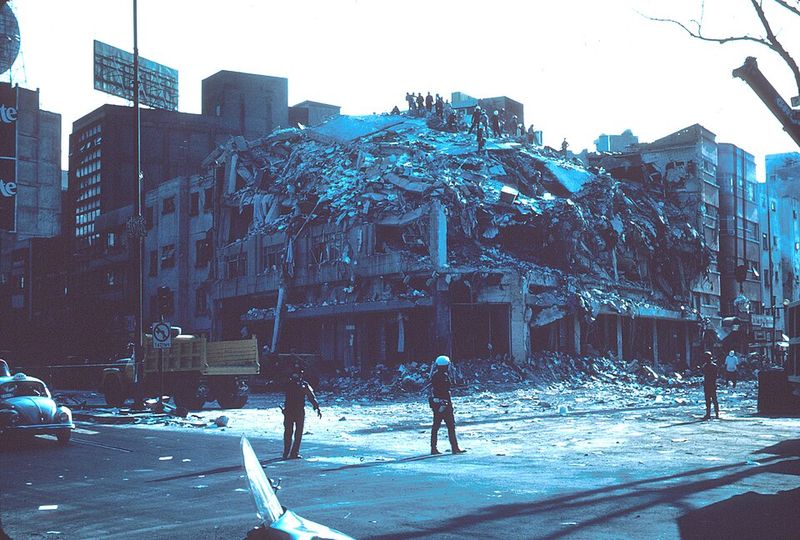
Mexico City is built on the soft lakebed of an ancient lake, and that geology turned a distant earthquake into a catastrophe. On September 19, 1985, a magnitude 8.1 earthquake struck off Mexico’s Pacific coast.
By the time the seismic waves reached the capital, the soft ground amplified the shaking dramatically.
Hundreds of buildings collapsed, including hospitals, hotels, and apartment complexes. Between 5,000 and 10,000 people died, though some estimates run higher.
Thousands more were trapped beneath rubble for days as rescuers worked around the clock.
One remarkable story emerged from the disaster: dozens of newborn babies survived in a hospital nursery even as the building crumbled around them. Citizen-led rescue brigades, not the government, organized much of the early relief effort.
The earthquake became a turning point in Mexican civil society, empowering ordinary citizens and eventually contributing to the country’s broader democratic reform movement in the years that followed.
14. 1999 Izmit Earthquake, Turkiye
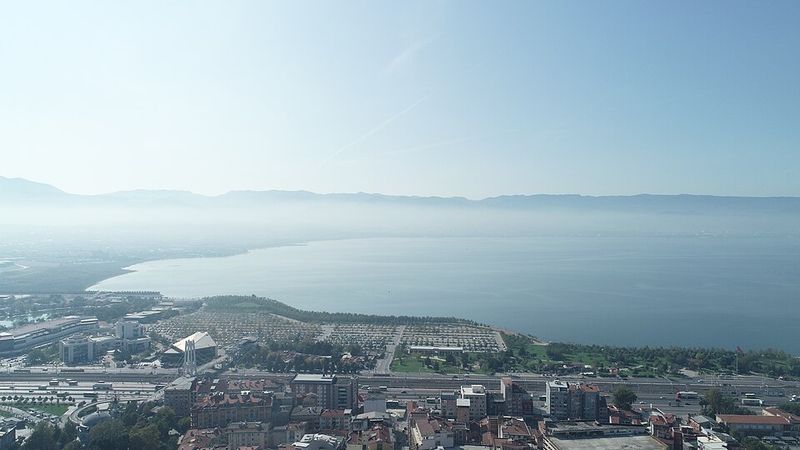
Turkey straddles one of the world’s most active fault systems, the North Anatolian Fault, and on August 17, 1999, that fault unleashed a magnitude 7.6 earthquake near the city of Izmit. Striking at 3:02 in the morning, the quake caught most residents completely off guard while they slept.
More than 17,000 people died, and around 500,000 were left homeless. Entire apartment blocks pancaked onto themselves, trapping thousands of sleeping families.
The industrial city of Izmit, home to a major oil refinery, also experienced a large fire that burned for days.
Investigations revealed widespread use of substandard construction materials, a problem often called “earthquake corruption” in Turkey. Builders had used beach sand instead of proper aggregate in concrete mixes, causing buildings to fail catastrophically.
The disaster sparked major legal reforms and stricter building code enforcement across Turkey, though compliance remained a challenge for years afterward.
15. 1964 Great Alaska Earthquake, United States
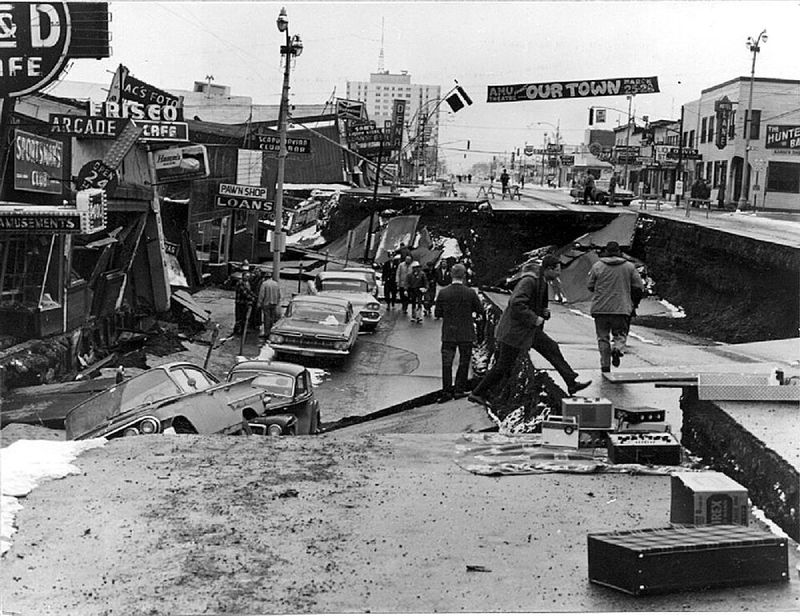
Good Friday, March 27, 1964, brought the most powerful earthquake ever recorded in North American history. Striking Prince William Sound in Alaska with a magnitude of 9.2, the quake shook the ground for an astonishing four to five minutes.
People hundreds of miles away felt the earth move beneath them.
The earthquake triggered massive tsunamis that devastated coastal Alaska and traveled as far as California, Oregon, and Hawaii. In Anchorage, entire neighborhoods sank as the ground liquefied beneath them.
Around 131 people died, a relatively low number given the quake’s enormous power, partly because Alaska’s population was sparse at the time.
Landslides destroyed the Turnagain Heights neighborhood in Anchorage, with blocks of earth dropping up to 70 feet. The disaster led directly to the creation of the National Tsunami Warning Center.
Scientists gained invaluable data from the 1964 quake, fundamentally advancing the understanding of subduction zone earthquakes and megathrust fault mechanics.
Share this story