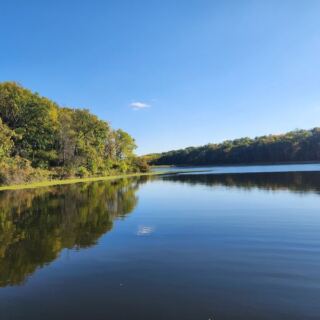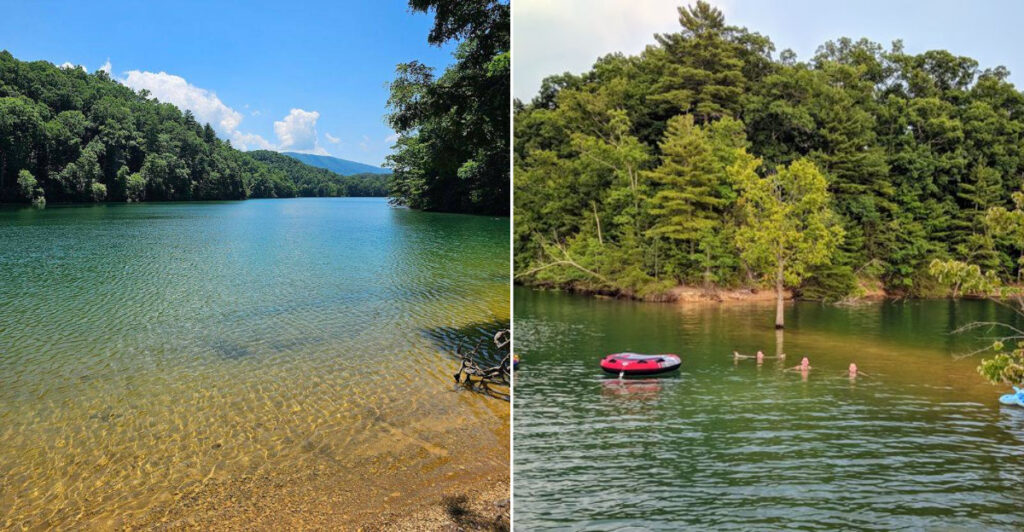
Tucked into the mountains of northeastern Tennessee, there is a lake that keeps pulling people back year after year. The water is remarkably clear, the surrounding hills are covered in forest, and the whole place carries a kind of quiet that is hard to find anywhere else.
This lake sits near Bristol, Tennessee, managed by the Tennessee Valley Authority, and it covers an impressive 7,580 acres. Locals have been calling it their happy place for generations, and once you read what makes this reservoir so extraordinary, it is easy to understand why.
From world-class trout fishing to cliff jumping and family camping, this lake offers far more than most people expect from a Tennessee reservoir.
How the TVA Shaped This Lake
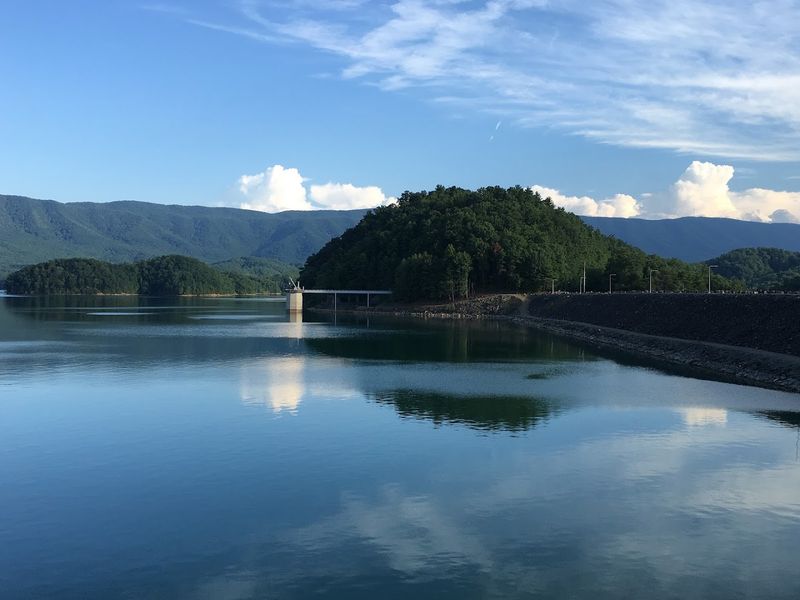
The Tennessee Valley Authority built South Holston Dam as part of its broader mission to manage the Tennessee River watershed, control flooding, and generate hydroelectric power across the region. The dam was completed in 1950, and the reservoir it created quickly became a recreational destination.
The TVA continues to manage water levels today, which means the depth and surface area of the lake can shift depending on the season and operational needs. At full capacity, the lake covers 7,580 acres and stretches for miles through a series of coves, inlets, and open water channels.
That management also plays a role in the lake’s water quality. Because the TVA controls the surrounding buffer land, development along the shoreline is strictly limited.
The result is a reservoir that has stayed noticeably cleaner and clearer than many other lakes in the Southeast, which is a big part of why it keeps earning such loyal fans.
The Crystal-Clear Water That Sets It Apart
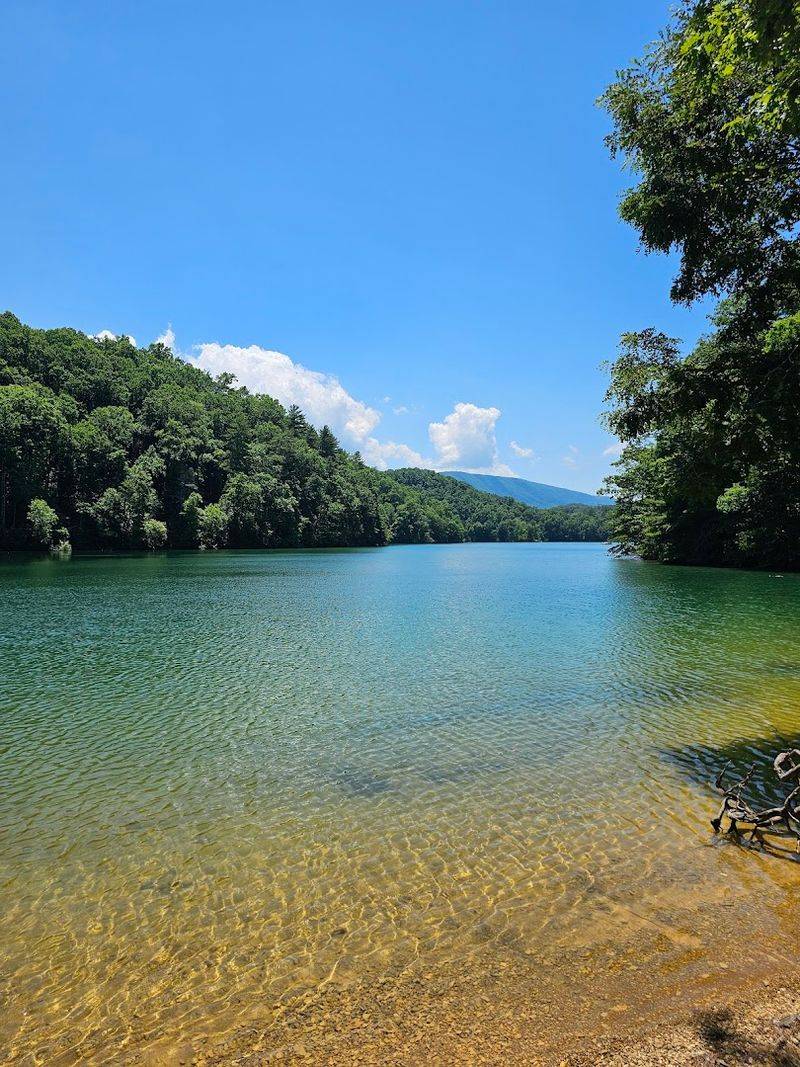
Not every lake earns a reputation for clear water, but South Holston consistently does. The clarity comes from a combination of factors, including the protected forested watershed, limited shoreline development, and the way the TVA manages inflow and outflow through the dam system.
The water is cold and deep in many sections, which also contributes to visibility. At certain points the lake reaches depths well over one hundred feet, and that depth helps maintain the water temperature and quality that fish and swimmers both appreciate.
On a calm day, the bottom is visible in the shallower coves, giving the water a blue-green tint that looks almost tropical for a Tennessee mountain lake. That clarity is not just a visual feature.
It signals a healthy aquatic ecosystem, and it is one of the main reasons the lake draws fly fishers, boaters, and families from across the region every single year.
World-Class Trout Fishing Below the Dam
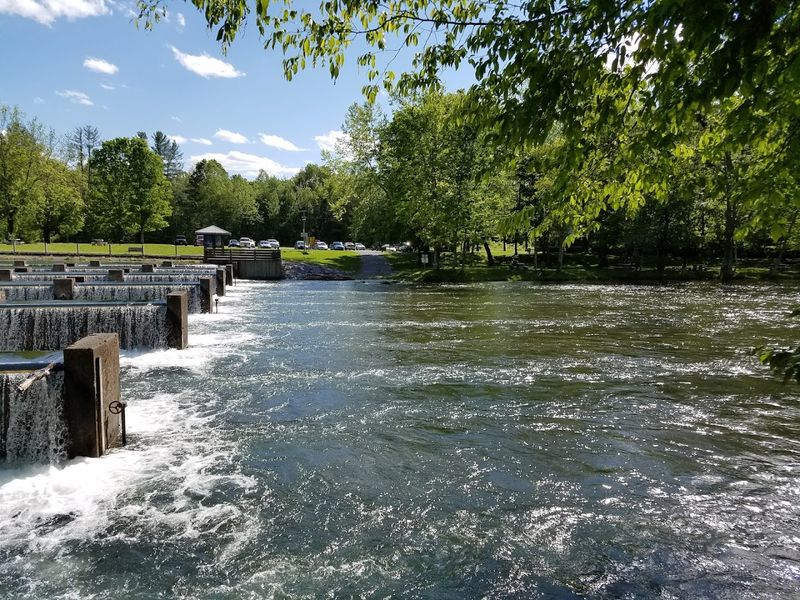
Ask any serious trout angler in the Southeast about South Holston, and they will likely light up. The tailwater below South Holston Dam is widely considered one of the best wild trout fisheries in the entire United States, not just in Tennessee.
The TVA releases cold water from the bottom of the dam, which keeps the tailwater at the right temperature for rainbow and brown trout to thrive year-round. That cold-water release supports a dense population of wild trout that grow to impressive sizes, and the lake itself holds bass, walleye, and other species in its warmer upper sections.
The fishing pressure is real, especially on weekends, but the fishery is productive enough that even newer anglers tend to find success. Guided float trips operate regularly on the tailwater, and the combination of clear water, technical currents, and large fish has made this stretch of river genuinely famous among fly fishing communities across the country.
Boating Across 7,580 Acres
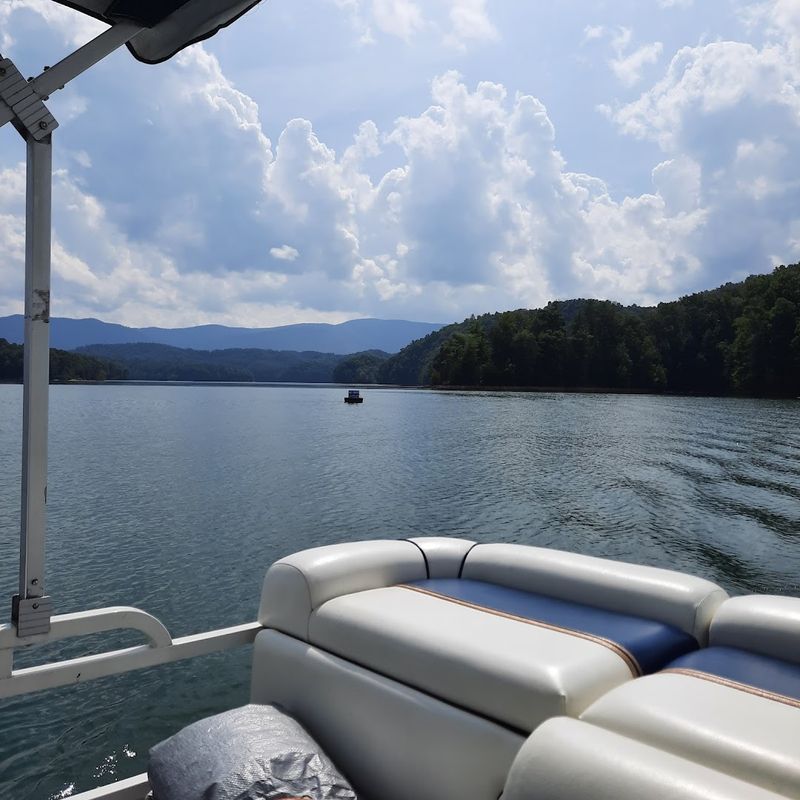
With 7,580 acres of open water, South Holston Lake gives boaters plenty of room to move. The lake winds through a long, narrow valley, creating a layout that feels like a series of connected channels rather than one wide open body of water.
That shape makes exploring the lake by boat genuinely entertaining. Each bend reveals a new cove, a different mountain view, or a quiet inlet where the water is still and the trees hang close to the surface.
The lake supports everything from small fishing kayaks to larger motorized vessels, and there are multiple boat ramps and marinas scattered along its length.
Tubing and water skiing are popular during the warmer months, and the lake is large enough that different areas cater to different styles of recreation. Weekdays tend to be noticeably calmer than weekends, so those looking for a more relaxed experience on the water often plan their trips accordingly.
Cliff Island and the Thrill of High Jumps
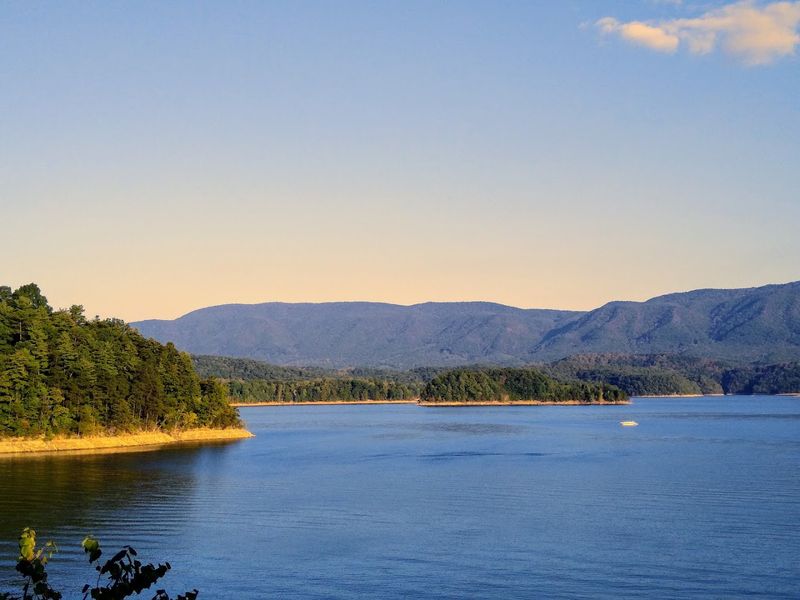
Cliff Island is one of the most talked-about spots on South Holston Lake, and the name does a solid job of describing what it is. A rocky outcropping rises above the water, and when the lake level is high, the cliffs sit about ten feet above the surface.
During late summer when water levels drop, those same cliffs can feel considerably more vertical, which adds a layer of challenge for anyone thinking about jumping. The spot draws adventurous swimmers and thrill-seekers who want more from a lake day than just floating around in a cove.
The surrounding water is deep and clear, which makes it a popular destination for both jumping and anchoring nearby to swim. It is worth checking current water levels before visiting, since the experience changes significantly depending on the season.
For those who enjoy that kind of outdoor adventure, Cliff Island delivers a genuinely memorable afternoon on the water.
Camping Right on the Shoreline
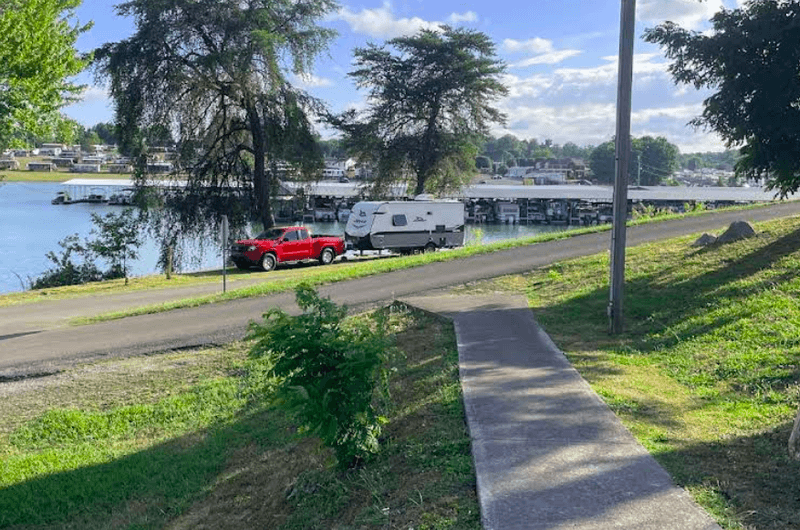
Camping at South Holston Lake is a well-established tradition for families and outdoor enthusiasts across the region. Several campgrounds operate along the lake, ranging from basic tent sites to more developed spots with hookups and amenities.
Woodland Cove is one of the most recognized campgrounds on the lake, located on the Bristol, Tennessee side of the reservoir. It operates with a strong emphasis on community and safety, with a five-mile-per-hour speed limit on the water near the campground, leash requirements for pets, and quiet hours after ten at night.
The result is a campground that feels genuinely family-friendly and well-organized.
The proximity to the water is one of the biggest draws. Campers can walk from their sites directly to the lake, launch kayaks from nearby ramps, and spend evenings watching the light change over the mountains.
For families looking for a low-key outdoor getaway, the camping options here are hard to beat in this part of Tennessee.
Swimming Coves Worth Seeking Out
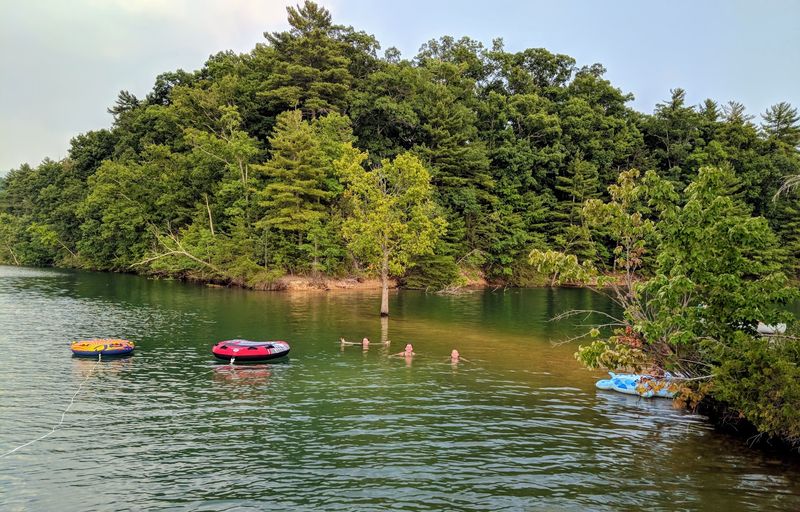
The lake has a number of natural swimming coves tucked along its shoreline, and finding them is part of the fun. These inlets offer calmer water than the main channel, with tree shade along the banks and enough depth for comfortable swimming without being dangerously deep near the edges.
There are also designated swimming areas at some of the campgrounds and day-use parks along the lake. These spots typically include grills, picnic tables, and basic restroom facilities, making them practical for family outings.
Parking can be limited at the most popular spots, especially on summer weekends, so arriving early tends to make the experience much smoother.
The clarity of the water is especially noticeable in the shallower coves, where the rocky and sandy bottom is clearly visible underfoot. That visibility gives parents peace of mind and makes the whole experience feel cleaner and more inviting than lakes with murkier water.
It is one of those small details that adds up to something significant.
The Blue Ridge Mountains as a Constant Backdrop
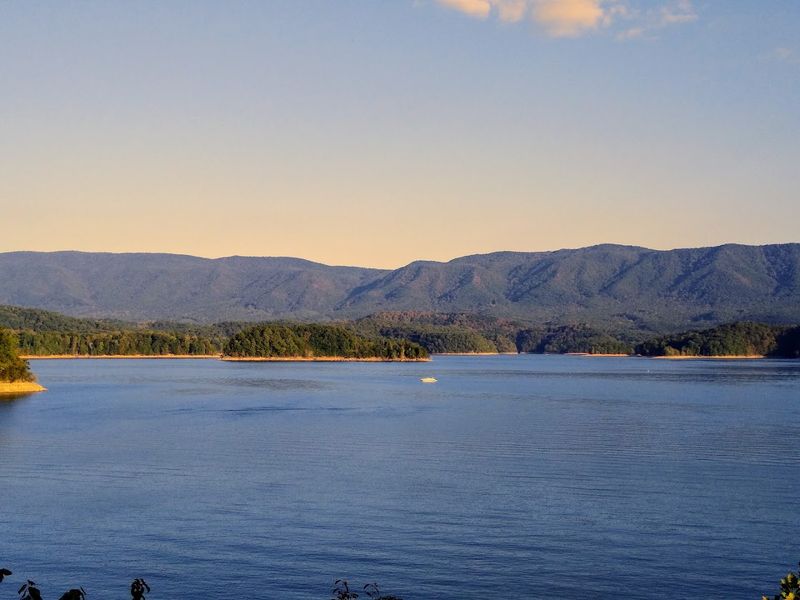
The mountain setting is not just a background detail at South Holston Lake. The Blue Ridge Mountains rise on multiple sides of the reservoir, creating a visual frame that makes the lake feel like it belongs to the landscape rather than sitting on top of it.
The ridgelines stay green through most of the year, shifting to gold and orange in October before settling into the bare gray of winter. Each season brings a noticeably different version of the same view, which is part of why people who visit once tend to come back at different times of year to see how the scenery changes.
The mountains also play a practical role. They shelter the lake from strong winds in many areas, keeping the water calmer in the coves and inlets.
That natural protection is part of why the lake feels so peaceful, even on days when weather is moving through the broader region. The terrain does a lot of the work.
Marinas and Access Points Around the Lake
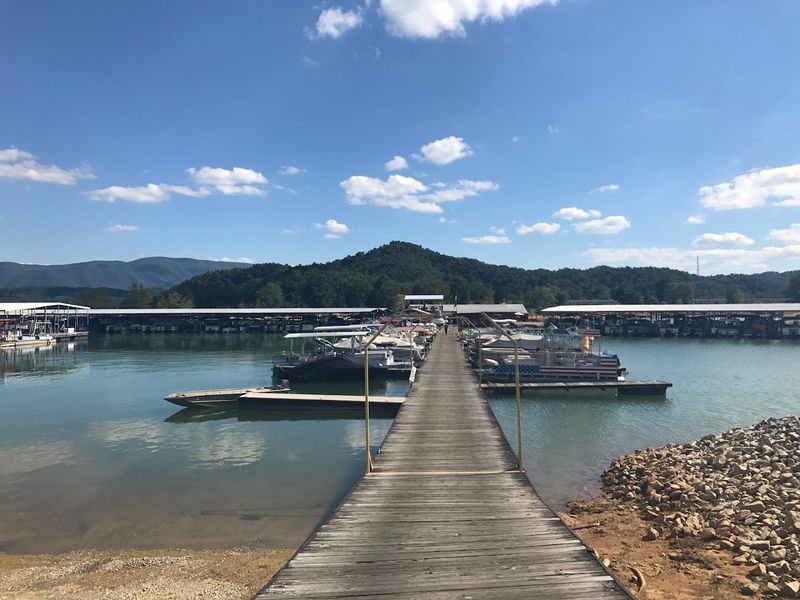
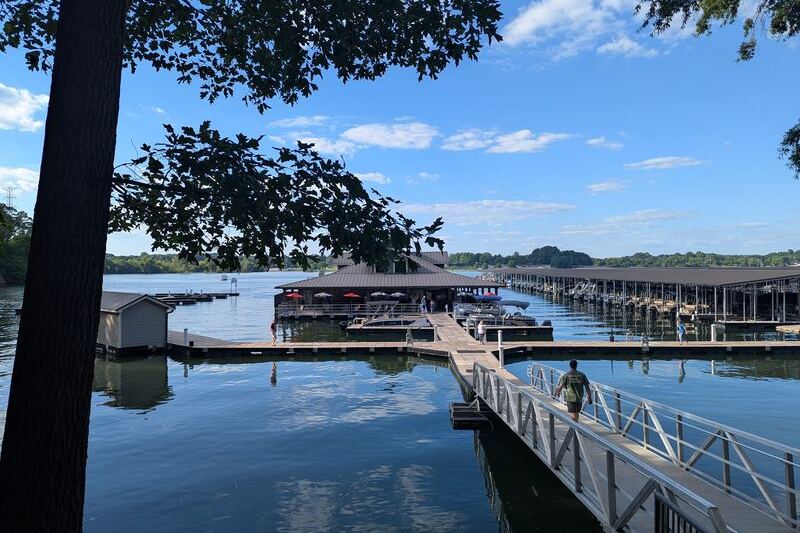
Getting onto South Holston Lake is relatively straightforward thanks to several marinas and public boat ramps spread along its length. These access points serve different parts of the lake, so boaters can choose an entry point based on where they want to spend their time on the water.
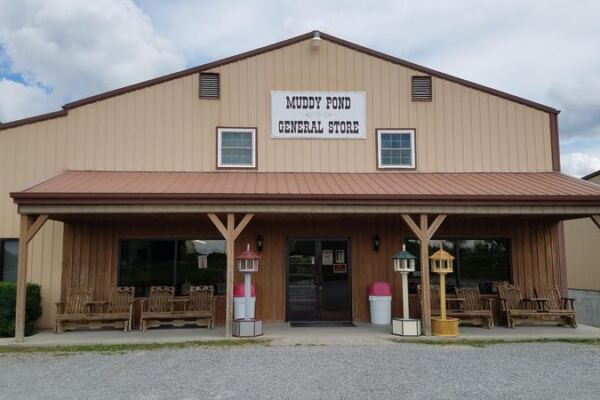
The marinas offer boat slips, fuel, and in some cases general store supplies for a day on the lake. For those who do not own a boat, rental options are available at certain locations, which opens the lake up to a wider range of visitors who want to get out on the water without bringing their own equipment.
The public boat ramps managed by the TVA are free to use and well-maintained. Paddlers and kayakers also make good use of these access points, since the lake’s many coves and quieter channels are well-suited to human-powered watercraft.
The variety of access options makes the lake genuinely welcoming to people with different types of watercraft and experience levels.
Birdwatching and Wildlife Along the Shoreline
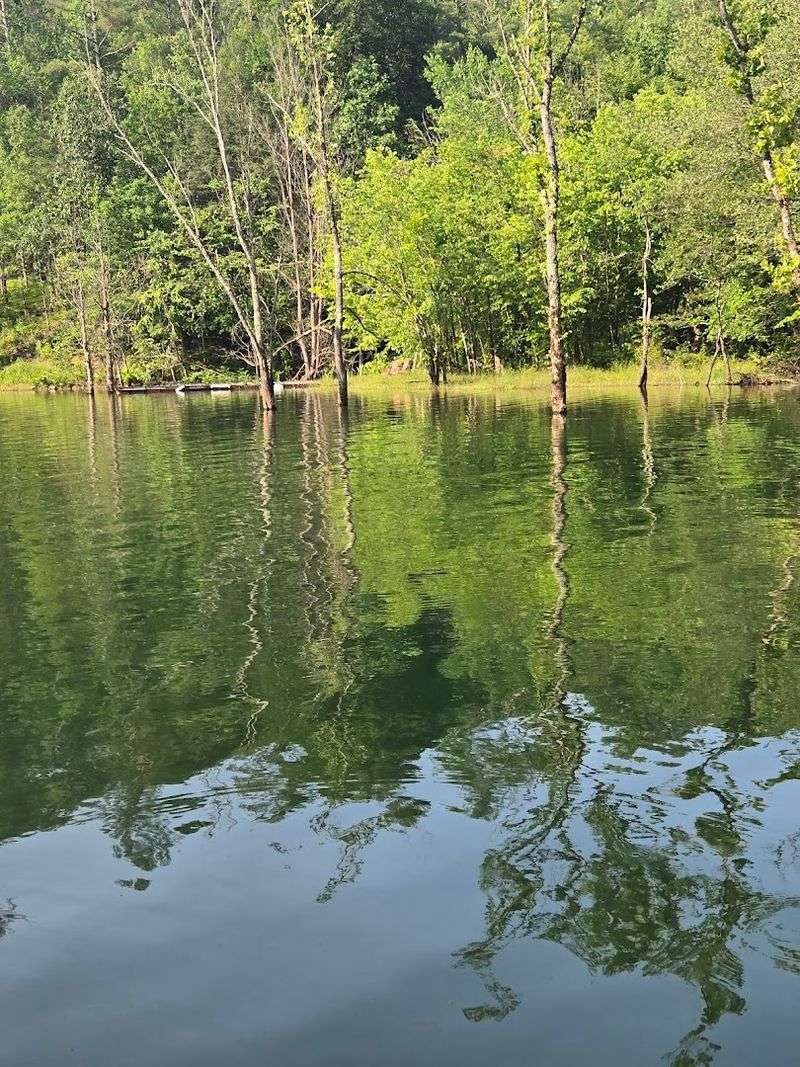
The protected forest land surrounding South Holston Lake creates excellent habitat for wildlife, and the lake itself attracts a wide variety of bird species throughout the year. Great blue herons are a common sight along the shallower edges, standing still in the water as they watch for fish.
Ospreys are frequently spotted over the open water, hovering before dropping to catch fish near the surface. Bald eagles have also been documented in the area, particularly during the cooler months when they move through the region following food sources.
The combination of clear water and abundant fish makes the lake an attractive stop for these larger birds.
White-tailed deer are regularly seen near the shoreline, especially in the early morning and late afternoon hours. The national forest land that borders much of the lake acts as a wildlife corridor, allowing animals to move through the area with minimal human interference.
That proximity to protected land is a genuine ecological asset that sets this lake apart from more developed reservoirs.
Kayaking and Paddling the Quiet Coves
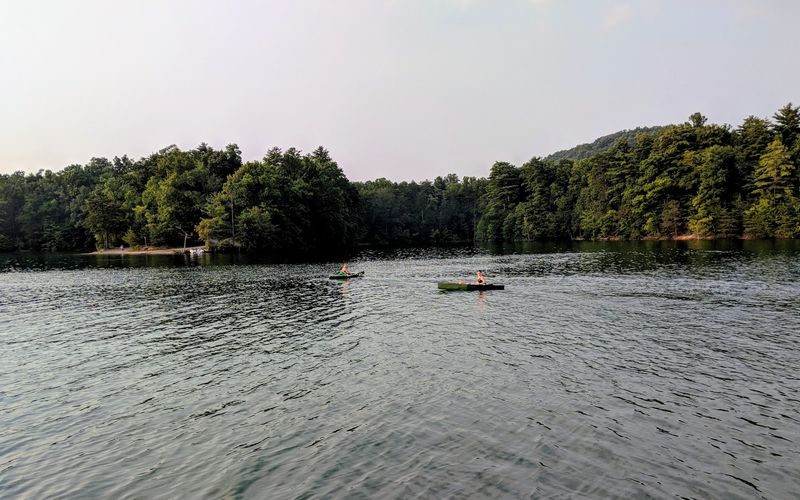
Kayaking has become one of the most popular ways to explore South Holston Lake, and the layout of the reservoir makes it ideal for paddlers. The long, narrow shape of the lake creates a natural paddling route, while the numerous coves and inlets offer calm, sheltered water for those who prefer to stay out of the main channel.
Observation Knob Park and areas near Painters Creek are particularly well-regarded among paddlers, offering access to quieter sections of the lake that motorized boats rarely enter. The water clarity in these areas is often exceptional, and the surrounding trees create a canopy effect in the narrower channels that makes the whole experience feel more remote than it actually is.
Paddling at dawn or dusk tends to offer the calmest conditions and the best chance of spotting wildlife along the banks. The lake is large enough to keep paddlers busy for a full day, but even a two-hour outing covers enough ground to feel genuinely satisfying.
Best Times of Year to Visit
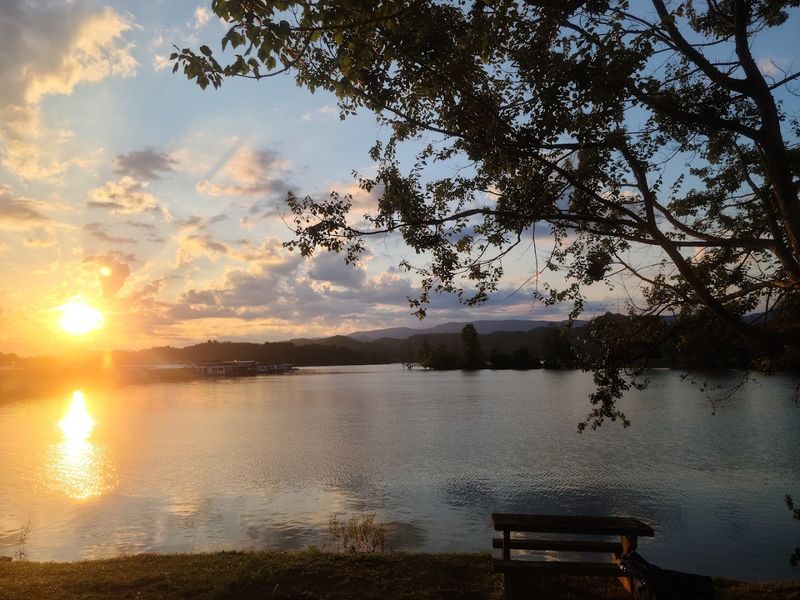
South Holston Lake is genuinely worth visiting in every season, but each time of year offers a noticeably different experience. Summer is the busiest period, with the lake filling up on weekends with boaters, swimmers, and campers.
Weekday visits during July and August tend to be far calmer and more relaxed.
Fall is arguably the most visually striking season at the lake. The surrounding mountains turn orange, red, and gold from mid-October through early November, and the reflection of that color on the water is a major draw for photographers and leaf-peepers.
Fishing tends to be productive in the fall as well, with cooler water temperatures activating the fish.
Spring brings quieter conditions and the return of wildlife activity along the shoreline. Winter visits are less common but rewarding for those who enjoy solitude, with the bare trees opening up long views across the lake that are hidden by foliage during the warmer months.
Each season makes a convincing case for itself.
Why This Lake Keeps Calling People Back
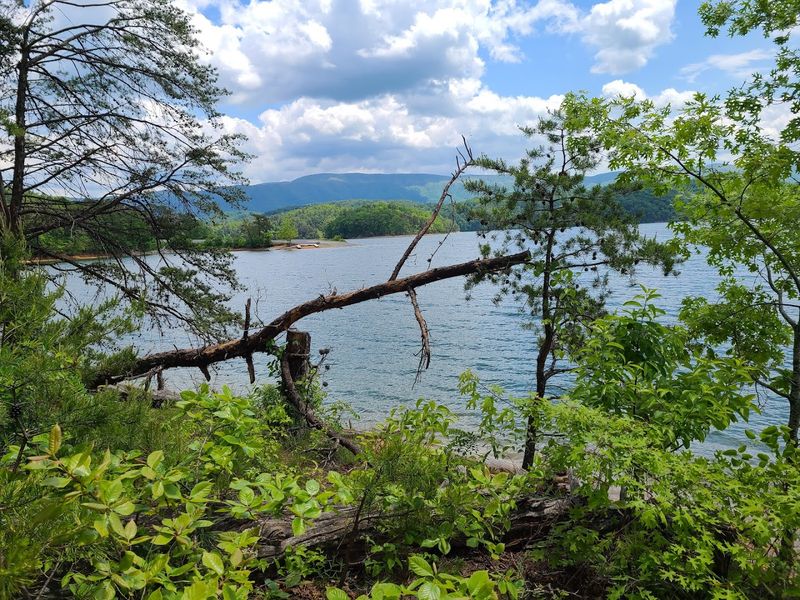
Some places earn loyalty through novelty, and others earn it through consistency. South Holston Lake falls firmly into the second category.
The water stays clear, the mountains stay green, the fish keep biting, and the lake keeps offering the kind of quiet that is increasingly hard to find.
People who grew up visiting the lake as children bring their own children back decades later. Couples who discovered it on a road trip plan return visits the following summer.
Anglers who fish it once put it on their permanent rotation. That pattern of return is not accidental.
It is the natural result of a place that consistently delivers on its promise without requiring much from the people who visit it.
South Holston Lake is not the most famous lake in Tennessee, and it does not need to be. The people who know it tend to keep coming back, which is a more meaningful measure of quality than any ranking or rating could ever provide.
Where the Lake Actually Is
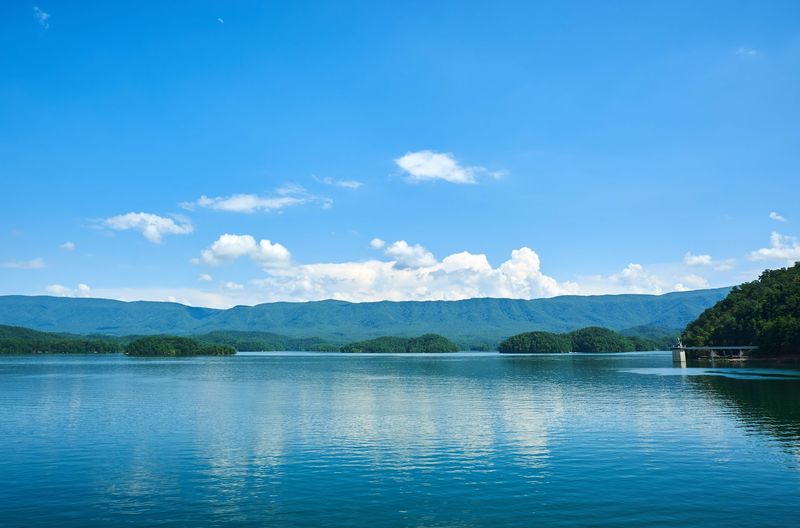
South Holston Lake is located near Bristol, Tennessee, specifically at South Holston Lake Road, Bristol, TN 37620. The lake sits in the northeastern corner of the state, right where Tennessee meets Virginia, tucked within the folds of the Blue Ridge Mountains.
The Tennessee Valley Authority, commonly known as the TVA, created the reservoir by damming the South Fork Holston River. Construction on the dam began in the 1940s, and the resulting lake became one of the clearest and most scenic bodies of water in the entire region.
The surrounding landscape is dominated by national forest land, which helps keep the water quality high and the shoreline largely undeveloped. That combination of protected forest, mountain ridges, and deep clear water gives the lake a character that feels more remote than it actually is, considering it sits just minutes from the city of Bristol.
Share this story