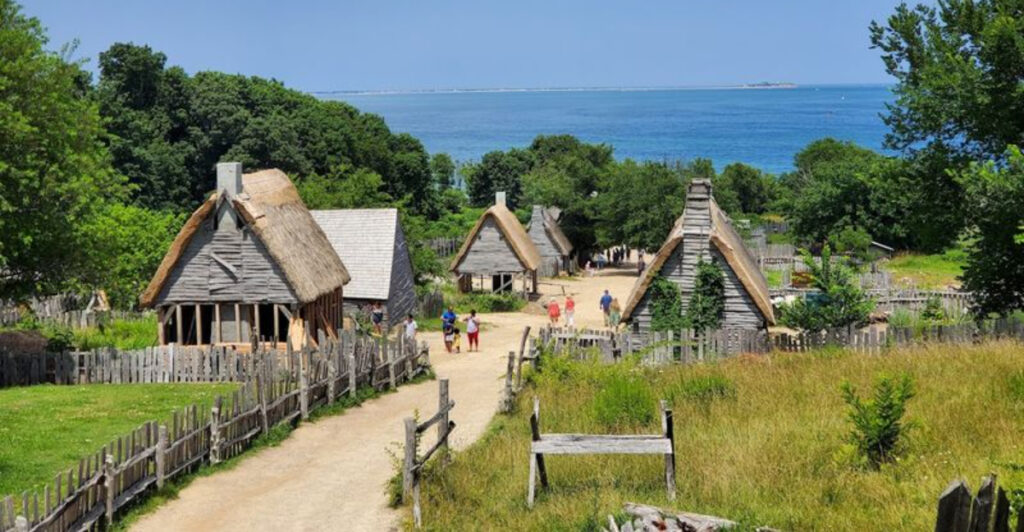
There is a place in Plymouth, Massachusetts, where the 17th century is not just a chapter in a textbook but a living, breathing world you can walk through. Every year, this open-air museum earns national recognition, and it has just been named America’s best again, a title that comes as no surprise to anyone who has spent time there.
The museum brings together two distinct historical communities on one site, telling the full story of early colonial life and the Wampanoag people who called this land home long before any Pilgrim ship arrived. From hands-on structures to knowledgeable historical interpreters who never break character, every corner of this place rewards curiosity.
Whether you are a history enthusiast or simply looking for a genuinely memorable day out, this is one Massachusetts destination that consistently delivers far more than expected.
How This Museum Earned Its Title Year After Year
Being named America’s best open-air museum once is impressive. Earning that title repeatedly puts a place in a completely different category.
Plimoth Patuxent Museums has built its national reputation on a straightforward but demanding standard: accuracy. Every structure, tool, crop, and conversation on the grounds is researched and verified against historical records.
That commitment to getting the details right is what separates this museum from a theme park dressed in period clothing.
The museum has also been recognized for the way it presents both colonial and Indigenous perspectives without flattening either into a simple narrative. That balanced approach to a complicated history is increasingly rare and increasingly valued by educators, historians, and general audiences alike.
National travel publications and cultural institutions have repeatedly highlighted the museum’s interpretive programs as models for how living history should be done. The recognition keeps coming because the quality never slips, and that consistency is its own kind of achievement.
The 1620 English Village: A Town That Stopped the Clock
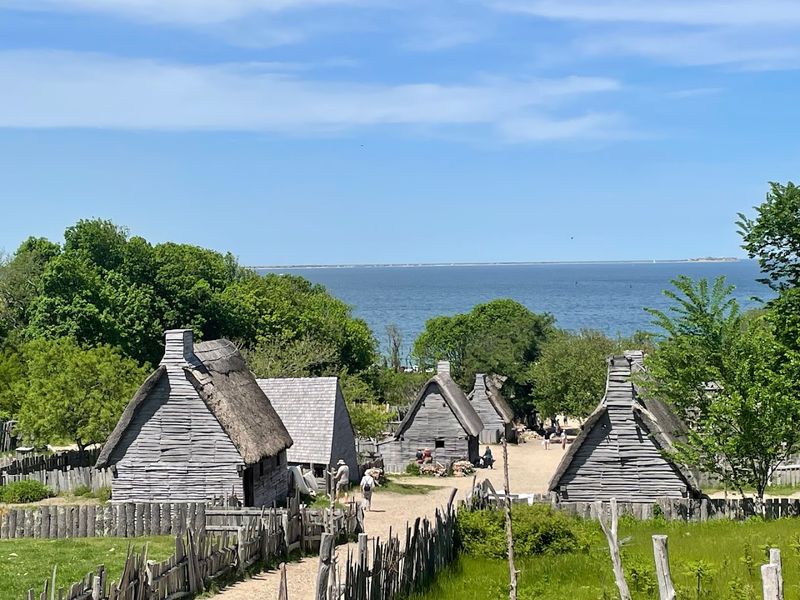
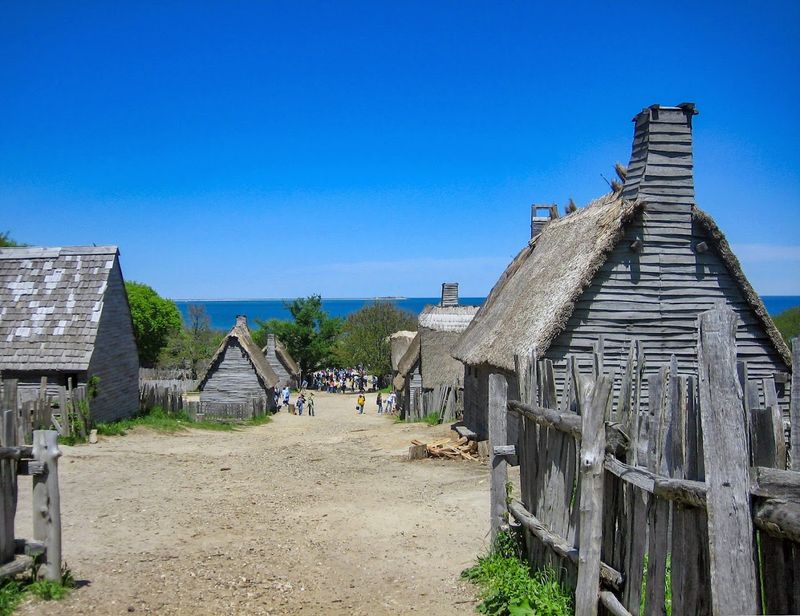
The reconstructed English village at Plimoth Patuxent is built to represent Plymouth Colony as it existed in 1627, just seven years after the Mayflower landed.
Every building on the site was constructed using 17th-century techniques and materials wherever possible. The timber-frame structures with thatched roofs are not decorations; they are functional reproductions that reflect the actual scale and layout of the original settlement, based on archaeological evidence and period documents.
Historical interpreters populate the village throughout the day, staying fully in character as specific colonists who actually lived in Plymouth during that period. They speak in period-appropriate language, perform daily tasks like cooking over open fires and tending gardens, and engage with guests as if the year is still 1627.
The effect is disorienting in the best possible way. Conversations feel genuine rather than rehearsed, and the interpreters field questions with a depth of knowledge that consistently catches even well-read history enthusiasts off guard.
The Wampanoag Homesite: The Story That Came First
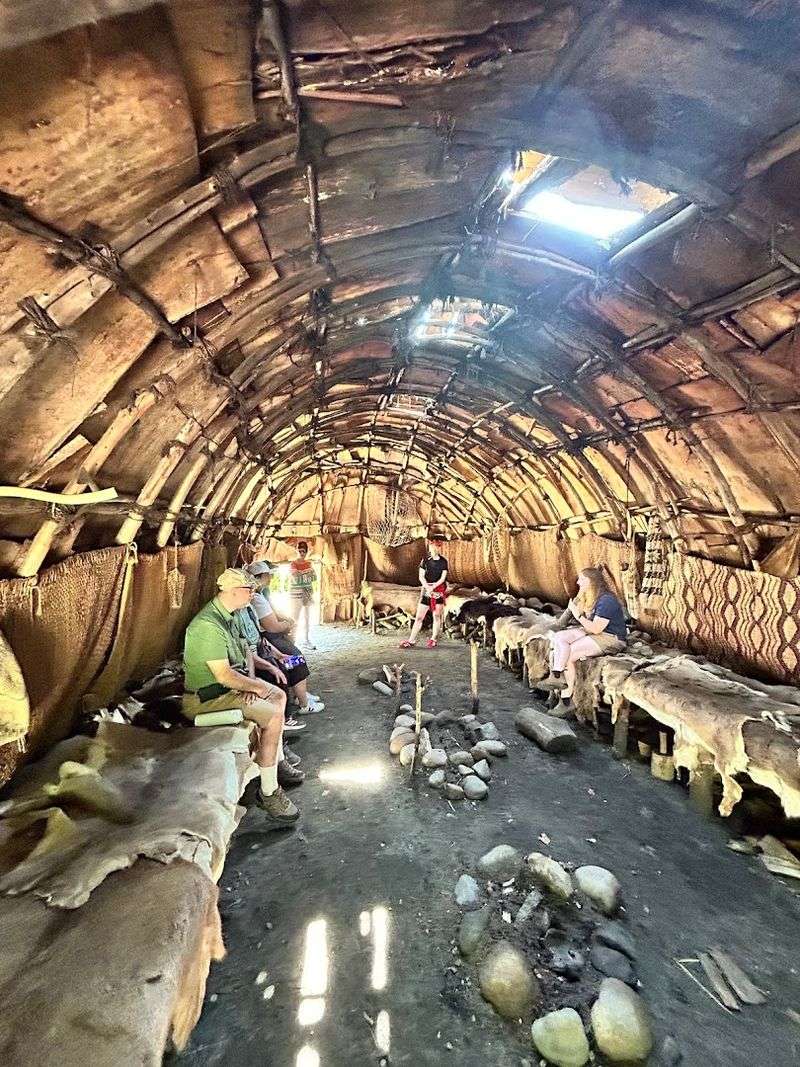
Long before any European ship appeared on the horizon, the Wampanoag people had established a sophisticated, well-organized society across southeastern New England.
The Wampanoag Homesite at Plimoth Patuxent presents that history directly, through demonstrations led by Wampanoag staff members who are not playing characters but speaking from their own cultural heritage. This distinction matters enormously.
The homesite is not a reenactment; it is a living cultural presentation delivered by people with a direct connection to the history being shared.
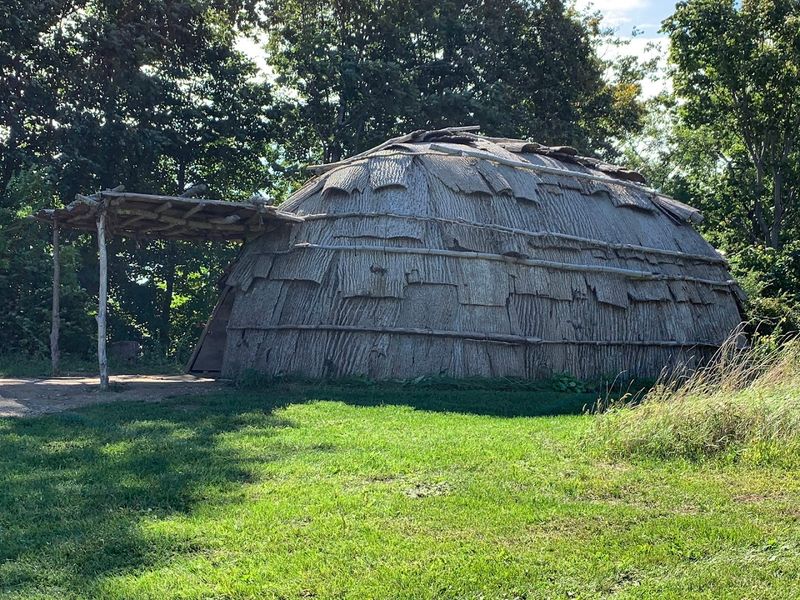
Traditional wetu structures, crafts, and agricultural practices are all part of the homesite experience. Staff members explain the relationships between the Wampanoag and the land, the seasonal rhythms of their way of life, and the complex historical encounter that followed the Mayflower’s arrival.
The homesite consistently changes the way people understand the broader story of Plymouth. Many who visit leave with a far more complete picture of 1620 than any standard history lesson ever provided, and that is precisely the point.
Historical Interpreters Who Never Break Character
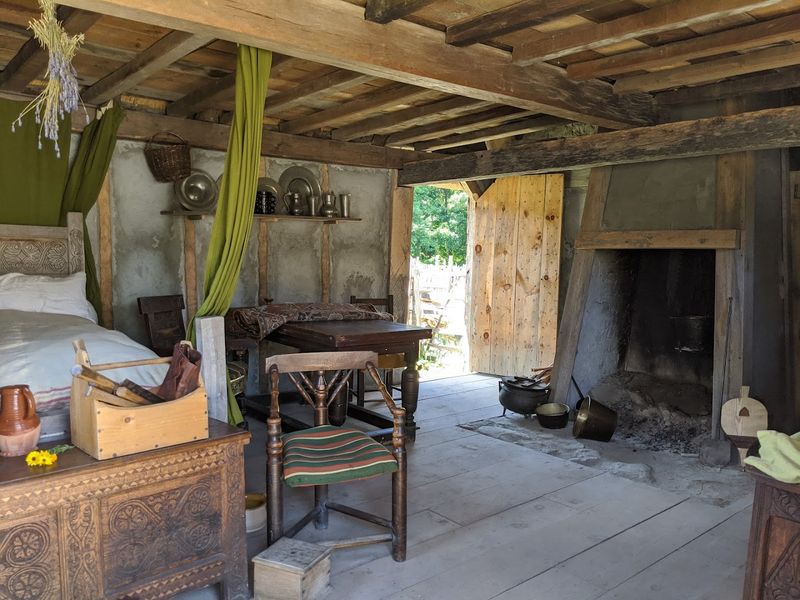
There is a particular skill involved in maintaining a historical character for an entire working day, fielding questions from curious strangers without ever stepping outside the 17th century.
The interpreters at Plimoth Patuxent Museums are trained to do exactly that, and the result is one of the most consistently praised elements of the entire experience. They portray specific, documented individuals who lived in Plymouth Colony, which means their answers are grounded in historical research rather than improvised guesswork.
Guests can ask about daily life, religious practice, relationships with neighboring communities, or the challenges of the first years in the colony, and the interpreter will respond from within the perspective of their assigned historical figure. It is an approach that requires serious preparation and ongoing study.
The commitment to full character immersion is what makes conversations at Plimoth Patuxent feel unlike anything available at a conventional museum. History becomes a dialogue rather than a display, and that shift changes everything about how the information lands.
The Mayflower II: A Ship That Crossed an Ocean Twice
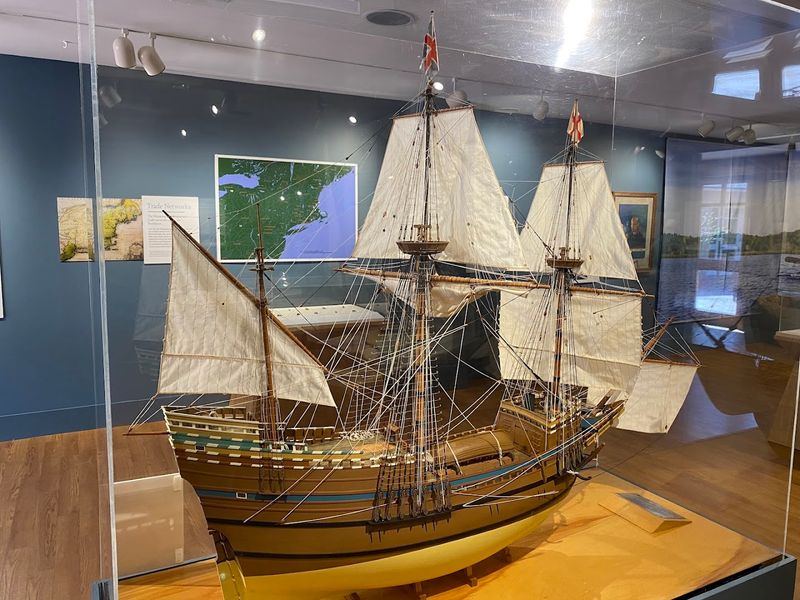
The Mayflower II is a full-scale reproduction of the original 1620 vessel, and it is one of the most striking things you will encounter anywhere in Plymouth.
Built in England in the 1950s and sailed across the Atlantic in 1957, the ship was gifted to the people of the United States as a symbol of the historic connection between the two nations. It has been part of the Plimoth Patuxent Museums collection ever since and underwent a significant multi-year restoration that was completed in 2020, just in time for the 400th anniversary of the Mayflower’s original voyage.
Standing on the deck and looking at the cramped quarters below gives an immediate and concrete understanding of just how difficult that 1620 crossing actually was. The ship carried 102 passengers and a crew of around 30 for a journey that lasted 66 days.
Costumed interpreters on board bring the ship’s story to life, explaining navigation, daily life at sea, and the conditions that greeted the colonists upon arrival.
Hands-On History: Touch Everything, Learn More
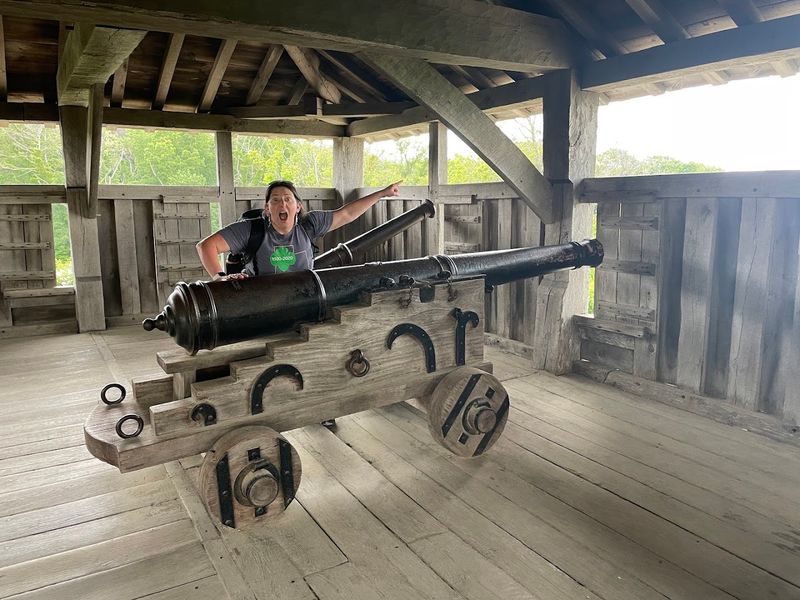
Most museums come with an unspoken rule: look but do not touch. Plimoth Patuxent takes the opposite approach, and it makes a significant difference in how much people actually absorb.
Throughout the English village and other areas of the site, guests are encouraged to handle tools, examine building materials, and interact with the structures directly. The wooden buildings, agricultural implements, and household objects are all part of an active, participatory experience rather than a passive display.
This hands-on philosophy is grounded in a simple educational insight: people retain information far more effectively when they engage with it physically rather than just reading about it. The museum has built that principle into the design of the entire site.
Children especially respond to this approach, and the museum is genuinely well-suited for family visits where younger guests might otherwise lose interest quickly. When a child can pick up a period tool and ask an interpreter how it works, history stops being abstract and starts being real in a way that textbooks rarely achieve.
The Craft Center: Where Old Skills Stay Alive
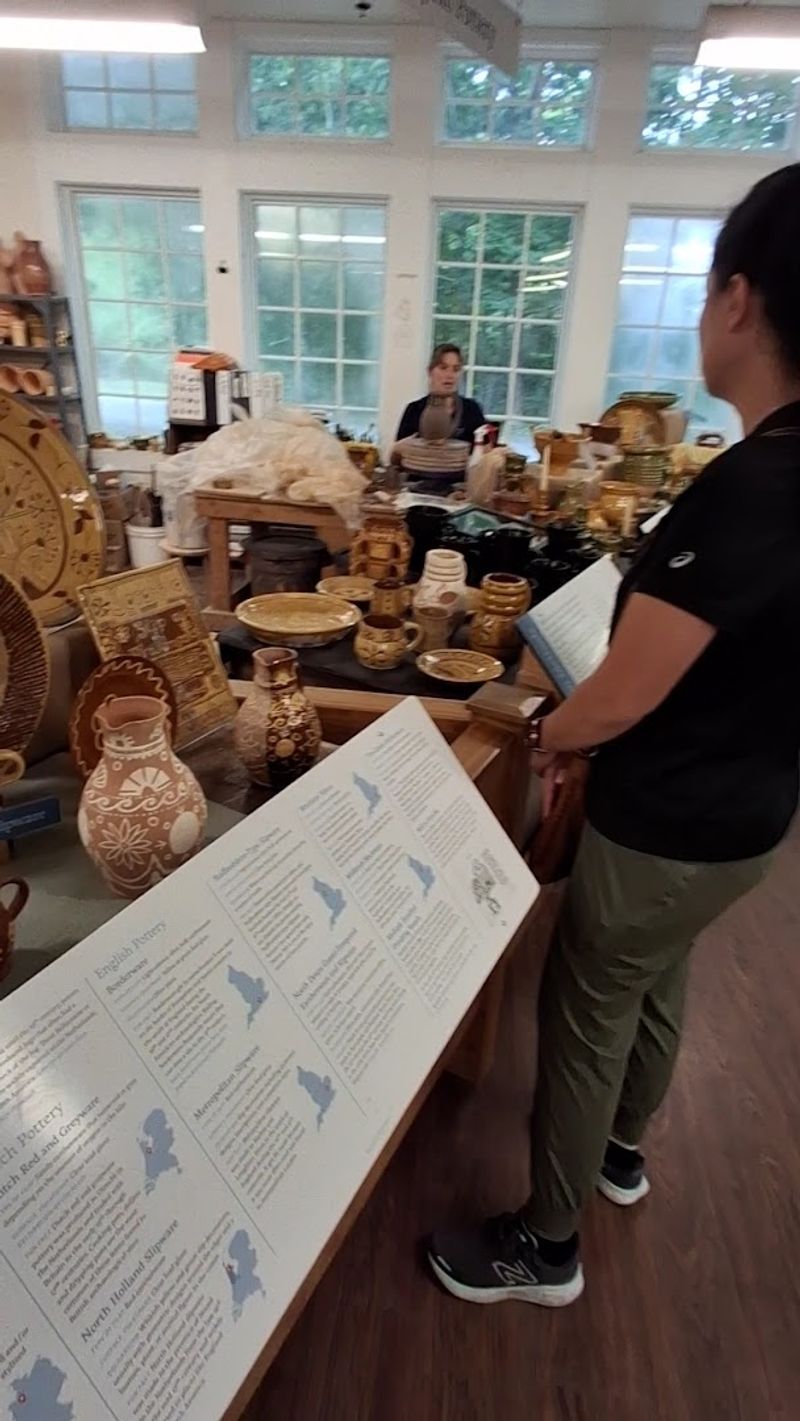
Traditional crafts are not just decorative details at Plimoth Patuxent; they are a core part of how the museum communicates what daily life in the 1600s actually required.
The Craft Center on the museum grounds hosts demonstrations of period skills including pottery, blacksmithing, and other trades that were essential to colonial survival. Skilled artisans work through their processes in real time, explaining the techniques and the historical context behind each craft.
These demonstrations do more than entertain. They make clear just how labor-intensive and technically demanding everyday life was for 17th-century colonists and Indigenous communities alike.
A clay pot or a piece of ironwork that might seem simple carries with it hours of skilled effort and generations of accumulated knowledge.
The Craft Center also offers workshops on select days, giving guests the chance to try certain techniques themselves under guided instruction. Checking the museum’s schedule in advance is worthwhile, since these sessions tend to fill up and add a genuinely memorable layer to any visit.
The Hobbamock’s Homesite Path: A Walk Through Two Worlds
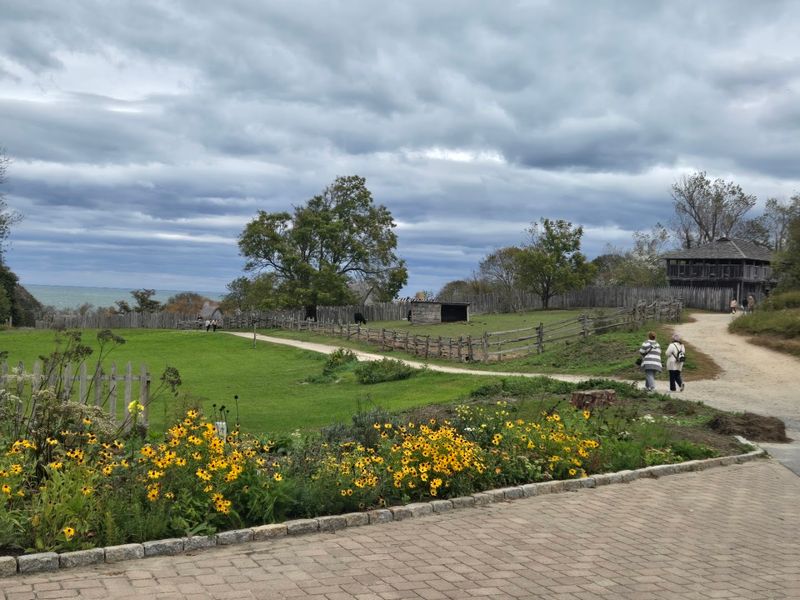
There is a walking path at Plimoth Patuxent that moves through the landscape while sharing the story of Hobbamock, a Wampanoag leader who lived near the Plymouth Colony and played a significant role in the early relationship between the two communities.
Interpretive signs along the path cover Wampanoag traditions, land use, seasonal practices, and the broader cultural history of the region. The path is designed to be walked at a comfortable pace, allowing time to read and reflect without rushing from one exhibit to the next.
This kind of outdoor interpretive trail is an effective format for complex historical material because it allows the landscape itself to become part of the context. The geography of Plymouth Harbor and the surrounding land is directly connected to the history being described.
The path works well for visitors of all ages and is particularly valuable for those who want a quieter, more self-directed experience alongside the more interactive elements elsewhere on the grounds.
What the Museum Gets Right About a Complicated History
The story of Plymouth Colony is not a simple one, and Plimoth Patuxent does not pretend otherwise.
The museum has invested decades of work into presenting the encounter between the Wampanoag people and the English colonists with honesty and balance. That means acknowledging the tensions, the misunderstandings, and the consequences of colonization alongside the more familiar Thanksgiving narrative that most American schoolchildren learn first.
This balanced approach has drawn praise from historians and educators who see the museum as a model for how public history can handle difficult material without becoming either sanitized or polemical. The presentations are designed to inform and challenge rather than to confirm what visitors already believe.
Many people who visit Plimoth Patuxent report that the experience genuinely shifts their understanding of a period they thought they already knew well. That kind of intellectual impact is rare in any educational setting, and it is one of the clearest reasons why the museum continues to earn national recognition year after year.
Planning Your Visit: Practical Tips That Actually Help
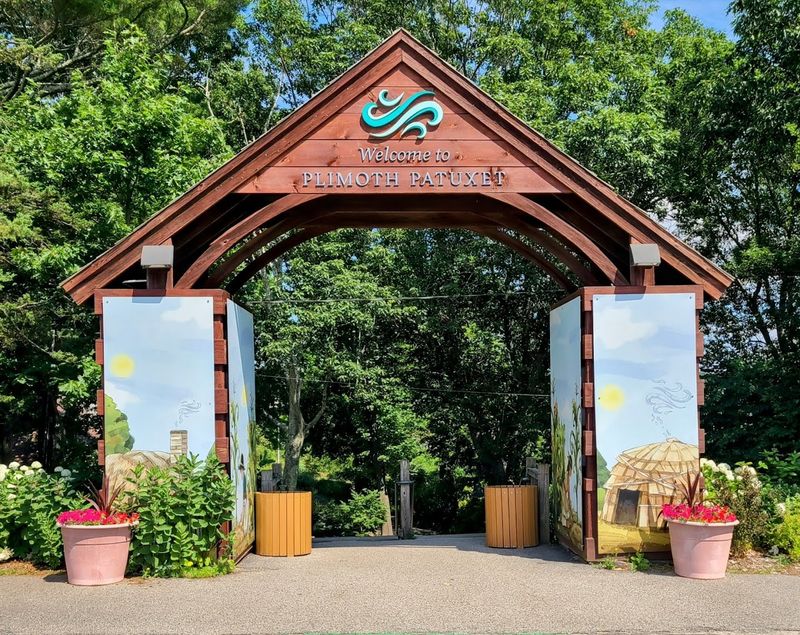
A visit to Plimoth Patuxent rewards preparation. The site is large, the programming is rich, and trying to rush through everything in under two hours means missing most of what makes the place worth the trip.
Plan for at least three to four hours on the grounds, and more if the Mayflower II is included in the visit. Comfortable, flat-soled walking shoes are genuinely useful since the terrain includes gravel paths, uneven ground, and grass areas throughout the site.
The museum is open seven days a week from 9 AM to 5 PM, which gives reasonable flexibility for scheduling. Arriving early in the morning tends to mean smaller crowds and more time with interpreters before the busiest part of the day begins.
The Heritage Pass is worth serious consideration for anyone planning to explore more of Plymouth’s historic sites. It covers admission to multiple local museums and represents solid value for anyone spending more than a single afternoon in the area.
The Grounds in Every Season: Year-Round Worth Visiting
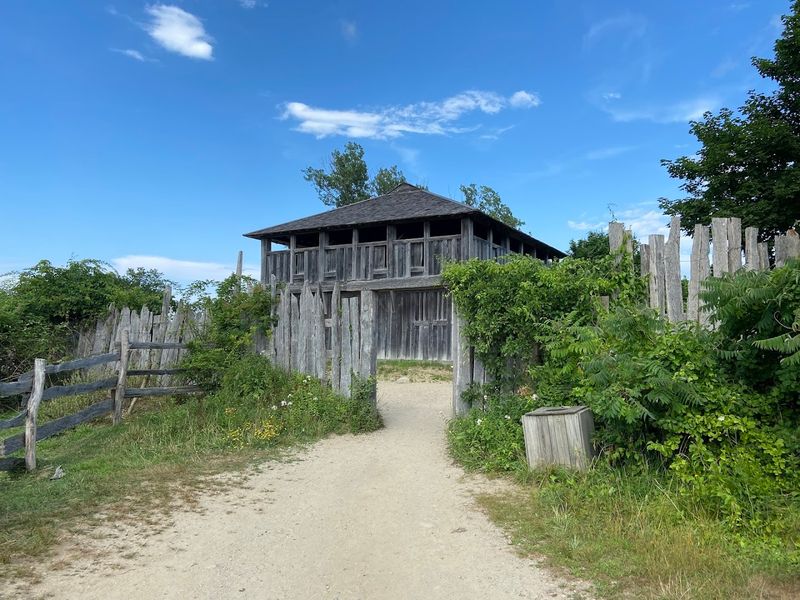
Some outdoor museums feel like they belong exclusively to summer, but Plimoth Patuxent holds its appeal across all four seasons, each of which brings something different to the experience.
Autumn is particularly popular because the foliage around Plymouth Harbor adds a vivid backdrop to the already atmospheric grounds, and the approach of Thanksgiving draws visitors who want to understand the real history behind the holiday. Spring and summer bring longer days and more programming, including special events and expanded craft demonstrations.
Winter visits offer a quieter, more reflective experience with smaller crowds and a different kind of atmosphere on the grounds. The museum remains open throughout the colder months, which makes it accessible even for visitors who happen to be in Plymouth off-season.
Rain does not significantly diminish the experience either. The interpreters work through all weather conditions, and several parts of the site provide covered areas.
The museum has been described as equally worthwhile in cold rain as on a bright summer afternoon, and that consistency says a great deal.
The Museum’s Role in Preserving Living History
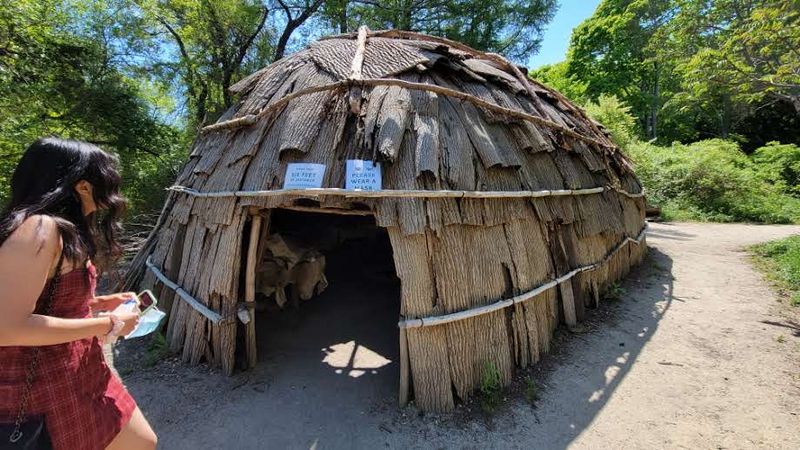
Living history museums occupy a unique position in the cultural landscape because they do something no archive or textbook can fully accomplish: they make the past physically present.
Plimoth Patuxent has been doing this work since 1947, when it was founded with the specific mission of recreating and interpreting the 17th-century world of Plymouth Colony. Over the decades, the museum has expanded its scope to include the Wampanoag perspective in a meaningful and sustained way, which has deepened both its historical accuracy and its cultural relevance.
The staff includes historians, archaeologists, educators, and Indigenous community members who collectively bring an extraordinary range of expertise to the interpretive programs. That depth of knowledge is what gives every conversation on the grounds its credibility.
Plimoth Patuxent also contributes to ongoing historical research, working with scholars to refine and update the accuracy of its presentations as new information emerges. The museum is not a static exhibit; it is an active institution that continues to evolve alongside the scholarship it represents.
Why This Title Keeps Coming Back to Plymouth
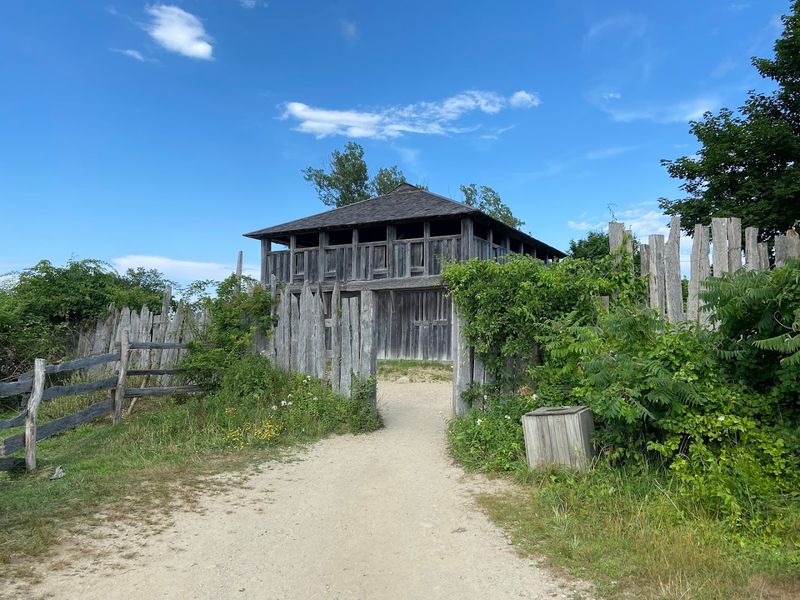
America has no shortage of history museums, living history sites, and open-air exhibits spread across every region of the country. The fact that one museum in Plymouth, Massachusetts, keeps rising to the top of national rankings is not an accident.
Plimoth Patuxent combines rigorous historical accuracy with genuinely engaging programming in a way that most comparable institutions have not managed to replicate. The dual focus on both colonial and Indigenous history gives it a depth and complexity that resonates with modern audiences looking for more than a single-perspective story.
The physical setting along Plymouth Harbor, the quality of the interpretive staff, the hands-on design of the exhibits, and the museum’s ongoing commitment to scholarly accuracy all contribute to an experience that consistently exceeds expectations. These are not qualities that appear by chance; they are the result of decades of deliberate, sustained effort.
When a museum earns the title of America’s best again, the most honest explanation is usually the simplest one: it keeps doing the work, and the work keeps being worth it.
Where History Actually Lives: The Address and Setting
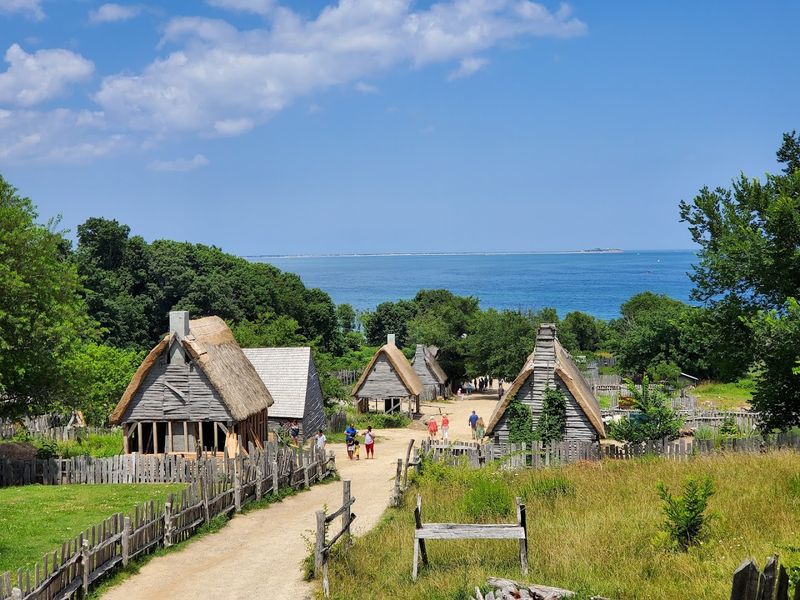
Most museums keep history behind glass. At 137 Warren Ave, Plymouth, MA 02360, history walks up and talks to you directly.
Plimoth Patuxent Museums sits along the shores of Plymouth Harbor, giving the entire site a geographic context that no indoor exhibit could replicate. The waterfront setting is not just scenic backdrop; it is historically accurate, since the original 1620 colonists settled near this very shoreline.
Open seven days a week from 9 AM to 5 PM, the museum is accessible year-round, which means there is never really a wrong time to plan a visit. The grounds are spacious and spread across several distinct areas, so comfortable walking shoes are genuinely important to pack.
Plymouth itself is a compact, walkable coastal town in southeastern Massachusetts, making the museum easy to combine with other nearby historic sites. The Heritage Pass, available at the museum, bundles admission to multiple local attractions at a reduced combined rate.
Share this story