Most people chasing a Minnesota getaway head straight to Stillwater, with its riverfront shops and weekend crowds. But tucked into the bluff country of the southeast corner of the state, there is a small town that quietly outshines it in almost every way.
A waterfall dam, a river trail that stretches for miles, a thriving arts scene, and a population of just over 700 people make this place feel like something you stumbled onto by accident. Once you arrive, you will wonder why it took you so long to find it.
A Town Carved Into the Bluffs
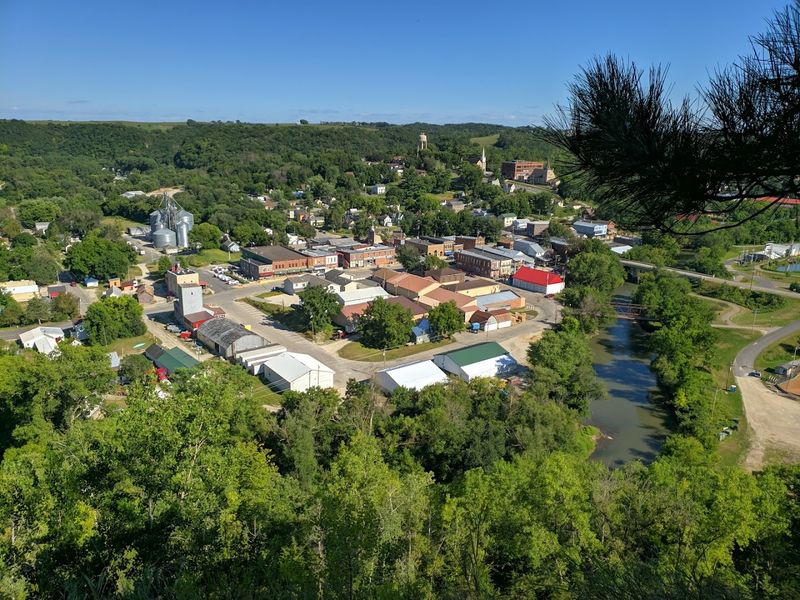
The first thing you notice rolling into Lanesboro, Minnesota, located in Fillmore County along the South Branch of the Root River, is how the landscape seems to wrap around the town like a cradle. Tall limestone bluffs rise on all sides, giving the whole place a tucked-away, almost theatrical quality.
The town sits at 202 Parkway Avenue North, Lanesboro, MN 55949, United States, right where the river bends through a wide valley floor. It was named after F.
A. Lane, an early landowner who helped shape the area’s early development.
With a population of just 724 as of the 2020 census, Lanesboro punches well above its weight in charm, character, and things to do. The geography alone makes it worth the drive, and the bluffs framing every view remind you that Minnesota’s southeast corner is genuinely beautiful country.
The Waterfall Dam That Stops You in Your Tracks
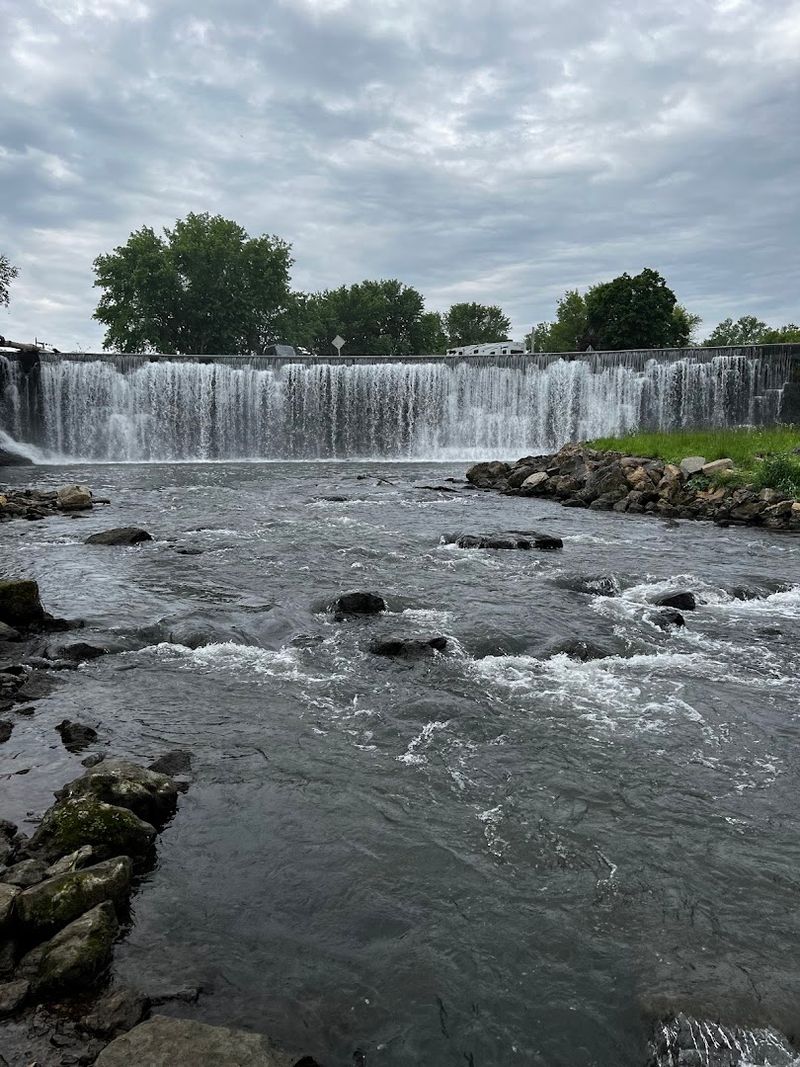
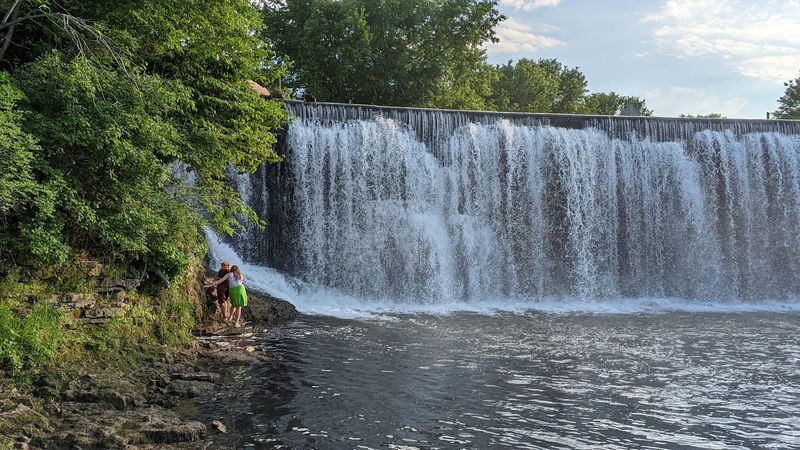
Right across from Sylvan Park, the South Branch of the Root River spills over a low waterfall dam that most visitors stumble upon without expecting it. The sound hits you before the view does, a steady rush of water cutting through the quiet of the valley.
It is not a dramatic drop, but there is something hypnotic about standing near it. The water fans out evenly across the dam’s edge and catches the light in a way that makes it genuinely hard to walk away from.
Families set up near the banks, kids wade in the shallower sections downstream, and photographers work the angles at golden hour. The dam and the park together form one of the most naturally relaxing spots in all of southeastern Minnesota.
It is the kind of place that makes you slow down without even trying.
Sylvan Park and the Heart of the Valley
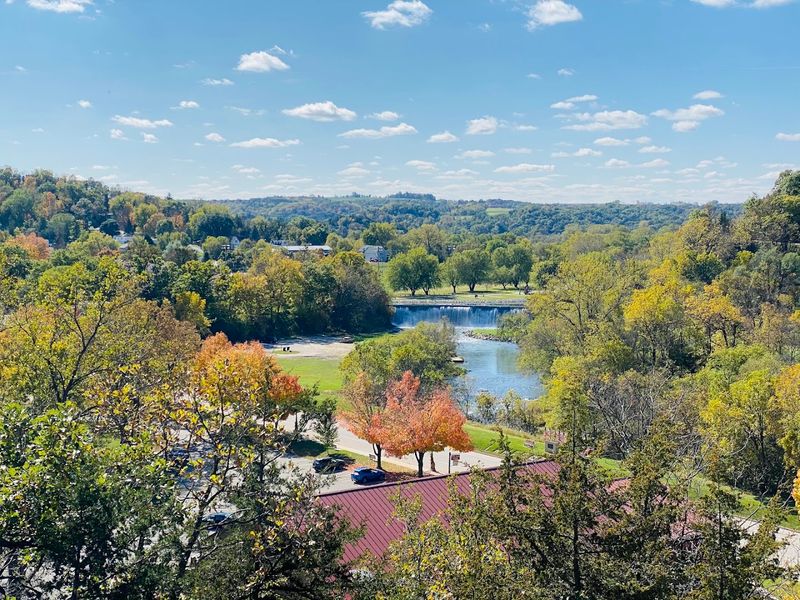
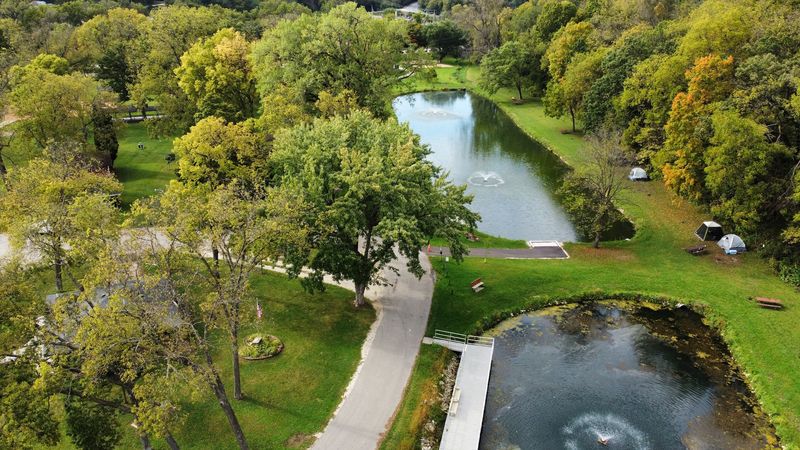
Sylvan Park sits right at the center of Lanesboro’s natural appeal. Green, open, and bordered by the river, it serves as the town’s unofficial gathering place for both locals and visitors passing through on the Root River State Trail.
The park has picnic areas, open lawn space, and easy river access that make it a natural stopping point any time of year. In summer, the grass stays lush and shaded, and the whole area feels like it was designed for slow afternoons with nowhere urgent to be.
What makes Sylvan Park stand out from similar small-town green spaces is how seamlessly it connects to the rest of Lanesboro’s outdoor experience. The trail runs right alongside it, the waterfall dam is just across the river, and the bluffs frame the entire scene.
It earns its place as one of the most pleasant park settings in Minnesota’s bluff country.
The Root River State Trail and Why Cyclists Keep Coming Back

The Root River State Trail is one of the main reasons Lanesboro has developed such a loyal following among cyclists. The paved trail stretches for miles through the Root River valley, winding past bluffs, farmland, wetlands, and small towns with the kind of scenery that makes you forget how far you have ridden.
Lanesboro sits near the center of the trail system, making it a natural hub for riders heading in either direction. The terrain is gentle enough for casual riders but long enough to satisfy anyone looking for a serious day on the bike.
Bike rentals are available right in town, which means you do not need to haul your own gear just to enjoy the trail. On weekends, the path sees steady traffic from families, solo riders, and groups moving at their own pace through one of the most scenic rail-trail corridors in the entire state.
A Living Arts Scene in a Town of 700
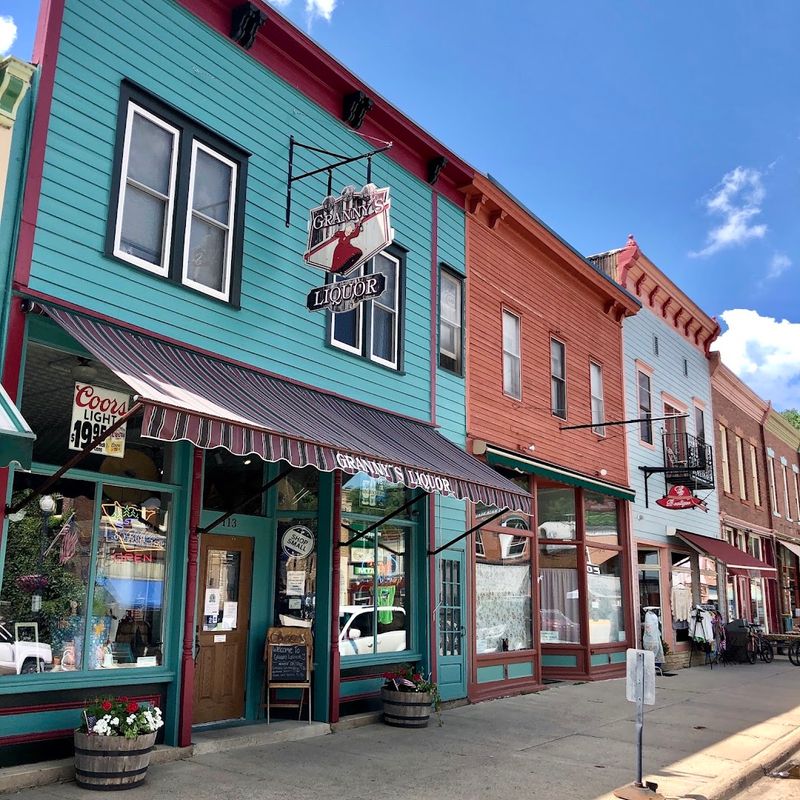
Not many towns with fewer than 800 residents can claim a professional theater, but Lanesboro is not most towns. The Commonweal Theatre has operated here for decades, producing full-length professional productions that draw audiences from across the region.
The theater focuses on accessible, thought-provoking work and has built a reputation that extends well beyond Fillmore County. Visitors who come for the trail often discover it by accident and end up buying tickets for the evening show.
Beyond the Commonweal, Lanesboro has a broader arts culture that shows up in its galleries, studios, and public spaces. Local artists have made the town a working creative community rather than just a backdrop for tourism.
That combination of serious theater and everyday artmaking gives Lanesboro a cultural energy that feels genuine rather than manufactured. It is one of the clearest reasons this town stands apart from other small Minnesota getaways.
Downtown Lanesboro and Its Walkable Historic Blocks
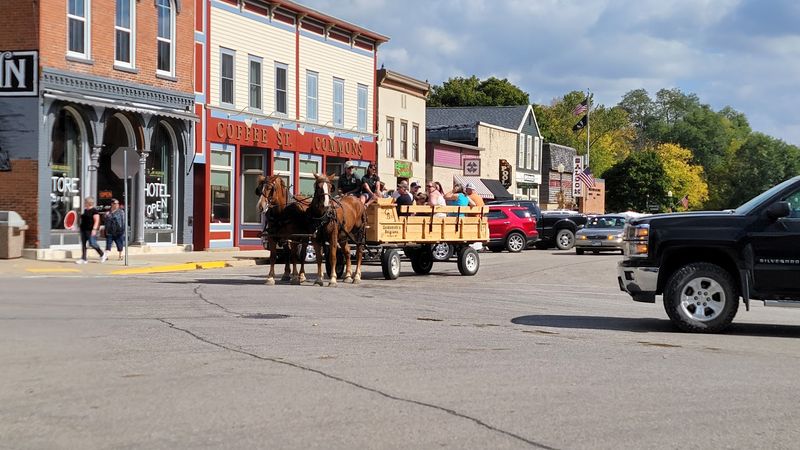
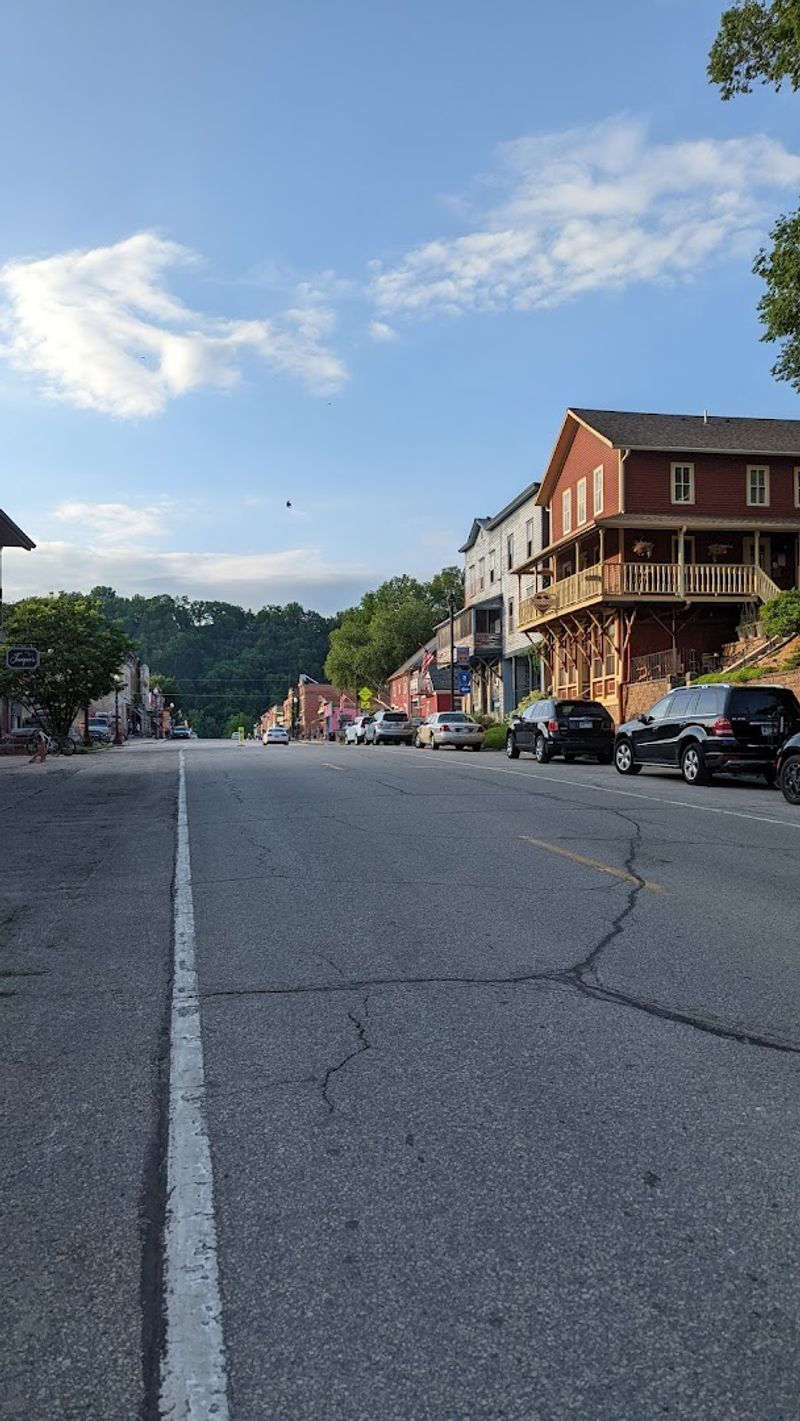
Downtown Lanesboro covers just a few blocks, but those blocks are dense with character. Brick storefronts that date back to the town’s earlier days line the main streets, and most of them are still in active use rather than sitting empty.
You will find locally owned shops, galleries, a bakery, restaurants, and outfitters all within easy walking distance of each other. The scale of downtown is part of what makes it so pleasant.
Nothing feels rushed, and there is no reason to move the car once you park it.
On summer weekends, the sidewalks fill up with a mix of cyclists coming off the trail, day-trippers from the Twin Cities, and people who drove down from Rochester just for the afternoon. The energy is relaxed but genuinely lively.
It has the feel of a town that knows what it is and does not try too hard to be anything else.
Bluff Country Scenery That Changes With Every Season
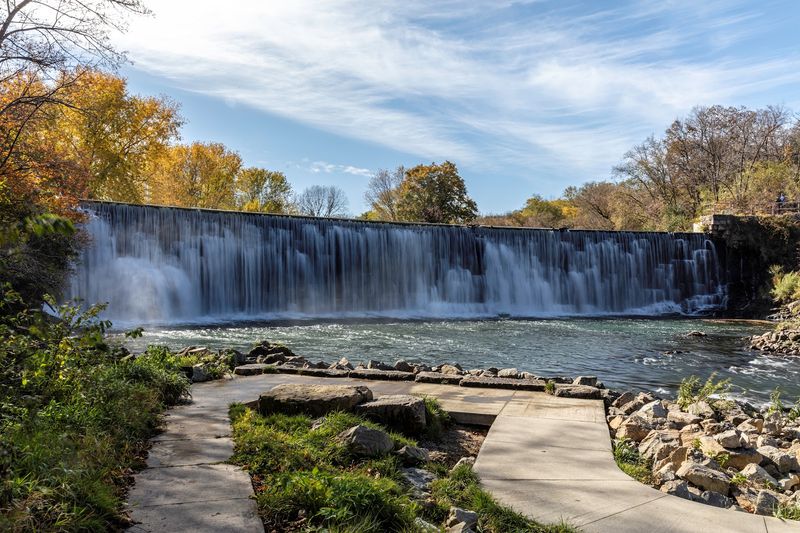
Lanesboro sits in a part of Minnesota known as bluff country, and the landscape shifts dramatically depending on when you visit. Spring brings wildflowers and waterfalls running full from snowmelt.
Summer turns everything lush and green, with the river running clear through the valley floor.
Fall is when the bluffs earn their reputation. The hardwood trees covering the slopes turn deep orange, red, and gold, and the whole valley looks like something from a painting.
Photographers and leaf-peepers make the drive specifically for those few weeks in October.
Even winter has its appeal. Snow settles into the bluff hollows and along the frozen river, and the town takes on a quiet, almost crystalline quality.
Each season gives Lanesboro a completely different personality, which is one reason so many visitors end up returning more than once. The scenery never quite looks the same twice.
Fishing the South Branch of the Root River
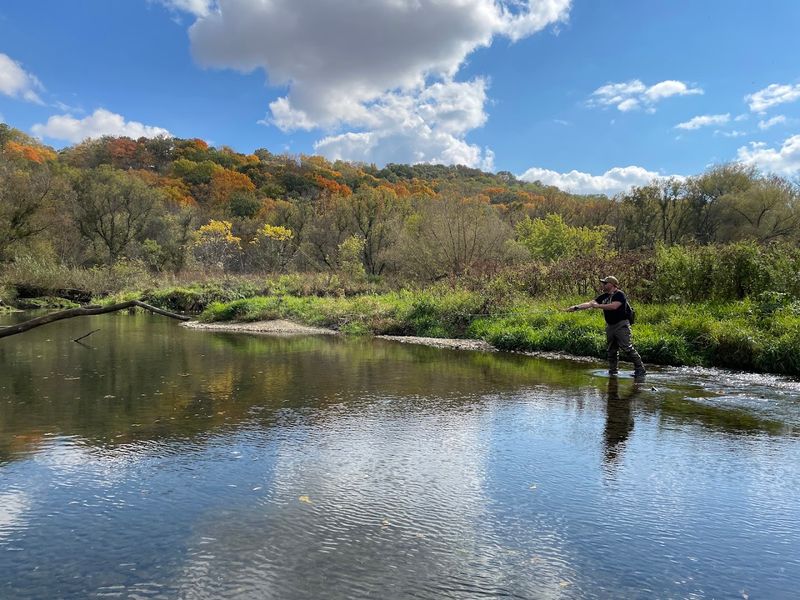
The South Branch of the Root River that flows through Lanesboro is a cold, clear trout stream with a long reputation among anglers in the Upper Midwest. The water stays cold enough throughout the season to support healthy trout populations, and access points near town make it easy to get in the water without a long hike.
Fly fishing is the preferred method for many who come specifically for the river, and the stretch through Lanesboro offers a mix of riffles, pools, and deeper runs worth exploring. Early mornings on the river are particularly good, when the light is low and the bluffs above are still in shadow.
Even if fishing is not your thing, the river itself is worth watching. The current moves at a pace that feels almost meditative, and the clarity of the water gives you a clear view of the rocky bottom below the surface.
Bed and Breakfasts That Actually Deliver
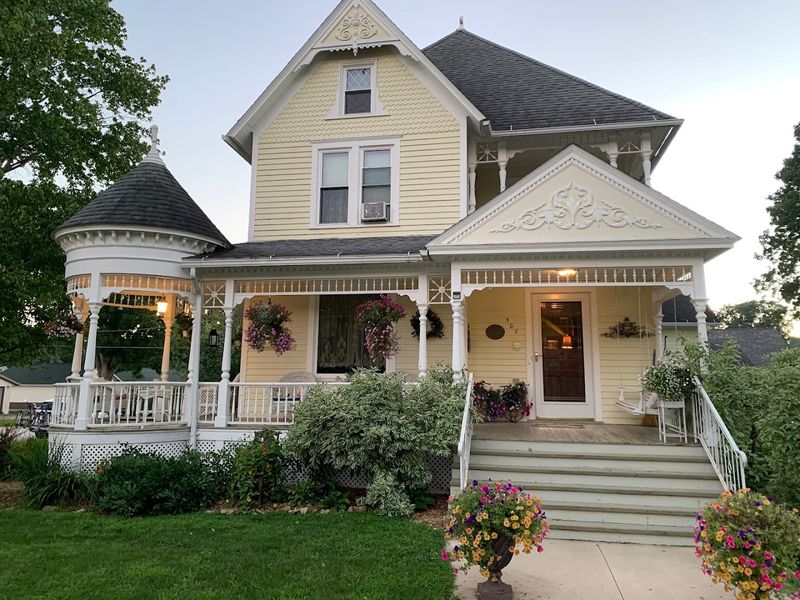
Lanesboro has built a legitimate reputation as a bed and breakfast town, with several historic properties offering rooms inside Victorian-era homes and older buildings that have been carefully maintained over the years. Staying here feels different from a standard hotel stay, and that is entirely the point.
Guests tend to wake up to home-cooked breakfasts, quiet streets, and the sound of the river nearby. The accommodations are not flashy, but they are genuinely comfortable and full of character that chain hotels simply cannot replicate.
Booking ahead is important, especially during peak summer weekends and fall foliage season when the town fills up quickly. Many visitors who initially planned a single overnight end up extending their stay by a day or two once they settle in.
The pace of life in Lanesboro has a way of convincing you that whatever you had planned back home can wait a little longer.
Amish Country Just Beyond Town
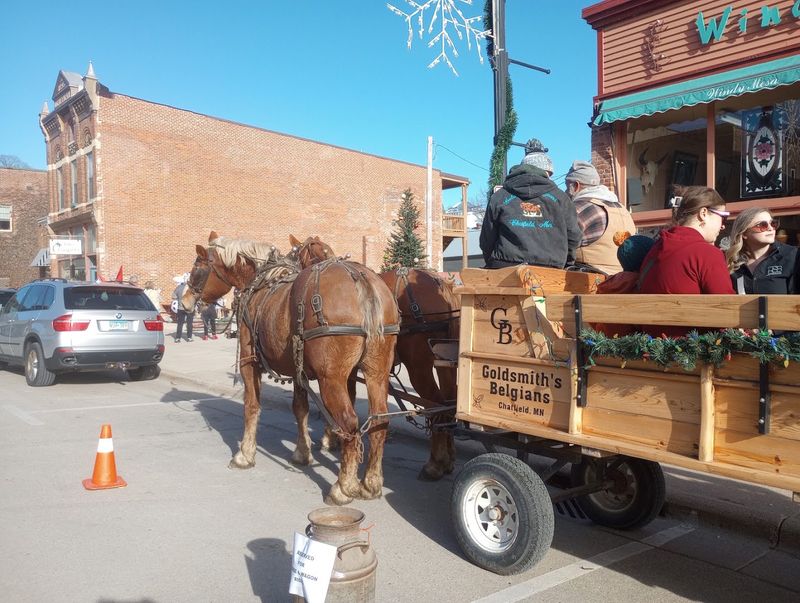
One of the more unexpected aspects of visiting Lanesboro is how quickly the surrounding countryside transitions into active Amish farmland. The Fillmore County area has one of the larger Amish communities in Minnesota, and the signs of that community are visible just a short drive outside of town.
Horse-drawn buggies share the rural roads with cars, and hand-painted signs point toward farms selling fresh produce, baked goods, and handcrafted furniture. Stopping at one of these roadside stands feels like stepping into a completely different pace of life, even compared to the already-slow rhythm of Lanesboro itself.
Respecting the community’s preferences around photography is important, but the experience of driving through that landscape is quietly memorable on its own. The rolling hills, tidy farms, and absence of power lines give the countryside around Lanesboro a texture you simply do not find anywhere near the Twin Cities metro area.
Hiking the Bluffs Above the Valley
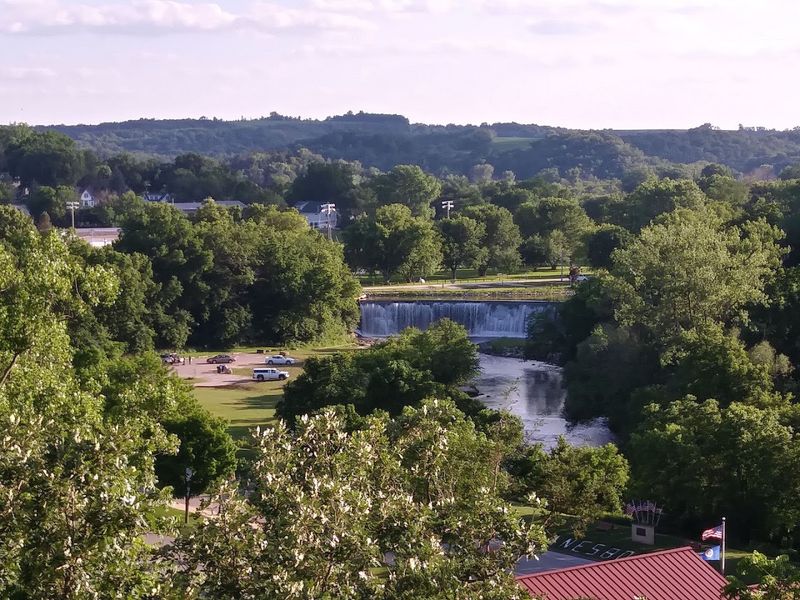
While the Root River State Trail gets most of the attention, the bluffs above Lanesboro offer a different kind of outdoor experience entirely. Hiking up through the hardwood forest to the ridge lines gives you views down into the valley that are genuinely worth the climb.
The trails in the surrounding area range from easy walks along the river corridor to steeper routes that gain serious elevation through the bluff faces. The effort is almost always rewarded with a view that puts the whole town in perspective below you.
Spring and fall are the best seasons for bluff hiking. In spring, wildflowers push up through the leaf litter and waterfalls run stronger after snowmelt.
In fall, the canopy above turns into a tunnel of color before the leaves drop. Summer works too, though the full tree cover means fewer long views from the ridgeline until you reach the open bluff edges.
Local Food Worth Planning Around

For a town its size, Lanesboro has a surprisingly solid restaurant scene anchored by locally sourced ingredients and a commitment to doing things simply and well. Several establishments in town have built loyal followings among repeat visitors who plan their return trips partly around where they are going to eat.
The food leans toward hearty, satisfying meals that match the outdoor energy of the place. Think fresh-baked goods in the morning, well-made sandwiches for a mid-trail lunch, and proper sit-down dinners in the evening using local produce and regional ingredients.
Eating in Lanesboro rarely feels rushed. The restaurants tend to be small, the portions generous, and the atmosphere relaxed enough that lingering over a meal feels natural rather than awkward.
It is the kind of food culture that develops organically in a town where the pace of life encourages people to actually stop and enjoy what is in front of them.
Why Lanesboro Beats the Stillwater Crowds
Stillwater is a genuinely lovely town, and its riverfront setting along the St. Croix has real appeal. But on a busy summer weekend, the streets are packed, parking is a challenge, and the crowds can make it hard to actually enjoy the experience you drove there for.
Lanesboro operates on a different scale entirely. Even on its busiest weekends, the town feels manageable.
You can park, walk the whole downtown, get on the trail, and find a table for dinner without the kind of logistical friction that wears you down in more popular destinations.
The drive to Lanesboro from the Twin Cities takes a bit longer, roughly three hours depending on your starting point, but that extra distance is precisely what keeps the crowds thinner. The people who make the trip tend to be the kind of travelers who actually want to slow down, and that shared intention gives the whole town a noticeably calmer energy.
What Keeps Locals Rooted Here
Spend a little time in Lanesboro and you start to notice that many of the people you meet have been here for a long time and have no plans to leave. That kind of rootedness is increasingly rare in small American towns, and it says something real about what daily life here actually feels like.
The combination of natural beauty, a functional arts community, a walkable downtown, and a river running through the middle of everything adds up to a quality of life that is hard to replicate elsewhere. Locals talk about the town with a quiet pride rather than the boosterish enthusiasm you sometimes hear in places that are trying too hard to attract visitors.
The seasonal rhythms here give everyday life a natural structure. Summers are active and social, falls are spectacular, winters are quiet and introspective, and spring feels like a genuine renewal every single year.
That cycle keeps people connected to the place in a way that is worth paying attention to.
Planning Your Visit Before the Word Gets Out
Lanesboro is not a secret, exactly, but it has not yet crossed into the kind of widespread awareness that changes a place permanently. Right now, it sits in a sweet spot where the infrastructure for visitors is solid, the dining and lodging options are genuinely good, and the crowds have not yet reached the point where they undermine the experience.
Summer weekends from June through August are the busiest, and fall weekends during peak foliage can fill up accommodations quickly. Visiting on a weekday or during the shoulder seasons of late spring or early fall gives you access to everything the town offers with noticeably fewer people around.
The drive from Rochester takes about an hour, and from the Twin Cities it is a scenic three-hour trip that is worth doing with the windows down. Pack layers, bring your bike if you have one, and plan to stay at least two nights.
One day here is never quite enough.
Share this story