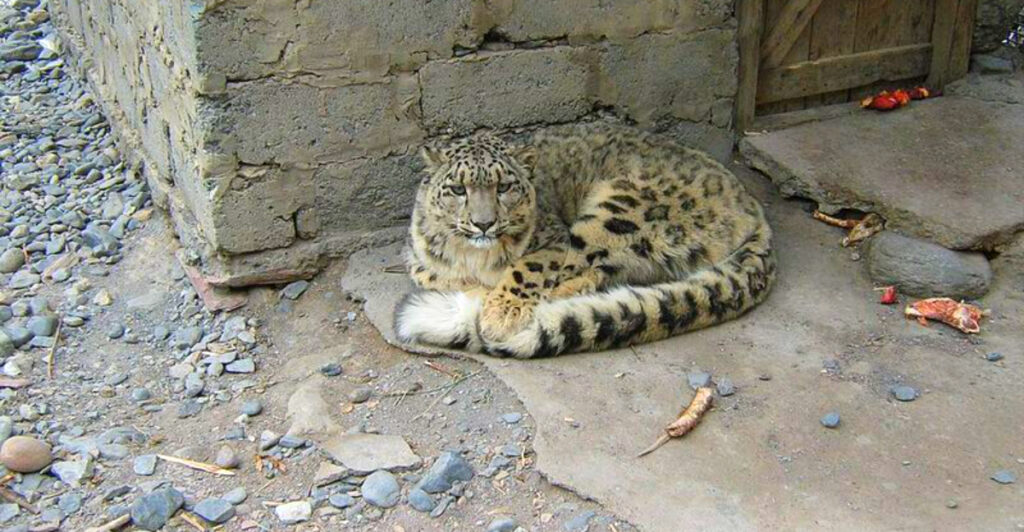
Snow leopards are among the planet’s most secretive big cats, built for life on steep mountain slopes where rocky terrain and natural coloring make them nearly invisible even to trained eyes. Fewer than 8,000 are believed to survive across all of Asia, spread across 12 countries and some of the world’s most dramatic landscapes. What makes searching for them so thrilling is the combination of stunning alpine scenery, rich local cultures, and the very real chance that the cat you are looking for is already watching you. The places on this list represent the absolute best chances of crossing paths with the so-called ghost of the mountains, whether you are a seasoned wildlife photographer or simply someone who refuses to settle for seeing a snow leopard only in a zoo.
1. Hemis National Park, Leh, Ladakh, India
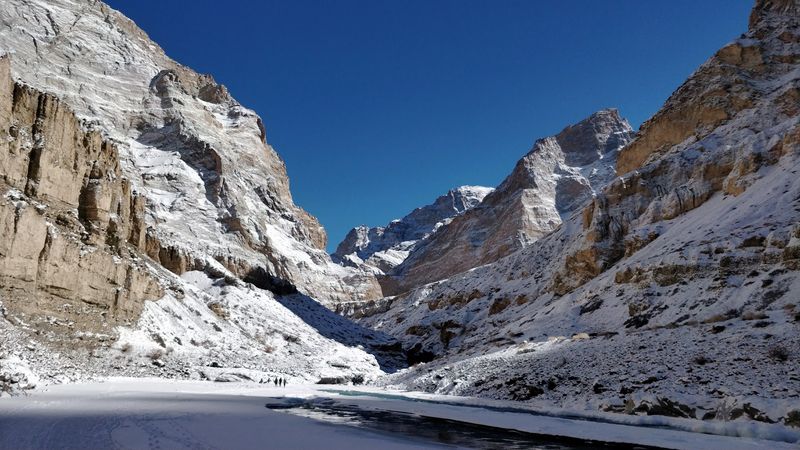
With over 200 snow leopards calling it home, Hemis National Park holds the title of the world’s best place to find these elusive cats in the wild, and it earns that reputation every winter.
The Rumbak catchment area is the heart of the action, where blue sheep, Himalayan ibex, and argali congregate in lower valleys, drawing the cats down into view.
February and March are peak months, when snow leopards are in mating season and more active during daylight hours. Guided tracking expeditions depart from villages near the park, led by locals who read paw prints and territorial scrapes like a map.
There are no motorable roads inside the park, so every outing is on foot. Six villages within the boundaries offer basic but authentic lodging, making this one of the most immersive wildlife experiences in all of Asia.
2. Kibber Wildlife Sanctuary, Kaza, Himachal Pradesh, India
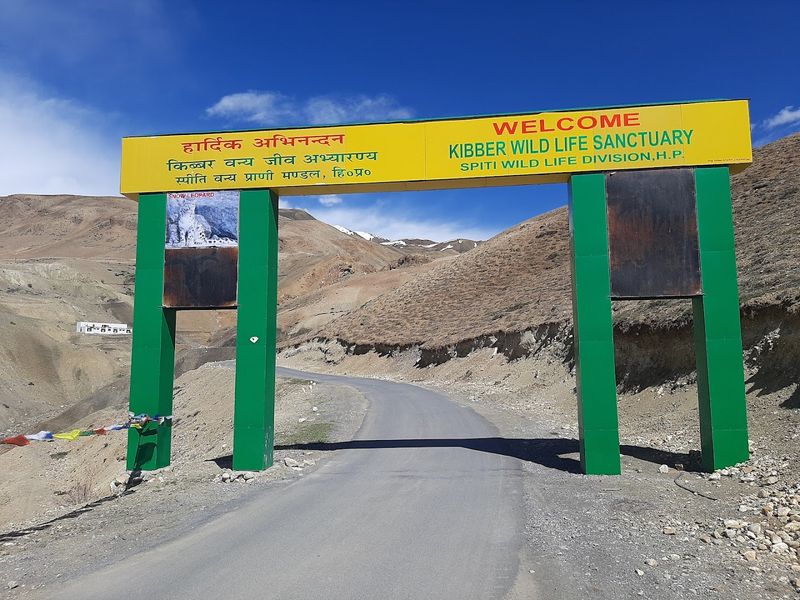
India’s only cold desert wildlife sanctuary, Kibber sits between 3,800 and 6,000 meters above sea level in the Spiti Valley and reported between 20 and 30 snow leopards as recently as 2018.
Established in 1992 and covering more than 2,200 square kilometers, the sanctuary provides vital habitat for Himalayan ibex, blue sheep, Tibetan wolves, and golden eagles alongside its resident big cats.
Winter tours departing from Kibber Village, led by guides who have spent their entire lives reading this landscape, are the standard approach for serious wildlife watchers. December through February offers the highest probability of a sighting.
The sanctuary was designated part of the Cold Desert Biosphere Reserve in 2009, adding another layer of formal protection. Juniper, artemisia, and caragana shrubs cover the slopes, providing cover and food for the prey animals that keep the leopards well fed and present.
3. Sagarmatha National Park, Namche Bazaar, Koshi Province, Nepal
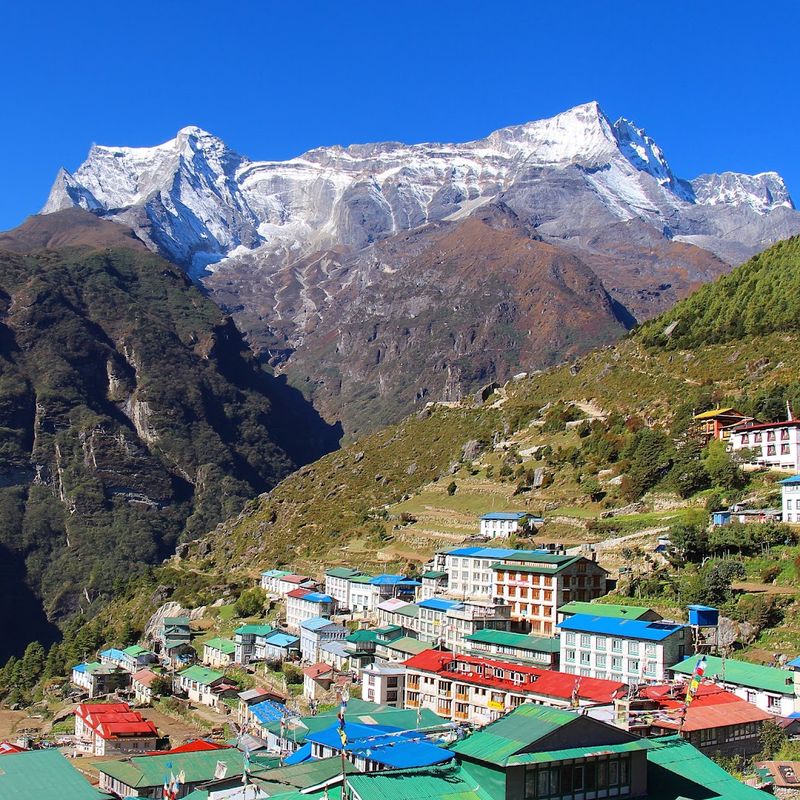
Most visitors arrive at Sagarmatha National Park chasing the summit of Everest, but a quieter story has been unfolding on the valley floors since the park was established in 1976.
Snow leopards were wiped out by hunting in the 1970s and then naturally returned as prey populations rebounded, a remarkable example of passive rewilding that scientists confirmed through camera trap surveys between 2004 and 2006.
Four individual cats were documented during that study period, with numbers believed to have grown since. The cats favor grazing land and open shrubland between 3,000 and 5,000 meters, areas shared with Himalayan tahr, musk deer, and the approximately 3,500 Sherpa residents who live inside the park boundaries.
Red pandas also inhabit the lower forest zones, making Sagarmatha a multi-species wildlife destination wrapped inside one of the most legendary trekking landscapes on Earth.
4. Kanchenjunga Conservation Area, Taplejung, Koshi Province, Nepal
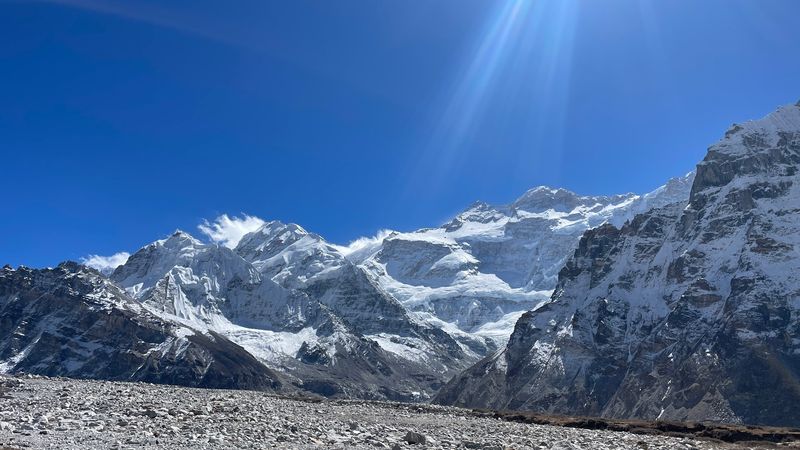
A 2024 population survey confirmed 13 snow leopards living in the Kanchenjunga Conservation Area at a density of one cat per 100 square kilometers, giving this remote eastern Nepal region real scientific credibility as a snow leopard stronghold.
The conservation area wraps around the world’s third-highest mountain and protects vast stretches of untouched Himalayan wilderness that most trekkers never reach.
WWF Nepal has established Snow Leopard Conservation Committees here, training local residents as citizen scientists who use camera traps to monitor populations and report movements. Trans-boundary programs link the area to adjacent protected zones in India and China, reducing illegal wildlife trade across borders.
Beyond the flagship predator, the area shelters red pandas, musk deer, Himalayan black bears, and over 250 bird species. With fewer crowds than Everest or Annapurna circuits, the trekking routes here feel genuinely wild.
5. Khunjerab National Park, Sost, Gilgit Baltistan, Pakistan
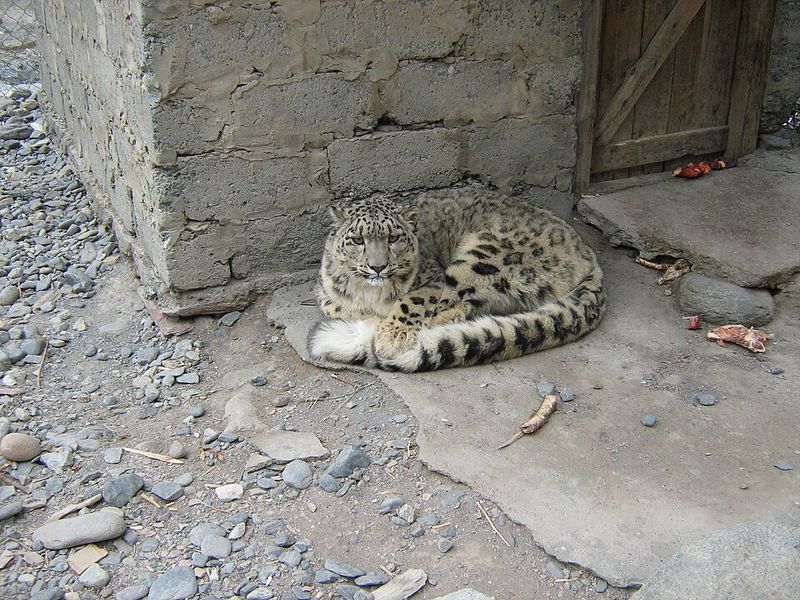
Perched along the Karakoram Highway near the Chinese border, Khunjerab National Park sits at one of the highest paved border crossings in the world, and its altitude tells you exactly the kind of terrain snow leopards prefer.
Marco Polo sheep and Himalayan ibex graze across its broad grasslands, providing the prey base that keeps a meaningful population of snow leopards resident year-round.
The park’s location at the intersection of several distinct biogeographic zones gives it an unusual ecological richness for its latitude. Conservation programs here focus on balancing responsible tourism with the protection of both predators and their prey, a balance that requires ongoing cooperation between park managers and local communities.
Driving through the park along the Karakoram Highway is itself an extraordinary experience, with sheer mountain walls and sweeping plateaus framing every kilometer of the journey through this high-altitude wilderness.
6. Chitral Gol National Park, Chitral, Khyber Pakhtunkhwa, Pakistan
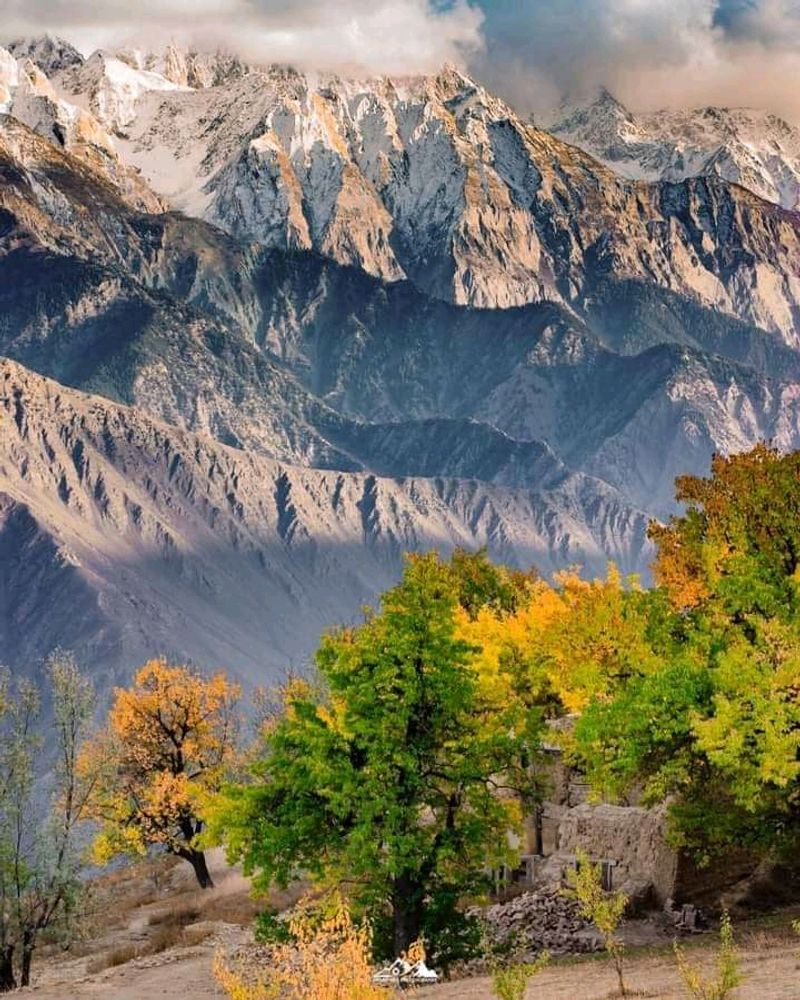
Biologist George Schaller took some of the first-ever photographs of wild snow leopards right here in the Hindu Kush, which tells you something about how long Chitral Gol has been on the radar of serious big cat researchers.
The park covers 7,750 hectares and rises from 1,450 meters to approximately 5,000 meters, packing an impressive range of habitats into a relatively compact area.
Snow leopards share the ridgelines with the world’s largest known population of markhor, Pakistan’s national animal, with an estimated 2,278 individuals recorded in 2021. Siberian ibex, Himalayan black bears, and Eurasian otters round out a wildlife list that rewards patient observers.
The wildlife watching point at Chaghbini, sitting at nearly 9,000 feet and reachable by four-wheel-drive vehicle, gives visitors a commanding view over the terrain. Alpine meadows at Birmoghlasht add a scenic bonus above the tree line.
7. Gobi Gurvansaikhan National Park, Dalanzadgad, Ömnögovi Province, Mongolia
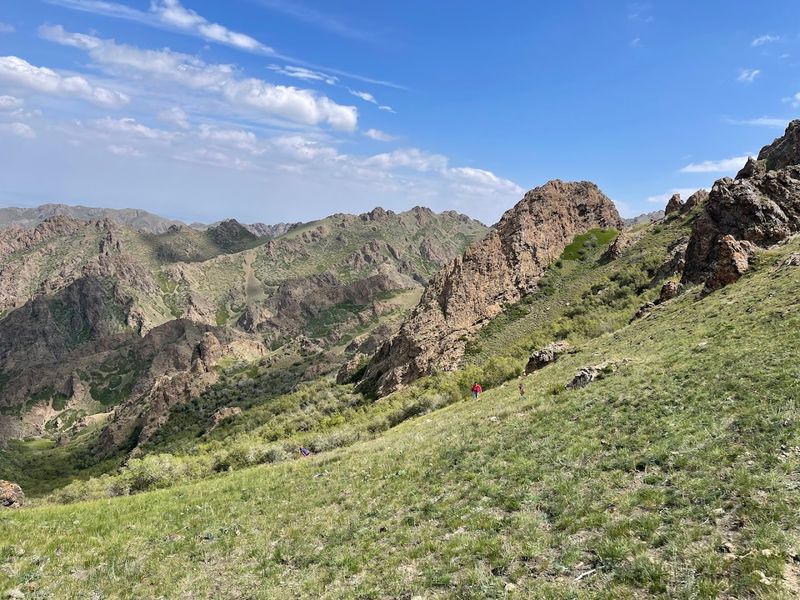
A national park on the edge of a desert is not where most people expect to find snow leopards, which is exactly what makes Gobi Gurvansaikhan such a satisfying surprise for wildlife travelers.
Spreading across nearly 27,000 square kilometers, the park was established in 1993 and takes its name from the Gurvan Saikhan Mountains, meaning Three Beauties, which climb to 2,600 meters and provide rocky canyon habitat that snow leopards navigate with ease.
Siberian ibex and argali sheep are the primary prey species here, and the park also shelters Gobi bears, wild Bactrian camels, and lynx. Birdwatchers can work through a list of over 245 species including lammergeiers.
Around 5,000 nomadic herders live within the park’s boundaries, maintaining traditional practices alongside the wildlife. Yolyn Am gorge, which stays ice-filled for most of the year, is among the park’s most dramatic natural features.
8. Tost Mountains, Gurvantes, Ömnögovi Province, Mongolia
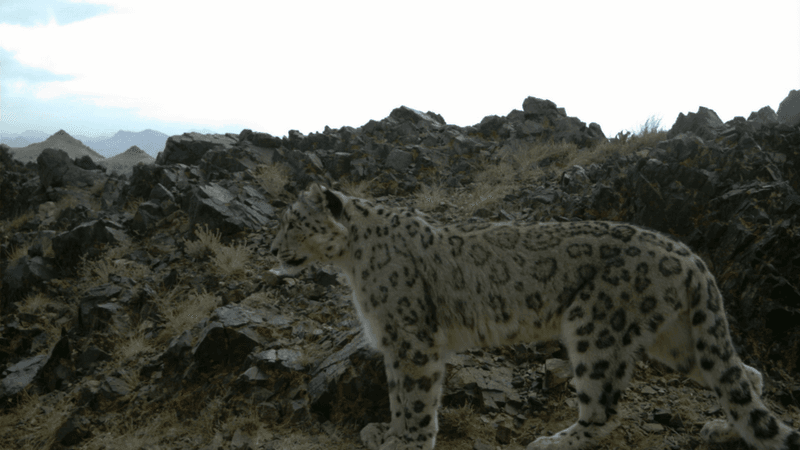
Rising from the Gobi Desert like an island of rock and wildlife, the Tost Mountains became a landmark in snow leopard conservation when scientists began fitting cats with GPS collars here in 2008, generating data that changed how researchers understand the species globally.
Those tracking studies revealed home range sizes, movement corridors, and predator-prey dynamics that had never been documented before in a desert environment.
In 2016, community advocacy and conservation pressure convinced Mongolian authorities to declare Tost the country’s first state protected area specifically designated for snow leopards. The range also functions as a critical wildlife corridor between Gobi Gurvansaikhan National Park and the Great Gobi A Strictly Protected Area.
Local herder families participate in livestock insurance programs and corral improvement projects that reduce conflict with predators. Argali sheep, Siberian ibex, Gobi bears, and wild asses share the landscape with the park’s estimated resident cat population.
9. Sarychat Ertash State Nature Reserve, Ak Shyyrak, Issyk Kul Region, Kyrgyzstan
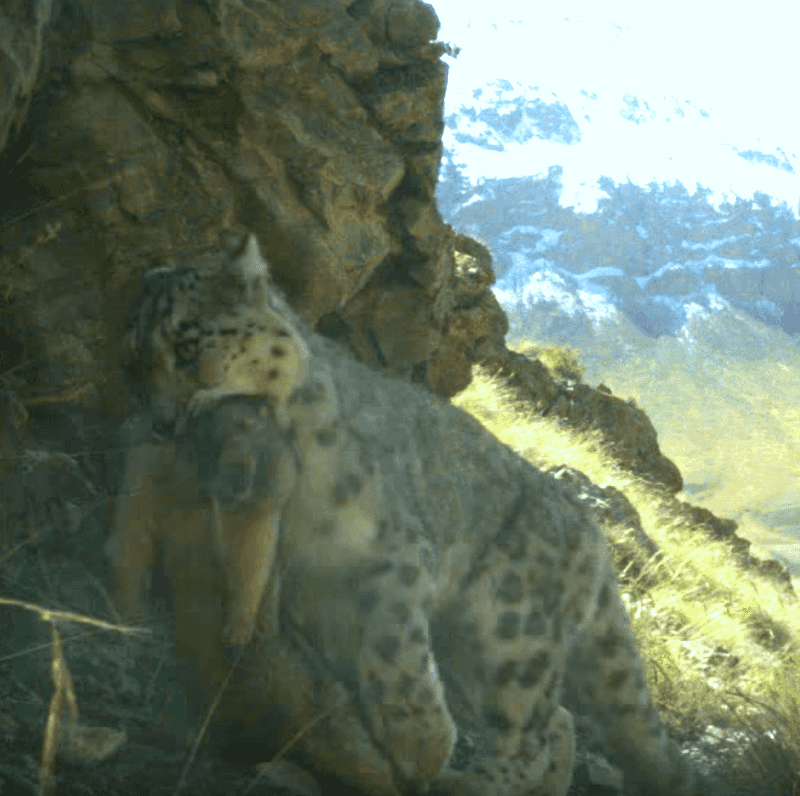
Camera trap surveys inside Sarychat Ertash have identified an estimated 18 snow leopards living within the reserve’s 149,118 hectares of Tian Shan mountain terrain, making it one of Central Asia’s most scientifically documented snow leopard populations.
Established in 1995 specifically to protect snow leopards, argali, and mountain goats, the reserve also shelters Eurasian lynx, brown bears, Pallas’s cats, and Siberian ibex across its glaciated valleys and alpine meadows.
Access is genuinely difficult. Most visits are restricted to scientific teams, and there is essentially no tourist infrastructure inside the reserve boundaries. Adventurous travelers who do make it report an atmosphere of complete wilderness that is increasingly rare anywhere in Asia.
The Snow Leopard Trust supports community programs around the reserve, including a handicraft enterprise that provides local families with income in exchange for pledges not to hunt snow leopards or their prey animals.
10. Zorkul Nature Reserve, Murghab District, Gorno Badakhshan, Tajikistan
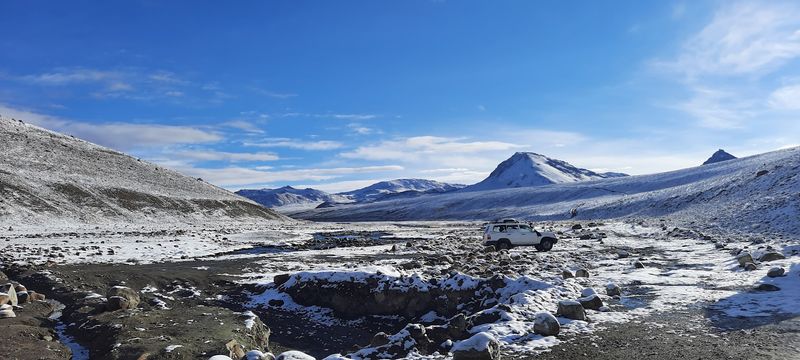
At 4,126 meters above sea level, Lake Zorkul sits at the center of one of the most isolated protected areas in all of Central Asia, a place where Marco Polo sheep outnumber tourists by a considerable margin.
Established in 2000, Zorkul Nature Reserve covers roughly 87,700 hectares along the Afghan border and protects snow leopards, wolves, red foxes, and stoats across its windswept plateau and wetland habitats.
The lake itself is the most important breeding site for bar-headed geese in Central Asia, adding a compelling birdwatching dimension to the wildlife experience. Reaching the reserve requires a multi-day drive from Khorog in a four-wheel-drive vehicle, with river crossings and no accommodation waiting at the end.
Visitors must be entirely self-sufficient with camping gear and supplies. Special permits from Tajik authorities are mandatory due to the reserve’s position on the Afghan border, so planning well in advance is essential.
11. Qilian Mountains National Park, Zhangye, Gansu Province, China
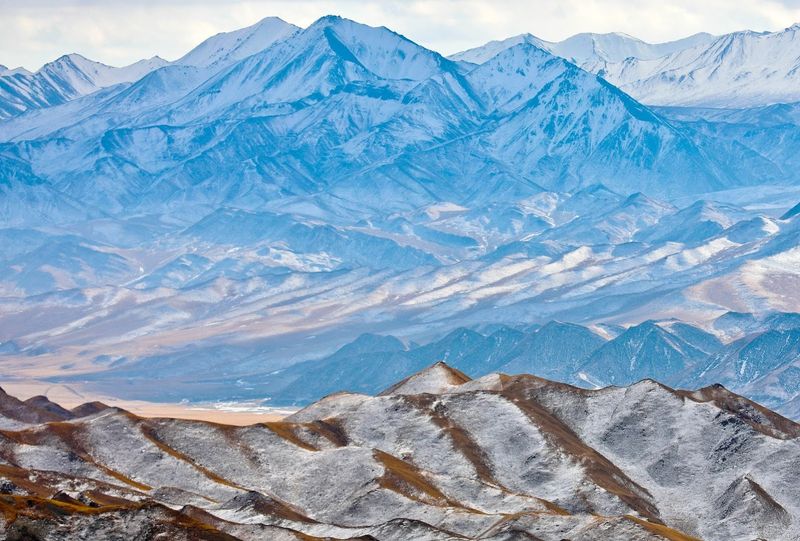
Infrared camera footage of snow leopards crossing frozen lakes in the Qilian Mountains has gone viral multiple times in China, and it is easy to see why: the images are extraordinary, and the population behind them is genuinely thriving.
Estimates place between 300 and 500 snow leopards in the western section of the range, which straddles Gansu and Qinghai provinces at an average altitude exceeding 4,000 meters.
The park protects 402 wild vertebrate species, including brown bears, white-lipped deer, wild yaks, Tibetan gazelles, and golden eagles, alongside 24 species under China’s highest level of national protection. Improved ranger patrols, satellite monitoring, and large-scale restoration of forest and grassland cover have all contributed to the population rebound.
For wildlife enthusiasts looking beyond the well-worn Tibet and Sichuan routes, the Qilian Mountains represent one of China’s most rewarding and undervisited conservation success stories.
12. Qomolangma National Nature Reserve, Tingri, Tibet Autonomous Region, China
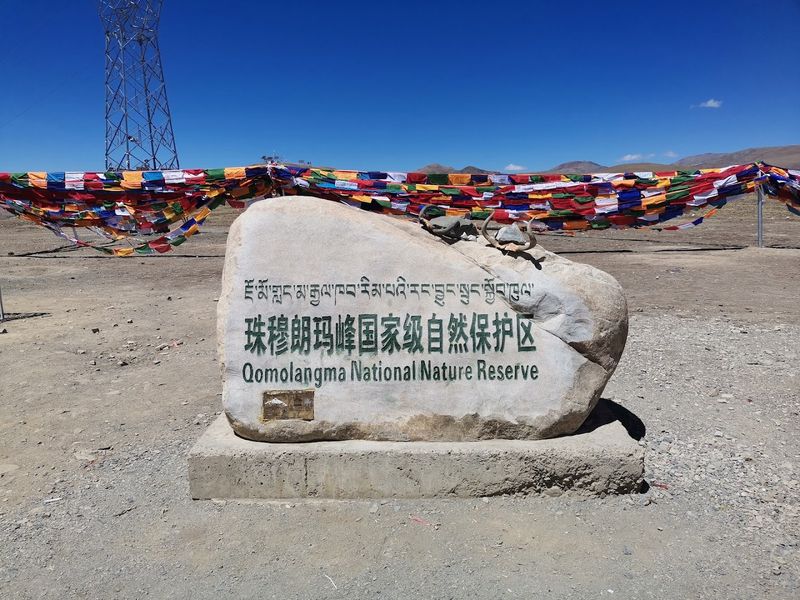
Preliminary estimates suggest more than 100 snow leopards live within the 3.38 million hectares of the Qomolangma National Nature Reserve, which wraps around the northern approaches to Everest and shares borders with Nepal along one of the most dramatic mountain frontiers on Earth.
Four of the world’s six highest mountains fall within or along the reserve’s boundary: Everest, Lhotse, Makalu, and Cho Oyu, plus Shishapangma, the only 8,000-meter peak located entirely within China.
Snow leopards here share the rugged valleys with Himalayan wolves and blue sheep, while Tibetan antelopes, wild yaks, and black-necked cranes inhabit the broader plateau. Research using line transects and camera traps has identified key habitat zones, particularly in areas bordering Nepal.
Notably, this reserve was among the first in the world managed entirely by local volunteers, a community-driven model that has shaped conservation approaches across the wider region.
13. Sanjiangyuan National Park, Yushu, Qinghai Province, China
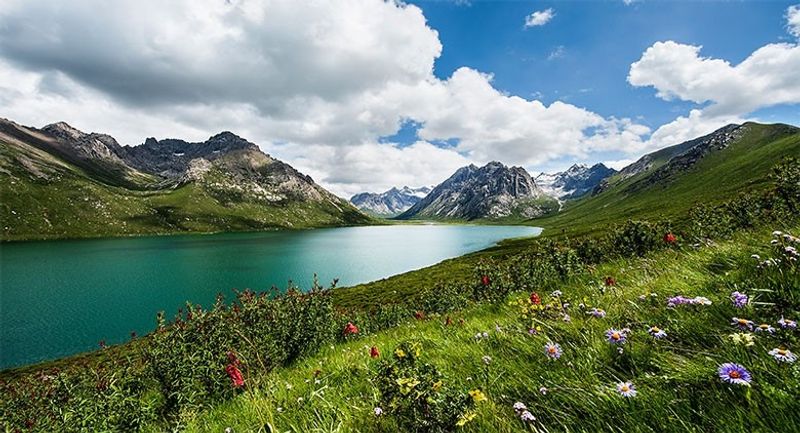
Designated officially in October 2021 after a five-year pilot program, Sanjiangyuan holds the distinction of being the highest-altitude and largest national park in the world, sitting at an average elevation exceeding 4,700 meters on the Qinghai-Tibet Plateau.
The park is the source of the Yangtze, Yellow, and Mekong rivers, earning its nickname the Water Tower of Asia, and its ecological health matters to hundreds of millions of people downstream.
Snow leopards are a flagship species here, and their increasing frequency of camera trap appearances signals a recovering ecosystem. Tibetan antelopes within the park have rebounded from fewer than 20,000 in the 1980s to over 70,000 today, reflecting the broader conservation gains.
Local Tibetan herders participate in sustainable tourism initiatives, offering cultural context alongside wildlife watching. Careful altitude acclimatization is essential for any visit, given the park’s extreme elevation and remote location.
14. Saylyugem National Park, Kosh Agach, Altai Republic, Russia
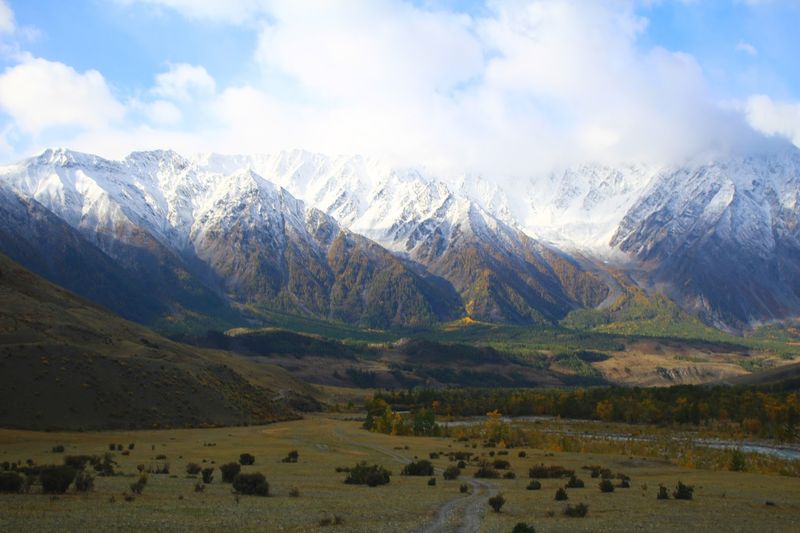
A 2024 census coordinated by Saylyugem National Park recorded at least 87 snow leopards across Russia, with 47 of those confirmed in Saylyugem and its adjacent areas, making this Altai Republic park the single most important site for the species in the entire country.
Established in 2010 specifically to protect snow leopards and Altai argali sheep, the park sits where Russia meets Mongolia, Kazakhstan, and China, a geographic crossroads that gives it an unusual mix of steppe, desert, mountain, and forest habitats.
The first camera trap confirmation of snow leopards came in 2015, and the population has been carefully monitored since. Between 3,200 and 3,700 Altai-Sayan ibex provide a strong prey base, while the park’s argali population represents 25 percent of the total global count for that subspecies.
Visits require special passes from park administration and are limited to designated routes, keeping the experience genuinely remote and the wildlife undisturbed.
Share this story