Minneapolis has always been a city that reinvents itself. New restaurants appear overnight, old warehouses become luxury condos, and entire neighborhoods shift their identity within a single decade.
But for many people who have called this city home for most of their lives, the pace of change feels less like progress and more like erasure. Long-time residents are watching their favorite spots close, their rent climb, and their communities transform into something they barely recognize.
When Neighborhoods Stop Feeling Like Home
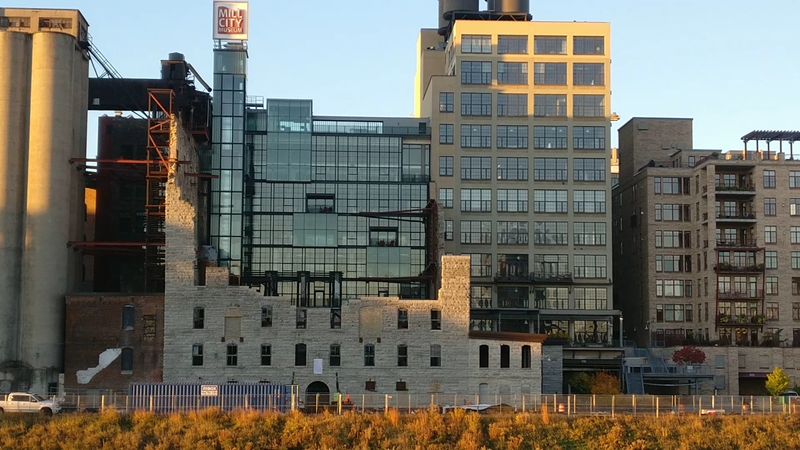
There is something quietly heartbreaking about walking down a street you grew up on and not recognizing a single storefront. That is the reality for many lifelong residents in Minneapolis today.
Neighborhoods like North Minneapolis, which have historically been home to African American families and working-class communities, have seen dramatic shifts in recent years. New construction projects, updated infrastructure, and an influx of higher-income newcomers have reshaped these areas at a pace that many original residents find overwhelming.
Community organizations have documented growing concerns about cultural displacement, where the physical buildings may remain but the social fabric that once defined the neighborhood is quietly unraveling. Long-time residents describe feeling like guests in their own communities.
The problem is not simply about buildings or businesses. It is about belonging, identity, and whether a city truly values the people who built it before the cameras and cranes arrived.
The Rising Cost of Staying Put
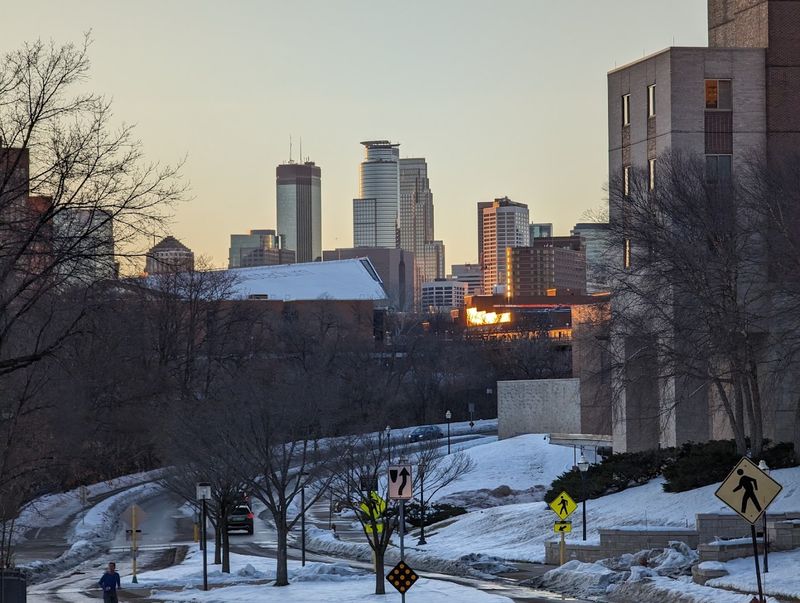
Rent in Minneapolis has climbed steadily over the past decade, and for residents on fixed incomes or working-class wages, the math simply does not add up anymore. A two-bedroom apartment that rented for under a thousand dollars a decade ago now routinely lists for double or triple that amount in many parts of the city.
Minnesota abolished single-family zoning citywide in 2040 Minneapolis Plan, an ambitious policy meant to increase housing supply and address affordability. However, critics argue that new construction has largely favored market-rate and luxury units rather than genuinely affordable housing for the residents who need it most.
For families who have lived in Minneapolis for generations, the financial pressure is relentless. Some have already left for suburbs or smaller towns.
Others are holding on, hoping the city they love will find a way to make room for them before the choice is made for them.
Gentrification Along the Green Line and Beyond
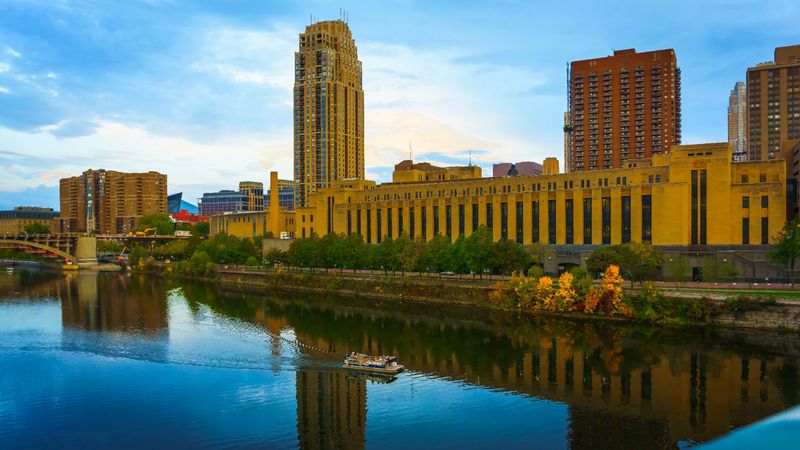
Public transit investments often signal incoming development, and in Minneapolis, the Green Line light rail corridor has become a textbook example of that pattern. Neighborhoods along and near the line have attracted significant developer interest, bringing new coffee shops, boutique fitness studios, and upscale housing to areas that were previously overlooked by investors.
For longtime business owners in these corridors, the attention is a double-edged situation. Foot traffic increases, but so does commercial rent.
Several small businesses owned by immigrant families and minority entrepreneurs have been priced out of spaces they occupied for years, replaced by newer establishments catering to a different demographic entirely.
The transformation is visible and fast. Murals celebrating neighborhood heritage sit next to gleaming new facades that seem to belong to a completely different city.
Residents who remember what these streets looked like ten years ago often describe a deep and persistent sense of loss that is difficult to put into words.
The Changing Face of Minneapolis Culture
Minneapolis has one of the largest Somali communities in the United States, concentrated largely in the Cedar-Riverside neighborhood. The area, sometimes called Little Mogadishu, has been a vital cultural hub for East African immigrants and refugees who built their lives here over several decades.
As development pressure increases citywide, Cedar-Riverside has not been immune. Rising rents and changing commercial landscapes have created anxiety within the community about whether this cultural enclave can survive the broader wave of transformation sweeping Minneapolis.
Similar concerns exist in other culturally distinct pockets of the city, including areas with strong Latino, Hmong, and Native American identities. These communities did not simply move to Minneapolis.
They shaped it, added richness to it, and made it more interesting for everyone. The fear is that rapid development, without intentional cultural preservation policies, will flatten that diversity into something more generic and far less meaningful to the people who actually live here.
George Floyd Square and the Weight of Memory
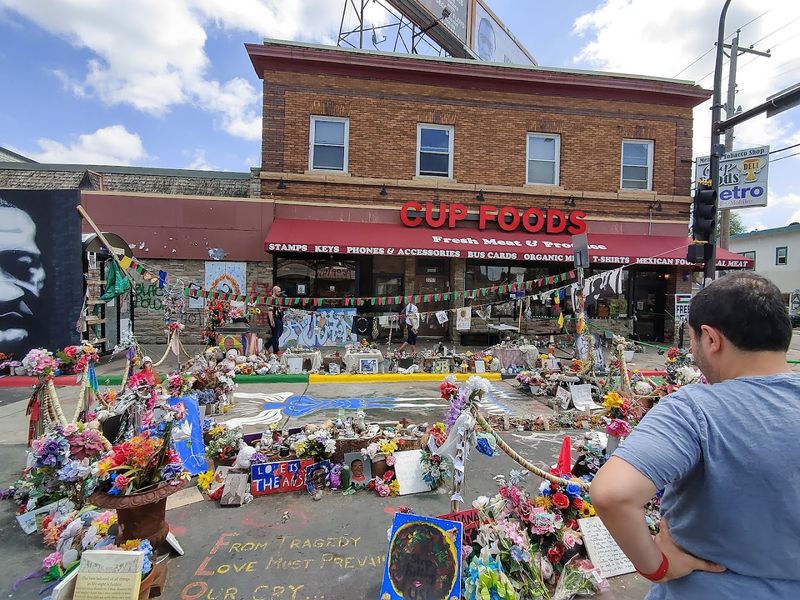
Few places in Minneapolis carry more emotional weight than the intersection of 38th Street and Chicago Avenue, known as George Floyd Square. After the events of May 2020, this corner became a gathering point for grief, protest, and community solidarity that resonated far beyond the city limits of Minneapolis.
For many long-time South Minneapolis residents, the square represents something deeply personal. It is a reminder of the systemic inequalities that have shaped life in this city for decades, inequalities that predate the events of 2020 and continue to influence housing, policing, education, and economic opportunity today.
The city has grappled with how to memorialize the site while also addressing community concerns about infrastructure and safety. For residents who have lived nearby for years, the conversation around the square is inseparable from the broader discussion about who Minneapolis is changing for, and who gets left out of that vision of the future.
Small Businesses That Built the City Are Disappearing
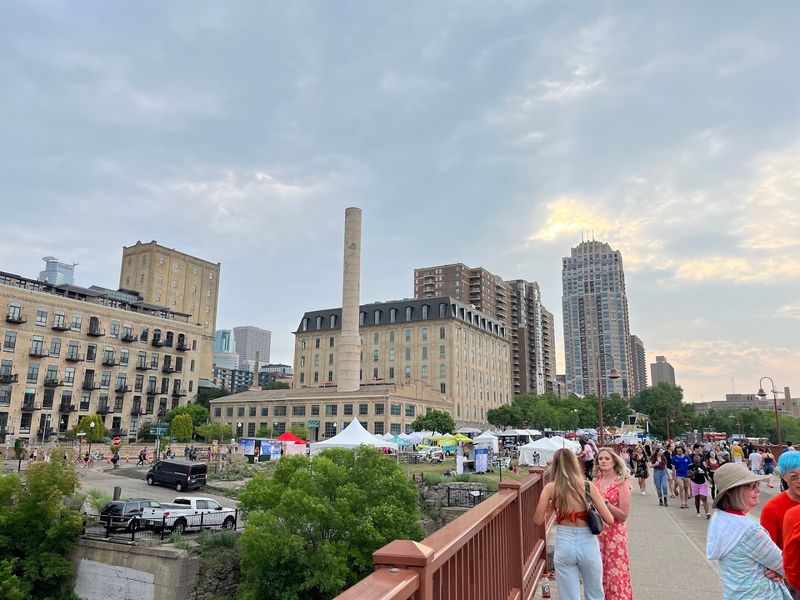
Ask any long-time Minneapolis resident what they miss most about the city, and the answer is usually a restaurant, a barbershop, a bookstore, or a corner grocery that no longer exists. Small, independently owned businesses have always been the heartbeat of Minneapolis neighborhoods, and many of them are struggling to survive in today’s economic climate.
Rising commercial rents, increased competition from chains, and the economic disruptions of recent years have created a brutal environment for small operators. Businesses that survived for twenty or thirty years have quietly closed their doors, taking with them not just jobs but also community gathering spaces that served as informal social infrastructure.
In some neighborhoods, the storefronts left behind by departing small businesses sit empty for months before being filled by national brands or upscale concepts that serve a very different customer base. For long-time residents, each closure feels like another piece of the city they knew being quietly dismantled and replaced with something that was not built for them.
The 2040 Plan and Its Controversial Promise
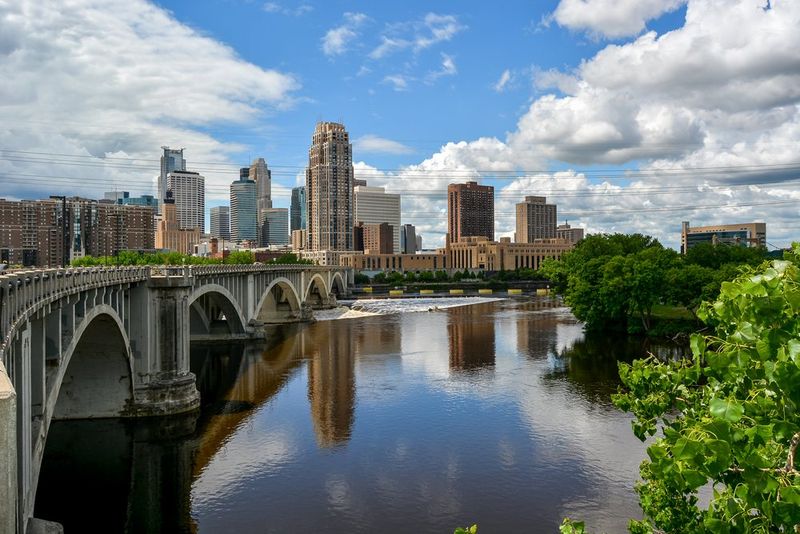
In 2018, Minneapolis made national headlines when it became the first major American city to eliminate single-family zoning across the entire city. The Minneapolis 2040 Comprehensive Plan was celebrated by housing advocates as a bold step toward addressing affordability and racial equity by allowing duplexes and triplexes on lots previously zoned for single-family homes only.
Supporters argued the plan would increase housing supply, reduce costs over time, and create a more integrated and equitable city. Critics, including some long-time residents and neighborhood advocates, worried that the policy would accelerate displacement rather than prevent it by making it easier for developers to buy and demolish affordable existing housing.
Years into implementation, the debate continues. New units have been added, but whether they have meaningfully helped the residents most at risk of displacement remains a genuinely contested question.
The 2040 Plan is ambitious, but ambition alone does not guarantee that everyone benefits equally from the changes it sets in motion.
What Happens When Schools Change Along With the Neighborhood
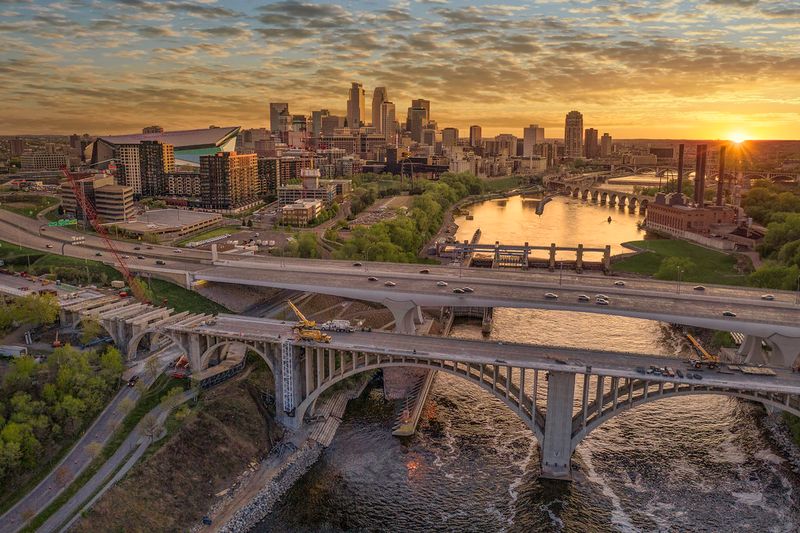
Neighborhood change does not stop at the property line. When families with higher incomes move into an area, schools shift too, sometimes in ways that create new tensions around resources, culture, and belonging for students who were already there.
Minneapolis Public Schools has faced significant challenges in recent years, including enrollment declines driven in part by families leaving the city and an ongoing debate about school closures and consolidations. For families in neighborhoods experiencing rapid change, the school question adds another layer of uncertainty to an already stressful situation.
Some long-time residents describe watching their neighborhood school transform from a community anchor into something less familiar, with changing demographics, new programs, and shifting priorities that do not always reflect the needs of the students whose families have lived nearby for decades. Education is supposed to be the great equalizer, but in a rapidly changing city, it can sometimes feel like one more arena where displacement plays out quietly and without much public acknowledgment.
The Mississippi River Runs Through a City at a Crossroads
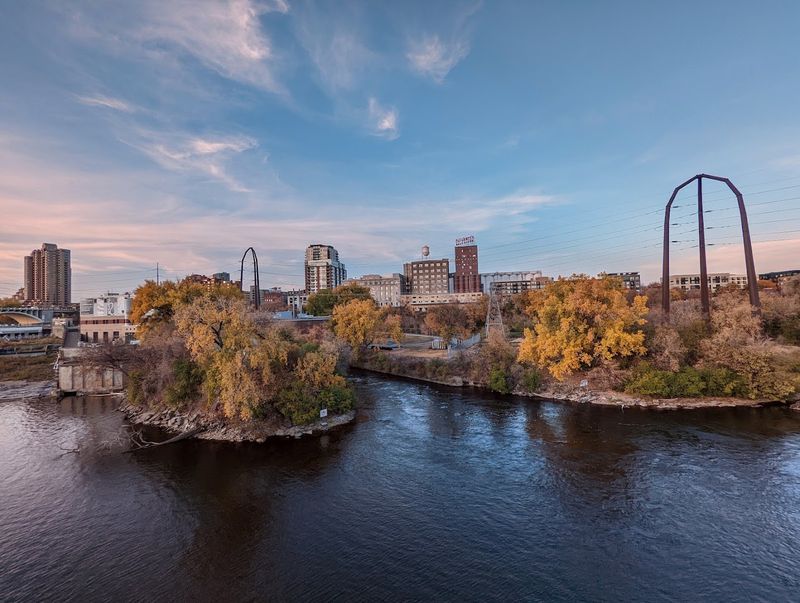
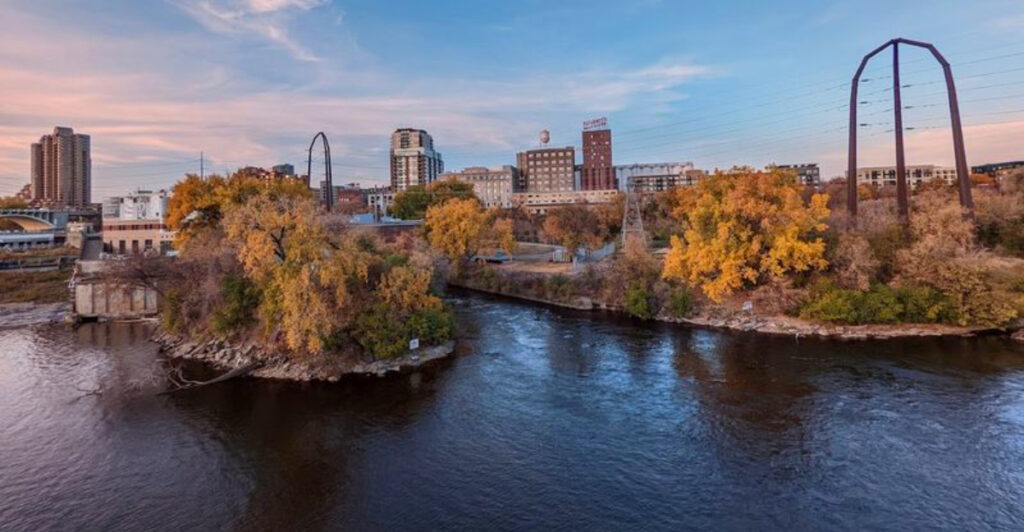
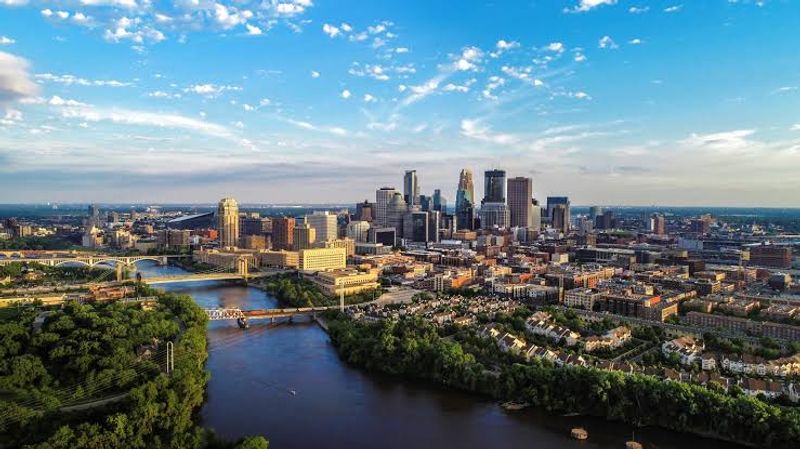
The Mississippi River has always been central to Minneapolis, both geographically and culturally. The city grew around the river, powered by its falls, and continues to define itself in relationship to the water that cuts through its heart.
The riverfront has also become one of the most visible symbols of the city’s transformation.
Areas along the river that were once industrial and largely inaccessible to the public have been redeveloped into parks, trails, restaurants, and residential buildings. The riverfront renaissance has been widely praised for making the water more accessible, but it has also driven up property values in surrounding neighborhoods, contributing to displacement pressures that ripple outward from the waterfront.
Long-time residents sometimes describe a strange irony in these improvements. The river is more beautiful and accessible than ever, but the people who lived closest to it for decades are increasingly being priced out of the neighborhoods that gave them that access in the first place.
Progress looks different depending on where you are standing.
Arts and Culture as Both a Draw and a Driver of Change
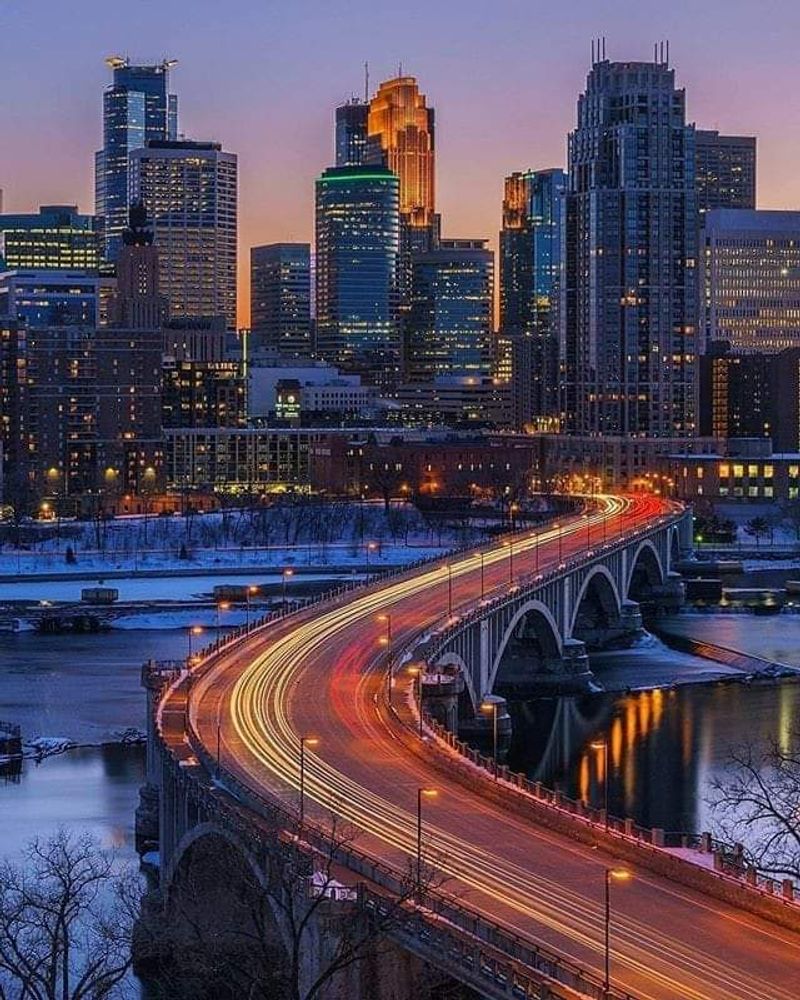
Minneapolis has a genuinely impressive arts scene. The Walker Art Center, one of the leading contemporary art museums in the country, sits alongside the Minneapolis Sculpture Garden, home to the iconic Spoonbridge and Cherry sculpture by Claes Oldenburg and Coosje van Bruggen.
The city also supports a dense network of theaters, galleries, and music venues.
Cultural amenities like these are part of what makes Minneapolis attractive to newcomers and investors. But arts-driven neighborhood revitalization has a complicated track record.
When galleries and creative spaces move into affordable neighborhoods, they often signal incoming development that eventually prices out the artists themselves, along with the longtime residents who were already there.
Some Minneapolis artists and cultural organizations have been intentional about working within communities rather than reshaping them from the outside. But the broader pattern of arts as a precursor to gentrification is well-documented, and long-time residents in several Minneapolis neighborhoods have watched it play out in real time with a mixture of appreciation and wariness.
Parks and Green Space in an Unequal City
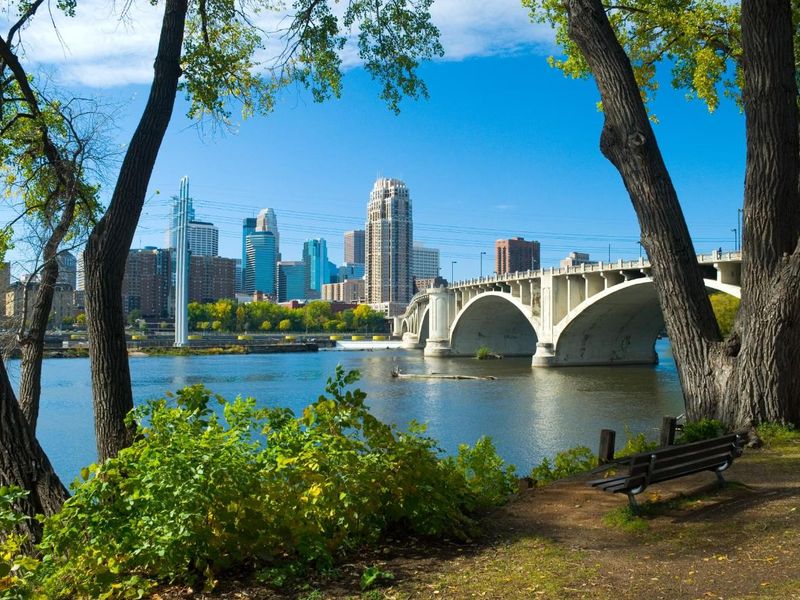
Minneapolis is consistently ranked among the best park systems of any major American city. The city’s chain of lakes, connected trails, and neighborhood parks are genuinely impressive, and they contribute meaningfully to quality of life for residents across the city.
However, access to green space has not always been equal. Historically, some of the city’s most desirable park areas were surrounded by neighborhoods that were redlined, restricting who could live near them through discriminatory housing policies.
The legacy of those policies continues to shape who lives where in Minneapolis today.
As the city invests in park improvements and green infrastructure, the question of who benefits is worth asking carefully. Park upgrades can increase property values in surrounding areas, which is good for some residents and very difficult for others.
Minneapolis genuinely loves its parks, and that love is not the problem. The challenge is ensuring that park investment serves everyone rather than accelerating the displacement of the residents who need stable, affordable housing the most.
A City Grappling With Its Own History of Redlining
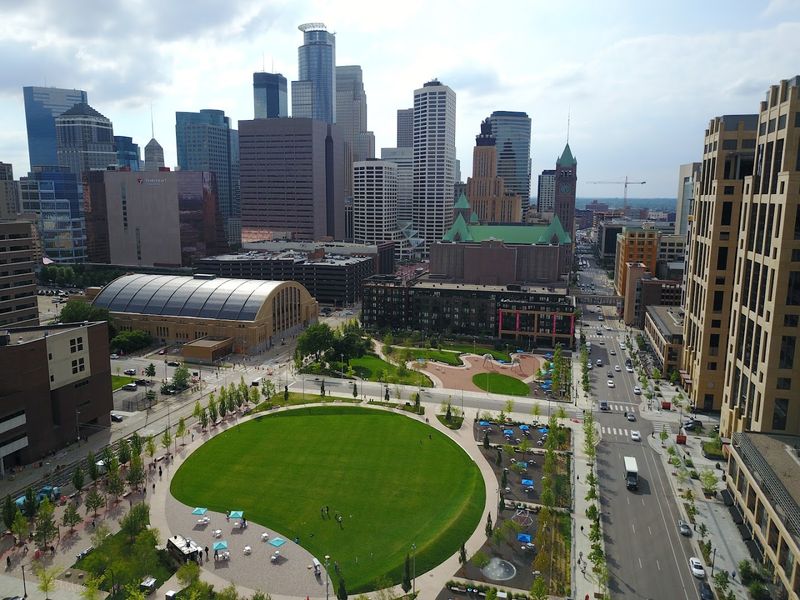
To understand why some Minneapolis residents feel left behind by the city’s current transformation, it helps to understand the history that created the conditions they are living in. For decades, discriminatory lending and housing policies known as redlining systematically denied mortgage access to Black and other minority families in Minneapolis, concentrating them in specific neighborhoods while preventing wealth accumulation through homeownership.
The effects of redlining did not disappear when the policies were outlawed. They calcified into persistent patterns of disinvestment, poverty, and limited opportunity that shaped North and South Minneapolis for generations.
Now, as investment finally flows into some of these historically neglected areas, many of the families who endured decades of disinvestment are being displaced just as conditions improve.
Community advocates describe this as a painful and infuriating pattern. The people who suffered through the hard years are not the ones benefiting from the good ones.
That tension sits at the center of nearly every conversation about development, equity, and belonging in Minneapolis today.
New Arrivals and the Question of Community Responsibility
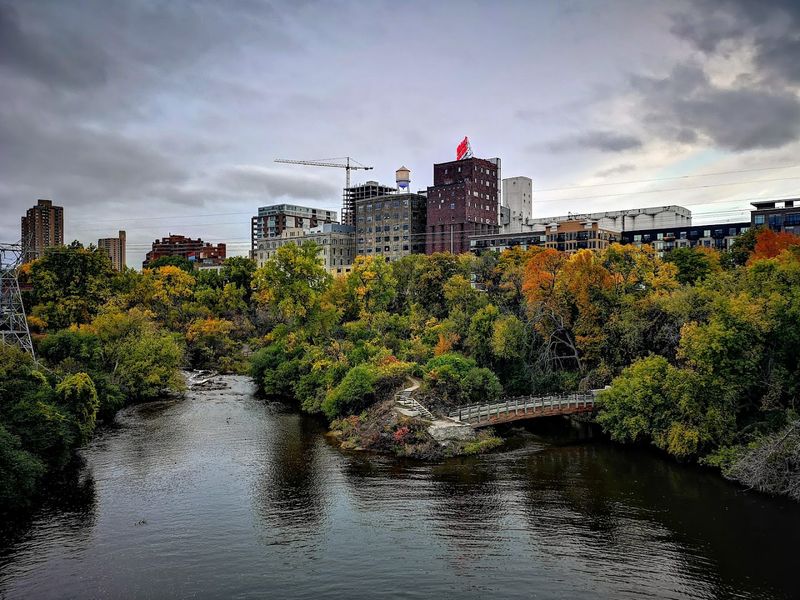
Not everyone moving to Minneapolis comes with the intention of displacing anyone. Many newcomers are drawn by job opportunities, the city’s cultural offerings, or simply the appeal of urban living.
They rent or buy in neighborhoods they find affordable and interesting, often without fully understanding the history or the pressures their arrival adds to communities already under stress.
This is one of the genuinely complicated dimensions of gentrification. Individual choices aggregate into collective consequences that no single person planned or intended.
A young professional moving into a North Minneapolis apartment is not the villain of the story, but their presence is still part of a larger pattern that longtime residents experience as displacement.
Some community organizations in Minneapolis have tried to bridge this gap by creating spaces for new and long-time residents to meet, share history, and develop shared commitments to the neighborhood. Whether those efforts can meaningfully shape the trajectory of change at the scale Minneapolis is experiencing remains an open and important question.
What Long-Time Residents Actually Want
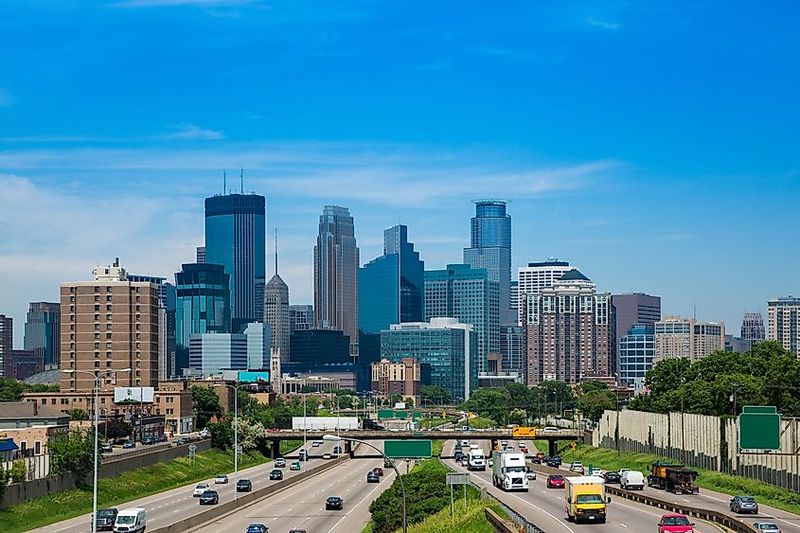
When long-time Minneapolis residents talk about feeling left behind, they are not usually asking for the city to stop changing. Change is inevitable, and most people understand that.
What they are asking for is a seat at the table where decisions about their neighborhoods are made.
Community land trusts, which allow residents to collectively own land and keep housing permanently affordable, have gained traction in Minneapolis as one potential tool for preventing displacement. Tenant protections, community benefit agreements tied to new development, and targeted investment in minority-owned small businesses are other approaches that advocates have pushed for with varying degrees of success.
What emerges consistently from conversations with long-time residents is a desire to be seen and valued by a city that sometimes seems more interested in attracting new investment than in protecting the people already here. That is not an unreasonable ask.
A city that truly thrives is one where growth and belonging are not treated as competing priorities but as inseparable ones.
The Minneapolis That Could Still Be
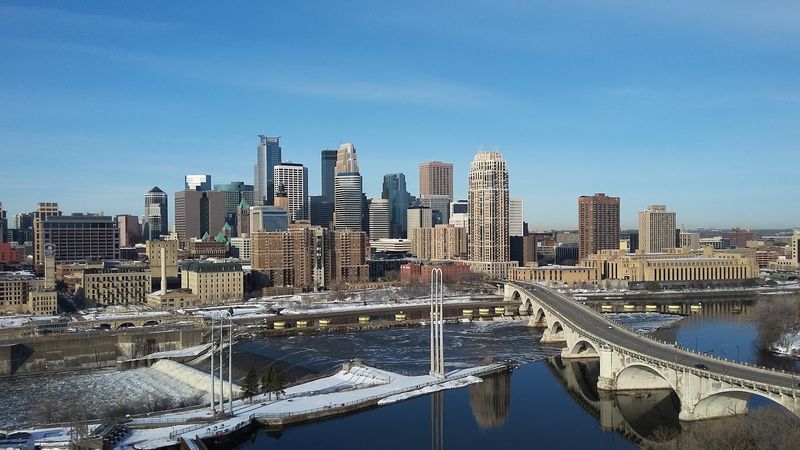
Minneapolis is a genuinely remarkable city. Its parks, its cultural institutions, its history of civic engagement, and the sheer diversity of people who have chosen to call it home make it one of the most interesting urban places in the Midwest.
That is not in dispute, even among residents who feel the city is leaving them behind.
What is in dispute is whether the Minneapolis of the future will be built with the same people in mind as the Minneapolis of the past. Cities that manage growth equitably do not happen by accident.
They require intentional policy, sustained community advocacy, and a willingness among newcomers and established residents alike to see each other as stakeholders in a shared future.
The story of Minneapolis right now is not a finished one. It is a city actively deciding what kind of place it wants to be.
Whether long-time residents end up feeling like they helped write that story, or simply watched it happen to them, may be the most important question Minneapolis faces in the years ahead.
Share this story