Some songs are built around a guitar riff, a catchy chorus, or a memorable hook. But every once in a while, a bass line shows up and takes complete control, turning a good song into an unforgettable one. From the funk-soaked studios of the 1970s to the underground rock scenes of the 1990s, bass players have quietly been the backbone of popular music. This list celebrates 20 bass lines so commanding, so rhythmically brilliant, and so culturally significant that the songs simply would not exist without them.
Whether you grew up with these tracks or are discovering them for the first time, each entry tells a story about a musician, a moment, and a groove that changed how we hear music. Get ready to rethink who the real heroes of the band actually are.
1. Money by Pink Floyd
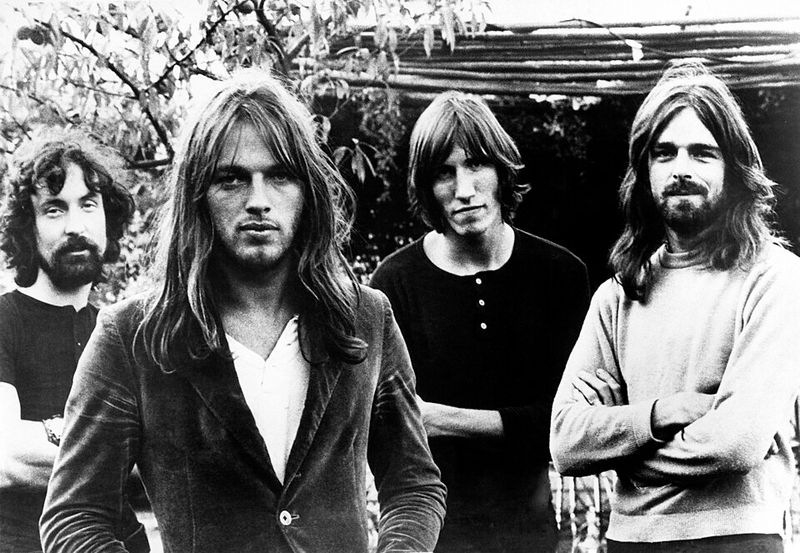
Roger Waters wrote “Money” in an unusual 7/4 time signature, which was almost unheard of in mainstream rock in 1973. The bass line opens the song completely alone, before any other instrument enters, establishing the groove before the listener even knows what is coming.
Waters recorded actual cash register sounds and coins as the rhythmic foundation, then built the bass riff on top of that percussive structure. The result was a song that felt mechanical and hypnotic at the same time. It became one of the few progressive rock tracks to reach the US Top 20.
2. Under Pressure by Queen and David Bowie

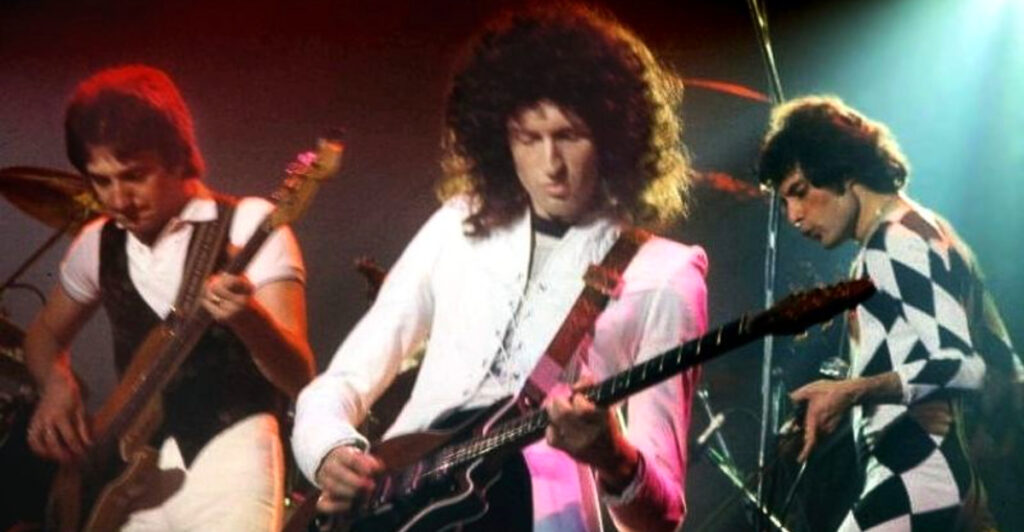
John Deacon created the bass line for “Under Pressure” during an impromptu jam session at Mountain Studios in Montreux, Switzerland in 1981. He reportedly came up with it on the spot, and the rest of the session built around that four-note figure in real time.
The collaboration between Queen and David Bowie was unplanned; Bowie had originally stopped by the studio for dinner. The bass line later became the foundation for Vanilla Ice’s “Ice Ice Baby” in 1990, one of the most recognized cases of bass borrowing in pop history.
3. Come Together by The Beatles
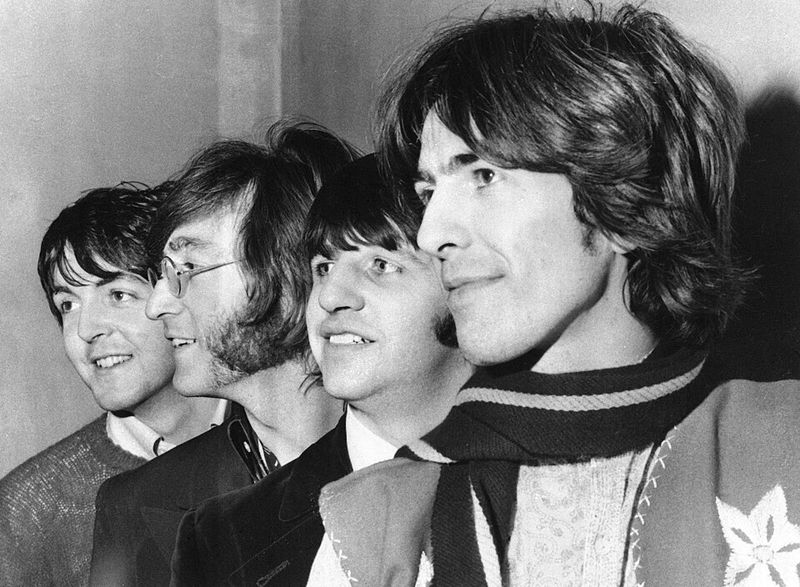
Paul McCartney’s bass line on “Come Together” is one of the most studied in music history, partly because it refuses to sit still. Recorded at Abbey Road in July 1969, the line moves in unexpected intervals, circling around the root note without ever fully landing on it in the expected place.
John Lennon wrote the song as a campaign piece for Timothy Leary, though it evolved well beyond that origin. McCartney’s approach treated the bass as a lead instrument rather than a supporting one, a technique he had been refining since “Paperback Writer” in 1966.
4. Good Times by Chic
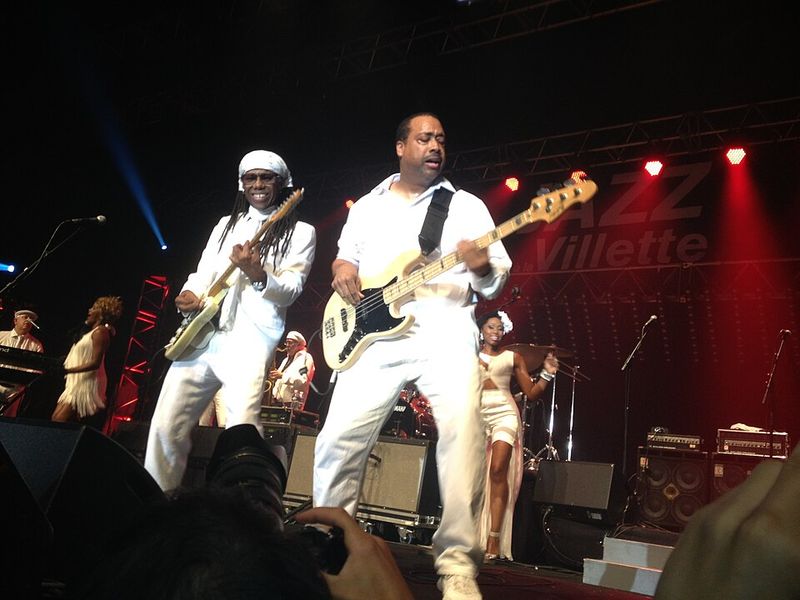
Bernard Edwards built the bass line for “Good Times” around a concept he called “melodic bass,” where the low end carries the tune rather than just marking the beat. Released in June 1979, it became one of the most sampled recordings in popular music history.
The line is so self-contained that it practically functions as a song within a song. It directly inspired John Deacon’s work on “Another One Bites the Dust” and was lifted almost entirely for “Rapper’s Delight” by the Sugarhill Gang, helping launch hip-hop into mainstream radio just months after its release.
5. Billie Jean by Michael Jackson
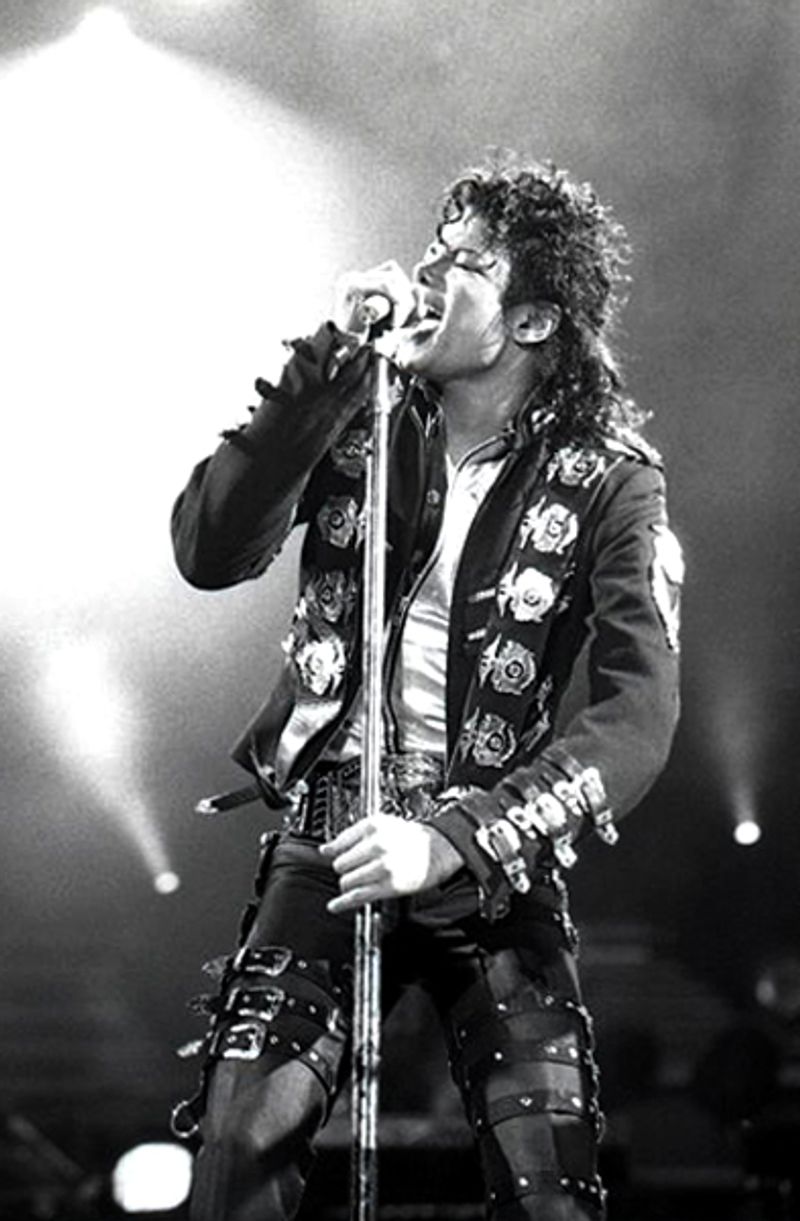
Michael Jackson reportedly had the bass line for “Billie Jean” in his head for months before it was recorded, humming it to producer Quincy Jones during early conversations about the Thriller album. Louis Johnson laid down the actual bass track, drawing on his funk background to give it that locked-in, metronomic feel.
The song opens with bass and drums before anything else arrives, a deliberate choice to establish dominance from the first second. “Billie Jean” was released in January 1983 and became the best-selling single of that year globally, spending seven weeks at number one in the US.
6. Super Freak by Rick James
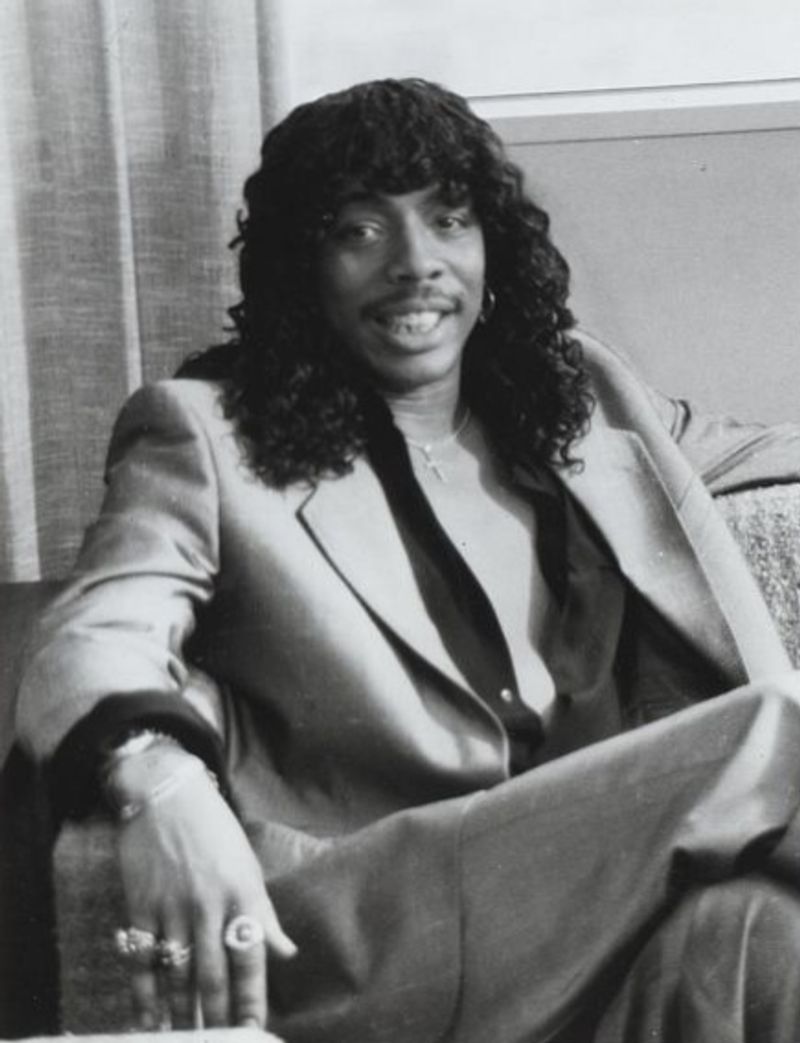
Rick James co-wrote “Super Freak” in 1981 and built it around a bass riff that was essentially a funk workout compressed into a pop format. The line repeats throughout the song with minimal variation, proving that a great groove does not need to evolve to stay interesting.
James played the bass himself on the recording, using a precise slap technique that gave the track its sharp, percussive edge. MC Hammer sampled the riff in 1990 for “U Can’t Touch This,” which won two Grammy Awards and introduced the original groove to an entirely new generation of listeners.
7. Seven Nation Army by The White Stripes
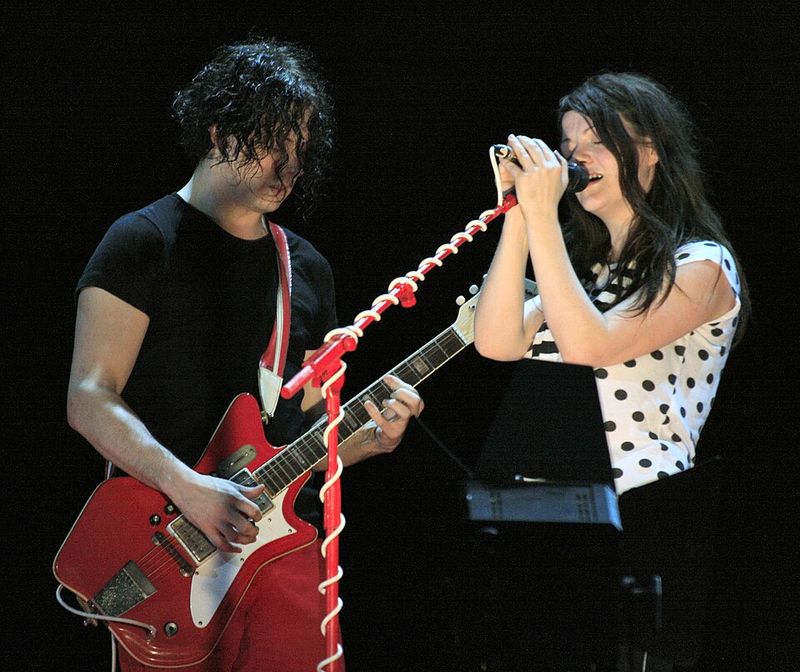
Technically, there is no bass guitar on “Seven Nation Army.” Jack White ran his guitar signal through an octave pedal to drop the pitch down, creating what the entire world assumed was a bass line. Released in 2003, it became one of the most recognized riffs of the 21st century.
The simplicity is the point: seven notes, descending, repeated. White Stripes operated as a two-piece with no bassist, which forced Jack White to think differently about low-end frequency. The riff later became a universal sports chant across stadiums in Europe and North America throughout the 2000s and 2010s.
8. Another One Bites the Dust by Queen
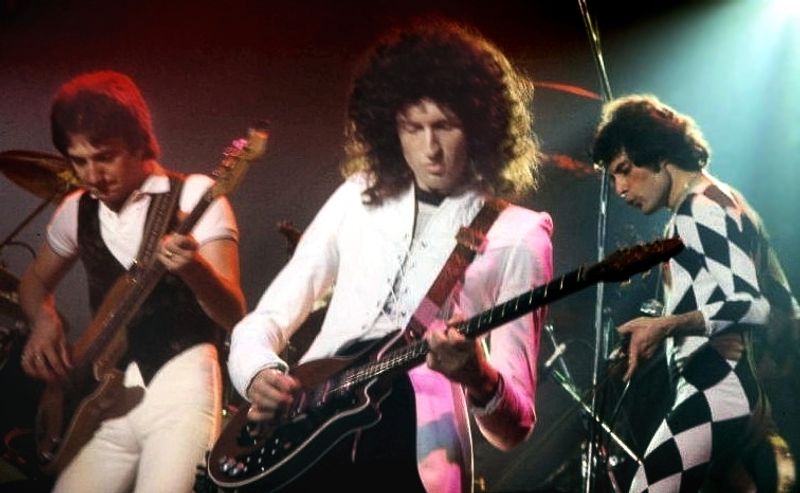
John Deacon wrote this bass line after spending time watching Chic record in the studio, absorbing the rhythmic DNA of Bernard Edwards note by note. Released on August 22, 1980, the song was built almost entirely around a repeating E minor riff that needed no chorus to hook you.
Deacon played a Music Man Stingray bass, the same instrument Edwards favored, and recorded most of the instrumental parts himself. Michael Jackson personally urged Queen to release it as a single. It spent 15 weeks in the Billboard Top 10, longer than any other song that year.
9. Longview by Green Day
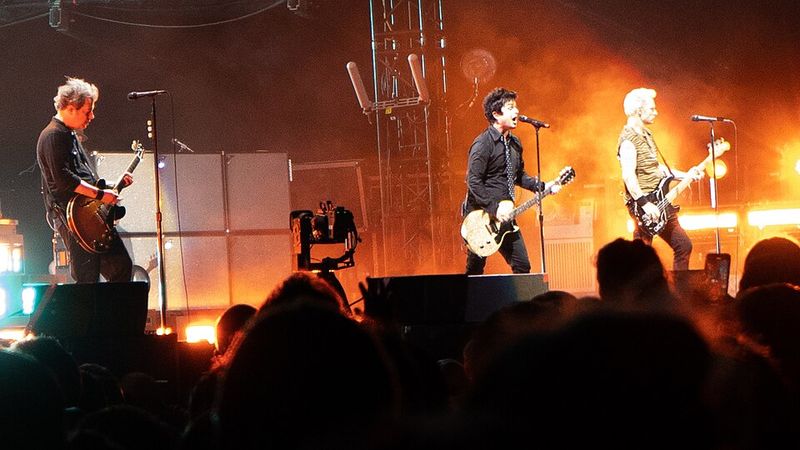
Mike Dirnt wrote the bass line for “Longview” while he was home alone, bored, and reportedly in an altered mental state that he later described in interviews as creatively freeing. The line is fast, melodic, and rhythmically complex in a way that stands out sharply against the rest of the punk landscape of 1994.
When Billie Joe Armstrong heard it, he built the entire song structure around it. “Longview” opened Green Day’s “Dookie” album and signaled immediately that this band’s bassist was not a background player. The bass intro alone became one of the defining sounds of 1990s alternative rock.
10. My Generation by The Who
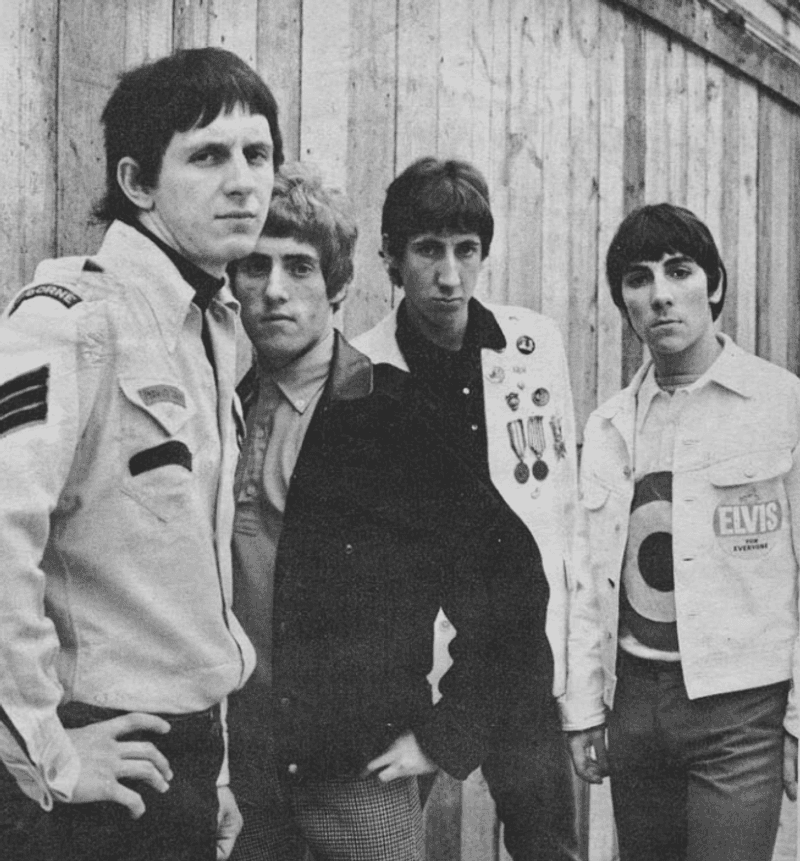
John Entwistle’s bass solo on “My Generation” was a radical act in 1965. Bass solos simply did not happen in pop music at that time; the instrument existed to support, not to lead. Entwistle changed that expectation in about 30 seconds of recorded music.
He used a Danelectro bass strung with rotosound roundwound strings, which gave the solo a bright, aggressive tone that cut through the mix in a way no bass had before. The Who released the song in October 1965, and it reached number two on the UK charts. Entwistle’s approach permanently expanded what the bass was allowed to do.
11. Roundabout by Yes
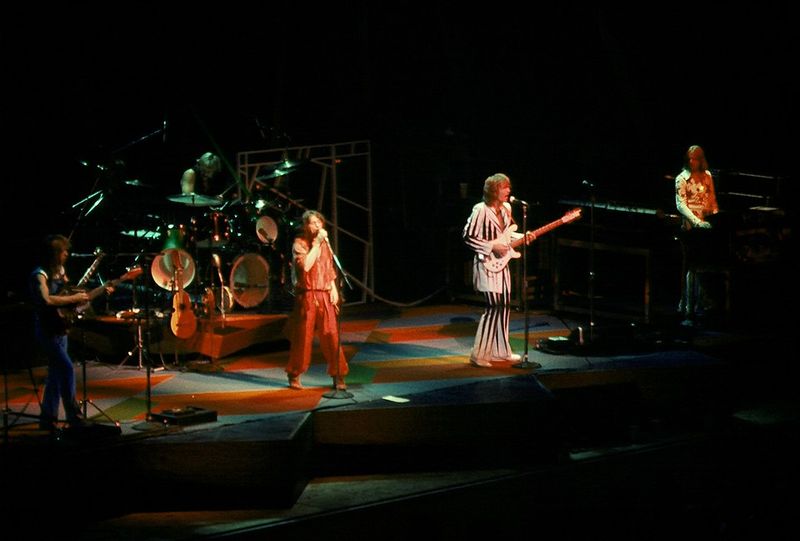
Chris Squire approached the bass like a rhythm guitarist who happened to be playing a low-frequency instrument. On “Roundabout,” released in 1972, his Rickenbacker 4001 bass runs counter-melodies that weave around the guitar and keyboards rather than following them.
Squire used a combination of pick playing and distortion to give the bass a grinding, mid-range presence that was unusual for the era. The track clocks in at just under nine minutes on the album version and sustains listener attention largely because of how active and inventive the bass line remains throughout. It set a standard for progressive rock bass playing that influenced generations of musicians.
12. Higher Ground by Red Hot Chili Peppers
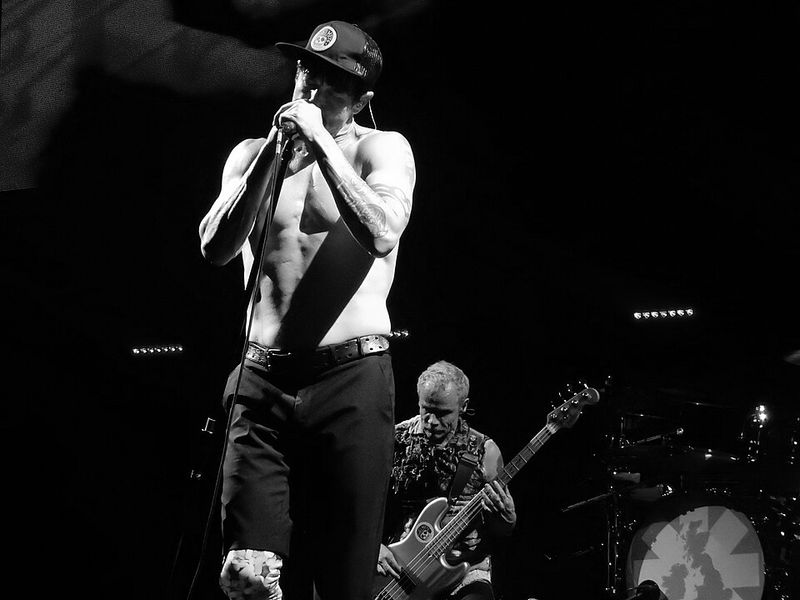
Flea recorded the bass line for “Higher Ground” in a single take, using a slap technique so aggressive that it essentially rewrote how rock bass could function in a funk context. The song is a cover of Stevie Wonder’s 1973 original, but the Chili Peppers’ 1989 version sounds nothing like the source.
Flea’s approach compressed Wonder’s keyboard-driven groove into something rawer and more physical. The track appeared on “Mother’s Milk” and marked a turning point for the band commercially. It helped establish Flea as one of the most technically accomplished and creatively distinctive bass players of his generation.
13. Hysteria by Muse
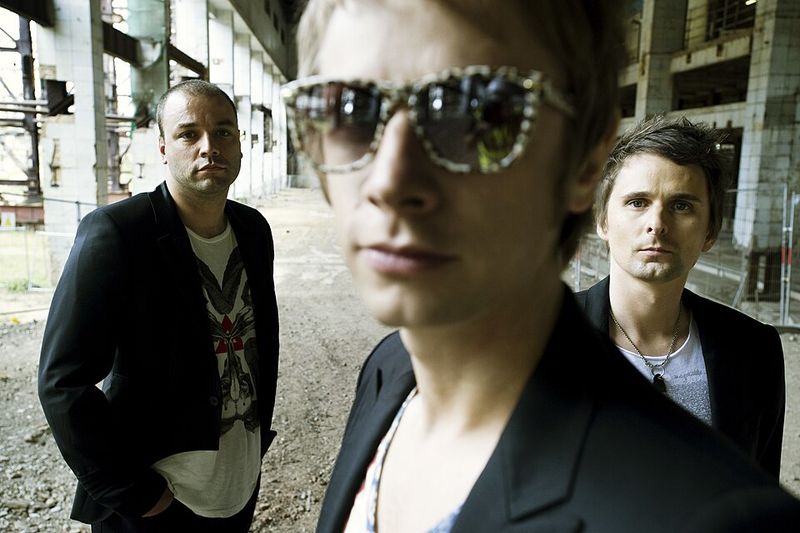
Chris Wolstenholme spent months developing the bass line for “Hysteria” after the band decided it needed to carry the entire song without guitar support. Released in 2003 on the “Absolution” album, the line runs at a relentless pace for over four minutes without significant repetition or rest.
Wolstenholme used a pick rather than fingers to maintain the attack and clarity needed at that speed. The song became one of Muse’s signature tracks and is frequently cited in bass guitar instructional content as one of the most technically demanding lines in mainstream rock. It demonstrated that a pop-accessible song could be built on a genuinely difficult bass performance.
14. Rio by Duran Duran
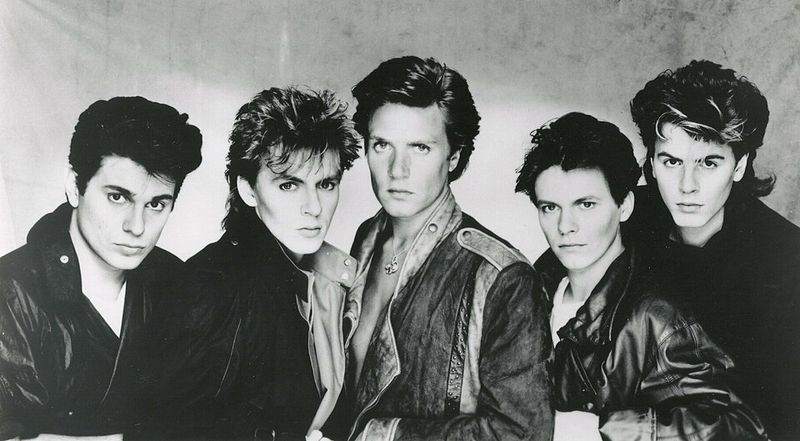
John Taylor built the bass line for “Rio” around a style that blended post-punk rhythmic precision with disco-era melodicism, a combination that defined the new wave sound of 1982. The line is unusually high in the mix for a pop record of that era, sitting almost at the same level as Simon Le Bon’s vocals.
Taylor had been studying the bass work of Bernard Edwards and Chic extensively, and that influence is audible in how the line moves independently of the chord structure. “Rio” reached number nine on the UK charts and became one of the defining singles of the MTV generation, largely because of how groove-driven it felt.
15. Schism by Tool
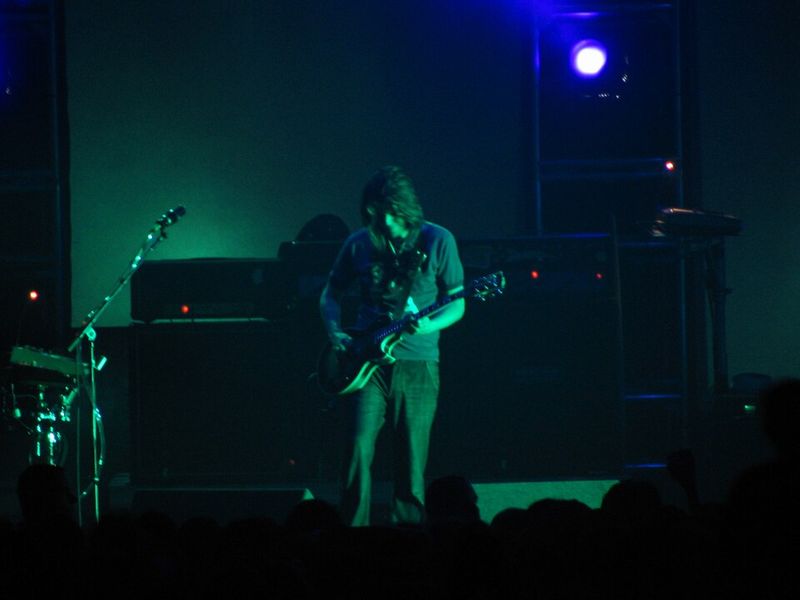
Justin Chancellor wrote the primary bass riff for “Schism” in an unusual 6.5/8 time signature, which shifts rhythmically throughout the song in a way that challenges even experienced musicians to count along. Released in 2001, the track won the Grammy Award for Best Metal Performance that year.
Chancellor’s bass line does not simply support the guitar; it argues with it, moving in a different rhythmic direction to create a sense of controlled tension. Tool had built their reputation on rhythmic complexity, and “Schism” became the clearest example of how a bass line could be the primary architectural element of a song rather than its foundation.
16. Papa Was a Rollin’ Stone by The Temptations
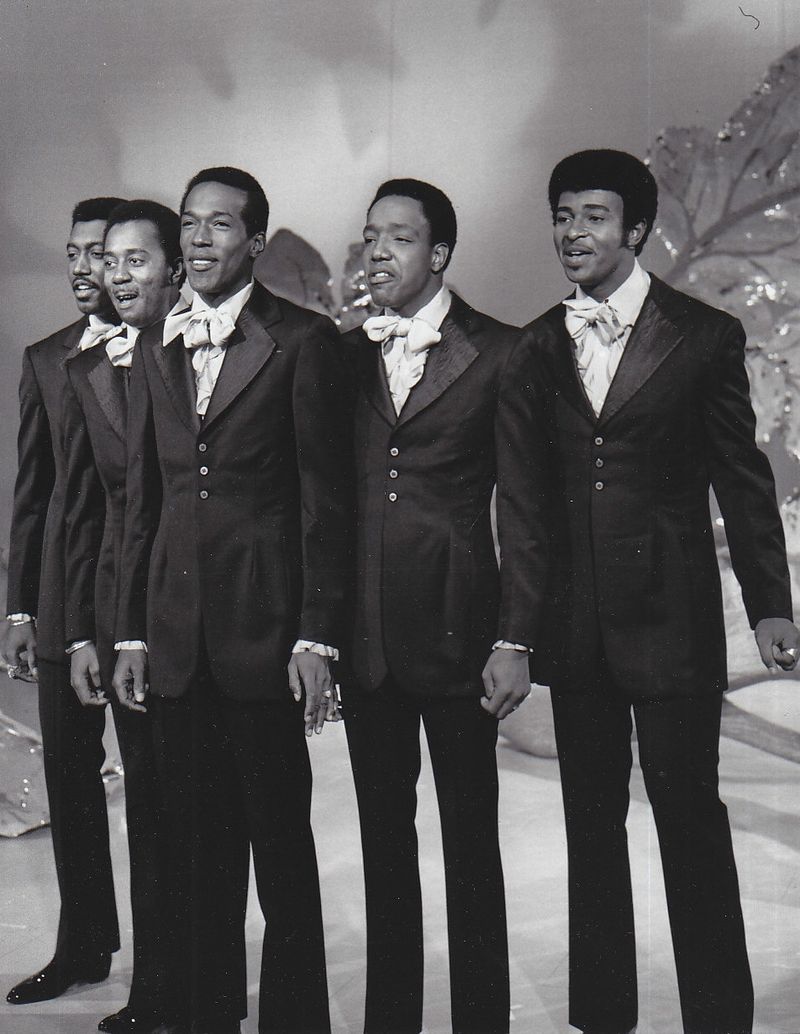
Bob Babbitt played the bass line on “Papa Was a Rollin’ Stone” as a member of the Funk Brothers, the uncredited studio musicians who recorded virtually every Motown hit of the 1960s and 1970s. Released in 1972, the song runs nearly twelve minutes on the album version, and the bass line drives every second of it.
The line is built on a two-bar groove that never fully resolves, creating a slow, circular tension that matches the song’s narrative perfectly. It won three Grammy Awards in 1973, including Best Rhythm and Blues Song. Babbitt’s contribution was largely anonymous for decades until the 2002 documentary “Standing in the Shadows of Motown” brought the Funk Brothers proper recognition.
17. Bernadette by Four Tops
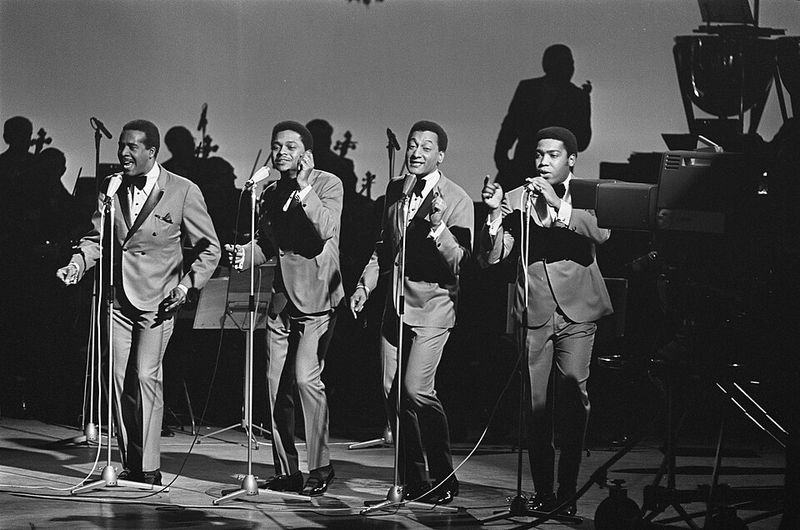
“Bernadette” was recorded at Hitsville U.S.A. in Detroit in 1967, and the bass line was handled by James Jamerson, widely considered the most influential bass player in the history of recorded music. Jamerson rarely used more than one finger on his right hand, a technique he called “the hook,” which gave his playing a unique rhythmic snap.
The bass line on “Bernadette” is harmonically active, moving through the chord changes in a way that adds emotional urgency to the track. It reached number four on the Billboard Hot 100 and number one on the R&B chart. Jamerson’s work on this song is studied in music programs around the world as a model of melodic bass playing.
18. Dean Town by Vulfpeck
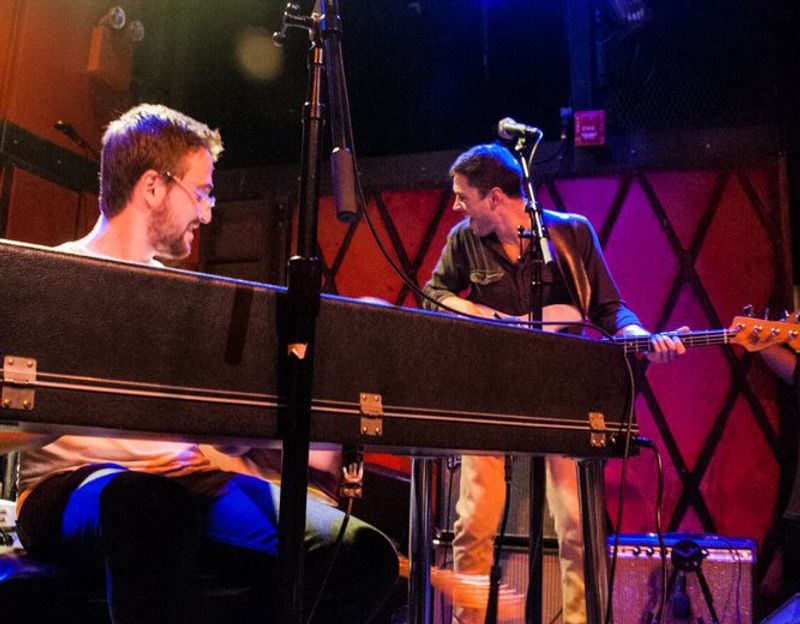
“Dean Town” is essentially a bass solo dressed up as a full song. Released in 2016 on Vulfpeck’s “The Beautiful Game” album, the track features Joe Dart playing a technically demanding line with almost no variation in dynamics or texture, just pure rhythmic and melodic control for three and a half minutes.
The song has no lyrics, no guitar solo, and no traditional song structure. It exists purely to showcase what a bass can do when given complete freedom. Dart recorded it in a single studio session, and it became a viral reference point in online bass communities, introducing Vulfpeck to hundreds of thousands of new listeners through bass tutorial videos and reaction content.
19. The Chain by Fleetwood Mac
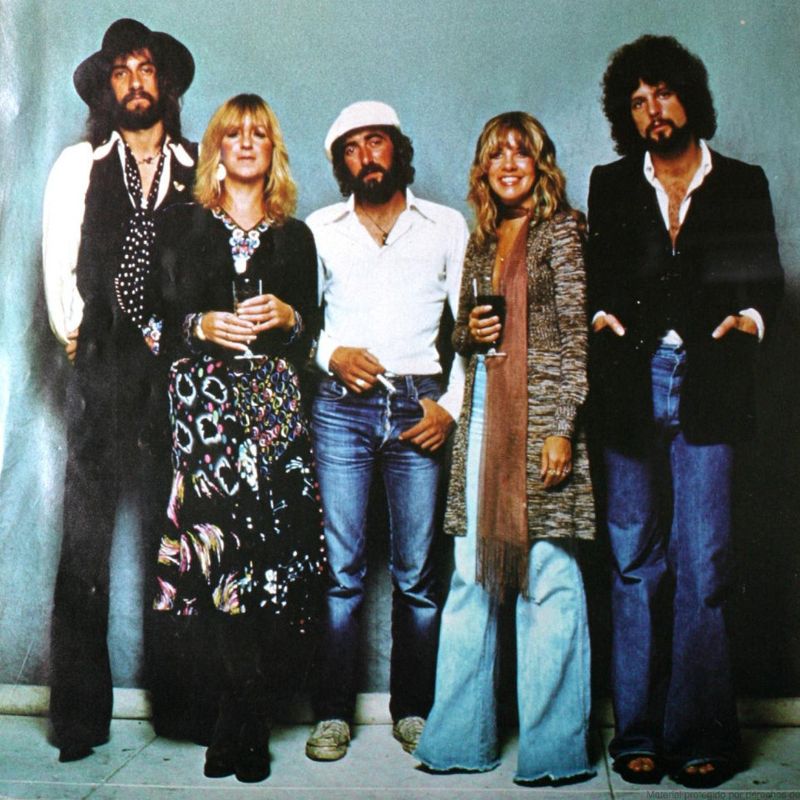
The bass line that closes “The Chain” was not part of the original song structure. John McVie added the driving, ascending figure during the final section as the band was assembling the track from separate recorded pieces during the chaotic “Rumours” sessions in 1976 and 1977.
The song was assembled from multiple unfinished recordings, and McVie’s contribution gave the ending a propulsive urgency that tied the disparate parts together. Released in 1977, “The Chain” is the only songwriting credit on “Rumours” shared by all five band members. The closing bass line became one of the most recognized in classic rock, used as the theme for Formula One broadcasts on the BBC from 1978 onward.
20. Carousel by Blink-182
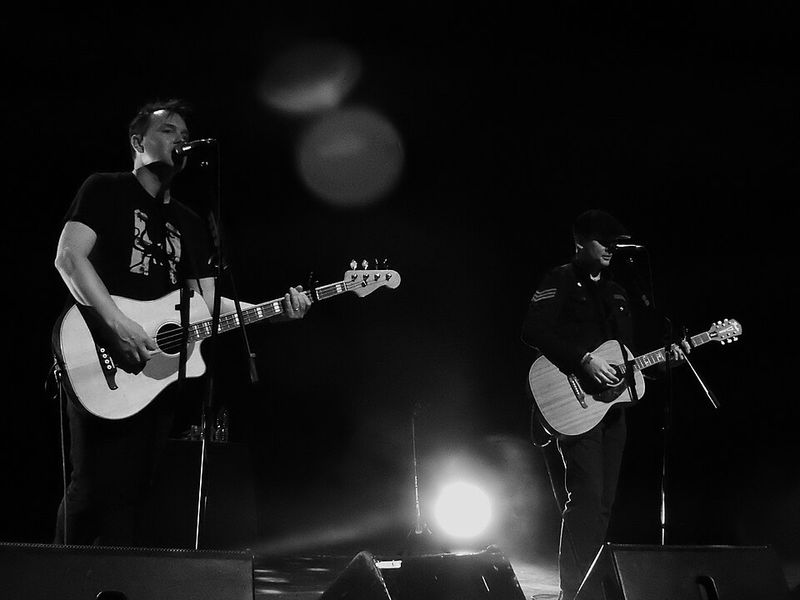
Mark Hoppus wrote the bass line for “Carousel” when he was a teenager, and it remained one of the band’s earliest and most beloved tracks through multiple releases. The line is melodic and fast, functioning almost like a second vocal melody running underneath Tom DeLonge’s guitar parts.
Originally recorded in 1993 for the “Flyswatter” demo tape, the song was re-recorded for the 1994 “Buddha” album and again for “Cheshire Cat” in 1995. Hoppus has described the bass line as the starting point for his understanding of how bass could carry emotional weight in a punk song rather than simply marking time.
Share this story