Some recipes are too good to keep secret, but too precious to share with just anyone. Across the world, certain family-run kitchens, bakeries, and cafes have been guarding their culinary secrets for generations, sometimes locking them in safes, passing them down only to trusted heirs, or binding staff to confidentiality agreements. A French bread recipe won in a bet, a custard tart born in a monastery, a barbecue sauce traded for a hotel bill, these are not just food stories. They are living histories, told one bite at a time.
From a centuries-old wood-fired oven in Madrid that has never gone cold, to a tiny Italian cheese counter in New York City where the fourth generation still hands you a sample before you buy, these places prove that the best recipes are the ones worth protecting. Get ready to discover 14 extraordinary spots where family tradition is the secret ingredient.
McClard’s Bar-B-Q, Hot Springs, Arkansas, USA
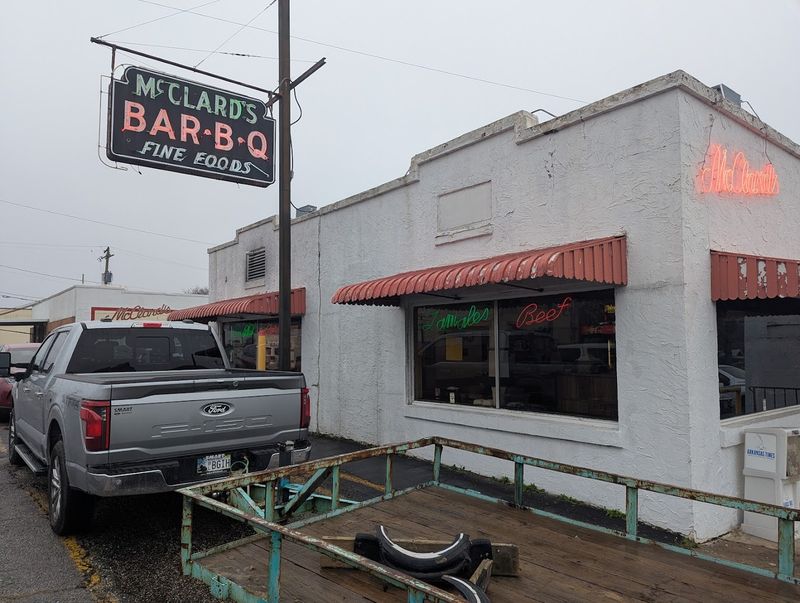
A traveler with an unpaid hotel bill changed the course of one Arkansas family’s history forever. Back in the 1920s, Alex and Gladys McClard accepted a secret barbecue sauce recipe as payment from a guest who could not cover his tab at their tourist court. The sauce turned out to be so popular that the McClards abandoned the hospitality business entirely and went all-in on barbecue.
By 1942, they had settled into their now-iconic whitewashed building, and four generations of the family have worked there since. The original sauce recipe is reportedly stored in a safe deposit box. Signature dishes include the legendary Tamale Spread, a loaded plate of tamales, Fritos, chopped beef, chili beans, cheese, and onions. Former president Bill Clinton grew up eating here, which says plenty about the food.
Columbia Restaurant, Tampa, Florida, USA
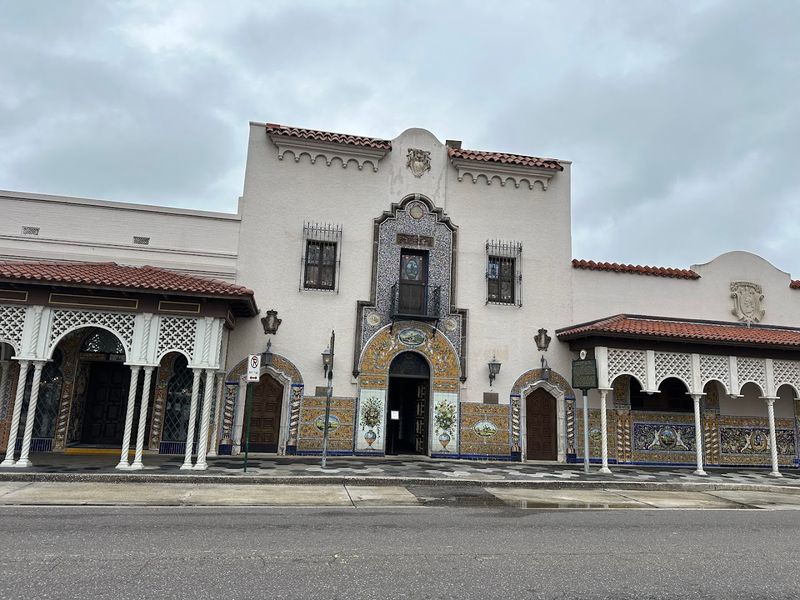
Florida’s oldest restaurant takes up an entire city block in Tampa’s historic Ybor City, and it has been doing so since 1905. Cuban immigrant Casimiro Hernandez Sr. founded what started as a modest saloon and grew it into the largest Spanish restaurant in the world, now capable of seating 1,700 guests across 15 dining rooms.
Five generations of the Hernandez-Gonzmart family have kept the original recipes intact. The 1905 Salad, mixed tableside with a bold garlic dressing, remains one of the most requested dishes on the menu. Spanish Bean Soup follows Casimiro Sr.’s original formula, and the black bean recipe comes directly from great-grandmother Carmen Hernandez. The restaurant also hosts live flamenco performances on weekends, making it as much a cultural landmark as a culinary one.
Antoine’s Restaurant, New Orleans, Louisiana, USA
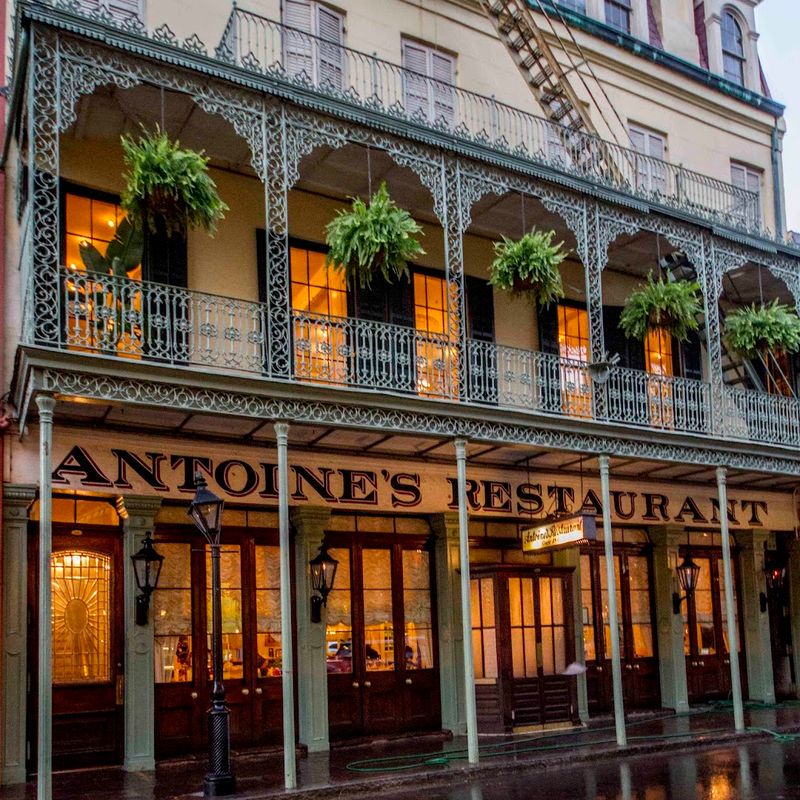
An 18-year-old French chef named Antoine Alciatore opened his New Orleans restaurant in 1840, and the family has never really left. Now recognized as the oldest family-run restaurant in the United States, Antoine’s has survived the Civil War, two World Wars, Prohibition, and Hurricane Katrina without closing its doors.
The menu reads like a history of American fine dining. Oysters Rockefeller, invented here in 1899 by Antoine’s son Jules, remains on the menu with its recipe still locked away as a family secret. Pompano en Papillote and Eggs Sardou are other house originals. The restaurant spans more than 15 dining rooms, including one that secretly functioned as a speakeasy during Prohibition, where patrons received their drinks in coffee cups.
A 165-foot wine corridor capable of holding 25,000 bottles completes the picture.
LeVeque’s (LeJeune’s) Bakery, Jeanerette, Louisiana, USA
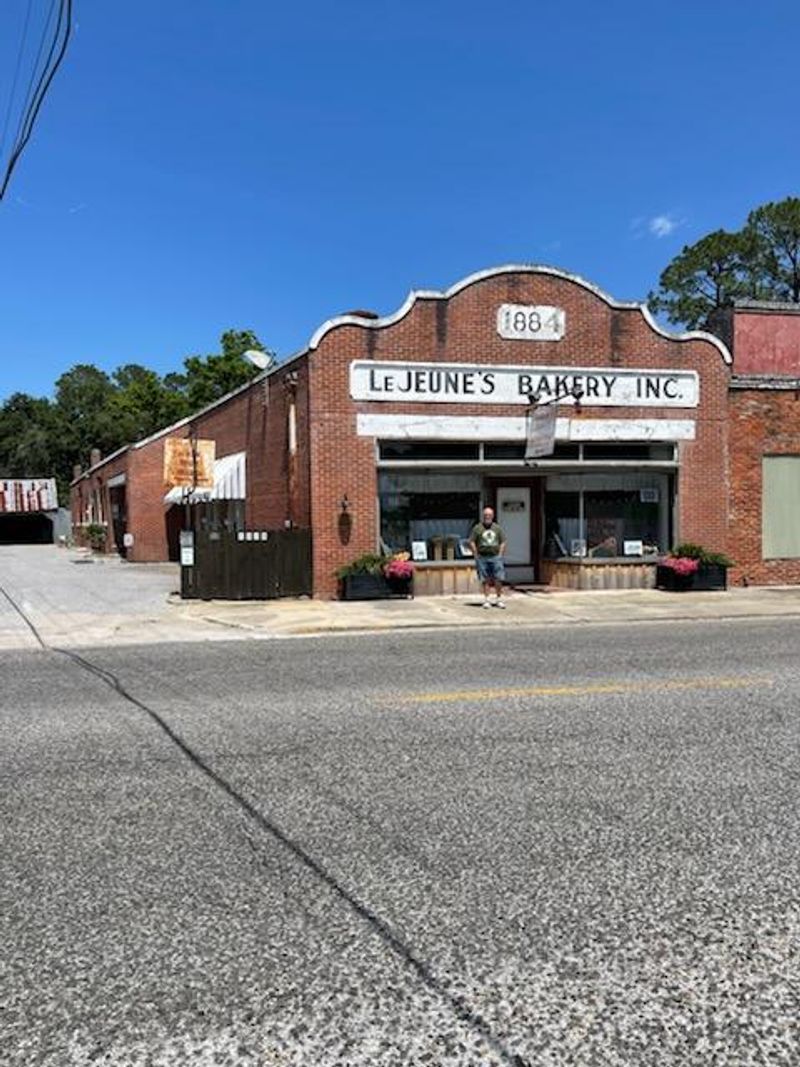
Jeanerette, Louisiana did not earn the title of French Bread Capital of Louisiana by accident. LeJeune’s Bakery has been producing its legendary loaves since 1884, making it one of the oldest continuously operating bakeries in the entire country. Founded as the Old Reliable City Bakery by Oscar J. LeJeune, the shop was renamed and refined by family cousins in 1918.
Current owner Ricky LeJeune represents the sixth generation of family bakers. Their French bread is made entirely by hand, with no preservatives, using high-quality flour and a recipe that, according to family legend, was actually won rather than created. The bakery also produces traditional molasses-infused ginger cakes. In 2003, the building was listed on the National Register of Historic Places, cementing a legacy that ships fresh loaves nationwide while remaining proudly small-scale.
Dutch Maid Bakery, Tracy City, Tennessee, USA
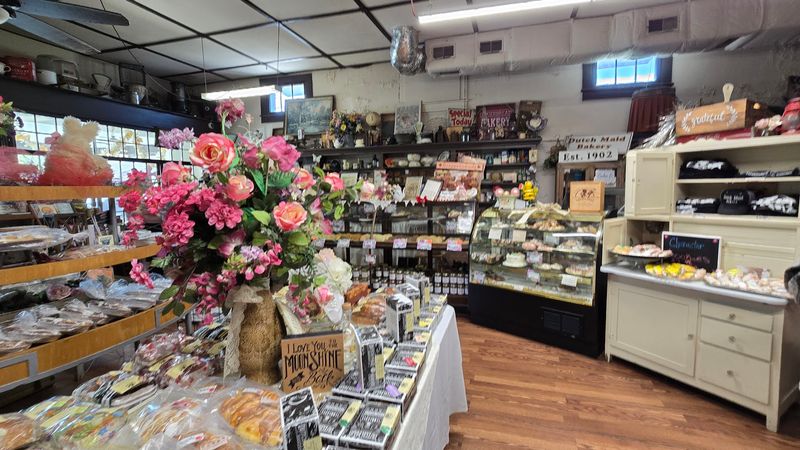
Tennessee’s oldest family-owned bakery has a secret weapon that requires four days of preparation before a single loaf ever enters the oven. The Dutch Maid Bakery in Tracy City has been producing its signature salt-rise bread since 1902, following the exact same recipe brought over by Swiss founders John and Louise Baggenstoss.
After a brief closure in 2004, Cindy Day purchased the bakery and committed to preserving every original tradition, including hand-kneading every loaf and using baking equipment from the 1919-1920s era. The menu covers honey wheat, sourdough, pecan tasties, cream horns, apple dumplings, and scratch-made fruitcakes. The bakery also runs a small cafe serving sandwiches on their own freshly baked bread. Guy Fieri featured it on the Food Network, and a Nicole Kidman film once shot on location here, proving that some places are simply impossible to overlook.
Kruta Bakery, Collinsville, Illinois, USA
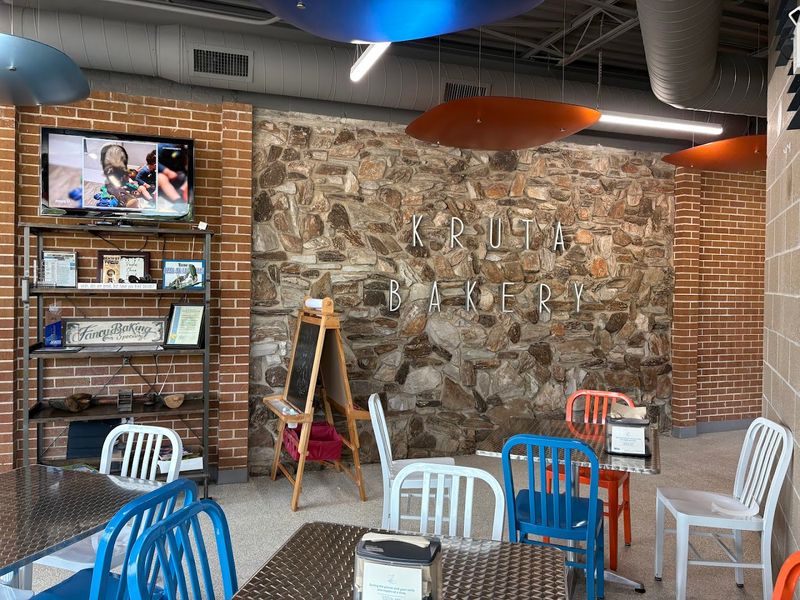
Frank Kruta Sr. arrived in the United States from Switzerland with baking skills sharpened in Germany, and in 1919, he turned those skills into a business that four generations of his family have kept running ever since. Kruta Bakery started in East St. Louis before relocating to its current Collinsville address in 1974, carrying its loyal customers and old-world recipes right along with it.
The nut roll recipe alone is more than a century old, and the rye bread formula is noted as one of the oldest still in active use at any American bakery. The lineup includes stollen in multiple varieties, old-fashioned and Russian kolache, paczki, croissants, strudels, and coffee cakes. During Lent, the bakery produces its famously popular Marshmallow Chicks. A large walk-in steam proofing box is still used for breads and sweet doughs, exactly as it always has been.
Di Palo’s Fine Foods, New York City, New York, USA
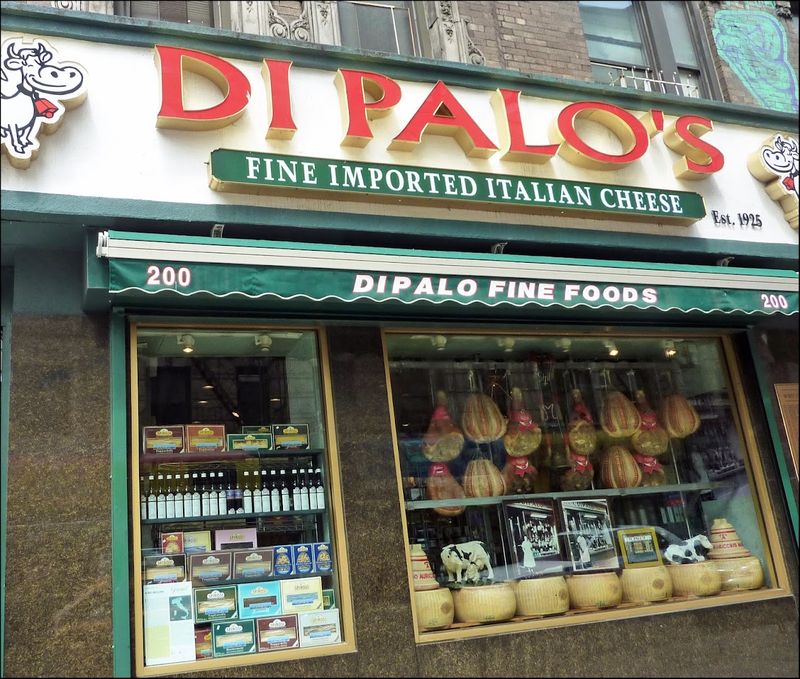
The Di Palo family story begins in 1910, when Savino Di Palo, a cheese-maker from Basilicata, Italy, opened a small dairy store in New York City’s Little Italy. His daughter Concetta and her husband Luigi formalized the family business in 1925 at the corner of Mott and Grand Streets, and the shop has stood there ever since.
Today, the fourth generation runs the counter daily. Lou, Marie, and Sal Di Palo greet customers personally, offering tastes and detailed explanations of every product. Fresh mozzarella and ricotta are still made by hand each morning. The store carries over 75 varieties of imported Italian cheese, along with cured meats, olive oils, and regional specialties sourced by Lou directly from Italian farms.
The Zagat Survey has ranked Di Palo’s as New York City’s top cheese store every year since 1999.
Gaido’s Seafood Restaurant, Galveston, Texas, USA
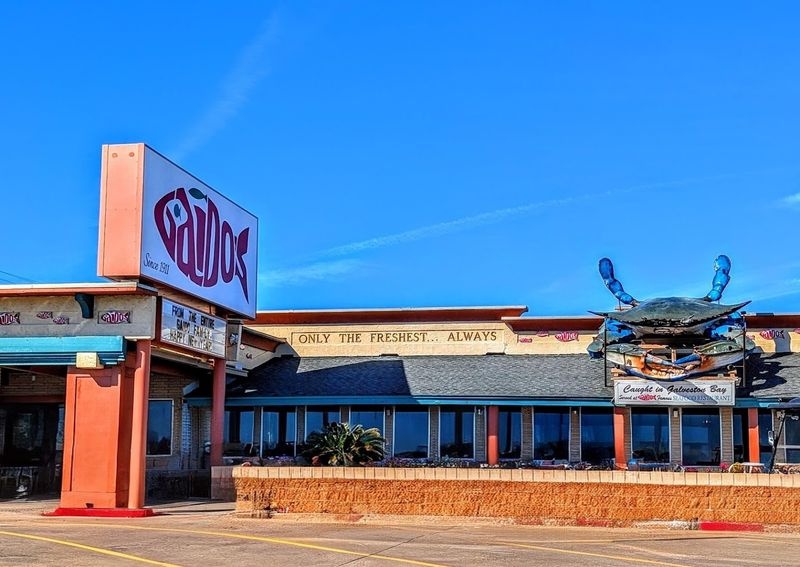
There is a giant blue crab on the roof, and frankly, that alone should tell you everything you need to know about Gaido’s commitment to its identity. Founded in 1911 by Italian immigrant San Giacinto Gaido as a simple sandwich shop, the restaurant grew into one of the Gulf Coast’s most respected seafood institutions, becoming Galveston’s first year-round seafront restaurant by 1920.
Four generations of the Gaido family have upheld Cinto’s founding philosophy: learn what is wanted, then serve it. Gulf shrimp are still peeled by hand, oysters shucked fresh daily, and fish filleted in-house. Signature dishes include Crab-Stuffed Shrimp and Pecan-Encrusted Mahi Mahi. Every sauce, dressing, and dessert is made from time-tested family recipes.
A long-standing tradition of bringing hot water finger bowls at the end of each meal continues to this day as a nod to classic dining etiquette.
Botín (Sobrino de Botín), Madrid, Spain
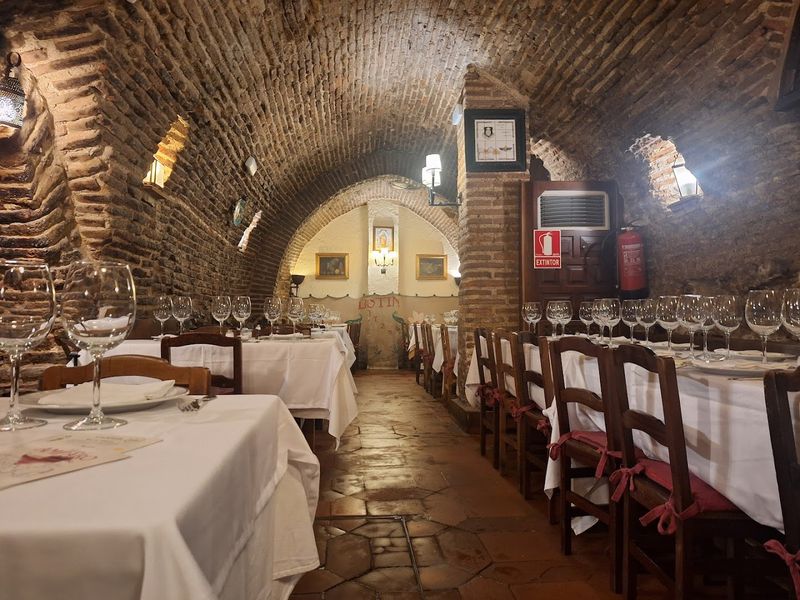
The Guinness World Record for the oldest continuously operating restaurant belongs to a place in Madrid where the wood-fired oven has reportedly never gone cold since 1725. French cook Jean Botin opened the establishment as an inn where travelers could have their own meats cooked, and the tradition of roasting whole animals in that same ancient oven has continued without interruption.
Since 1930, the Gonzalez family has owned and operated the restaurant across four generations. Their signature dishes, cochinillo asado (roasted suckling pig from Segovia) and cordero asado (baby lamb), emerge from that original 18th-century oven. The building spans four floors, with a cellar featuring brick walls dating to 1590. Ernest Hemingway was a regular and referenced Botin in his novel The Sun Also Rises.
Francisco de Goya is said to have once worked here as a dishwasher before his painting career took off.
Caffè Al Bicerin, Turin, Italy
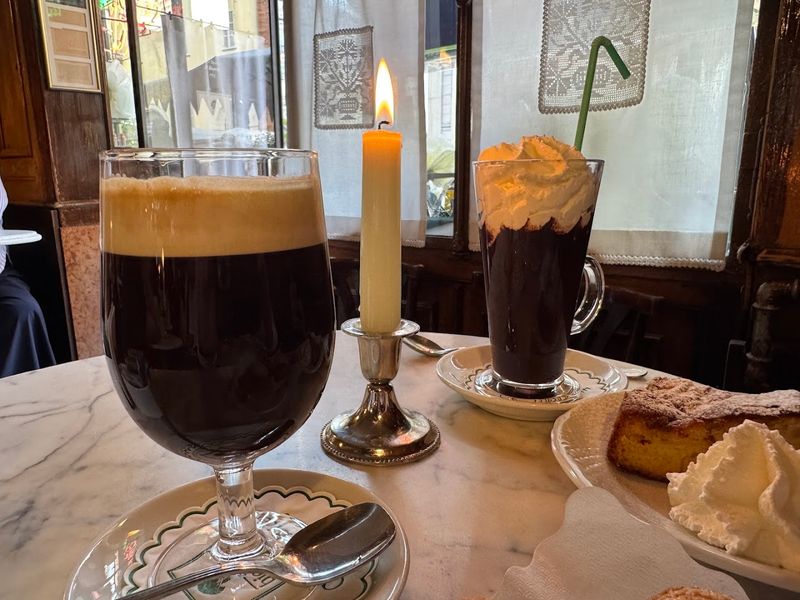
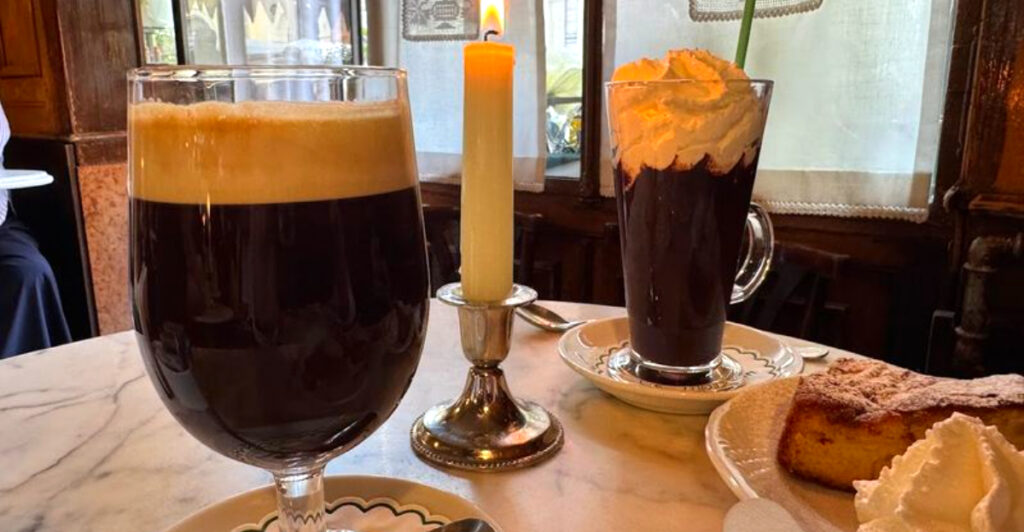
In 1763, a citron-drink maker named Giuseppe Dentis opened a small cafe directly across from the Sanctuary of the Consolata in Turin, and what he started there eventually became one of Italy’s most closely guarded recipe secrets. The cafe’s signature creation, the bicerin, is a layered drink combining thick hot chocolate, espresso, and lightly whipped cream, served in a small handleless glass.
Staff are contractually bound not to reveal the recipe, which evolved from an 18th-century drink called bavareisa. The bicerin is meant to be enjoyed without stirring, so each sip delivers a different combination of its components. The cafe’s interior, with small round marble tables and wooden paneling, was redesigned in 1856 and has barely changed since. Alexandre Dumas, Umberto Eco, Friedrich Nietzsche, and Ernest Hemingway all visited, with Hemingway reportedly listing the bicerin among the hundred things he would save in the world.
Pastéis de Belém, Lisbon, Portugal
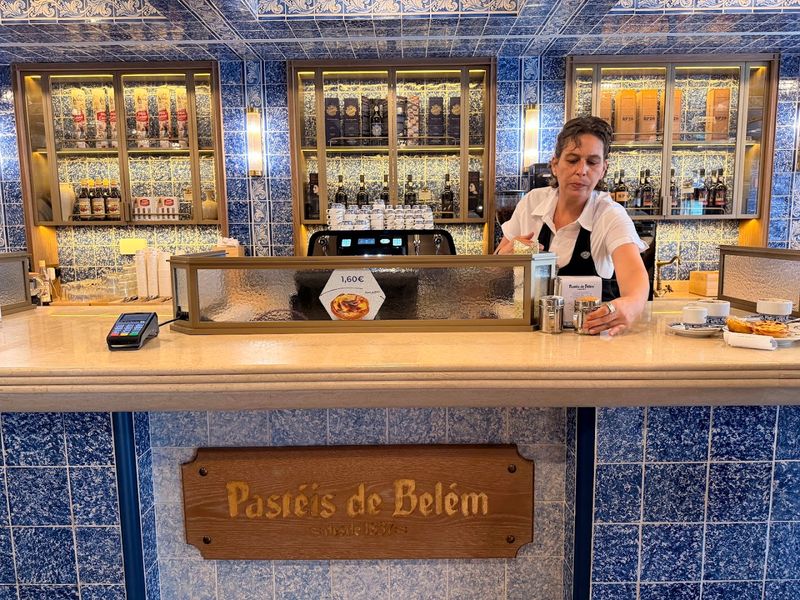
The recipe for these custard tarts has been locked in a room called the Secret Office since 1837, accessible only to a small number of master bakers. The story behind the pastry goes back even further, to Catholic monks at the Jeronimos Monastery who created the tarts using leftover egg yolks from starching their habits. When religious orders were dissolved in 1834, the monks sold the recipe to a local businessman who opened the Fabrica dos Pasteis de Belem.
Only tarts produced at this specific location can legally be called Pasteis de Belem. Versions made elsewhere in Portugal go by the name Pasteis de Nata. The bakery sells an estimated 20,000 tarts daily, a number that doubles on weekends. The interior is surprisingly large, with multiple interconnected rooms decorated in traditional blue and white Portuguese tiles, and open views into the busy production area.
Yosukgung 1779 (Choe House Restaurant), Gyeongju, South Korea
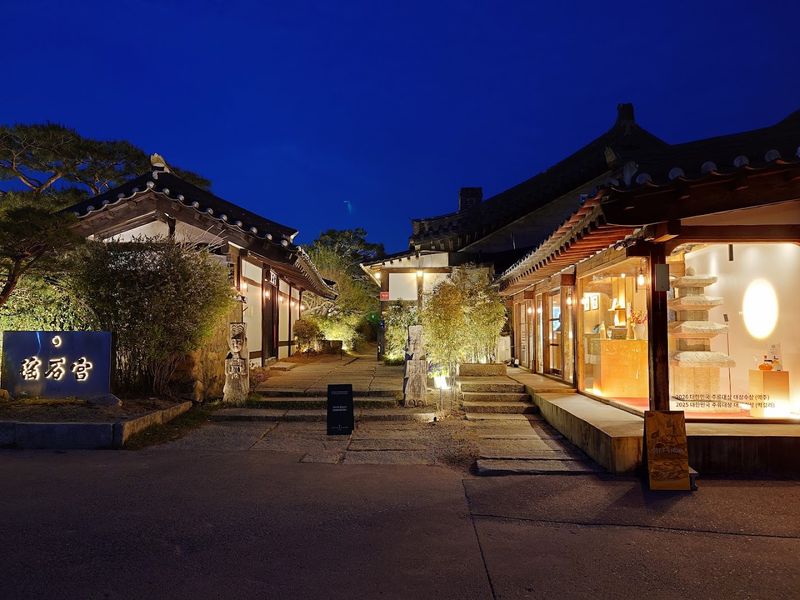
Twelve generations of one family preserving the same recipes is extraordinary by any measure, but the Choe family of Gyeongju, South Korea, adds an even deeper layer of history to the story. Their ancestral home sits on the site where Princess Yoseok of Silla once lived, and the family established themselves here during the Joseon dynasty, building a reputation for both wealth and generosity toward the poor.
The restaurant, Yosukgung 1779, serves hanjeongsik, a traditional Korean fine dining format built entirely around seasonal ingredients and the Choe family’s handed-down recipes. Signature dishes include daemongjae, bugeo bopuragi, yukpo, and sainji, accompanied by three types of naerimjang, traditional fermented sauces. The family’s culinary heritage also includes Gyeongju Gyodong Beopju, a fermented liquor designated as National Intangible Heritage. Guests dine in a graceful hanok setting with private rooms and traditional floor seating.
Konditorei Zauner, Bad Ischl, Austria
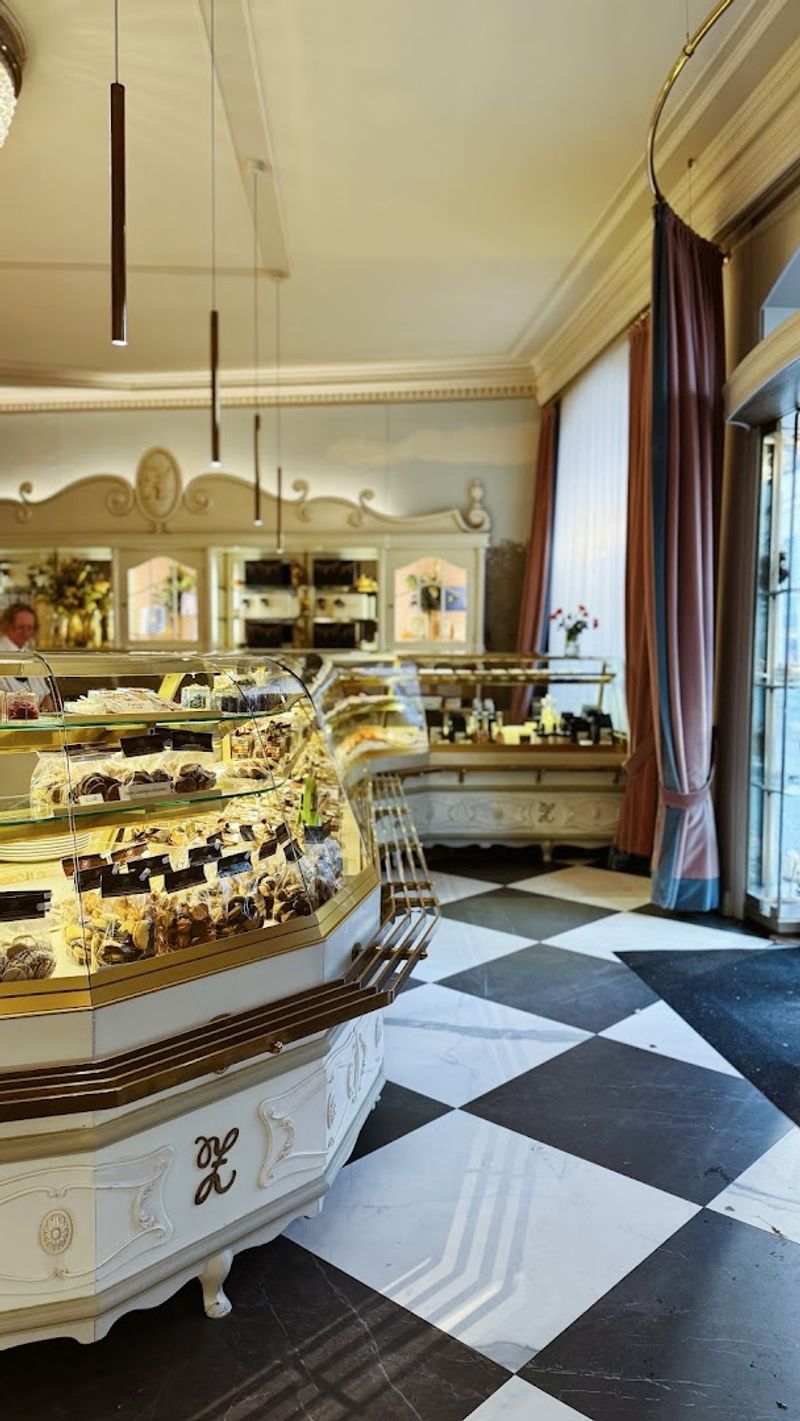
When a pastry shop has been in the same family for seven generations and once supplied the royal court of Austria-Hungary, the word tradition takes on a whole new weight. Johann Zauner, a Viennese wine merchant and pastry chef, founded the confectionery in Bad Ischl in 1832, and the family has maintained continuous ownership ever since, with Philipp Zauner taking over in 2020.
Two of their most celebrated creations carry full origin stories. The Zaunerstollen, created in 1905 from a happy accident involving a macaroon-like treat, is a nougat, hazelnut, and chocolate log covered in chocolate glaze, unchanged since its invention. The Ischler Tortchen, dating to around 1886, won a gold medal at the 1958 World Exhibition in Brussels, and its recipe is kept locked in a safe on the premises. The main cafe features one of Europe’s largest cake buffets, with 150 products available daily and around 250 seasonal sweets throughout the year.
Confiserie Sprüngli (Zurich, Switzerland)
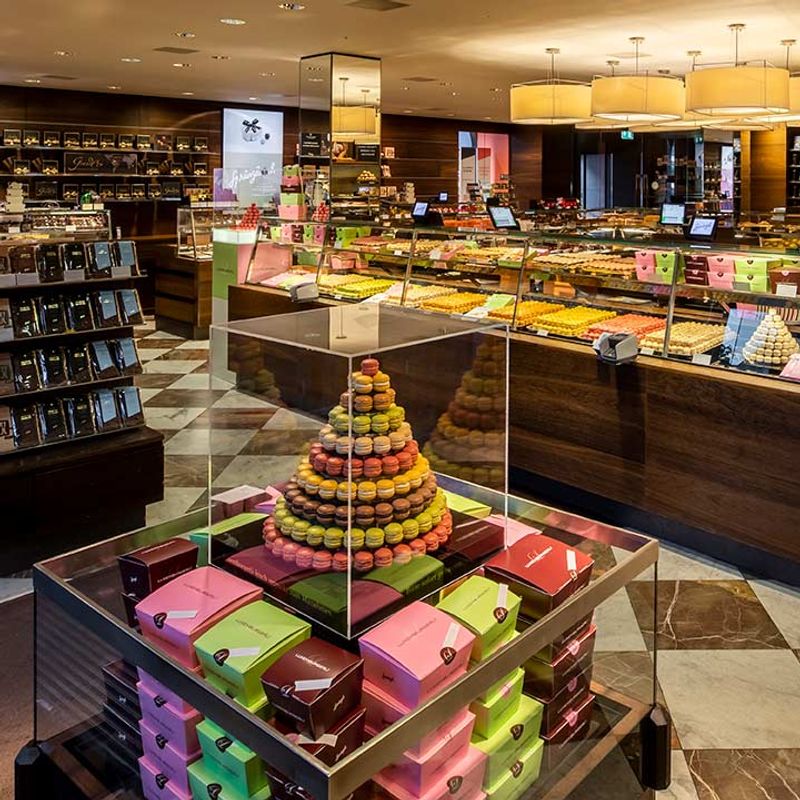
In 1892, one family business split into two, and the world ended up with both Lindt and Sprungli as a result. David Sprungli and his son Rudolf founded the original confectionery in Zurich’s old town in 1836, and when the family enterprise divided, one branch became the famous chocolate factory while the other kept the handcrafted cafe tradition alive under the Confiserie Sprungli name.
Today, the sixth generation manages the business at its iconic Paradeplatz location. Their most recognized creation is the Luxemburgerli, a miniature macaron with a creamy filling invented in 1957, notably smaller and softer than its French counterpart. The shop also produces Truffes du Jour, fresh chocolate truffles available for only 24 hours after production. Sprungli sources Grand Cru cacao from select global regions and maintains strict ethical sourcing standards, proving that a nearly 200-year-old family recipe and modern values are not mutually exclusive.
Share this story