The year 1972 packed more history into twelve months than most decades manage to deliver. From a break-in at a Washington hotel complex that unraveled an entire presidency, to a football play so improbable it earned a biblical nickname, the events of that year left marks that are still visible today. American politics, global diplomacy, sports, entertainment, and technology all shifted course in ways that shaped the world you recognize right now. Whether you lived through 1972 or are discovering it fresh, these 13 moments explain why that year refuses to be forgotten.
1. The Watergate Break-In Changed American Politics Forever
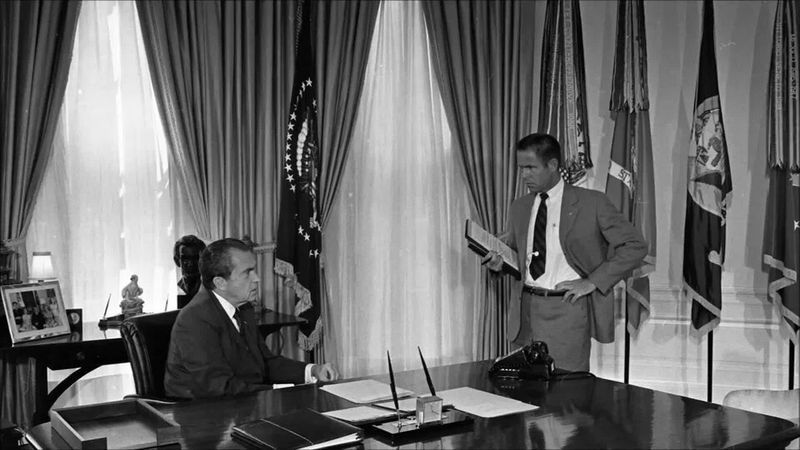
Five men in business suits and surgical gloves were arrested inside the Democratic National Committee headquarters on June 17, 1972, and that single night eventually brought down a presidency. The burglars carried sophisticated surveillance equipment and over $3,500 in cash, and their ties to Nixon’s re-election committee quickly became impossible to ignore.
Reporters Bob Woodward and Carl Bernstein at The Washington Post pieced together a web of connections linking the break-in to the White House. The cover-up involved destroyed documents, bribed witnesses, and blocked investigations at every level.
Nixon won re-election in a landslide that November, but the truth kept surfacing. Secret Oval Office tapes sealed his fate, and he resigned in August 1974, the only U.S. president ever to do so. Watergate permanently altered how Americans think about government accountability.
2. When Politics Overtook the Olympic Games
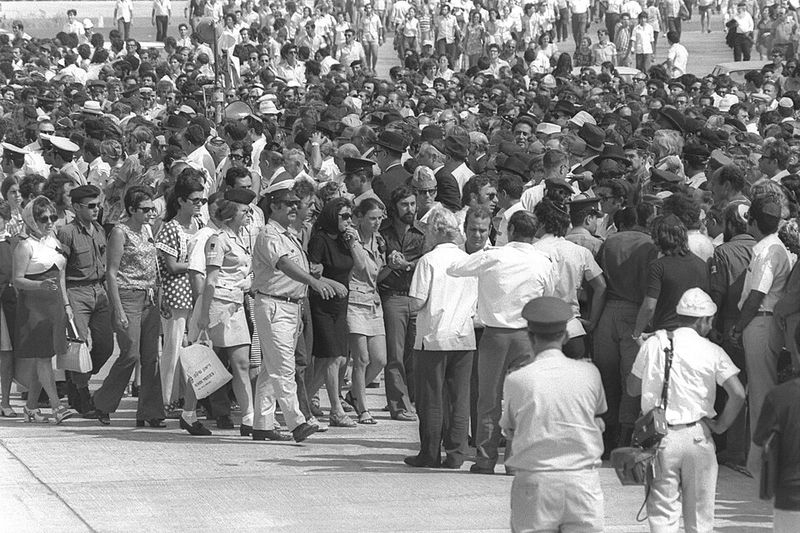
The 1972 Summer Olympics in Munich were designed to present West Germany as a modern, peaceful democracy, but that image collapsed on September 5, 1972. Members of the Palestinian organization Black September entered the Olympic Village and took eleven members of the Israeli Olympic team hostage.
The group demanded the release of more than 200 Palestinians imprisoned by Israel, along with several other detainees held elsewhere. The operation was intended to draw international attention to the Palestinian struggle, which many supporters believed had been largely ignored by the world despite decades of conflict and displacement following the 1948 Arab-Israeli War.
After hours of negotiations broadcast live to a global audience, West German authorities attempted a rescue at Fürstenfeldbruck Air Base. The operation ended in disaster, resulting in the deaths of all eleven Israeli hostages, five of the Palestinian militants, and one West German police officer.
The attack remains one of the most controversial events in Olympic history. While many Palestinians viewed it as an act born of desperation amid a broader national struggle, it was widely condemned internationally as terrorism because it targeted civilians. The International Olympic Committee suspended the Games for one day before competition resumed, and the incident led to sweeping changes in security at major international sporting events.
3. Apollo 17 Became Humanity’s Last Mission to the Moon
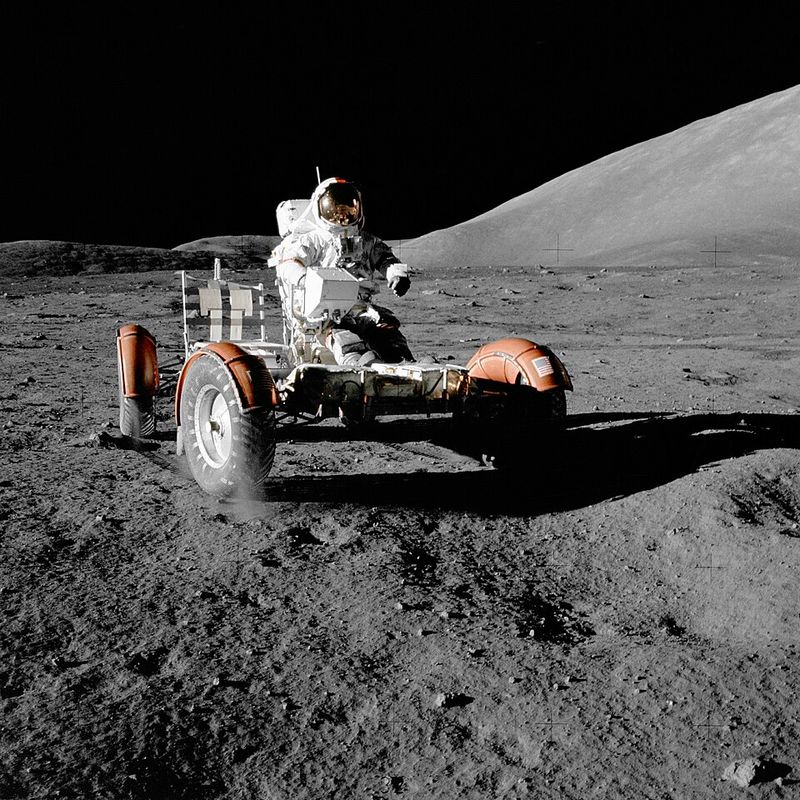
No human being has walked on the Moon since December 14, 1972, when Commander Eugene Cernan climbed back into the lunar module for the final time. Apollo 17 launched on December 7, 1972, carrying Cernan, geologist Harrison Schmitt, and command module pilot Ronald Evans.
Schmitt became the first and only professional scientist to reach the lunar surface, collecting 243 pounds of rock samples during three moonwalks totaling over 22 hours. The crew used a lunar roving vehicle to cover more ground than any previous mission.
Budget pressures and shifting public interest had already sealed the program’s fate before the rocket left the launchpad. NASA canceled the planned Apollo 18, 19, and 20 missions. The scientific data gathered by Apollo 17 still informs lunar research today, making it one of the most productive single missions in space exploration history.
4. The Godfather Premiered and Redefined Gangster Films
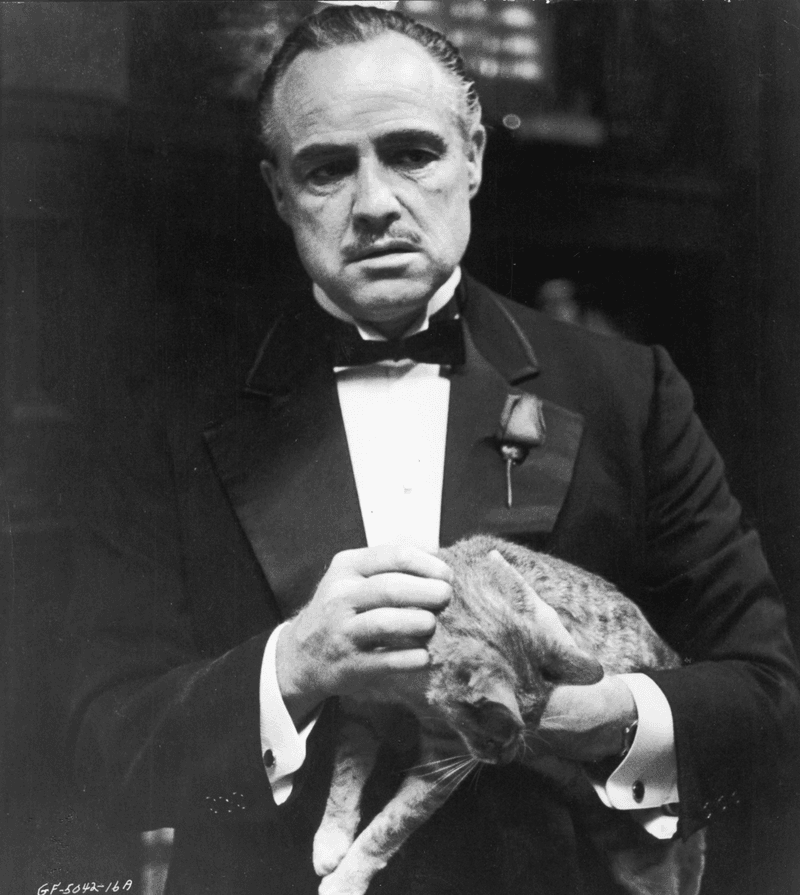
Francis Ford Coppola’s The Godfather opened on March 15, 1972, and within weeks it had become the highest-grossing film in American history up to that point. Marlon Brando, then 47, delivered a career-defining performance as patriarch Vito Corleone, earning an Academy Award for Best Actor.
The film earned approximately $134 million in its initial release and won three Oscars, including Best Picture and Best Adapted Screenplay. Al Pacino’s portrayal of Michael Corleone introduced a new kind of screen anti-hero, one whose moral decline was gradual, credible, and deeply unsettling.
Before The Godfather, gangster films were largely dismissed as B-movie entertainment. Coppola’s adaptation of Mario Puzo’s novel proved that crime stories could carry the weight of serious literary themes. Its influence on film, television, and popular storytelling has been documented continuously for over fifty years.
5. Atari Released Pong and Launched the Video Game Revolution

Allan Alcorn built Pong as a training exercise for Atari co-founder Nolan Bushnell, but the finished product turned out to be far more than a practice run. When Atari installed a prototype at Andy Capp’s Tavern in Sunnyvale, California, in August 1972, the machine earned up to $40 per day, four times more than any other coin-operated device in the bar.
Pong officially launched on November 29, 1972, and Atari sold over 8,000 arcade cabinets within two years. The controls consisted of a single dial per player, and the objective required no instruction manual.
A home version released exclusively through Sears in 1975 sold 150,000 units during its first holiday season. Pong demonstrated that electronic entertainment could reach a mass audience, opening the door to an industry now worth hundreds of billions of dollars annually.
6. Hurricane Agnes Caused Devastating Flooding Across the Eastern United States
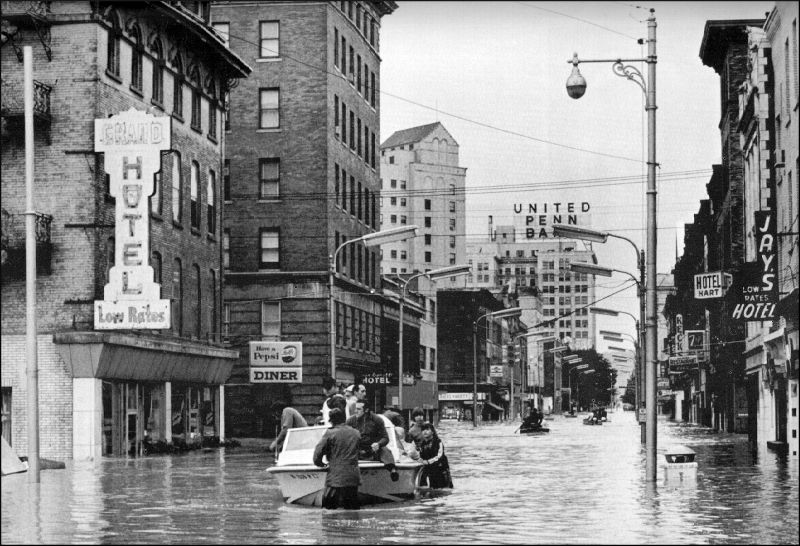
Hurricane Agnes made landfall in Florida on June 19, 1972, as a relatively weak storm, and most forecasters expected it to fade quickly. Instead, it merged with a separate weather system, stalled over the mid-Atlantic states, and unleashed days of relentless rainfall across a massive area.
Pennsylvania bore the worst of it. The Susquehanna River crested at record levels, submerging entire neighborhoods in cities like Wilkes-Barre and Harrisburg. Property damage exceeded $2 billion, a staggering figure for 1972, and hundreds of thousands of residents were displaced.
Agricultural losses across New York, Maryland, and Virginia added further economic strain to affected communities. Agnes prompted the federal government to expand flood insurance programs and accelerate investment in levee systems throughout the Northeast. The storm remains one of the costliest natural disasters in U.S. history relative to its era.
7. The United States and Soviet Union Signed the SALT I Nuclear Arms Treaty
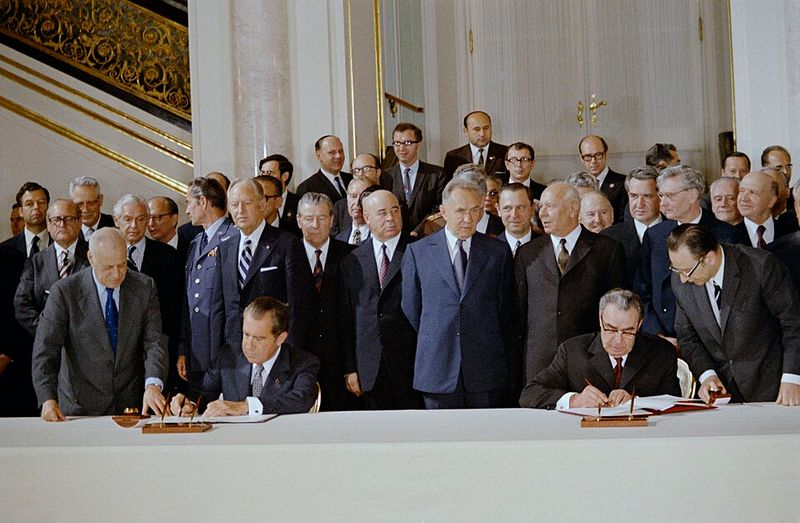
On May 26, 1972, President Richard Nixon and Soviet General Secretary Leonid Brezhnev signed two landmark agreements in Moscow that placed the first formal limits on nuclear weapons held by either superpower. The documents were the Anti-Ballistic Missile Treaty and the Interim Agreement on Strategic Offensive Arms, collectively known as SALT I.
Negotiations had begun in November 1969, driven by the shared recognition that an unchecked arms race was becoming both financially unsustainable and strategically destabilizing. The ABM Treaty restricted each nation to two defensive missile sites, reinforcing the doctrine of mutual assured destruction as a deterrent.
The Interim Agreement froze the number of ballistic missile launchers at existing levels for five years. Verification relied on satellite reconnaissance rather than on-site inspections, establishing a precedent for future arms control. SALT I did not resolve every dimension of the nuclear competition, but it proved that structured dialogue between adversaries could produce binding commitments.
8. Richard Nixon Became the First Sitting U.S. President to Visit China
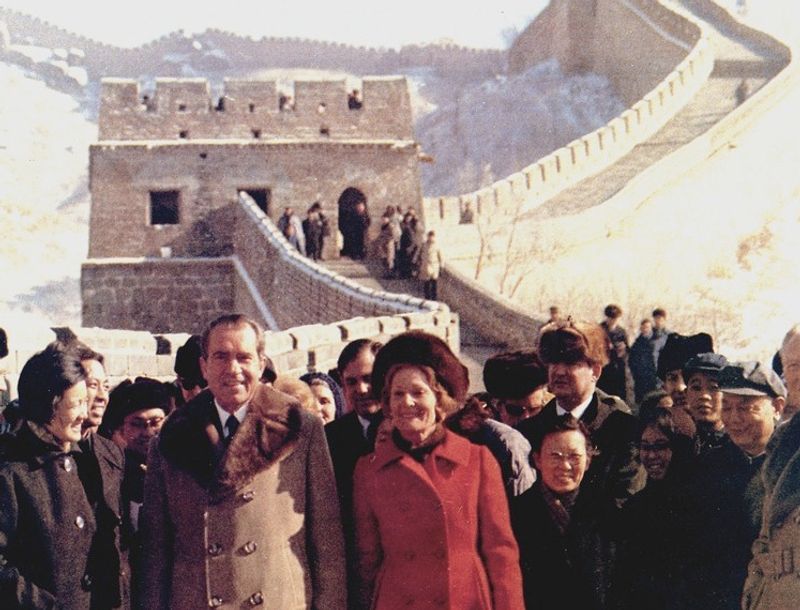
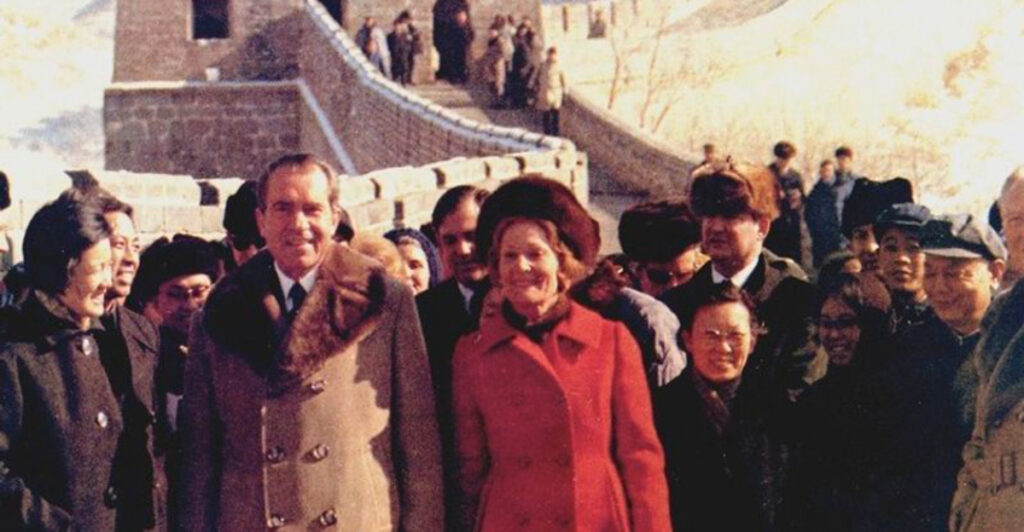
When Air Force One touched down in Beijing on February 21, 1972, it ended more than two decades of complete diplomatic silence between the United States and the People’s Republic of China. No sitting American president had ever set foot on Chinese soil, and the visit had been arranged through months of secret negotiations led by National Security Advisor Henry Kissinger.
Nixon spent a week meeting with Premier Zhou Enlai and held a notably brief but symbolically enormous audience with Chairman Mao Zedong. The entire trip was broadcast on American television, giving millions of viewers their first visual window into mainland China since 1949.
The Shanghai Communique, signed on February 28, acknowledged the one-China principle and committed both nations to work toward normalized relations. Full diplomatic ties came in 1979, but the 1972 visit fundamentally rearranged Cold War alignments and opened sustained economic and cultural exchange between the two countries.
9. The Equal Rights Amendment Passed Congress and Went to the States for Ratification
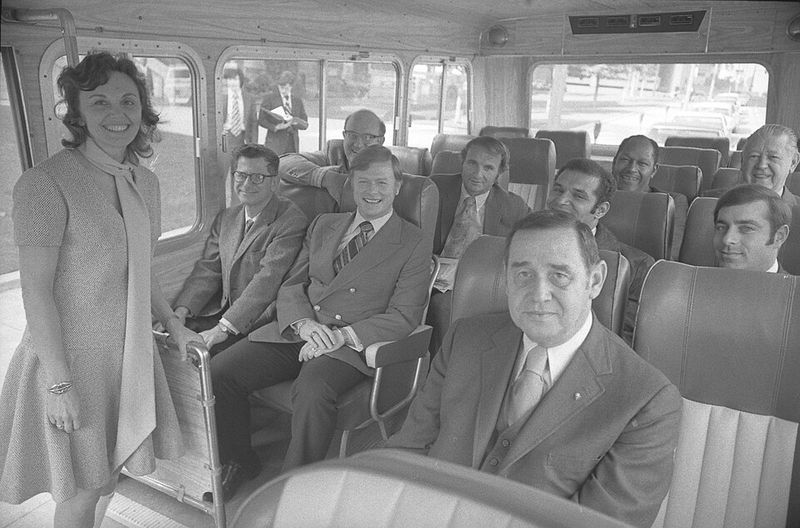
On March 22, 1972, the U.S. Senate voted overwhelmingly to send the Equal Rights Amendment to state legislatures for ratification, completing a journey the amendment had been attempting since suffragist Alice Paul first drafted it in 1923. The ERA’s core text was direct: equality of rights under the law shall not be denied on account of sex.
Thirty states ratified the amendment within the first year, reflecting the momentum of the women’s rights movement that had built steadily through the 1960s. Supporters argued that without a constitutional guarantee, legal protections for women remained vulnerable to reversal.
A well-organized opposition, led by activist Phyllis Schlafly, argued the amendment would eliminate existing legal protections specific to women. The ERA fell three states short of the required 38 by the extended 1982 deadline. Its passage through Congress in 1972 nonetheless accelerated legislative and judicial changes that reshaped workplace rights and gender equality standards across the country.
10. The Last U.S. Ground Combat Troops Left South Vietnam
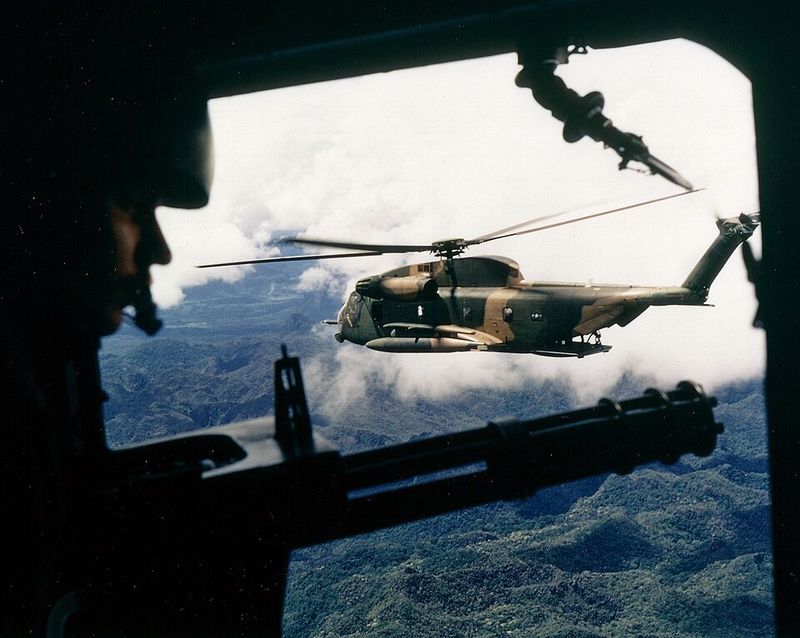
On March 29, 1972, the last American ground combat troops officially departed South Vietnam, reducing a presence that had once exceeded 500,000 personnel to a much smaller advisory and support force. The withdrawal fulfilled the central promise of President Nixon’s Vietnamization policy, which aimed to shift ground combat responsibilities entirely to South Vietnamese forces.
The departure did not end American involvement. U.S. air power remained active, and military aid to South Vietnam continued at substantial levels. Advisors stayed in country, and bombing campaigns intensified significantly later in 1972 in response to major North Vietnamese offensives.
At home, the troop withdrawal was treated as a concrete sign of progress toward disengagement, though public skepticism about the war’s outcome remained widespread. South Vietnam continued fighting for three more years before Saigon fell in April 1975. The March 1972 withdrawal marked the formal close of direct American ground combat in Southeast Asia.
11. Roberta Flack’s The First Time Ever I Saw Your Face Became the Year’s Biggest Hit
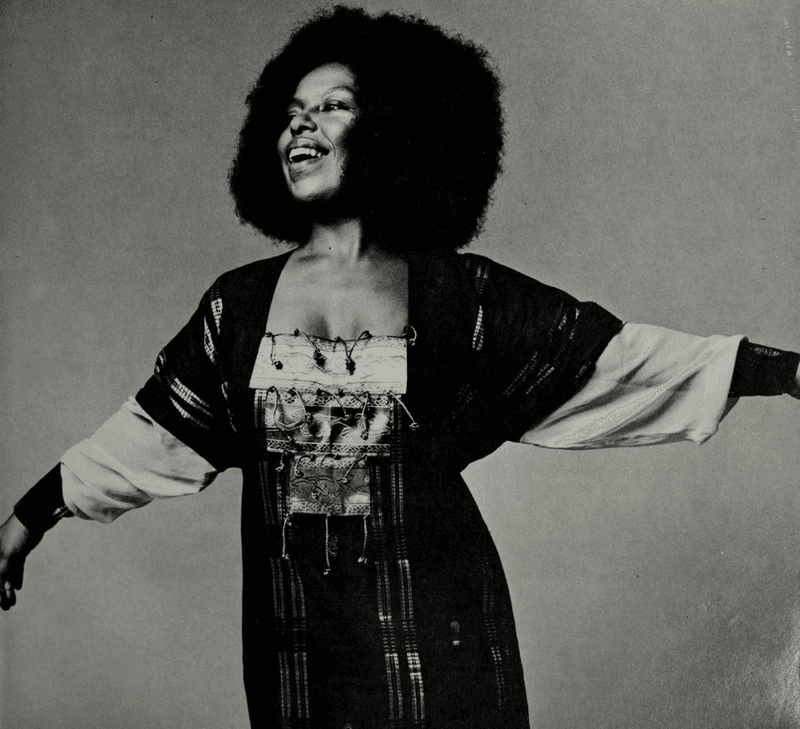
Roberta Flack had actually recorded The First Time Ever I Saw Your Face back in 1969, but the song spent three years waiting for its moment. That moment arrived when director Clint Eastwood used it in a romantic scene in his 1971 film Play Misty for Me, introducing the track to an entirely new audience.
Released as a single in early 1972, the song climbed to number one on the Billboard Hot 100 and stayed there for six consecutive weeks. Its slow, unhurried arrangement stood apart from the faster pop and rock dominating radio at the time, which made its success all the more striking.
At the 1973 Grammy Awards, Flack won both Record of the Year and Song of the Year, a rare double for a single track. The win confirmed her status as one of the defining vocal artists of the decade and gave the song a permanence that has outlasted most of its contemporaries.
12. The United Nations Held Its First Major Global Environmental Conference in Stockholm
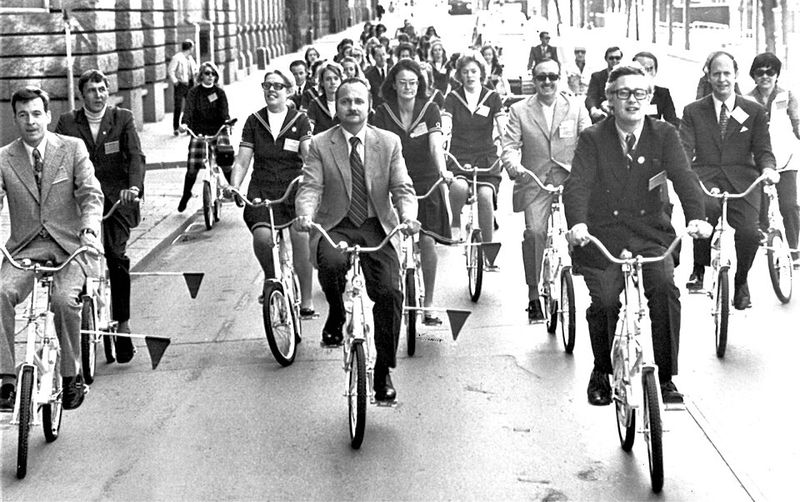
Sweden first proposed the idea to the United Nations General Assembly in 1968, and four years of planning later, representatives from 113 countries gathered in Stockholm from June 5 to June 16, 1972, for the UN Conference on the Human Environment. It was the first time the international community formally designated environmental protection as a global political priority.
The conference produced the Stockholm Declaration, a 26-principle document outlining the relationship between human development and environmental responsibility. It also generated an Action Plan with 109 specific recommendations covering pollution, resource management, and international monitoring.
The most lasting institutional outcome was the creation of the United Nations Environment Programme, headquartered in Nairobi, Kenya. UNEP became the primary UN body coordinating global environmental policy and research. Stockholm 1972 established the framework through which later agreements on climate, biodiversity, and sustainable development would eventually be negotiated.
13. The Miami Dolphins Completed the Only Perfect Season in Modern NFL History
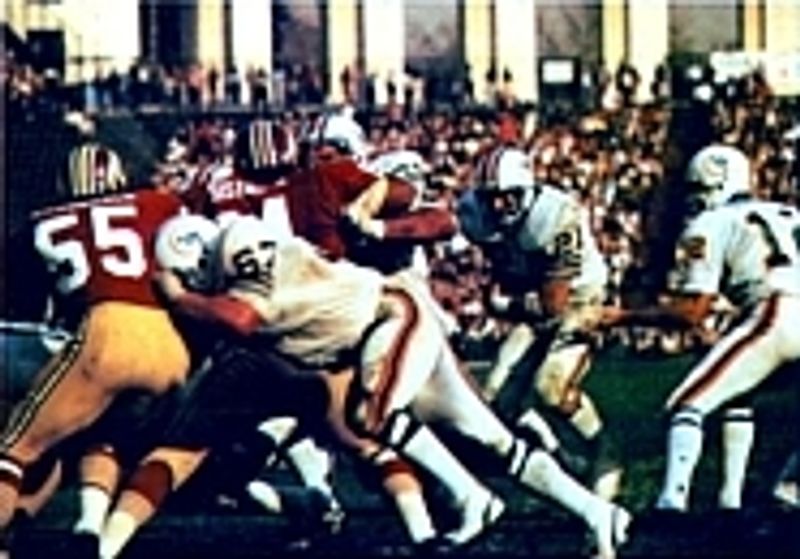
Don Shula’s 1972 Miami Dolphins finished the regular season 14-0, a record that required surviving injuries, including the loss of starting quarterback Bob Griese for most of the year. Backup Earl Morrall stepped in without missing a beat, guiding the team through game after game while the offense built around a punishing running attack.
Larry Csonka, Mercury Morris, and Jim Kiick formed one of the most effective backfield combinations in league history. The defense, quietly effective enough to earn the nickname the No-Name Defense, allowed the fewest points in the NFL that season.
The Dolphins capped the perfect run with a 14-7 victory over the Washington Redskins in Super Bowl VII on January 14, 1973, finishing 17-0. No NFL team has matched that record since. Every season since 1972, surviving Dolphins veterans have made a point of noting when the last undefeated team loses its first game.
Share this story