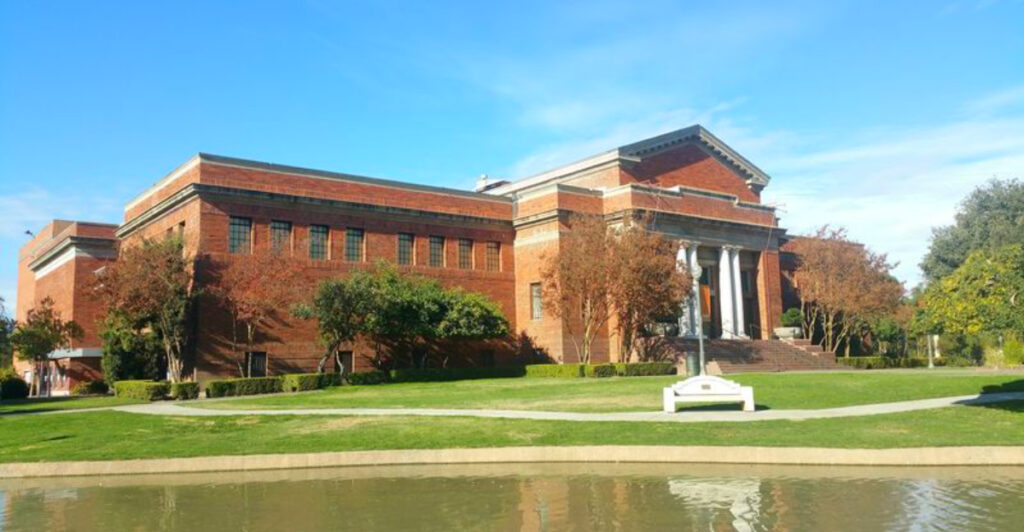
Education levels across American cities vary widely, and the gap between the most and least educated communities can tell us a lot about opportunity, income, and quality of life. WalletHub’s 2026 study on the most and least educated cities in America ranked metro areas based on factors like high school and college graduation rates, graduate degree attainment, and school quality.
Some cities consistently fall behind national averages, often due to economic challenges, limited access to higher education, or high poverty rates. Understanding which cities rank lowest can help spark important conversations about how to better support students and families across the country.
1. Visalia, CA
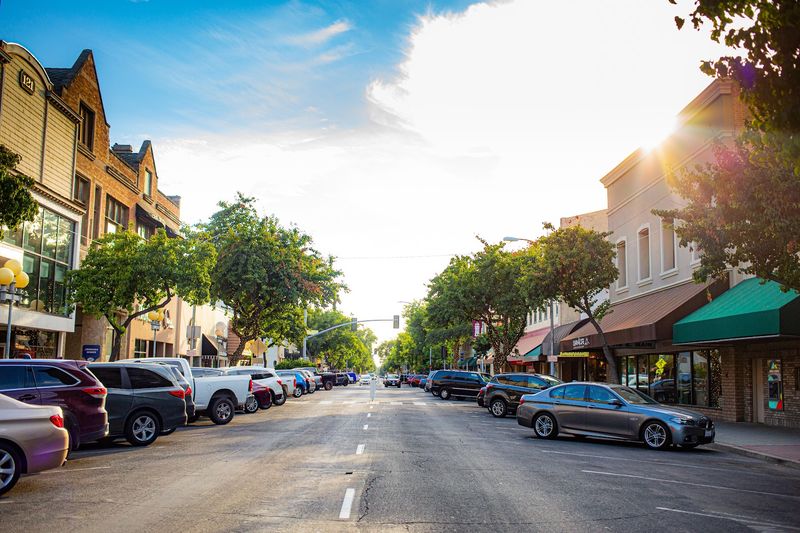
Tucked into California’s Central Valley, Visalia is a city where farming roots run deep, but educational attainment has struggled to keep pace with the rest of the state. According to WalletHub’s 2026 rankings, Visalia lands near the very bottom of educated cities in America, with a relatively low percentage of adults holding bachelor’s or advanced degrees.
The region’s economy leans heavily on agriculture, which historically has not required college credentials. Many families prioritize work over higher education simply to make ends meet.
Poverty rates in Tulare County, where Visalia sits, are among the highest in California.
Community colleges and workforce programs are working to change the trend, offering affordable pathways to credentials and skills training. Still, closing the education gap here will take sustained investment in schools, mentorship, and economic opportunity for young people growing up in the valley.
2. Brownsville-Harlingen, TX
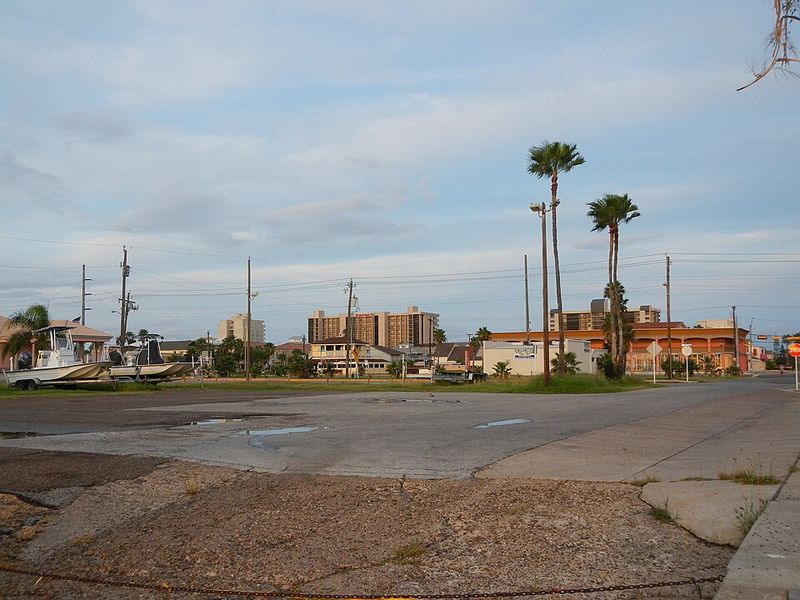
Sitting right on the Texas-Mexico border, Brownsville-Harlingen is a culturally vibrant metro area where Spanish is widely spoken and family ties run strong. But when it comes to educational attainment, the region consistently ranks among the lowest in the nation, according to WalletHub’s 2026 data.
A large share of residents here have not completed high school, and college graduation rates remain well below the national average. Many residents are first-generation immigrants or come from households where higher education was never a realistic option due to financial pressures.
The University of Texas Rio Grande Valley has been a bright spot, working to expand access to affordable college education in the area. Still, challenges like poverty, limited English proficiency, and a lack of nearby job opportunities for degree holders make it tough for education gains to fully take hold across the community.
3. McAllen-Edinburg-Mission, TX
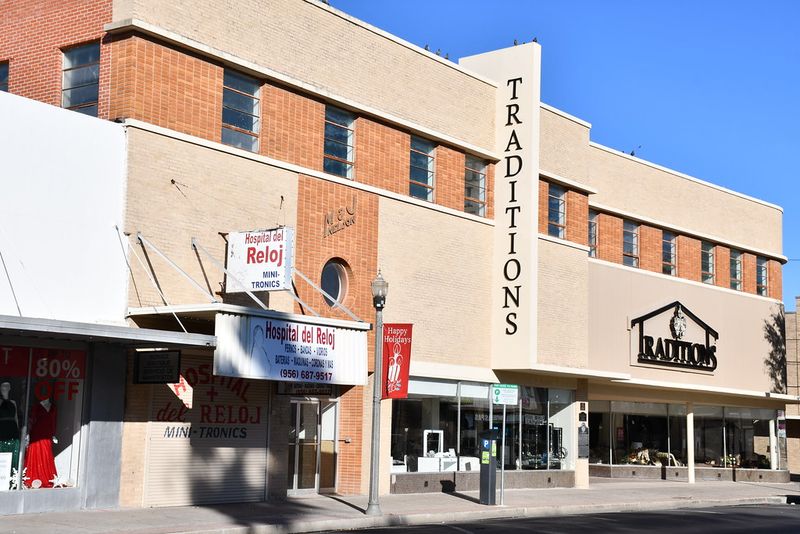
McAllen is one of the fastest-growing metro areas in Texas, but rapid population growth has not automatically translated into higher education levels. WalletHub’s 2026 study places the McAllen-Edinburg-Mission metro near the bottom of its national education rankings, reflecting persistently low college completion rates among adults.
The Rio Grande Valley has long faced economic hardship, with poverty rates that are among the highest in the entire United States. Many young people enter the workforce early out of necessity, skipping college to support their families.
That cycle can be hard to break without strong local support systems.
On the positive side, the area has a growing number of community colleges and technical programs that are helping residents build skills without the cost of a four-year degree. Investment in early childhood education and K-12 quality could play a big role in shifting outcomes for the next generation.
4. Bakersfield, CA
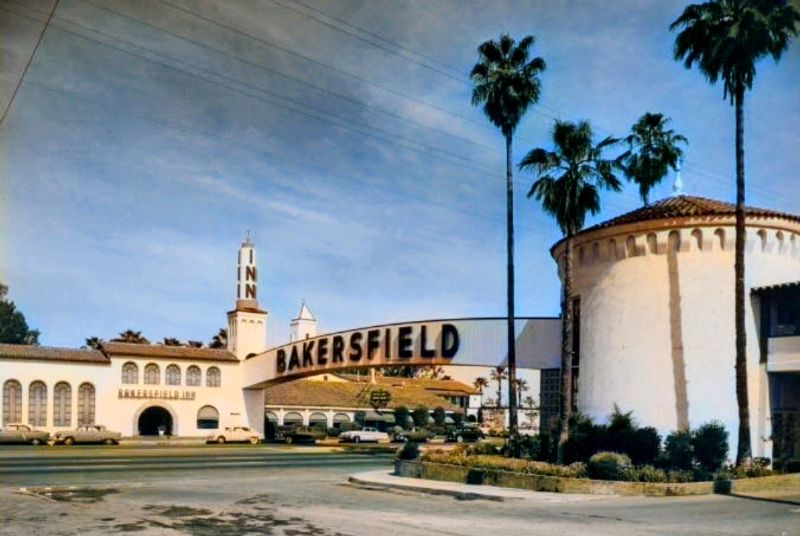
Bakersfield has a reputation as a hardworking, blue-collar city, and that identity shapes its relationship with education. Known for its oil industry and agricultural economy, the city has long offered jobs that pay decent wages without requiring college degrees.
But WalletHub’s 2026 rankings show Bakersfield still lags far behind most American metros in educational attainment.
Kern County, where Bakersfield is located, has some of the lowest high school graduation rates in California. Students here face significant barriers, including high poverty rates, limited access to quality schools, and few nearby four-year universities.
California State University, Bakersfield has been expanding its programs, and local community colleges serve thousands of students each year. However, the city will need broader economic diversification and stronger school funding to meaningfully improve its standing.
Education advocates say early investment in literacy and math skills is one of the most effective places to start.
5. Modesto, CA
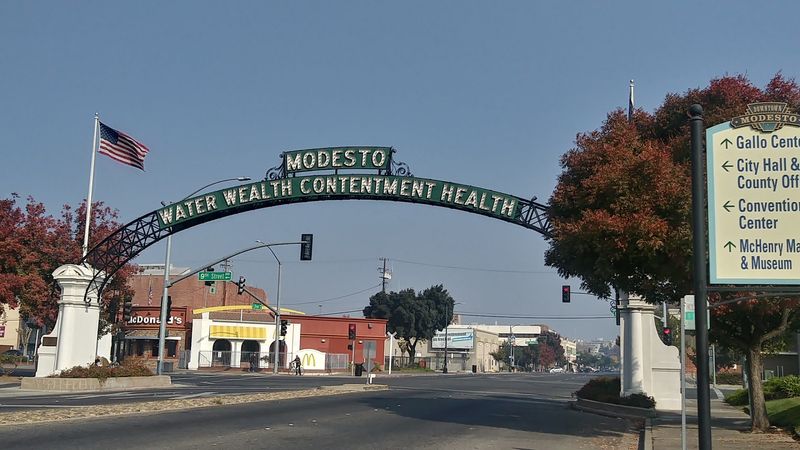
Modesto may be famous for being the setting of the classic film American Graffiti, but today the city faces modern challenges around education and opportunity. WalletHub’s 2026 data places Modesto among the least educated cities in the country, with adult college graduation rates well below the national average.
Located in Stanislaus County in California’s Central Valley, Modesto has a large working-class population with strong ties to agriculture, warehousing, and manufacturing. Many residents leave school early to join the workforce, a pattern that has been difficult to reverse across generations.
Local institutions like Modesto Junior College serve a large student population, but transfer rates to four-year universities remain low. Experts point to the need for better career counseling, financial aid awareness, and employer partnerships to encourage more residents to pursue credentials beyond high school.
Small improvements in these areas could make a meaningful difference over time.
6. Fresno, CA
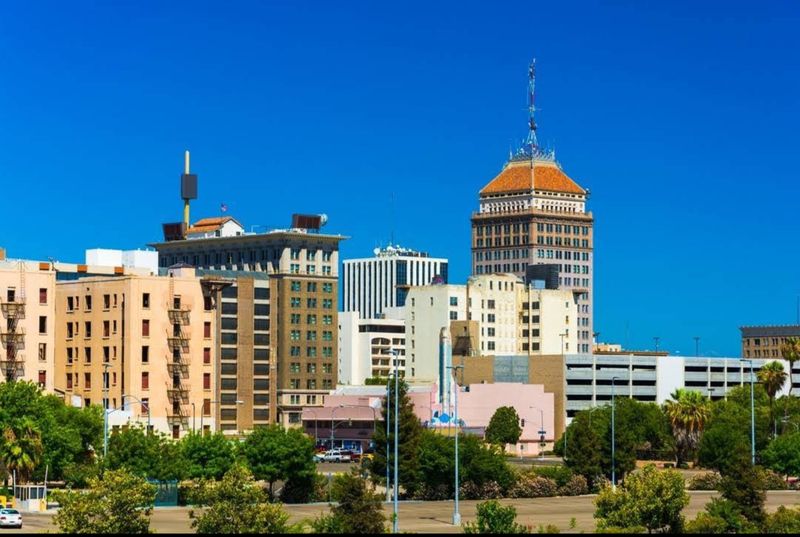
Fresno is the fifth-largest city in California, but size has not shielded it from persistent education challenges. According to WalletHub’s 2026 study, Fresno ranks among the least educated large cities in the United States, with low rates of bachelor’s degree attainment among adults and ongoing struggles in K-12 school performance.
Poverty is a major factor here. Fresno County has one of the highest child poverty rates in the state, and research consistently shows that economic hardship is one of the strongest predictors of lower educational outcomes.
Many students face food insecurity, housing instability, and other challenges that make focusing on school difficult.
California State University, Fresno, and Fresno City College are both active in the community and work to improve access. Still, closing the gap requires more than college availability.
It demands addressing root causes like income inequality, neighborhood investment, and quality early education programs starting from birth.
7. Stockton, CA
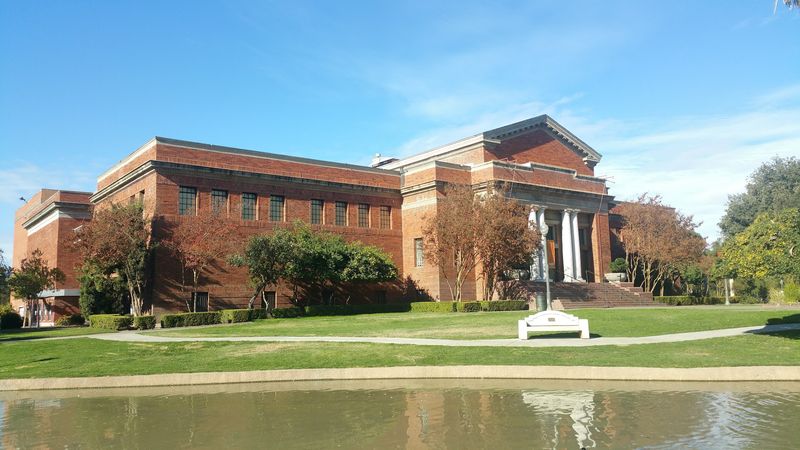
Stockton made national headlines in 2012 when it became the largest U.S. city to file for bankruptcy at the time. Over a decade later, the city is still working to rebuild, and education remains one of the toughest areas to improve.
WalletHub’s 2026 rankings place Stockton among the least educated metros in America.
High school dropout rates in Stockton have historically been elevated, and the share of adults with college degrees remains low. The city has a young, diverse population, with large Hispanic and Southeast Asian communities that often face language barriers and limited access to academic support resources.
San Joaquin Delta College and University of the Pacific both serve the area, but access to higher education alone is not enough. Stable housing, mental health support, and strong mentorship programs are all pieces of the puzzle.
Stockton’s ongoing recovery could become a model for how struggling cities rebuild through smarter education investment.
8. Salinas, CA
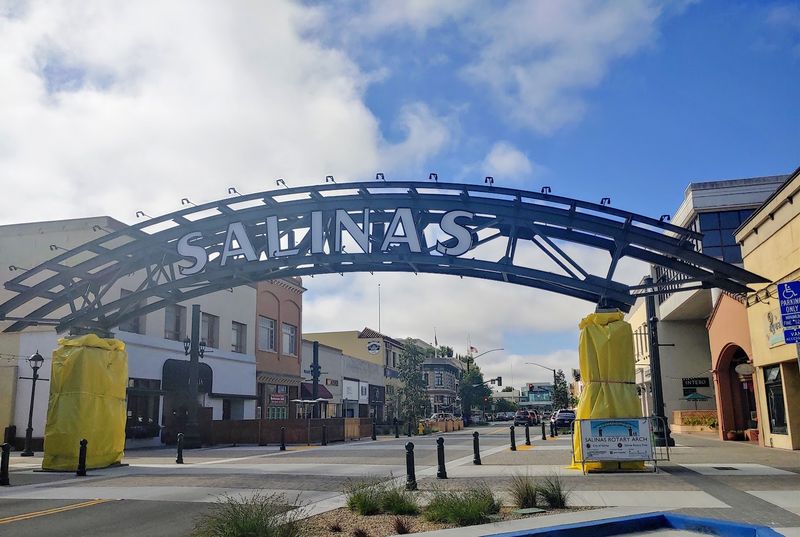
John Steinbeck wrote about Salinas and its surrounding valley with both love and heartbreak, and that tension still feels relevant today. The city sits at the heart of one of the most productive agricultural regions in the world, yet it ranks among the least educated metros in WalletHub’s 2026 national study.
A large portion of Salinas residents are farmworkers or come from farmworker families. Seasonal labor, low wages, and frequent relocation make it very difficult for children to stay consistently enrolled in school.
Many students are English language learners, which adds another layer of challenge to academic success.
Hartnell College has been working to expand opportunities for first-generation college students in the area. Programs focused on bilingual education and adult literacy are gaining ground.
But Salinas needs continued investment in stable housing, healthcare access, and culturally responsive teaching to help its students reach their full academic potential over the long run.
9. Hickory-Lenoir-Morganton, NC
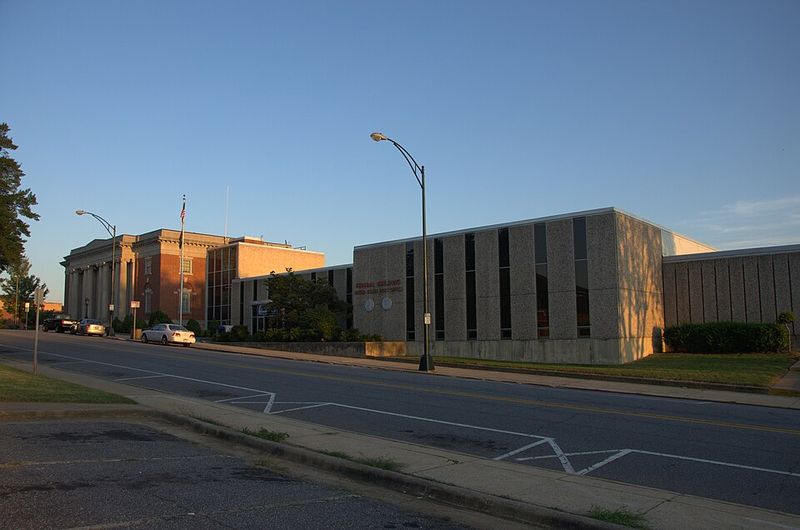
Nestled in the foothills of the Blue Ridge Mountains, the Hickory-Lenoir-Morganton metro area has a strong manufacturing tradition, particularly in furniture and fiber optics. But that industrial base has not historically demanded college degrees, and WalletHub’s 2026 study shows the region ranks among the least educated metros in the country.
Many residents in this part of western North Carolina entered the workforce directly out of high school, following in the footsteps of parents and grandparents who worked in local factories. As manufacturing has declined and jobs have shifted toward technology and services, those without higher education credentials have found it harder to adapt.
Catawba Valley Community College and Lenoir-Rhyne University both operate in the area and are working to retrain workers and attract younger students. Apprenticeship programs and industry partnerships are promising tools for connecting education to real job opportunities in a region that is quietly trying to reinvent itself.
10. Beaumont-Port Arthur, TX
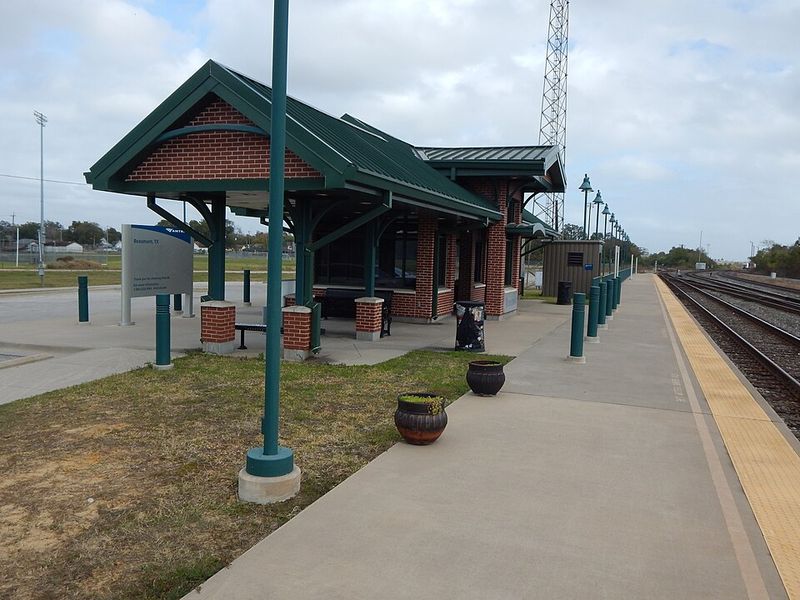
Southeast Texas has long been defined by its petrochemical industry, and Beaumont-Port Arthur is the heart of that world. Refineries and chemical plants line the horizon, offering well-paying trade jobs that do not always require a college diploma.
But WalletHub’s 2026 rankings show the region still falls near the bottom nationally in overall educational attainment.
The area has faced repeated hits from hurricanes and industrial accidents, and economic recovery has been uneven. Poverty is widespread in Jefferson County, and many students attend schools that are under-resourced.
High dropout rates have been a long-standing concern in the region.
Lamar University in Beaumont is a four-year institution working to serve local students, and Lamar Institute of Technology offers technical certifications. The challenge is making higher education feel accessible and relevant to a population that has traditionally seen trades as the most reliable path to a stable income and a decent life.
11. Corpus Christi, TX
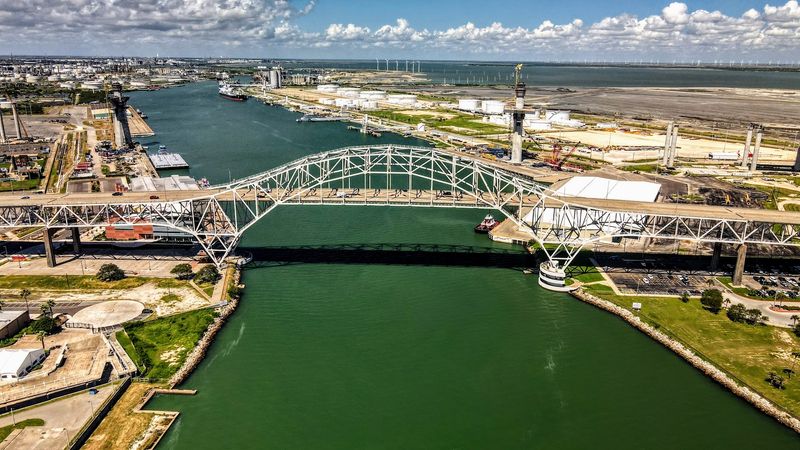
Corpus Christi sits along the Gulf Coast with stunning bay views and a warm, welcoming culture. But behind the coastal charm, the city has struggled with educational attainment for years.
WalletHub’s 2026 data confirms it remains one of the least educated metros in the nation, with adult college degree rates trailing well behind the Texas average.
The local economy is driven by petrochemicals, military presence, and tourism, none of which uniformly require four-year degrees. Many residents find steady work without pursuing college, making higher education feel optional rather than essential.
That mindset can be hard to shift without clear economic incentives tied to credentials.
Texas A&M University-Corpus Christi and Del Mar College both serve the community and have been expanding enrollment outreach. Improving college-going culture in local high schools, especially through counseling and scholarship awareness, could be one of the most effective tools for changing outcomes in this Gulf Coast city.
12. Ocala, FL
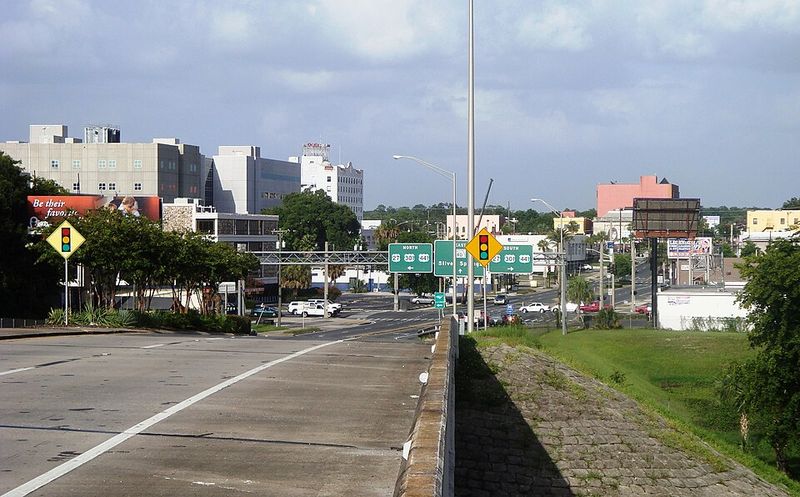
Known as the Horse Capital of the World, Ocala draws visitors and residents alike with its rolling pastures, horse farms, and outdoor lifestyle. But Marion County has quietly earned another distinction, landing on WalletHub’s 2026 list of the least educated metros in America.
College attainment rates here are significantly below the national average.
Ocala attracts many retirees and working-class families, groups that may not prioritize higher education in the same way as younger, career-focused populations in larger cities. The local economy relies heavily on agriculture, healthcare, and retail, sectors that often employ workers without college credentials.
The College of Central Florida serves the area and has been growing its programs, but four-year university options remain limited locally. Younger residents often have to leave the region to attend university, and many do not return.
Building stronger local higher education infrastructure could help Ocala retain talent and improve its education standing over time.
13. Riverside-San Bernardino-Ontario, CA
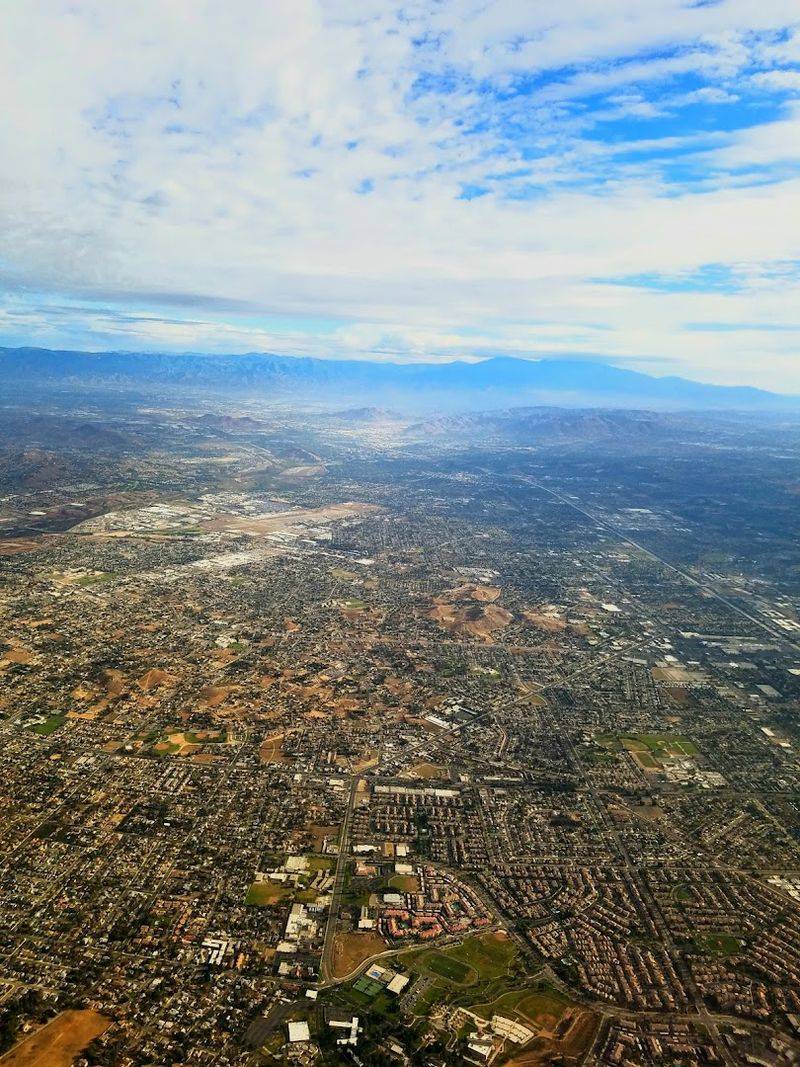
The Inland Empire, as the Riverside-San Bernardino-Ontario metro is commonly known, is one of the largest metropolitan areas in the United States by land area. It is also one of the most affordable parts of Southern California, drawing working-class families priced out of Los Angeles.
WalletHub’s 2026 study places it among the least educated large metros in the country.
Despite its size, the region has fewer four-year universities per capita than most comparable metro areas. Many residents commute long distances for work, leaving little time or energy for pursuing education.
The logistics and warehousing sectors, which dominate the local economy, employ large numbers of workers without requiring degrees.
UC Riverside, Cal State San Bernardino, and several community colleges are working to change the region’s trajectory. Expanding online learning options and making financial aid more visible to first-generation students are two strategies gaining traction in efforts to improve educational outcomes across this sprawling California metro.
14. Lakeland-Winter Haven, FL
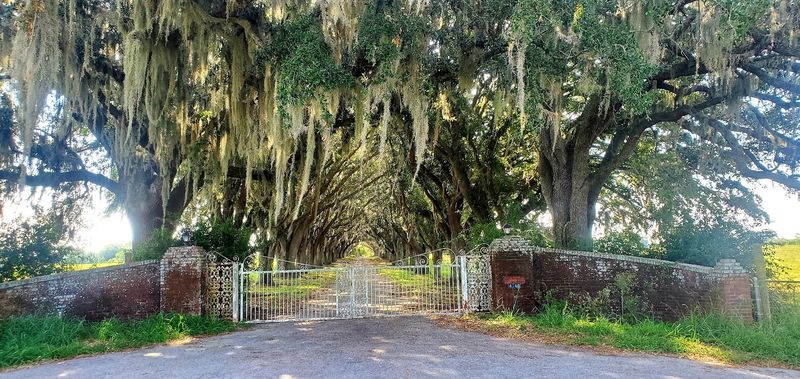
Florida’s Polk County corridor between Tampa and Orlando might seem like it benefits from proximity to two booming metro areas, but Lakeland-Winter Haven tells a more complicated story. WalletHub’s 2026 rankings place this metro among the least educated in the nation, with adult degree attainment rates falling notably short of national benchmarks.
The local economy has historically centered on phosphate mining, citrus, and distribution, industries that have offered stable employment without demanding college credentials. Many workers in the area have built careers in warehousing and logistics, particularly as the region has grown into a major distribution hub.
Florida Southern College and Polk State College both operate in the area, but enrollment and completion rates still leave room for growth. Community leaders are increasingly focused on workforce development programs that connect residents to credentials with real earning power, hoping to build a stronger bridge between education and economic mobility for Lakeland’s next generation.
15. Reading, PA
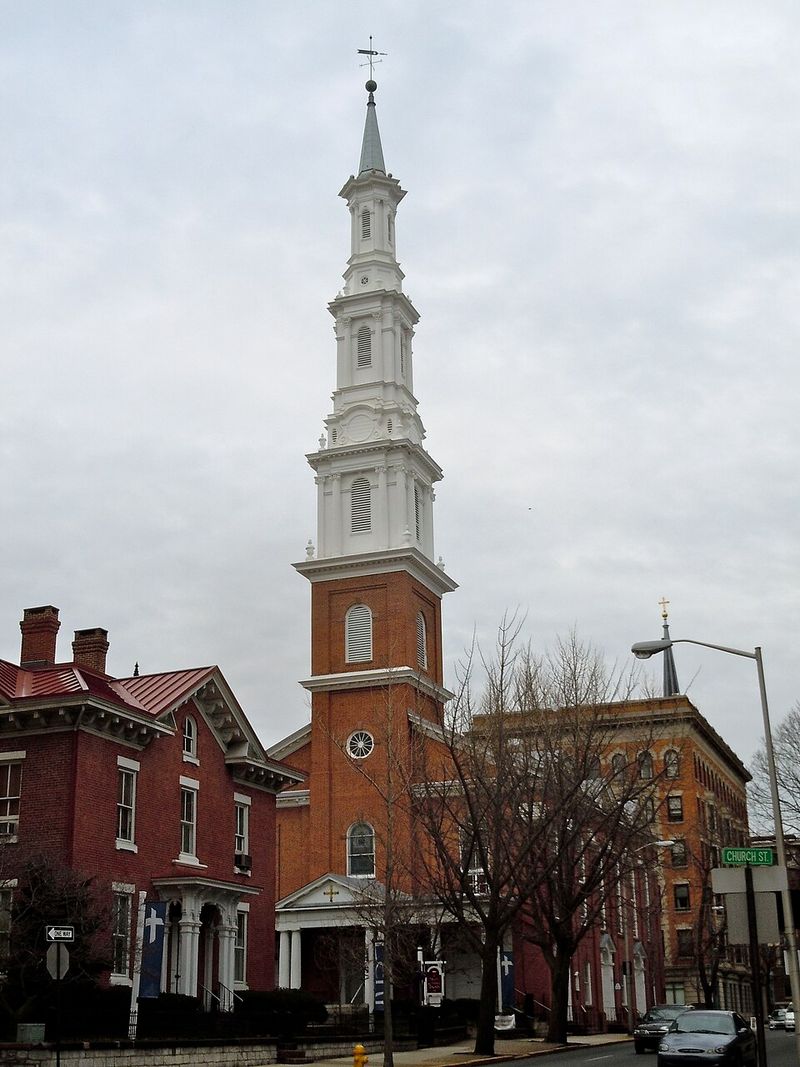
Reading, Pennsylvania, has a rich industrial history, once thriving as a hub for steel, textiles, and railroads. But decades of deindustrialization have taken a heavy toll, and today Reading is one of the poorest cities of its size in the United States.
It is no surprise then that WalletHub’s 2026 study places the Reading metro among the least educated in the nation.
The city has a large Hispanic population, many of whom are first-generation immigrants navigating language barriers and limited access to educational resources. High school dropout rates have long been a concern, and adult literacy rates in Reading are among the lowest in Pennsylvania.
Albright College and Reading Area Community College serve the local student population, and nonprofit organizations have stepped up with tutoring and adult education programs. Rebuilding Reading’s educational foundation will require tackling poverty, language access, and school funding together, because no single solution can address a challenge this layered and deeply rooted.
Share this story