Hidden high above Table Rock Lake in the Missouri Ozarks, an unforgettable attraction lets visitors drive a golf cart through a dramatic cave, pass nine waterfalls, and stop for a cold drink at an underground bar, all in a single trip. Guests come for the towering rock formations, panoramic overlooks, and peaceful canyon scenery, but many leave surprised by just how much there is to experience along one scenic route. It’s unlike any ordinary nature trail in the Midwest.
The adventure extends far beyond the cave itself. A world-class natural history museum, a spectacular skybridge, covered bridges, lake views, seasonal night tours, and one of the Ozarks’ most scenic drives all combine to create a destination that easily fills an entire day. Whether you’re visiting Branson for the first time or looking for one of Missouri’s most unique outdoor experiences, it’s easy to understand why this attraction has become a bucket-list stop.
Here’s why Lost Canyon Cave and Nature Trail has become one of Missouri’s most remarkable attractions and an Ozark adventure that’s well worth the drive.
Where the Adventure Begins: Location and Setting
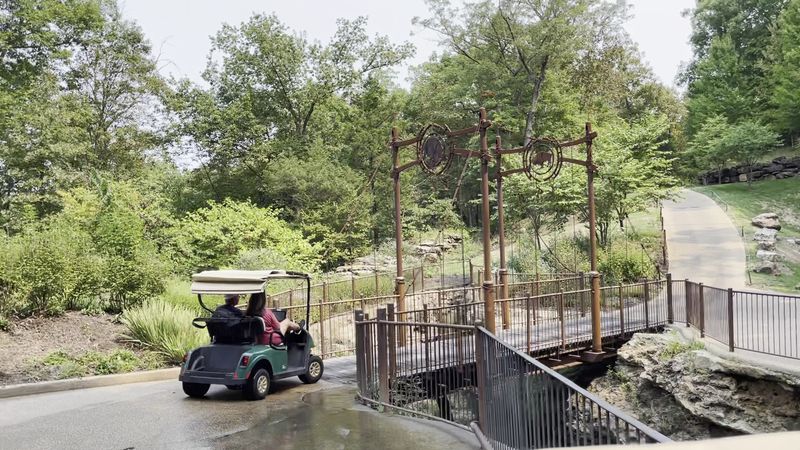
The address alone gives you a sense of what awaits. Lost Canyon Cave and Nature Trail sits at 150 Top of the Rock Road in Ridgedale, Missouri 65739, tucked inside the Top of the Rock Ozarks Heritage Preserve just south of Branson.
This preserve occupies the highest elevation in Taney County, which means the views from the trail are not just good, they are the kind that make you stop the cart and stare for a full minute without saying a word.
Table Rock Lake glimmers below the ridge, and the surrounding Ozark hills roll out in every direction in deep shades of green. The preserve is directly connected to Big Cedar Lodge, so the infrastructure here is polished without feeling overdone.
You can reach the attraction by phone at 417-339-5306, and more details are available at topoftherock.com. A $10 per vehicle entry fee applies for non-members, payable by card only.
Golf Carts, Fresh Air, and 2.5 Miles of Pure Discovery
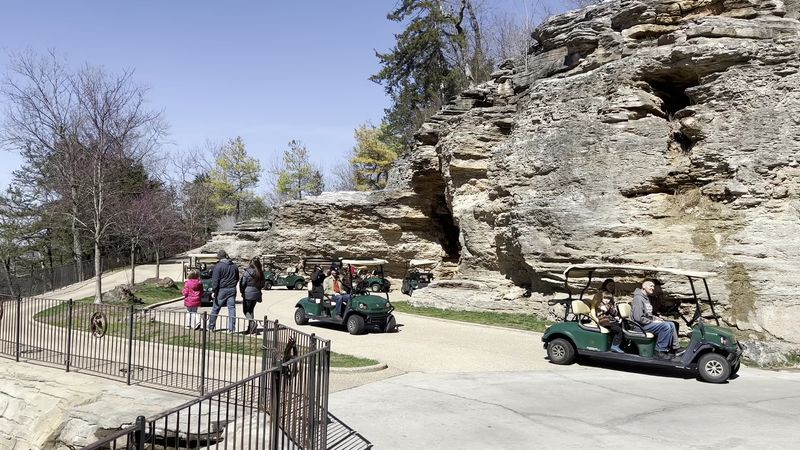
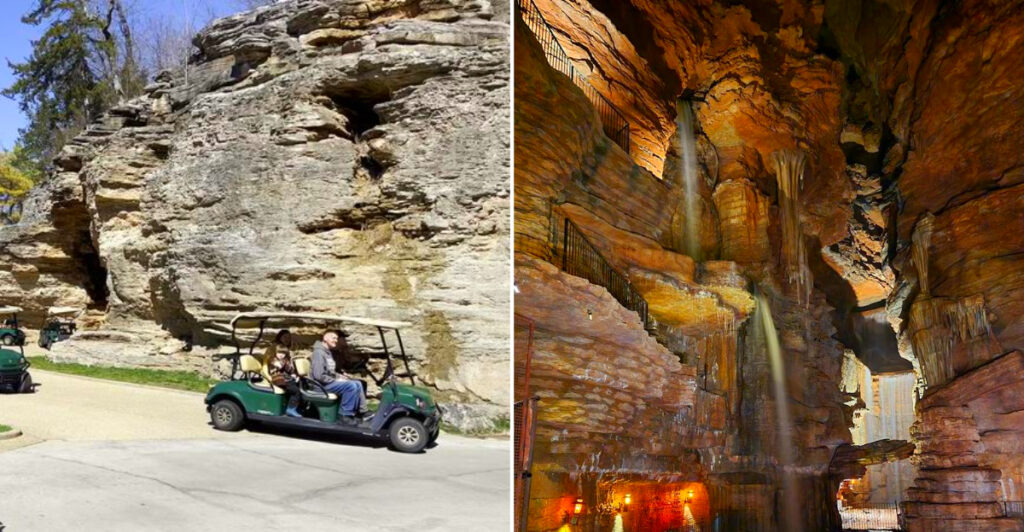
Forget hiking boots and trail maps. The primary way to experience this 2.5-mile nature trail is from the seat of a four-person electric golf cart that you drive yourself at a leisurely 7 to 8 miles per hour.
That gentle speed is not a limitation; it is the whole point. The carts are capped at that pace deliberately so you slow down, notice the canyon walls rising on either side, and actually absorb the scenery rather than rushing past it.
Drivers must be at least 18 years old, and the self-guided tour typically runs between 40 and 50 minutes, though plenty of visitors happily stretch it to 90 minutes by stopping at every pulloff and viewpoint along the route.
The trail is fully paved, which makes it remarkably accessible for guests who cannot manage long walks on uneven terrain. The cart tour is available daily from 8:30 AM to 8:30 PM, and purchasing tickets online in advance is strongly recommended to avoid long waits, especially on busy afternoons.
Nine Waterfalls and the Sound That Never Leaves You
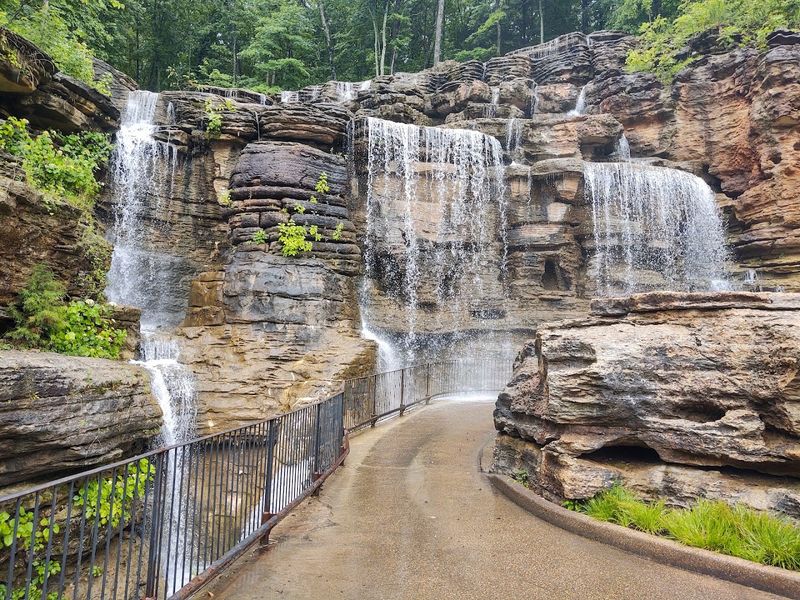
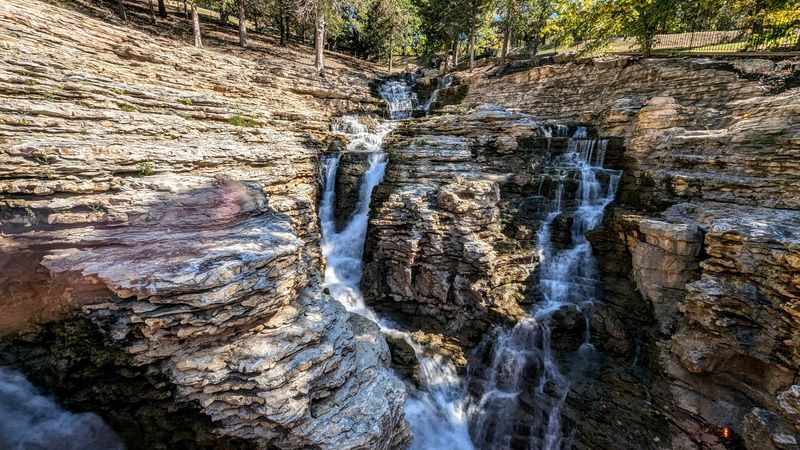
Nine waterfalls. That number sounds like a marketing claim until you are actually on the trail and realize each one is genuinely distinct, with its own height, flow, and surrounding rock face.
Some spill in thin silver sheets over mossy ledges, catching the light in ways that make them look almost transparent. Others pour with enough force that you can hear them from around the bend before you ever see them, building anticipation as the cart rounds each curve.
The constant sound of moving water becomes the trail’s unofficial soundtrack, layering over birdsong and the soft hum of the electric cart motor. It creates an atmosphere that feels remarkably calming, almost meditative, even when the trail is busy with other visitors.
Rain does not ruin the experience here; if anything, a light rain intensifies the waterfalls and deepens the color of the canyon walls. Visitors who have done the tour in wet weather often say the waterfalls looked even more dramatic than on a clear day, which is a genuine bonus worth keeping in mind.
Inside the Cave: Four Stories of Geological Drama
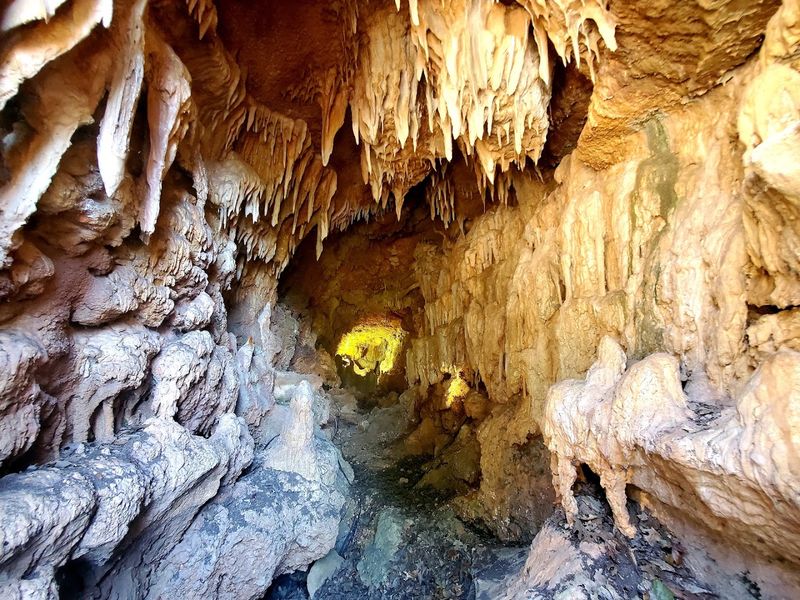
The moment the cart rolls into the mouth of Lost Canyon Cave, the temperature drops noticeably and the scale of the space takes a second to register. This is not a tight tunnel; it is a multi-tiered cavern that unfolds across four stories of natural rock architecture.
Viewing balconies are built into the cave walls at different elevations, allowing you to peer down into the depths or look up at the ceiling where the rock formations have been shaped over millions of years. The cave’s centerpiece is a four-story internal waterfall that plunges into the cavern floor with a roar that echoes off every surface.
The combination of the cool air, the dim lighting, the ancient rock formations, and that cascading water creates an atmosphere that genuinely feels unlike anything above ground. One honest note: the cave is more of a dramatic canyon passage than a traditional deep cave, which some visitors find different from expectations.
That said, the sheer scale and the waterfall inside make it a highlight that most guests rank among the best moments of the entire trail experience.
The Bat Bar: Cold Drinks in the Most Unexpected Place on Earth
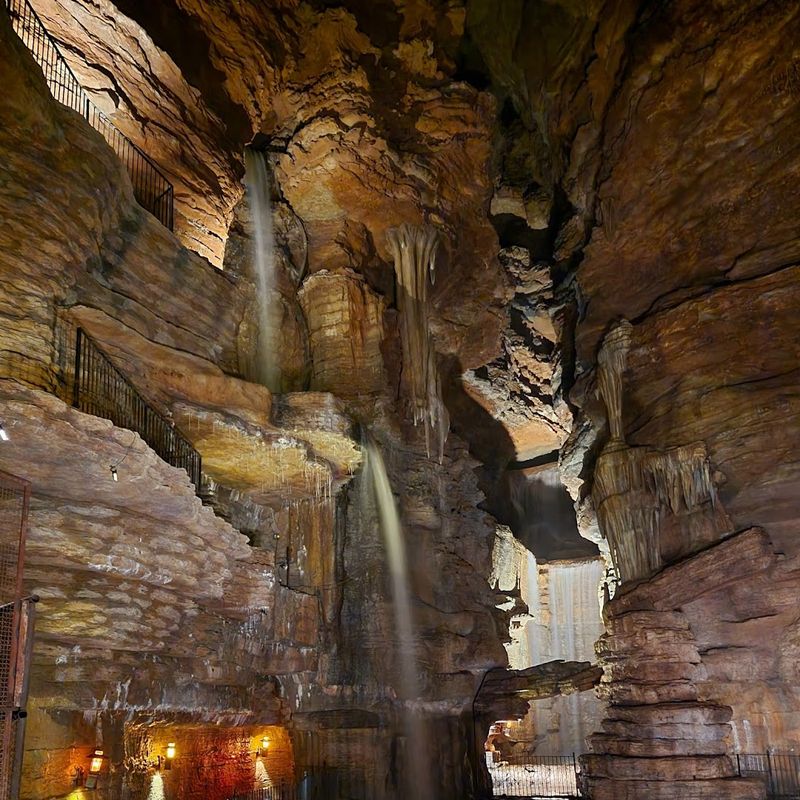
Buried inside the cave, accessible by a mining-style elevator, the Bat Bar is the kind of detail that makes people genuinely laugh with delight when they first encounter it. You drive your golf cart right up to a window carved into the cave wall and order a drink without ever leaving your seat.
The menu features non-alcoholic and signature options like the famously refreshing John L’s Lemonade and the Bat’s Bite, a strawberry-mango lemonade that disappears faster than you would expect in the cool cave air. The temperature inside the cave makes the drinks taste even better, and the novelty of sipping something cold while surrounded by ancient rock and the sound of a nearby waterfall is genuinely hard to beat.
The bar’s name is a nod to the local bat population that naturally inhabits cave environments throughout the Ozarks, adding a quirky, educational layer to the refreshment stop. Most visitors name the Bat Bar as their single favorite moment of the whole tour, which says a lot given the competition from nine waterfalls and a four-story cave cascade waiting just around the corner.
Ancient Ozarks Natural History Museum: Prehistoric Wonders Included
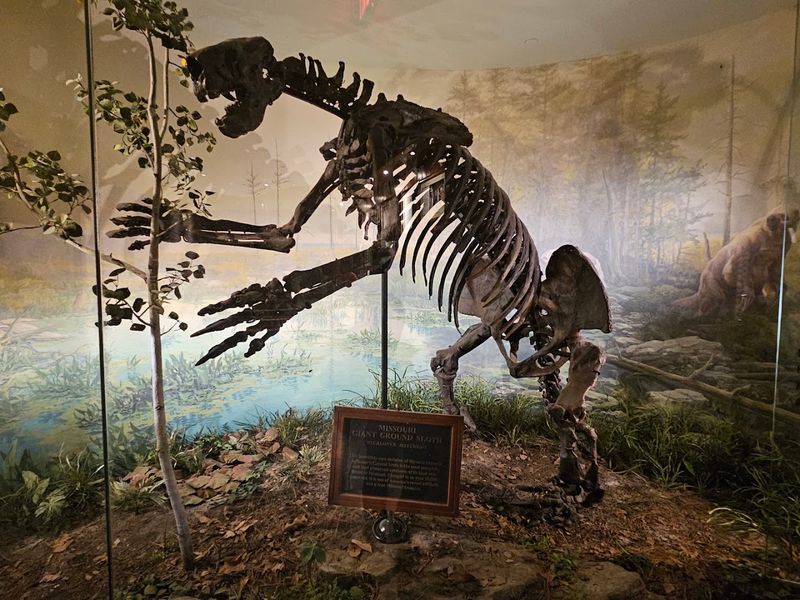
Your golf cart ticket includes complimentary admission to the Ancient Ozarks Natural History Museum, which turns out to be one of the most pleasant surprises of the entire visit. The museum is far more substantial than most people expect from a nature trail add-on.
Inside, you will find carbon-dated skeletal remains of prehistoric creatures that once roamed this exact region, including a woolly mammoth, a saber-tooth cat, and a prehistoric cave bear. The displays are well-organized and genuinely educational without feeling like a school field trip, striking a balance that keeps both kids and adults thoroughly engaged.
Artifacts from the Ozarks’ human history are woven throughout the exhibits, connecting the geological story of the land to the people who have lived here across thousands of years. Most visitors spend between one and two hours in the museum, and those who rush through consistently say they wish they had taken more time.
Plan for at least three hours total if you want to do both the trail and the museum without feeling like you are racing a clock the whole time.
Panoramic Overlooks, Skybridge, and Covered Amish Bridges
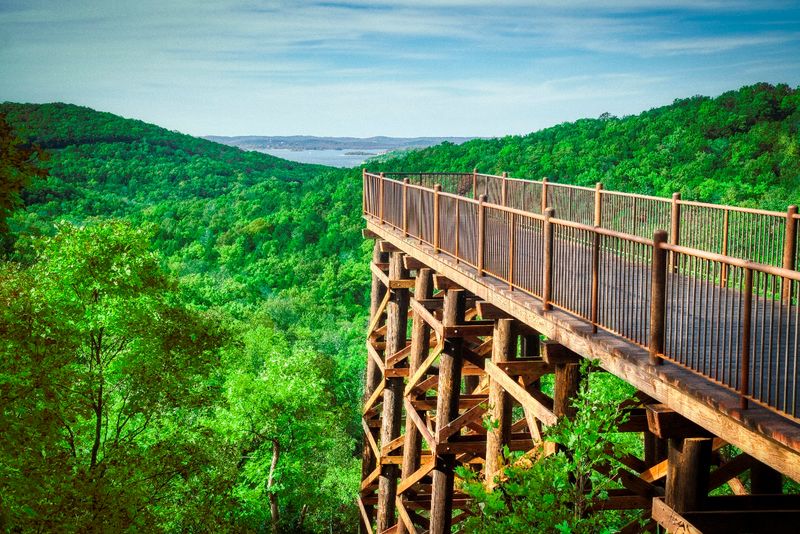
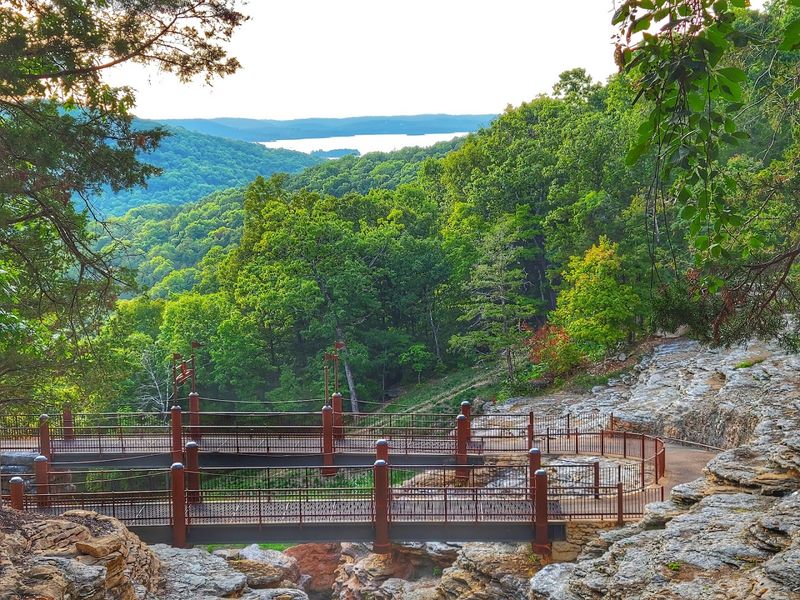
The cave gets most of the attention, but the open-air sections of the trail deliver their own brand of breathtaking scenery that deserves equal billing. Table Rock Lake appears repeatedly through gaps in the canyon walls, each glimpse framed differently by the surrounding rock and vegetation.
The trail leads to a dramatic scenic overlook equipped with a skybridge that extends out over the canyon, giving you the sensation of floating above the Ozark landscape with nothing but open air below and an unobstructed view of the lake and hills stretching to the horizon.
Charming covered Amish bridges appear at several points along the route, adding a rustic warmth to the journey and providing natural photo opportunities that feel genuinely picturesque rather than staged. The bridges are built with traditional craftsmanship and blend into the wooded setting with a quiet elegance that contrasts beautifully with the raw drama of the canyon walls.
Each architectural element on this trail was chosen to enhance the natural scenery rather than compete with it, and that restraint makes the whole experience feel cohesive and intentional from start to finish.
Night Tours: When the Canyon Transforms After Dark
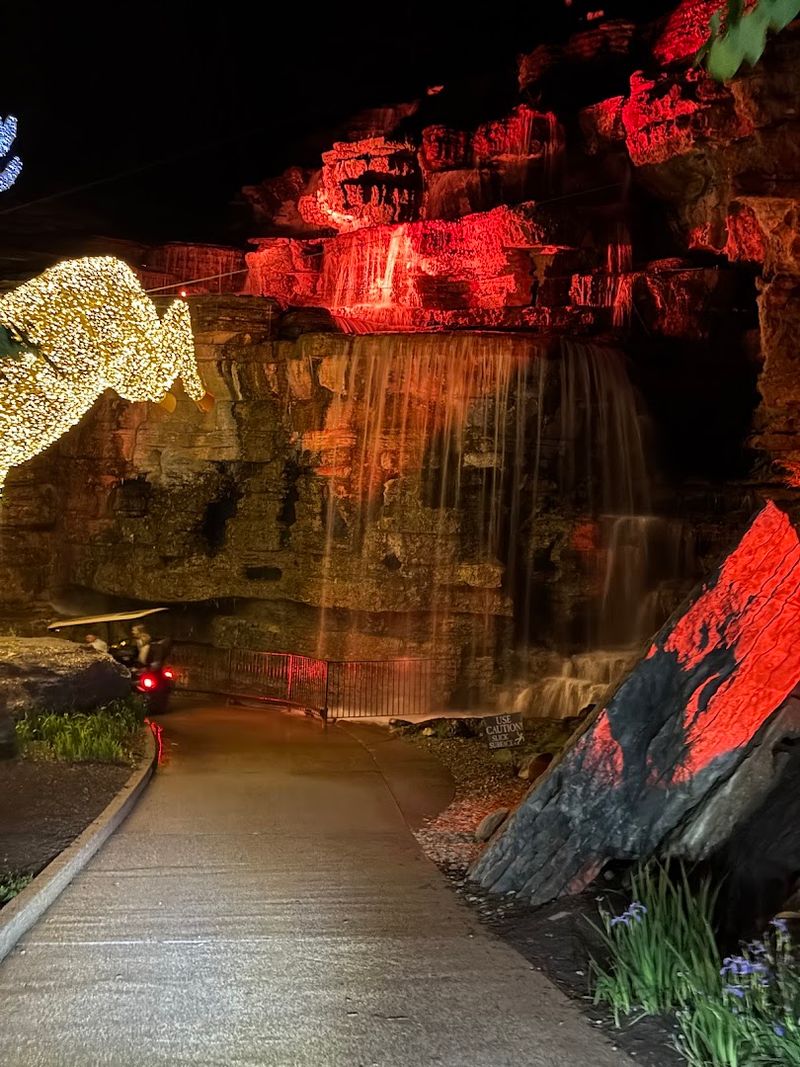
The daytime trail is spectacular, but returning after dark reveals an entirely different version of the canyon that regular visitors consistently describe as the superior experience. The night tour features a carefully designed lighting system and a synchronized soundtrack that transforms the rock formations and waterfalls into something genuinely theatrical.
Lights are positioned throughout the canyon to highlight the textures of the rock walls, the flow of the waterfalls, and the silhouettes of the trees in ways that daylight simply cannot replicate. The audio soundtrack plays through the cart speakers and is timed to the landscape, creating an immersive atmosphere that several repeat visitors have called deeply moving.
One practical note: the temperature drops noticeably after sunset, especially inside the cave, so bringing a light jacket or layer is strongly advised regardless of how warm the afternoon felt. Booking for the 5:30 PM slot during spring and summer allows you to experience both the golden hour light and the full transition into the illuminated night display.
The night tour is available seasonally, so checking the website before your visit to confirm availability is worth the two minutes it takes.
Smart Tips for Timing, Tickets, and Making the Most of Your Visit
Timing your visit well can be the difference between a relaxed, magical experience and a two-hour wait for a golf cart on a busy summer afternoon. The trail opens daily at 8:30 AM, and arriving at or shortly after opening is the single most effective strategy for avoiding long cart queues.
Afternoons tend to be the busiest period, with waits sometimes stretching beyond an hour during peak season. Purchasing tickets online in advance is strongly recommended because it secures your spot, often locks in better pricing, and allows you to skip the main ticket line on arrival.
The trail operates year-round but closes temporarily for severe weather conditions such as lightning or ice, so checking conditions before a winter or stormy-season visit is sensible. A $10 per vehicle entry fee is charged at the Top of the Rock gate for non-members, payable by card only, as cash is not accepted anywhere on the property.
Guests staying at Big Cedar Lodge and preserve members typically receive complimentary gate access, which can make a lodge stay feel even more worthwhile if you plan to visit multiple times during your trip.
The Bigger Picture: Top of the Rock Beyond the Cave Trail
The cave and nature trail are extraordinary on their own, but they exist within a much larger preserve that rewards visitors who linger past the golf cart tour. Top of the Rock offers multiple dining options, including a restaurant with contemporary Mexican cuisine and a casual patio cafe where the views of Table Rock Lake and the Ozark hills compete directly with the food for your attention.
A par-3 golf course winds through the preserve grounds, offering a scenic round for golfers who want to extend their time on the ridge. The preserve also features unique gathering spaces like Arnie’s Barn and the Buffalo Bar, each with its own character and atmosphere.
A sunset ceremony takes place during daylight saving months, drawing visitors to watch the sun drop below the Ozark horizon in a moment of genuine, unhurried beauty. The Top of the Rock Sinkhole is currently under construction as a future attraction, signaling that the preserve continues to grow and evolve.
Most guests who budget a full day for the preserve come away feeling they used every minute well, and many leave already planning a return visit for a different season to see how the landscape changes.
Share this story