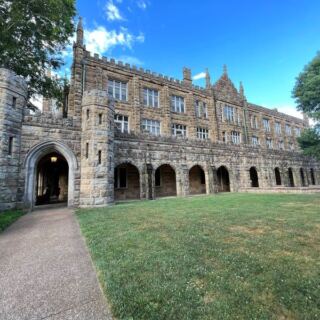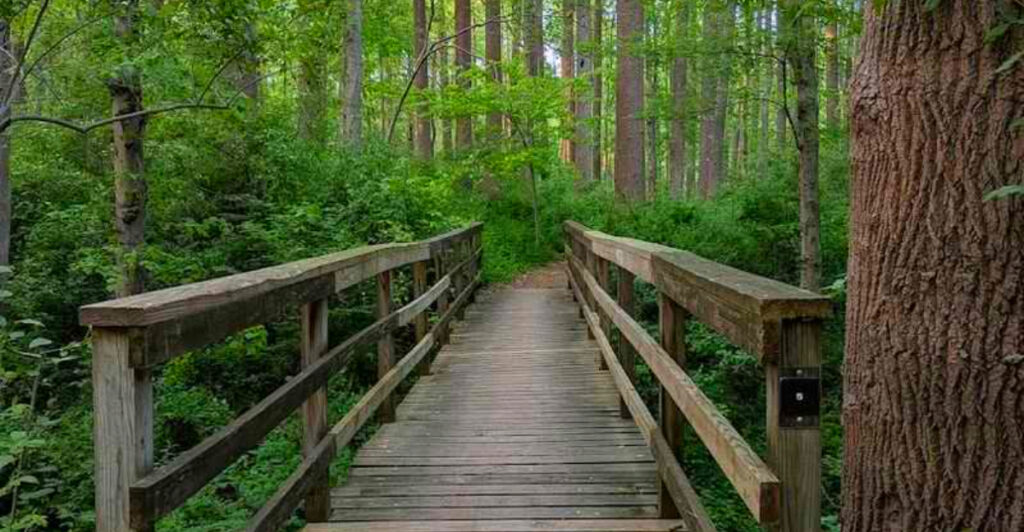
Delaware may be small enough to drive across in under an hour, but it packs in centuries of history, legend, and mystery that most states three times its size would envy. The First State has Civil War fortresses, colonial estates, Revolutionary War battlegrounds, and Victorian inns that have been collecting ghost stories almost as long as they have been collecting history. Some of these places have been investigated by paranormal researchers, featured on television programs, and visited by thousands of curious travelers every year. Others sit quietly along back roads and harbor fronts, looking perfectly ordinary until you learn what happened there.
Whether you are a dedicated ghost hunter or simply someone who enjoys a good backstory with your sightseeing, this list covers ten Delaware destinations where history and local legend overlap in genuinely fascinating ways. Pack your curiosity, leave the skepticism at home if you dare, and get ready to explore the side of Delaware that most travel brochures politely leave out.
1. Fort Delaware State Park, Delaware City, Delaware
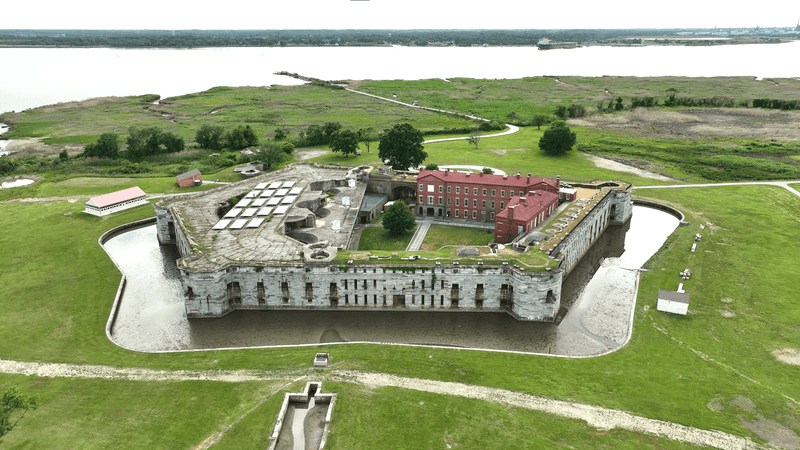
Pea Patch Island sits in the middle of the Delaware River, and getting to it already feels like crossing into another world. Fort Delaware is a massive Civil War era granite fortress built between 1848 and 1859, originally designed as a coastal defense installation before it became one of the Union’s most notorious prison facilities.
By 1863, overcrowded conditions inside the fort contributed to the passing of more than 2,400 Confederate prisoners, many of whom are buried at Finns Point National Cemetery across the river in New Jersey. Visitors arrive by ferry and tour tunnels, barracks, and parade grounds where costumed interpreters bring the year 1864 back to life in vivid detail.
The paranormal reputation here is well documented. Investigators and television programs like Ghost Hunters have reported Confederate apparitions on the parade grounds, a cold spot near the kitchen stove, a mysterious Lady in Black, and even physical contact felt by researchers inside the dungeon. Seasonal evening tours and dedicated paranormal programs make this island fortress one of Delaware’s most visited and most talked-about creepy destinations year-round.
2. Rockwood Park & Museum, Wilmington, Delaware
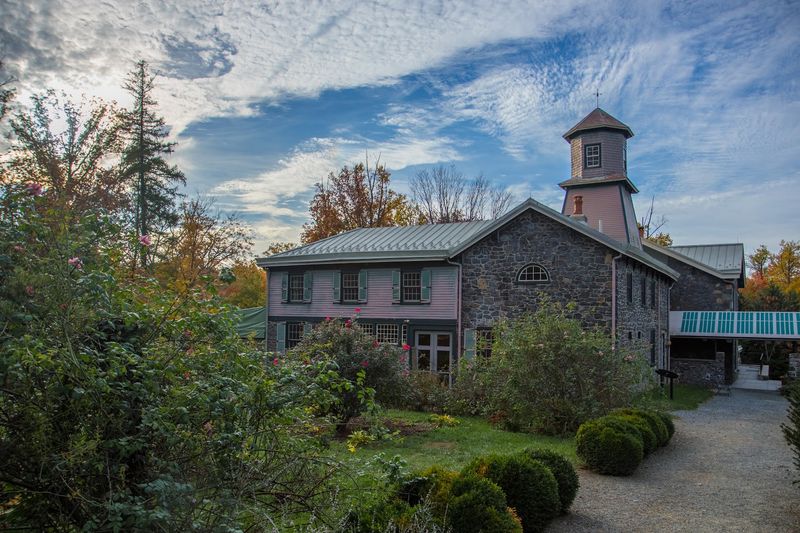
Built between 1851 and 1854 by Quaker merchant banker Joseph Shipley, Rockwood Mansion was designed in the Rural Gothic style after the English country homes Shipley admired during his years abroad. The 72-acre estate passed through several generations of the Bringhurst family before New Castle County acquired it in 1973, preserving its original 1890s furnishings and international art collections.
Tours of the mansion, conservatory, and formal gardens offer a detailed look at upper-class Victorian family life in Delaware. The property was added to the National Register of Historic Places in 1976 and has since become a well-regarded historic house museum that draws thousands of visitors annually.
Rockwood’s paranormal reputation earned it appearances on Ghost Hunters and My Ghost Story. The museum leans into this reputation with Paranormal Experience tours that take guests from the attic to the basement using professional investigation equipment. Haunted Gothic Walk events in the gardens feature theatrical storytelling and accounts of strange events connected to past residents. Few places in Delaware combine architectural elegance with this level of documented unexplained activity so effectively.
3. Lums Pond State Park, Bear, Delaware
Created in the early 1800s by damming St. Georges Creek to supply water for the Chesapeake and Delaware Canal locks, Lums Pond eventually became Delaware’s largest freshwater pond. The Lum family operated a gristmill on the property for decades, and their historic mill house was added to the National Register of Historic Places in 1973.
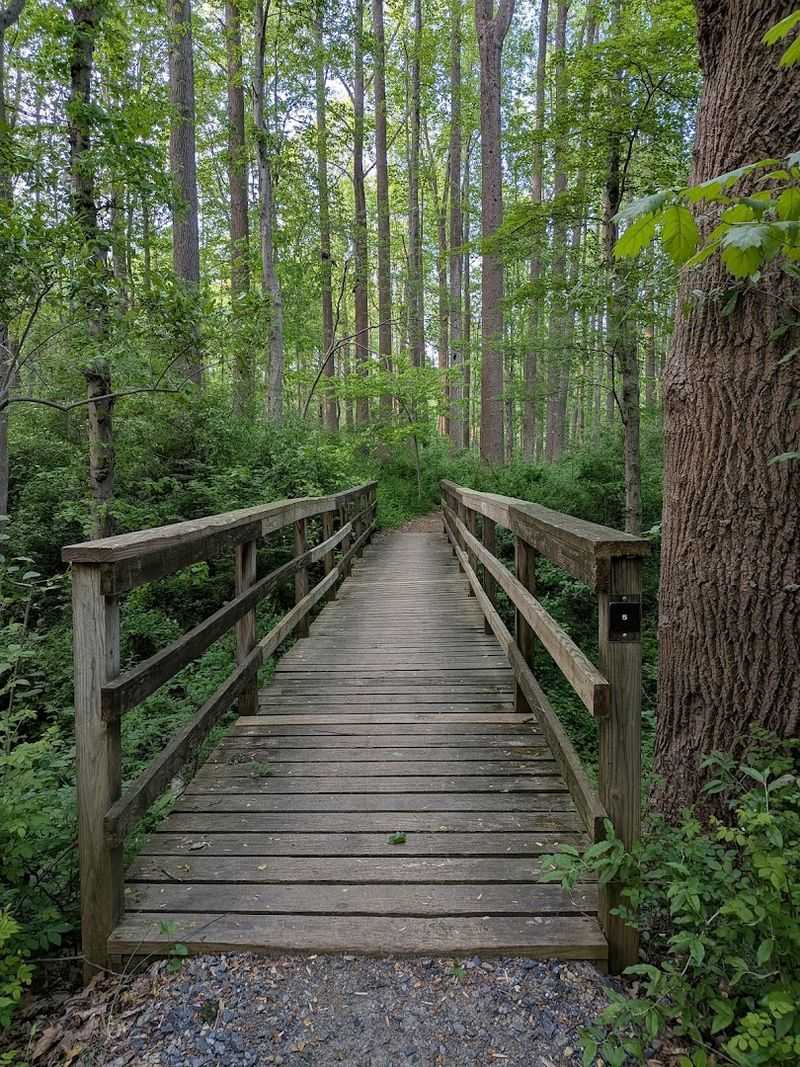
Today the 1,790-acre park draws hikers, campers, boaters, and families looking for a peaceful outdoor escape. Seventeen miles of trails wind through forests and wetlands, and the park even features a tree-top adventure course for the athletically inclined.
The Swamp Forest Trail has earned a reputation as Delaware’s most haunted hike, and local folklore provides a few reasons why. A story from the 1870s describes a young woman who sought safety in the woods near the pond and never made it out, with hikers on quiet late-summer evenings reporting unsettling sounds from the trees. Separate accounts describe apparitions of the Lum father and son still working near the old mill site. Stories connected to the Underground Railroad add yet another layer to this park’s already layered and quietly unsettling history.
4. Bellevue Hall, Wilmington, Delaware
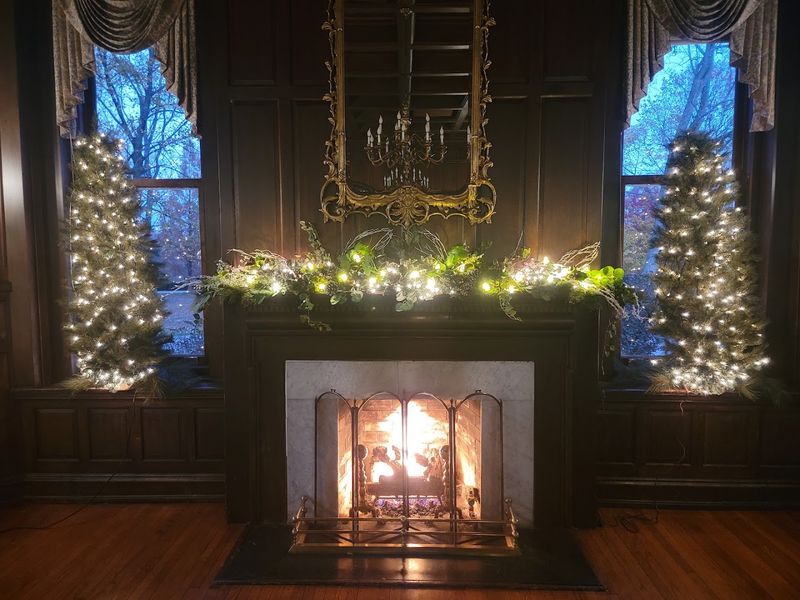
Originally built in 1855 as a Gothic Revival estate called Woolton Hall, Bellevue Hall underwent a dramatic transformation in the 1930s when William du Pont Jr. had it redesigned in the Colonial and Greek Revival style, modeled after President James Madison’s Montpelier estate in Virginia. The renovation added grand staircases, a wood-paneled library, formal dining rooms, and a spacious central foyer.
The State of Delaware acquired the property in 1976, opening it as part of Bellevue State Park the following year. Today it hosts tours and community events that showcase its impressive architecture and antique furnishings.
Staff and visitors have reported enough unexplained activity here to keep paranormal investigators regularly returning. Disembodied laughter and sharp screams have been heard from the upper floors, and chairs in the dining room are sometimes found rearranged with no explanation. Diamond State Ghost Investigators run Paranormal 101 sessions inside the mansion, teaching guests to use investigation tools while exploring its reportedly active rooms. The legend of Emily Galt, who reportedly carved her name in a windowpane in 1861 before a tragic event connected to the Civil War, remains one of the most frequently repeated stories associated with this stately but unsettling property.
5. Cooch’s Bridge Historic Site, Newark, Delaware
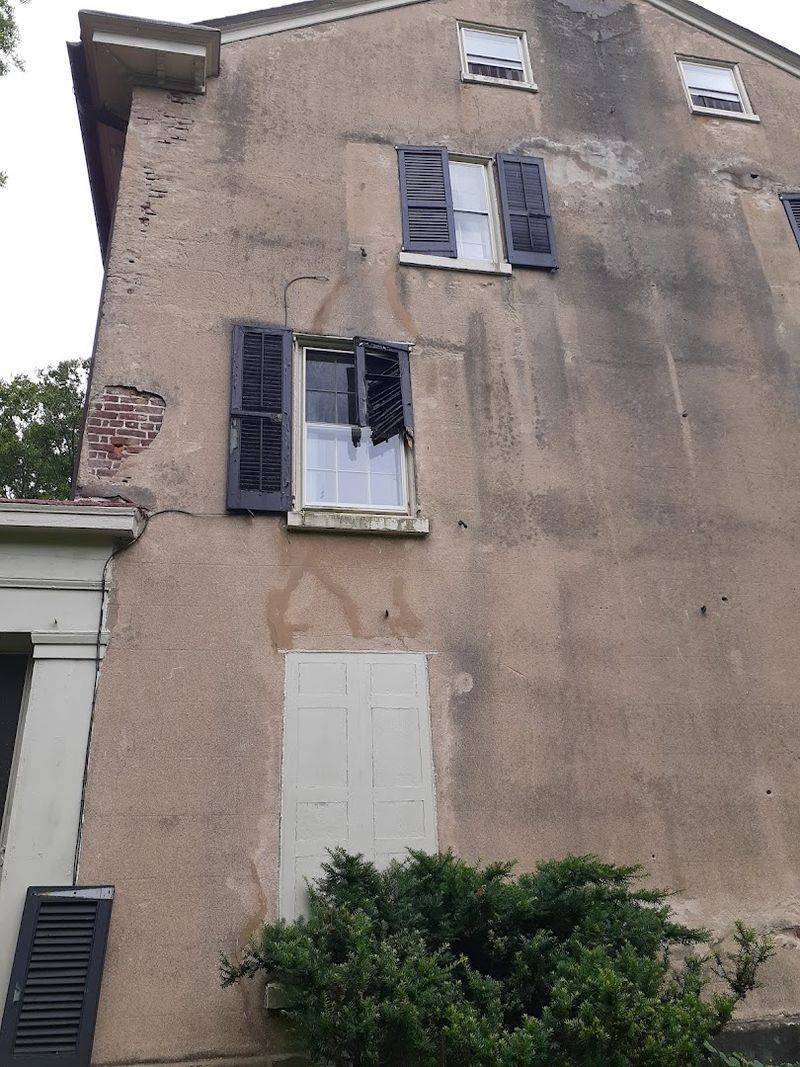
On September 3, 1777, this quiet stretch of Newark, Delaware became the setting for the only Revolutionary War battle ever fought on Delaware soil. American light infantry under General William Maxwell clashed with British and Hessian forces in a fierce opening skirmish of the Philadelphia Campaign before retreating across the bridge.
The Cooch family homestead, built around 1750, reportedly served as General Cornwallis’s headquarters after the battle. A long-discussed tradition holds that the 13-star Stars and Stripes flag was flown in combat here for the first time, though historians continue to debate the evidence. The state began acquiring and preserving the land in the early 2000s, and it now sits on the National Register of Historic Places.
Free guided outdoor tours are available by reservation, but the headless soldier legend is what keeps this site firmly planted in Delaware’s folklore tradition. The story centers on Colonial volunteer Charlie Miller, said to have lost his head to a British cannonball, with sightings reported along I-95 and the surrounding wooded roads ever since. Whether you come for the documented history or the headless horseman, Cooch’s Bridge delivers on both fronts without requiring much imagination at all.
6. Old Swedes Church, Wilmington, Delaware
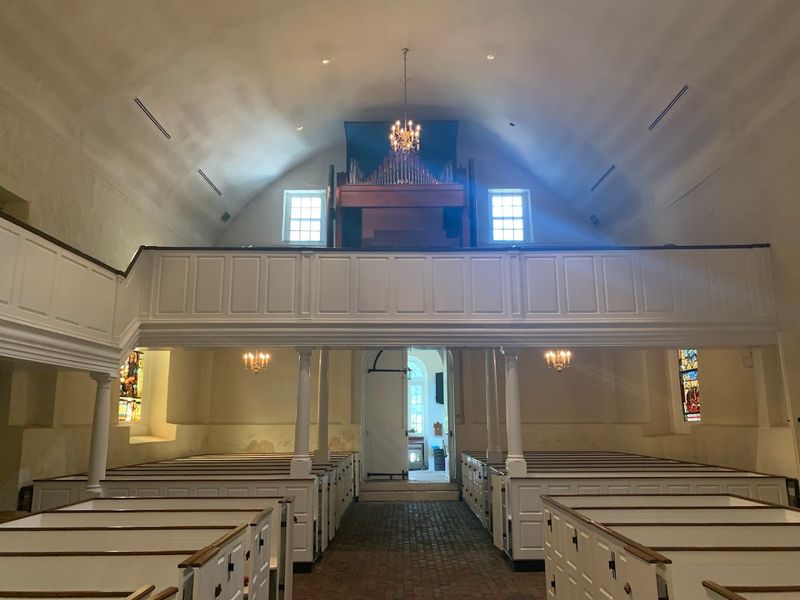
Consecrated in 1699, Holy Trinity Church, better known as Old Swedes Church, is one of the oldest church buildings in the United States still in continuous use for worship. Swedish and Finnish settlers of the New Sweden Colony built it using local blue granite and Swedish bricks, and its original black walnut pulpit is considered the oldest known example of its kind in the country.
The interior preserves its original box pews and colonial character, while the adjacent Hendrickson House, an early 18th-century Swedish farmhouse relocated to the grounds in 1960, now serves as a museum. The site became a National Historic Landmark in 1961 and later joined the First State National Historical Park.
The burial ground surrounding the church holds an estimated 8,000 to 15,000 individuals, including Revolutionary War soldiers and Delaware’s earliest European settlers. Local newspapers and personal diaries from the 1800s describe ghostly bell tolling at midnight and restless presences connected to specific graves. Stories involving sisters Catharina and Britta Cock, who passed from typhoid fever in 1726, and Revolutionary War hero Major Peter Jaquett are among the most frequently cited. The combination of genuine colonial history and layered local legend makes Old Swedes one of Delaware’s most memorable historic stops.
7. Zwaanendael Museum, Lewes, Delaware
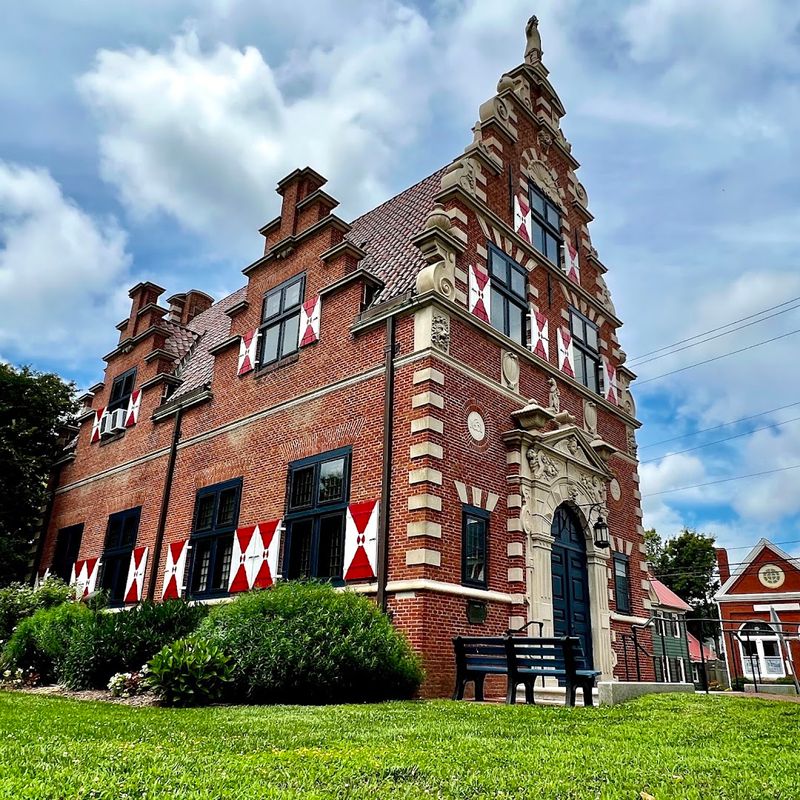
Few museum buildings in Delaware stop pedestrians in their tracks quite like the Zwaanendael Museum. Constructed in 1931 and modeled after the former City Hall in Hoorn, Netherlands, it was built to honor Delaware’s first European settlement, the Dutch colony of Swanendael, established in 1631 and destroyed just one year later following a misunderstanding with local Native Americans.
Inside, the collections cover maritime history, shipwrecks, lighthouses, and the town’s role in the War of 1812. One of the more unusual display items is a 19th-century feejee mermaid, a Chinese-made curiosity combining a monkey’s upper body with a fish’s lower half, which consistently puzzles and entertains visitors in equal measure.
During fall, the museum serves as the launch point for Mysteries of History walking tours through downtown Lewes, where interpreters share tales of shipwrecks, mysterious disappearances, and coastal ghost stories. The legend of the Sea Witch guarding the wreck of the British warship HMS DeBraak, which sank offshore in 1798, is a centerpiece of these tours. The ghost of Captain James Drew, said to wander from St. Peter’s Church cemetery on moonless nights searching for his crew, rounds out a collection of maritime legends that make Lewes one of Delaware’s most folklore-rich coastal towns.
8. Cape Henlopen State Park, Lewes, Delaware
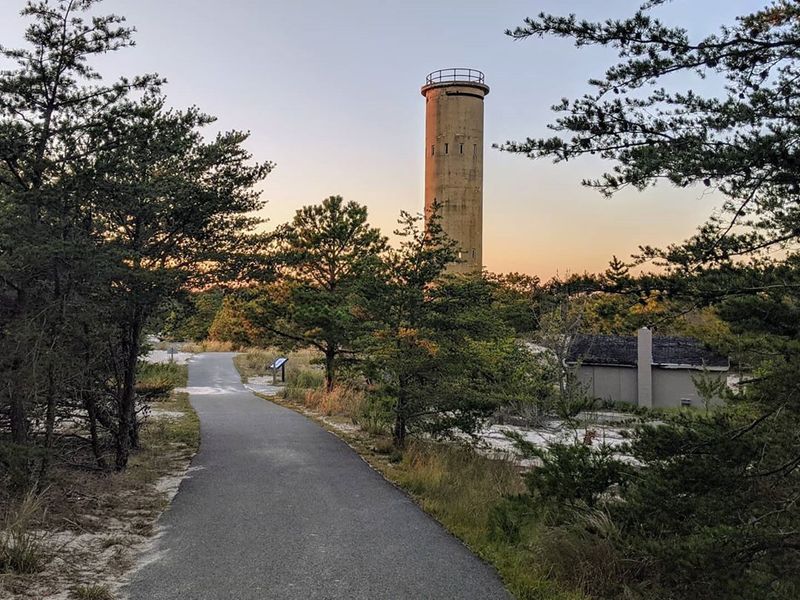
Cape Henlopen holds the distinction of being one of the earliest public lands designated in the United States, set aside by William Penn in 1682. The park covers 5,450 acres where Delaware Bay meets the Atlantic Ocean, and its history as a military site stretches from the Revolutionary War all the way through the Cold War era.
During World War II, the area became Fort Miles, a significant coastal defense installation. Concrete observation towers, some reaching 90 feet tall, and underground bunkers still stand throughout the park today, with Battery 519 converted into a museum. The park officially became a state park in 1964 and now offers beaches, camping, a fishing pier, and miles of trails.
The folklore attached to Cape Henlopen is as extensive as its history. The Corpse Light legend describes a phantom beacon that has reportedly lured ships onto the shoals for centuries, with the 1655 wreck of the Devonshireman cited as one early example. The Sea Witch said to guard the DeBraak shipwreck, the ghost of Captain James Drew, and an old soldier reportedly haunting the area near World War II observation Tower 12 all contribute to a paranormal reputation that rivals any destination on this list.
9. Woodburn, Dover, Delaware
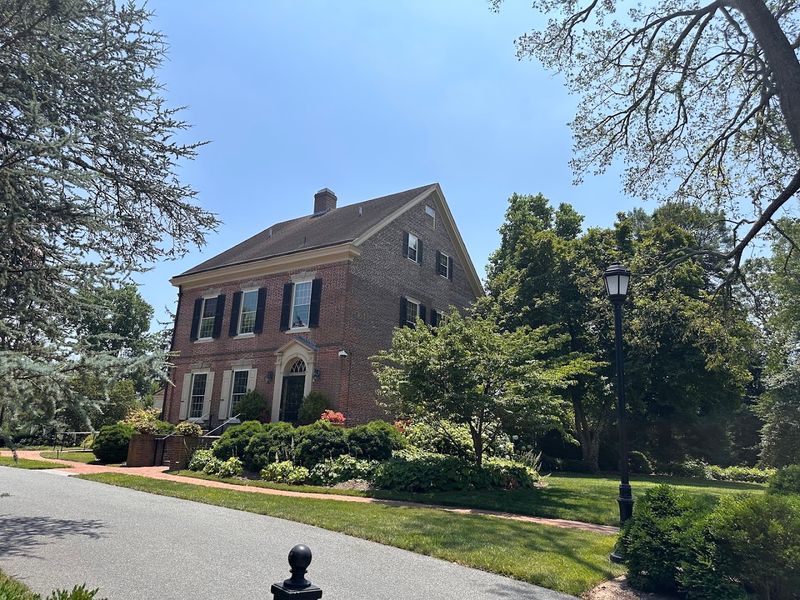
Built around 1790 by Charles Hillyard III, Woodburn is Delaware’s official governor’s residence and one of the most architecturally significant Georgian homes in the state. The property carries a distinguished history that includes its use as a stop on the Underground Railroad under the ownership of Quaker abolitionists Daniel and Mary Cowgill, who freed their enslaved workers and sheltered freedom seekers in the great hall.
The State of Delaware purchased the mansion in 1965, and First Lady Jessica Irby Terry oversaw its restoration with period furnishings before it opened to the public in 1966. It was added to the National Register of Historic Places in 1972, and its grounds feature mature crepe myrtles, boxwoods, and towering poplar trees that have stood for generations.
Charles Hillyard III himself is reportedly the most active of Woodburn’s several resident spirits, often called the wine ghost because previous occupants have found glasses left in the dining room inexplicably empty by morning. A raider connected to the Underground Railroad era is said to haunt the front poplar tree, while the Girl in the Gingham Dress, a playful young apparition, reportedly made a memorable appearance at Governor Michael Castle’s 1985 inauguration, tugging at guests and drifting through the reception hall.
10. Addy Sea Historic Oceanfront Inn, Bethany Beach, Delaware
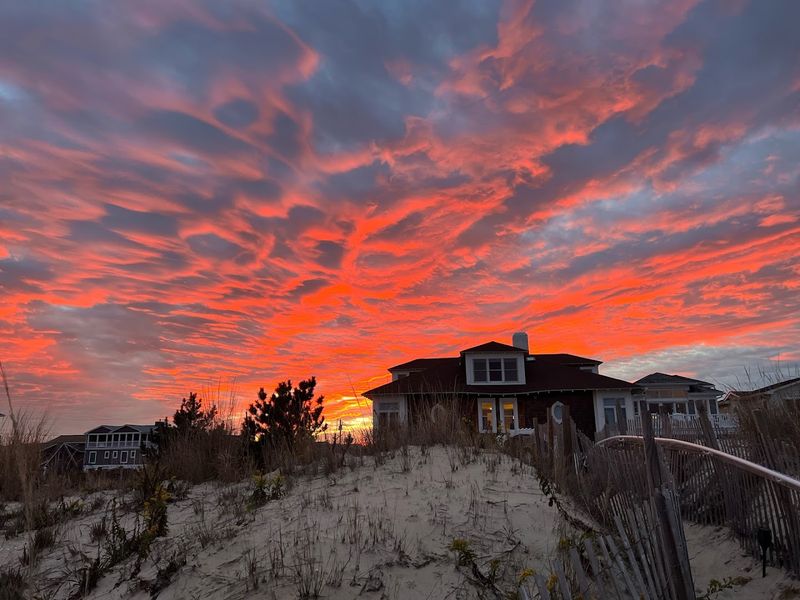
John M. Addy built this Victorian retreat between 1901 and 1904 as a family summer home, and it made an immediate impression on Bethany Beach by being the first local building equipped with indoor plumbing and gaslights. The cedar-shingled structure with its wraparound porches and gingerbread trim has retained most of its original character across more than a century of ownership changes.
When coastal erosion threatened the property in 1927, the entire building was relocated westward using manpower, mules, and logs, which is a feat of determination that says a lot about how much people valued it. The Great Depression prompted the Addy family to begin renting rooms, and the transition to a bed and breakfast was underway. Today it operates as an adult-only coastal inn with 12 to 16 rooms furnished with antiques.
The paranormal activity reported here is remarkably room-specific. Room 1’s copper bathtub has reportedly shaken violently without explanation. Room 6 is associated with organ music heard by guests despite no instrument existing on the premises. Room 11 is linked to Paul Dulaney, a former handyman whose apparition sits on the bed and whose presence is blamed for phones switching off and tub jets activating on their own.
Kurty Addy’s footsteps on the roof round out a guest experience that goes well beyond ocean views.
Share this story