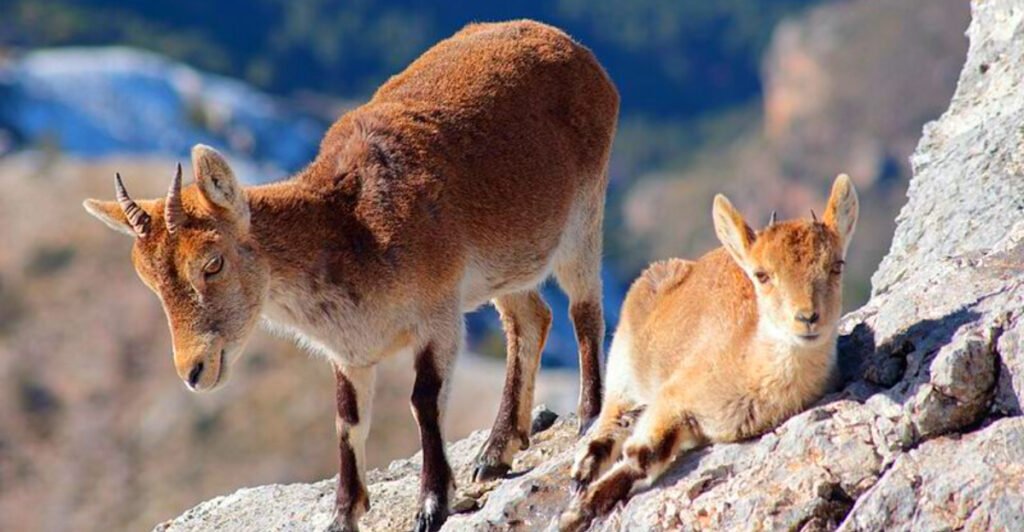
Somewhere high above the tree line, a wild goat is doing something that should be physically impossible. It is balanced on a cliff face so steep that even experienced climbers would hesitate, its split hooves gripping the rock with almost mechanical precision. The ibex has been pulling off these gravity-defying stunts for thousands of years, and a handful of mountain regions around the world still offer the rare chance to witness it firsthand. From the glaciated Alps of Italy and France to the sun-blasted deserts of Israel and Jordan, and all the way to the remote plateaus of Mongolia and Pakistan, these 13 protected wild places remain true strongholds for some of the most sure-footed animals on the planet.
Each one tells a different story about landscape, conservation, and the stubborn survival of a species that simply refuses to be pushed off the edge.
1. Gran Paradiso National Park, Cogne, Aosta Valley, Italy
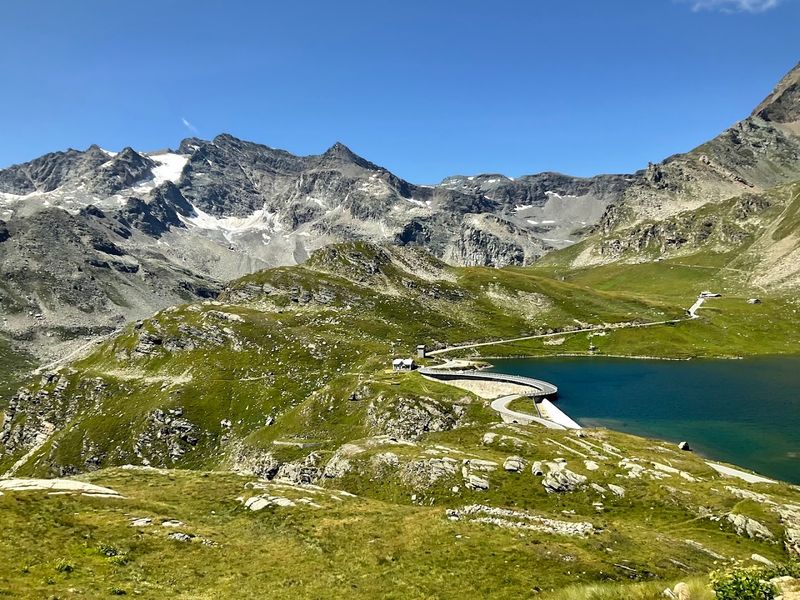
Every Alpine ibex alive in Europe today traces its ancestry back to one park. Gran Paradiso is the reason the species still exists at all, having sheltered the last surviving population when hunting had reduced numbers to just a few dozen animals in the early 1800s. King Victor Emmanuel II stepped in with a royal hunting reserve declaration in 1856, and Italy formalized the protection in 1922 when Gran Paradiso became the country’s first national park.
The recovery since then has been remarkable, with the population rebounding to thousands of individuals across the Graian Alps. The park covers 703 square kilometers, includes 57 glaciers, and reaches its peak at 4,061 meters on Gran Paradiso mountain itself. Trails like the multi-day Alpine Ibex Trail wind through meadows, scree fields, and glacial lakes. Rifugio Vittorio Sella is a particularly reliable spot for watching ibex, chamois, and marmots in close proximity.
2. Swiss National Park, Zernez, Graubünden, Switzerland
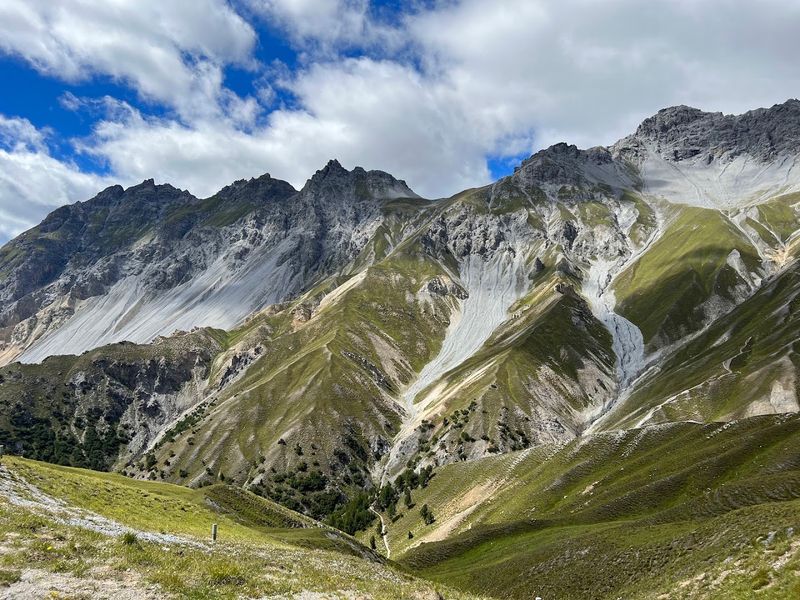
Switzerland’s oldest national park operates on a simple and strict principle: nature runs the show. Established in 1914, this 170-square-kilometer reserve in Graubünden allows natural processes to unfold without human interference, making it one of the most genuinely wild landscapes in the entire Alps. Around 300 ibex roam its terrain, and researchers have been radio-tracking them since 2003 to better understand their seasonal movements.
One curious behavioral detail sets this population apart from others: older male ibex here undertake long migrations before the mating season, a pattern not recorded in Austria’s Hohe Tauern population. The Macun region above Lavin is particularly known for ibex sightings, where open slopes and rocky ridgelines give the animals plenty of room to operate. Trails cross forests, scree, and open alpine terrain, rewarding patient visitors with those unmistakable curved horns silhouetted against the skyline.
3. Vanoise National Park, Chambéry, Auvergne-Rhône-Alpes, France
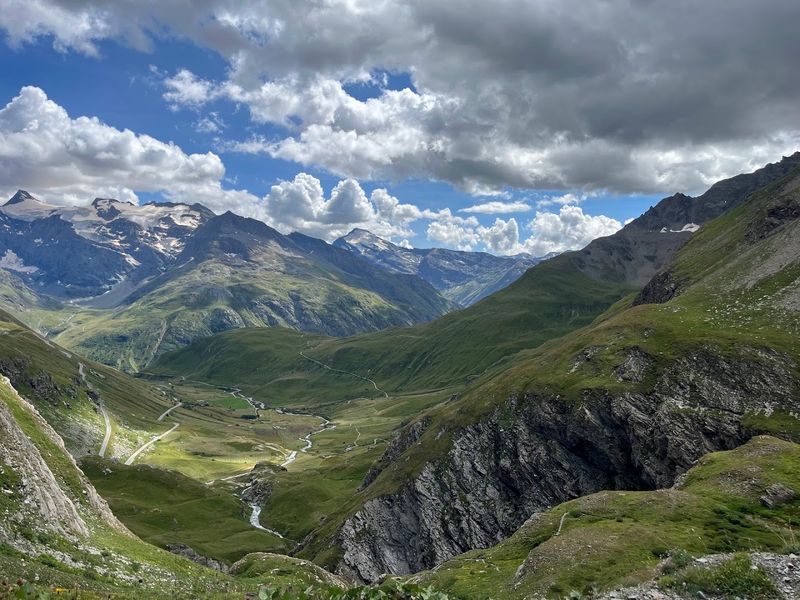
France created Vanoise National Park in 1963 with one primary goal: save the Alpine ibex. The park has delivered on that mission ever since, maintaining a thriving ibex population across its high valleys and rocky escarpments. What makes Vanoise especially powerful as a conservation zone is its seamless connection with Italy’s Gran Paradiso, forming a combined protected area of 270,000 hectares where animals can cross the border freely.
The park’s landscape includes 107 peaks above 3,000 meters, extensive glaciers, and high-altitude lakes, all linked by 600 kilometers of trails. Ibex here regularly reach elevations of 3,300 meters during summer, grazing on pastures that other herbivores tend to avoid. Their specially designed hooves, combining elastic pads with hard outer edges, give them traction on surfaces that would send most animals sliding. Golden eagles, chamois, and marmots round out an already impressive wildlife roster.
4. Hohe Tauern National Park, Mittersill, Salzburg, Austria
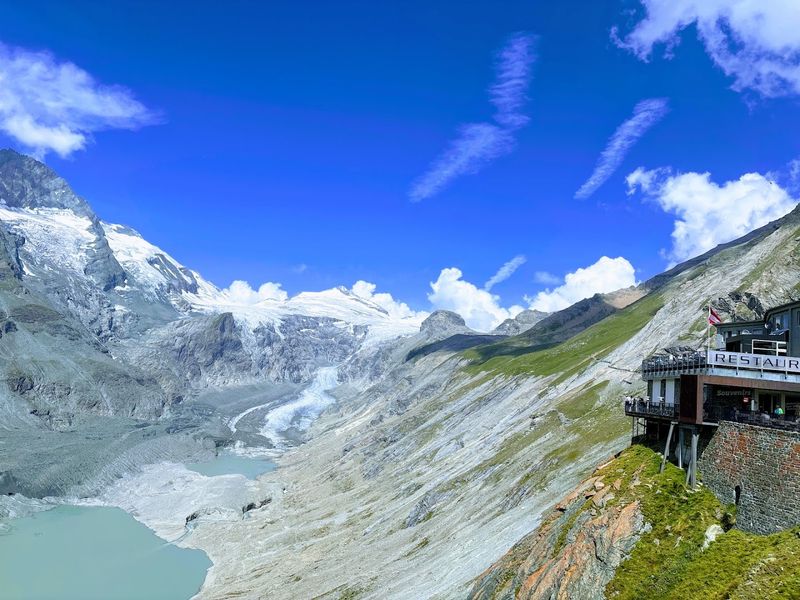
Austria’s largest national park did not always have ibex. Reintroduction efforts began here in the 1960s, and today an estimated 1,100 animals roam the park and its surrounding terrain, navigating a landscape dominated by glaciers, deep valleys, and some of the country’s most imposing summits, including Großglockner at 3,798 meters. The park even maintains a dedicated Ibex House in Heiligenblut, an interpretive center focused entirely on the species and its mountain world.
Long-term radio-tracking studies launched in 2005 continue to monitor how these animals use the landscape and how climate change may shift their movements over time. Like their Swiss counterparts, Hohe Tauern ibex tend to favor south and southwest-facing slopes where snow melts earlier. With over 1,100 kilometers of hiking trails, the park offers rewarding exploration even when the ibex are keeping to higher ground. Bearded vultures and lynx add extra intrigue to the wildlife mix.
5. Mercantour National Park, Saint-Martin-Vésubie, Provence-Alpes-Côte d’Azur, France
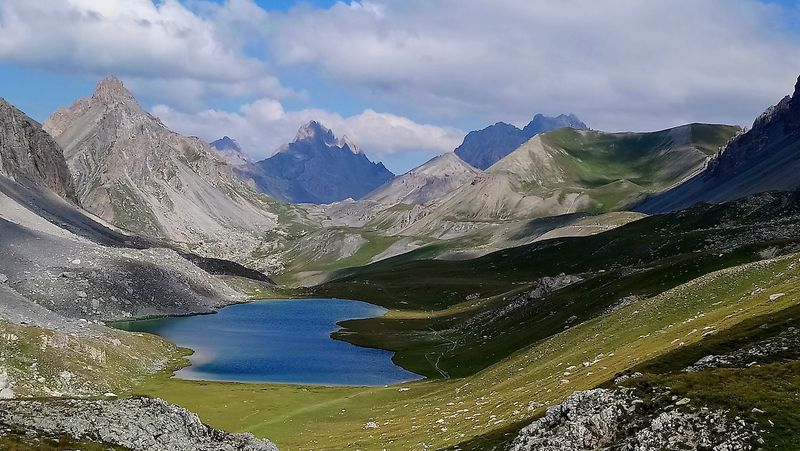
Mercantour sits at a fascinating geographic crossroads, where the high Alps begin their gradual lean toward the Mediterranean coast, creating a landscape unlike anywhere else in France. The park’s ibex population stands at approximately 1,800 individuals, a direct result of reintroduction programs running from 1987 to 2006, with 19 additional animals released into the Vesubie Valley in 2021 specifically to boost genetic diversity.
These ibex are specialists of rugged cliff faces, preferring south-facing rock walls where snow clears quickly and grazing becomes accessible earlier in the season. They share the park with chamois, mouflon, marmots, wolves, and golden eagles across a landscape of glacial lakes, larch forests, and high rocky summits. The Vallee des Merveilles adds a completely unexpected dimension, containing over 100,000 prehistoric rock engravings at the foot of Mont Bego. The combination of wildlife, scenery, and ancient history makes Mercantour one of the Alps’ most layered destinations.
6. Triglav National Park, Bled, Upper Carniola, Slovenia
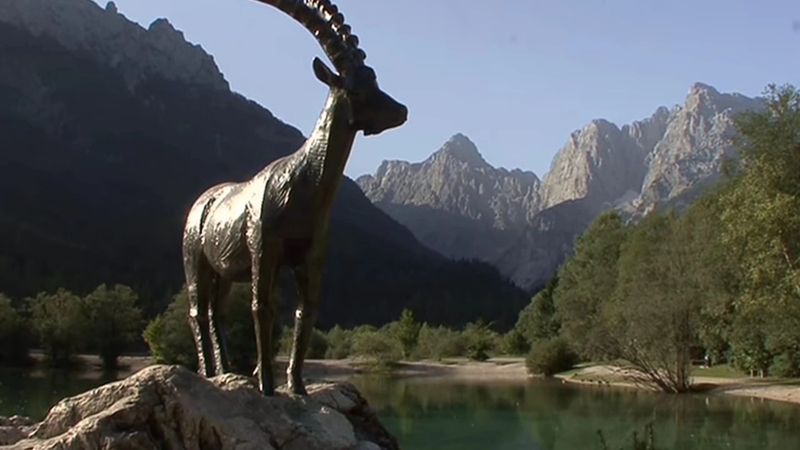
Slovenia’s only national park has a complicated history with its ibex. The species was wiped out here in the 17th century, then carefully reintroduced starting in 1964, with the first releases in the Zadnjica Valley near Trenta. All of those reintroduced animals descended from the Gran Paradiso population in Italy, making that Italian park the genetic source for ibex recovery across much of Europe.
Today, around 300 ibex inhabit the Julian Alps within Slovenia, concentrated in remote high-altitude terrain around peaks like Triglav, Jalovec, and Mangart. Recent genetic research confirmed that ibex are actually indigenous to Slovenia, adding scientific weight to ongoing conservation efforts. The park itself spans a dramatic mix of turquoise rivers, glacial lakes, deep gorges, and alpine ridges. Forests of beech, spruce, and larch cover two-thirds of its territory, while the Kriski Podi plateau is specifically recognized as a reliable area for ibex sightings.
7. Sierra de Gredos Regional Park, Hoyos del Espino, Castile and León, Spain
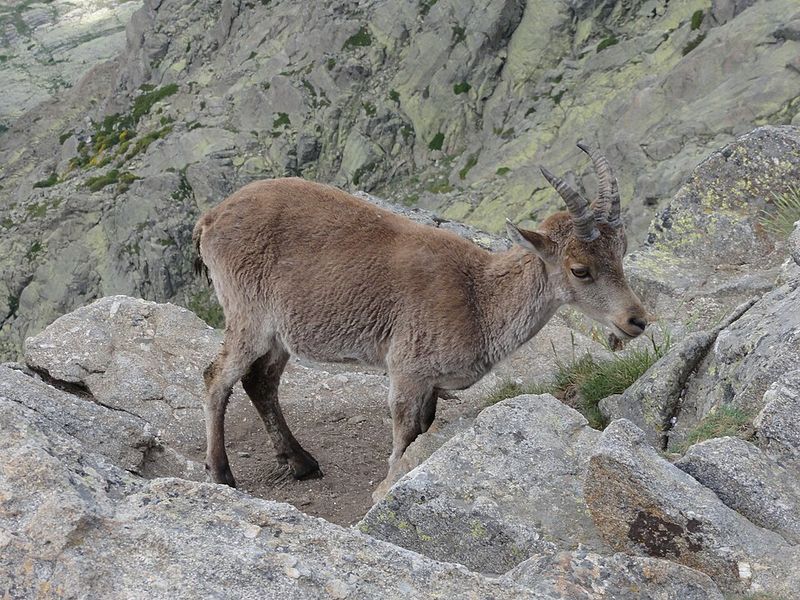
A century ago, the Gredos ibex was almost gone. Relentless hunting by Spanish nobility had pushed the species to the edge, until King Alfonso XIII declared the central massif a Royal Hunting Reserve in 1905 and banned hunting outright. That decision proved transformative, and the Sierra de Gredos now supports the largest population of Spanish ibex on the Iberian Peninsula, with estimates ranging from 5,000 to 8,000 individuals.
Male Gredos ibex are hard to miss, weighing up to 120 kilograms and carrying magnificent lyre-shaped horns that curve and spiral beyond 180 degrees. Herds of 60 to 80 animals are sometimes spotted in spring, while autumn brings solitary males ranging widely in search of females. The trail toward Laguna Grande and the Circo de Gredos passes through some of the park’s finest granite scenery, with exposed rock faces and glacial landforms providing exactly the terrain these animals prefer. Dawn is often the best time to spot ibex at lower elevations.
8. Sierras de Cazorla, Segura y Las Villas Natural Park, Cazorla, Andalusia, Spain
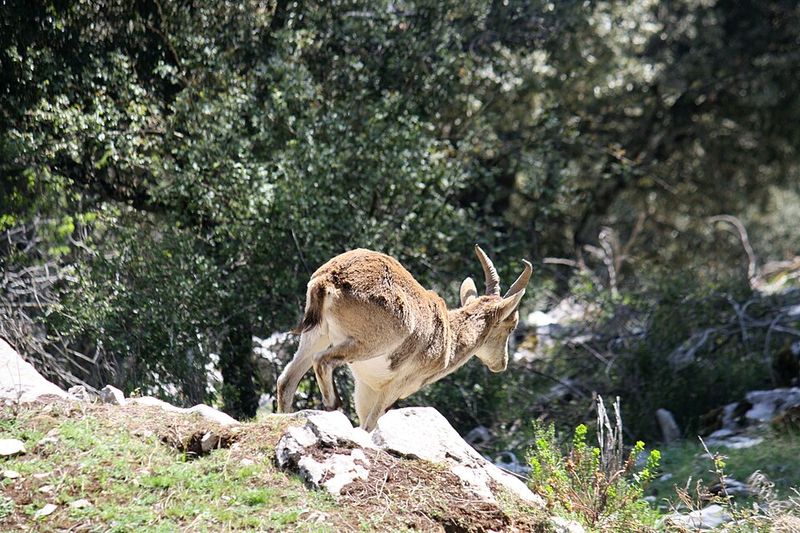
Covering 200,000 hectares of northeastern Jaen Province, this is one of Spain’s largest and most biologically rich protected areas, and the Iberian ibex is among its most visible residents. Around 2,500 ibex live within the Cazorla region, frequently seen balanced on limestone ledges in a way that makes the whole enterprise look effortless. Dawn and dusk are the most reliable windows for spotting them, when the animals move more actively across open terrain.
The park is also the headwater source for two of Spain’s longest rivers, the Guadalquivir and the Segura, and its flora includes over 2,200 cataloged species, at least 35 of which exist nowhere else. Red deer, wild boar, golden eagles, and griffon vultures share the landscape with the ibex, creating one of southern Spain’s most rewarding wildlife destinations. Villages like Cazorla and La Iruela provide comfortable bases, and scenic drives through the park’s valleys make even a casual visit feel like a genuine expedition.
9. Dana Biosphere Reserve, Dana, Tafilah Governorate, Jordan
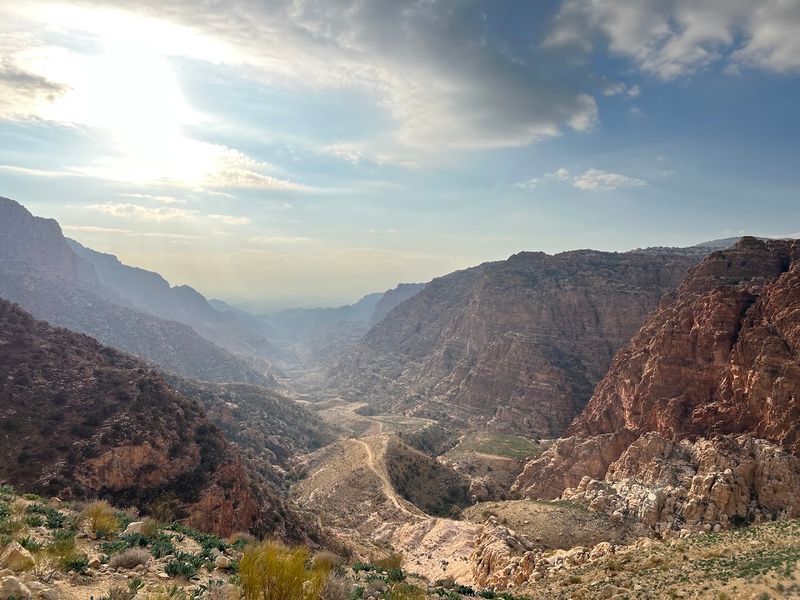
Jordan’s largest nature reserve descends through one of the most dramatic elevation changes in the Middle East, dropping from forested highland plateaus at over 1,500 meters all the way down to the desert lowlands of Wadi Araba. This geological range creates a chain of distinct ecosystems within a single protected area, from Mediterranean woodlands and juniper forests to arid sandstone canyons and open desert. Nubian ibex navigate the sandstone cliffs and broken terrain throughout, though their shy nature means sightings require genuine patience.
The reserve faces real conservation challenges. The Nubian ibex here is classified as vulnerable, and ongoing habitat pressures make Dana’s protection efforts especially important. Hiking routes near Rummana camp and along Wadi Dana reveal just how vast and varied the landscape really is, passing ancient ruins, diverse plant communities, and cliff faces that provide refuge for ibex, wolves, and sand partridges. This is a reserve that rewards slow, attentive exploration far more than a quick drive-through.
10. Simien Mountains National Park, Debark, Amhara Region, Ethiopia
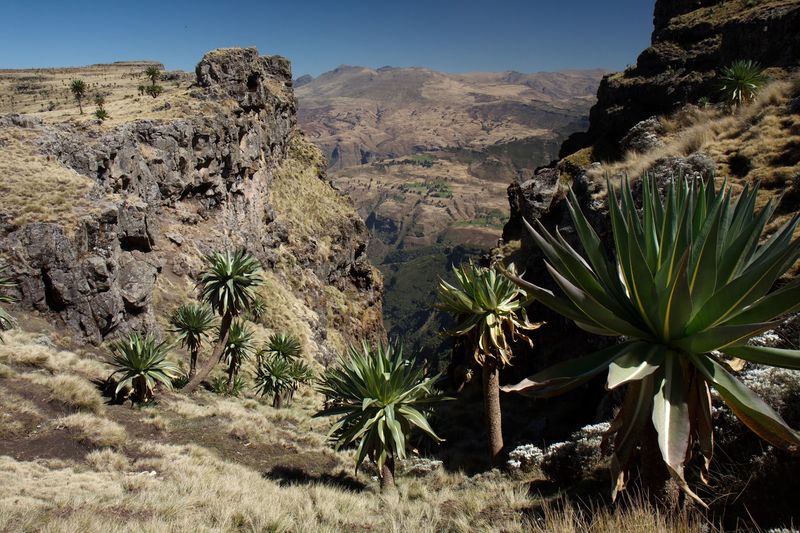
No other place on Earth can claim what the Simien Mountains offer: the only wild population of Walia ibex in existence. These animals live nowhere else, occupying grassy ledges and massive escarpments at elevations between 2,500 and 4,500 meters. The situation is genuinely urgent. The population peaked at 865 individuals in 2015 but fell to just 306 by May 2024, prompting a reclassification to critically endangered in 2026.
The park was originally established in 1966 specifically to protect the roughly 200 Walia ibex remaining at that time, and it has since been recognized as a UNESCO World Heritage Site for its extraordinary biodiversity and high levels of endemism. Gelada monkeys graze the same escarpments in enormous troops, and Ethiopian wolves, the rarest canid species on the planet, patrol the high grasslands. Chennek camp is widely regarded as the most reliable base for observing Walia ibex on their cliff ledges. The scenery alone, with precipices dropping over a thousand meters, is reason enough to make the journey.
11. Khunjerab National Park, Upper Hunza, Gilgit-Baltistan, Pakistan
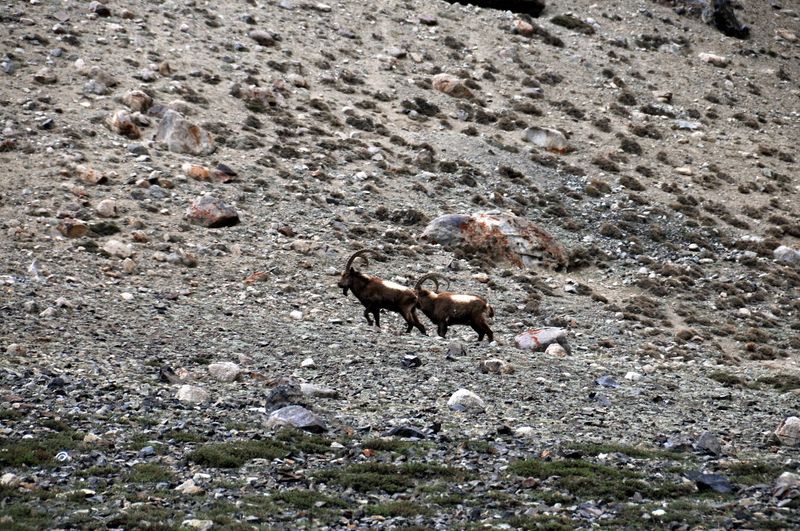
Perched in the Karakoram at altitudes where more than half the park sits above 4,000 meters, Khunjerab is one of Pakistan’s most remote and spectacular protected areas. Established in 1975, it shares a border with China’s Taxkorgan Natural Reserve, creating a cross-boundary zone of high-altitude wilderness. Over 1,000 Siberian ibex are widely distributed across the park’s alpine slopes, making them one of its most consistently present large mammals.
The Karakoram Highway, often called the eighth wonder of the world for its engineering audacity, passes directly through the park and provides access to scenery that would otherwise require serious mountaineering. Eleven dedicated wildlife crossings have been built along the highway specifically to allow ibex safe passage without disruption from traffic. Marco Polo sheep and snow leopards share the terrain, though the leopards remain elusive. The Khunjerab Pass at 4,693 meters marks the world’s highest paved international border crossing, and standing there gives a clear sense of just how extreme this landscape really is.
12. Sierra Nevada National Park, Granada, Andalusia, Spain
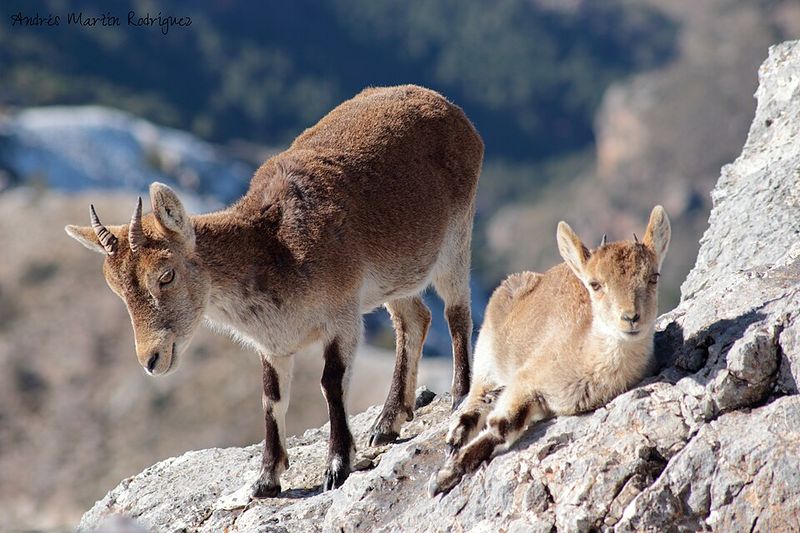
Europe’s southernmost major mountain range is home to the most numerous Iberian ibex population on the peninsula, with an estimated 16,000 individuals spread across its ridges and ravines. That number is not an accident. Sierra Nevada’s varied terrain, ranging from snowy high summits to dry Mediterranean foothills, creates a wide range of habitats that suit these adaptable animals across every season.
Population density has increased dramatically over recent decades, rising from 1.29 individuals per square kilometer in 1960 to 11.68 by 2012, reflecting consistent conservation success. The highest peaks, Mulhacen at 3,479 meters and Veleta at 3,398 meters, regularly host ibex above 2,400 meters in elevation. During summer, park shuttle buses run to high points like Hoya de la Mora, giving visitors easier access to prime ibex territory. The park spans roughly 172,000 hectares and presents a visual character that feels genuinely unlike anywhere else in Spain.
13. Altai Tavan Bogd National Park, Ölgii, Bayan-Ölgii Province, Mongolia
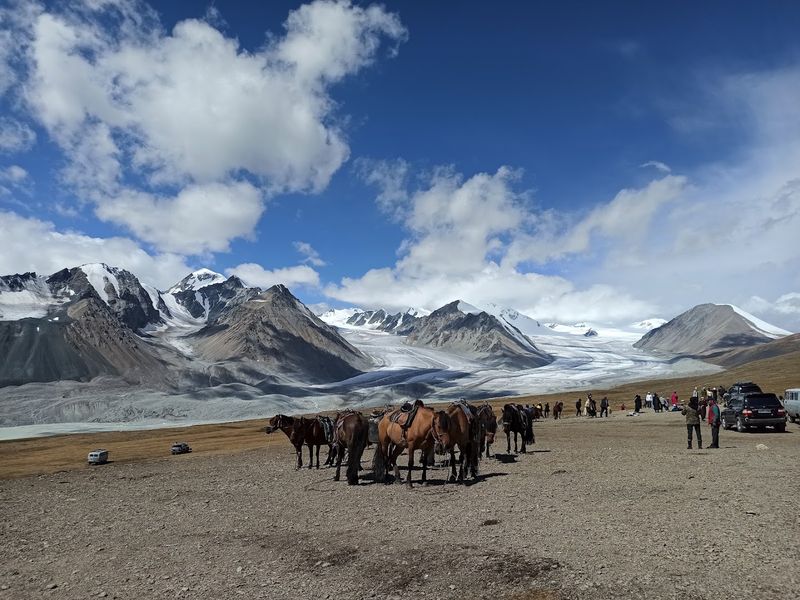
Mongolia’s western edge holds some of the most genuinely remote mountain scenery on the planet, and Altai Tavan Bogd protects the finest of it. Siberian ibex here are stocky, heavily built animals with long chin beards and scimitar-shaped horns, built for the open, precipitous terrain above the tree line. In summer they range up to 5,000 meters; in winter they descend to lower slopes where forage is more accessible beneath the snow.
The park’s highest point is Khuten Peak at 4,374 meters, and it contains the Potanin Glacier, Mongolia’s longest. Roughly 96 percent of Mongolia’s glaciers sit within the Altai range, making this one of Central Asia’s most significant ice reserves. Snow leopards, argali sheep, and wolves share the landscape with the ibex. Ancient petroglyphs dating back 2,500 to 3,000 years appear throughout the terrain, and living Kazakh nomadic communities in Bayan-Olgii still practice traditional eagle hunting.
Trekking and horseback riding remain the most authentic ways to explore the park’s vast and varied interior.
Share this story