Some of the best places in America are not on the usual tourist trail. They don’t have giant billboards, packed parking lots, or hour-long lines.
What they do have is real character, local pride, and the kind of charm that feels like a genuine find rather than a packaged experience. These are the towns where locals quietly hope the crowds never show up, because once a place gets too popular, it starts to lose the very thing that made it special.
From mountain villages in the Southwest to coastal gems on the East Coast, this list covers twelve towns that reward the curious traveler. Whether you’re looking for history, outdoor adventure, art, or just a slower pace of life, each of these places offers something genuinely worth the detour.
Bisbee, Arizona
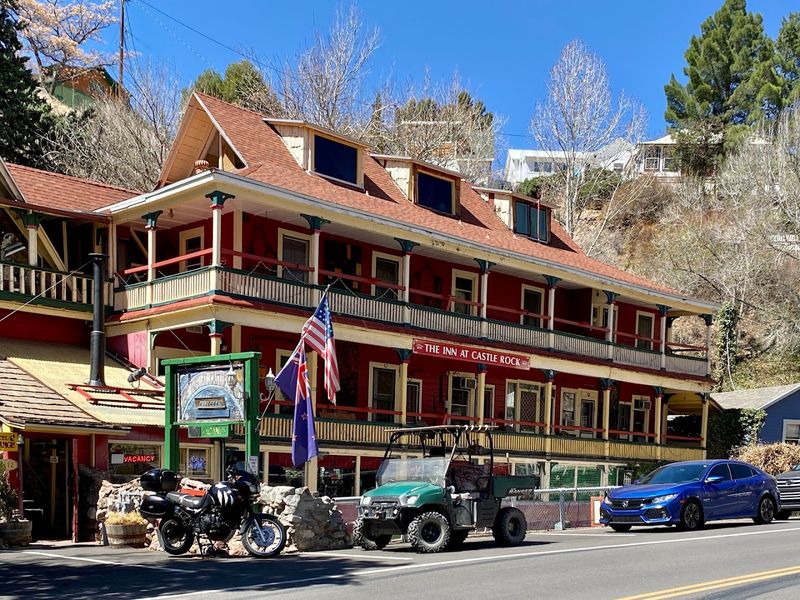
Perched in the Mule Mountains at nearly 5,500 feet, Bisbee looks like it was built by someone who ran out of flat land and just kept going uphill. The city’s streets zigzag up steep slopes, connecting rows of preserved buildings that date back to its copper mining heyday in the late 1800s and early 1900s.
Today, Bisbee operates as a working artist community with galleries, independent shops, and restaurants tucked into buildings that have stood for over a century. The Bisbee Mining and Historical Museum, affiliated with the Smithsonian Institution, covers the town’s industrial past with detailed exhibits and artifacts.
The Queen Mine Tour takes visitors underground into the actual copper mine that built the city, offering a first-hand look at what life was like for miners who worked those tunnels. Bisbee is one of those rare places where the history is not behind glass but literally built into the walls around you.
Mineral Point, Wisconsin
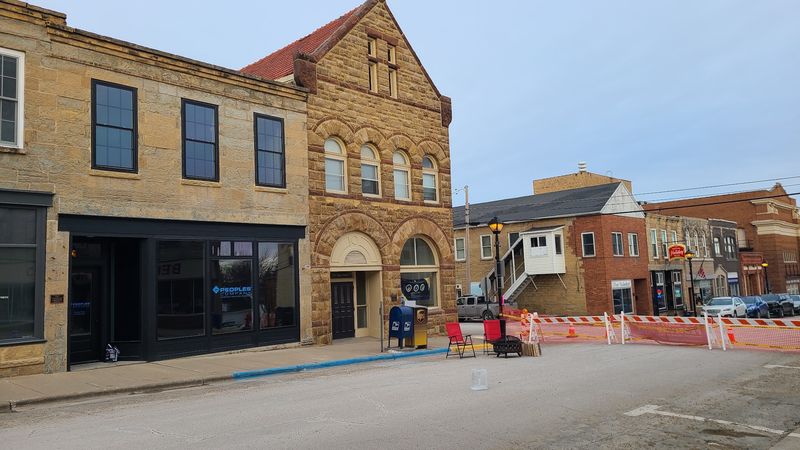
Mineral Point carries a motto that tells you everything you need to know: Rooted in Land, Crafted by Hand. This small Wisconsin town in the Driftless Area has built its identity around craftsmanship, arts, and a history that stretches back to the lead mining era of the 1820s.
The town’s Shake Rag Street is lined with limestone buildings constructed by Cornish miners who came to Wisconsin in search of work, and several of those structures have been preserved as part of Pendarvis, a State Historic Site managed by the Wisconsin Historical Society.
Beyond history, Mineral Point has a lively creative scene with working studios, pottery makers, painters, and specialty shops operating year-round. The Mineral Point Chamber organizes retreats, seasonal events, and local experiences that keep the calendar active across all four seasons.
It is a small town that takes its identity seriously, and that seriousness shows in every corner of it.
Ste. Genevieve, Missouri
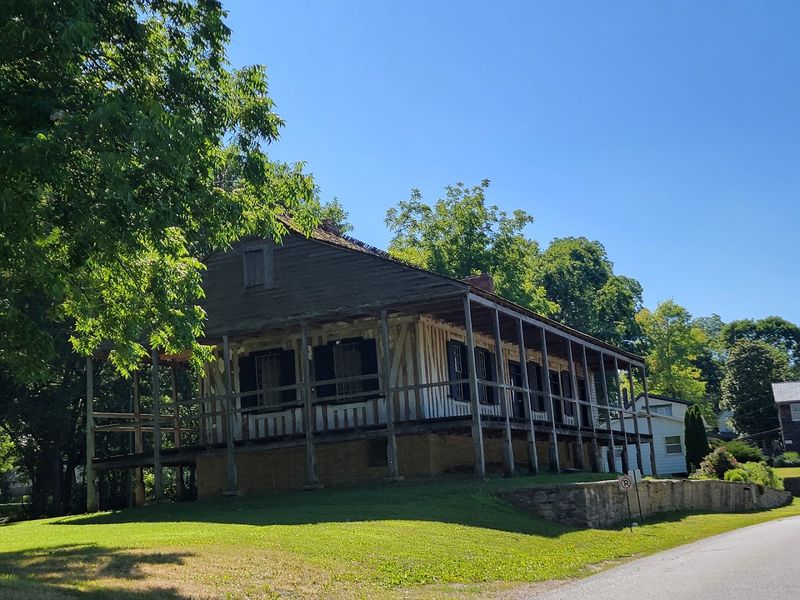
Founded in the 1750s, Ste. Genevieve is the oldest permanent European settlement in Missouri, and it wears that distinction with quiet confidence.
The town’s French Colonial architecture is unlike anything else in the Midwest, with vertical-log construction techniques that are extremely rare in the United States.
Several of those original structures still stand today and are open for tours, making Ste. Genevieve one of the most intact examples of French Colonial heritage anywhere in the country.
The town was designated a National Historic Landmark District, and the National Park Service operates the Ste. Genevieve National Historical Park with ranger-led programs and exhibits.
Beyond the history, the official tourism site lists walking routes, state parks, festivals, restaurants, and local shops as active parts of the visitor experience. The Great River Road runs nearby, adding a scenic driving option for those who want to pair the town with a stretch of Mississippi River views on either side.
New Harmony, Indiana
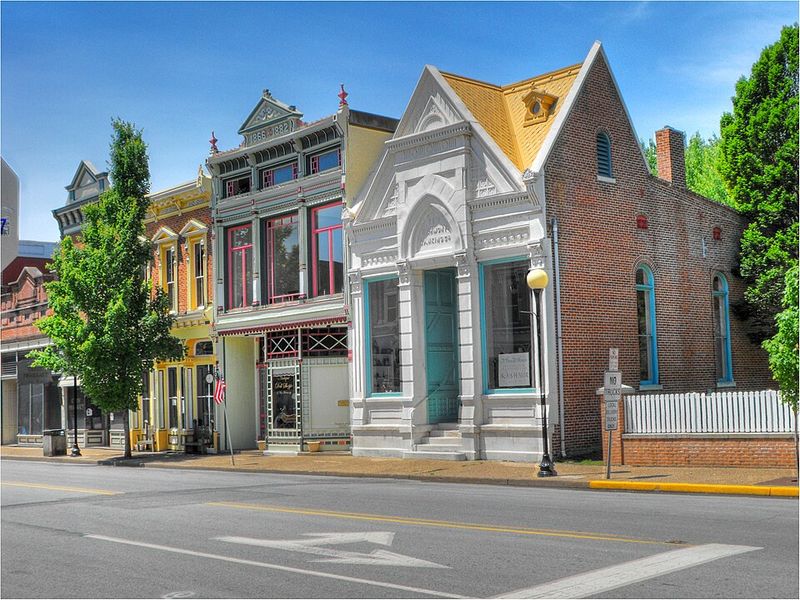
New Harmony has been drawing thinkers, artists, and idealists since the early 1800s, when it served as the site of two separate utopian community experiments. That legacy of intentional living and creative thought still shapes the town’s atmosphere in ways that feel genuinely different from a typical small-town visit.
The official visitor site describes New Harmony as a destination for creative inspiration and rejuvenation, and the infrastructure backs that up. History tours cover the town’s two utopian periods, and the Roofless Church, designed by architect Philip Johnson, stands as one of the more unexpected architectural landmarks in the entire state of Indiana.
Riverfront trails along the Wabash River offer easy walking with views of the surrounding landscape. Farm visits, local wellness experiences, and recreation options fill out the calendar.
New Harmony is compact enough to cover on foot in a day, but most visitors find that it rewards a slower pace and a longer stay than originally planned.
Port Townsend, Washington
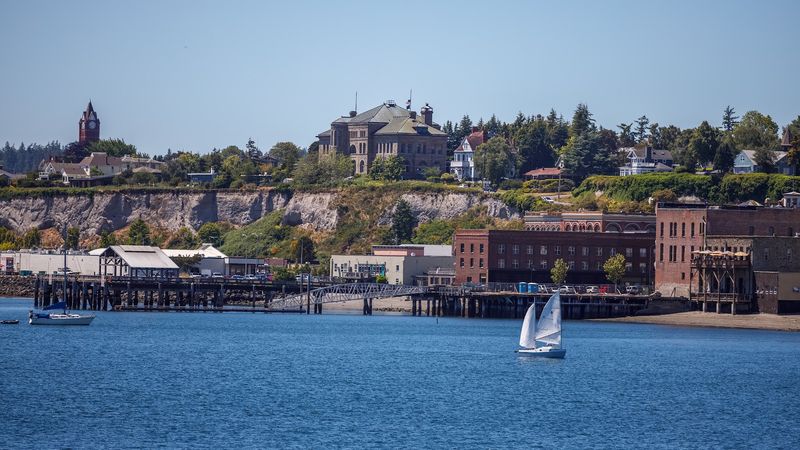
Port Townsend sits at the northeastern tip of the Olympic Peninsula, where the water seems to be everywhere you look. The town’s Victorian-era commercial district and upper residential bluff give it an architectural character that earned it a designation as one of only three Victorian seaports in the country on the National Register of Historic Places.
Fort Worden State Park, located just north of downtown, covers over 400 acres with beaches, trails, historic military buildings, and waterfront access. The park also hosts arts programs and events through Centrum, a nonprofit organization that brings musicians, writers, and artists to the peninsula year-round.
The official tourism site promotes Port Townsend as a destination with beaches, festivals, dark-sky viewing, dining, and a maritime legacy that still shapes daily life in the town. Ferries connect Port Townsend to Whidbey Island, adding a natural extension to any visit.
The combination of scenery, history, and outdoor access makes it a well-rounded stop on the Olympic Peninsula.
Shelburne Falls, Massachusetts
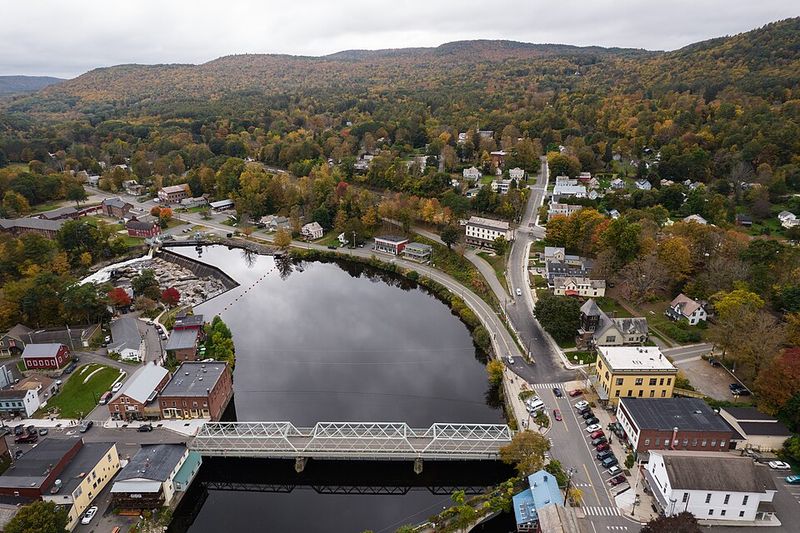
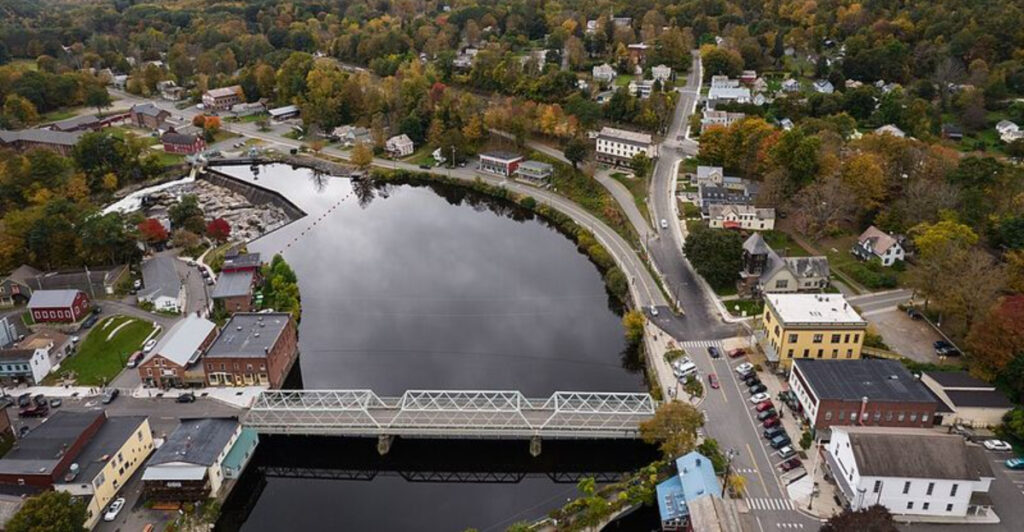
Not many towns can claim a trolley bridge converted into a garden, but Shelburne Falls is not most towns. The Bridge of Flowers is exactly what the name suggests: a former trolley bridge spanning the Deerfield River, now covered in hundreds of plant varieties maintained by the Shelburne Falls Women’s Club since 1929.
The bridge is open to foot traffic and free to visit, and it draws visitors from across New England each season when the plantings are at their peak. The 2026 season opened on April 1, even as some garden sections continue their ongoing transition and restoration work.
Beyond the bridge, Shelburne Falls has a small but lively village center with local shops, cafes, and the glacial potholes along the Deerfield River, which are a geological feature worth seeing on their own. The town sits in the Pioneer Valley region of western Massachusetts, making it an easy add to any drive through that part of the state.
Cloudcroft, New Mexico
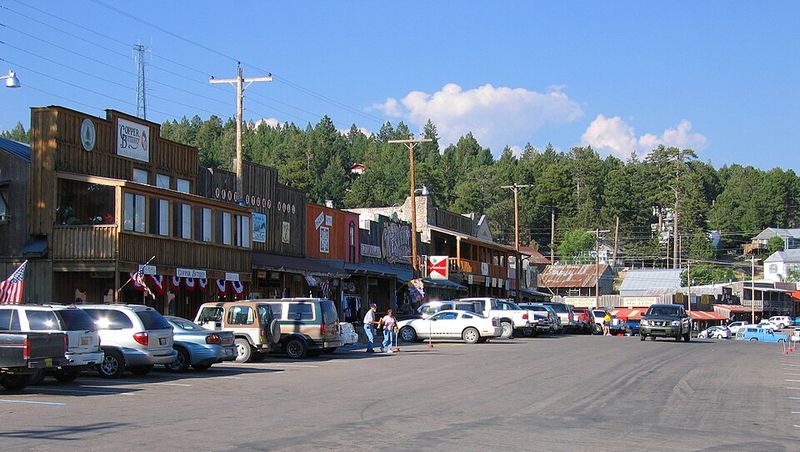
Most people picture desert when they think of New Mexico, which is exactly why Cloudcroft catches first-time visitors off guard. Sitting at around 8,650 feet in the Sacramento Mountains, this small village is surrounded by pine and spruce forest, with temperatures that run noticeably cooler than the desert towns just a few thousand feet below.
The Lincoln National Forest surrounds the area, offering trails, meadows, and scenic overlooks that draw hikers, mountain bikers, and nature photographers throughout the warmer months. In winter, Cloudcroft Mountain Park operates a ski area with slopes suited to beginners and families.
The village itself has lodging, dining, and shopping options that reflect the mountain-town character rather than a resort-town scale. The Lodge Resort, a historic property dating back to 1899, is one of the more distinctive accommodation options in southern New Mexico.
Cloudcroft works well as a day trip from Alamogordo or White Sands, but it also holds up as a destination on its own terms.
Jim Thorpe, Pennsylvania
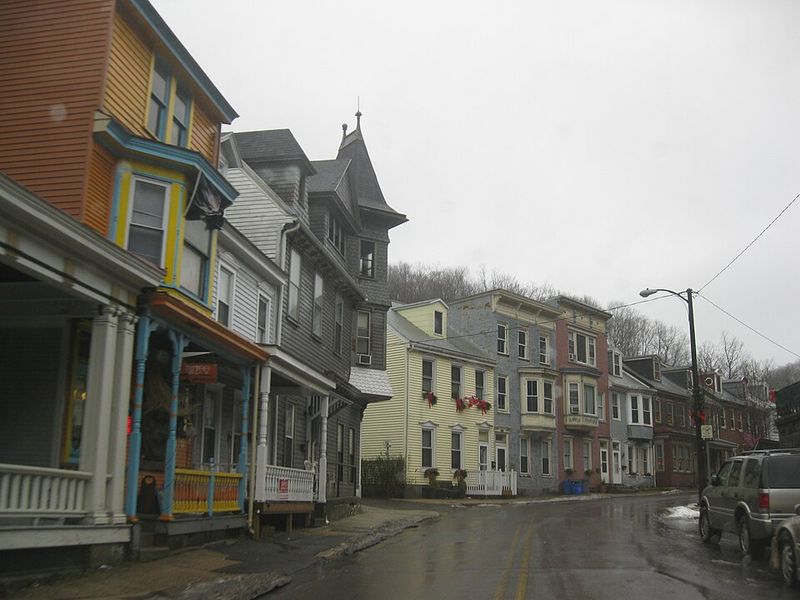
Named after the legendary Native American athlete in 1954, Jim Thorpe is a town that earns attention for its setting as much as its story. Nestled in a valley carved by the Lehigh River, the town’s Victorian-era architecture climbs the hillsides in a way that gives it a distinctly European feel, which is not a comparison most Pennsylvania towns invite.
The Asa Packer Mansion, a preserved Victorian home open for tours, offers a look at the lifestyle of one of the town’s most influential 19th-century figures. The adjacent Mauch Chunk Lake Park and the Lehigh Gorge State Park provide outdoor options that include hiking, cycling along the Lehigh Gorge Trail, and whitewater rafting on the Lehigh River.
The Pocono Mountains visitor site lists galleries, museums, entertainment venues, dining, and shopping as active parts of the current experience. Jim Thorpe also has a visitors center for trip planning.
It is a town that rewards walking slowly and looking up at the details around you.
Beaufort, North Carolina
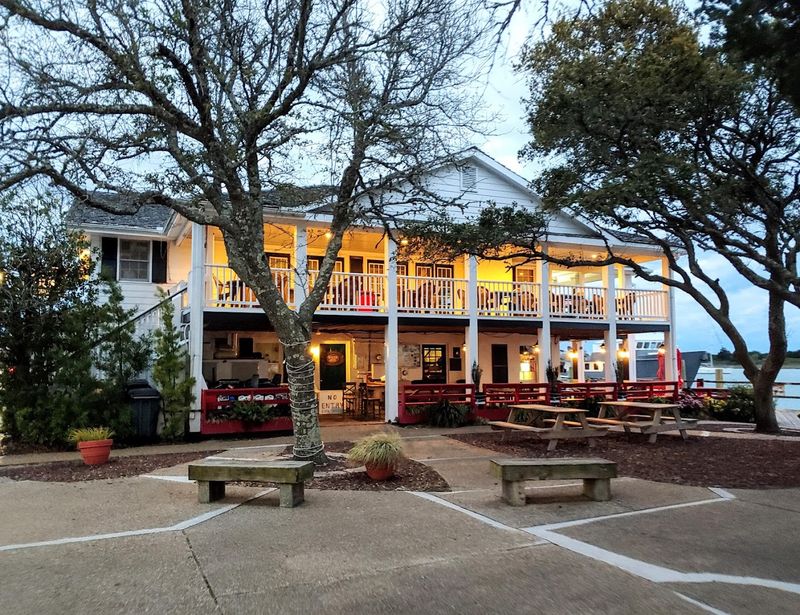
Beaufort is one of the oldest towns in North Carolina, incorporated in 1722, and the waterfront still carries that long maritime history in its bones. The town sits on the Crystal Coast, with the Rachel Carson Reserve just across Taylor’s Creek, where wild horses roam on an uninhabited island visible from the main street.
The Beaufort Historic Site operates with guided tours, historic structures, and a double-decker bus tour that covers the town’s layout and past. The site includes a 1796 courthouse, an old jail, an apothecary, and a restored 1800s home, all within walking distance of the waterfront.
Boutiques, restaurants, and marinas line Front Street, giving the town a relaxed but active energy that holds up across different seasons. Dolphin and wild horse boat tours run regularly from the waterfront, making it easy to get out on the water without a lot of advance planning.
Beaufort moves at its own pace, and that pace suits it well.
Salida, Colorado
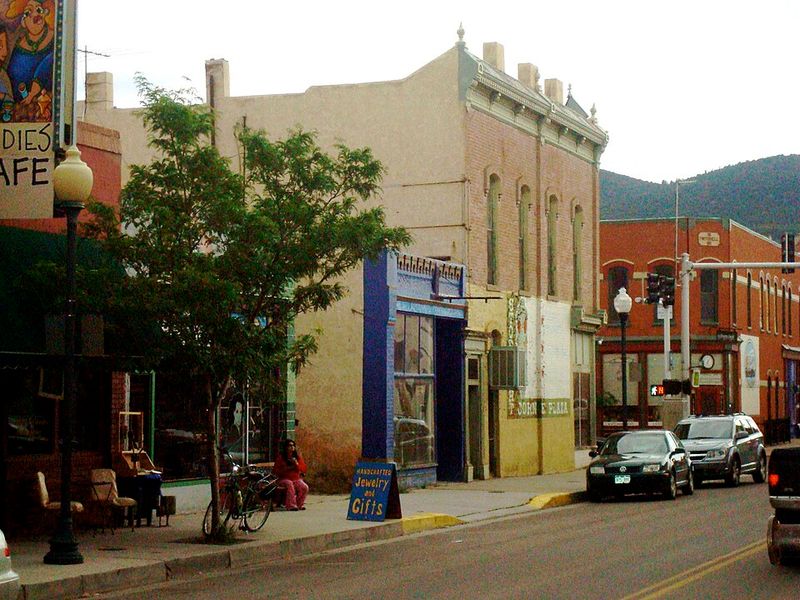
Salida punches well above its weight for a town of roughly 6,000 people. The official visitor site promotes it as home to Colorado’s largest arts district, a designation that carries real substance with over 50 galleries, studios, and arts-focused businesses operating in the downtown area known as SteamPlant and along F Street.
The outdoor credentials are just as serious. The Arkansas River runs through town, making it a hub for whitewater rafting that draws paddlers from across the region.
Monarch Mountain ski area is about 20 miles west, and nearby hot springs provide a natural recovery option after a day on the trails or river.
Several 14,000-foot peaks, known locally as 14ers, are accessible from Salida, giving serious hikers a clear reason to base camp here. The local chamber notes year-round activities, and the town’s calendar includes arts walks, festivals, and community events that keep it active across every season.
Salida is not a town that coasts on scenery alone.
Tubac, Arizona
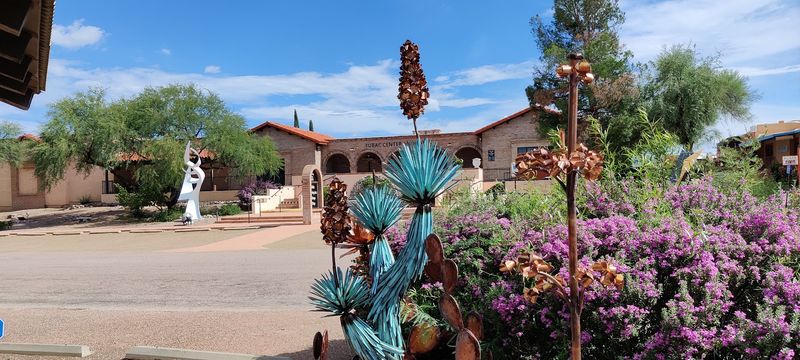
Tubac holds the distinction of being Arizona’s first European settlement, established as a Spanish presidio in 1752. That history is preserved at Tubac Presidio State Historic Park, the oldest state park in Arizona, where excavated ruins and museum exhibits tell the story of the site’s layered past under Spanish, Mexican, and American rule.
Today the town operates as a working art village with over 100 galleries, studios, and shops spread across a compact and walkable area. Fine art, folk art, jewelry, ceramics, and Southwestern crafts make up the bulk of what visitors find, and the quality tends to run higher than what you’d expect in a town this size.
The surrounding Santa Cruz River Valley adds outdoor options including hiking and birding along the Juan Bautista de Anza National Historic Trail. Visit Arizona also lists golf, spa experiences, and dining as part of the current visitor picture.
Tubac runs year-round, though the spring and fall seasons draw the largest numbers of art-focused visitors to the area.
McCloud, California
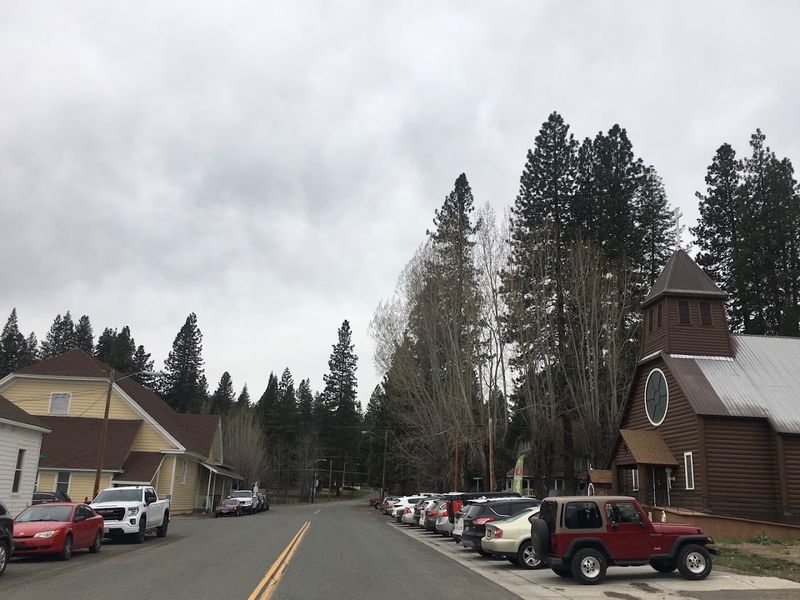
McCloud is the kind of place that feels like it belongs to an earlier chapter of California history. Built as a company timber town in the late 1800s, it retains a quiet, unhurried character that stands in contrast to the busier tourist corridors around Mount Shasta, just 10 miles to the north.
The McCloud River runs through the area with three distinct waterfalls, Lower, Middle, and Upper McCloud Falls, connected by a trail that offers one of the more rewarding short hikes in the region. Fishing in the McCloud River draws fly anglers who appreciate its cold, clear water and native trout populations.
The McCloud Chamber describes the town as a year-round destination with hiking, history, festivals, fishing, and cultural discovery on offer across all seasons. Visit California highlights the town’s natural beauty and its position as a quieter alternative for travelers drawn to the Mount Shasta area.
The historic downtown, including the McCloud Hotel and a renovated mercantile building, adds architectural interest to the natural surroundings.
Share this story