Some places on Earth have a season called summer. Others just have heat, all day, every day, with no real break in sight.
From scorching deserts to humid coastlines, these cities push the limits of what humans can handle outdoors. If you think your hometown gets hot, wait until you read about these places where the sun simply refuses to take a vacation.
Kuwait City, Kuwait
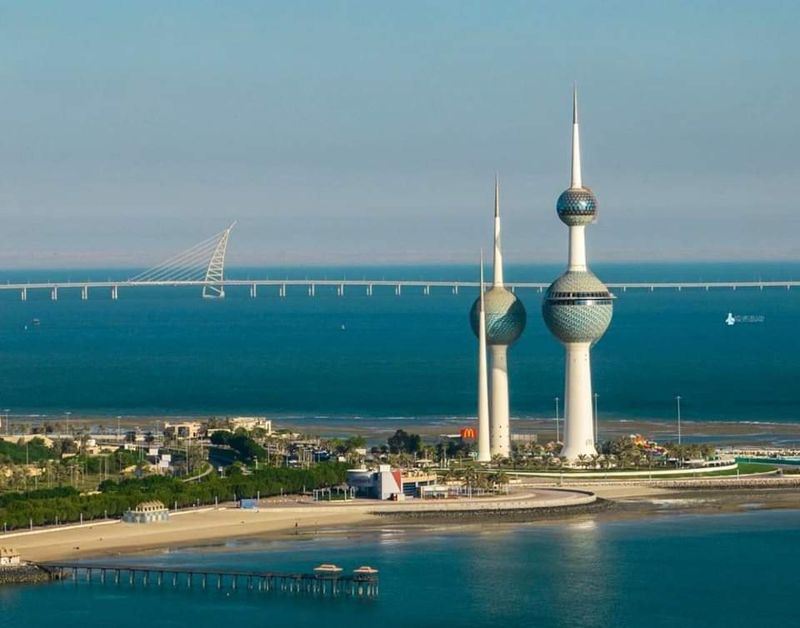
Step outside in Kuwait City during July, and the air hits you like opening a hot oven. This Middle Eastern capital holds a strong claim to the title of hottest major city on the planet.
Average highs in summer hover around 47 degrees Celsius (117 degrees Fahrenheit), and during extreme heatwaves, the mercury has crept above 50 degrees Celsius (122 degrees Fahrenheit).
The city basically shuts down outdoors between late morning and early evening during peak summer. Most residents do their errands before 9 a.m. or after sunset.
Air conditioning is not a luxury here, it is as essential as water.
Despite the brutal heat, Kuwait City is a modern, thriving capital with impressive architecture, busy malls, and a rich culture. The country has invested heavily in cooling technology and indoor entertainment.
Locals are experts at surviving the heat, and visitors who come in winter are often surprised by how pleasant the weather can be. If you ever visit, save the trip for November through February when temperatures drop to a much more manageable and enjoyable range.
Ahvaz, Iran
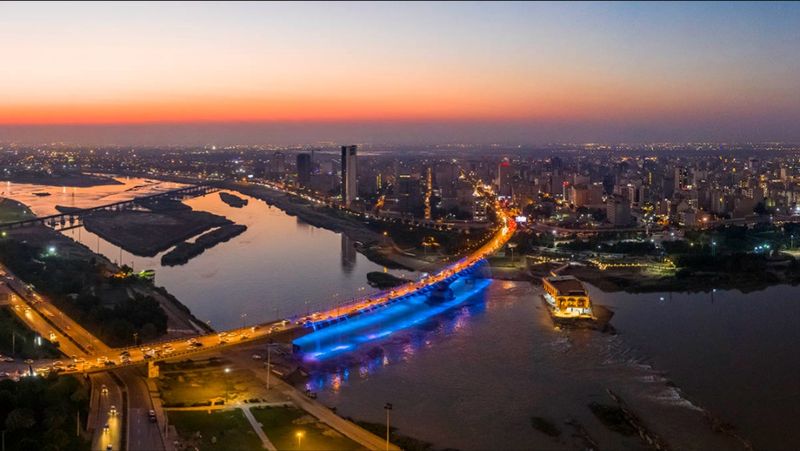
Ahvaz has a reputation that even meteorologists talk about in hushed, impressed tones. Located in southwestern Iran, this city regularly battles Kuwait City for the unofficial crown of world’s hottest urban area.
Summer highs frequently touch 47 degrees Celsius (117 degrees Fahrenheit), and temperatures above 50 degrees Celsius (122 degrees Fahrenheit) have been recorded multiple times.
The city sits in a low-lying river basin that traps heat like a bowl. Hot, dry winds from the surrounding desert make conditions even more punishing.
Dust storms occasionally sweep through, turning the already uncomfortable air into a gritty, suffocating experience.
Ahvaz has a population of over one million people, and they have developed clever ways to manage the heat over centuries. Thick-walled traditional architecture, afternoon rest periods, and shade-focused city planning all help.
The city is also a major center for Iran’s oil industry, which brings economic activity despite the extreme climate. Travelers rarely visit Ahvaz for tourism, but those who do come for business often describe the summer heat as something they simply cannot put into words until they experience it firsthand.
Basra, Iraq
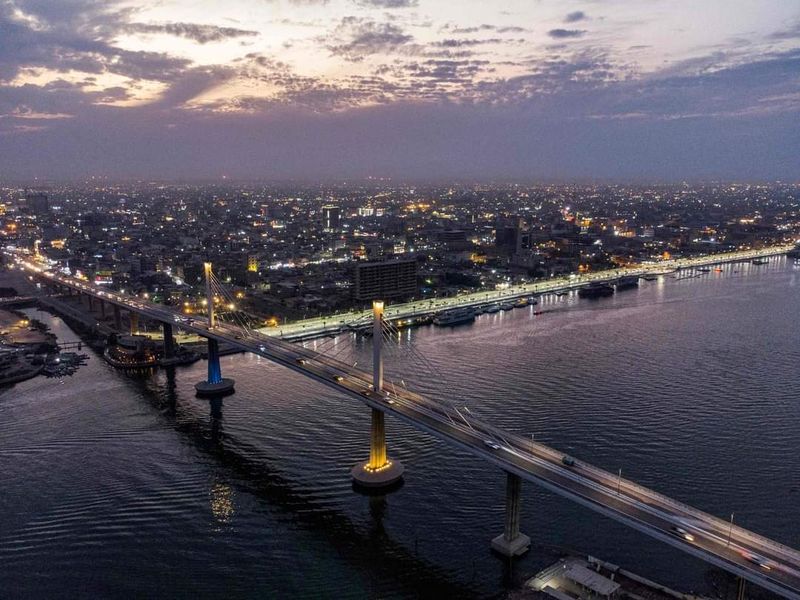
Basra sits at the southern tip of Iraq, where the Shatt al-Arab river meets the desert, and the heat is almost personal in how aggressively it shows up every summer. Daytime temperatures regularly climb above 45 degrees Celsius (113 degrees Fahrenheit) from June through August.
Even nighttime offers little comfort, with lows often staying above 30 degrees Celsius (86 degrees Fahrenheit).
The city has faced serious challenges related to its heat, including power outages during peak summer months that leave residents without air conditioning. During particularly brutal heatwaves, hospitals have reported heat-related illness cases surging dramatically.
It is a genuine public health concern, not just an inconvenience.
Historically, Basra was a famous trading port and cultural hub, often called the Venice of the East because of its network of canals. Today it remains Iraq’s main port city and a center of the oil industry.
Despite the hardships, Basra has a spirited population known for resilience and strong community bonds. The city’s date palm groves, some of the most productive in the world, thrive in the very heat that makes human life so challenging here.
Mecca, Saudi Arabia
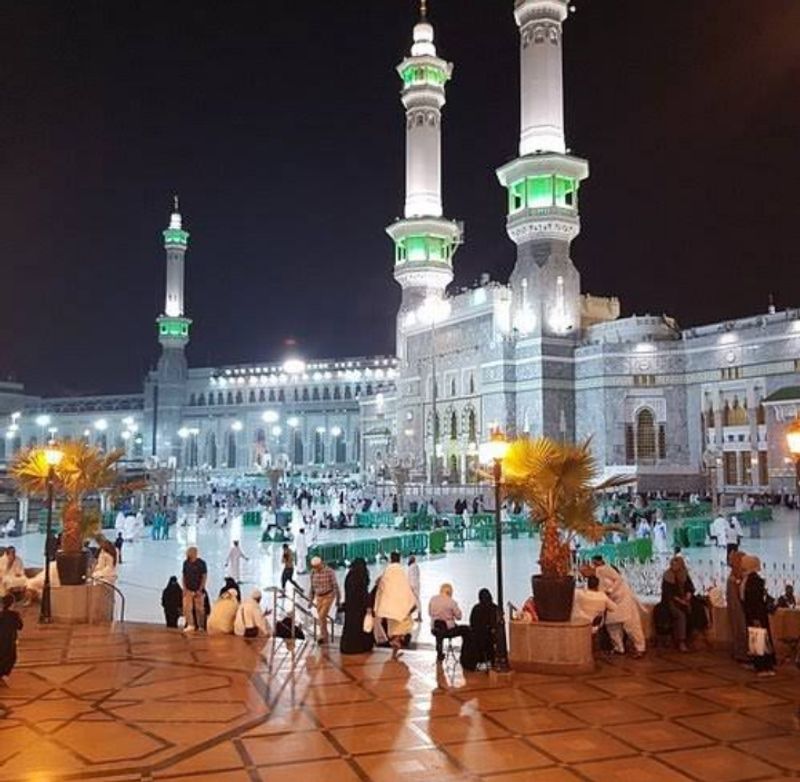
Millions of people travel to Mecca every single year, many of them walking under a sun that shows absolutely no mercy. As the holiest city in Islam, Mecca draws pilgrims from every corner of the globe, and a significant number arrive during summer when temperatures regularly exceed 43 degrees Celsius (109 degrees Fahrenheit).
Managing crowd safety in such heat is one of the biggest logistical challenges in the world.
Saudi authorities have invested billions into cooling infrastructure specifically for pilgrims. Misting fans, air-conditioned corridors, and shaded walkways now cover large portions of the pilgrimage routes.
Still, heat-related illness during the Hajj pilgrimage remains a serious concern every year.
Beyond its spiritual significance, Mecca is a surprisingly modern city. Towering luxury hotels overlook the Grand Mosque, and the city buzzes with activity around the clock during pilgrimage season.
Even in winter, afternoon temperatures hover comfortably in the mid-20s Celsius, which feels like a gift compared to summer. For the millions who make the journey regardless of season, the spiritual experience far outweighs any discomfort the climate can throw at them.
Dubai, United Arab Emirates
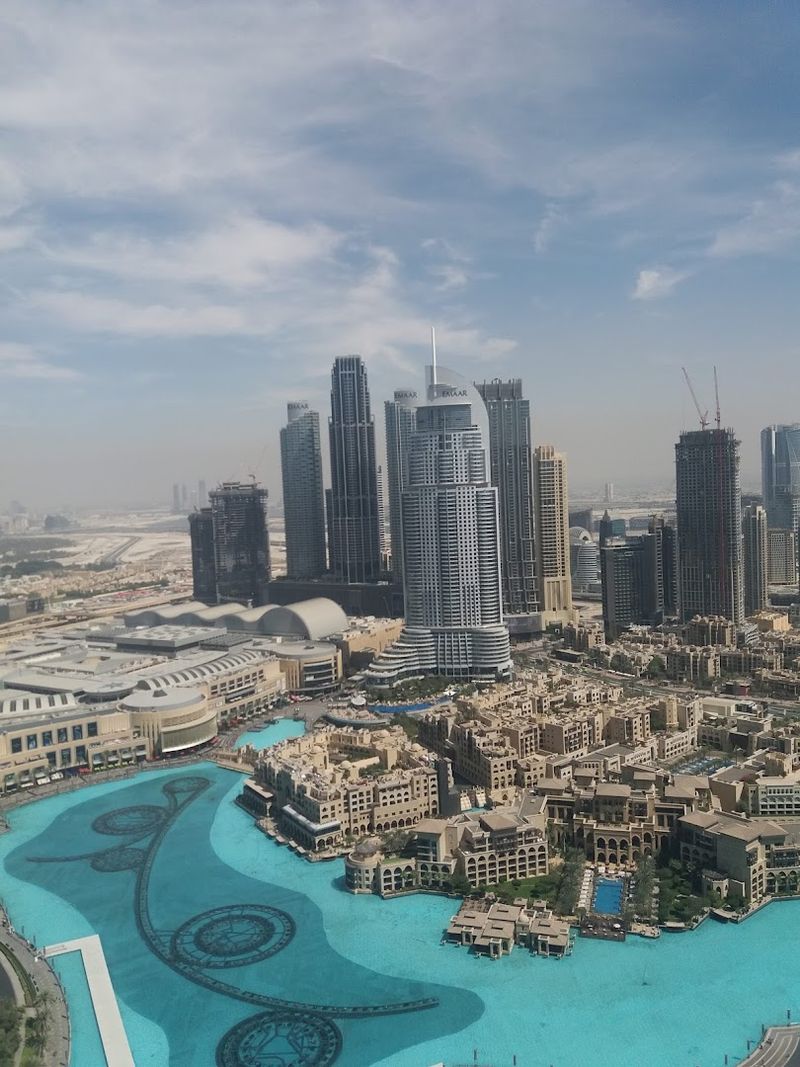
Dubai has built an entire identity around doing the impossible, including convincing millions of tourists to visit a city where summer temperatures regularly hit 43 to 45 degrees Celsius (109 to 113 degrees Fahrenheit). What makes Dubai’s heat particularly sneaky is the humidity rolling in from the Persian Gulf.
The air feels thick and heavy, turning a simple walk to your car into a sweaty ordeal.
Overnight lows during summer frequently stay above 30 degrees Celsius (86 degrees Fahrenheit), meaning there is almost no cool relief even after dark. The city counters this with some of the most aggressively air-conditioned spaces on the planet.
Indoor ski slopes, massive malls, and climate-controlled outdoor areas are all part of Dubai’s strategy to keep life comfortable year-round.
Smart visitors plan their trips between November and March, when temperatures drop to a pleasant 20 to 28 degrees Celsius range. Summer visitors, mostly business travelers and budget tourists taking advantage of off-season deals, are rewarded with emptier beaches and lower hotel rates.
Dubai never really slows down regardless of season, which says a lot about how well the city has engineered itself to function in extreme heat.
Abu Dhabi, United Arab Emirates
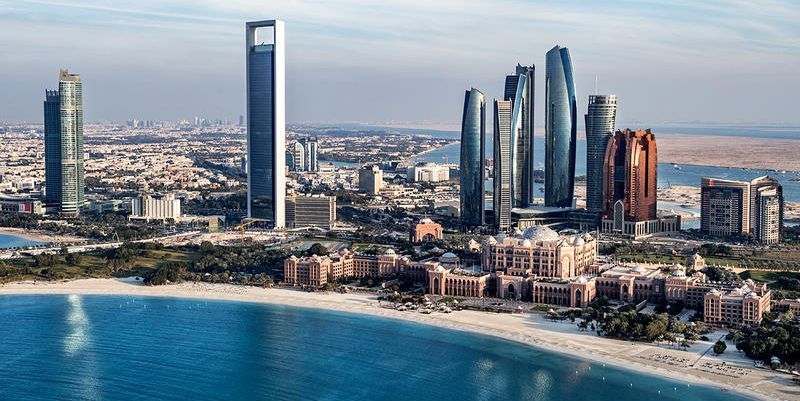
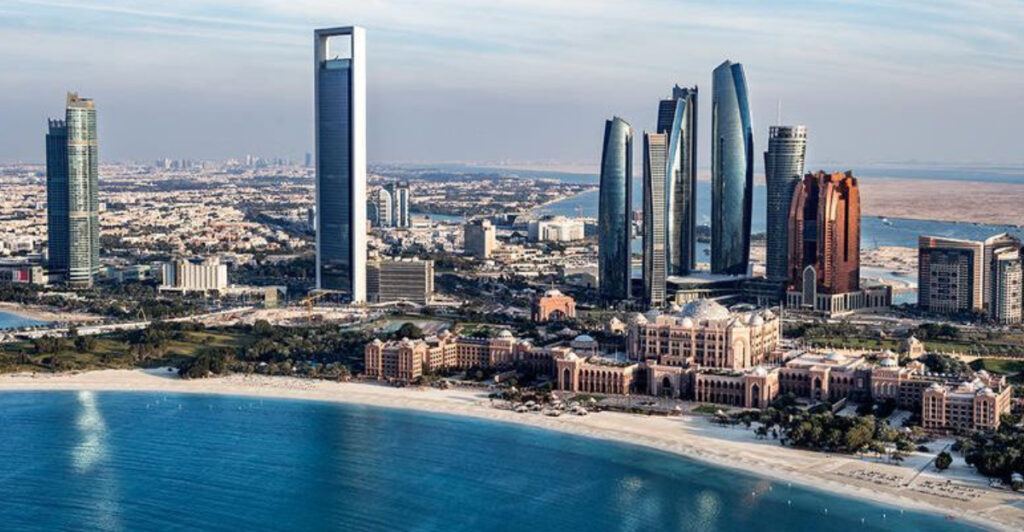
Abu Dhabi may be Dubai’s quieter neighbor, but when it comes to summer heat, the UAE capital holds its own without any help. The hot season stretches from May all the way through October, giving residents a full six months of temperatures that regularly exceed 40 degrees Celsius (104 degrees Fahrenheit).
Coastal humidity from the Arabian Gulf pushes the heat index even higher than the thermometer suggests.
One fascinating quirk of Abu Dhabi summers is the phenomenon called the shamal, a seasonal wind that sweeps across the Arabian Peninsula carrying dust and dry heat. When the shamal arrives, visibility drops and the already punishing heat gains a gritty edge.
Locals refer to it casually, the way people in other cities might mention a light drizzle.
Abu Dhabi has invested heavily in making outdoor life survivable, including shaded pedestrian walkways, misting systems in public spaces, and strict outdoor labor restrictions during the hottest midday hours. The city also hosts world-class cultural institutions like the Louvre Abu Dhabi, giving residents and visitors plenty of air-conditioned reasons to stay indoors.
Winter months here are genuinely lovely, with blue skies and temperatures perfect for beach days and outdoor festivals.
Doha, Qatar
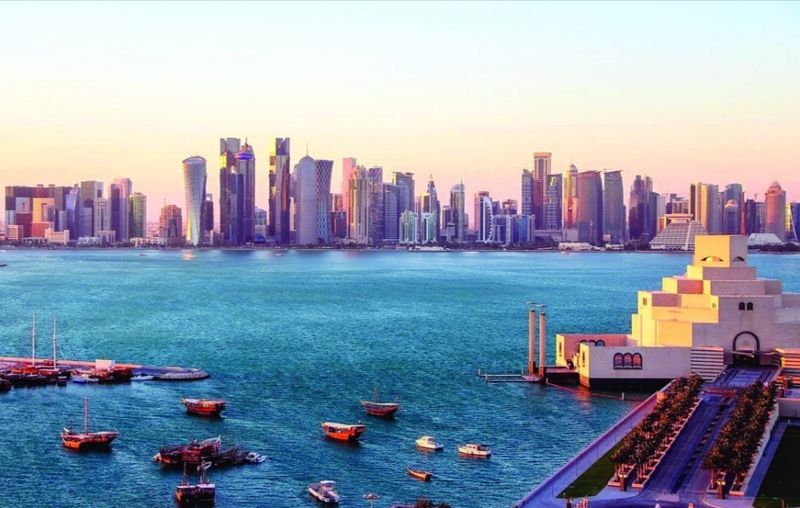
Doha became a household name during the 2022 FIFA World Cup, partly because of the extraordinary effort required to host a global soccer tournament in a city where summer heat regularly surpasses 40 degrees Celsius (104 degrees Fahrenheit). The tournament was moved to November and December specifically because summer outdoor activity in Doha is genuinely dangerous for most people.
The Gulf humidity in Doha creates a heat index that can feel significantly hotter than the actual air temperature. On particularly muggy days, stepping outside feels less like walking into heat and more like walking into a wall of warm, wet air.
Outdoor workers, particularly those in construction, face serious health risks during peak summer months.
Qatar has strict midday work bans during summer to protect outdoor laborers, though enforcement has been a topic of ongoing international discussion. For tourists, Doha shines brightest between October and April, when the city’s stunning waterfront, world-class museums, and vibrant souqs become genuinely enjoyable to explore.
The Museum of Islamic Art, perched beautifully on the waterfront, is worth a visit in any season, as long as you make it from an air-conditioned car to the air-conditioned entrance quickly enough.
Muscat, Oman
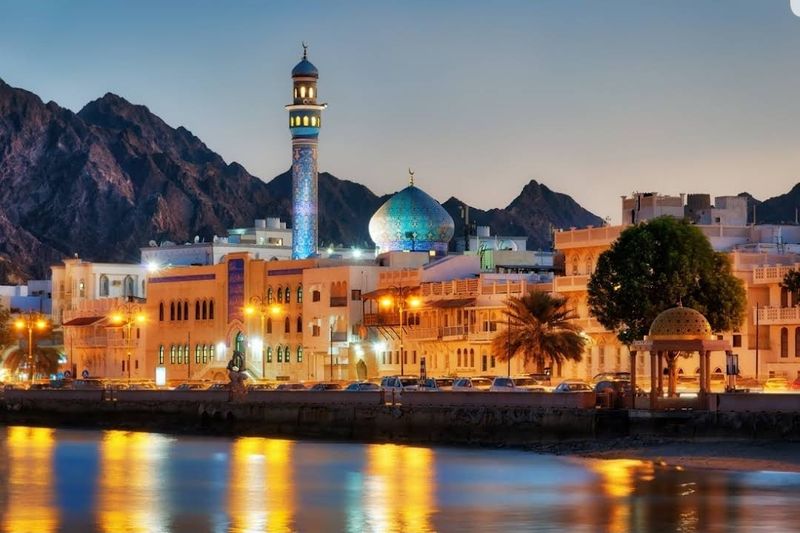
Muscat is squeezed between dramatic rocky mountains and the warm Gulf of Oman, creating a geography that looks stunning in photos but traps heat like a natural oven. Summer temperatures frequently exceed 40 degrees Celsius (104 degrees Fahrenheit), and the coastal humidity makes those numbers feel even more punishing.
Nighttime temperatures rarely drop below 30 degrees Celsius (86 degrees Fahrenheit) during peak summer months.
What sets Muscat apart from other Gulf cities is how beautifully traditional it feels despite the extreme climate. Low-rise whitewashed buildings, ornate mosques, and a relatively relaxed pace of life give the city a charm that Dubai and Doha lack.
The architecture is also practical, with thick walls and small windows designed to minimize heat absorption, a technique perfected over centuries.
Oman is one of the most welcoming countries for tourists in the Middle East, and Muscat is the ideal base for exploring the country. Visit between October and March to enjoy the city comfortably.
The Royal Opera House, the magnificent Sultan Qaboos Grand Mosque, and the lively Mutrah Souq are all worth your time. Locals handle the summer with impressive stoicism, adjusting their schedules and routines to work around the worst of the heat.
Buraimi, Oman
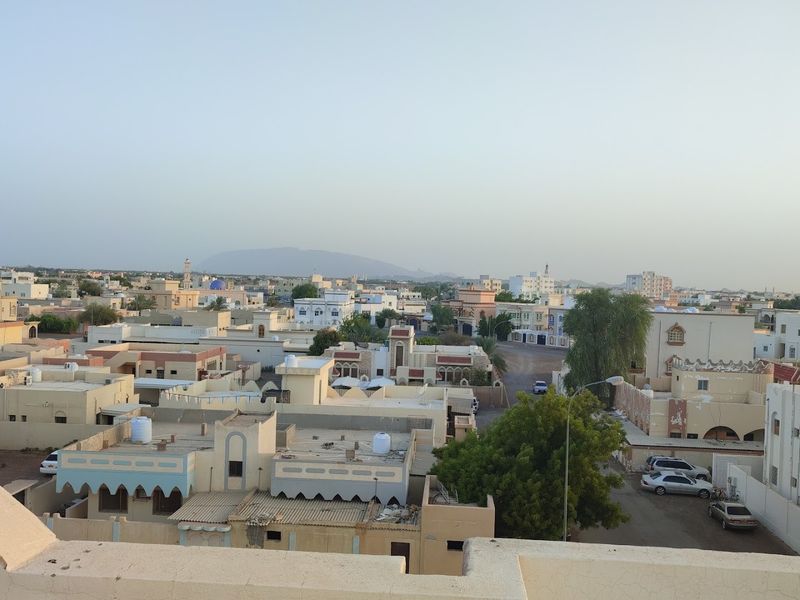
Most people have never heard of Buraimi, but climate scientists pay close attention to this inland Omani city for very good reason. Temperatures above 40 degrees Celsius (104 degrees Fahrenheit) can persist here for nearly five consecutive months, making it one of the most relentlessly hot urban areas on the entire Arabian Peninsula.
Its location deep in the desert interior, far from any cooling sea breeze, is the main culprit.
Buraimi sits right on the border with the UAE, adjacent to the Emirati city of Al Ain. The two cities essentially merge into one sprawling urban area split between two countries.
Despite the extreme heat, the region has a surprisingly rich history, with ancient aflaj irrigation systems and archaeological sites that date back thousands of years.
Life in Buraimi revolves around the cooler hours of the day. Early mornings and evenings see the most activity, while afternoons become eerily quiet as residents retreat indoors.
The local date palm industry thrives here, a testament to how agriculture has adapted to brutal conditions over generations. For travelers curious about authentic, off-the-beaten-path Oman, Buraimi offers a fascinating glimpse into life at the very edge of human comfort.
Phoenix, Arizona, United States
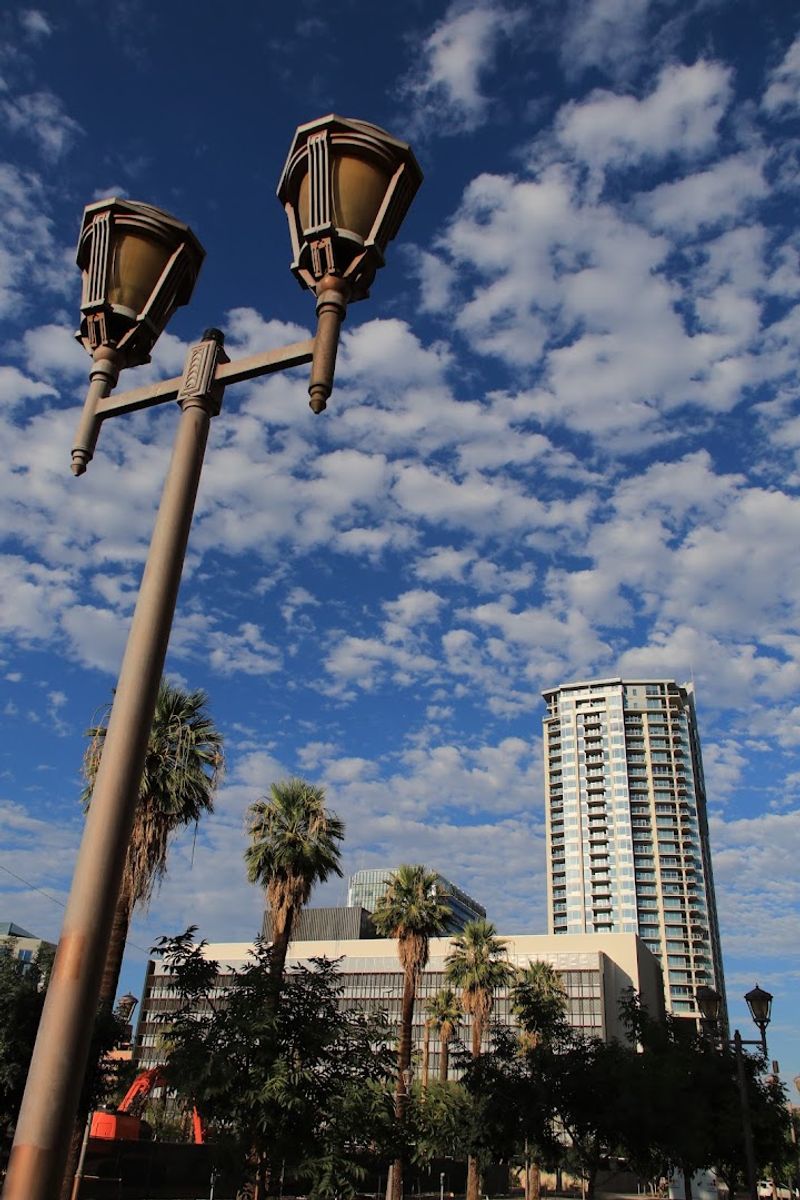
Phoenix holds a distinction most American cities would never want: it has more days above 38 degrees Celsius (100 degrees Fahrenheit) than almost any other major city in the United States. The hot season kicks off in late spring and stubbornly refuses to leave until well into autumn, with July regularly delivering highs above 43 degrees Celsius (110 degrees Fahrenheit).
The pavement gets so hot it can literally cause burns on skin contact.
One of Phoenix’s most dramatic seasonal events is the haboob, a massive wall of dust that rolls across the desert and swallows the city in minutes. These spectacular storms are both terrifying and oddly beautiful, and they signal the arrival of the monsoon season, which brings brief but intense thunderstorms that offer some relief from the dry heat.
Despite all of this, Phoenix is one of the fastest-growing cities in the United States. Affordable housing, job opportunities, and genuinely gorgeous winters attract hundreds of thousands of new residents each year.
The city has also invested in shade structures, urban tree planting, and cooling centers to help residents manage the brutal summers. If you love hiking, the surrounding desert offers some of the most spectacular trails in North America, best enjoyed before 8 a.m. in summer.
Mexicali, Baja California, Mexico

Tucked right against the California border and surrounded by the Sonoran Desert, Mexicali is the kind of city that makes Phoenix residents feel slightly better about their own summers. Afternoon temperatures commonly exceed 45 degrees Celsius (113 degrees Fahrenheit) during peak summer, and readings above 50 degrees Celsius (122 degrees Fahrenheit) have been officially recorded here.
It is consistently ranked among the hottest cities in all of North America.
The geography does Mexicali no favors. The city sits below sea level in a valley that collects and holds heat with remarkable efficiency.
The surrounding desert offers no shade, no moisture, and no mercy. Yet somehow, over one million people call this city home and live productive, full lives here.
Mexicali has a surprisingly diverse economy, with agriculture, manufacturing, and border trade all playing major roles. The city is famous for its Chinese-Mexican food fusion, a culinary tradition dating back to the early 1900s when Chinese immigrants arrived to work on irrigation canals.
Yes, in one of the hottest cities on Earth, you can find some genuinely delicious Chinese food. Visitors who brave the summer heat are rewarded with authentic local culture and a city that takes pride in its unique identity.
Khartoum, Sudan
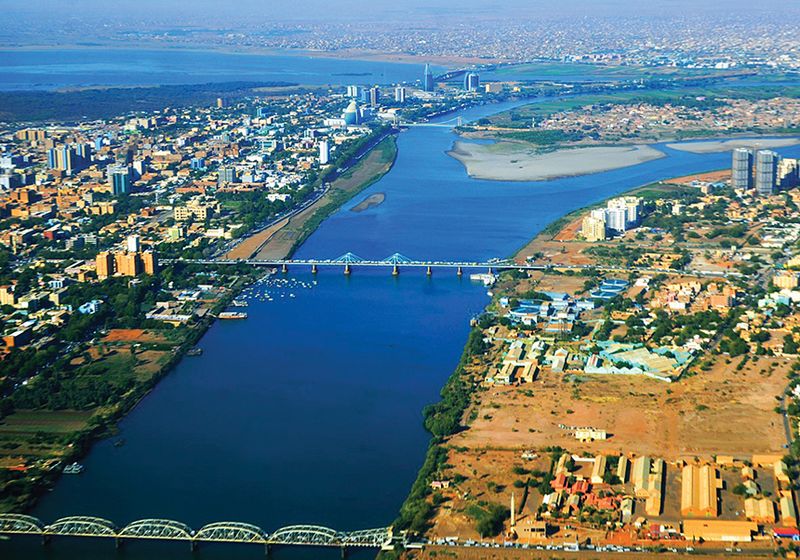
Khartoum sits at the dramatic meeting point of the Blue Nile and the White Nile, a geography that sounds poetic but does nothing to soften the city’s brutal heat. Spring and summer regularly bring highs above 40 degrees Celsius (104 degrees Fahrenheit), and April through June can be particularly punishing before the rains arrive to offer any modest relief.
Khartoum is often cited as one of the hottest capital cities anywhere on the planet.
The city experiences a distinctive dual climate personality. The dry season brings searing desert heat and haboob dust storms that can reduce visibility to nearly zero.
When the rainy season finally arrives, the heat eases slightly but the humidity rises, trading one type of discomfort for another.
Despite its challenging climate, Khartoum is a city of enormous historical depth. The confluence of the two Niles has made this area a crossroads of civilization for thousands of years.
Ancient Nubian kingdoms once thrived nearby, and the city’s National Museum holds remarkable artifacts that tell that story. Local life in Khartoum is vibrant, with tea houses, riverside markets, and a warmly hospitable population that welcomes visitors.
The best time to visit is between November and February, when temperatures become far more forgiving.
Karachi, Pakistan
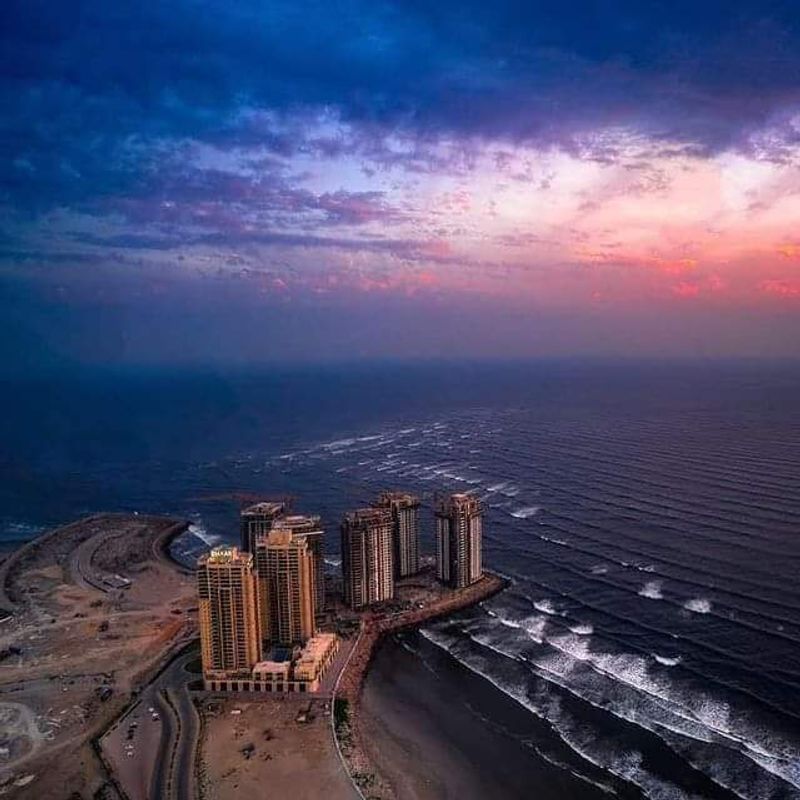
Karachi is a city of contradictions: it sits right on the coast of the Arabian Sea, which should theoretically keep things cool, but instead the ocean pumps moisture into already hot air and creates a sticky, oppressive combination that locals call their summer specialty. While peak temperatures rarely match the desert cities on this list, hovering around 34 to 38 degrees Celsius (93 to 100 degrees Fahrenheit), the relentless humidity makes conditions feel significantly more brutal than the numbers suggest.
In 2015, Karachi experienced one of the deadliest urban heatwaves in recorded history. A five-day event in June killed over 1,200 people, exposing serious gaps in the city’s heat emergency infrastructure.
The tragedy prompted major improvements in public cooling centers and heat awareness programs throughout Pakistan.
With a population of over 15 million people, Karachi is one of the most densely populated cities in the world, and managing heat in such a crowded environment is a constant challenge. The city is Pakistan’s economic engine, home to its busiest port and most active financial markets.
Street food culture thrives here regardless of weather, with vendors serving spicy chaat, fresh fruit juices, and sizzling kebabs well into the steamy summer nights. Karachi never really sleeps, heat or no heat.
Ciudad Bolivar, Venezuela
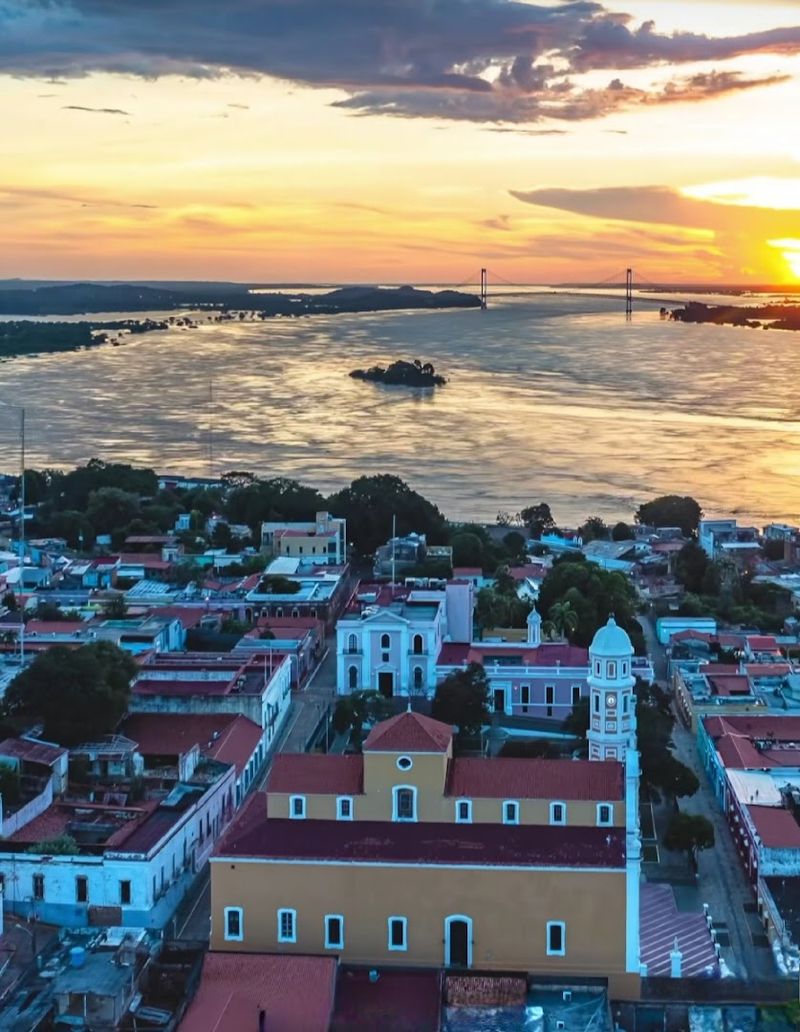
Unlike every other city on this list, Ciudad Bolivar does not just have a brutal summer. It has basically replaced the concept of seasons entirely.
Monthly average daytime highs stay above 34 degrees Celsius (93 degrees Fahrenheit) every single month of the year, making it one of the very few cities on Earth where summer-like heat is a permanent state of being rather than a seasonal visitor.
Situated along the mighty Orinoco River in southern Venezuela, Ciudad Bolivar has a tropical savanna climate that keeps temperatures consistently high. Even the cooler months, which are really just the rainy season, offer little temperature relief.
The heat simply shifts from dry and scorching to wet and sweltering.
The city has a fascinating colonial history and served as an important base for Simon Bolivar during the South American independence movements of the early 1800s. Its historic district, with colorful buildings and cobblestone streets, is a UNESCO World Heritage Site.
The famous Angostura bitters, used in cocktails worldwide, were originally made here, which is why the city was once called Angostura. Visiting feels like stepping into a history book, one printed on very warm paper.
The Orinoco River views from the old city are genuinely spectacular at any time of year.
Jeddah, Saudi Arabia
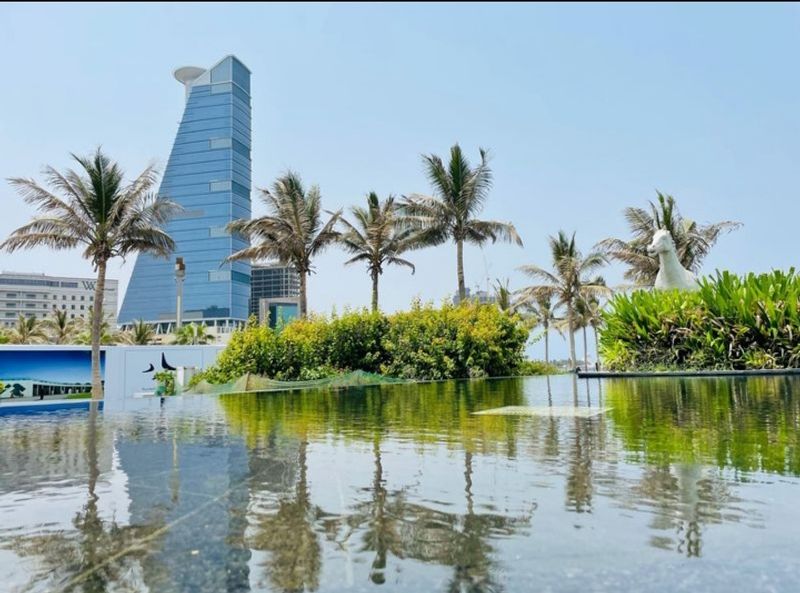
Jeddah has a heat problem with a twist: it is not just hot, it is hot and humid, a combination that the Red Sea delivers with cheerful consistency all summer long. Temperatures during peak summer months hover around 38 to 42 degrees Celsius (100 to 108 degrees Fahrenheit), but the coastal moisture makes it feel considerably worse.
Nighttime barely cools things down, with lows often staying above 29 degrees Celsius (84 degrees Fahrenheit).
As Saudi Arabia’s main gateway city and its commercial capital, Jeddah never really gets the chance to slow down, even in the worst summer heat. The city’s port is one of the busiest in the Red Sea region, and its historic Al-Balad district, with its remarkable coral-stone buildings and intricate wooden balconies, has earned UNESCO World Heritage status.
Jeddah is also famous for the King Fahd Fountain, the tallest fountain in the world, which shoots water over 300 meters into the air from the Red Sea. On a blazing summer evening, watching that fountain with a sea breeze is one of the city’s most beloved experiences.
The city’s food scene is exceptional, with fresh seafood, traditional Saudi dishes, and international restaurants all thriving year-round. Winter months, from November to February, offer the most comfortable weather for outdoor exploration.
Share this story