Some of the most interesting filmmakers in movie history only stepped behind the camera once. Whether they were actors, composers, designers, or writers first, each of these people left behind a single feature film that still gets talked about today.
Some of those films flopped on release and became cult classics years later. Others were hits that never led to a second chance, or a second desire, to direct.
What makes this group fascinating is how different each story is, and how one movie can define a career behind the camera forever.
Charles Laughton, The Night of the Hunter
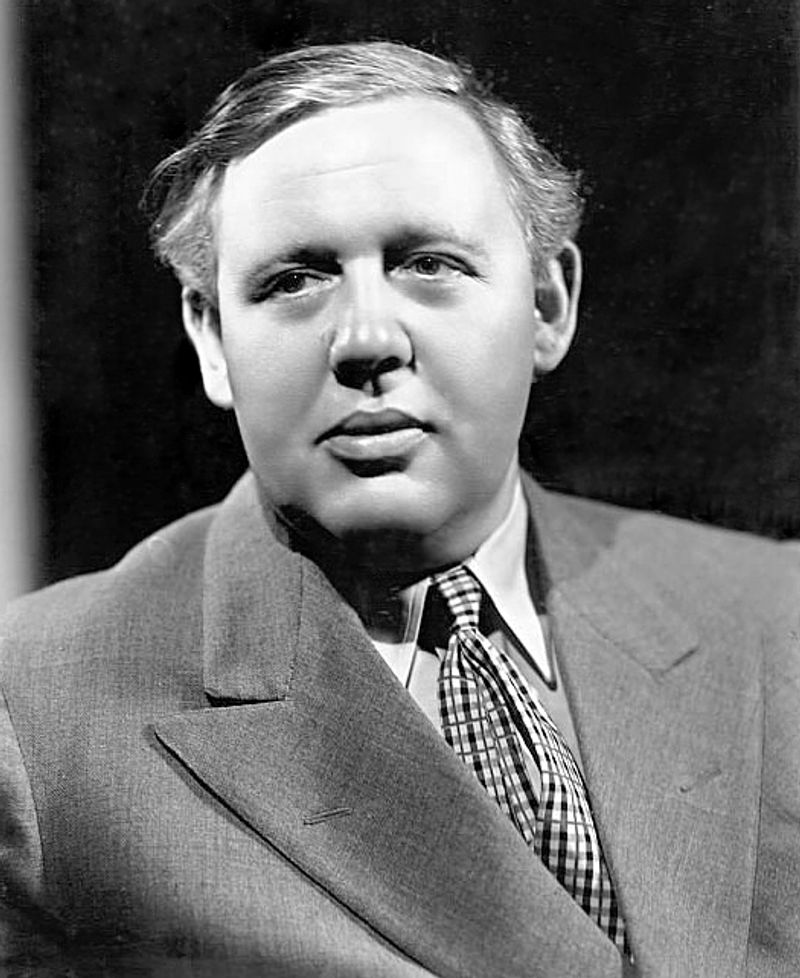
Few directorial debuts are as haunting or as complete as The Night of the Hunter, and the fact that Charles Laughton never made another feature is one of cinema’s great what-ifs. Released in 1955, the film starred Robert Mitchum as Harry Powell, a self-proclaimed preacher with the words “LOVE” and “HATE” tattooed across his knuckles.
It is one of the most visually striking American films of its era.
Laughton brought a painter’s eye to every frame, working with cinematographer Stanley Cortez to create images that still feel otherworldly today. The film blended fairy tale imagery with genuine menace in a way that no studio film had quite attempted before.
At the time of release, the film was a box office disappointment, and the cool critical response likely discouraged Laughton from returning to the director’s chair. He died in 1962, leaving The Night of the Hunter as his only feature and one of the most admired American films ever made.
Barbara Loden, Wanda
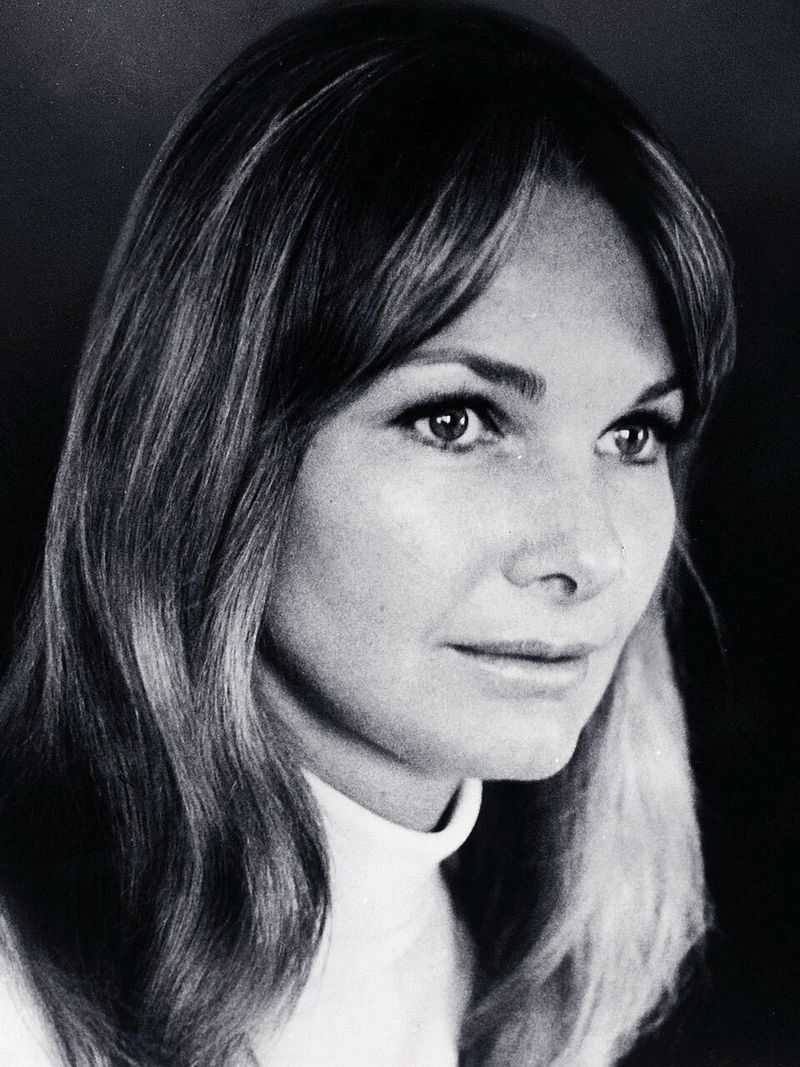
Wanda is the kind of film that gets rediscovered every decade and surprises a new generation of viewers. Barbara Loden wrote, directed, and starred in the 1970 drama, playing a drifting, detached woman moving through Pennsylvania coal country with almost no sense of direction or self-preservation.
The film was shot on 16mm with a tiny crew and an improvised, naturalistic style that felt radical for its time.
Loden drew from real events, basing the story loosely on a newspaper account of a woman who thanked a judge for sending her to prison. That detail alone tells you the kind of emotional territory the film covers.
Wanda won the International Critics Prize at the Venice Film Festival in 1970 but received little distribution in the United States. Loden died of cancer in 1980 at age 48, and the film she left behind has since grown into a landmark of American independent and feminist cinema.
Herk Harvey, Carnival of Souls
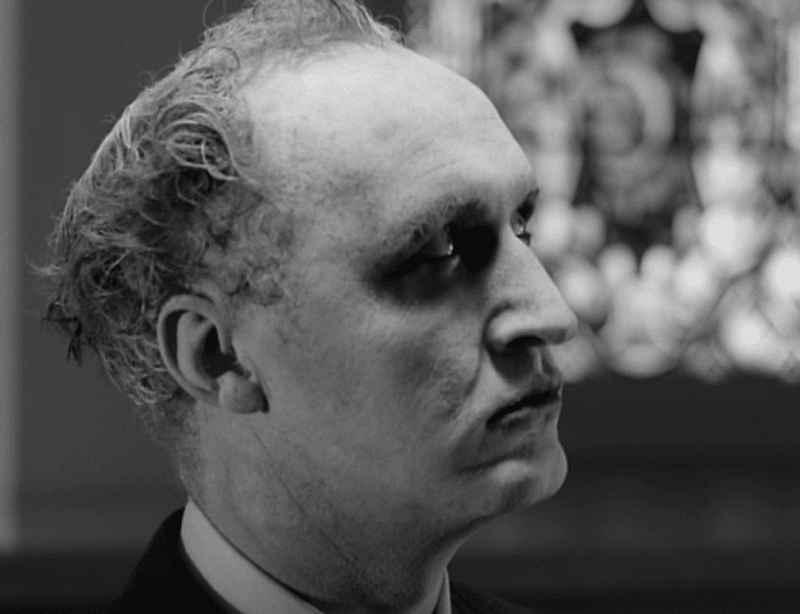
Before Carnival of Souls, Herk Harvey spent his career making industrial and educational films for a production company in Lawrence, Kansas. He was driving past an abandoned pavilion at Great Salt Lake in Utah when the idea for the film struck him.
He made the movie quickly and cheaply, shooting in about three weeks with a largely non-professional cast.
The 1962 horror film follows a young woman who survives a car accident and begins experiencing strange visions of pale, silent figures. The story has an eerie, dreamlike quality that feels more European than American, and the low budget actually adds to the film’s unsettling mood.
Carnival of Souls played drive-ins and grindhouse theaters for years before film scholars began recognizing its influence on later horror films. Harvey later expressed interest in making a second feature but never secured the funding to do so.
The film remains a genuine cult classic.
Marlon Brando, One-Eyed Jacks
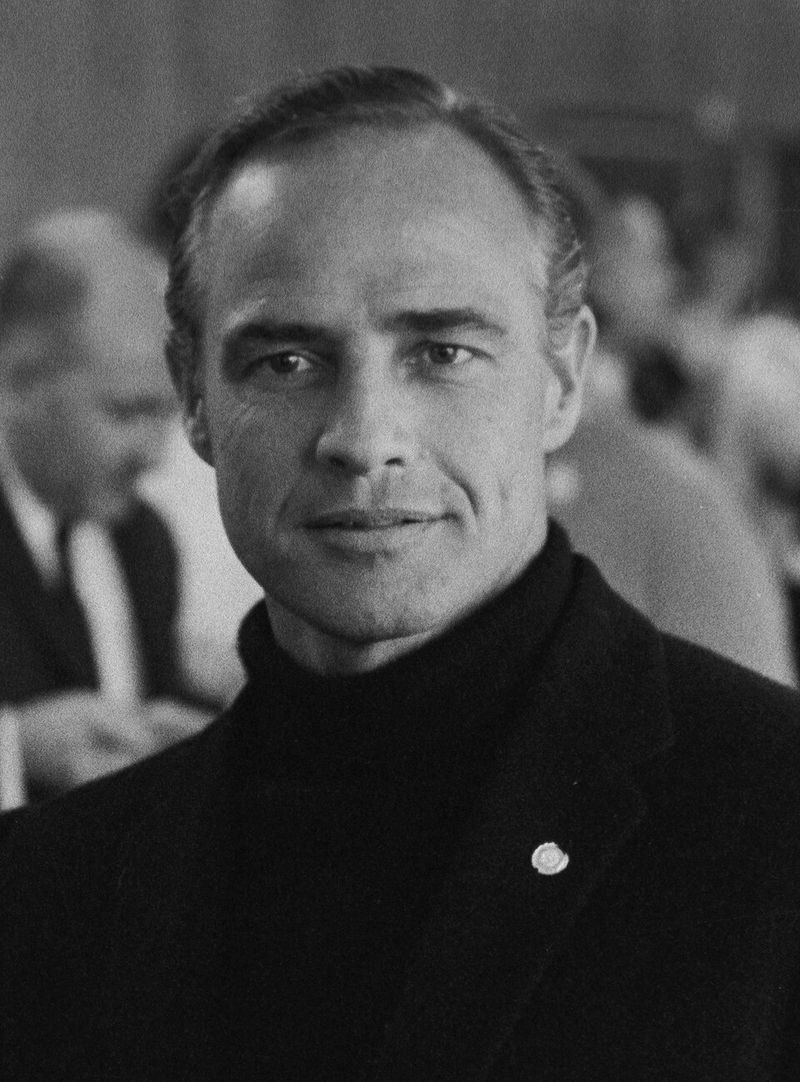
Marlon Brando taking the director’s chair was not supposed to be a long-term arrangement. He stepped in to direct One-Eyed Jacks in 1961 after Stanley Kubrick left the project, and what followed was one of the most notoriously difficult productions in Hollywood history.
Brando shot an enormous amount of footage over several months, reportedly accumulating close to a million feet of film before the studio finally intervened.
The finished Western is genuinely interesting, with a brooding visual style and a performance from Brando that feels deeply personal. The film is set along the California coast rather than the traditional desert landscape, giving it a look unlike most Westerns of the period.
Paramount ultimately took editing control away from Brando, cutting the film significantly. The experience clearly left its mark.
Brando never directed again, though he worked as an actor for more than four decades afterward. One-Eyed Jacks remains a flawed but fascinating piece of American cinema.
Saul Bass, Phase IV
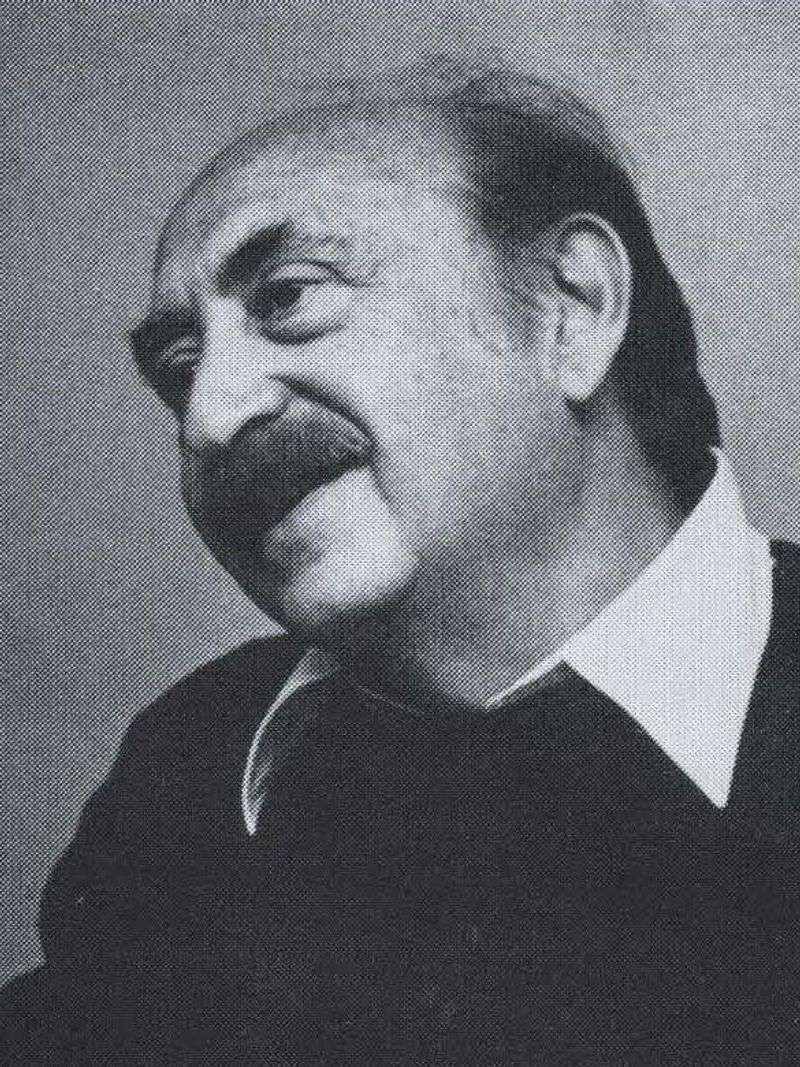
Saul Bass designed some of the most iconic title sequences and movie posters in Hollywood history, including work for Alfred Hitchcock, Otto Preminger, and Martin Scorsese. His visual instincts were extraordinary, and Phase IV, released in 1974, shows exactly what those instincts looked like when applied to an entire feature film.
The movie follows scientists in a desert research station who discover that ants have developed a collective intelligence and are beginning to act with coordinated purpose. Bass shot the insect sequences with macro photography that turns ordinary ant behavior into something genuinely unsettling.
The film has a cold, clinical beauty that sets it apart from most sci-fi horror of the era.
Phase IV underperformed at the box office and Bass did not pursue another feature. A longer cut with an alternate ending was later discovered and has been screened at film events.
Bass continued his design work until his death in 1996, but Phase IV stands as his only feature directing credit.
Dalton Trumbo, Johnny Got His Gun
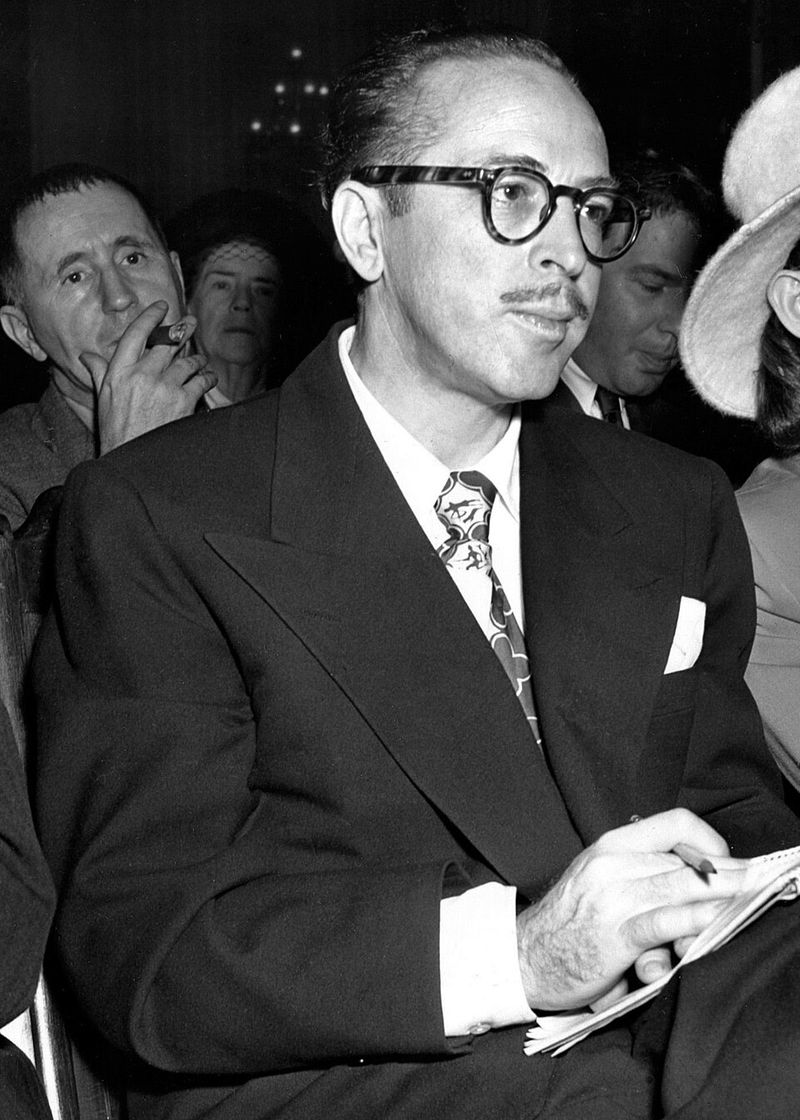
Dalton Trumbo was already one of the most celebrated and controversial screenwriters in Hollywood when he directed Johnny Got His Gun in 1971. He had written the original novel in 1939, and adapting it himself for the screen was a deeply personal project.
The story follows a World War I soldier who loses his limbs and senses but remains conscious, trapped inside his own body.
Trumbo’s only directorial credit is a difficult film to watch, and that difficulty is entirely the point. The film alternates between stark black-and-white scenes in the present and color flashbacks, creating a fractured structure that mirrors the protagonist’s mental state.
Johnny Got His Gun won the Grand Jury Prize and the International Critics Prize at the 1971 Cannes Film Festival. Trumbo returned to screenwriting after completing the film and continued working until his death in 1976.
He never expressed a desire to direct again, and this one film was clearly the project he had always meant to make.
Walter Murch, Return to Oz
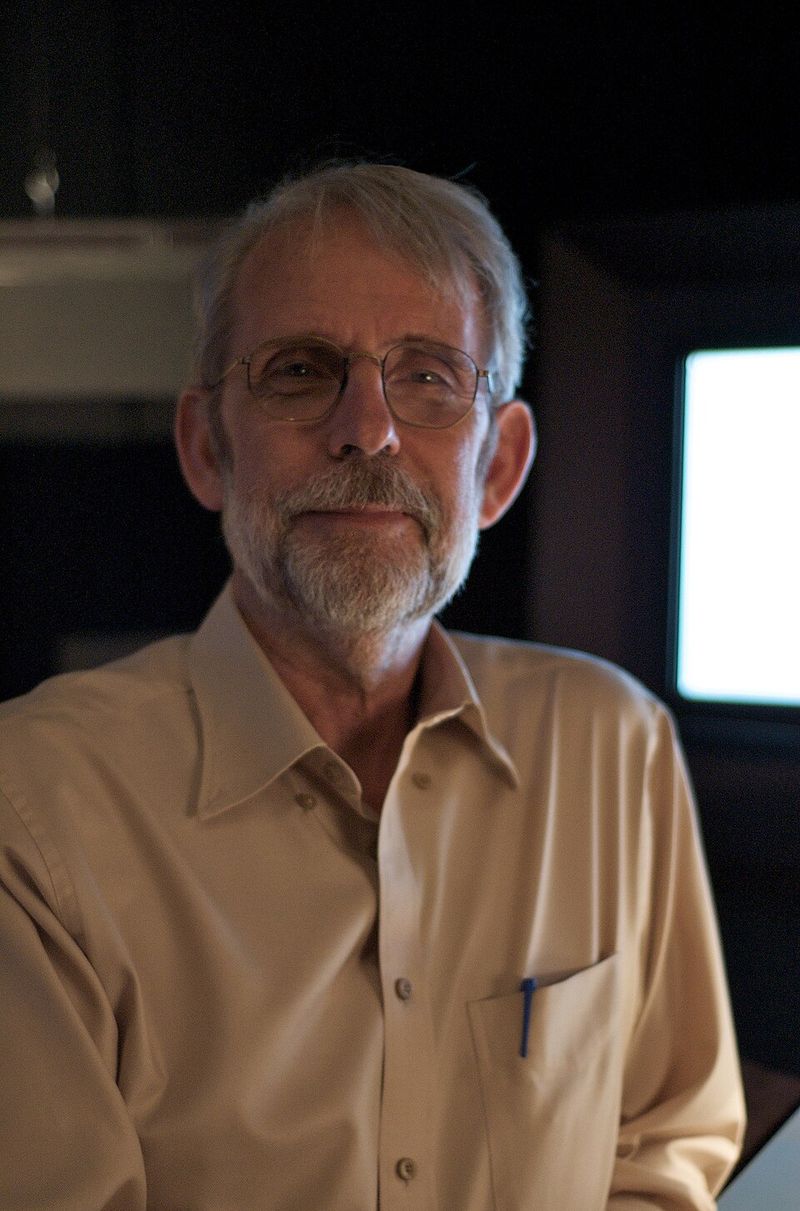
Walter Murch is considered one of the greatest film editors and sound designers who ever worked in Hollywood. His credits include Apocalypse Now, The Godfather trilogy, and The English Patient, among many others.
Directing Return to Oz in 1985 was a significant departure from his usual role, and the results were genuinely unusual for a Disney production.
The film drew from L. Frank Baum’s later Oz books rather than the 1939 musical, and it was considerably darker than most family fantasy films of the era.
Dorothy faces electroshock therapy, a headless queen, and a crumbling Emerald City, giving the film a tone that surprised many parents who brought young children expecting something lighter.
Return to Oz underperformed at the box office but has since developed a devoted following among viewers who grew up with it. Murch returned to editing and sound work after the film’s release and has not directed another theatrical feature.
His reputation rests comfortably on his decades of editorial work.
Stephen King, Maximum Overdrive

Stephen King has been remarkably candid about his experience directing Maximum Overdrive. He has said publicly that he was not in a good state during production and that the film did not turn out the way he hoped.
That kind of honesty from a filmmaker about their own work is genuinely rare, and it adds an odd layer of interest to the movie itself.
Released in 1986, the film is based on King’s own short story Trucks and follows a group of survivors trapped at a truck stop after machines around the world suddenly come to life and start attacking people. The Green Goblin-faced truck that serves as the film’s central threat became one of the more memorable images of 1980s horror, even if the film around it struggled.
Maximum Overdrive was a critical and commercial disappointment. King has said he would like to see someone else remake it properly.
He has not directed another feature, and based on his own comments, that seems intentional.
Frank Sinatra, None but the Brave
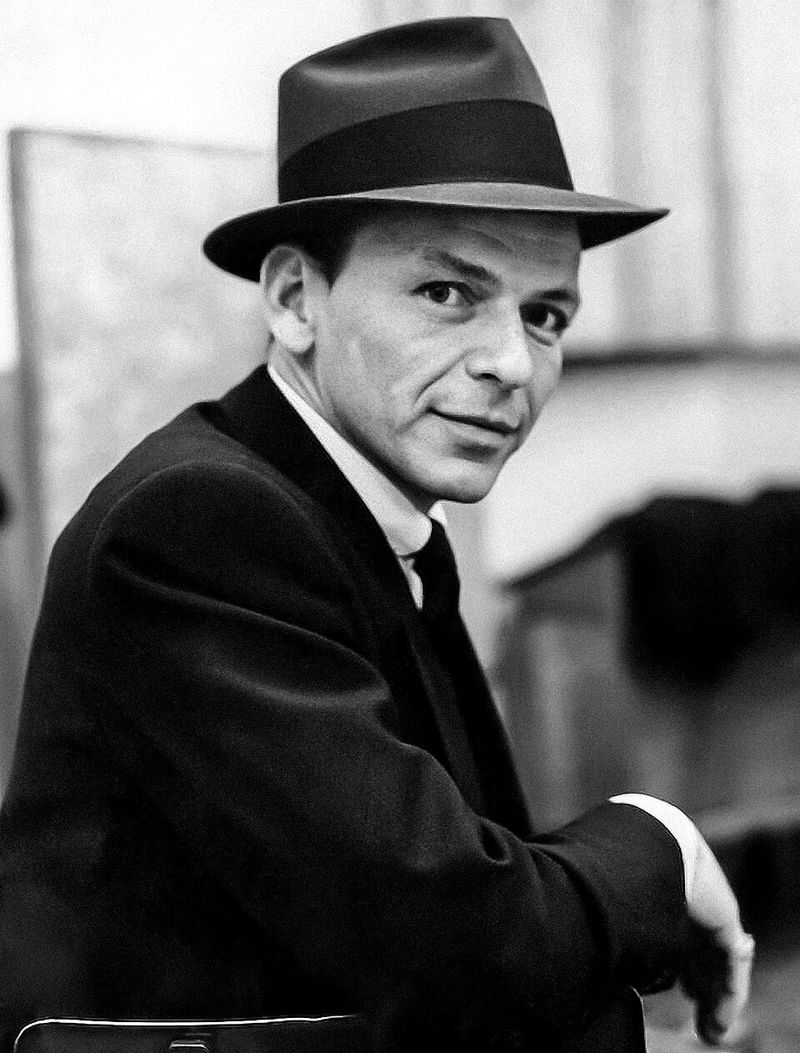
Frank Sinatra wore a lot of hats throughout his career, but directing a feature film was not something he returned to after trying it once. None but the Brave was released in 1965 and holds the distinction of being the first American-Japanese co-production in Hollywood history.
The film is set on a remote Pacific island where American and Japanese soldiers are stranded together after both sides suffer losses.
Sinatra directed and produced the film in addition to appearing in it, which was an ambitious undertaking for someone whose primary career was in music and acting. The story takes a somewhat sympathetic view of both sides of the conflict, which was a fairly progressive stance for an American war film in the mid-1960s.
The film received mixed reviews and performed modestly at the box office. Sinatra continued recording and acting for decades but never sat in the director’s chair again.
None but the Brave remains a curiosity in his long and varied career.
Eddie Murphy, Harlem Nights
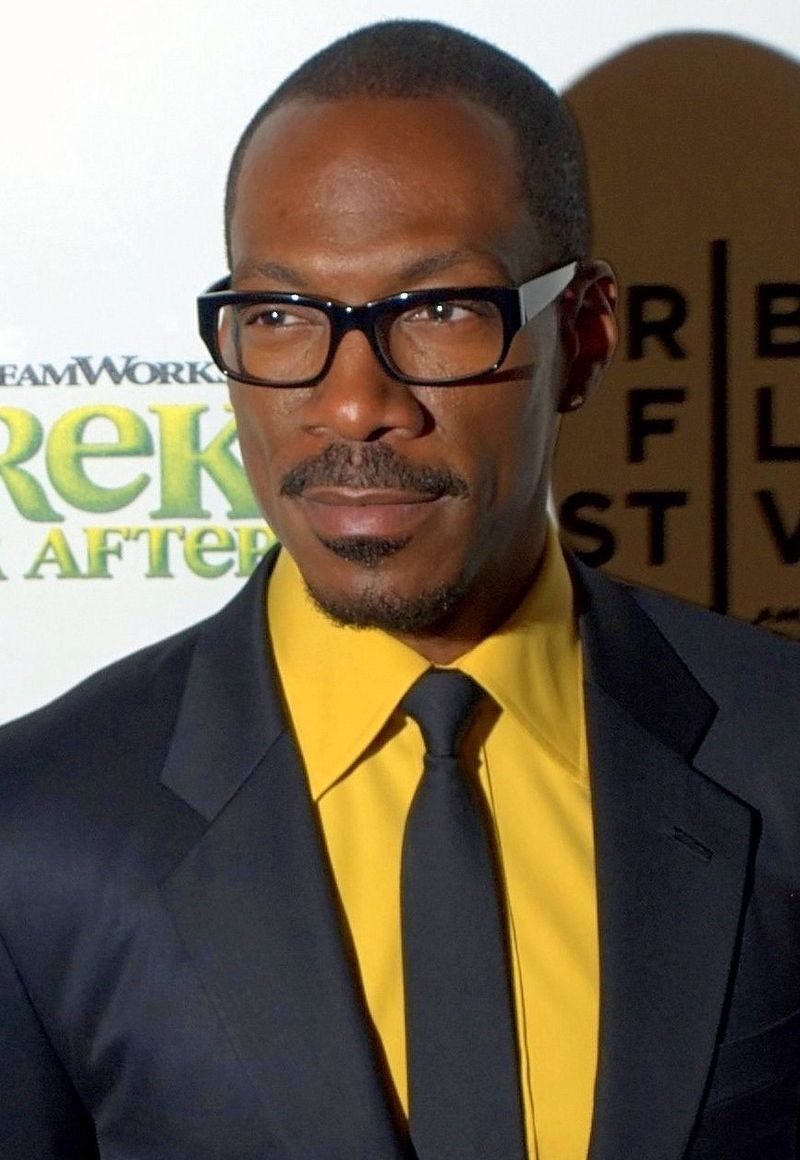
Eddie Murphy was at the peak of his commercial power when he wrote, directed, and starred in Harlem Nights. The 1989 crime comedy-drama was a passion project that brought together Murphy, Richard Pryor, and Redd Foxx, three generations of Black comedy legends, in a period story set in 1930s Harlem.
The ambition behind the casting alone was remarkable.
Murphy played Quick, the adoptive son of Pryor’s nightclub owner character, and the film had a glossy, stylized look that drew from classic Hollywood crime pictures. Despite a strong opening weekend, the film received largely negative reviews from critics who felt the story and pacing did not match the talent on screen.
Murphy later acknowledged that directing was not an experience he enjoyed and that he preferred focusing on performing. As of 2026, Harlem Nights remains his only directorial effort.
The film still has admirers who respond to its retro style and the chemistry between its three leads.
Peter Lorre, The Lost One
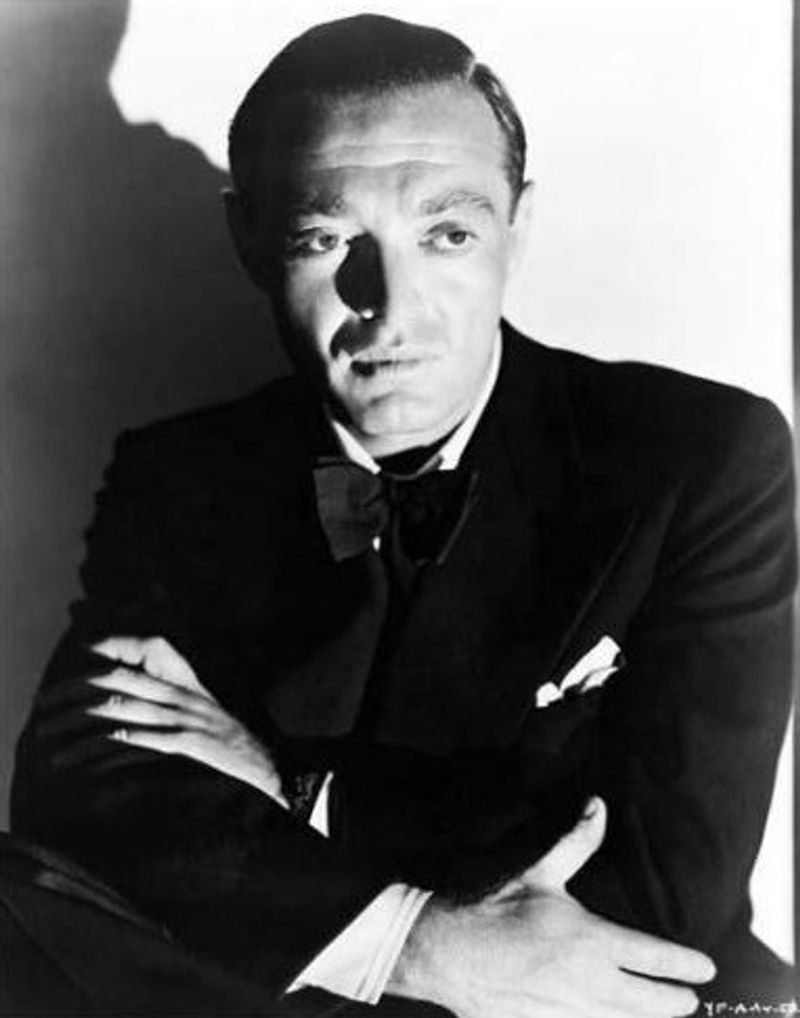
Peter Lorre is best remembered for playing nervous, sinister, or eccentric characters in Hollywood films, but in 1951 he returned to West Germany and made something entirely his own. The Lost One, also known as Der Verlorene, was written, directed by, and starred Lorre as a doctor haunted by a crime he committed during the Nazi era.
It was his only work as a film director and co-writer.
The film carries a weight that goes beyond its crime drama plot. Lorre was himself a Jewish emigrant who had fled Nazi Germany, and the story’s reckoning with guilt and complicity feels deeply personal.
The German Expressionist visual style connects the film to the silent-era cinema that Lorre had grown up watching.
The Lost One was a commercial failure in West Germany and was barely seen outside the country for decades. Film scholars have since recognized it as a significant and undervalued work.
Lorre returned to Hollywood and continued acting until his death in 1964.
Bo Welch, The Cat in the Hat
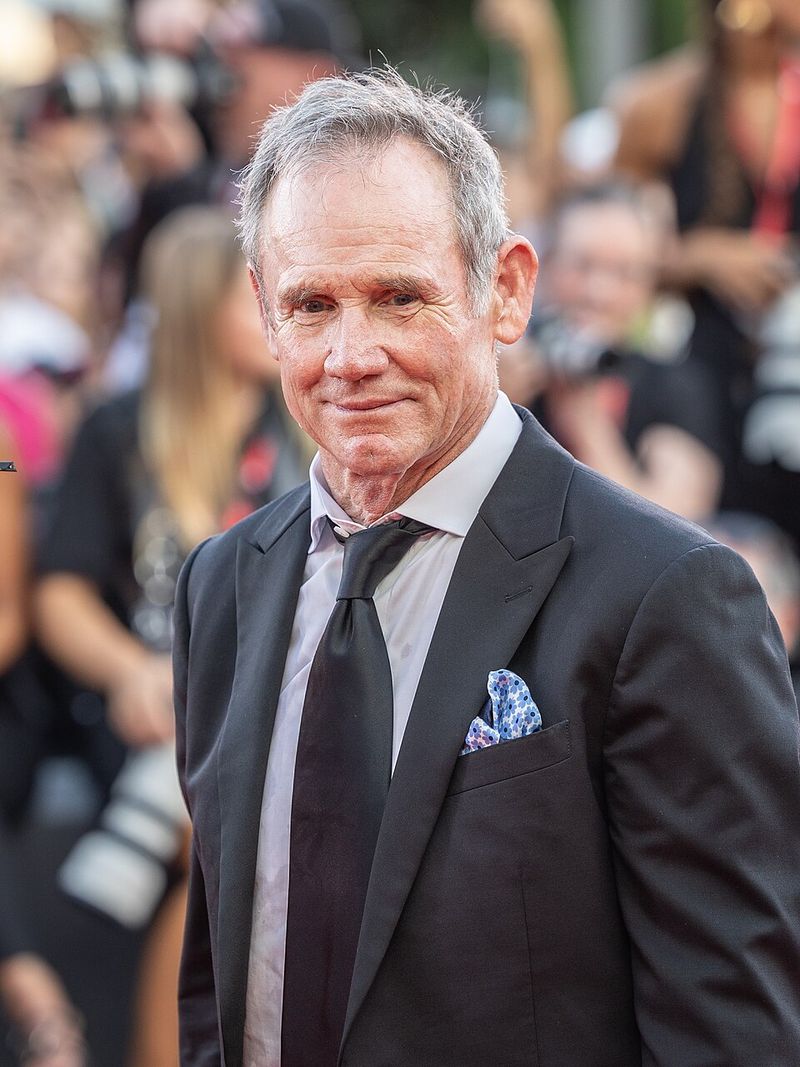
Bo Welch had one of the most impressive production design resumes in Hollywood before he directed his first and only feature. His design work on Beetlejuice, Edward Scissorhands, Men in Black, and several other films showed a consistent ability to build visually inventive, stylized worlds.
The Cat in the Hat, released in 2003, gave him a chance to apply all of that design experience as the person in charge of the entire production.
The film starred Mike Myers in heavy makeup and costume as the Cat, with a story that expanded considerably on Dr. Seuss’s slim original book. The production design was genuinely elaborate, but the film was widely criticized for its tone, humor, and creative choices.
It earned Welch a Razzie nomination for Worst Director and received a negative response from the Seuss estate that contributed to a moratorium on live-action Seuss adaptations.
Welch continued working in production design and television after the film’s poor reception and did not pursue another feature directing opportunity.
Gary Oldman, Nil by Mouth
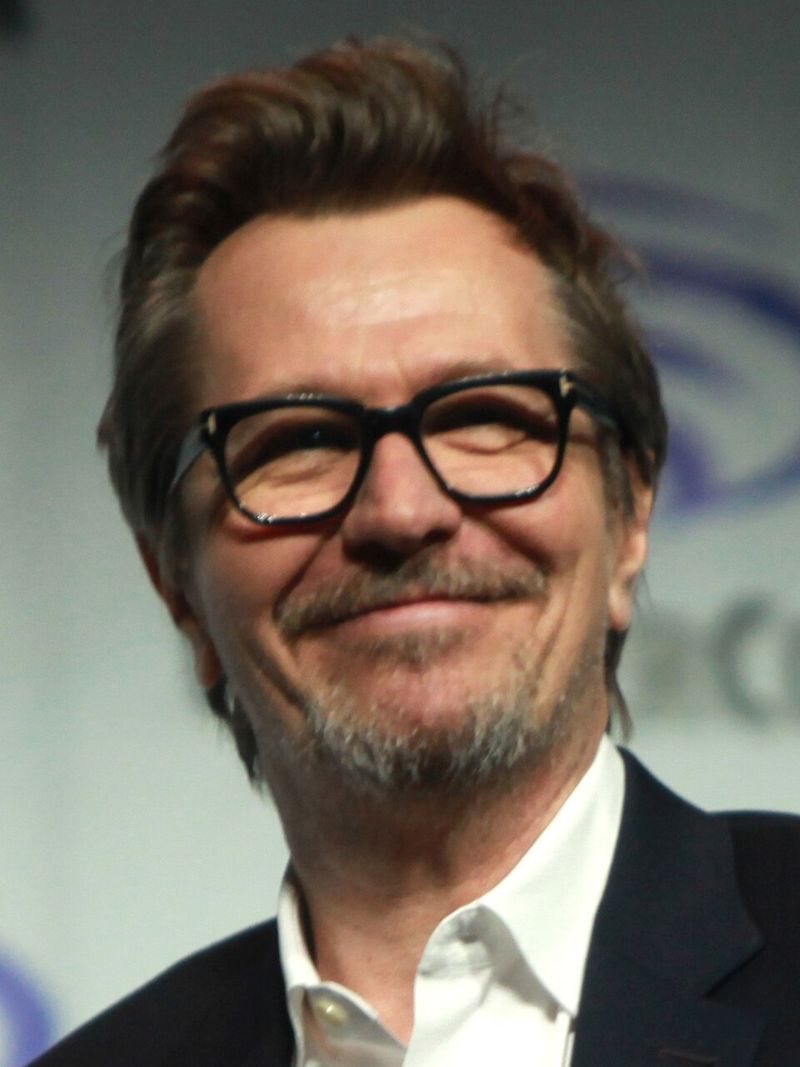
Gary Oldman is one of the most versatile and celebrated actors of his generation, but Nil by Mouth, released in 1997, showed a completely different side of his abilities. The film was written and directed by Oldman and drew directly from his experiences growing up in South London.
It is a raw, unsparing look at addiction, domestic violence, and the cycles of behavior that trap families across generations.
Kathy Burke won the Best Actress award at the Cannes Film Festival for her performance in the film, and the movie was widely praised for its unflinching honesty and naturalistic performances. Oldman dedicated it to his father, which gives some sense of how personal the material was.
The film is not easy viewing, and Oldman has spoken about how emotionally draining the project was to make. He has continued acting and producing in the decades since but has not directed another feature.
As of 2026, Nil by Mouth remains a singular achievement in his career.
Tim Roth, The War Zone
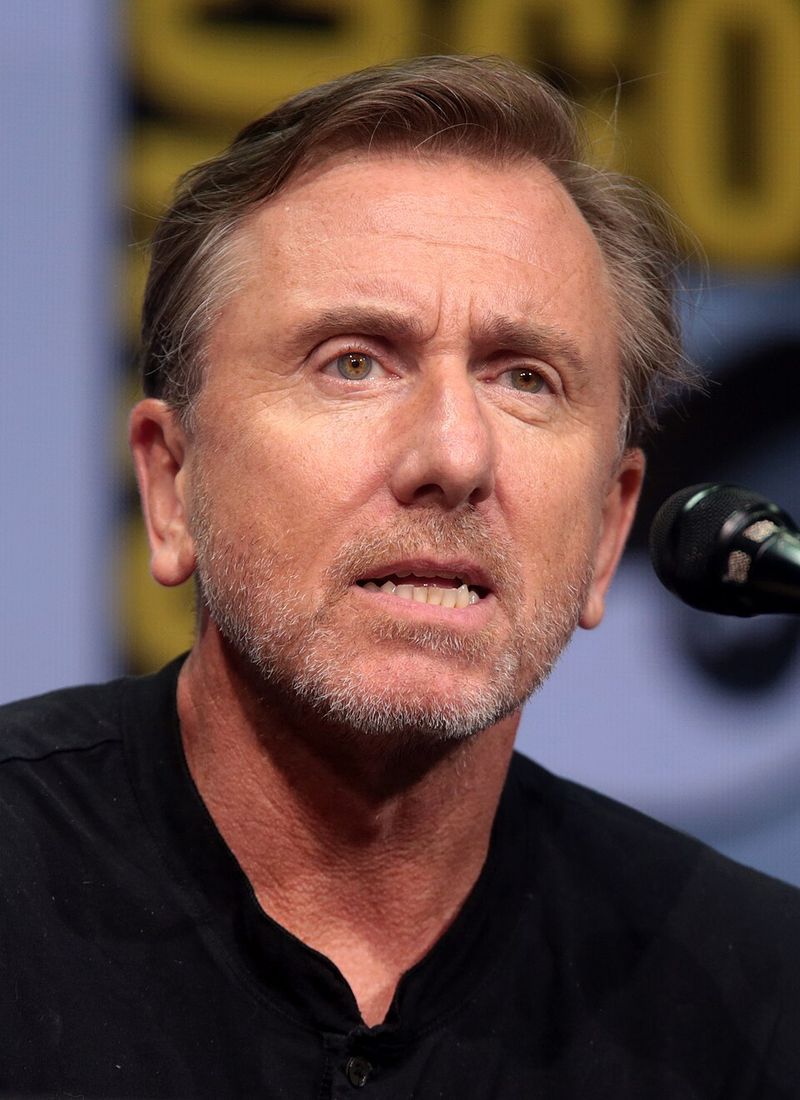
Tim Roth is primarily known as an actor, but The War Zone, his only feature as director, earned serious critical attention when it was released in 1999. The film was adapted from Alexander Stuart’s novel and tells the story of a family that relocates from London to rural Devon, where a devastating secret begins to surface.
It is an extremely difficult film that does not soften its subject matter.
Roth worked with cinematographer Seamus McGarvey to capture the bleak Devon landscape in a way that reinforced the film’s emotional isolation. The performances, particularly from Ray Winstone and Tilda Swinton, were widely praised.
The film won the BAFTA Award for Outstanding British Film and the European Film Award for Best Film.
Despite that level of recognition, Roth has not directed another feature. In interviews, he has described directing as something he found deeply demanding.
His work as an actor has continued steadily, and The War Zone stands as a powerful but solitary entry in his filmography behind the camera.
Tom Green, Freddy Got Fingered
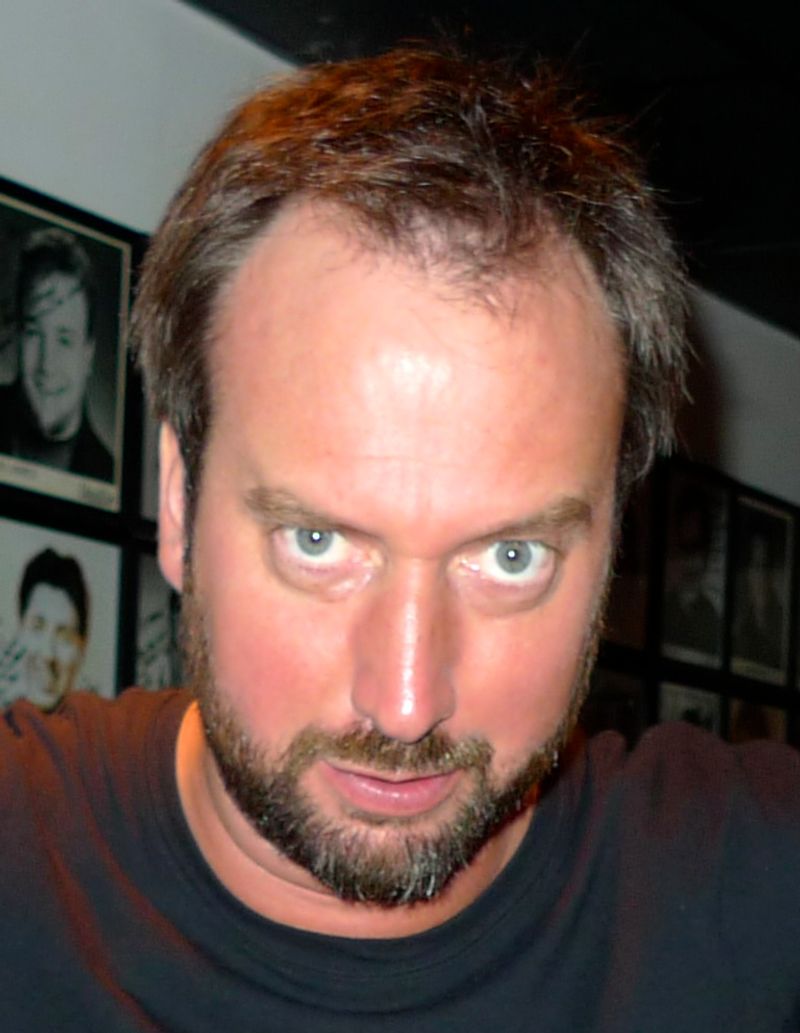
Freddy Got Fingered is one of those films that almost defies description, which was probably the point. Tom Green wrote, directed, and starred in the 2001 surreal comedy, pushing the boundaries of what a studio-funded comedy could look like.
The film follows a directionless young man who antagonizes his father while pursuing a cartoon career, but the plot is almost secondary to a series of deliberately extreme and bizarre set pieces.
The film was savaged by critics and won five Razzie awards, including Worst Picture and Worst Director. It was a significant box office disappointment for 20th Century Fox.
Green himself accepted his Razzie in person, which tells you something about his relationship with the film’s reputation.
Over the years, Freddy Got Fingered has attracted a cult following among viewers who see it as a genuine piece of anti-comedy filmmaking rather than a failed mainstream comedy. Green continued working in stand-up, television, and online media but never directed another theatrical feature.
His one film remains genuinely divisive.
Share this story