New Mexico is one of those states where you can drive two hours in any direction and land somewhere that feels like a completely different world. Ancient cliff dwellings, white sand dunes, volcanic craters, and wildlife refuges packed with birds are all within reach, and most of them cost very little to visit.
The tricky part is knowing where to start. This list pulls together 18 places across the state that are worth more than a quick stop, spots that reward a full day or even an overnight stay.
Whether you are a hiker, a history fan, a photographer, or just someone looking to get out of the house without spending a lot of money, there is something here that will catch your attention and probably make you want to plan a return trip before you even leave.
White Sands National Park, Alamogordo
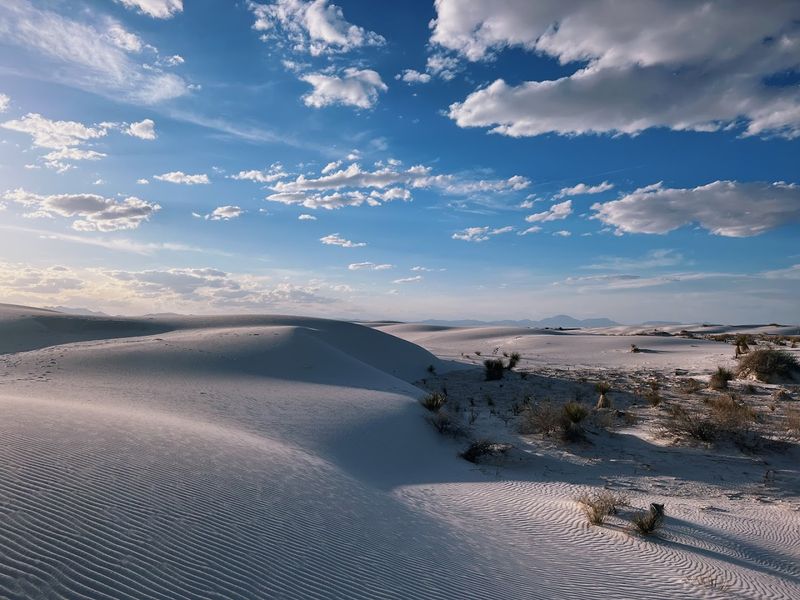
Few places in the country stop people in their tracks the way White Sands does. The dunes here are made of gypsum crystals, which means the sand stays cool to the touch even in summer heat, and the landscape looks almost unreal in photographs.
The park sits in the Tularosa Basin near Alamogordo and covers over 275 square miles, making it the largest gypsum dune field on Earth. Trails range from a short paved loop to longer backcountry routes that take you deep into the dunes.
Entrance fees are under $30 per vehicle, and the park stays open into the evening most days. Sunset visits are especially popular because the light turns the dunes shades of pink and orange.
Sled rentals are available at the visitor center for those who want to slide down the dunes, which is genuinely fun for all ages.
Bandelier National Monument, Los Alamos
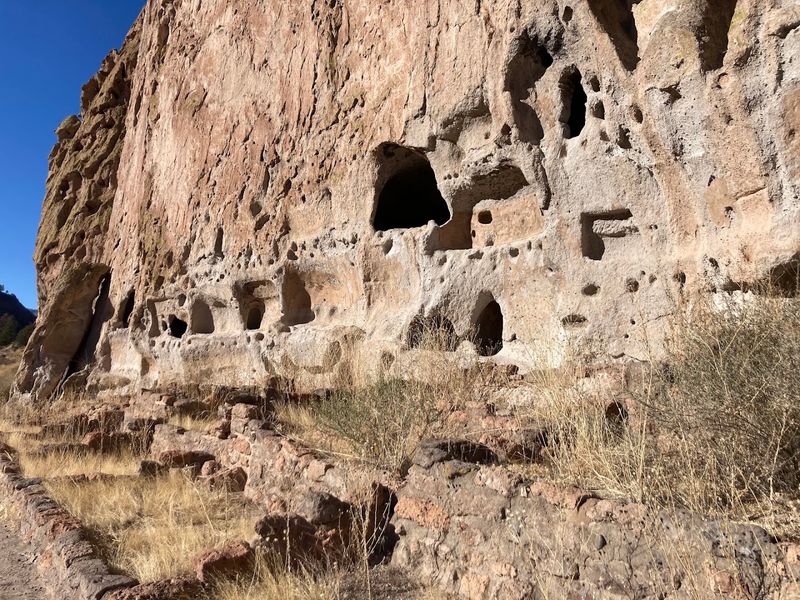
Bandelier sits in a canyon carved by volcanic activity and time, and the ancestral Pueblo people who lived here between roughly 1150 and 1550 CE left behind an extraordinary record of their lives. Visitors can walk through the main loop trail in Frijoles Canyon and climb wooden ladders directly into cave rooms carved into the soft volcanic tuff.
The main loop is about 1.2 miles and is considered moderate, with a few ladder climbs that add a little adventure to the walk. A longer backcountry trail system extends for miles into quieter territory with fewer visitors.
Admission is under $30 per vehicle and covers multiple days, which makes it a strong value. The visitor center has a good museum with pottery and tools found on-site.
Shuttle service runs from White Rock in summer months to reduce parking pressure in the canyon, so check the schedule before you go.
Petroglyph National Monument, Albuquerque
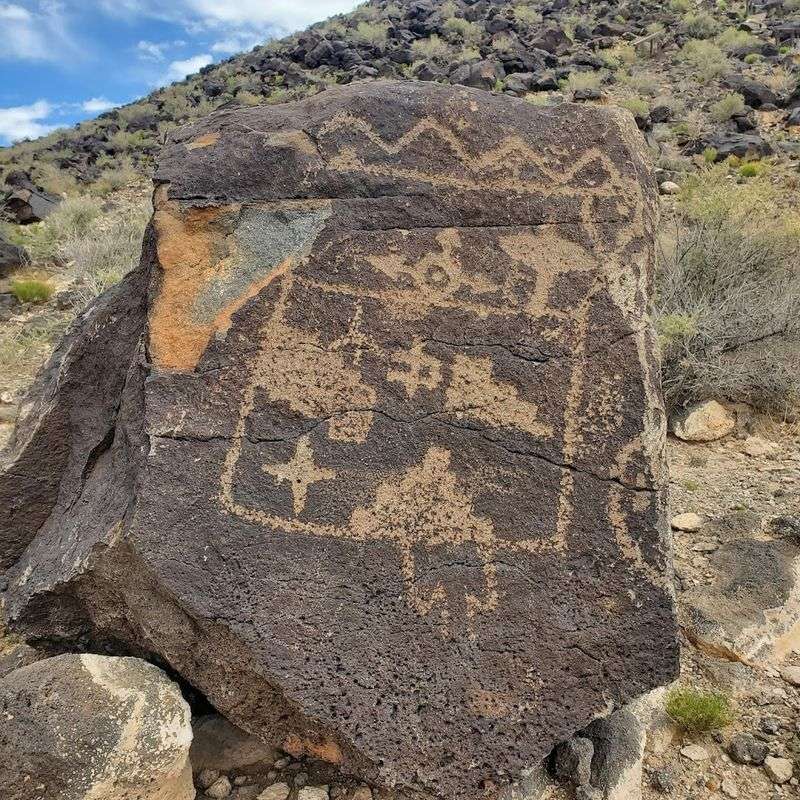
Right on the western edge of Albuquerque, Petroglyph National Monument protects one of the largest petroglyph sites in North America. Over 24,000 images are carved into the dark volcanic basalt boulders along a 17-mile escarpment, created by both ancestral Pueblo people and early Spanish settlers over hundreds of years.
The monument has several separate trailheads, and most hikes are short and relatively flat, making this an easy stop for families. The Boca Negra Canyon area has three well-marked trails and is the most visited section.
Rinconada Canyon is longer and quieter if you want more space to explore.
Entry to most areas is free, though Boca Negra Canyon charges a small parking fee on weekends. The visitor center near Unser Boulevard has maps, exhibits, and rangers who can point you toward the best concentrations of carvings.
Mornings are cooler and less crowded, especially in summer months.
Gila Cliff Dwellings National Monument, Silver City area
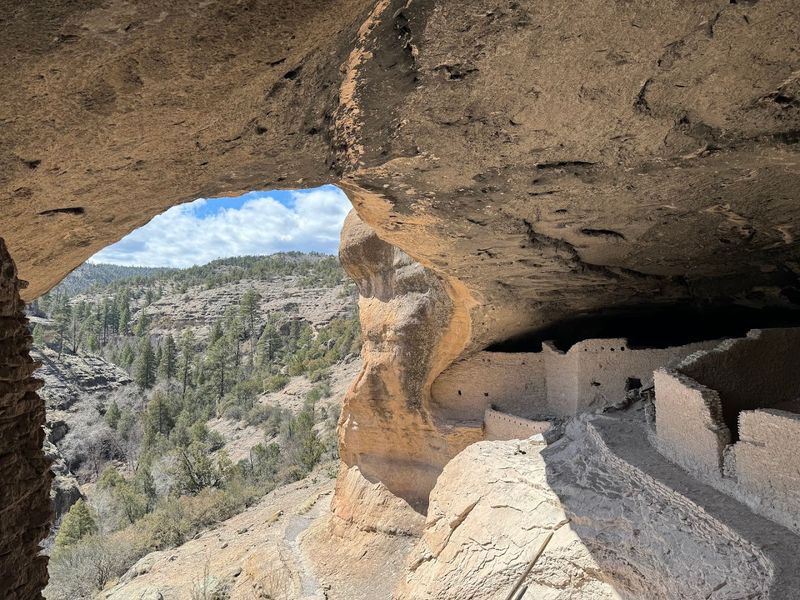
Getting to the Gila Cliff Dwellings requires a long scenic drive through the Gila National Forest, and that drive is part of the experience. The road winds through mountains and river valleys, and the monument itself sits at the end of a canyon where the Mogollon people built stone rooms inside natural cave openings around 700 years ago.
The site trail is a one-mile loop that takes about an hour and passes directly through the cave rooms. Visitors can walk inside the dwellings and see the original stone walls, doorways, and hearths.
The trail has some rocky sections and a moderate elevation gain, so comfortable shoes matter.
Admission is under $10 per person and includes a self-guided trail map. The nearby Gila Visitor Center has exhibits on the Mogollon culture and the broader Gila Wilderness.
Hot springs accessible along the Gila River add an optional bonus to an overnight trip in the area.
Valles Caldera National Preserve, Jemez Springs
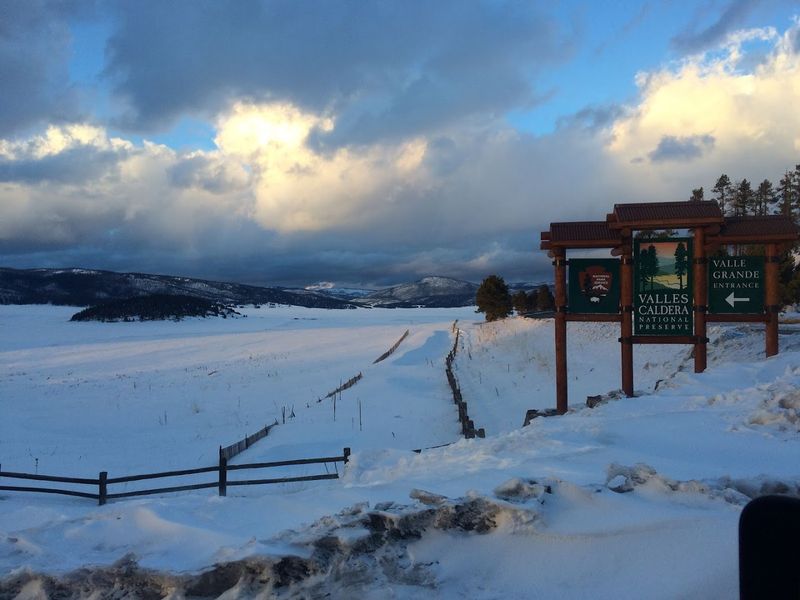
Valles Caldera is a volcanic crater roughly 13 miles wide, and standing at the rim looking down into the valley below is one of the more dramatic views you can find in New Mexico without technical hiking gear. The preserve covers about 89,000 acres and sits at elevations above 8,000 feet, which keeps temperatures noticeably cooler than the desert below.
Elk herds are commonly spotted grazing in the open meadows, and the preserve offers hiking, fishing, cross-country skiing, and ranger-led programs depending on the season. The Coyote Call Trail and the Valles Caldera Trail are among the most accessible routes for day visitors.
Admission is $25 per vehicle, and timed entry passes are required during peak summer weekends, so booking in advance through Recreation.gov is smart. The preserve is managed by the National Park Service and sits just a short drive from Jemez Springs, making a combined day trip easy to plan.
El Morro National Monument, Ramah
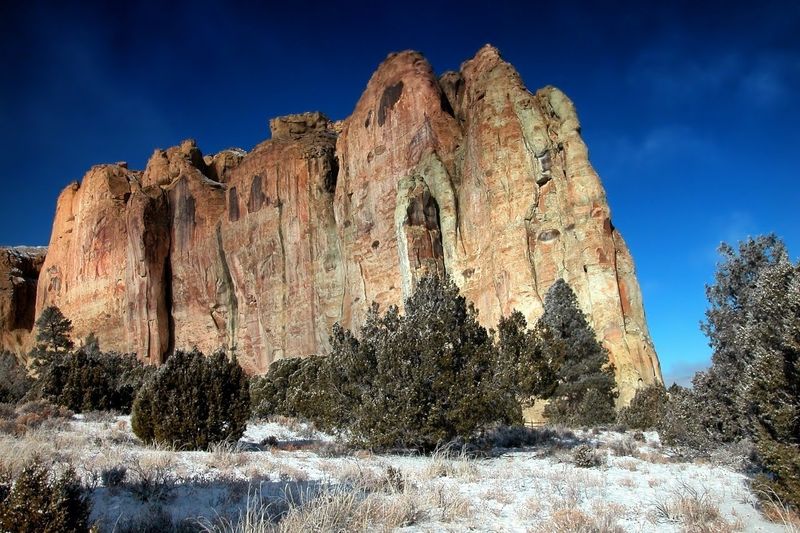
El Morro is sometimes called Inscription Rock, and for good reason. The soft sandstone bluff here served as a message board for centuries, with carvings left by ancestral Pueblo people, Spanish explorers, and American travelers dating back hundreds of years.
Over 2,000 inscriptions are preserved on the rock face.
The Inscription Loop Trail is about 2 miles round trip and climbs to the top of the mesa, where ruins of a 13th-century Pueblo village sit above the valley. The trail has some steep sections near the top but is manageable for most hikers in reasonable shape.
Admission is under $10 per person, and the small visitor center has exhibits that explain the history of the various groups who stopped here to carve their names and messages. El Morro sits along the old trail connecting the Rio Grande pueblos to the Zuni people, which gives the site an important geographic and cultural context.
Aztec Ruins National Monument, Aztec
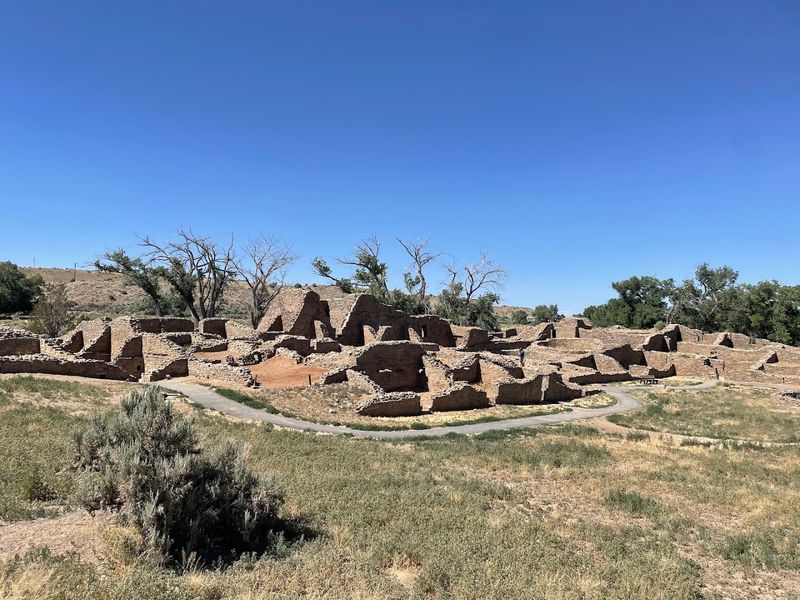
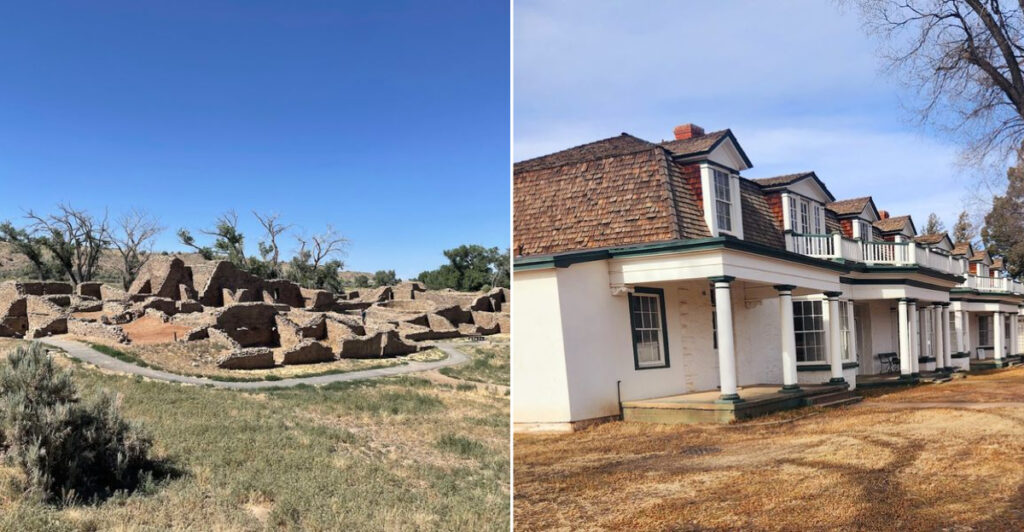
Despite the name, the Aztec Ruins have no connection to the Aztec civilization of Mexico. The site was built by ancestral Pueblo people around 900 years ago and served as a major community center in the region.
Early American settlers gave it the misleading name, and it has stuck ever since.
The monument is best known for its reconstructed Great Kiva, a large circular ceremonial chamber that gives visitors a rare sense of what these spaces may have looked and felt like when they were in active use. The self-guided trail through the ruins is about a half mile and passes through multiple rooms and open plazas.
Admission is under $10 per person, and the visitor center has exhibits on the architecture and culture of the people who built the site. Aztec Ruins is a World Heritage Site and is located near Aztec, a small town in the northwestern corner of New Mexico, close to the Colorado border.
Bosque del Apache National Wildlife Refuge, San Antonio
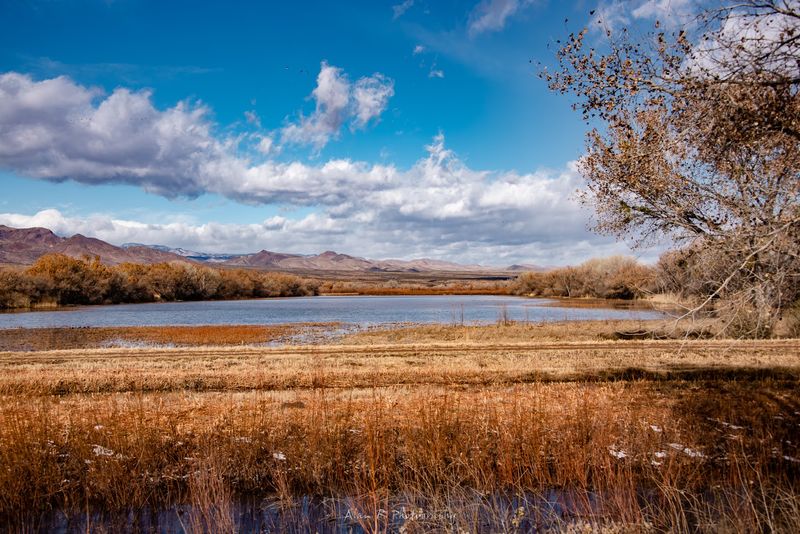
Every November, tens of thousands of sandhill cranes and snow geese arrive at Bosque del Apache, and the sight of that many birds lifting off the water at dawn is genuinely hard to describe. The refuge sits along the Rio Grande south of Socorro and manages a carefully maintained system of wetlands, fields, and riparian habitat.
The Festival of the Cranes in November draws photographers and wildlife watchers from across the country, but the refuge is worth visiting any time of year. Shorebirds, raptors, and songbirds use the area year-round, and the auto tour loop lets visitors explore the refuge by car or on foot.
Admission requires a federal recreation pass or a small day-use fee. The refuge road is paved and well-maintained, making it accessible for most vehicles.
Early mornings and late afternoons offer the best wildlife activity, and the visitor center staff can tell you where specific species have been spotted recently.
Bottomless Lakes State Park, Roswell
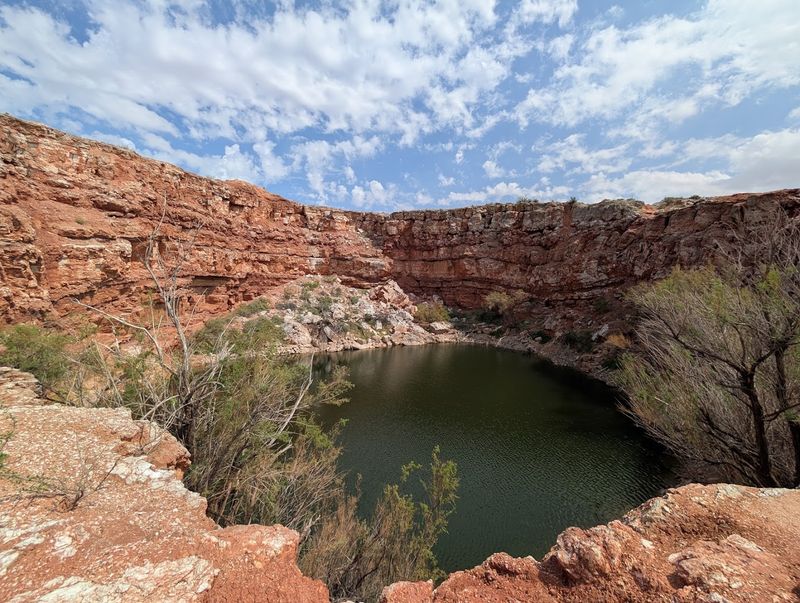
The name comes from early cowboys who dropped ropes into the lakes and could not find the bottom, though the lakes are actually not that deep. What they are is surprisingly beautiful, with clear blue-green water surrounded by red sandstone bluffs that create a striking contrast in the eastern New Mexico landscape.
The park has nine lakes total, though not all are open for swimming. Lea Lake is the main swimming area and has a beach, restrooms, and a small concession stand during summer months.
Paddleboat and kayak rentals are typically available at Lea Lake during the warmer season.
Day use fees are under $10 per vehicle, and the park has a campground for those who want to stay overnight. The park sits about 15 miles southeast of Roswell, making it an easy add-on if you are already visiting the area.
Spring and fall visits tend to be less crowded than summer weekends.
City of Rocks State Park, Faywood
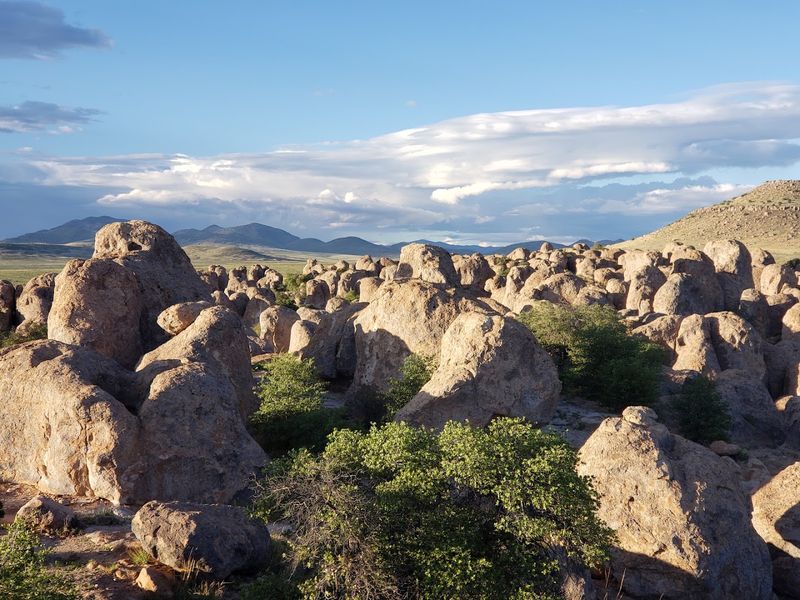
About 35 million years ago, a volcanic eruption deposited a massive layer of ash across this area, and over time erosion carved it into the cluster of towering rock formations that visitors walk through today. The rocks range from 40 to 60 feet tall and are arranged in a maze-like pattern that makes the park feel genuinely different from anything else in the state.
Campsites are set directly among the rocks, which makes overnight stays here especially memorable. The park also has a developed garden planted with native cacti and succulents, which adds another layer of interest to the visit.
Day use fees are affordable, and the campground books up on weekends, so reservations through the New Mexico State Parks system are a smart move. The park sits between Deming and Silver City in the southwestern part of the state.
Stargazing here is exceptional because of the low light pollution and high desert elevation.
Cerrillos Hills State Park, Cerrillos
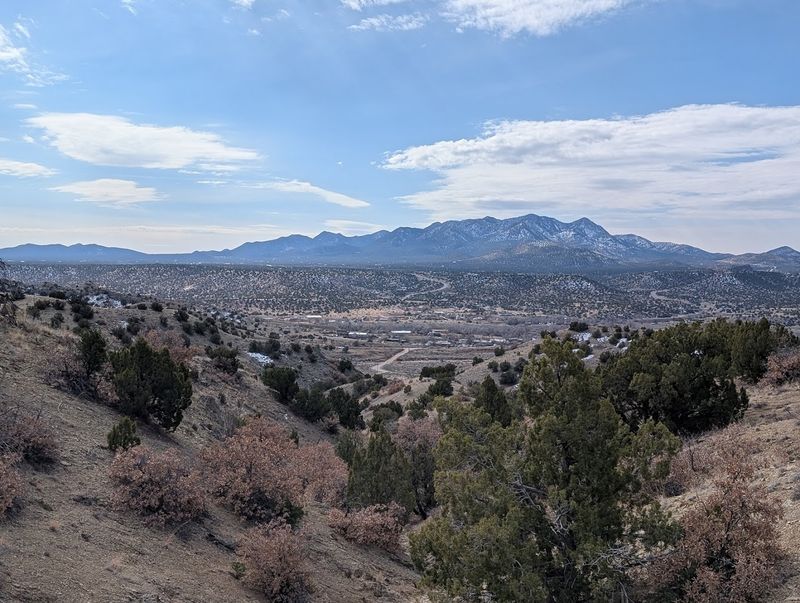
Cerrillos Hills sits just south of Santa Fe and offers about 1,000 acres of open space with a trail system that winds through old turquoise and lead mining territory. The hills here were mined by ancestral Pueblo people long before Spanish colonizers arrived, and the area holds a significant place in regional history.
The park has roughly five miles of trails that range from easy to moderate, passing through pinon and juniper forest with views of the Ortiz Mountains and the surrounding high desert. Old mine shafts are visible along some trails, though they are fenced for safety.
Admission is free, which makes this one of the better deals near Santa Fe. The nearby village of Cerrillos is a small historic community with a few shops and galleries worth a short walk.
The park is managed in partnership with the village and the Conservation Fund, and it tends to stay quieter than the more popular parks closer to the city.
Rio Grande Nature Center State Park, Albuquerque
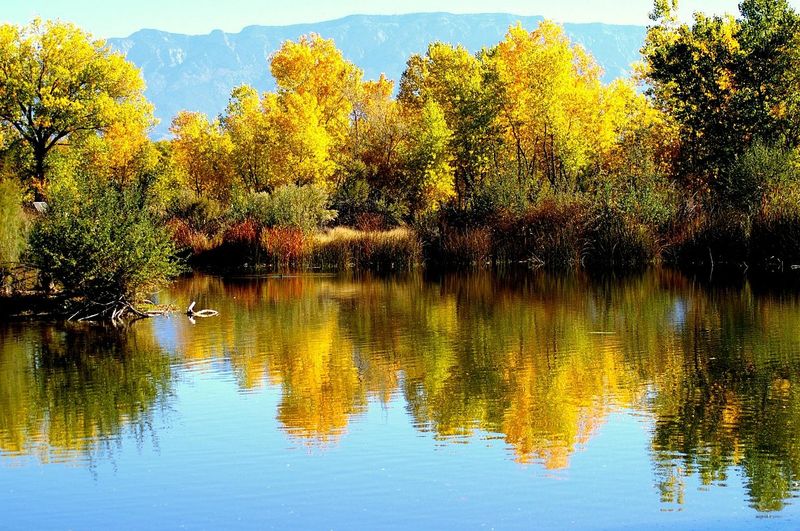
Sitting right inside Albuquerque city limits, the Rio Grande Nature Center manages a stretch of bosque habitat along the river that feels surprisingly removed from the surrounding urban area. The park protects cottonwood forest, riverside wetlands, and open meadows, and it serves as a migration corridor for birds moving through the Rio Grande Valley.
The visitor center is built into the riverbank and has large glass windows that overlook a pond, making it possible to watch wildlife without going outside. The center has interactive exhibits on the river ecosystem and is a good starting point for the trails that wind through the bosque.
Admission is a few dollars per person, and the park is open daily. The trails are flat and paved in some sections, making them accessible for strollers and wheelchairs.
Over 260 bird species have been recorded in the bosque, and the park is a well-regarded spot for birding in central New Mexico throughout the year.
Open Space Visitor Center, Albuquerque
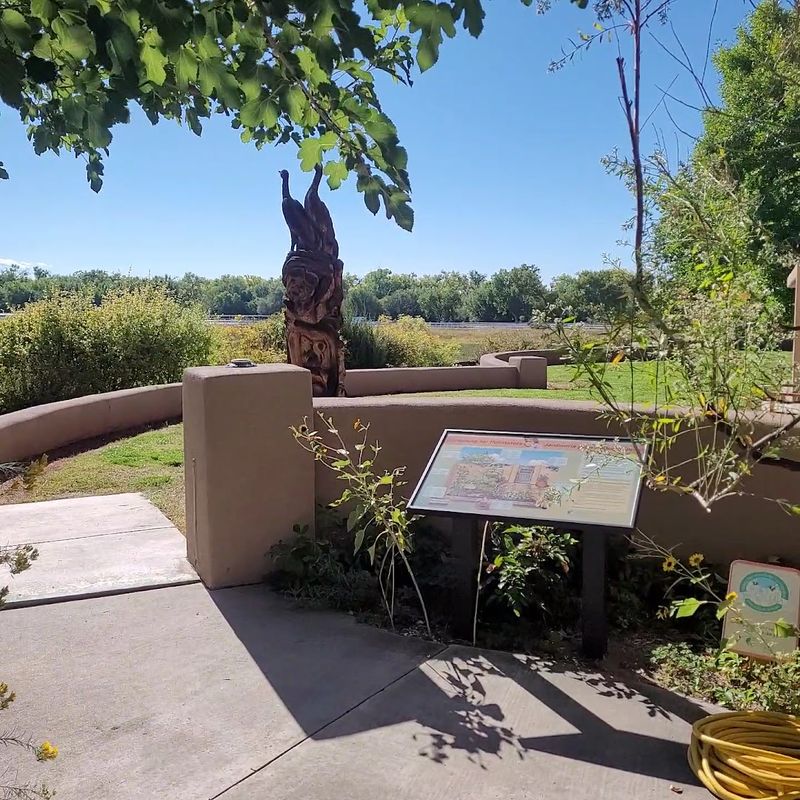
Albuquerque manages over 29,000 acres of open space land within city limits, and the Open Space Visitor Center on the west side serves as the gateway to exploring much of it. The center sits near the Rio Grande and offers exhibits on the ecology and geology of the Middle Rio Grande Valley.
Trails from the visitor center connect to the bosque, the river, and open mesa terrain, giving visitors a range of landscape types within a single outing. The center also hosts regular programs including guided nature walks, bird counts, and family-friendly activities throughout the year.
Admission is free, and the center is open most days of the week. The surrounding open space is popular with local runners, cyclists, and walkers, but the trails away from the main paths offer more solitude.
Staff at the visitor center are knowledgeable about local wildlife and can point visitors toward seasonal highlights like migratory birds or blooming native plants depending on the time of year.
Fort Selden Historic Site, Radium Springs
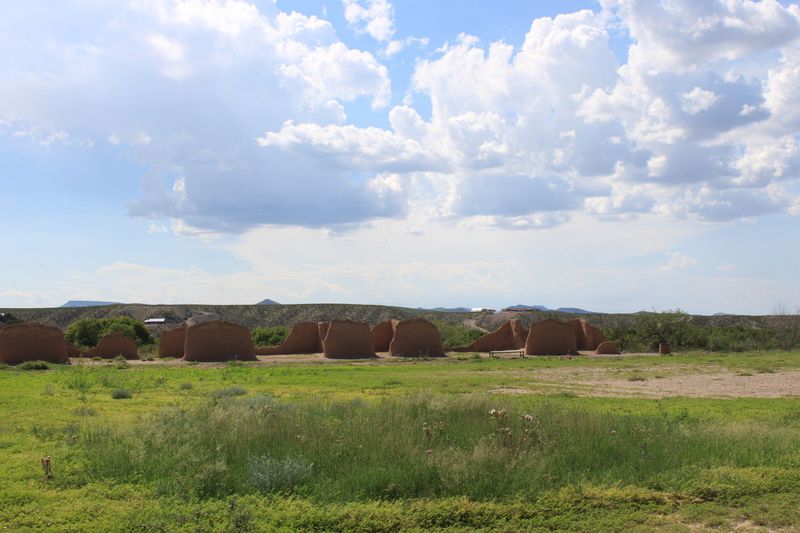
Fort Selden was an active U.S. Army post from 1865 to 1891, and it played a significant role in the history of the American Southwest.
Among the notable figures connected to the fort is Arthur MacArthur Jr., whose son Douglas MacArthur spent part of his childhood here when his father was posted at the site.
The ruins are made of adobe and have been partially stabilized, with interpretive signs explaining the layout of the original fort and the lives of the soldiers and families who lived here. The visitor center has exhibits on the Buffalo Soldiers who were stationed at Fort Selden, a topic that adds meaningful historical context to the visit.
Admission is under $5 per person, making it one of the more affordable historic sites in the state. The fort sits in the Mesilla Valley near the town of Radium Springs, not far from Las Cruces.
The landscape around the site is flat and open, with the Organ Mountains visible to the east.
Fort Stanton Historic Site, Fort Stanton
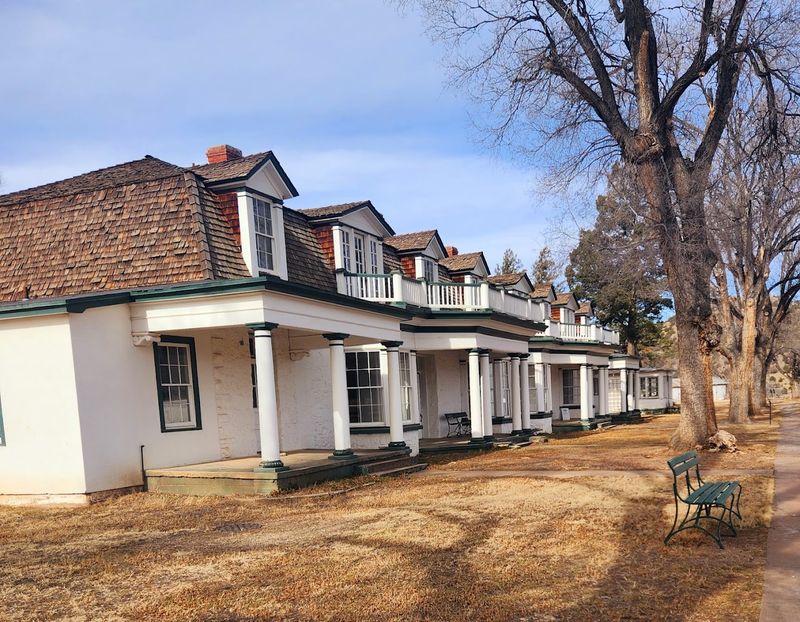
Fort Stanton is one of the best-preserved frontier military posts in the American Southwest, and its history stretches across several chapters of New Mexico’s past. Established in 1855, the fort saw use during the Civil War, the Apache conflicts, and later as a merchant marine hospital and internment facility during World War II.
The site has a small museum, a historic cemetery, and several original buildings that visitors can walk through. The variety of uses the fort served over its long history gives it a layered character that most single-era historic sites cannot match.
Admission is under $5 per person, and the site is open most days of the week. Fort Stanton sits in Lincoln County in the mountains of south-central New Mexico, not far from the historic town of Lincoln, which is itself worth a visit.
Combining both sites makes for a full day of exploring the history of one of New Mexico’s most storied regions.
Jemez Historic Site, Jemez Springs
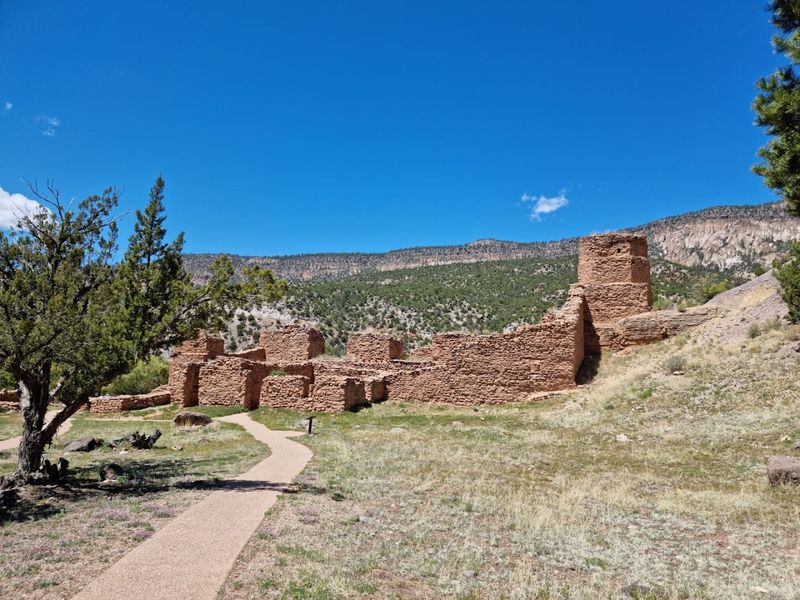
Jemez Historic Site preserves the ruins of Giusewa, a Towa-speaking Pueblo village, alongside the remains of the San Jose de los Jemez mission church built by Spanish Franciscan missionaries in the early 1600s. The combination of ancestral Pueblo architecture and Spanish colonial construction in one location makes this site particularly interesting from a historical standpoint.
The site has a small but well-organized museum with pottery, tools, and exhibits that explain the history of both the Jemez people and the Spanish colonial presence in the region. A short trail winds through the ruins, and interpretive signs provide context at each major structure.
Admission is under $5 per person. The site sits in the Jemez Mountains along the Jemez River, and the surrounding canyon scenery adds to the atmosphere of the visit.
Jemez Springs is a small community nearby with a few local restaurants and the Jemez Springs Bath House, which offers a natural warm spring soak.
Coronado Historic Site, Bernalillo
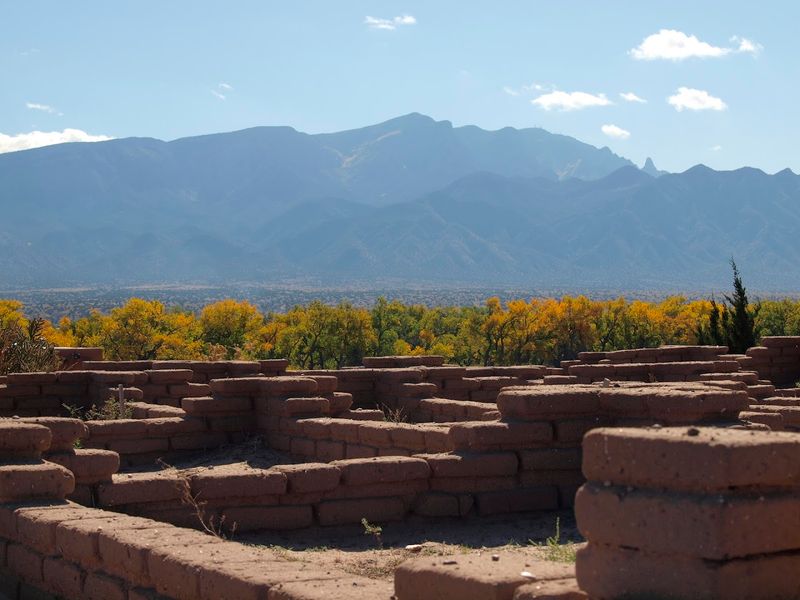
Coronado Historic Site sits along the Rio Grande north of Albuquerque and preserves the ruins of Kuaua Pueblo, a large ancestral Pueblo village that was occupied for several hundred years before Spanish contact. The site is named for Francisco Vasquez de Coronado, the Spanish explorer who camped near this area during his 1540 expedition through the region.
The museum here holds an impressive collection of original kiva murals that were carefully excavated from the site and are considered among the finest examples of pre-contact Pueblo wall painting in the Southwest. A reconstructed kiva on-site allows visitors to see what the interior of these ceremonial spaces looked like.
Admission is under $5 per person, and the grounds along the river are open for walking. The Sandia Mountains form a dramatic backdrop to the east, and the cottonwood trees along the river make this a pleasant stop in any season.
The site is managed by the New Mexico Department of Cultural Affairs.
New Mexico State Parks, Statewide
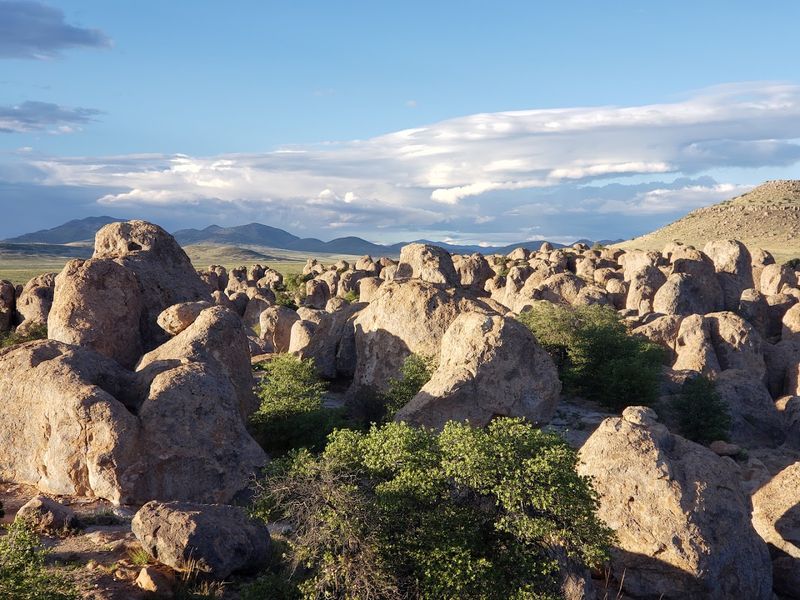
New Mexico has 34 state parks spread across nearly every region of the state, and together they cover an enormous range of landscapes and experiences. From the volcanic rock formations at City of Rocks to the high mountain lakes of Cimarron Canyon, the system gives visitors access to some of the most varied scenery in the country at very reasonable prices.
Day use fees at most parks run under $10 per vehicle, and an annual state park pass is available for around $40, which pays for itself quickly if you visit more than a handful of parks in a year. Camping is available at most parks, with sites ranging from primitive tent spots to developed sites with electric hookups.
The New Mexico State Parks website has an up-to-date map and reservation system, and the staff at each park are generally helpful with local trail and wildlife information. For anyone building a longer road trip through the state, the park system provides a reliable and affordable backbone for the whole journey.
Share this story