Tennessee has a way of making history feel personal. From colonial frontier forts to Civil War battlefields to the birthplace of country music, the state holds a remarkable collection of places where real events unfolded and real people left their mark.
Whether you are a lifelong Tennessee resident or planning your first visit, these historic sites offer something far more engaging than a textbook ever could. Each stop on this list connects you to a different chapter of the state’s story, and some of them might surprise you with how much there is to see and learn.
If you have been looking for a reason to explore Tennessee beyond its cities and tourist strips, this list gives you thirteen very good ones.
Andrew Jackson’s Hermitage, Nashville
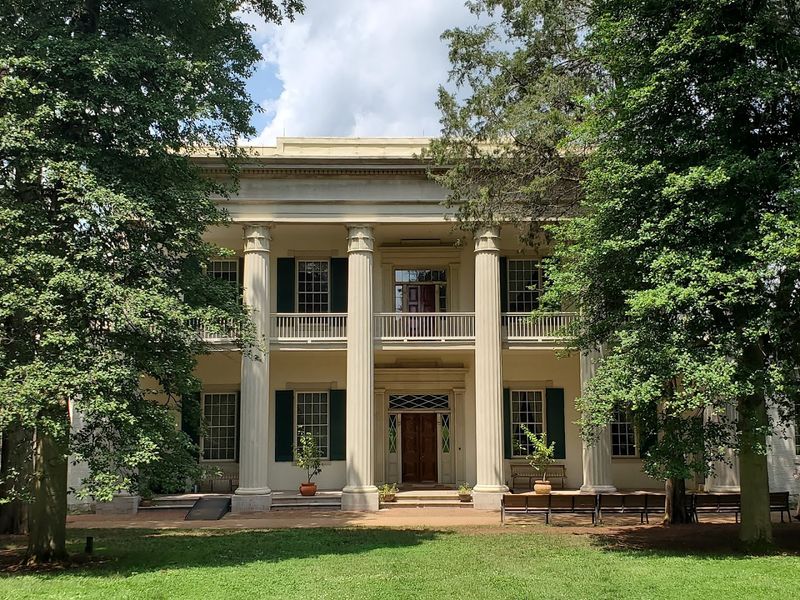
Few presidents left behind a home as historically layered as Andrew Jackson’s Hermitage. Sitting on 1,120 acres just outside Nashville, this National Historic Landmark preserves the life and era of the seventh U.S. president in remarkable detail.
The guided tours cover the mansion, outbuildings, and gardens, but they do not stop at presidential portraits and period furniture.
What makes the Hermitage stand out from similar sites is its honest approach to the full story. The tours address the lives of the enslaved people who lived and worked on the property, giving visitors a more complete picture of what plantation life actually looked like.
That kind of historical transparency is increasingly rare and genuinely valuable.
Admission is charged, and the official site lists current hours and tour options. The grounds alone are worth exploring, and the museum exhibits add meaningful context before you step inside the house.
Plan at least two to three hours here.
Belle Meade Historic Site, Nashville
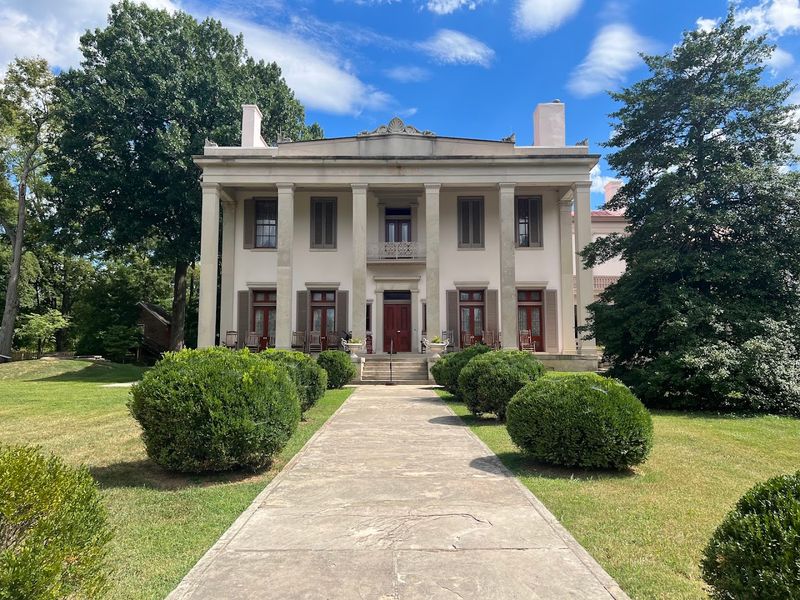
Belle Meade carries the kind of complicated history that makes a site genuinely worth visiting. The estate was once one of the most prominent thoroughbred horse farms in the American South, and its mansion and outbuildings still stand as a testament to the 19th century world that shaped this part of Tennessee.
The property covers multiple historic structures, and tours interpret both the opulence of the estate and the lives of the enslaved people who made it function.
Today, Belle Meade operates as a full visitor experience with guided mansion tours, a winery on the grounds, and dining options nearby. It has evolved into a place where history and modern hospitality meet, which makes it appealing to a broad range of visitors.
Located in one of Nashville’s most established neighborhoods, it is easy to pair with other nearby attractions. Check the official site for tour times and admission before you go, as availability can vary by season.
Ryman Auditorium, Nashville
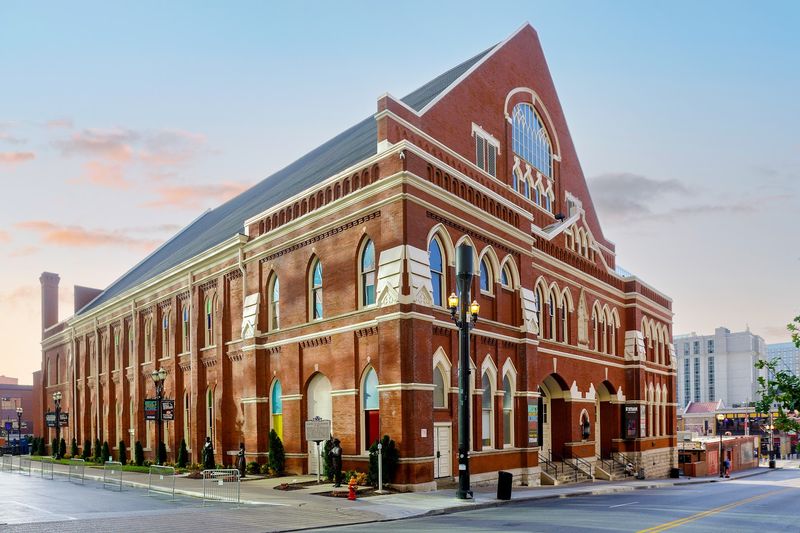
Built in 1892 as a tabernacle and later transformed into the original home of the Grand Ole Opry, the Ryman Auditorium is one of those rare buildings that genuinely shaped American culture. The acoustics inside the main hall are legendary, and performers from Hank Williams to Johnny Cash to Elvis Presley once stood on that stage.
Walking through the Ryman is less like visiting a venue and more like stepping into a living timeline of country music history.
Self-guided and guided tours are available during the day, and the exhibits cover the building’s full arc from its religious roots through its decades as Music City’s most storied stage. Visitors can even step out onto the stage for a photo, which is a genuinely memorable moment.
The Ryman still hosts concerts regularly, so checking the calendar before your visit could turn a history tour into a live performance experience. Both options are worth your time in Nashville.
Tennessee State Museum, Nashville

A free museum covering thousands of years of history sounds almost too good to be true, but the Tennessee State Museum delivers exactly that. Located in downtown Nashville, the museum traces Tennessee’s story from its earliest indigenous inhabitants through statehood, the Civil War, Reconstruction, and into the 20th century.
The collections include historic artifacts, documents, artwork, and interactive exhibits spread across a modern, well-organized facility.
One of the most valuable aspects of this museum is how it contextualizes Tennessee within broader American history. You are not just learning about one state in isolation.
You are seeing how Tennessee’s geography, politics, and people shaped national events at critical turning points.
Because admission is free, it is one of the most accessible historic experiences in the state. Families, school groups, and solo travelers all find something useful here.
The museum’s official plan-your-visit page lists current hours, parking details, and temporary exhibition schedules, so it is worth checking before your trip.
Carter House State Historic Site, Franklin
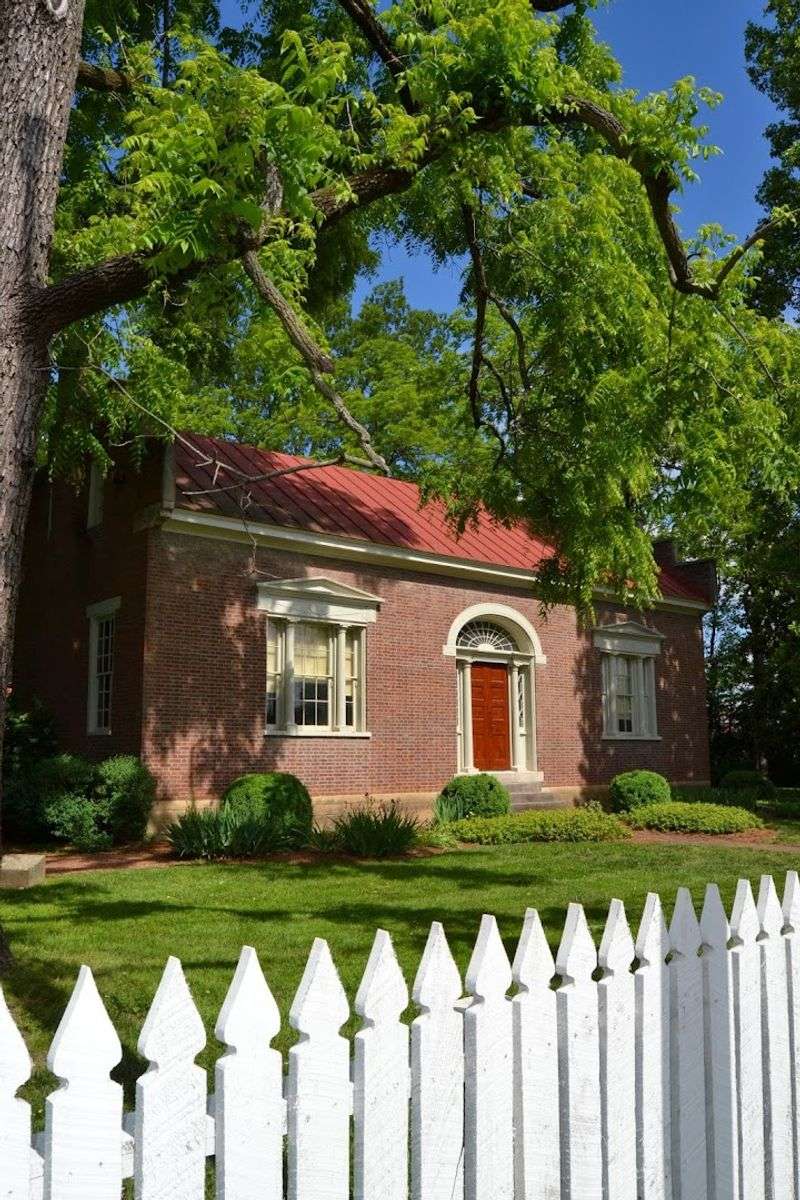
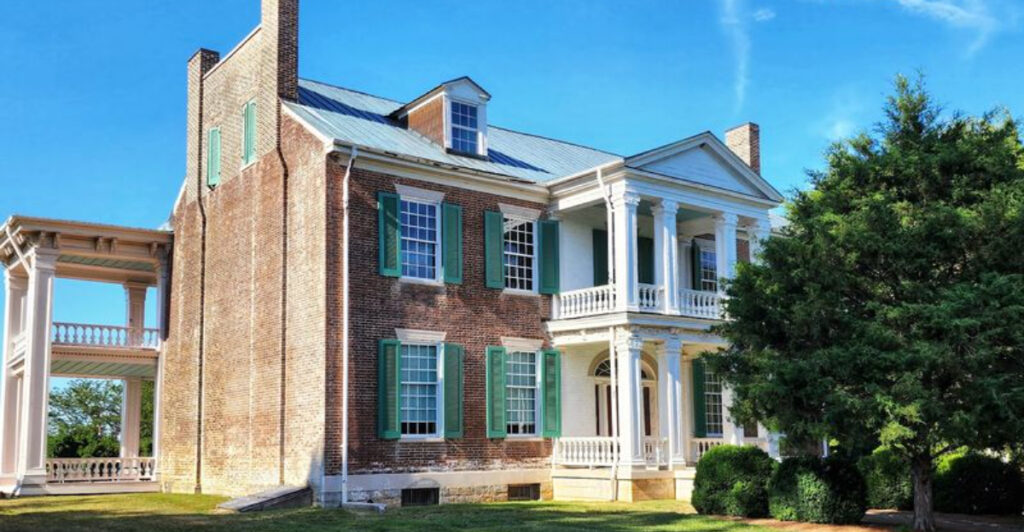
The Carter House in Franklin is one of those historic sites where the physical evidence of history is still visible on the walls. Built in 1830 under the supervision of Fountain Branch Carter, the Federal Period brick home stood at the center of the Battle of Franklin on November 30, 1864.
The outbuildings still bear bullet holes from that day, which makes the damage feel immediate rather than distant.
Guided tours take visitors through the house, grounds, and historic outbuildings, covering both the Carter family’s story and the broader military events that unfolded around them. The combination of personal history and battlefield context gives Carter House a depth that purely military sites sometimes lack.
Franklin’s official visitor information confirms that guided tours are offered regularly, and Tennessee’s state historic site listing provides current hours. The site pairs naturally with Carnton and the Lotz House nearby, making Franklin one of the most concentrated Civil War history destinations in the entire state.
Carnton, Franklin
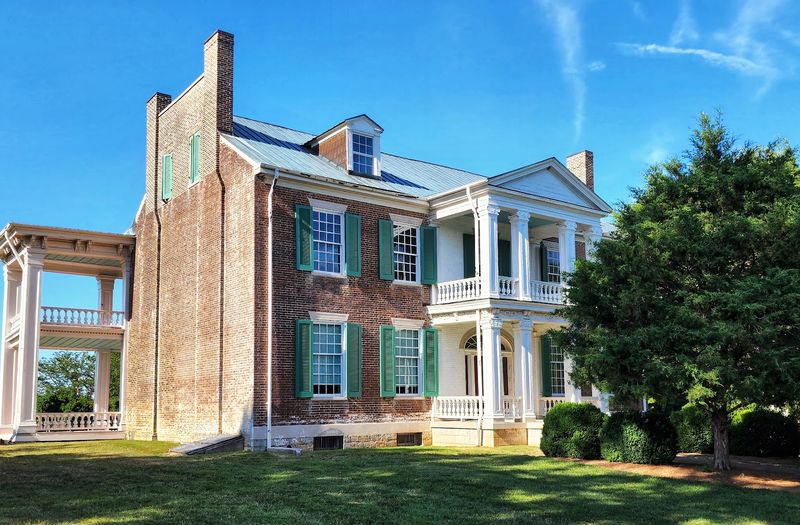
Carnton holds a specific and sobering place in Civil War history. After the Battle of Franklin on November 30, 1864, the McGavock family home became one of the largest field hospitals in the region, with hundreds of soldiers treated in its rooms and on its grounds.
The McGavock Confederate Cemetery, located on the property, is the largest privately owned Confederate cemetery in the country and remains a quietly powerful place to visit.
The Battle of Franklin Trust manages Carnton alongside Carter House and Rippa Villa, offering guided tours of the house and grounds throughout the day. The tour covers the home’s antebellum history, the battle’s aftermath, and the McGavock family’s long role in preserving the site long before preservation was a popular cause.
Carnton’s grounds are well maintained, and the combination of the house tour and the cemetery walk makes for a visit that stays with you. Check the Trust’s official site for current tour schedules and combined ticket options with other Franklin sites.
Lotz House Museum, Franklin
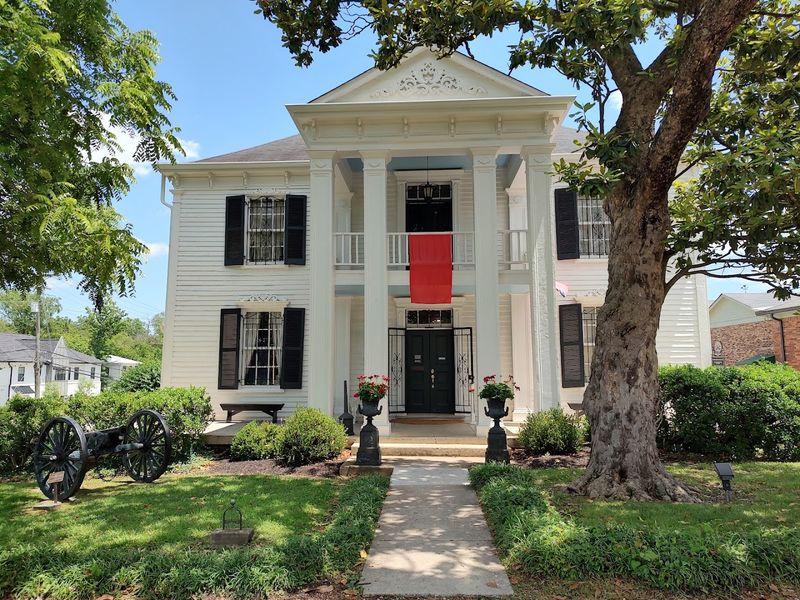
Johann Albert Lotz was a German immigrant and master woodworker who built his family’s Franklin home with extraordinary craftsmanship. The house, completed before the Civil War, sat directly in the path of the Battle of Franklin in 1864, and the family took shelter in the basement as fighting raged outside.
That personal survival story gives the Lotz House a human dimension that complements the larger military narrative told at nearby Carter House and Carnton.
Inside, visitors find a collection of Civil War artifacts, period antiques, and examples of Lotz’s detailed woodworking throughout the home. The guided tours connect the family’s immigrant story, their craftsman identity, and their experience of living through one of the war’s most intense battles in the Western Theater.
The Lotz House is independently operated and sits directly across from Carter House on Columbia Avenue, making it a natural addition to any Franklin Civil War itinerary. The official site lists current tour hours and admission details for planning purposes.
Stones River National Battlefield, Murfreesboro
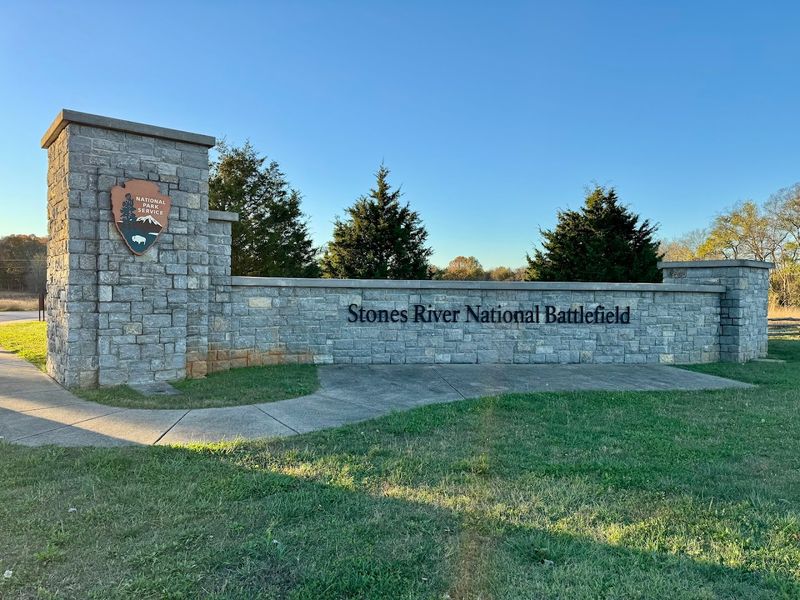
Fought over three days at the turn of 1863, the Battle of Stones River was one of the most intense engagements of the Civil War’s Western Theater. The National Park Service describes it as a battle that produced significant military and political gains for the Union at a time when the war’s outcome was still far from certain.
The battlefield in Murfreesboro preserves that ground today, with marked trails, historic monuments, and a visitor center that explains the battle’s broader significance.
The site includes Hazen’s Brigade Monument, believed to be the oldest Civil War monument still standing in its original location. That detail alone makes Stones River worth a stop for anyone with a serious interest in Civil War history.
Admission to the battlefield is free, and the NPS visitor center provides maps, exhibits, and ranger programs depending on the season. Murfreesboro is about 30 miles southeast of Nashville, making this an easy day trip from the city or a natural stop on a longer Middle Tennessee route.
Shiloh National Military Park, Shiloh
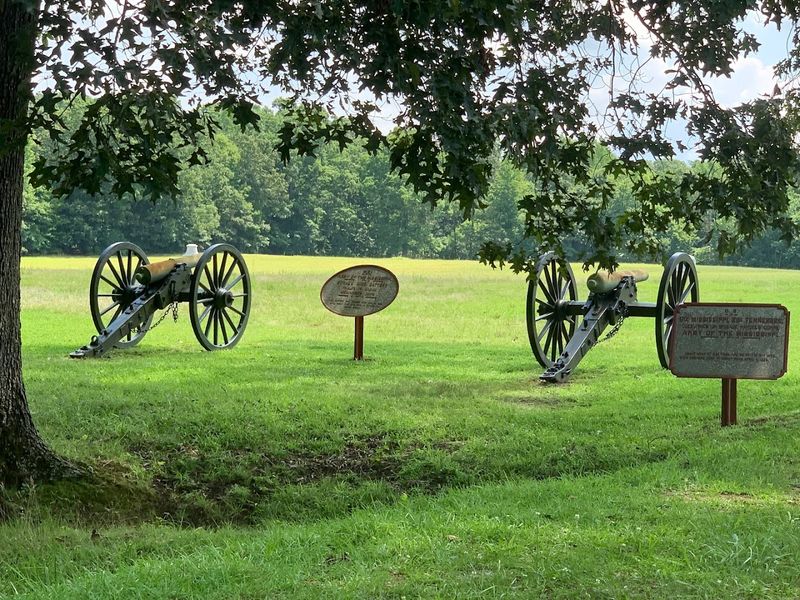
Shiloh is one of the most significant Civil War battlefields in the entire country, and its location in southwestern Tennessee makes it an essential stop on any serious Tennessee history tour. The two-day battle in April 1862 involved more than 100,000 soldiers and resulted in staggering casualties on both sides, fundamentally changing how both the Union and Confederate leadership understood the scale of the conflict ahead.
The National Park Service maintains the battlefield with a visitor center, a driving tour route, hiking trails, and a national cemetery on the grounds. The site is open sunrise to sunset daily, with the visitor center closed only on major holidays.
Rangers and exhibits at the center help visitors understand the battle’s timeline and its place in the broader arc of the war.
Shiloh is about 110 miles east of Memphis, so it works well as a destination trip rather than a quick detour. The scale of the battlefield and the quality of the NPS interpretation make the drive worthwhile for history-minded travelers.
Fort Loudoun State Historic Park, Vonore
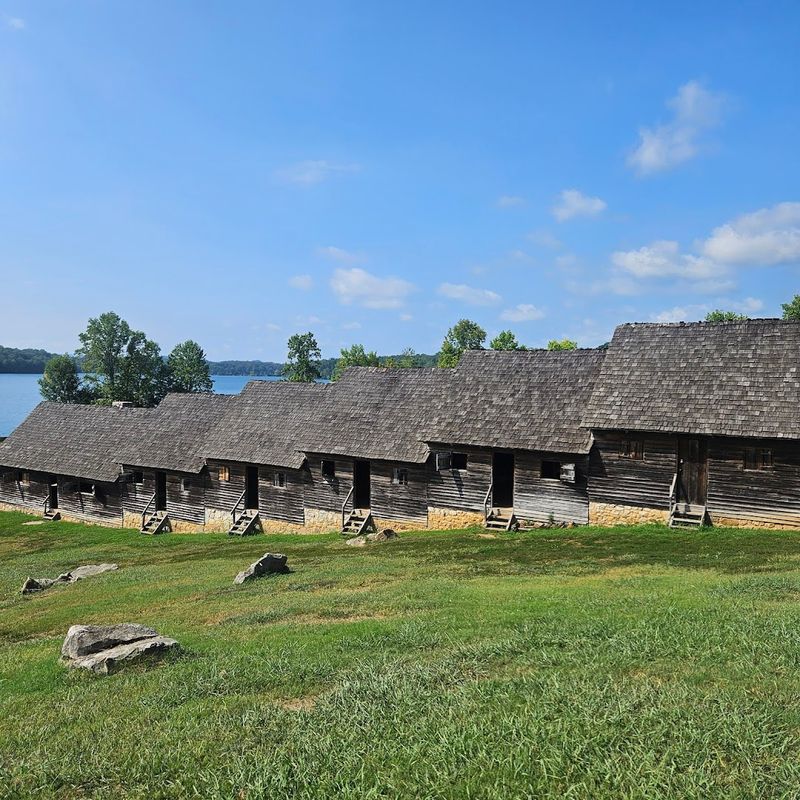
Most Tennessee history tours lean heavily on the Civil War era, which makes Fort Loudoun a genuinely different kind of stop. Built in 1756 along the Little Tennessee River, Fort Loudoun was one of the earliest British fortifications west of the Appalachians, constructed during the French and Indian War to maintain relationships with the Cherokee Nation.
The fort’s story involves colonial politics, frontier diplomacy, and eventually a dramatic siege that ended with the fort’s fall in 1760.
The reconstructed fort at the state park gives visitors a tangible sense of 18th century frontier life, and the interpretive programs bring that period into focus in ways that go well beyond a simple walking tour. Living history events and seasonal programs are offered throughout the year, and Tennessee State Parks confirms the visitor center is open seven days a week except Christmas Day.
The park sits beside Tellico Lake, which adds a scenic quality to the visit. Fort Loudoun pairs well with nearby Sequoyah Birthplace Museum for a fuller picture of this region’s layered history.
Rocky Mount State Historic Site, Piney Flats
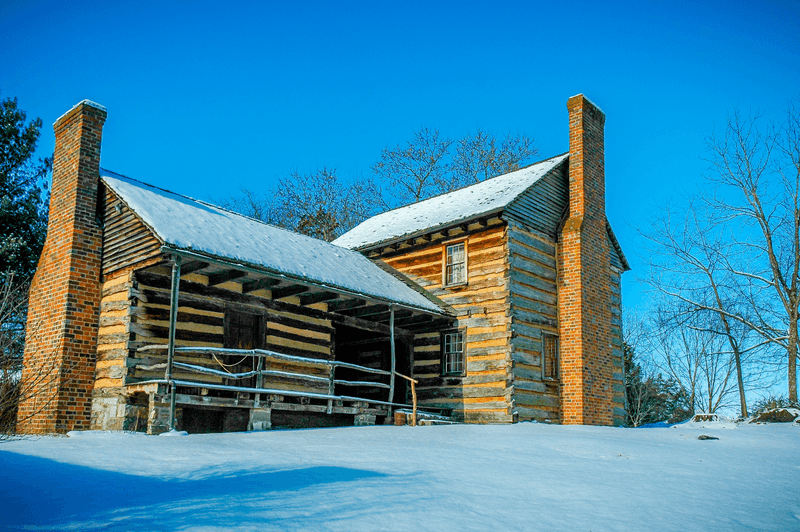
Rocky Mount holds a distinction that few Tennessee historic sites can claim. The site is associated with the period when the region operated as the Southwest Territory, before Tennessee became a state in 1796.
The main structure, a large log house built on the former property of William Cobb, served as the first capitol of the Southwest Territory, making it a foundational piece of Tennessee’s political origin story.
The site presents itself as a place where Tennessee’s story began, and that framing holds up when you consider what happened here in the early 1790s. Tours run Wednesday through Saturday, according to the official state listing, and the interpretive experience covers both the Cobb family’s history and the broader territorial period that preceded statehood.
Rocky Mount is located in Piney Flats near Johnson City, which makes it a natural companion to Tipton-Haynes and other Northeast Tennessee historic sites. The log construction and setting give it an authenticity that more polished historic sites sometimes lose in the restoration process.
Tipton-Haynes State Historic Site, Johnson City
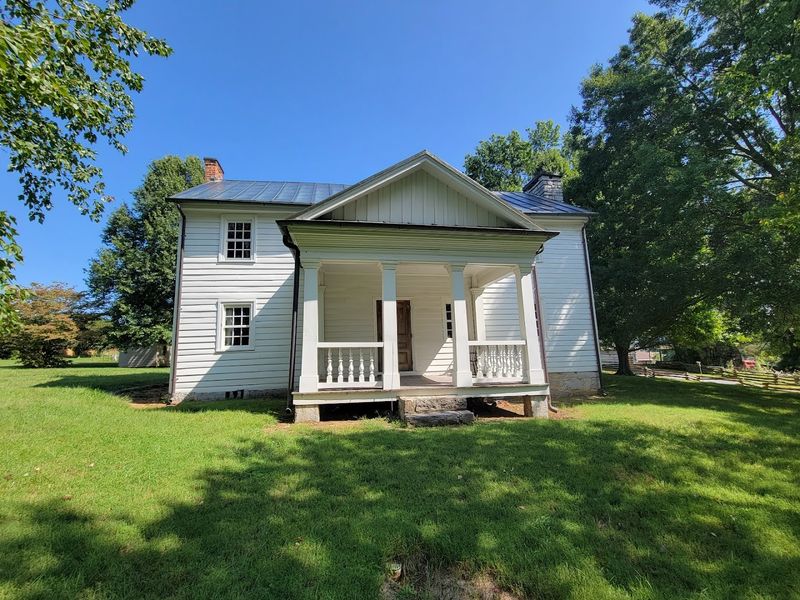
Forty-five acres, eleven historic buildings, a cemetery, and a visitor center make Tipton-Haynes one of the most comprehensive historic properties in Northeast Tennessee. The site covers a remarkable sweep of time, from pre-colonial use of the land through the Revolutionary War era, the early statehood period, and into Reconstruction.
Few single properties in the state carry that kind of historical range across so many distinct periods.
The site is tied to two prominent Tennessee families whose histories intersected here over generations. John Tipton, a significant figure in early Tennessee politics, owned the property during the turbulent years of the 1780s when the State of Franklin conflict brought regional tensions to a head.
The Haynes family’s later ownership adds another layer to the property’s story.
Tours run Tuesday through Saturday with seasonal hours, according to the official visitor page. The Johnson City visitor listing confirms the full scope of the property’s size and structures.
It rewards visitors who take their time rather than rushing through the grounds.
Historic Castalian Springs, Castalian Springs
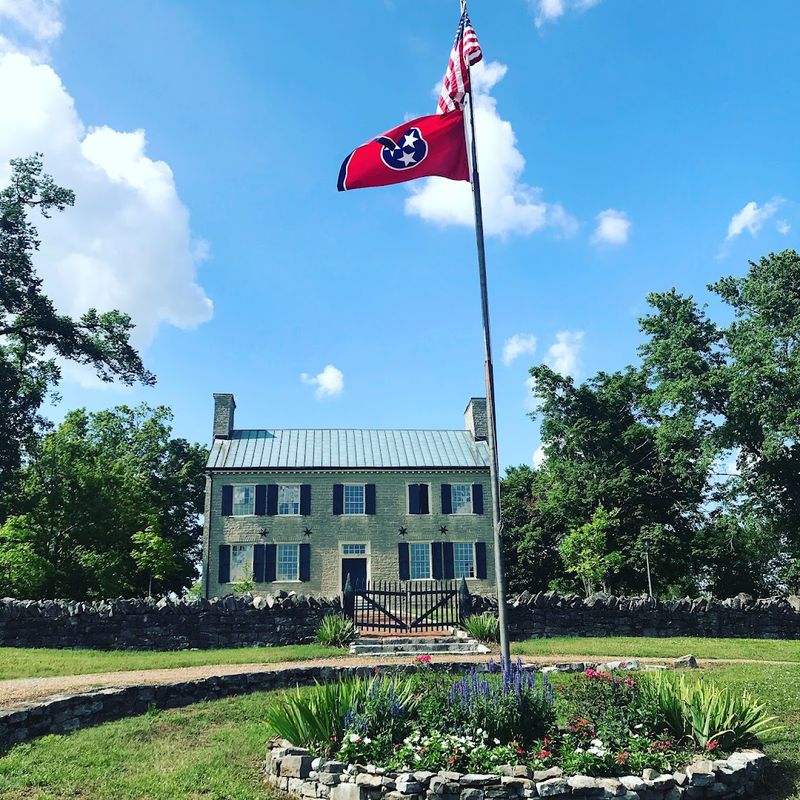
Castalian Springs is the kind of place that rewards travelers who venture off the main tourist corridors. Located in Sumner County about 40 miles northeast of Nashville, the community brings together three distinct historic house museums in one small area: Cragfont, Wynnewood, and Hawthorn Hill.
Together, they tell a Middle Tennessee story that stretches from the late 1700s through the 19th century in unusually concrete detail.
Cragfont, dating to around 1798, was the home of General James Winchester, a significant figure in early Tennessee and the War of 1812. Wynnewood, built around 1830, is considered the largest log structure still standing in Tennessee and once operated as a stagecoach inn and mineral springs resort.
Each property has its own character and its own chapter of the regional story.
House tours at Cragfont and Wynnewood run Thursday through Sunday during the main season, according to the current plan-your-visit page. Visiting all three sites in one trip gives you a genuinely rare look at early Middle Tennessee life across multiple generations and social contexts.
Share this story