North Carolina has no shortage of fun family destinations, but there is one spot in High Point that genuinely earns every bit of its buzz. Spread across a jaw-dropping 75,000 square feet, this children’s museum packs in enough hands-on exhibits, themed play zones, outdoor adventures, and interactive learning experiences to keep kids busy for an entire day.
The place has earned a near-perfect 4.9-star rating from over a thousand families, which tells you something important before you even walk through the door. From toddlers to tweens, every age group finds something worth getting excited about here, and parents tend to have just as much fun watching the magic unfold.
Where It All Begins: Address, Location, and First Impressions

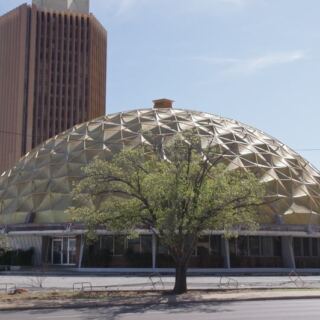
Right in the heart of High Point, North Carolina, the Nido and Mariana Qubein Children’s Museum sits at 200 Qubein Ave, High Point, NC 27262, and the building itself makes a statement before you even step inside. The architecture is clean and modern, and the surrounding grounds give you a preview of the outdoor fun waiting beyond the main entrance.
High Point is a city already known for furniture and design, but this museum has carved out its own identity as a genuine regional destination worth planning a trip around. Families drive in from Greensboro, Cary, Johnston County, and beyond, with some even hopping an Amtrak train to make the journey more of an adventure in itself.
Parking is free, and there are several accessible spots close to the entrance, which is a small but meaningful detail for families with strollers or mobility needs. Buying tickets online in advance is strongly recommended, especially on weekends when school groups and local families fill the space.
The museum is open Tuesday through Saturday from 9 AM to 5 PM, and on Sundays from 1 to 5 PM, with Mondays reserved for rest.
The Scale of the Place: What 75,000 Square Feet Actually Feels Like

Numbers on paper rarely prepare you for what you actually experience, and 75,000 square feet sounds impressive until you are standing inside and realizing the scale is almost hard to take in at once. The museum spreads across two floors, and the layout is thoughtfully designed so that different zones flow naturally into one another without ever feeling chaotic or maze-like.
The setup has been compared to a well-organized mall of activities, where each section functions like its own little world. You move from a science corner to a pretend-play grocery store to a climbing structure without any awkward transitions, and the whole flow just works.
Even on busy Saturdays, the space is wide enough that individual areas never feel dangerously packed.
The two-floor design also means there is a clear sense of discovery as you move between levels. Upstairs holds the STEM-focused zones and puzzle rooms, while downstairs brings you to the water play area and other hands-on exhibits.
The sheer variety of what fits inside this building is what separates it from smaller children’s museums, and it becomes obvious within the first ten minutes that a single visit will not be enough to see everything.
The Famous Water Play Room That Kids Talk About for Days
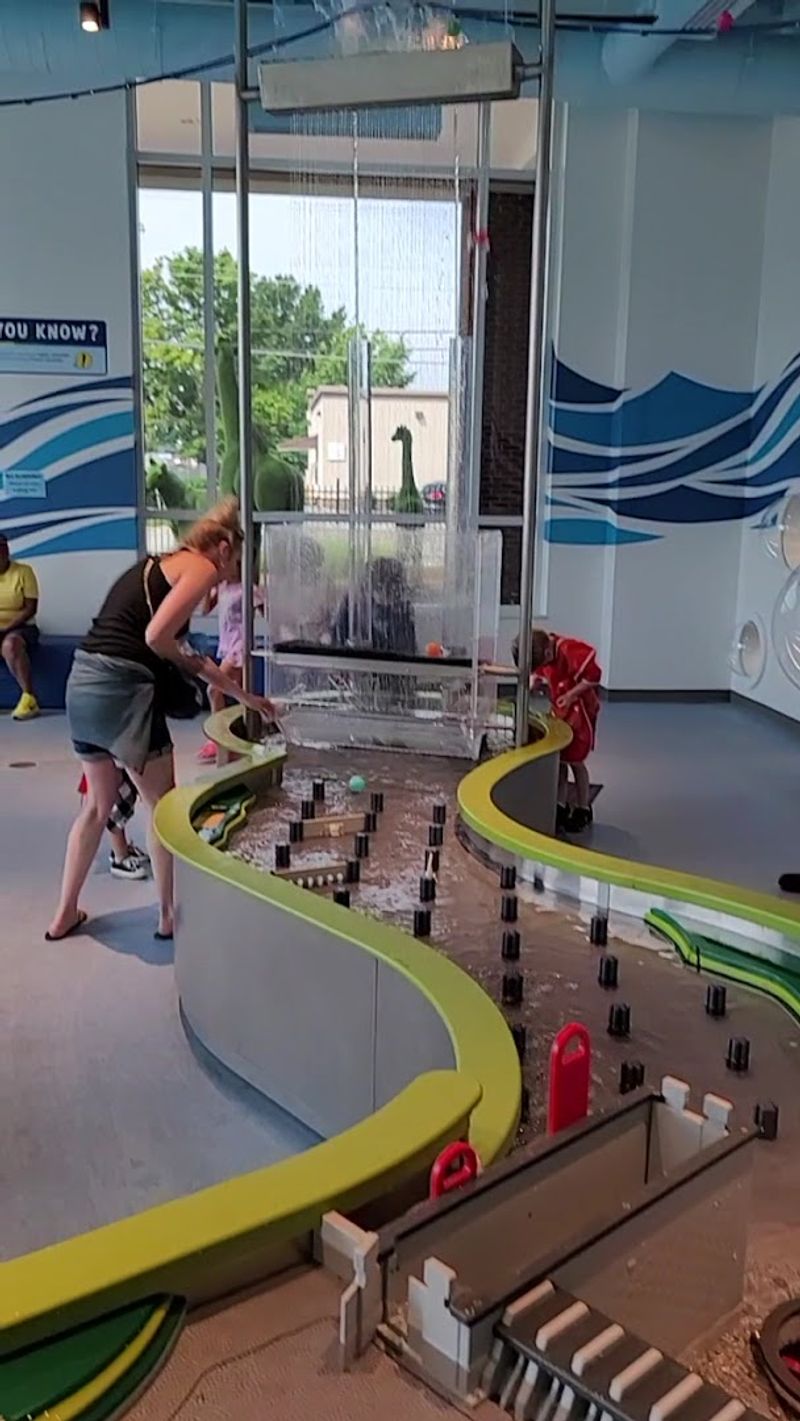
Ask almost any child who has visited what their favorite part was, and there is a very strong chance the water room tops the list. The water play area is one of the most talked-about features of the entire museum, and it lives up to every bit of the hype.
It is impressively designed, genuinely interactive, and kept remarkably clean by staff who cycle through regularly to maintain the space.
Kids can direct water flow, experiment with channels, and get wonderfully, happily soaked in the process. The setup encourages real scientific thinking without ever feeling like a lesson, which is exactly the kind of learning that sticks.
Parents standing on the sidelines tend to find themselves just as entertained watching the creativity unfold.
One practical tip worth knowing: bring a change of clothes, or at least a dry shirt, because the water room takes its job seriously. The staff keep the area tidy throughout the day, which is a genuine relief given how busy it gets.
The fact that this space stays clean even during peak hours says a lot about the level of care that goes into running the museum as a whole.
The Two-Story Carousel That Earns Every Bit of the Hype
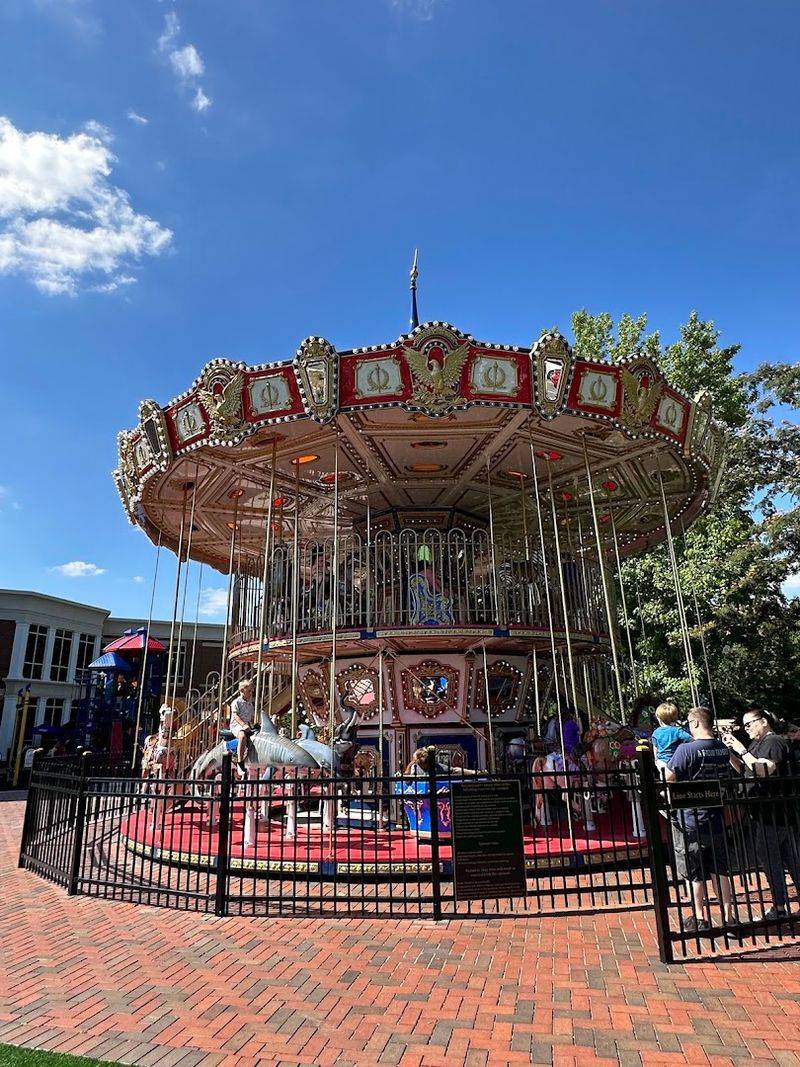
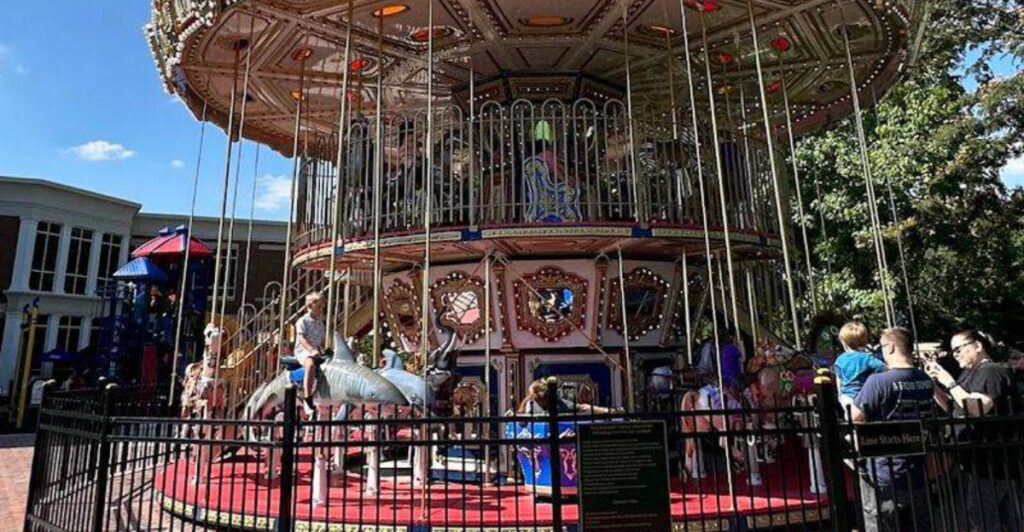
There is something genuinely delightful about finding a two-story carousel inside a children’s museum, and this one has become one of the most beloved features of the entire experience. Toddlers and older kids alike light up the moment they see it, and the best part is that rides are unlimited with admission.
You are not feeding tokens into a machine or rationing turns.
The carousel is a recurring highlight in family reviews, with parents noting how much their children wanted to ride again and again. For toddlers especially, the carousel hits differently than any other exhibit because it combines motion, color, and music into something that feels purely magical.
One family described their one-year-old as completely captivated, which tracks with how the ride is designed to appeal across a wide age range.
It is worth noting that one visitor mentioned a sharp edge on a teacup seat that caused a minor injury, so it is always smart to give the ride a quick look before small children climb on. The museum has a strong track record of maintenance overall, and that kind of attentiveness to visitor safety is part of what keeps families coming back.
The carousel remains a centerpiece that earns its place in the highlight reel of every visit.
Pretend Play Zones That Turn Kids Into Tiny Professionals
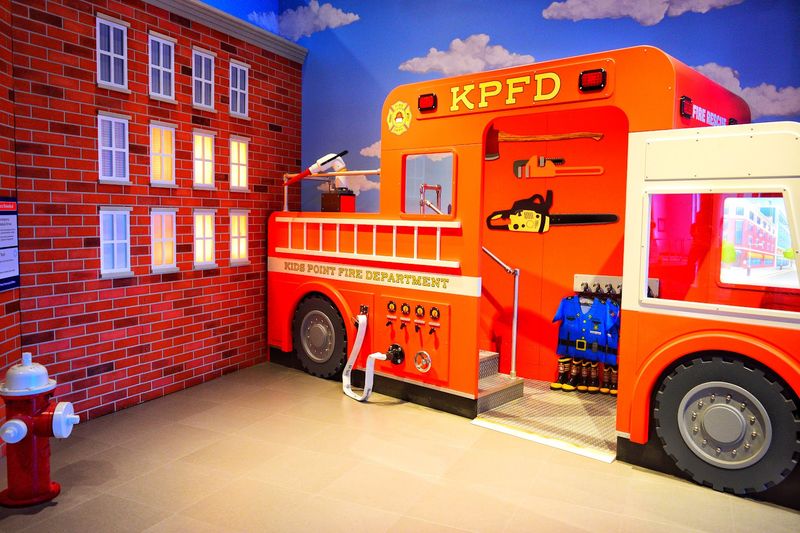
One of the most charming corners of this museum is the collection of themed pretend-play spaces that let kids step into grown-up roles with surprising realism. There is a grocery store where children scan fake food at a register, a veterinary office where stuffed animals get checkups, a dentist room, and even a restaurant setup where young chefs and servers take their jobs very seriously.
The level of detail in each of these spaces is what makes them special. These are not basic cardboard setups.
They are thoughtfully built environments that mimic real-world spaces closely enough that kids genuinely forget they are learning social and cognitive skills while they play. A five-year-old running the checkout register is doing math, communication, and problem-solving all at once without realizing any of it.
There is also a TV studio where kids can anchor a news broadcast, a beauty parlor, and even an ambulance and fire truck to explore. The variety means that even siblings with different interests can each find a zone that feels tailor-made for them.
Grandparents and parents watching from nearby benches tend to find the whole scene quietly hilarious and genuinely heartwarming at the same time.
The Outdoor Area: Sandbox, Playground, and Topiary Animals
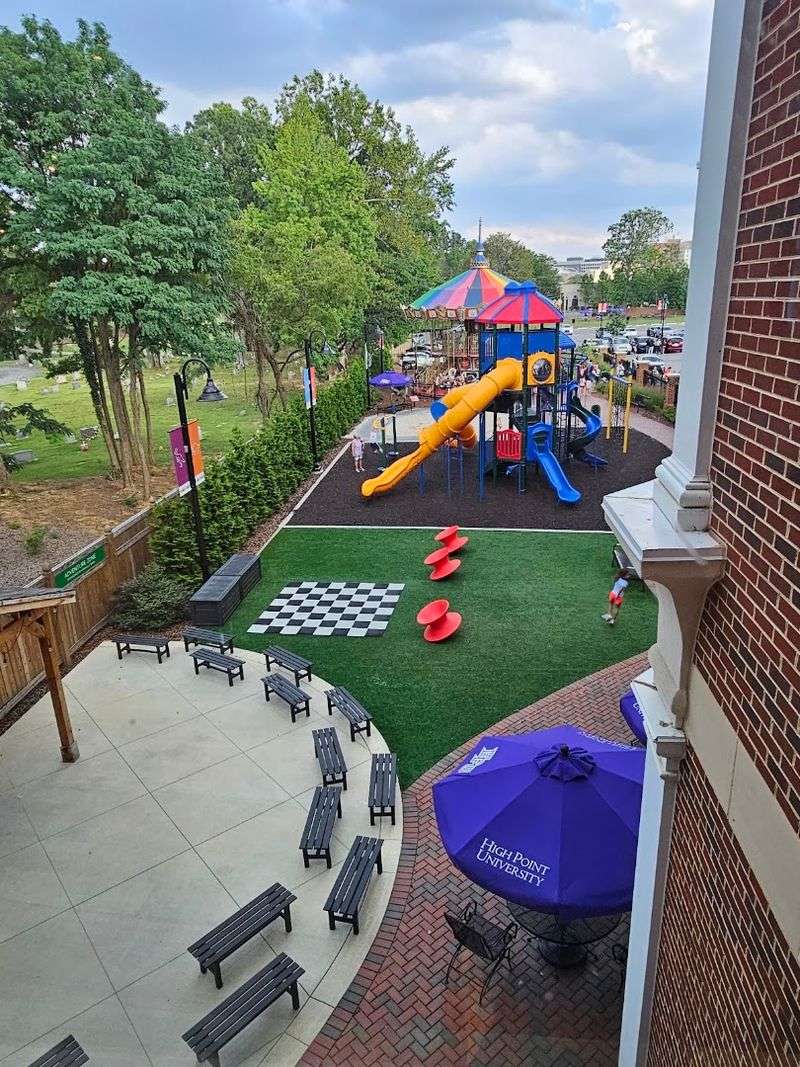
The outdoor space at this museum deserves its own spotlight, because it goes well beyond a basic playground. Outside, families find a large sand pit where shark teeth and gems are sometimes hidden for kids to discover, a full playground structure, a giant chess set with oversized pieces, and a collection of topiary animals sculpted from greenery that double as photo backdrops and conversation starters.
The topiary animals are a particularly memorable touch. Dinosaurs and other creatures crafted from living plants line the outdoor area, and younger kids are often convinced they are seeing something from a prehistoric world.
One grandmother described her granddaughter asking for pictures with every single one of them, which seems like a perfectly reasonable response.
The sandbox is generously sized and stocked with toys and digging tools, and the gem mining activity that sometimes pops up as a free add-on makes it feel like a mini archaeological dig. On pleasant weather days, the outdoor area becomes a natural extension of the indoor experience rather than a secondary option.
Families who skip it are genuinely missing a significant chunk of what makes a full day here feel so well-rounded and satisfying.
STEM Exhibits and the Puzzle Room That Stands Out From Everything Else

Upstairs, the museum shifts into a more intellectually engaging gear with a dedicated STEM zone that covers science, technology, engineering, and math through exhibits that actually make those subjects feel exciting. The build-your-own-roller-coaster area is a particular standout, where kids design tracks and test their creations in a way that naturally teaches physics without a single worksheet in sight.
The most unique feature on this floor, though, is the multi-room puzzle challenge where visitors work through a series of rooms solving clues and cracking codes. It functions a bit like an escape room designed for families, and the experience is genuinely different from anything else in the building.
One visitor specifically called it their personal favorite and noted it as something truly unique to this museum compared to others in the region.
There is also a space exploration area where kids can learn about planets, the moon, and what life aboard a spacecraft might feel like. The STEM floor rewards curiosity and patience in equal measure, and older kids who might feel like they have outgrown typical children’s museum fare tend to find their stride up here.
The variety of challenge levels keeps the experience from feeling too easy or too frustrating for any particular age group.
The Toddler Zone: A Dedicated Space for the Youngest Explorers
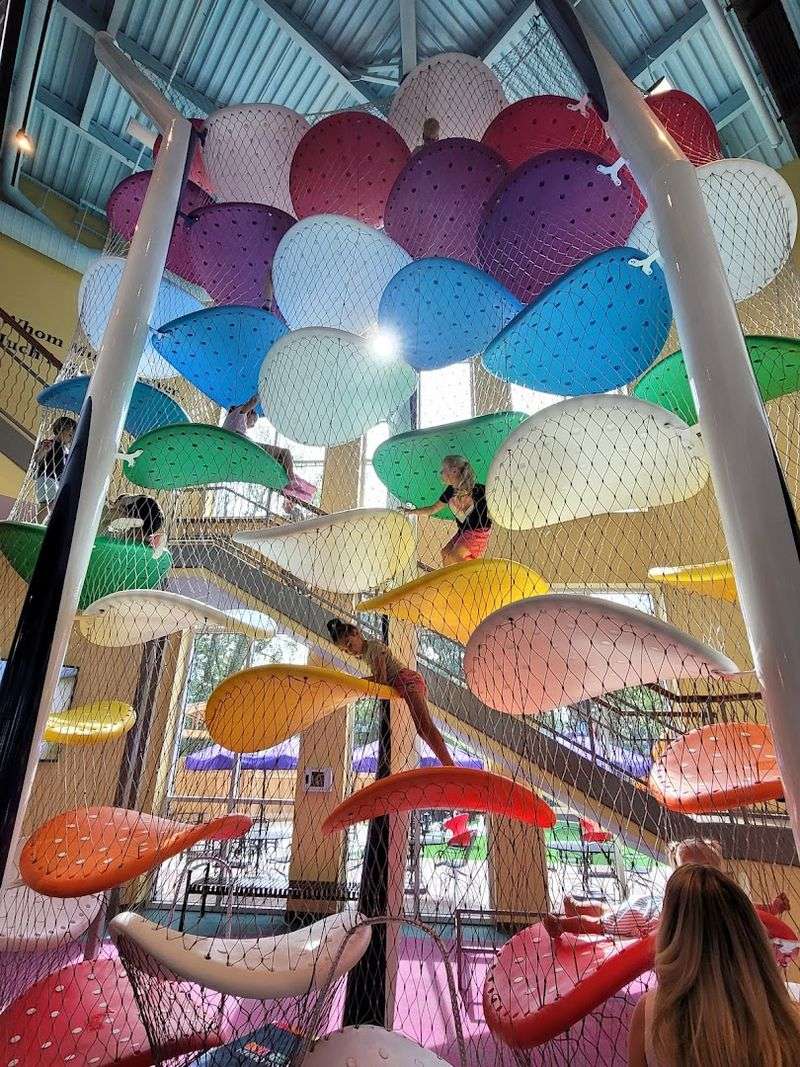
Toddler-specific spaces in children’s museums can sometimes feel like an afterthought, but this one clearly had serious design attention. The toddler area is gated off from the larger museum floor, which immediately creates a sense of safety for parents who would otherwise spend every moment scanning for older kids running through.
The space is spacious, diverse, and stocked with age-appropriate activities that hold attention spans measured in minutes rather than hours.
There is also a dedicated family restroom attached to the toddler zone, which is one of those practical details that parents of very young children will genuinely appreciate. It removes the stress of navigating the whole building with a baby in tow every time nature calls.
Small touches like this add up to a visit that feels genuinely family-friendly rather than just child-friendly.
The music area within the toddler zone has drawn particular praise from parents of young visitors, with one family noting that their toddler listed the carousel, sandbox, and music area as their top three favorites all in one breath. For families with children under three, this museum rivals or surpasses many larger city options, and the drive from nearby Greensboro or Winston-Salem is absolutely worth it for a full morning of engaged, happy play.
Admission Pricing, Memberships, and Accessibility Options

General admission runs around $14 per person, which sits at a reasonable price point for a full day of entertainment across dozens of exhibits. The museum also offers a discounted rate for EBT and SNAP cardholders, bringing the cost down to $5 per person for up to four people, which is a meaningful accessibility measure that opens the museum up to a wider range of families.
The membership option has become a favorite among local families who visit regularly. Multiple reviewers have called purchasing a membership one of the best decisions they made, especially for families with toddlers who could happily return every single week without running out of things to do.
The membership pays for itself quickly if you plan to visit more than twice in a year.
Tickets are available for purchase online in advance, which is strongly recommended for weekend visits when crowds tend to peak. Walk-in availability exists but can be limited during busy stretches.
The museum also accommodates school field trips, so weekday mornings sometimes bring larger groups of students through the building. Checking the website at qubeinchildrensmuseum.org before your visit gives you the most current pricing, hours, and any special event information worth knowing about ahead of time.
The Cafe, Food Options, and What to Know Before You Get Hungry
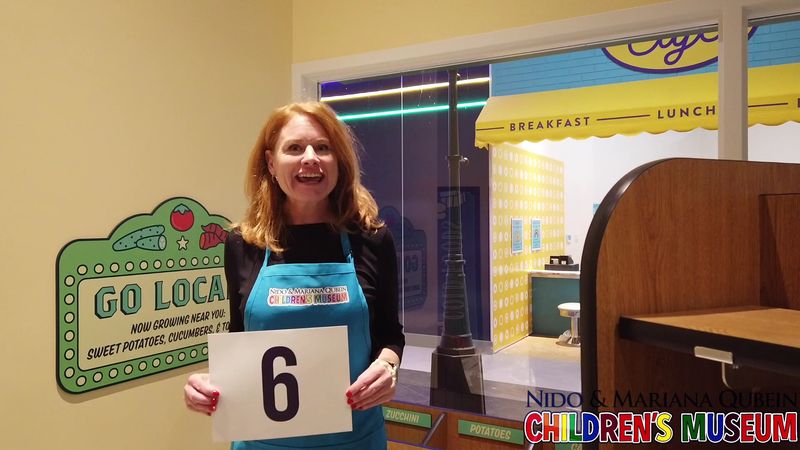
Food is the one area where the museum gets consistently mixed feedback, and it is worth being upfront about that before your visit. The on-site cafe offers wraps, snacks, and beverages, and while some visitors have found the food surprisingly good, the general consensus leans toward pricey for what you get.
One parent described their wrap as unexpectedly tasty, while others found the options a bit dry and overpriced.
The museum does not allow outside food to be brought inside, which means if you want to eat your own packed lunch, you will need to do so at the outdoor picnic area in the parking lot. That policy can feel inconvenient, particularly for families with picky eaters or specific dietary needs.
Planning to eat a solid meal before you arrive and saving snacks for the parking lot picnic area is a strategy that works well for many visitors.
The cafe is not the reason to come here, but it does the job if hunger strikes mid-visit and leaving is not an option. Families with toddlers who nap on a schedule often find it easier to time their visit so that lunchtime falls outside the museum hours entirely.
A little planning around the food situation makes the overall day run much more smoothly.
Staff, Cleanliness, and the Culture of Care That Sets This Place Apart
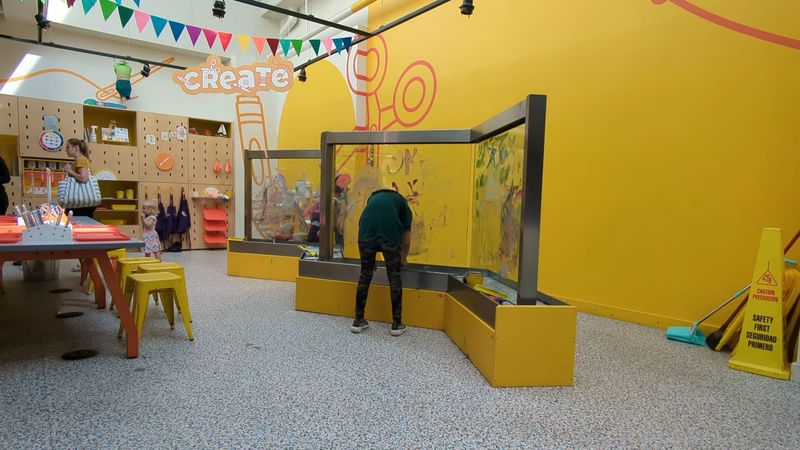
A museum can have the most impressive exhibits in the world, but if the staff are unhelpful and the floors are sticky, the whole experience collapses. This is where the Nido and Mariana Qubein Children’s Museum genuinely earns its 4.9-star reputation.
The staff are consistently described as friendly, professional, and proactive, with multiple reviewers noting that employees circulate through exhibits picking up after visitors and keeping spaces tidy in real time.
The cleanliness of the museum is mentioned in nearly every positive review, and it is not just a passing comment. Families who have visited multiple times note that the standard of cleanliness holds steady across visits, which takes genuine organizational effort to maintain, especially in a space this large with this many children moving through it daily.
One particularly touching detail came from a reviewer who mentioned that staff helped locate a teenager who had wandered off in the crowd, handling the situation calmly and helpfully. That kind of attentiveness goes beyond basic customer service.
The museum also posts Bible verses in various spots throughout the building, a small detail that reflects the values of the institution and adds a layer of warmth to the overall atmosphere that several visitors have noticed and appreciated.
Why This Museum Belongs on Every North Carolina Family’s List
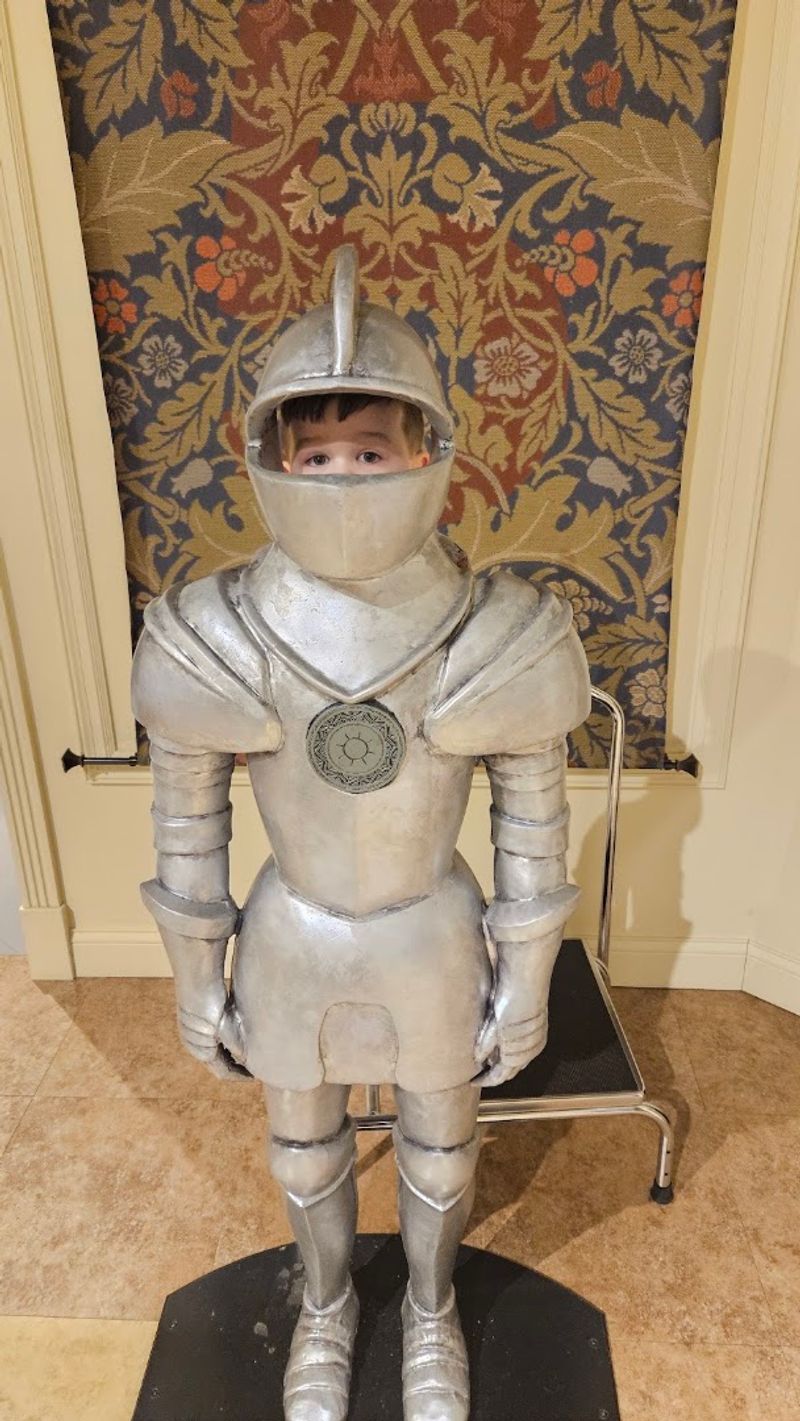
After spending a full day here, it becomes clear why families return again and again rather than treating this as a one-time outing. The museum manages to hit a rare combination of educational depth, physical activity, creative play, and genuine fun in a way that does not feel forced or scripted.
Every corner of the building seems to have been designed with real children in mind rather than what adults think children should enjoy.
The museum works best for children between the ages of one and twelve, with toddlers and kids in the five-to-nine range getting the most out of the experience. Older tweens can still find engaging challenges in the STEM floor and puzzle rooms, though teens may feel they have aged out of some of the pretend-play zones.
The range of activities is broad enough that multi-age sibling groups can each find their sweet spot.
For anyone within driving distance of High Point, this is the kind of destination that earns a permanent spot in the family rotation. The combination of a well-maintained facility, passionate staff, thoughtfully designed exhibits, and genuine accessibility options makes it stand out from every other children’s museum in the region.
A visit here is not just a good afternoon out; it is the kind of day kids remember for a long time.
Share this story