 Unearth The Voyage
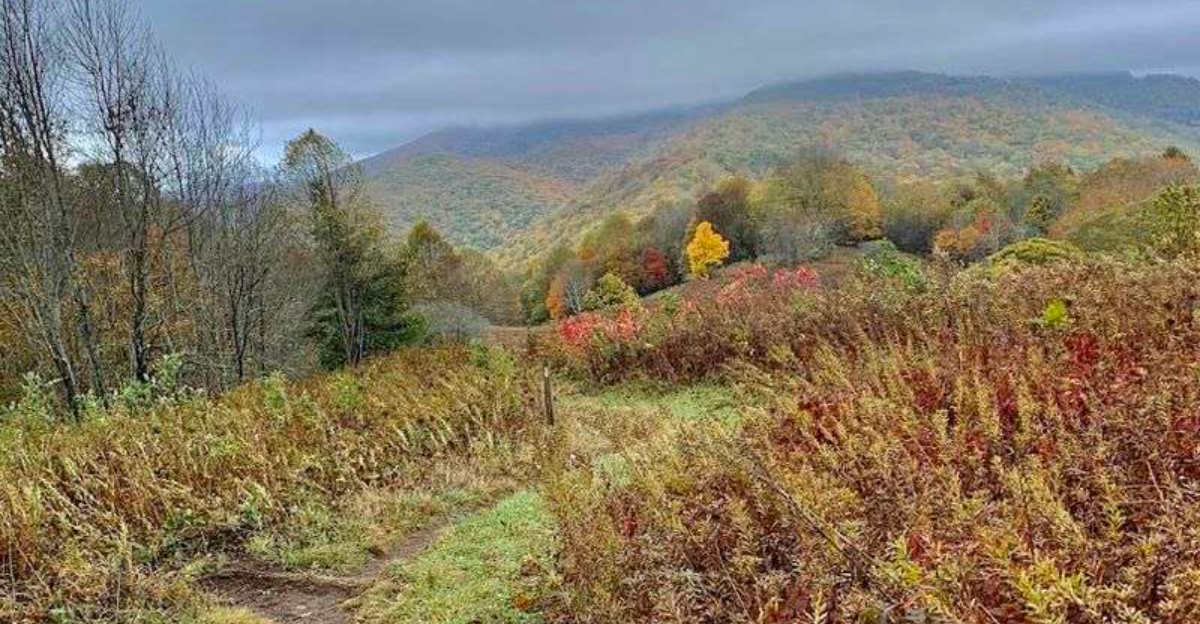
There is a stretch of the Appalachian Trail in western North Carolina that hikers talk about long after their boots have dried. It starts at a highway crossing near the Tennessee border, climbs through quiet forests, and opens onto a mountain meadow that feels like the sky dropped down to meet you.
The trail from Sams Gap heading north toward Big Bald is the kind of hike that turns casual walkers into lifelong trail addicts. With a 4.7-star rating from over 200 hikers, well-maintained paths, ample parking, and scenery that rewards every bit of effort, this section of the AT earns its reputation as one of the best day hikes in the entire Southeast.
Where the Trail Begins: Location and Access at Sams Gap
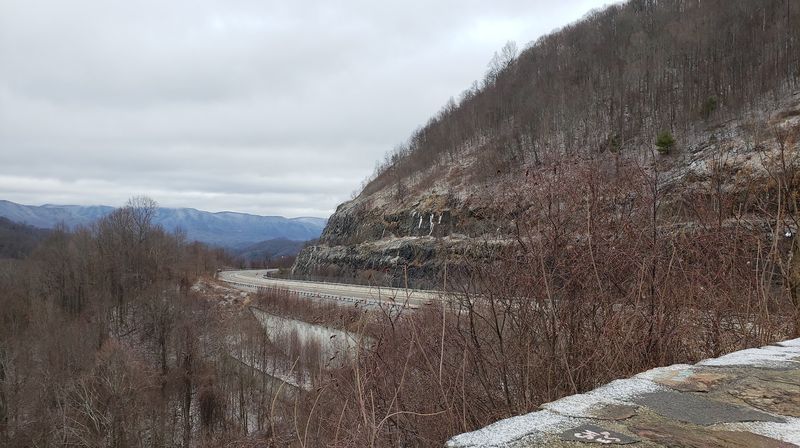
The trailhead sits right off US-23 at the North Carolina and Tennessee state line, officially addressed at Pisgah National Forest, 4460 Flag Pond Rd, Mars Hill, NC 28754. The parking area is paved and well-maintained, with room for about twelve vehicles in the main lot and additional space in a smaller dirt lot across the road.
Getting here is straightforward since the highway crossing makes it one of the most accessible entry points on the entire Appalachian Trail in this region. You hear a bit of highway noise when you first arrive, but once you head north into the trees, the sound fades quickly and the forest takes over.
The trailhead is open 24 hours a day, seven days a week, so early risers and sunset chasers both have options. A clearly marked AT blaze greets you right at the road, leaving no guesswork about where to start.
The lot fills up on weekends, especially in fall, so arriving early gives you the best chance of a smooth start to your hike.
The First Mile: A Gentle Welcome Into the Forest
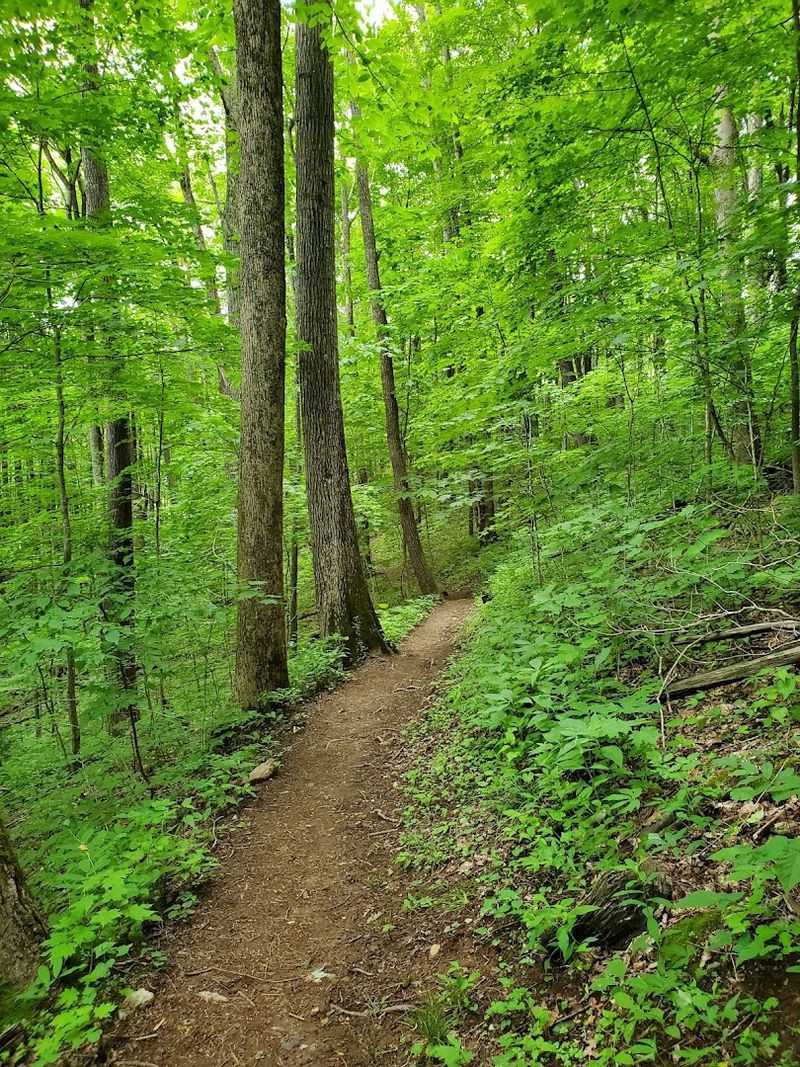
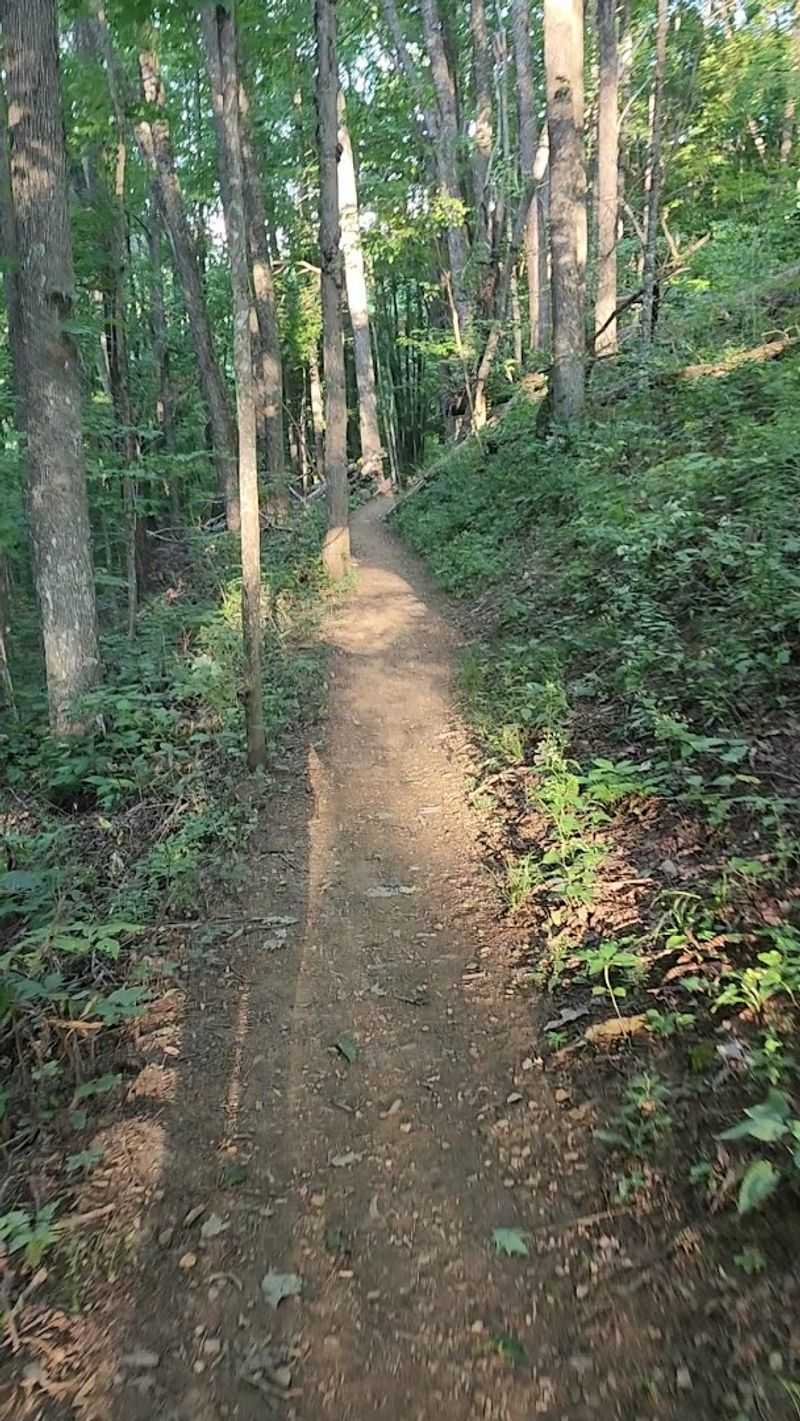
Right from the start, the trail heading north from Sams Gap feels welcoming rather than intimidating. The path is wide and clear, cutting through a mixed hardwood forest with a clean understory that lets you see deep into the trees on both sides.
The first mile or so holds a relatively gentle grade, making it manageable for hikers of different fitness levels. Families have brought five-year-olds along this section without trouble, and those looking for a light walk with good scenery can turn around at any point and still feel satisfied with what they experienced.
Fallen leaves can hide the trail edges in autumn, so keeping an eye on the white AT blazes painted on trees keeps you on track. The forest here has a calm, almost cathedral-like quality, with tall trees filtering the light into soft, shifting patterns on the ground.
Spring brings wildflowers along the edges of the path, and the air carries that particular clean smell that only exists deep inside old-growth woodland. It is an honest, unhurried beginning to a genuinely special hike.
The Climb Gets Real: Miles One Through Two
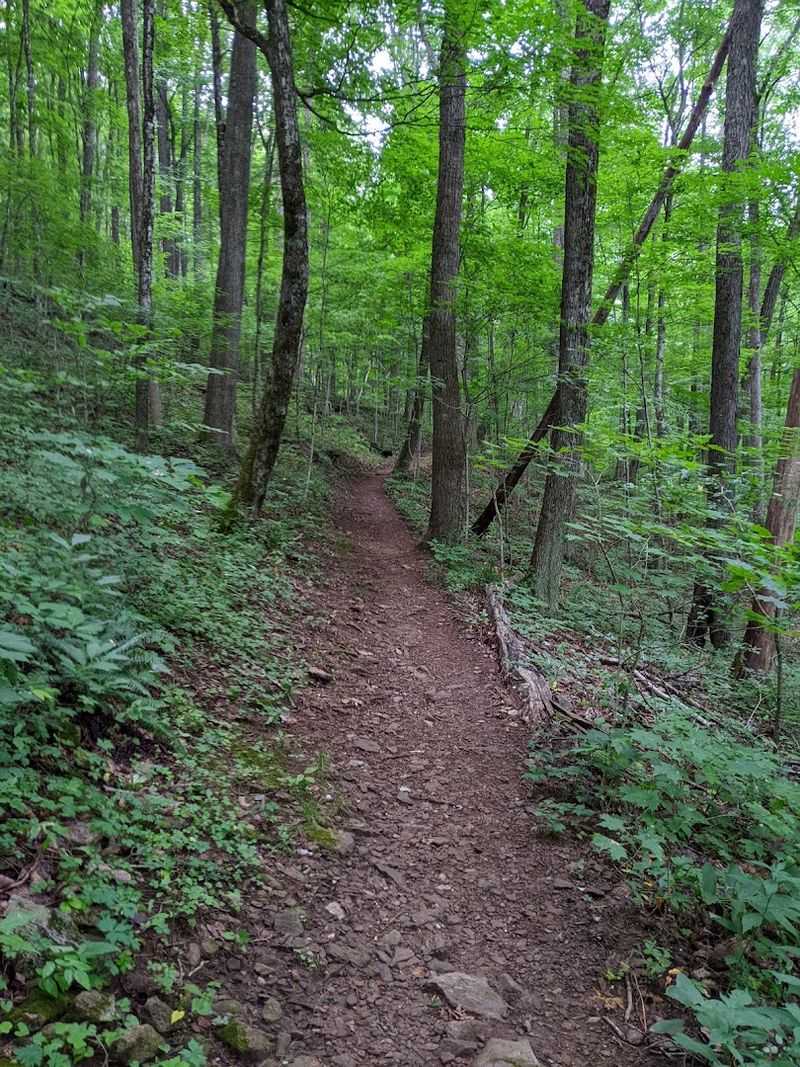
Around the 1.3-mile mark, the trail shifts gears noticeably. The wide, easy path gives way to a steeper ascent that covers about 0.7 miles of more demanding terrain, and your legs will definitely notice the difference.
The elevation gain on the full out-and-back hike to Big Bald reaches roughly 3,100 feet over approximately 12 miles round trip. That number sounds serious, and honestly, it is.
But the climb is gradual enough that most hikers with reasonable fitness can manage it by setting a steady pace and taking short breaks when needed.
Rocky footing appears more frequently as you gain elevation, and the trail narrows in spots where roots and stones require a bit more attention underfoot. Trekking poles make a real difference here, especially on the descent when tired legs meet loose gravel.
The upside of the harder climbing section is that the forest canopy opens up in places, offering glimpses of the ridgeline ahead that keep the motivation strong. Every tough step forward is a small down payment on the views waiting at the top.
The Meadow at Two Miles: A Wildflower Surprise
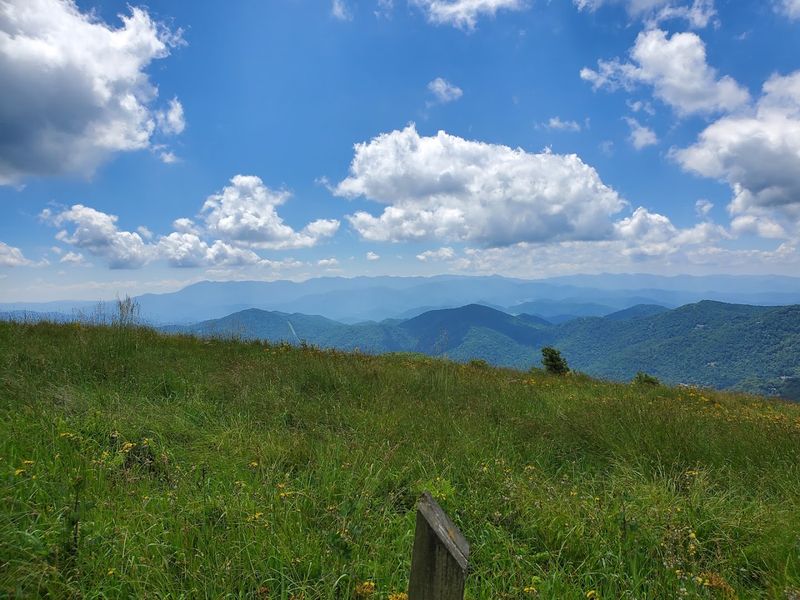
At roughly two miles in, the trees pull back and the trail delivers one of its best surprises: a stunning open meadow that stops most hikers in their tracks. The first time you see it, the contrast between the shaded forest walk and the sudden flood of open sky is almost jarring in the best possible way.
The meadow bursts with wildflowers during late spring and summer, and butterflies move through in numbers that make the whole scene feel almost too pretty to be real. From here, Big Bald comes into full view for the first time, sitting broad and green on the horizon like a promise of what is still to come.
Many hikers treat this meadow as a destination in its own right, spreading out a lunch and taking in the panoramic views before heading back. The scenic overlook here gives a wide-angle look at the surrounding ridges that is genuinely hard to describe with words.
Photographers tend to linger here for a long time, and honestly, that is completely understandable. The meadow alone makes the hike worthwhile.
Big Bald: The Crown Jewel of This Trail Section
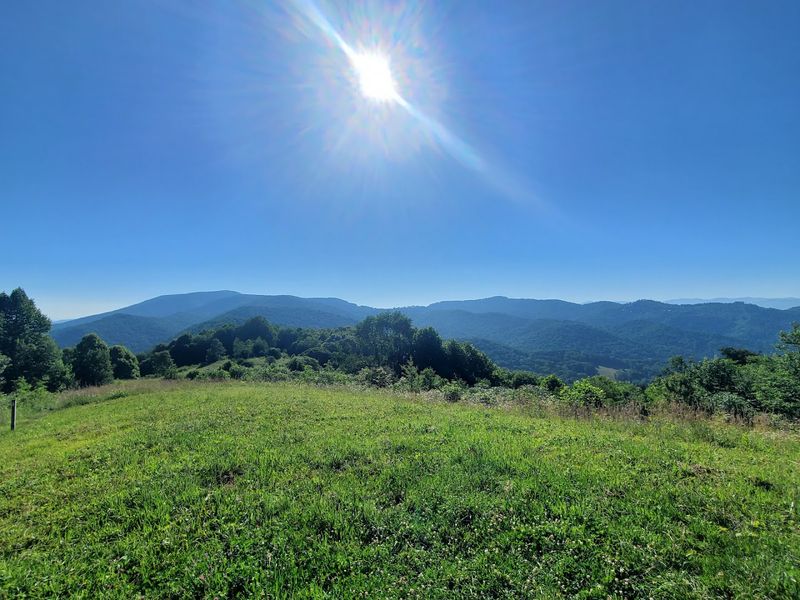
Big Bald Mountain is the main event on this section of the AT, and it earns every bit of the hype. The summit sits at 5,516 feet and is a classic Southern Appalachian bald, meaning the top is open and grassy rather than wooded, which creates an unobstructed 360-degree view that is genuinely breathtaking.
The full hike from Sams Gap to Big Bald covers about 6.5 miles one way, making it a solid full-day outing for most hikers. The last couple of miles before the summit involve steep, winding, and often rocky terrain that demands your full attention, but the payoff at the top makes the effort feel completely worthwhile.
On a clear day, the summit views stretch across multiple states, and the open grassy landscape on top of the bald gives you room to walk around, find a flat rock, and just sit with the mountains spread out in every direction. Fall is especially popular here since the foliage colors the surrounding ridges in deep reds and oranges.
Hikers consistently call Big Bald one of the most memorable summit experiences on the entire Appalachian Trail.
Trail Conditions and What to Expect Season by Season
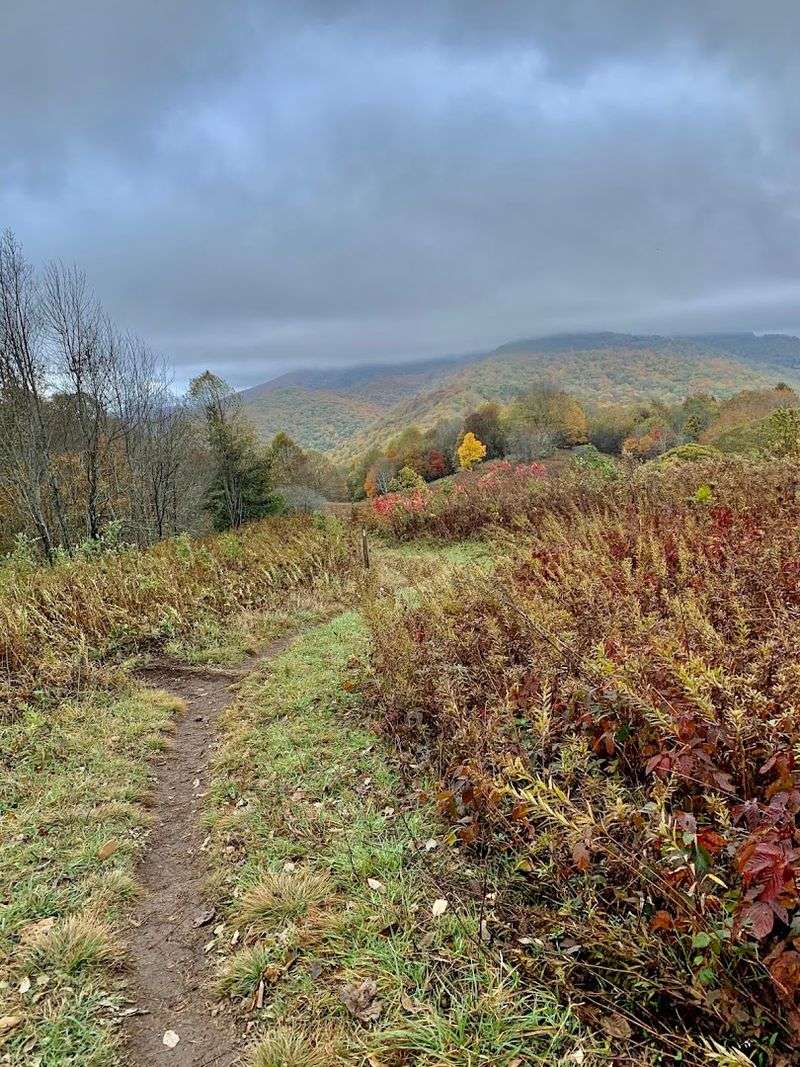
The trail from Sams Gap runs year-round, but conditions vary quite a bit depending on the season, and knowing what to expect before you go makes a real difference in how much you enjoy the hike. Spring brings mud, sometimes a lot of it, especially in the first few miles where the soil stays wet from snowmelt and rain.
Summer offers lush green scenery and the best wildflower displays in the meadow, but heat and humidity can make the climb more tiring than it looks on paper. Carrying extra water is a smart move in summer months since the exposed sections near the top offer no shade.
Fall is widely considered the best season for this hike, with cooler temperatures, drier trail conditions, and the added bonus of spectacular foliage color across the surrounding ridges. Winter brings a different kind of beauty, but ice and snow can make the upper miles genuinely treacherous, so microspikes or traction devices are a wise addition to your pack.
A water source is available along the trail, and there are also designated campsites for those planning an overnight trip. Good waterproof boots are always a smart investment here.
Wildlife Along the Trail: Bears, Squirrels, and More
The forests around Sams Gap are home to a healthy variety of wildlife, and this section of the AT is no exception. Black bears are present in the area, and while encounters are not guaranteed, being bear-aware is a genuine part of hiking here responsibly.
Making noise on the trail, carrying bear spray if you feel more comfortable with it, and never hiking alone are all reasonable precautions on this route. The trail also passes through habitat where Northern flying squirrels have been spotted, which is a fun and unexpected wildlife sighting that surprises most hikers who are not expecting it.
Mushrooms grow in impressive numbers along the forest floor, especially after rain, and the variety is striking enough to make any amateur naturalist stop and look twice. Birds are active throughout the forest, and the open meadow and bald sections attract raptors that ride the thermal currents above the ridgeline.
The wildlife here is not a backdrop; it is an active part of the experience. Keeping your eyes open and your footsteps quiet often rewards you with moments that no camera can fully capture.
The Sams Gap to Spivey Gap Thru-Hike Option
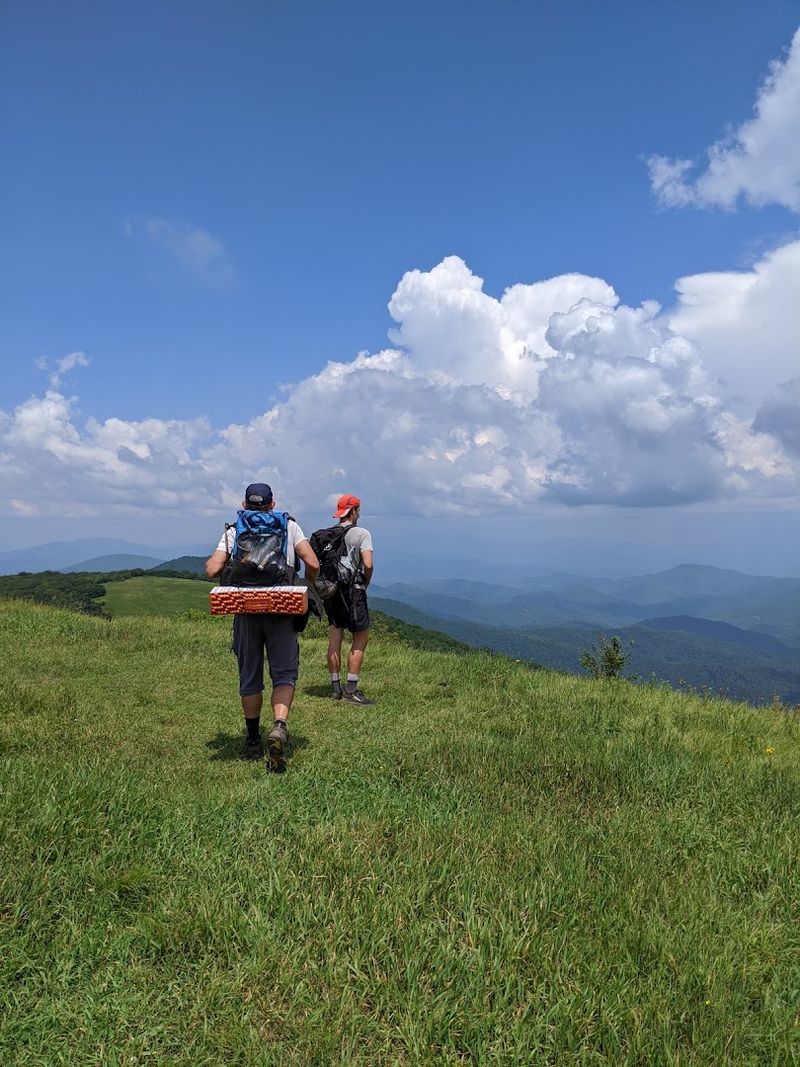
For hikers who want a bigger challenge than the out-and-back to Big Bald, there is a fantastic point-to-point option that runs from Sams Gap all the way north to Spivey Gap, covering approximately 14 miles of trail through some of the most scenic terrain in this part of the AT.
The key to making this work logistically is leaving a second vehicle at Spivey Gap before you start, or arranging a shuttle. Once you have the logistics sorted, the hike itself flows beautifully, carrying you through the meadow, over Big Bald, and down the other side through forest and open ridge sections that offer constantly changing views.
Doing the same stretch in reverse, from Spivey Gap south to Sams Gap, gives you a noticeably different perspective on the landscape since the lighting, angles, and terrain features all read differently from the opposite direction. The quad workout on the southbound descent is significant, but the views make it a fair trade.
This section also sees a steady flow of AT thru-hikers and section hikers, making it a lively stretch of trail where friendly conversations happen naturally on the path.
Trail Magic and the AT Community at Sams Gap
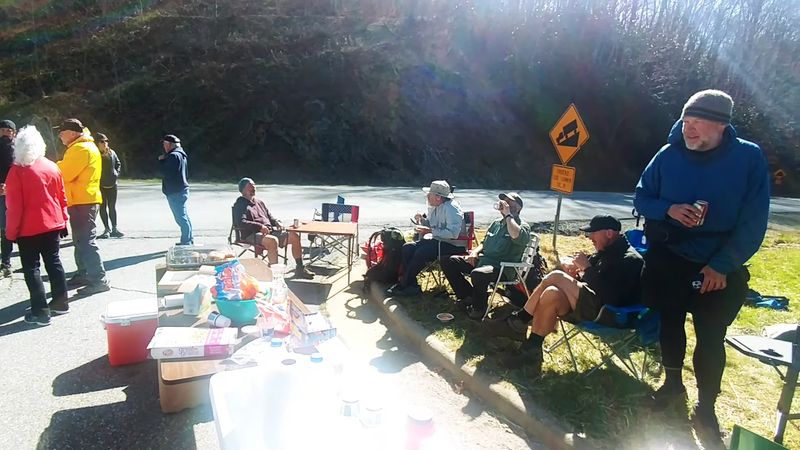
The AT community has a tradition called trail magic, where kind-hearted volunteers set up food, water, or supplies at trail access points to support thru-hikers and section hikers on their journeys. Sams Gap, with its easy highway access, is a well-known spot for trail magic in this part of North Carolina.
The highway crossing makes it easy for volunteers to drive up, set up a table, and offer snacks or encouragement to hikers passing through. For thru-hikers who have been on trail for weeks, a surprise bag of fresh fruit or a cold drink at a road crossing can feel like the best thing that has happened all month.
Even if you are just out for a day hike, arriving at Sams Gap during an active trail magic setup is a genuinely uplifting experience. The sense of community around the AT is something you feel strongly on this section, partly because the trail here is popular enough to keep a steady flow of hikers moving through.
Meeting a thru-hiker mid-journey and hearing a few miles of their story adds a layer to the experience that no trail map can provide.
Tips for Families and First-Time Hikers
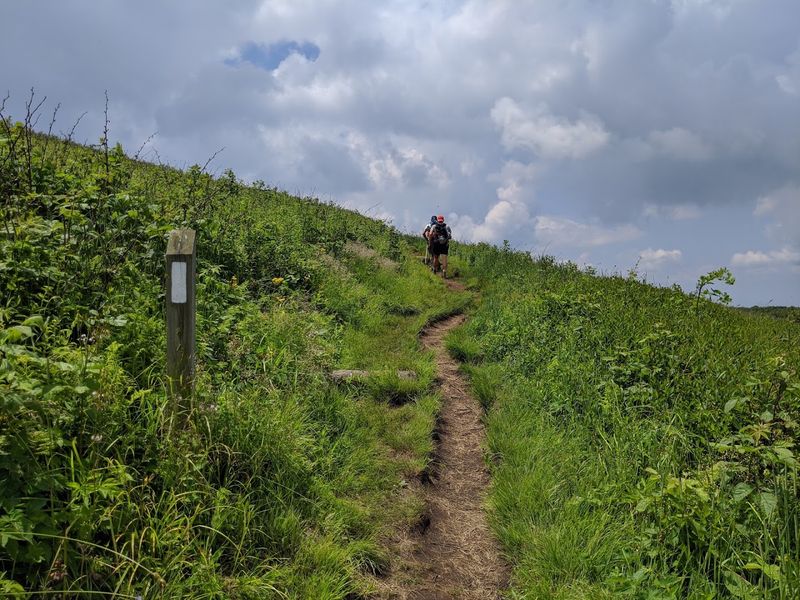
Sams Gap is one of the more family-friendly entry points on the AT in North Carolina, largely because the first mile of the northbound trail is genuinely manageable for younger kids. A five-year-old with decent energy and good shoes can handle the early section without much trouble.
For families with young children, the two-mile round trip to the meadow and back makes for a satisfying outing that delivers real mountain scenery without demanding too much from small legs. Packing a lunch and eating at the meadow overlook turns the hike into a proper adventure rather than just a walk in the woods.
First-time hikers should wear sturdy footwear with ankle support since the trail surface changes significantly as you gain elevation. Bringing more water than you think you need is always a good call, especially in warmer months.
Starting early in the morning helps you avoid the midday heat and gives you the best chance of having the meadow to yourself for at least a few minutes. The trail is clearly marked throughout, so navigation anxiety is not really a concern here, which makes the whole experience much more relaxed for newcomers.
Why This Section Stays With You Long After the Hike
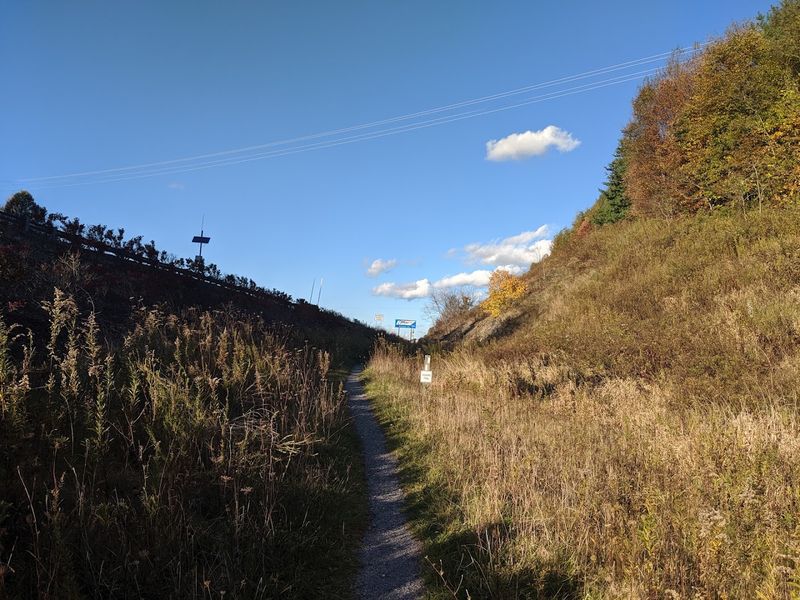
There is a particular kind of satisfaction that comes from finishing a hike like this one, where the effort was real, the scenery was genuine, and the experience felt earned rather than handed to you. The Sams Gap section of the AT delivers that feeling in a way that is hard to replicate on easier trails.
The combination of accessible parking, a forgiving first mile, a dramatic mid-point meadow, and a summit with 360-degree views creates a natural arc that keeps hikers engaged from start to finish. It is not just a walk through pretty woods; it is a hike with a story that builds as you move through it.
Hikers who have done this section in different seasons often come back specifically to see how it changes, and that kind of repeat loyalty says a lot about a trail. The views from Big Bald have a way of resetting your perspective on things in a way that is difficult to explain but easy to feel.
Long after your legs recover and your boots dry out, the image of those open ridges stretching to the horizon has a way of staying with you, quietly calling you back.



