Age is just a number, especially on the world’s biggest soccer stage. The FIFA World Cup has seen some remarkable veterans compete well into their 40s, defying expectations and inspiring fans everywhere.
From legendary goalkeepers to iconic strikers, these players proved that experience, dedication, and sheer willpower can outlast youth. Here is a look at the 15 oldest players ever to appear at a World Cup, ranked by age.
1. Essam El Hadary (Egypt) – 45 years, 161 days (2018)
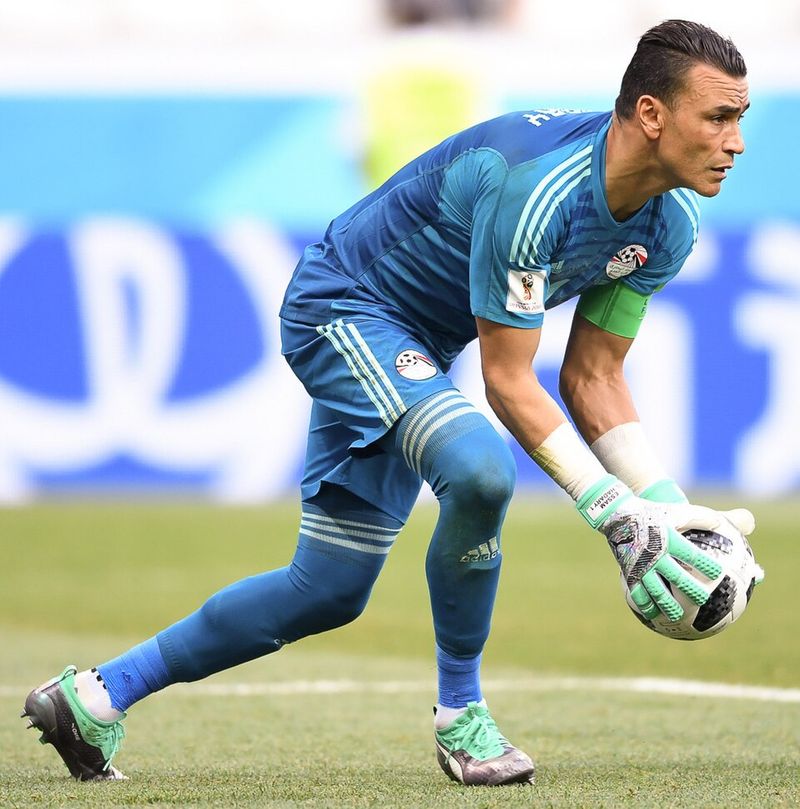
When Essam El Hadary walked onto the pitch at the 2018 World Cup in Russia, he made history in the most remarkable way possible. At 45 years and 161 days old, he became the oldest player ever to appear in a World Cup match, a record that still stands today.
El Hadary started in goal for Egypt against Saudi Arabia in the group stage. He even saved a penalty kick during that game, showing the world his reflexes were still sharp despite his age.
Born in 1973, El Hadary spent decades as Egypt’s most trusted goalkeeper, earning over 150 international caps. His longevity in the sport is a testament to incredible fitness and mental toughness.
He remains an inspiration to athletes everywhere who believe their best days are never truly behind them.
2. Faryd Mondragón (Colombia) – 43 years, 3 days (2014)
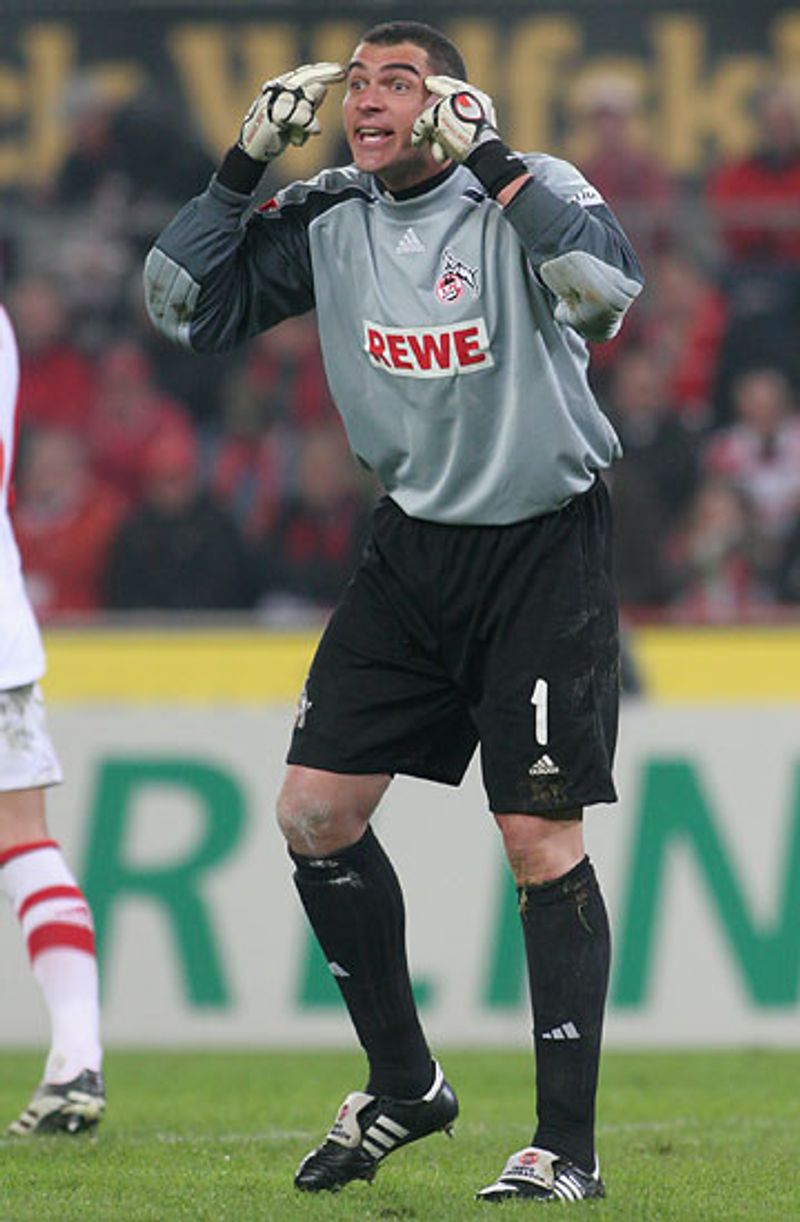
Faryd Mondragón did not expect to play at the 2014 World Cup in Brazil. He was brought along as a backup goalkeeper, but when Colombia had already secured their place in the knockout rounds, manager Jose Pekerman gave him a chance against Japan.
At 43 years and 3 days old, Mondragón became the oldest player in World Cup history at that time. He stepped in during the final group game, soaking in every second of a moment he had long dreamed about.
His career spanned clubs across South America and Europe, including stints in Germany and Belgium. Mondragón was known for his calm presence and reliable shot-stopping ability.
The 2014 appearance was a fairytale farewell to international football, capping off a career built on perseverance and passion for the beautiful game.
3. Roger Milla (Cameroon) – 42 years, 39 days (1994)
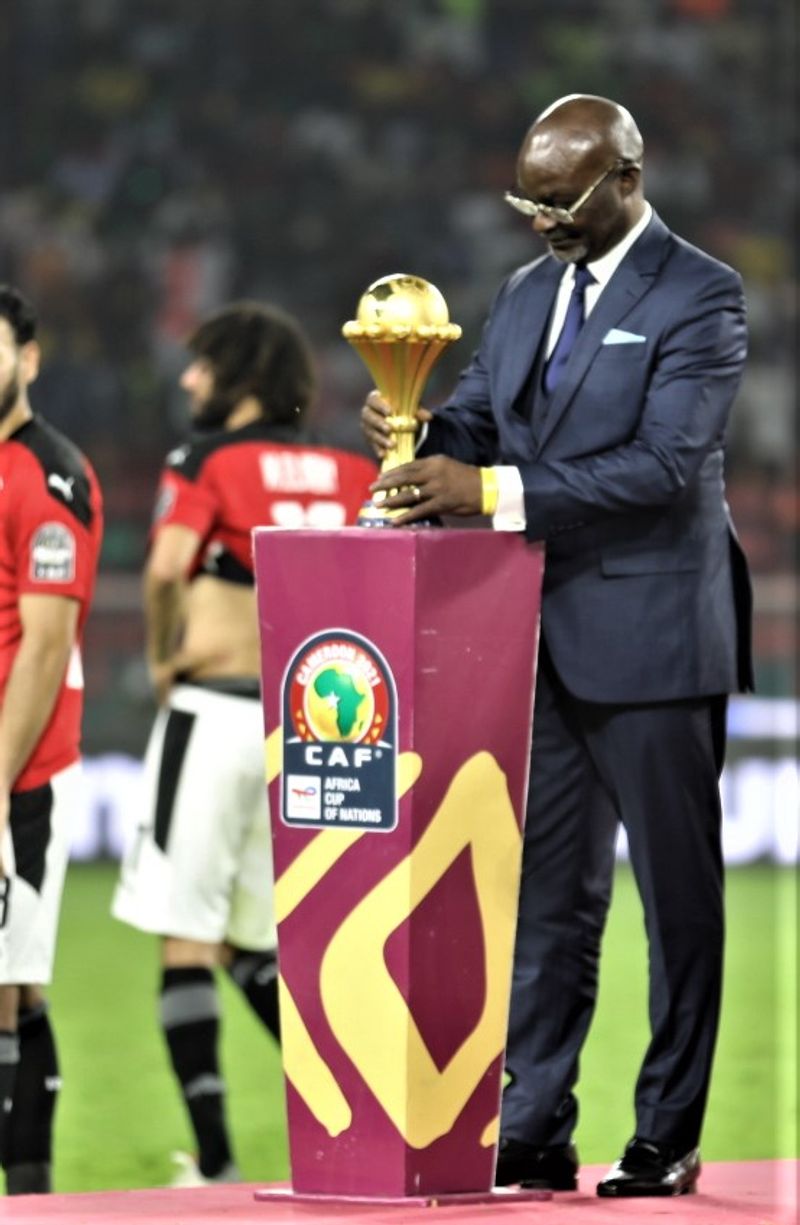
Roger Milla is one of the most beloved figures in African soccer history, and his story only gets better with age. Literally.
At the 1994 World Cup in the United States, Milla scored a goal against Russia at the age of 42 years and 39 days, making him the oldest goalscorer in World Cup history.
What made this feat even more extraordinary was that Milla had already come out of retirement to play in the 1990 World Cup, where he dazzled crowds with his dancing goal celebrations near the corner flag. The world fell in love with him then, and he gave them one more reason to cheer in 1994.
Milla’s career is proof that athletic passion does not have an expiration date. He remains a symbol of joy and resilience for Cameroon and the entire African continent.
4. Cristiano Ronaldo (Portugal) – 41 years, 151 days (2026)
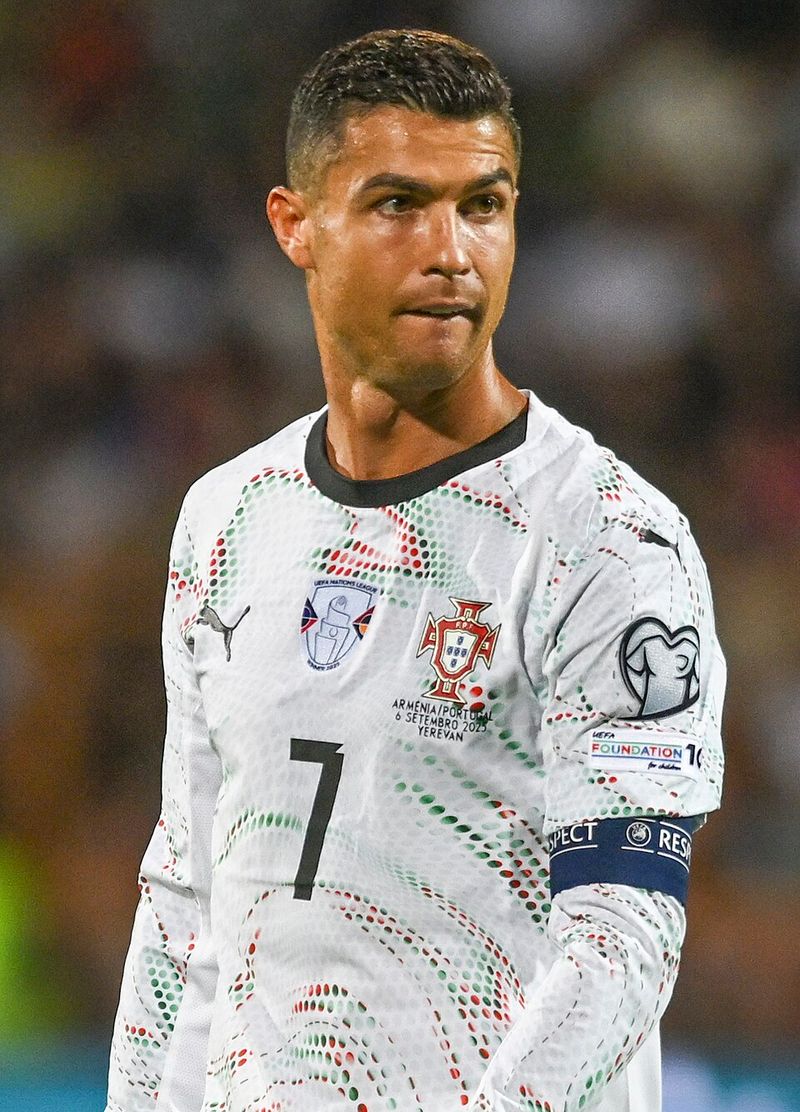
Few athletes in any sport have matched the sustained brilliance of Cristiano Ronaldo. Appearing at the 2026 World Cup at 41 years and 151 days old, Ronaldo added yet another chapter to an already legendary career that has stretched across more than two decades.
Ronaldo had already appeared at five previous World Cups before 2026, making him one of the most experienced players in tournament history. His athleticism, goal-scoring instinct, and relentless work ethic kept him competitive long past the age when most players hang up their boots.
Whether it was a free kick, a header, or a clinical finish inside the box, Ronaldo always found a way to make an impact. His presence at the 2026 tournament inspired younger Portuguese players and reminded fans around the world why he is considered one of the greatest of all time.
5. Pat Jennings (Northern Ireland) – 41 years, 0 days (1986)

Pat Jennings celebrated his 41st birthday in the most fitting way imaginable. On June 17, 1986, his actual birthday, he played for Northern Ireland against Brazil at the World Cup in Mexico, becoming one of the oldest players in tournament history at that time.
Jennings was already widely regarded as one of the greatest goalkeepers Britain ever produced. He had a long, decorated club career with Tottenham Hotspur and Arsenal, earning respect across the football world for his enormous hands and commanding presence in goal.
That birthday match against Brazil was his final international appearance, and the football world gave him a standing ovation for it. Few players get to bow out on such a symbolic occasion.
Jennings carried himself with quiet dignity throughout his career, and his 1986 World Cup appearance remains one of sport’s most touching moments.
6. Guillermo Ochoa (Mexico) – 40 years, 346 days (2026)
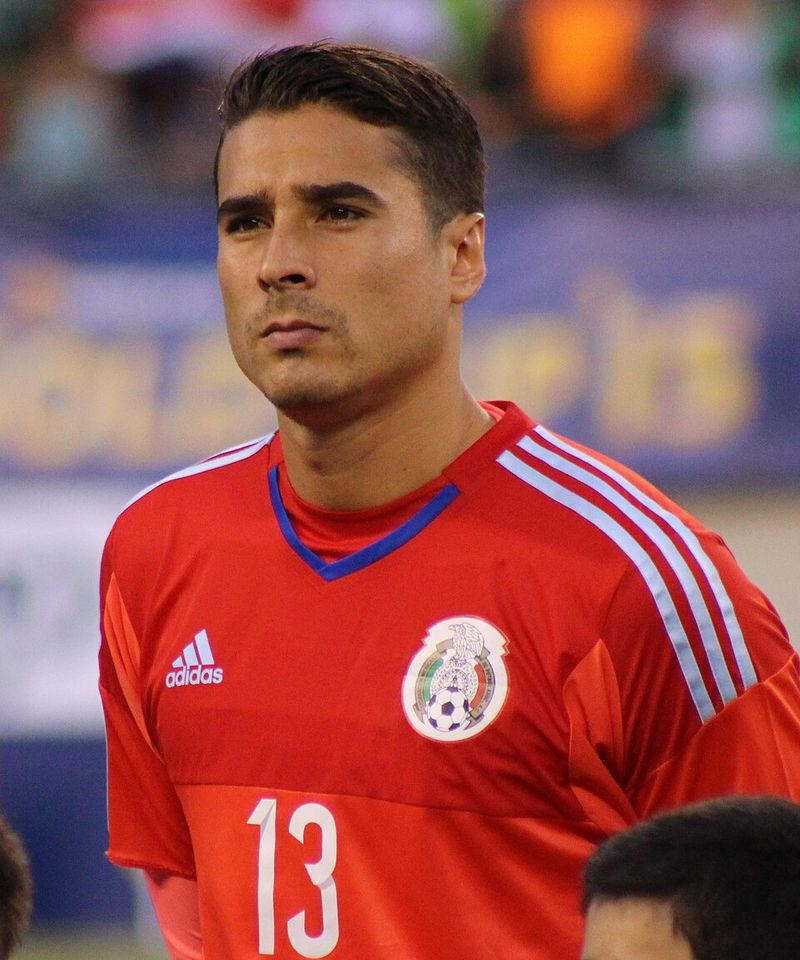
Guillermo Ochoa has been Mexico’s wall between the posts for nearly two decades, and the 2026 World Cup gave him one final chance to shine on home soil. Playing at 40 years and 346 days old, Ochoa became one of the oldest goalkeepers to ever appear in the tournament.
Ochoa first burst onto the international scene with a stunning performance at the 2014 World Cup, where he made a jaw-dropping save against Brazil that went viral around the world. He never stopped delivering big performances when his country needed him most.
With the 2026 World Cup being held across the United States, Canada, and Mexico, playing in front of home fans gave Ochoa’s farewell a deeply emotional meaning. His agility and shot-stopping ability remained elite even at his age, proving that dedication to fitness can extend a career well beyond expectations.
7. Luka Modric (Croatia) – 40 years, 296 days (2026)

Elegance on the ball never truly ages, and Luka Modric proved that at the 2026 World Cup. At 40 years and 296 days old, the Croatian maestro continued pulling strings in midfield with the same grace and intelligence that made him a Ballon d’Or winner back in 2018.
Modric led Croatia to the World Cup final in 2018 and a third-place finish in 2022, cementing his legacy as one of the finest midfielders of his generation. His ability to read the game, control tempo, and deliver precise passes made him invaluable regardless of his age.
Younger Croatian players looked to him for guidance both on and off the pitch. Modric’s 2026 appearance was not just about personal milestones.
It was about leading his nation one final time with the same pride and professionalism that defined his entire remarkable international career.
8. Peter Shilton (England) – 40 years, 292 days (1990)

Peter Shilton is England’s most capped international player of all time, and his appearance at the 1990 World Cup in Italy at 40 years and 292 days old was the perfect send-off for a legendary career. England reached the semifinal that year, with Shilton as a steady, commanding presence throughout.
He is perhaps best remembered for the infamous 1986 match against Argentina, where Diego Maradona scored the notorious Hand of God goal past him. But Shilton’s career was defined by far more than that single moment.
He was a consistent, world-class goalkeeper across three different decades.
Shilton earned 125 caps for England, a record that stood for many years. His professionalism and commitment to physical conditioning allowed him to compete at the highest level well into his 40s.
He remains a benchmark for goalkeeping excellence in English football history.
9. Dino Zoff (Italy) – 40 years, 133 days (1982)
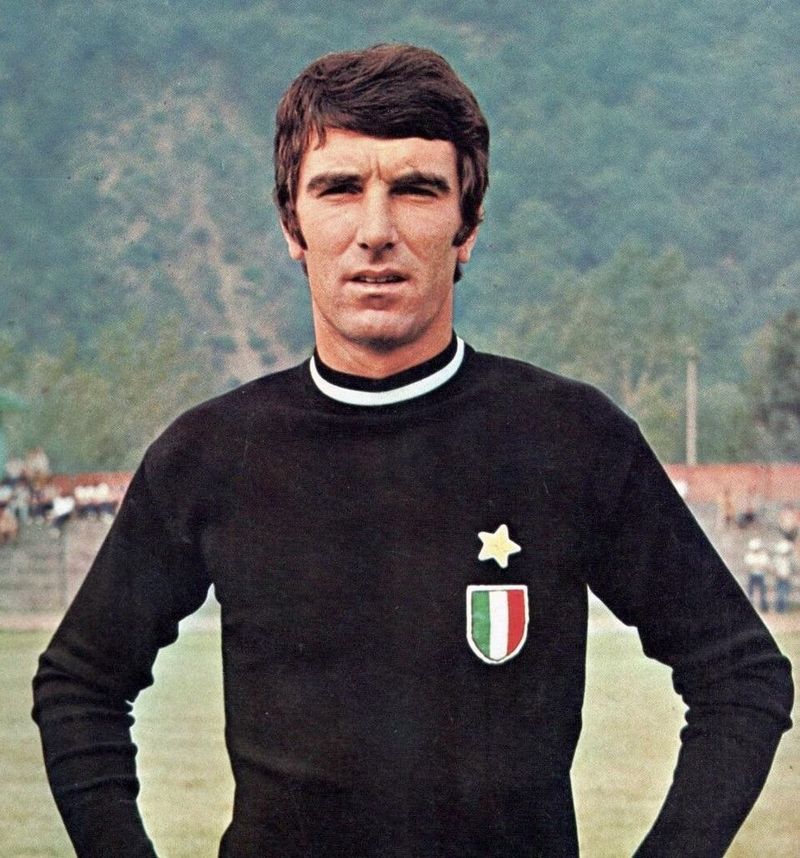
Not only did Dino Zoff play at the 1982 World Cup at 40 years and 133 days old, he captained Italy to the championship. He lifted the trophy as the oldest World Cup winner in history, a record that remains unbroken more than four decades later.
Zoff’s career was built on composure, positioning, and an almost superhuman ability to stay calm under pressure. He conceded very few goals throughout Italy’s triumphant 1982 campaign in Spain, anchoring a defensive unit that was considered one of the best in tournament history.
What makes Zoff’s story even more compelling is that he was dropped from the national team in the mid-1970s and had to fight his way back. His resilience and refusal to quit paid off in the grandest fashion possible.
Winning the World Cup at 40 is something no goalkeeper has ever matched.
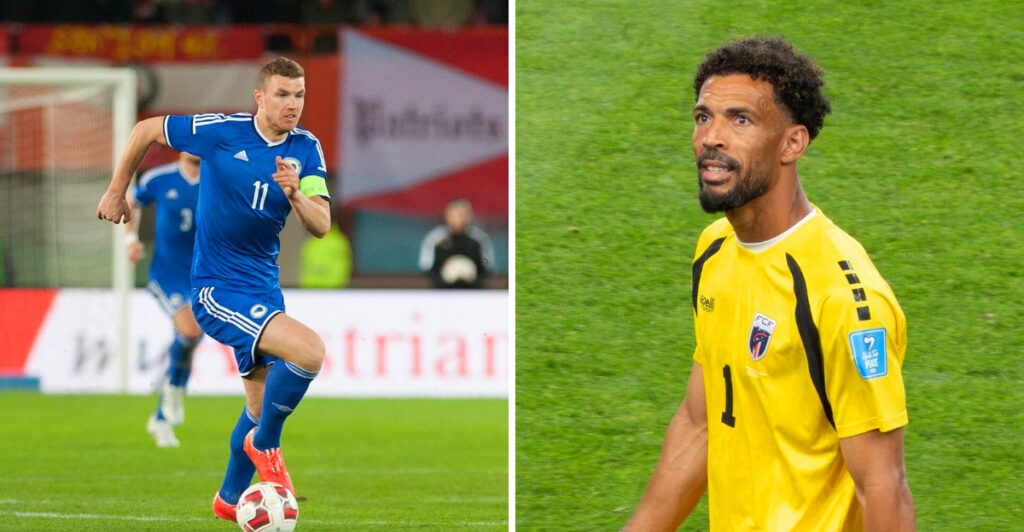
10. Edin Dzeko (Bosnia and Herzegovina) – 40 years, 106 days (2026)
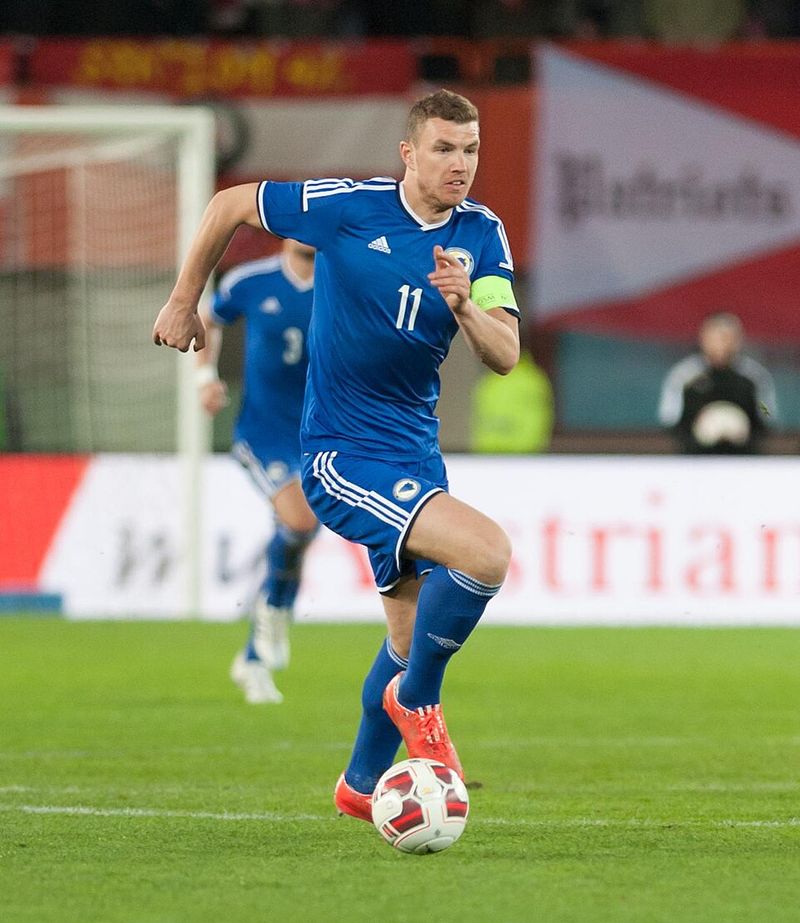
Edin Dzeko has always been a towering presence, both physically and in terms of importance to his national team. At 40 years and 106 days old, he represented Bosnia and Herzegovina at the 2026 World Cup, bringing a wealth of experience and leadership to a squad still finding its footing on the global stage.
Dzeko spent his club career at some of Europe’s biggest clubs, including Manchester City, Roma, and Inter Milan, where he was consistently among the top scorers. His aerial ability, link-up play, and knack for scoring important goals made him one of the most complete strikers of his era.
For Bosnia, Dzeko was more than a player. He was a symbol of national pride and hope.
His 2026 World Cup appearance gave younger teammates a chance to play alongside a true legend of Balkan football.
11. Manuel Neuer (Germany) – 40 years, 76 days (2026)
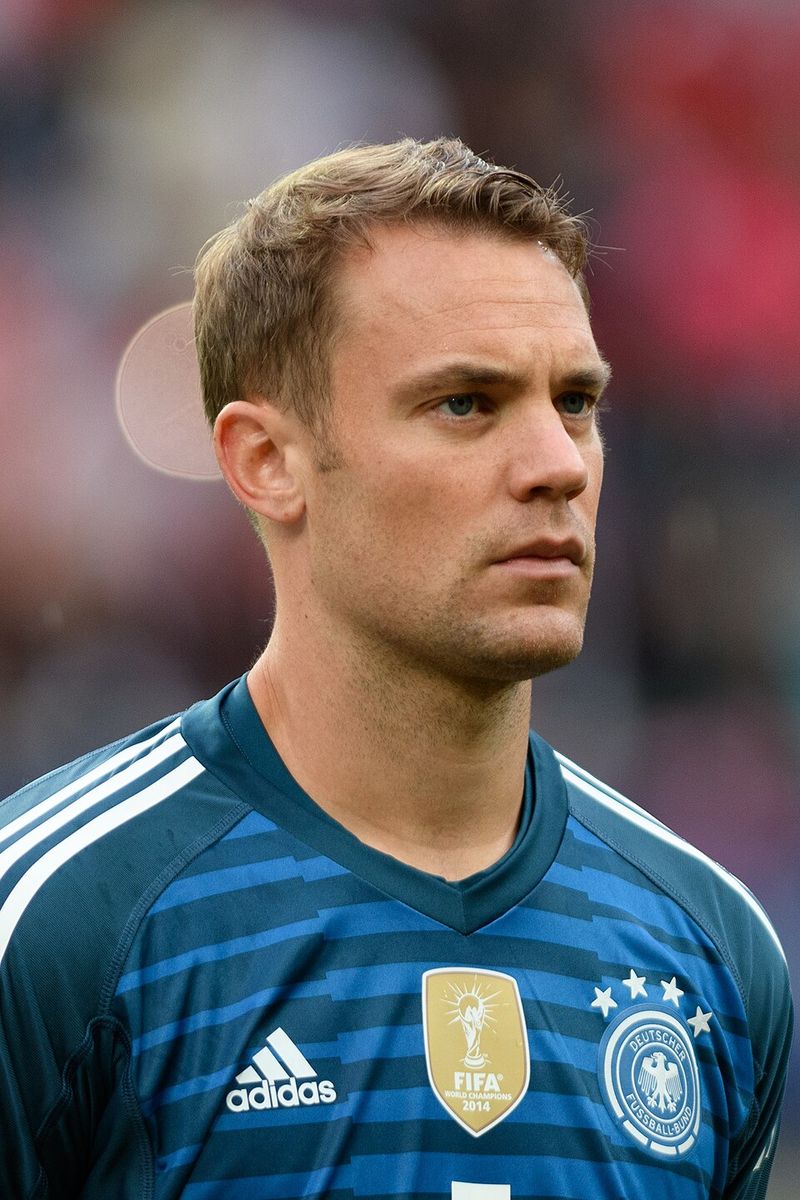
Manuel Neuer revolutionized the goalkeeper position with his sweeper-keeper style, and the 2026 World Cup gave him a chance to show that his innovative approach could endure into his fifth decade. At 40 years and 76 days old, Neuer remained Germany’s first choice between the posts.
Neuer won the World Cup with Germany in 2014 in Brazil, producing one of the finest goalkeeper performances the tournament had ever seen. He was named the best goalkeeper of that tournament, and his influence on how modern goalkeepers play the game cannot be overstated.
Despite facing serious injuries throughout his career, Neuer always found a way back. His 2026 appearance was a tribute to extraordinary rehabilitation and determination.
Germany fans who watched him dominate the 2014 final were thrilled to see him still competing at the highest level more than a decade later.
12. Ali Boumnijel (Tunisia) – 40 years, 71 days (2006)
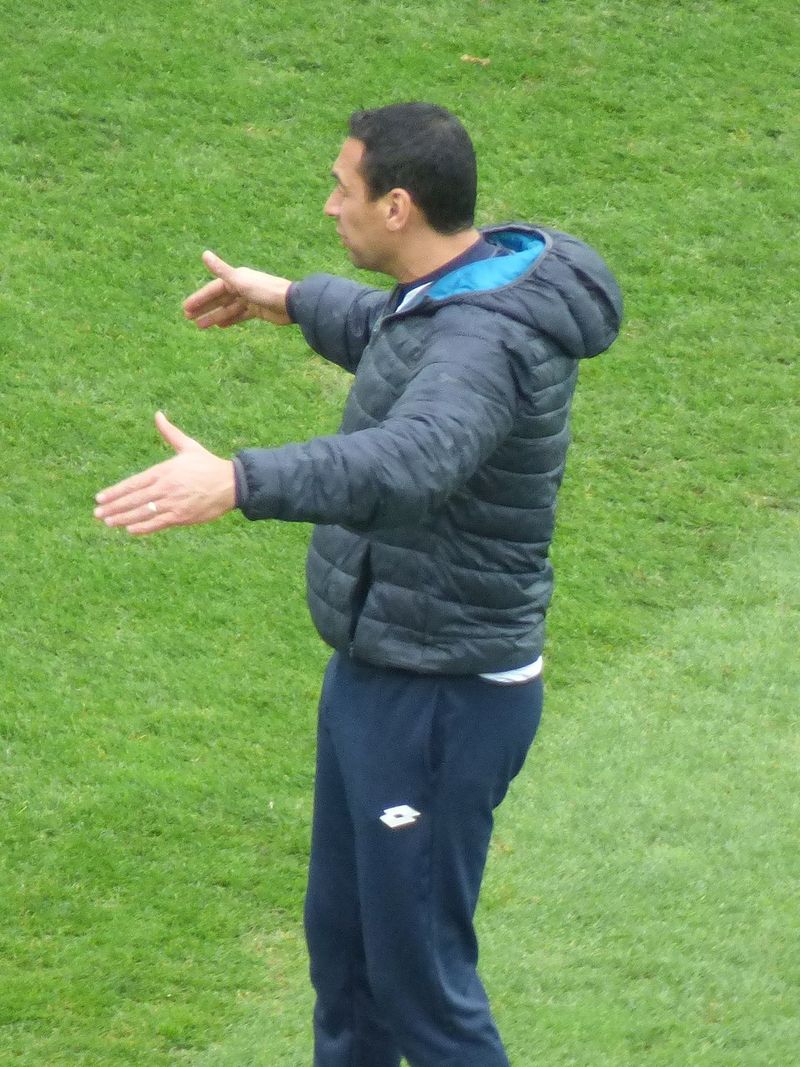
Ali Boumnijel was the rock behind Tunisia’s 2006 World Cup squad in Germany, and at 40 years and 71 days old, he showed that African goalkeeping talent could compete on the world stage well into a player’s 40s. He was one of the most experienced players at that tournament.
Boumnijel built his reputation as a reliable shot-stopper over a long career with Esperance Sportive de Tunis, one of North Africa’s most successful club sides. He became a fan favorite for his sharp reflexes and calm decision-making under pressure.
Tunisia did not advance from the group stage in 2006, but Boumnijel’s performances earned him personal recognition from football observers worldwide. His willingness to keep competing at his age, when many of his contemporaries had already retired, speaks to a fierce competitive spirit that defined his entire career in football.
13. Vozinha (Cape Verde) – 40 years, 23 days (2026)
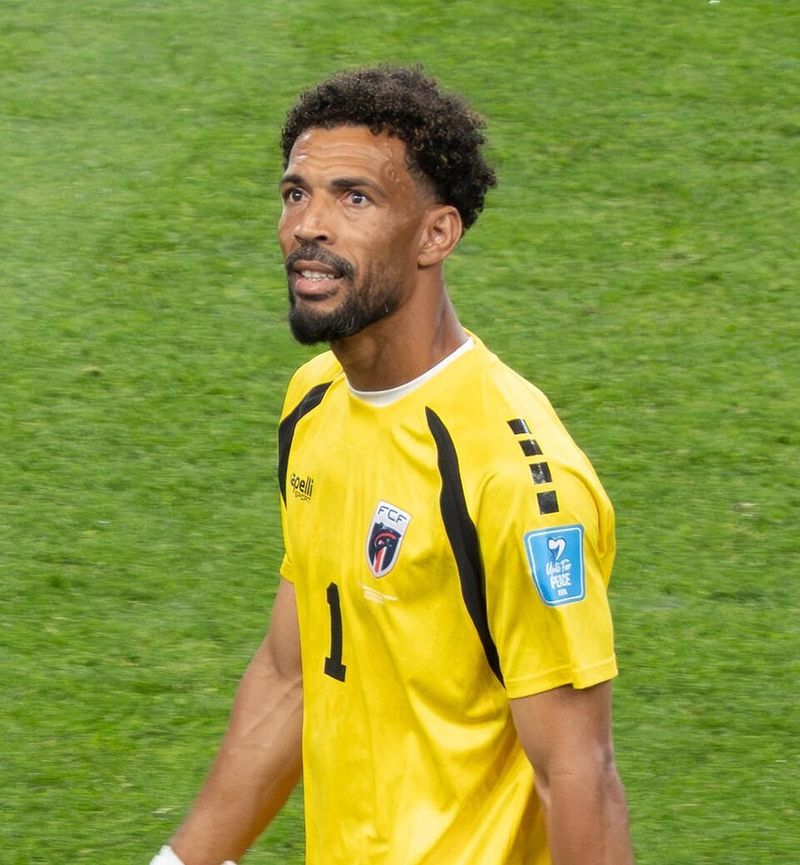
Vozinha’s name might not be as widely recognized as some others on this list, but his story is every bit as compelling. The Cape Verde goalkeeper appeared at the 2026 World Cup at 40 years and 23 days old, representing one of the smallest nations ever to qualify for the tournament’s expanded format.
Cape Verde’s qualification for the World Cup was celebrated across the archipelago nation with enormous national pride. Vozinha, who spent much of his club career in Portugal, was the experienced anchor of a squad that punched well above its weight during qualifying.
His calm leadership helped Cape Verde navigate matches against far more established footballing nations. Vozinha became a symbol of what smaller football nations can achieve with unity, hard work, and belief.
His 2026 World Cup appearance put Cape Verde football on the global map in a meaningful way.
14. Fernando Muslera (Uruguay) – 40 years, 10 days (2026)
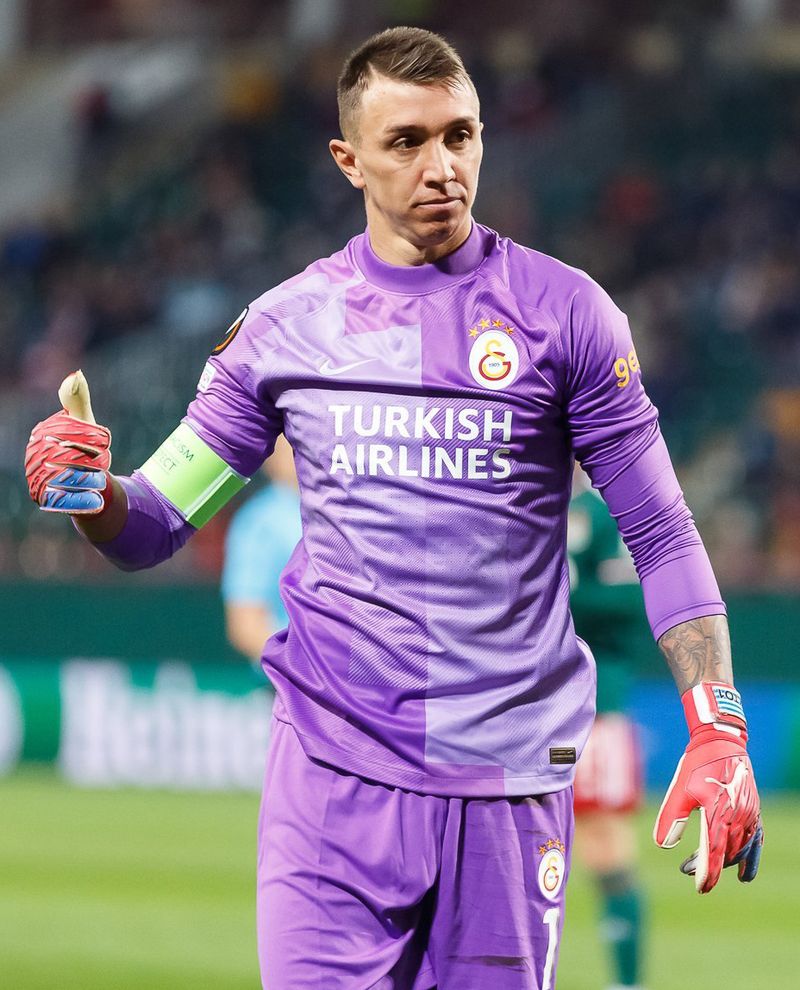
Fernando Muslera has been Uruguay’s most trusted goalkeeper for well over a decade, and at 40 years and 10 days old, he brought that experience to the 2026 World Cup. His veteran presence in goal gave the Uruguayan defense a sense of organization and confidence that only years of top-level experience can provide.
Muslera spent the bulk of his club career at Galatasaray in Turkey, where he became a legendary figure and won multiple league titles. His performances for the Istanbul club kept him sharp and match-ready, which made his continued international selection perfectly logical.
Uruguay has a rich World Cup history, and Muslera has been part of that tradition since 2010. Playing in 2026 meant he appeared at four World Cups in total, a remarkable achievement for any goalkeeper.
His loyalty to both club and country has made him one of South America’s most respected players.
15. Jim Leighton (Scotland) – 39 years, 334 days (1998)

Jim Leighton’s World Cup career had its share of ups and downs, and the 1998 tournament in France gave him a chance to close out his international story on his own terms. At 39 years and 334 days old, he was just days away from turning 40 when Scotland played their group stage matches.
Leighton first rose to prominence with Aberdeen under the legendary Alex Ferguson, winning multiple Scottish league titles and even the European Cup Winners’ Cup in 1983. His club career later took him to Manchester United, though a difficult spell there led to a brief international exile before his comeback.
Scotland did not advance from the 1998 group stage, but Leighton performed with professionalism and pride throughout. His career is a reminder that setbacks do not have to define a player.
Bouncing back and finishing strong is sometimes the most powerful story of all.
Share this story