There is a specific moment in certain rock songs when the drumbeat hits so hard and so perfectly that your hands just start moving on their own. Whether you are driving, sitting at a desk, or waiting in line, the urge to air-drum takes over completely. Rock music has produced some of the most technically brilliant and physically exciting drum performances ever recorded, spanning from the early 1970s through the 1990s and beyond. These fifteen songs represent the very best of that tradition, each one built around a beat so compelling that even non-drummers feel the pull.
The drummers behind these tracks were not just keeping time. They were shaping culture, influencing generations of musicians, and turning the drum kit into a lead instrument. From polyrhythmic studio wizardry to raw double-bass power, each entry on this list offers something distinct and worth knowing. Read on to find out which beats earned their legendary status and exactly why they are so impossible to resist.
1. When the Levee Breaks by Led Zeppelin
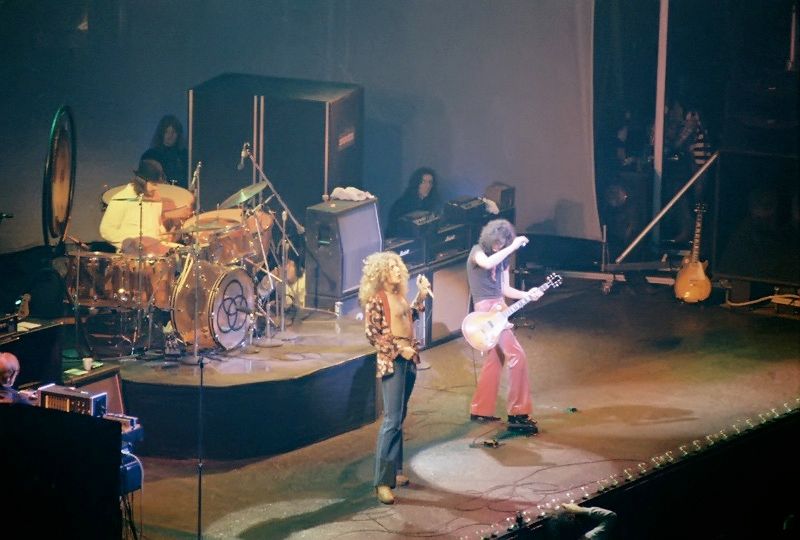
John Bonham recorded his drum part for this song at the bottom of a stairwell at Headley Grange, with two microphones positioned to capture the natural reverb of the space. The result is one of the heaviest drum sounds ever committed to tape, appearing on Led Zeppelin IV, released November 8, 1971.
Bonham played with a triplet feel on the kick drum that was simultaneously laid back and powerfully forward-moving. His snare hits were intentionally inconsistent, giving the groove an organic, breathing quality that no drum machine could replicate. The song also features a polymeter, with the drums locked in 4/4 while the guitar riff moves in 3/4.
That opening beat became one of the most sampled in music history, borrowed by artists including the Beastie Boys and Eminem across hip-hop and electronic productions spanning several decades.
2. Won’t Get Fooled Again by The Who
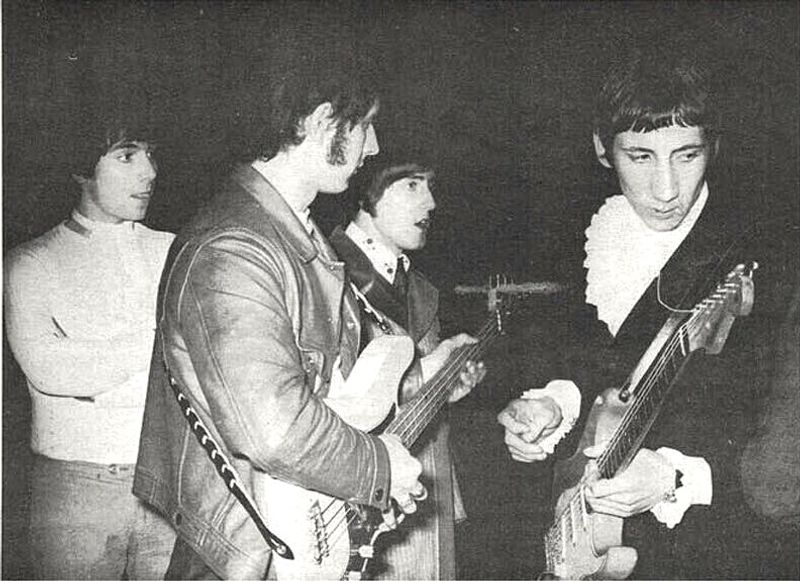
Keith Moon’s drumming style was once described as tribal and impulsive, and nowhere is that more evident than in the approximately 15-second drum break that lands around the 7:31 mark of this album track from The Who’s “Who’s Next,” released in August 1971.
During that celebrated passage, Moon plays two sixteenth notes with his hands in a pattern that continuously shifts across the beat, while his bass drum keeps a steady eighth-note pulse underneath. It is a polyrhythmic construction that builds almost unbearable tension before releasing into Roger Daltrey’s famous rock scream.
The single reached number nine in the UK and number 15 in the US. A notably unusual element of the recording is the staccato keyboard figure, produced by a simple home organ’s built-in rhythm feature, which created a sound that many listeners initially mistook for a synthesizer.
3. Back in Black by AC/DC
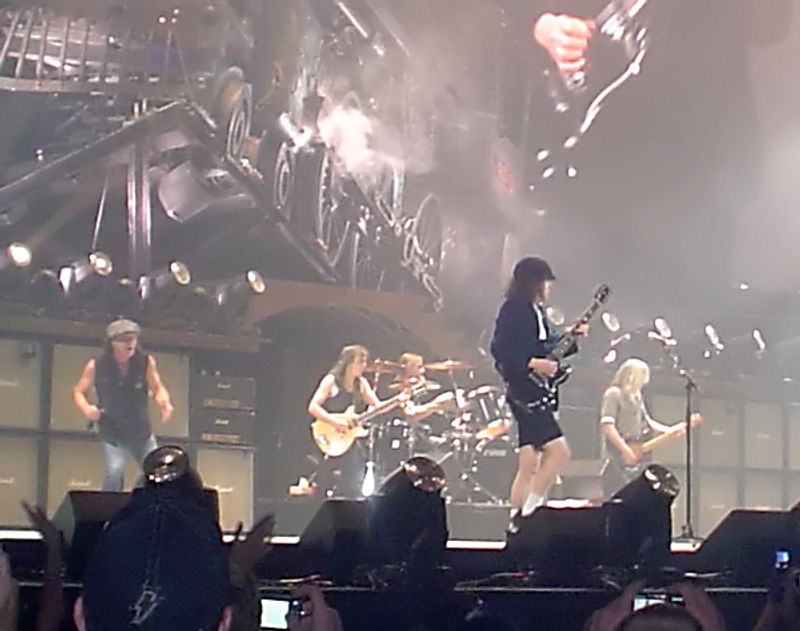
Released July 25, 1980, “Back in Black” was AC/DC’s first album with Brian Johnson on vocals, and the title track became the defining statement of the band’s reinvention. The all-black album cover was a deliberate tribute to their previous vocalist, and the music matched that weight with unrelenting force.
Phil Rudd’s drumming on the track is the opposite of flashy. There are no elaborate fills, no showboating rolls. What he delivers instead is a backbeat so locked-in and physically satisfying that it functions almost like a physical object you can lean against.
That consistency is precisely what makes it so air-drum-friendly. Your body knows exactly where every hit is going to land. The album sold an estimated 50 million copies worldwide, making it one of the best-selling records in history and a permanent fixture in rock radio programming.
4. Smells Like Teen Spirit by Nirvana
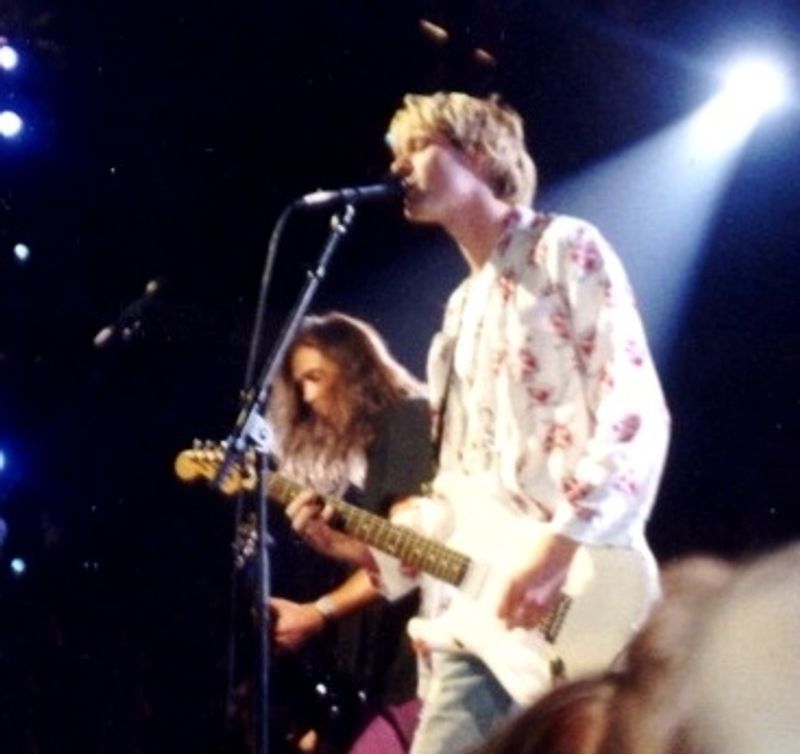
When “Smells Like Teen Spirit” was released on September 10, 1991, it did not just top charts. It restructured the entire commercial landscape of rock music within months. Dave Grohl’s drumming is the engine behind that shift, particularly in the way it handles the song’s dramatic dynamic contrast.
Bassist Krist Novoselic initially dismissed Kurt Cobain’s main riff as repetitive, but the band developed the quiet verse and explosive chorus structure through extended rehearsal. That contrast, from restrained verses to full-force choruses, is exactly what makes air-drumming to it so satisfying.
Grohl hits with the kind of committed force that makes even passive listeners straighten up in their seats. The song sold over 13 million copies worldwide and is regularly credited as the moment grunge moved from underground culture into mainstream American radio and retail.
5. Rosanna by Toto
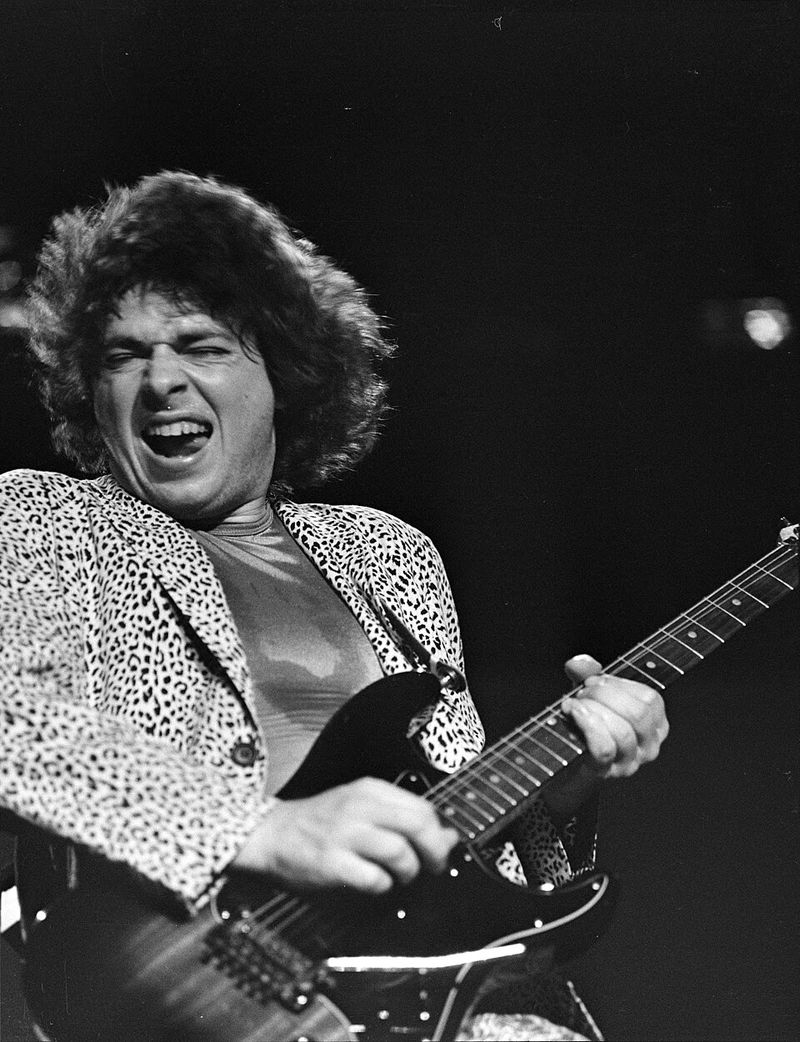
Jeff Porcaro opens “Rosanna” with two bars of solo drums, which is either a bold artistic statement or a very confident dare to every drummer listening. Released in 1982 on Toto’s “Toto IV” album, the track built its fame almost entirely on that groove.
Porcaro described the pattern as a blend of Bernard Purdie’s shuffle, John Bonham’s beat from “Fool in the Rain,” and the Bo Diddley rhythm. The result is a half-time shuffle packed with ghost notes, subtle stick strokes that add texture without crowding the main backbeat, and melodic bass drum lines that keep the whole thing moving.
Drummers widely consider the “Rosanna shuffle” one of the most technically demanding grooves in studio pop history. Its difficulty level is part of what makes it so compelling to attempt, even for those whose drumming lives entirely in the air.
6. In the Air Tonight by Phil Collins
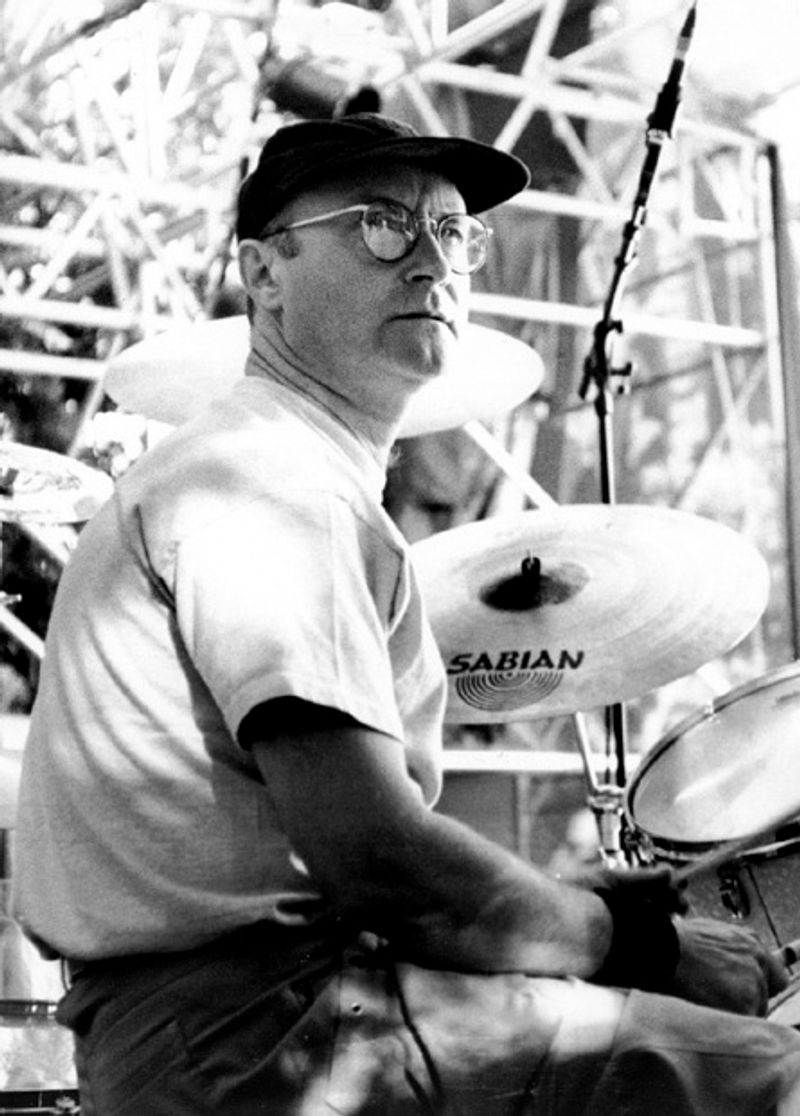
Few drum fills in pop history have inspired as many kitchen-table air-drum performances as the one that crashes in at the 3:40 mark of this 1981 track. Phil Collins released it as the lead single from his debut solo album, “Face Value,” and the song immediately stood apart from everything else on the radio.
The thunderous fill was achieved using gated reverb, a technique created by routing the snare through a reverse talkback circuit combined with heavy compression. Before that moment, the track runs on a quiet Roland CR-78 drum machine pattern, which makes the live drum entry feel genuinely shocking every time.
The song peaked at number two in the UK and later appeared in the pilot episode of Miami Vice in 1984, cementing its place in pop culture permanently.
7. Kashmir by Led Zeppelin
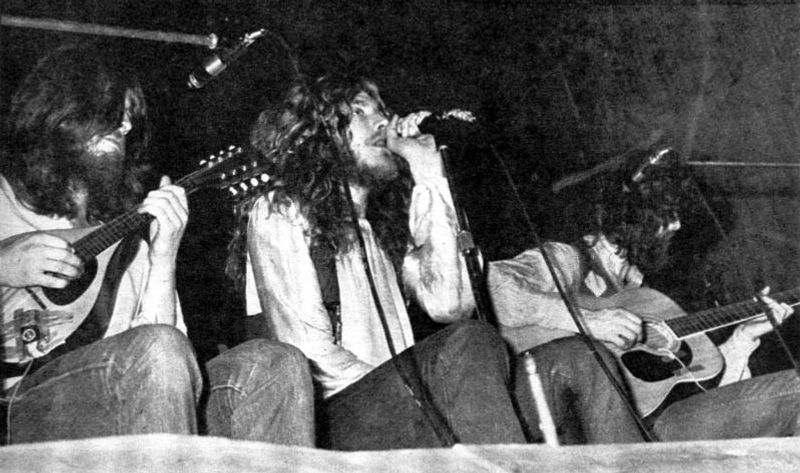
Released February 24, 1975, on “Physical Graffiti,” “Kashmir” is built around one of the most unusual rhythmic ideas in classic rock. John Bonham holds a steady 4/4 backbeat while the guitar riff moves in triple meter, creating a polymetric tension that makes the song feel simultaneously locked and slightly untethered.
Robert Plant noted that Bonham brought “swing” and a “sense of motion” to the track, and also pointed out that what Bonham chose not to play was equally important. His use of space and restraint gave the song room to breathe despite its enormous sonic weight.
The drums were recorded with heavy reverb to create an expansive acoustic quality, and a phasing effect was applied to the track later in the production process. All four Led Zeppelin members considered “Kashmir” among their finest work, and it became a fixture of nearly every live set after its release.
8. Sunday Bloody Sunday by U2
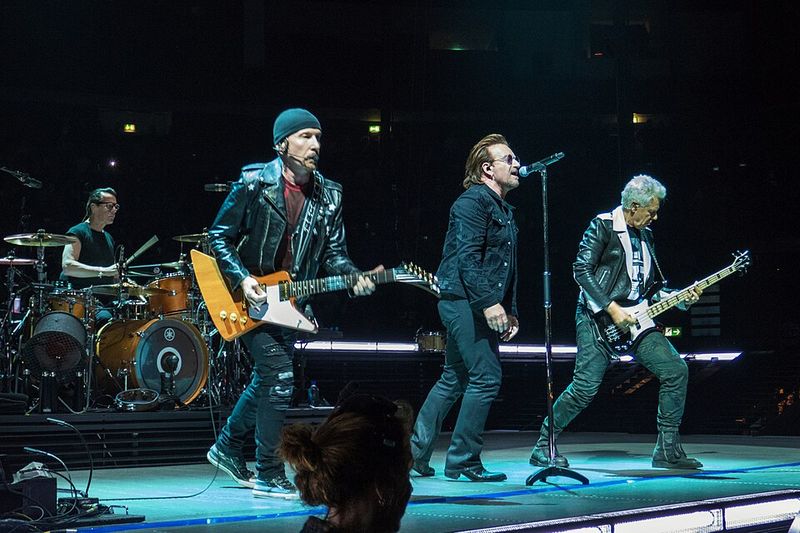
Larry Mullen Jr. started U2 by posting a note on a school bulletin board in Dublin in 1976, and by 1983 that same drummer was opening their most politically charged album with one of the most recognizable snare patterns in rock history.
“Sunday Bloody Sunday” opens “War,” released February 28, 1983, with a militaristic drumbeat that Mullen developed through years of marching band training. The snare work is built on a tight eighth-note foundation accented with ghost notes, adding weight without filling the sonic space that Bono and The Edge needed to operate.
His hi-hat technique creates a distinct tension during verses that loosens as the chorus opens up. The song references the 1972 Bloody Sunday incident in Derry and remains one of U2’s most historically grounded compositions. Its drum pattern is still studied in percussion programs today.
9. Run to the Hills by Iron Maiden
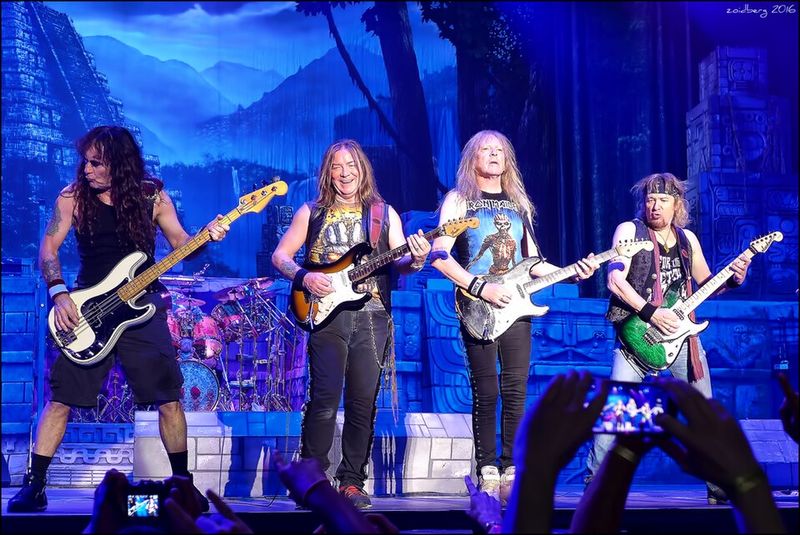
Clive Burr’s drum intro to “Run to the Hills” is one of the most celebrated opening passages in heavy metal, and it was built on a deceptively specific technical idea. Released as a single on February 8, 1982, the track preceded Iron Maiden’s “The Number of the Beast” album by several weeks.
Burr plays a double-handed sixteenth-note pattern on the hi-hat while the bass drum keeps a steady heartbeat on all four beats. On beat four of each bar, the hi-hat opens, both hands shift quickly to the tom-toms for a strike on the “and,” and then the hi-hat closes on beat one of the next bar.
That sequence mirrors the galloping bass pattern that Steve Harris plays throughout the song. VH1 ranked “Run to the Hills” at number 27 on their list of the 40 Greatest Metal Songs, and the single became Iron Maiden’s first top-ten UK chart entry.
10. Tom Sawyer by Rush
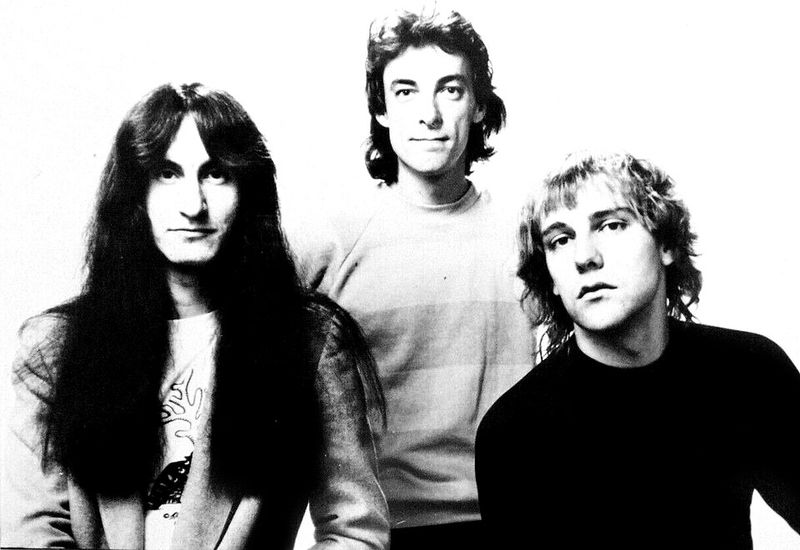
Neil Peart was not just a drummer. He was a one-man percussion orchestra, and “Tom Sawyer” from Rush’s 1981 album “Moving Pictures” is the track that proved it to the widest possible audience.
The song contains an integrated drum solo built around a quadruplet pattern with a distinct triplet feel, demanding both blazing single strokes and an almost supernatural sense of timing. The solo opens with cymbal and bass drum crashes before launching into rapid thirty-second notes across the tom-toms, a sequence that sounds almost mechanical in its precision yet completely alive.
Porcaro’s polyrhythmic elements add further complexity, making the passage rewarding to study even after dozens of listens. “Tom Sawyer” remains one of the most respected drum showcases in rock history, regularly cited by professional drummers as a benchmark of the craft.
11. Hot for Teacher by Van Halen
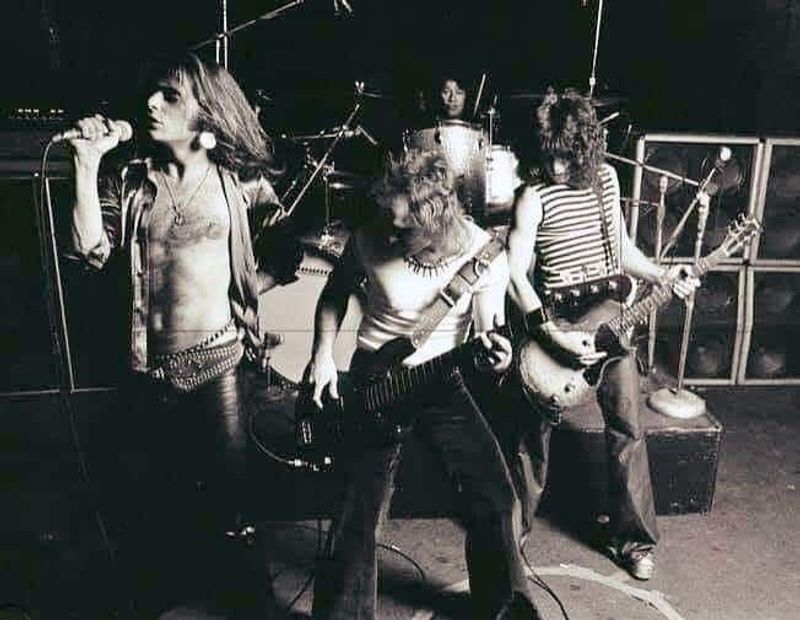
The opening of “Hot for Teacher” sounds like a small percussion explosion, and that is not an accident. Released in October 1984 as the fourth single from Van Halen’s “1984” album, the track opens with Alex Van Halen’s double bass drum barrage, a technique he had not used this prominently before in the band’s catalog.
To achieve the layered sound in the intro, he reportedly connected four bass drums together. His drum sound had always been considered as distinctly identifiable to Van Halen as his brother Eddie’s guitar tone, and this track made that argument definitively.
The music video became a massive MTV hit, co-directed by David Lee Roth, and introduced the song to a generation of new fans. Many listeners still consider “Hot for Teacher” the single track that best captures Van Halen’s wide-open, high-energy approach to hard rock in the 1980s.
12. The Spirit of Radio by Rush
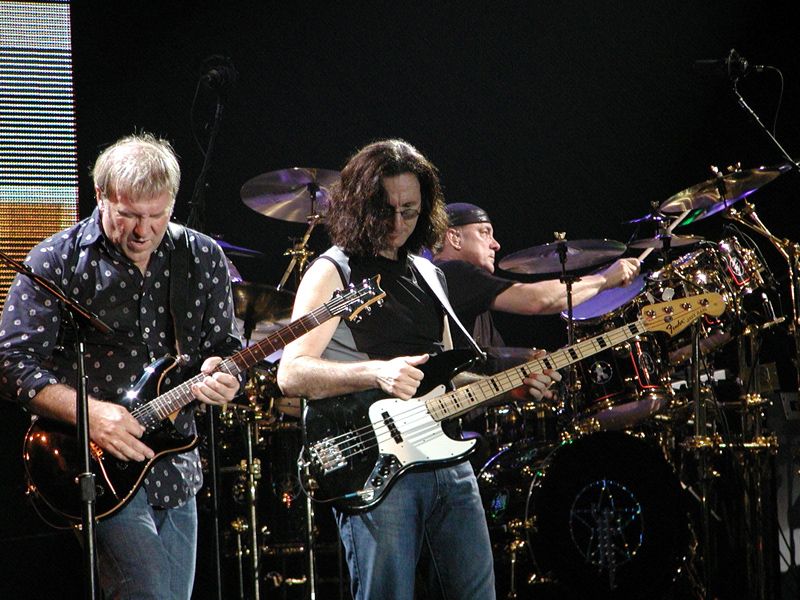
Neil Peart described “The Spirit of Radio” as a fusion of reggae, pop, and metal, which sounds like a recipe for disaster but turned out to be one of Rush’s most commercially successful recordings. The song appeared on “Permanent Waves” in 1980 and became the band’s biggest UK hit, reaching number 13 on the singles chart.
Peart’s drumming is built around syncopated rhythms and a signature beat that shifts feel across the song’s sections, requiring constant rhythmic recalibration from the listener. The drum fill that signals the transition into the song’s second section is particularly satisfying, the kind of moment that causes involuntary hand movements in public places.
The song’s title came from the slogan of CFNY-FM, a radio station based in Brampton, Ontario. The Rock and Roll Hall of Fame later included it among their 500 Songs that Shaped Rock and Roll.
13. Everlong by Foo Fighters
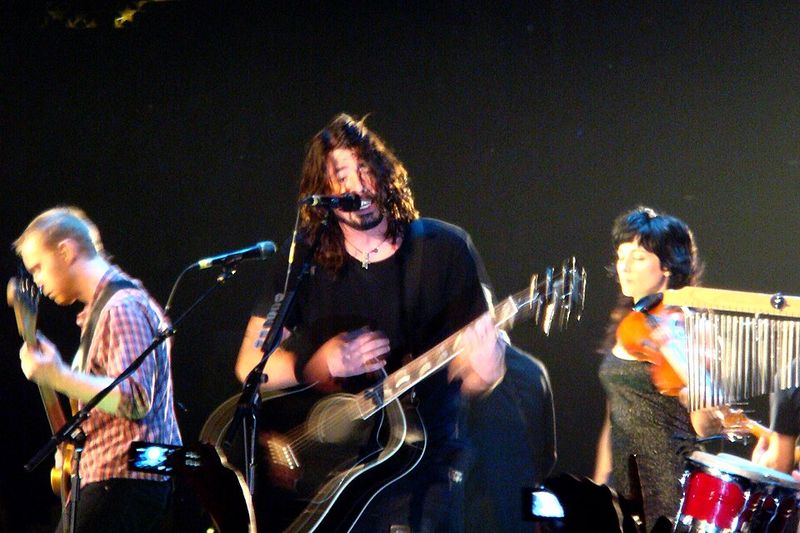
Released in August 1997 as the second single from “The Colour and the Shape,” “Everlong” is the Foo Fighters song that most people would choose if they could only keep one. Dave Grohl wrote and recorded most of the album himself before Taylor Hawkins joined the band, but Hawkins brought the live drum performance that the song deserved.
The track’s power comes largely from its dynamic contrast, the way it pulls back into restrained verses before unleashing into full-band choruses. That shift is where the air-drumming instinct activates most reliably. The song peaked at number three on the US Billboard Alternative Songs chart and the Canadian RPM Rock chart.
“Everlong” gained renewed cultural attention after Taylor Hawkins performed it as the final song of his last live show with the band at Lollapalooza Argentina in March 2022. It has also appeared in Friends, The Wolf of Wall Street, and multiple Rock Band video game editions.
14. We Will Rock You by Queen
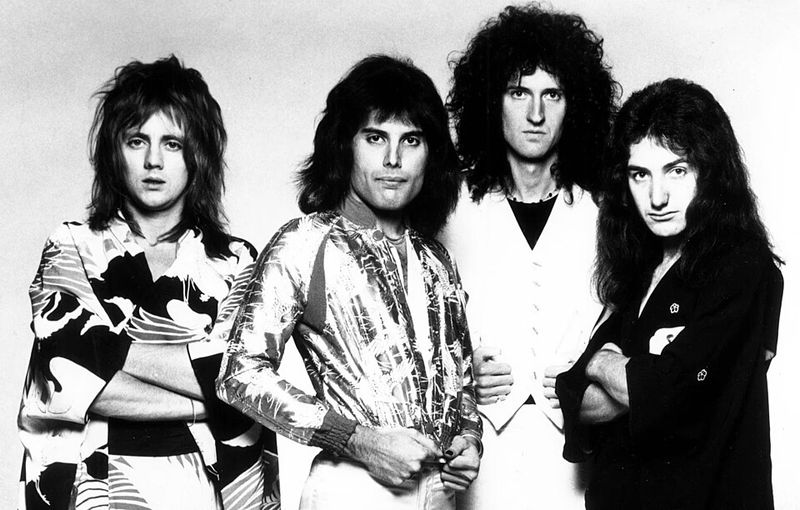
Guitarist Brian May came up with the idea for “We Will Rock You” after watching an audience stomp on wooden floorboards during a Queen concert and realizing the crowd wanted to participate, not just listen. The track was released October 7, 1977, as a double A-side single alongside “We Are the Champions.”
The song’s iconic rhythm is two stomps followed by a clap, repeated without variation, with no traditional drums or guitars present for most of its runtime. That radical simplicity was a deliberate production choice, and it transformed the song into one of the most participatory recordings in stadium rock history.
Roger Taylor is Queen’s drummer, but the beat here belongs to everyone in the building. An alternate fast version featuring a full band arrangement was recorded for BBC Radio. Rolling Stone ranked the song at number 330 on their 2004 list of the 500 Greatest Songs of All Time, and it entered the Grammy Hall of Fame in 2009.
15. Painkiller by Judas Priest
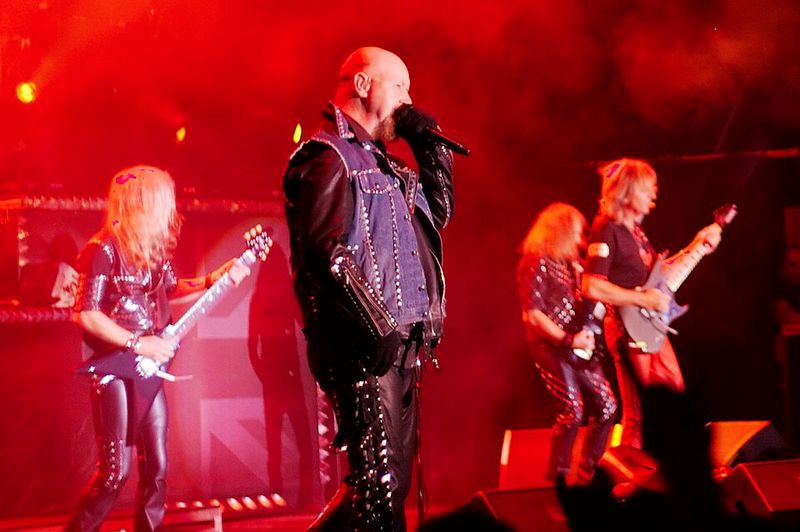
Scott Travis joined Judas Priest just in time to record what many fans and critics consider the band’s fastest and heaviest album. “Painkiller” was released September 3, 1990, in Europe and September 18, 1990, in the United States, and the title track opens with a drum barrage that immediately announced Travis as a different kind of player than his predecessor.
His machine-gunning double-kick drumming in the intro became an instant calling card, setting a tempo and an aggression level that the rest of the song had to match. The album is widely regarded as a landmark in heavy metal history and earned a Grammy Award nomination for Best Metal Performance.
For the band, the record represented a significant creative renewal, described by critics as a “heavy renaissance” for a group that had been making music since the late 1960s. Travis’s debut with Priest on that title track remains one of the most celebrated drum introductions in the genre.
Share this story