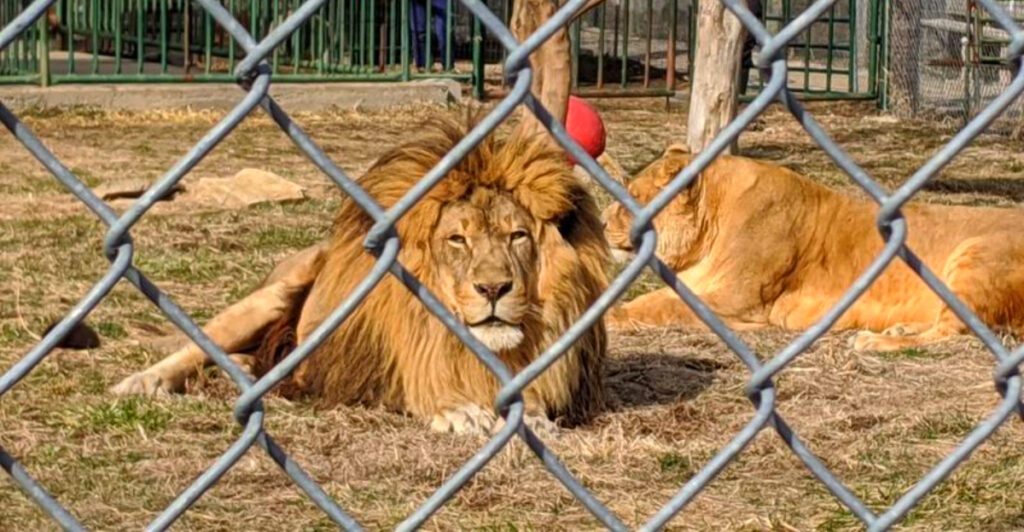
Most people will never stand face to face with a tiger or lock eyes with a lion in the wild. But across the United States, dozens of these powerful animals are living out their days in places that gave them a second chance after years of neglect, illegal ownership, or roadside zoo conditions. These sanctuaries are not tourist attractions dressed up with animal acts. They are serious, accredited facilities run by people who measure success in pounds of meat served daily and acres of habitat maintained year-round.
Some house over 200 animals. Others care for just a handful, but do so with extraordinary dedication. A few are open to guided tours where visitors can learn the individual story behind every resident. Others keep their gates mostly closed, prioritizing animal welfare over foot traffic.
What they all share is a refusal to treat wild animals as entertainment. Read on to discover 11 remarkable places where rescued big cats are finally living as well as they possibly can.
1. Turpentine Creek Wildlife Refuge, Eureka Springs, Arkansas
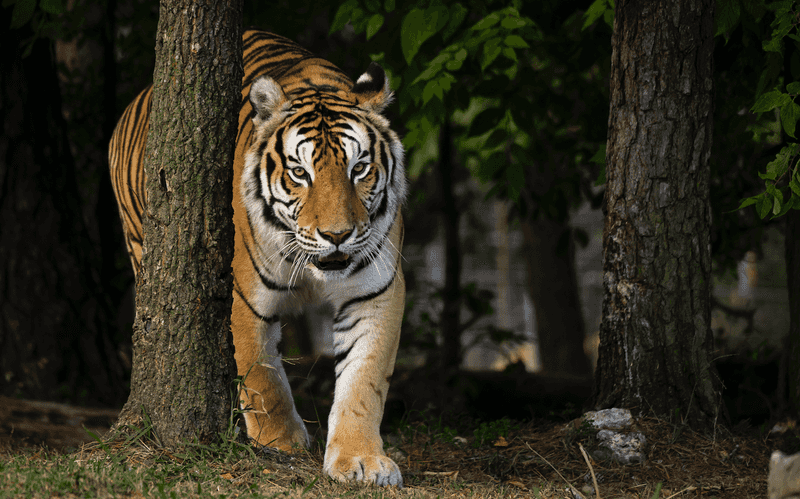
Spanning 459 acres of Ozark Mountain terrain, Turpentine Creek Wildlife Refuge is one of the largest big cat sanctuaries in the entire United States, and it has the daily meat bill to prove it.
Between 800 and 1,200 pounds of raw meat are required every single day to feed the refuge’s more than 100 residents, which include lions, tigers, leopards, cougars, bobcats, servals, ligers, bears, and hyenas.
Visitors can explore through narrated tram tours that run approximately 45 minutes, or book the exclusive “Coffee with the Curator” experience for a behind-the-scenes SUV tour that includes breakfast and access to restricted areas like Rescue Ridge.
The “Carnivore Caravan Tour” goes even further, taking guests through the commissary and the on-site veterinary hospital.
No breeding, no selling, no cub petting, and no animal shows are permitted here. The refuge holds accreditation from the Global Federation of Animal Sanctuaries, reinforcing its reputation as a genuine sanctuary first and foremost.
2. The Wild Animal Sanctuary, Keenesburg, Colorado
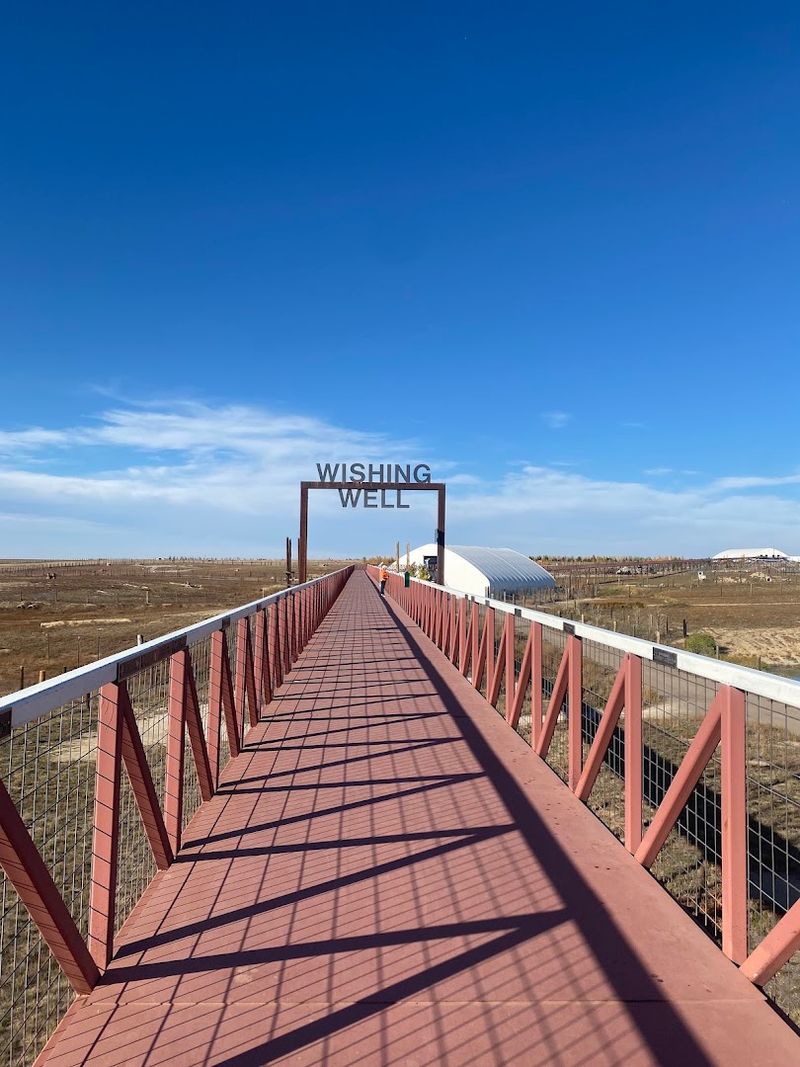
A Guinness World Record sits right at the heart of this Colorado sanctuary, and it has nothing to do with the animals themselves.
The “Mile Into The Wild” elevated walkway stretches 7,974 feet, making it the longest footbridge in the world, and it exists purely so that visitors can observe rescued animals without disturbing them below.
The Wild Animal Sanctuary cares for approximately 750 rescued animals across facilities totaling over 33,000 acres, with the main Keenesburg site covering 1,450 acres of rolling prairie grassland.
Habitats range from 5 to 25 acres at Keenesburg and up to 300 acres at the Refuge property, giving lions, tigers, bears, leopards, cougars, timberwolves, and lynxes genuine room to move.
Underground dens maintain a consistent 60-degree temperature year-round, and tigers have access to dedicated pools. The sanctuary has also completed remarkable international rescues, including bringing 11 lions from Ukraine and 22 moon bears from South Korea to safety.
3. Carolina Tiger Rescue, Pittsboro, North Carolina
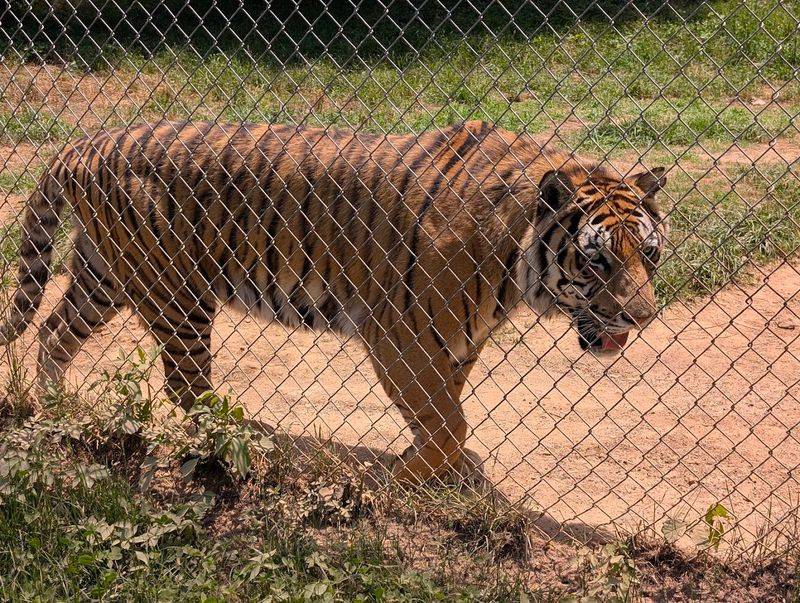
Carolina Tiger Rescue began its life in 1973 under a very different name and a very different mission, originally operating as The Carnivore Evolutionary Research Institute with a focus on breeding.
By 2000, the organization had completely changed course, shifting its entire purpose toward rescue, and rebranding under its current name in 2009.
Today, the sanctuary provides permanent care for tigers, lions, leopards, cougars, caracals, servals, bobcats, ocelots, coatimundis, and kinkajous, all of whom benefit from a strict no-breeding policy.
Guided tours run on Fridays, Saturdays, and Sundays throughout the year. Twilight Tours offer a quieter evening experience for adults 18 and older, while Tiger Tales Tours combine storytelling and crafts for families with young children.
In 2021, the sanctuary took in four big cats from a facility associated with the Tiger King controversy. More recently, it coordinated the rescue of five tigers from Honduras as part of an international effort called Operation Flight to Sanctuary.
4. Lions Tigers & Bears, Alpine, California
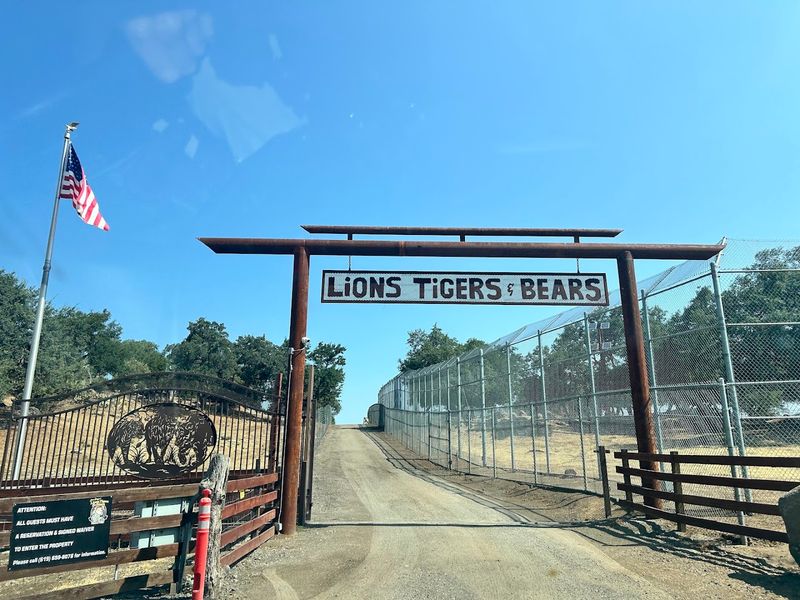
What was once a cow pasture in Alpine, California, is now home to over 65 rescued animals from 17 distinct species, which is quite a career change for a piece of land.
Founded in 2002 by Bobbi Brink, Lions Tigers & Bears provides permanent refuge for lions, tigers, bears, bobcats, leopards, African servals, mountain lions, and jaguars, along with rescued domestic animals including horses and llamas.
The sanctuary operates with a firm no-breeding, no-shows policy, making it one of a small number of accredited big cat facilities in the country that puts animal welfare ahead of every other consideration.
Guided tours run Wednesday through Saturday by appointment and typically last between 1.5 and 2 hours, giving guests a close look at each animal’s individual rescue story.
Visitors can also purchase tickets to participate in feeding a rescued big cat or bear directly, which contributes to the animals’ daily care. All operations are sustained through donations.
5. Black Pine Animal Sanctuary, Albion, Indiana
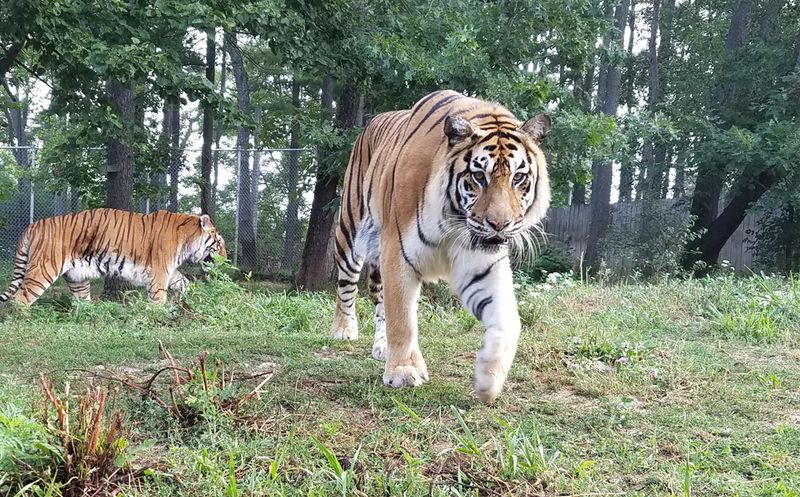
Black Pine Animal Sanctuary sits on 18 acres of pine-covered hills in Albion, Indiana, and its resident list reads like no other sanctuary in the country.
Alongside lions, tigers, cougars, bobcats, and servals, the facility also provides homes for baboons, velvet monkeys, alligators, pythons, tortoises, Arctic and Red foxes, emus, rhea Americana, wolf-dog hybrids, and even a potbelly pig.
The sanctuary does not buy, sell, trade, or breed animals. Habitats are designed around animal welfare rather than visitor aesthetics, meaning wooded areas and natural terrain take priority over clean sight lines.
Tour options here are unusually varied. The standard Staff Guided Tour runs 1.5 hours, Saturday Enrichment Tours let guests watch staff deliver meals and enrichment items, and Toddlers and Tots Tours cater to children aged 7 and under with a scavenger hunt.
One of the most poignant features on the property is a small cemetery where animals who spent their final years at Black Pine are honored and remembered.
6. Tiger Creek Animal Sanctuary, Tyler, Texas
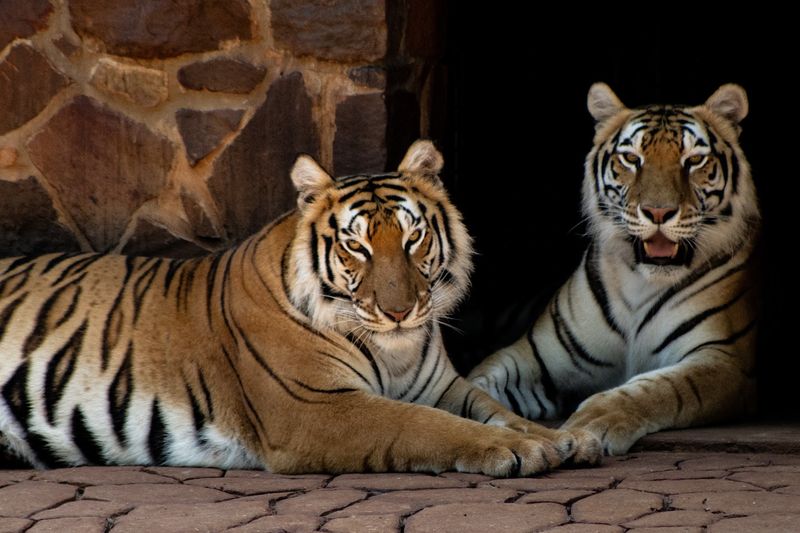
One of Michael Jackson’s original tigers once called this place home, which is arguably the most unexpected footnote in the history of any wildlife sanctuary in Texas.
Tiger Creek Animal Sanctuary spreads across 173 acres of East Texas piney woods and provides refuge for tigers, lions, leopards, bobcats, and other exotic animals rescued from abuse, neglect, failed facilities, law enforcement seizures, and private owners who could no longer provide adequate care.
Guided walking tours run from March through October along a roughly half-mile paved path that winds over hills through the property. Every tour begins at a Conservation Station where guests learn about endangered species before meeting the residents.
Guides share each animal’s unique history and specific care requirements throughout the walk. A strict no-petting policy applies to all big cats without exception.
The sanctuary also collaborates on research with Texas A&M and the National Institutes of Health, reinforcing that its commitment to these animals extends well beyond daily feeding and habitat maintenance.
7. Cat Tales Wildlife Center, Mead, Washington
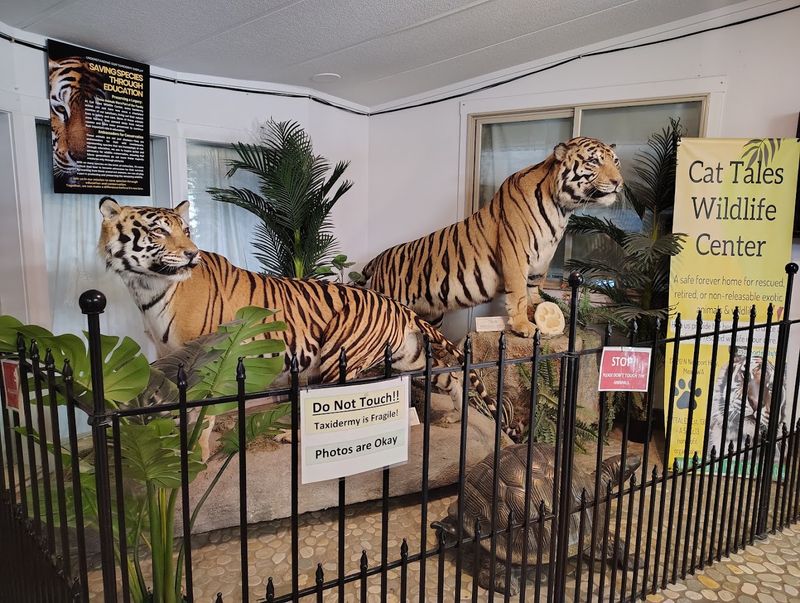
Cat Tales Wildlife Center in Mead, Washington, has been rescuing large cats since 1990, which means it has been doing this work longer than most people have been paying attention to the captive wildlife crisis.
Over more than three decades, the center has rescued over 100 cats, including lions, tigers, leopards, jaguars, clouded leopards, cougars, servals, caracals, lynx, bobcats, and even a liger, alongside black bears, wolves, foxes, coyotes, parrots, and reptiles.
Visitor access here is notably close. Some habitats allow observation from about 15 feet away, and certain areas bring guests within 8 feet of the animals.
Up-close feeding adventures with big cats and black bears are available for an additional fee with age restrictions. The center also houses a Cats of the World museum and a nature store.
Its Wildlife Academy offers hands-on zookeeping and wildlife management certification programs and internships, making Cat Tales one of the few sanctuaries actively training the next wave of professional animal caretakers.
8. WildCat Ridge Sanctuary, Scotts Mills, Oregon
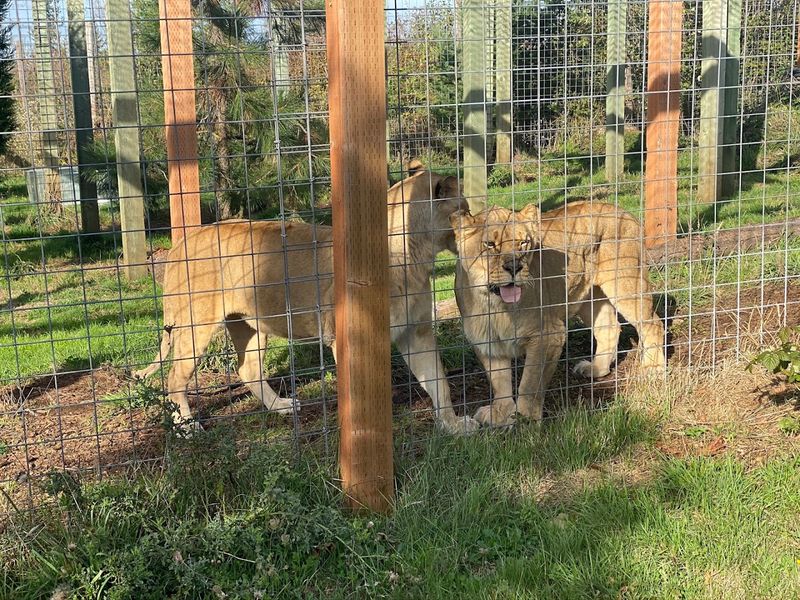
WildCat Ridge Sanctuary carries the unofficial title of the only accredited big cat sanctuary in the entire Pacific Northwest, a distinction that comes with significant responsibility and a very deliberate philosophy.
Founded in 2001 by Michael and Cheryl Tuller in Scotts Mills, Oregon, the sanctuary cares for over 80 animals, including lions, tigers, cougars, servals, bobcats, caracals, cheetahs, lynx, Asian leopard cats, hybrid cats, domestic feral cats, and a small community of donkeys, cows, and roosters.
The property is fully owned and paid for, thanks to a generous donor, and operates entirely on fundraising, donations, and sponsors without any state or federal funding. Annual operating costs reach approximately $800,000.
General public visits are not permitted. Private tours can be arranged, offering a rare behind-the-scenes look at sanctuary operations for those who seek it.
The sanctuary actively works to prevent Metabolic Bone Disease in its residents by providing calcium-rich diets, natural sunlight access, and enrichment activities that encourage climbing and running. Accreditations include the ASA, GFAS, Tigers in America, and the Big Cat Sanctuary Alliance.
9. Cedar Cove Conservation & Education Center, Louisburg, Kansas
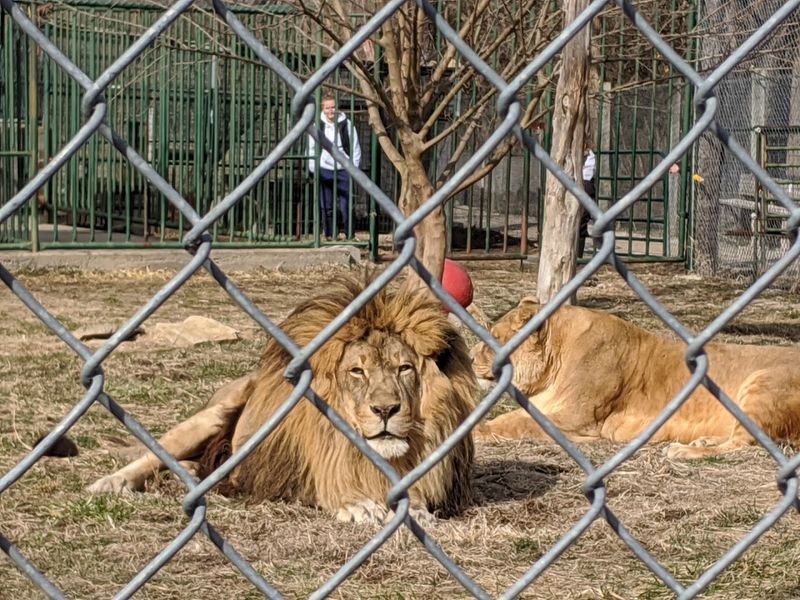
Cedar Cove Conservation and Education Center was built on donated land, opened on August 27, 2000, and has been run by an entirely volunteer staff ever since, which means 100 percent of every donated dollar goes directly to the animals.
Located in Louisburg, Kansas, the nonprofit provides permanent homes for rescued lions, tigers, leopards, mountain lions, bobcats, and jaguars, all of whom arrived after being abandoned, neglected, or surrendered by owners who could no longer provide appropriate care.
Guided public tours run every Saturday and Sunday, typically lasting between one and 1.5 hours. Private and school group tours can be arranged on weekdays with advance notice.
Volunteer guides make a point of explaining the behavioral differences between captive animals and their wild counterparts, giving visitors a realistic rather than romanticized understanding of these animals.
Founded by William Pottorff and now managed by Steve Klein, the center operates with a focused mission: preserve endangered species, educate the public, and ensure that every resident lives out a full and well-supported life.
10. Exotic Feline Rescue Center, Center Point, Indiana
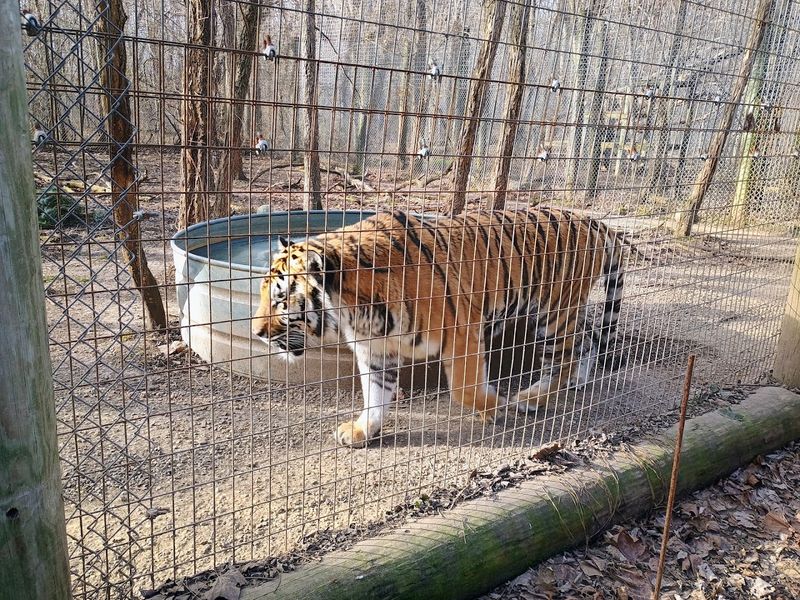
With over 200 felines living across 250 acres in Center Point, Indiana, the Exotic Feline Rescue Center is one of the largest facilities of its kind anywhere in the United States, and it is very much a working rescue operation.
The center is federally licensed by the U.S. Department of Agriculture and houses lions, dozens of tigers including white tigers, black leopards, cougars, lynx, bobcats, ocelots, servals, savannahs, and foxes.
Staff regularly travel significant distances across the country to retrieve animals from illegal or dangerous situations. Daily guided tours run at set times, covering a one-mile walk along gravel paths where guests come within close range of animals separated by sturdy chain-link fencing.
No unescorted wandering and no touching are permitted. Volunteer guides tailor each tour’s content for different age groups, sharing individual rescue stories and distinct personalities for each resident.
Special events include a 5k Run Through the Jungle and an annual Pumpkin Party where the cats interact with pumpkins. Golf carts are available for guests who need mobility assistance.
11. In-Sync Exotics Wildlife Rescue & Educational Center, Wylie, Texas
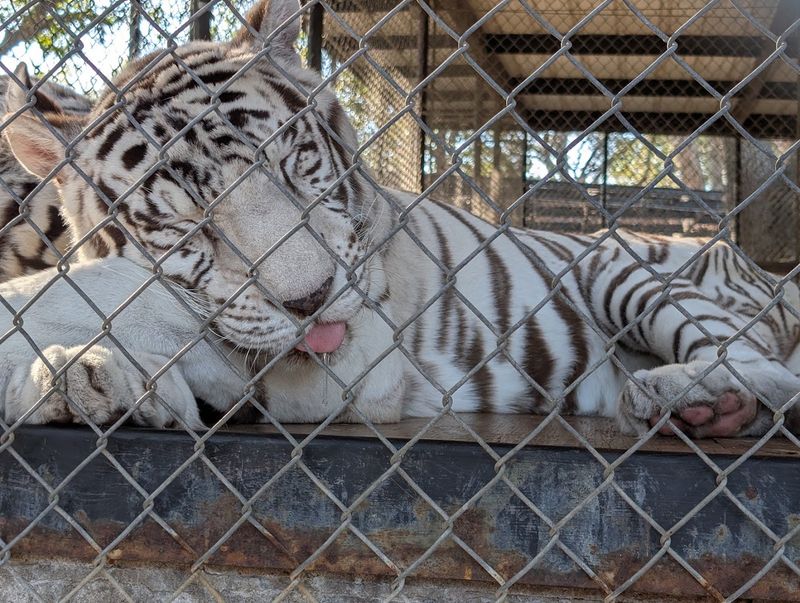
Founded in 2000, In-Sync Exotics Wildlife Rescue & Educational Center provides permanent homes for exotic cats that have been abandoned, mistreated, or displaced. The nonprofit sanctuary in Wylie cares for tigers, lions, cougars, leopards, servals, and other rescued animals while also educating visitors about the problems associated with private ownership and commercial exploitation.
Many of the sanctuary’s residents arrive with serious medical or behavioral needs after years in unsuitable conditions. In-Sync Exotics provides lifelong veterinary care, species-appropriate enclosures, enrichment activities, and a stable environment where the cats are never bred, sold, or used for entertainment.
The sanctuary is licensed by the USDA, permitted in Texas, accredited by the American Sanctuary Association, and verified by the Global Federation of Animal Sanctuaries. It remains open to visitors through self-guided and scheduled tours, with admission and donations helping support the animals’ daily care.
Share this story