Most grains on grocery store shelves have been engineered, crossbred, and modified so many times that their ancient ancestors would barely recognize them. But in a handful of remarkable places around the world, farmers never abandoned the original varieties. Einkorn, emmer, farro, teff, and traditional durum wheat are still growing in the same valleys, hills, and highlands where they have been cultivated for thousands of years. These are not museum exhibits or nostalgic experiments.
They are living agricultural traditions, quietly feeding communities and shaping local cuisines the same way they have for millennia. What makes these regions so fascinating is that their commitment to heritage grains was never really a choice. It was simply what people always did, generation after generation, because it worked. This article takes you through 13 places where ancient grain cultivation is not a trend but a way of life, and where the connection between land, grain, and table remains beautifully unbroken.
1. Castelnuovo di Garfagnana, Lucca, Tuscany, Italy
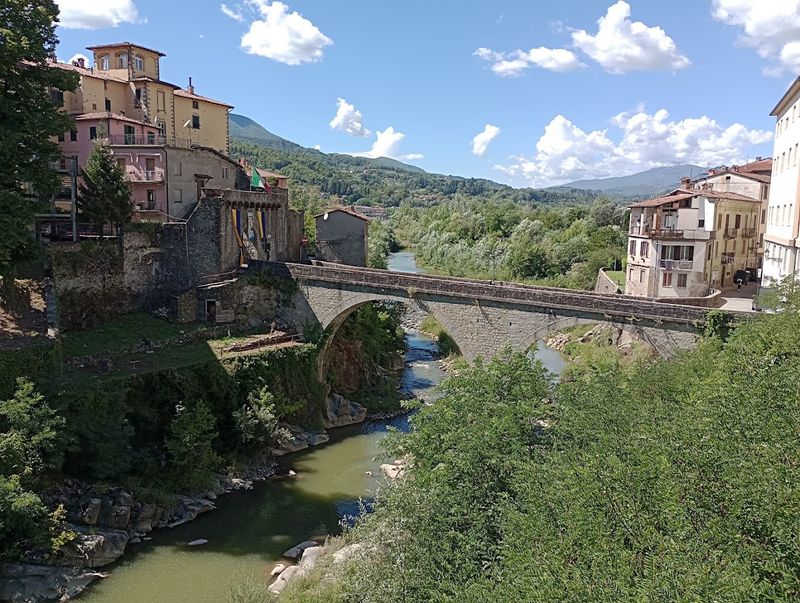
Long before farro became a trendy menu item in upscale restaurants, this Tuscan mountain town had already been growing it for centuries without making any fuss about it. Castelnuovo di Garfagnana is the heart of Farro della Garfagnana PGI, an ancient emmer wheat that earned its Protected Geographical Indication status in 1996 after a revival that began in the 1970s.
About 50 small farms cultivate this grain across 200 hectares, at altitudes ranging from 300 to 1,000 meters. No chemical fertilizers or pesticides are used, making it naturally organic. The grain itself is golden, larger than typical farro, and cooks to a satisfying texture without pre-soaking.
Local restaurants serve it in traditional soups, cold salads, and rustic dishes, while local bakers transform its flour into breads and pastries. The medieval streets of the town make exploring between meals a genuine pleasure.
2. Monteleone di Spoleto, Perugia, Umbria, Italy
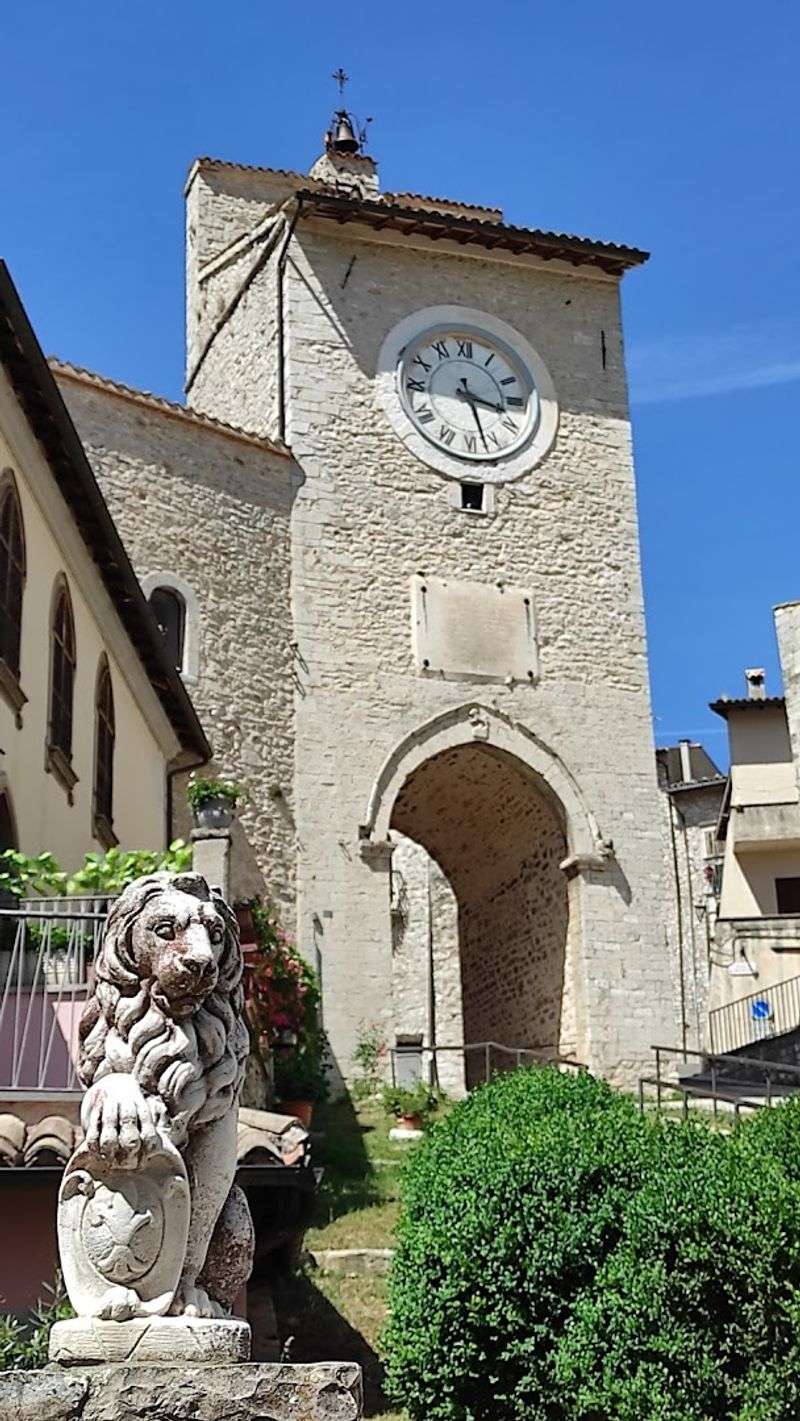
Every December 5th, the parish priest of this small Umbrian mountain village ladles farro soup from a large cauldron and distributes it to the community, a ritual honoring Saint Nicholas and centuries of agricultural identity in one deeply satisfying bowl. Farro di Monteleone di Spoleto PDO became the first farro in Europe to earn Protected Designation of Origin status, achieving that recognition in 2010.
The grain grown here is Triticum dicoccum, an ancient emmer wheat cultivated on calcareous stony soils above 700 meters using only organic fertilizers. Archaeological finds suggest its presence in the area as far back as the 6th century B.C. Local residents have long carried the nickname “mangiafarre,” meaning farro eaters, a title worn with considerable pride.
Whole, semi-pearled, and cracked versions appear in soups, salads, and baked goods. The traditional legume stew called Imbrecciata, made with farro, remains a regional favorite.
3. Norcia, Perugia, Umbria, Italy
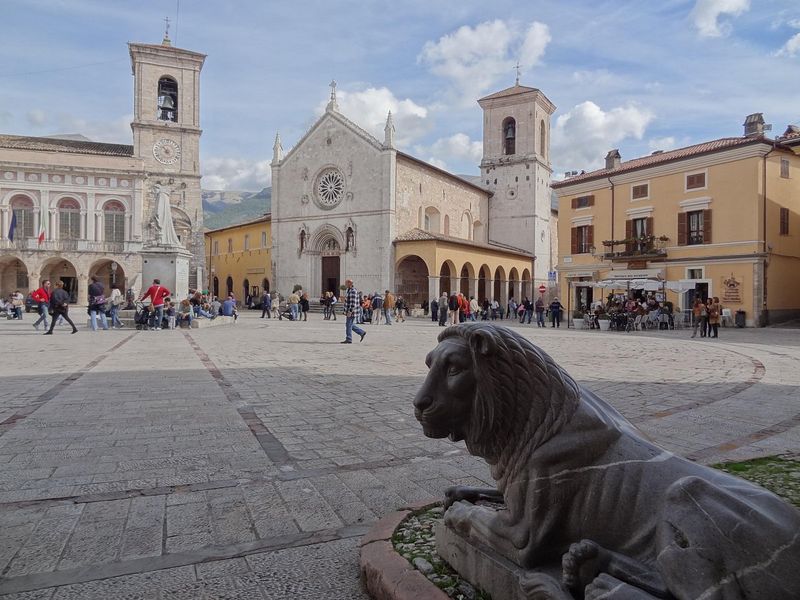
The plains of Castelluccio di Norcia perform a reliable act of seasonal drama each spring, when wildflowers bloom across fields of heritage grains and celebrated lentils in one of Italy’s most photographed agricultural landscapes. Norcia itself sits on a broad plateau within the Sibillini Mountains National Park, where cool air and fertile valleys have supported cereal farming for generations.
Farro here refers primarily to emmer wheat, valued for its nutty character and firm texture. It appears in hearty winter soups, summer salads, and creamy farrotto preparations, demonstrating a versatility that has kept it relevant across centuries of local cooking. Nutritionally, it delivers solid amounts of protein, fiber, and B vitamins.
The Lentils of Castelluccio di Norcia PGI share the spotlight, grown at around 1,540 meters where harsh conditions eliminate the need for chemical pest control. Both crops define the honest, ingredient-driven cooking that has made Norcia a genuinely rewarding culinary destination.
4. Cascia, Perugia, Umbria, Italy
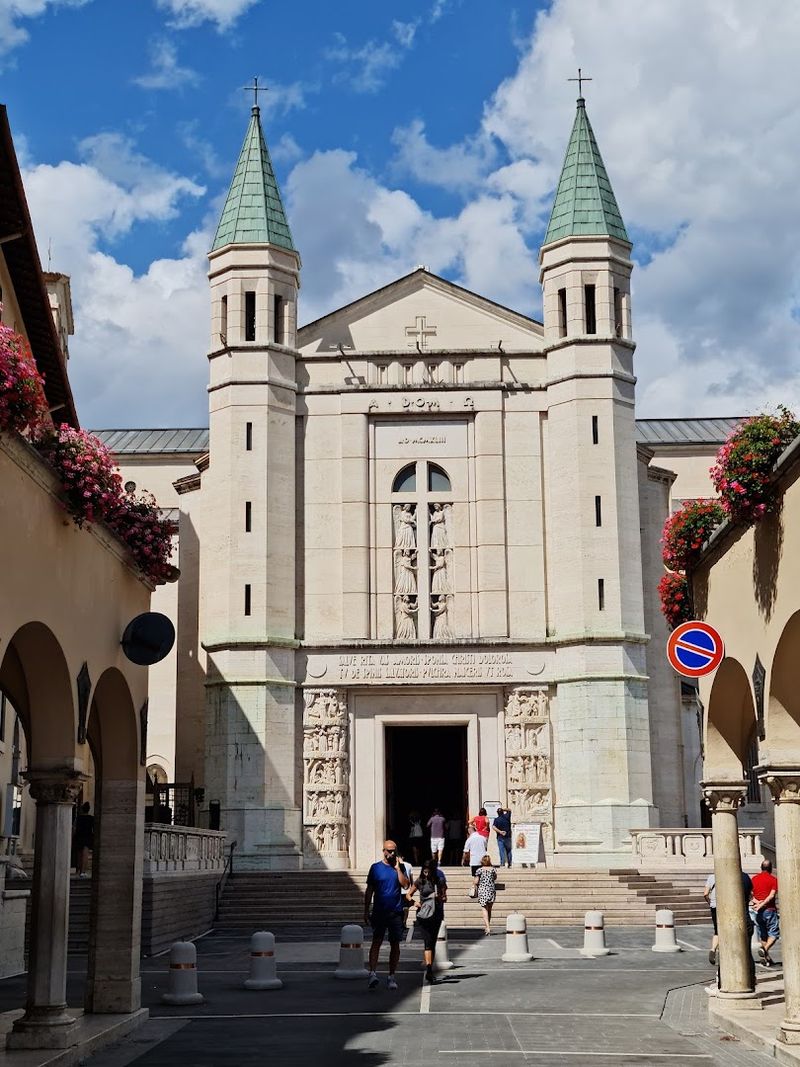
Tucked into the quiet folds of Umbria’s Valnerina, Cascia is the kind of place where family farms still operate on the same land their grandparents worked, growing ancient cereals not as a heritage project but simply as part of how things are done. The town shares the same rugged mountain geography as neighboring Norcia, and that common landscape has produced a common agricultural tradition centered on farro.
Local farms grow emmer, spelt, and barley alongside lentils, following seasonal rhythms that have shaped the region for centuries. Establishments like UmbriaHighland actively embrace organic and sustainable practices, nurturing these ancient crops without synthetic inputs. Farro turns up in warming soups and rustic recipes that reflect the no-nonsense character of mountain cooking.
Stone villages and scenic valleys frame the experience for visitors who come looking for something quieter than the famous Umbrian towns. Cascia rewards patience with a genuine sense of agricultural continuity that feels both grounding and rare.
5. İhsangazi, Kastamonu Province, Türkiye
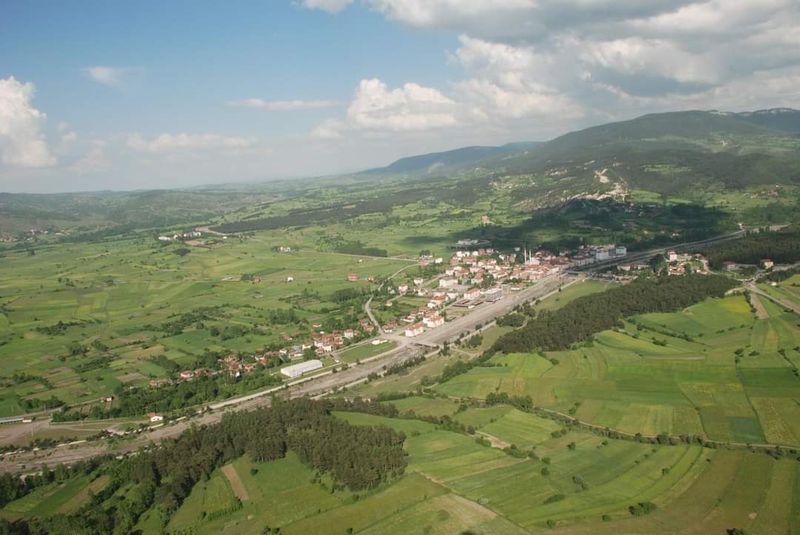
Somewhere in the forested hills of Kastamonu Province, farmers are growing a wheat variety with an unaltered genetic structure dating back 10,000 to 12,000 years, and they treat it as completely ordinary. İhsangazi is recognized worldwide as the primary cultivation center for siyez wheat, a form of einkorn (Triticum monococcum) so ancient that its name is believed to derive from the Hittite word “ziz.”
This grain thrives in poor soil and survives winters with months of snow cover, conditions that defeat most modern hybrid varieties. Its hard husk provides natural protection against pests and disease, making chemical-free cultivation entirely practical. Siyez contains around 20% protein, lower carbohydrates than modern wheat, and a strong nutritional profile including B vitamins, iron, magnesium, and antioxidants.
Farmers traditionally process it into bulgur by boiling, sun-drying, and stone-milling the husked grain. That bulgur becomes the base for pilafs and soups that connect İhsangazi’s kitchens directly to its ancient fields.
6. Kastamonu, Kastamonu Province, Türkiye
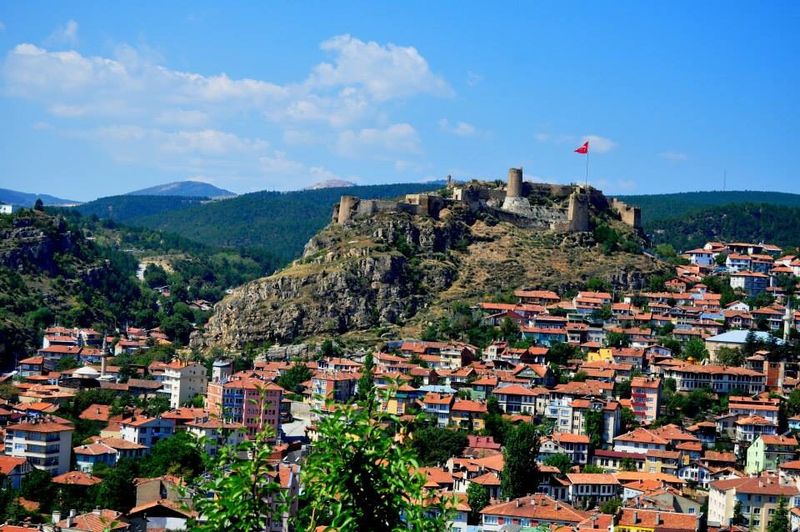
Kastamonu Province does not just contain one village known for ancient grain. The entire region functions as a living repository for siyez wheat, with around 700 to 900 farmers cultivating the crop across approximately 1,500 hectares in multiple districts including Taşköprü and Seydiler. That scale reflects a genuine agricultural commitment, not a boutique revival.
Siyez has persisted here because it is genuinely well-suited to the province’s demanding conditions. Cold winters, poor soils, and limited chemical inputs are not obstacles for this grain but simply its preferred environment. The resulting product carries more protein, fiber, and vitamins than standard modern wheat, with a lower glycemic index that has attracted growing attention from health-conscious consumers.
Local bakeries turn siyez flour into sourdough breads, pastries, and traditional flatbreads. The Kastamonu Earth Market connects producers directly with buyers, and an annual Siyez Festival draws visitors who want to understand why this ancient grain has endured so stubbornly in Anatolian farming culture.
7. Debre Birhan, Amhara Region, Ethiopia
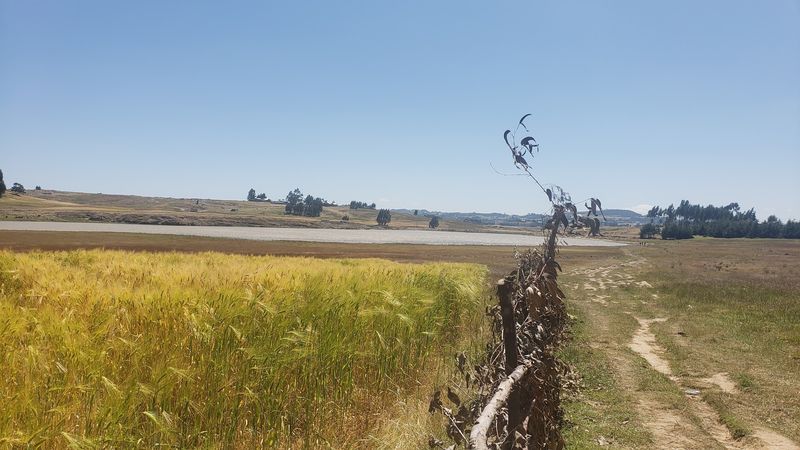
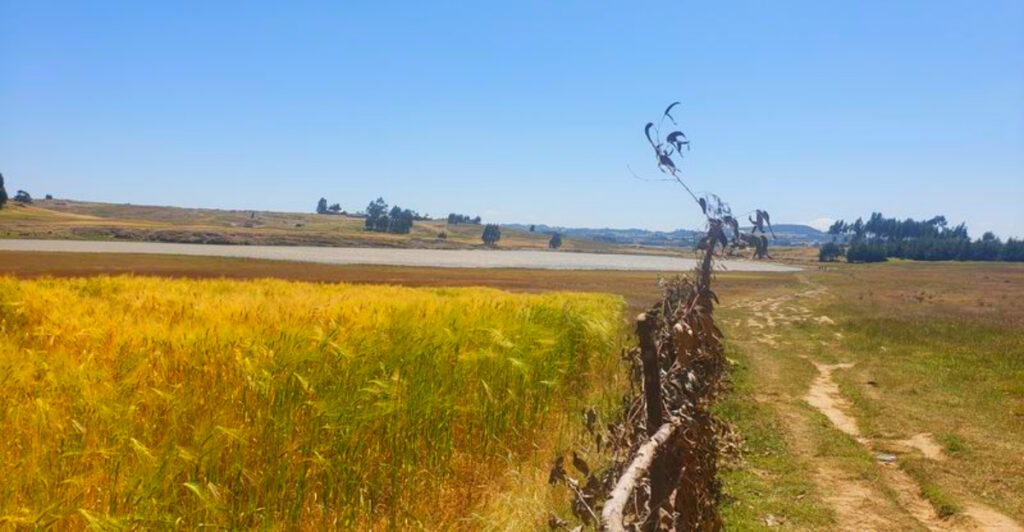
At elevations between 1,700 and 2,200 meters in the Ethiopian Highlands, a grain the size of a poppy seed has been quietly feeding civilizations for at least 3,000 years. Teff (Eragrostis tef) is native to these highlands, and the Amhara Region around Debre Birhan ranks as the second-largest teff-producing area in Ethiopia, a country that accounts for nearly all of the world’s teff supply.
Smallholder farmers cultivate it during the main rainy season using traditional practices: hand-broadcasting seeds, harvesting with sickles, and threshing with livestock on prepared circular grounds. These methods have remained essentially unchanged for generations. Teff grows in heavy clay soils where other cereals struggle, and its adaptability to both wet and dry conditions makes it a reliable crop in variable highland climates.
Nutritionally, teff is naturally gluten-free, high in iron, calcium, and fiber, and rich in lysine. Its most important role is as the main ingredient in injera, the fermented flatbread that anchors Ethiopian communal dining.
8. Lalibela, Amhara Region, Ethiopia
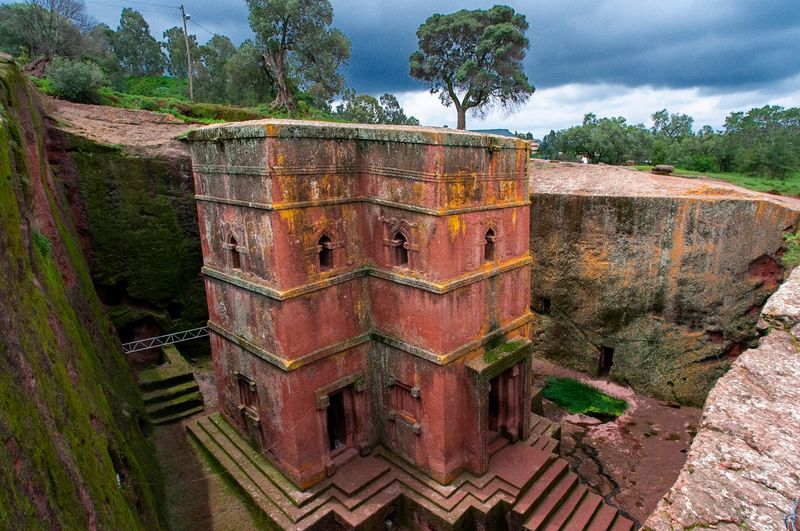
Most visitors arrive in Lalibela to see the rock-hewn churches, carved directly from living stone between the 7th and 13th centuries in one of humanity’s most remarkable architectural achievements. But the fields surrounding this mountain town tell a parallel story of equal persistence, where teff cultivation has continued uninterrupted for millennia alongside those ancient monuments.
Farmers in the Lasta Woreda cultivate teff on every available patch of arable land, following traditional practices that involve hand-reaping with sickles and threshing with cattle, horses, or donkeys on circular prepared grounds. Local markets carry both pale, high-quality teff and darker coarser varieties, each producing injera with distinct flavors and characteristics.
The contrast between the UNESCO-listed churches and the actively farmed teff fields creates an experience that few destinations can match. Agriculture and heritage coexist here not as a curated attraction but as an organic expression of how this community has always lived. Lalibela offers both in the same glance.
9. Konya, Central Anatolia Region, Türkiye
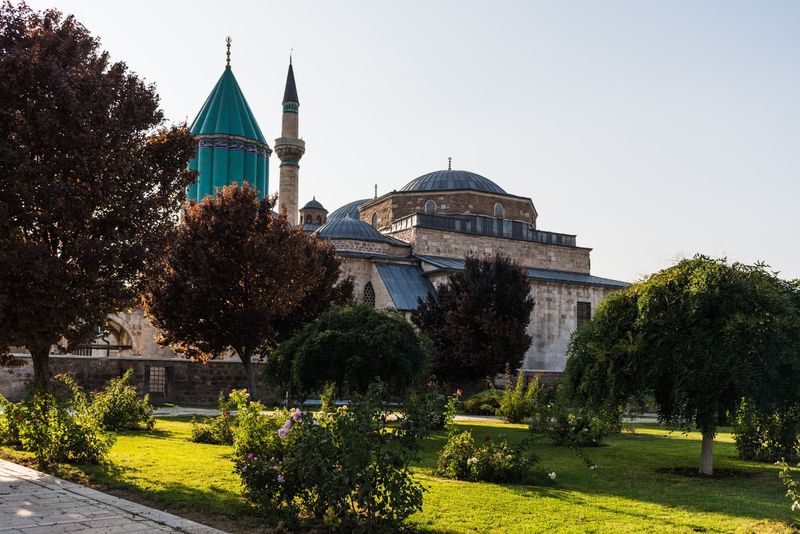
The Neolithic settlement of Çatalhöyük, located near Konya, contains evidence of wheat and barley cultivation stretching back over 1,500 years into prehistory, which means this region has essentially been a breadbasket since before anyone thought to call it that. Today, Konya Province produces around 25% of Türkiye’s durum wheat, 11% of its common wheat, and 14% of its barley, numbers that confirm its agricultural importance is not historical nostalgia but current reality.
The continental climate of Central Anatolia, with hot dry summers and cold winters, has shaped a tradition of dry farming that consistently yields high-quality grain. Agricultural research institutes based in Konya focus on developing certified seed varieties, and the province leads the country in seed production. Traditional heritage varieties continue alongside modern crops.
Local cuisine reflects this deep grain culture through dishes like oven kebab, tirit, and water pastry, all built on durum wheat. The vast, open landscape gives visitors a tangible sense of why this region has fed empires.
10. Altamura, Bari, Puglia, Italy
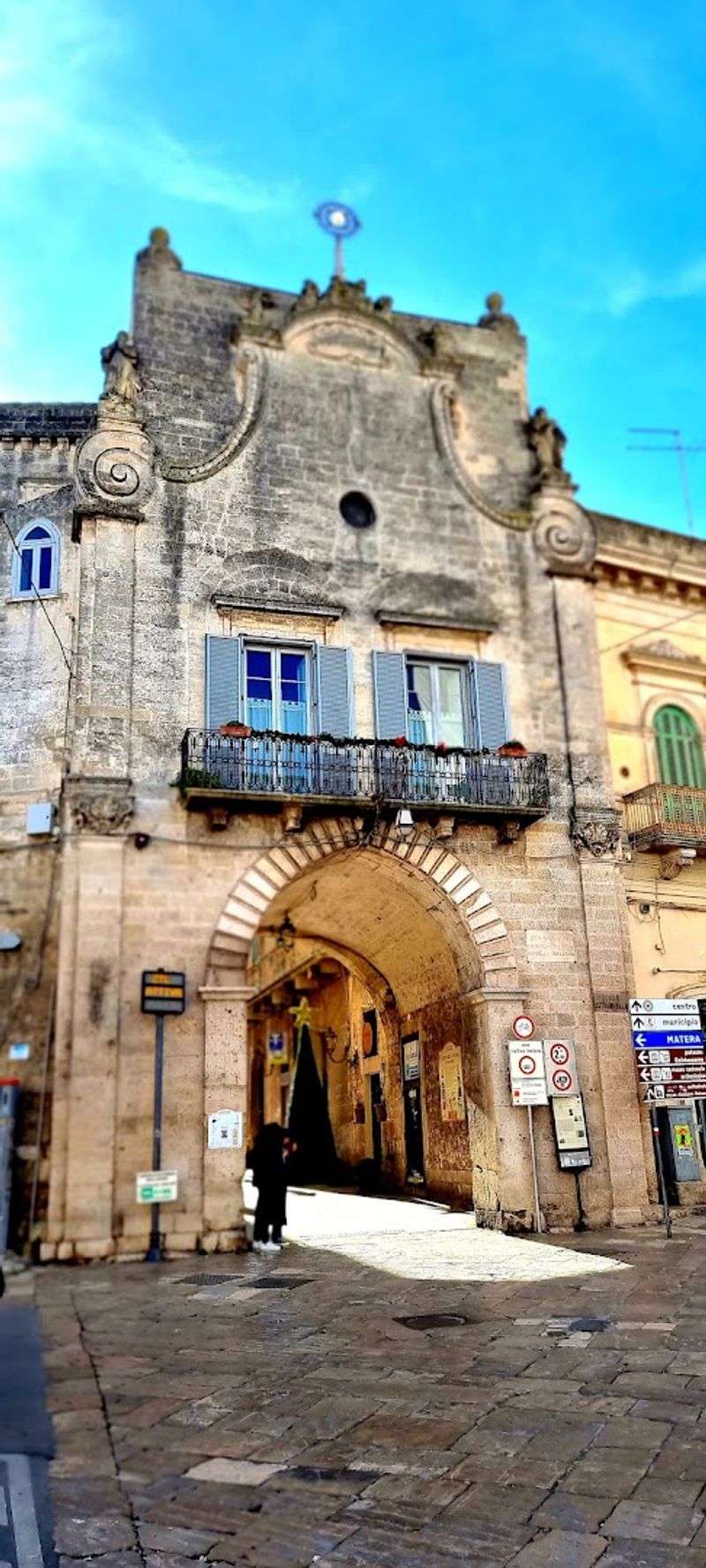
In 37 BC, the Roman poet Horace declared the bread from this Puglian town the best in the world, and the locals have been quietly agreeing with him ever since. Pane di Altamura DOP became the first bread in Europe to receive Protected Designation of Origin status in 2003, a recognition that formalized what bakers here had known for centuries.
The bread is made exclusively from re-milled durum wheat semolina, with at least 80% sourced from local heritage varieties including Appuro, Arcangelo, Duilio, and Simeto, all grown on the Murge Plateau under the warm southern sun. Strict regulations govern the entire process, from renewing the sourdough starter at least three times to the specific open-then-closed wood-fired baking technique that produces its characteristic dark crust.
The finished loaf, weighing at least 500 grams, stays fresh for up to two weeks without preservatives. Its golden crumb and firm crust appear in traditional dishes like cialde and fetta francesca, alongside simple olive oil, the way it has always been served.
11. Gravina in Puglia, Bari, Puglia, Italy
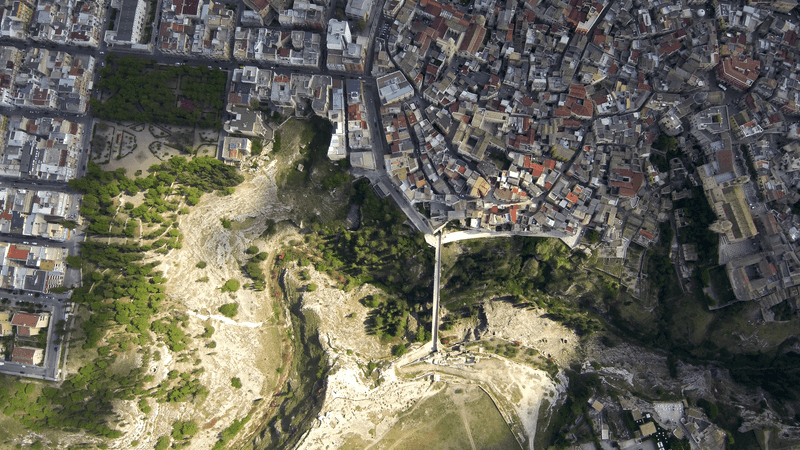
The town motto of Gravina in Puglia reads “Grana dat et vina,” meaning it gives grain and wine, a declaration that doubles as an accurate agricultural summary and an unusually honest piece of civic branding. This ancient town, set above dramatic limestone ravines in the Alta Murgia National Park, has been farming durum wheat since Paleolithic times, making its grain heritage genuinely prehistoric.
The surrounding countryside is a working mosaic of wheat fields, olive groves, and vineyards, all benefiting from Puglia’s favorable soils and warm climate. Heritage durum varieties including Appulo, Arcangelo, Duilio, and Simeto are cultivated here, many of which supply the grain used in neighboring Altamura’s famous DOP bread. The shared agricultural foundation links these two towns in ways that go deeper than geography.
Local cuisine builds on these products through traditional baked goods, rustic pasta dishes, and regional specialties. Visitors who explore both Gravina and Altamura together get a fuller picture of how ancient grain cultivation continues to define southern Italian food culture.
12. Pećinci, Srem District, Vojvodina, Serbia
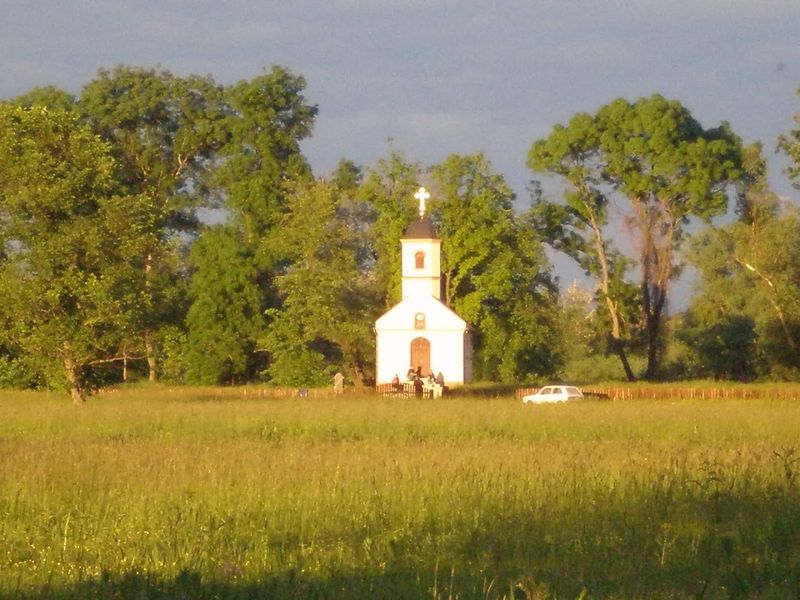
A museum dedicated entirely to bread sounds like a niche idea until you walk through the Jeremija Museum of Bread in Pećinci and realize it contains 2,000 artifacts, 96 types of ritual bread, and a collection of prehistoric grain-processing tools that reframes the entire history of human civilization as fundamentally a grain story. Founded in 1995 by academic painter Slobodan Jeremić, this 1,200-square-meter complex is the only institution in Europe devoted solely to the journey of grain from field to table.
The ethnographic collection covers tools for plowing, harvesting, milling, and baking, alongside ancient furnaces around which families once gathered. The ritual bread displays reveal how deeply Serbian festive customs, from Christmas to agricultural celebrations, are tied to symbolic loaves shaped like animals, farming tools, and seasonal motifs.
Vojvodina’s fertile chernozem soils have made wheat farming a regional cornerstone for centuries. The museum connects that agricultural reality to cultural identity in a way that is genuinely engaging for visitors of all ages.
13. Castel del Monte, Barletta-Andria-Trani, Puglia, Italy
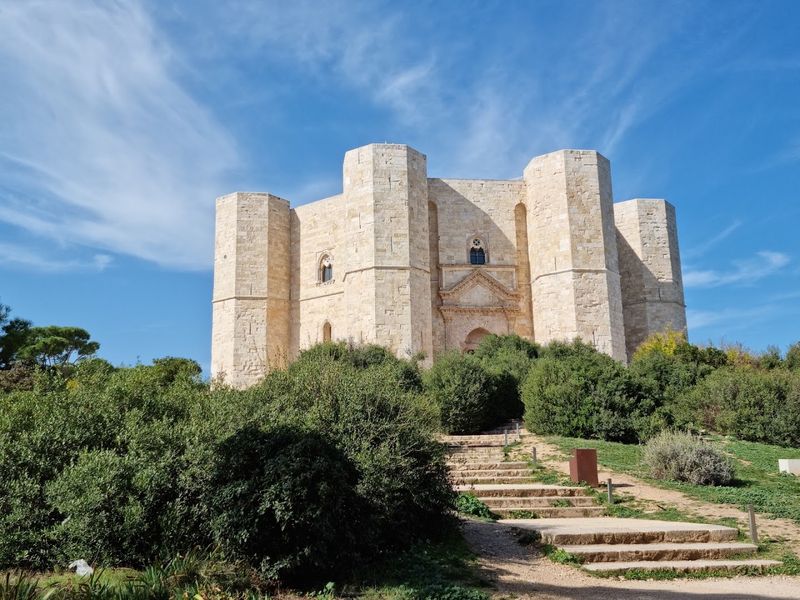
Frederick II of Swabia built his famous octagonal castle in the 13th century on a solitary hill above farmland that was already ancient, and the fields below it are still being farmed today. Castel del Monte sits within the Alta Murgia National Park, a protected area of over 68,000 hectares where limestone grasslands and fertile soils create ideal conditions for durum wheat cultivation.
Puglia leads Italy in durum wheat production, and the land around this castle contributes to that output through farms that increasingly prioritize heritage varieties like Saragolla and Senatore Cappelli. These older varieties are valued for their digestibility, resilience, and nutritional density compared to modern high-yield breeds. Many farms in the area follow organic practices and use ancient seeds.
Historic masserie, dry stone walls, and traditional sheep tracks dot the landscape, connecting the agricultural present to a deep rural past. Some farms host wheat festivals during harvest season, where stone-ground flour becomes fresh pasta and bread on the same day it is milled.
Share this story