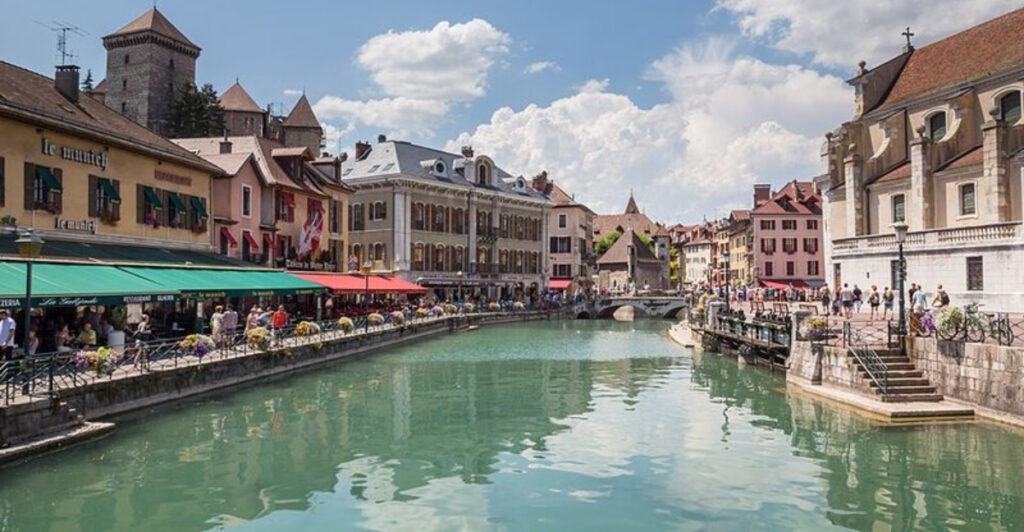
Venice gets all the attention, but it is far from the only city where canals are the main attraction. All around the world, historic towns built around waterways have been drawing visitors for centuries with their bridges, boats, and medieval architecture.
Some of these places are UNESCO World Heritage Sites. Others are quieter, less crowded, and honestly a little more charming for it.
Whether you are planning an international trip or just building your travel wish list, these 14 canal cities deserve a serious look. Each one has its own story, its own character, and its own reason to visit that has nothing to do with Venice.
Bruges, Belgium
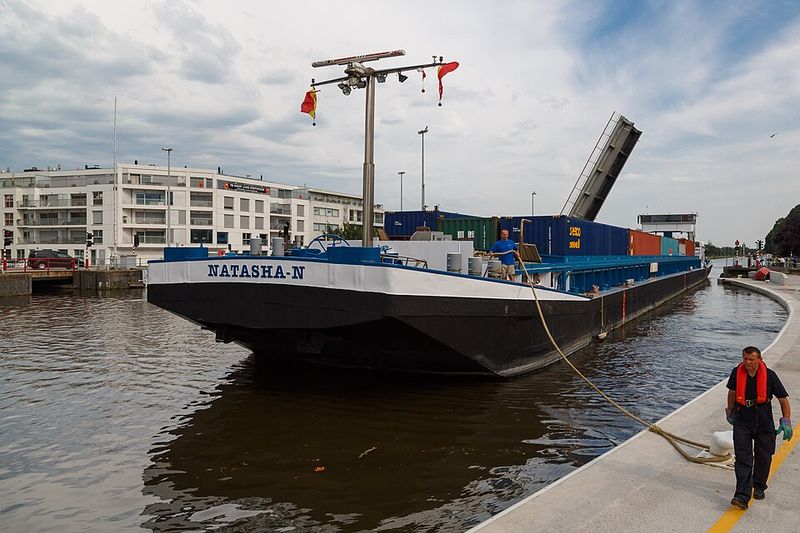
Few cities in Europe have held onto their medieval identity as completely as Bruges. The entire historic center is a UNESCO World Heritage Site, and walking through it feels like stepping into a different century.
Cobblestone streets wind between Gothic churches, guild halls, and chocolate shops, all connected by a network of quiet canals.
The canals here are narrow and calm, lined with weeping willows and centuries-old brick buildings that lean gently over the water. Boat tours depart regularly from several spots in the city center, giving visitors a low-key way to see the skyline from water level.
The Markt square and the Burg square are both worth lingering in before heading toward the quieter canal paths.
Bruges is easy to reach by train from Brussels in under an hour, making it a realistic day trip or a relaxed weekend stay. Spring and early fall tend to offer the most comfortable weather and smaller crowds.
Ghent, Belgium
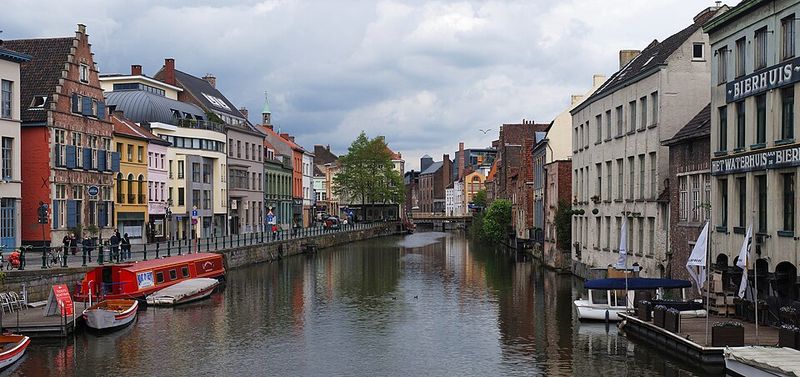
Ghent is the kind of city that people discover and immediately wonder why it took them so long. It sits about 30 minutes from Bruges by train, but it gets a fraction of the tourist traffic, which means you can actually enjoy the Graslei waterfront without fighting through a crowd.
The guild houses lining the canal here date back to the medieval period and are some of the best-preserved in Europe.
The city has a working, lived-in energy that sets it apart from more polished tourist destinations. Locals cycle across the bridges, street markets fill the squares on weekends, and the old town is compact enough to explore on foot in a single day.
Ghent is also home to the Gravensteen, a fully preserved medieval castle sitting right in the city center. It is open to visitors and offers good views over the rooftops and canals below.
This city rewards slow walkers and curious travelers equally well.
Amsterdam, Netherlands
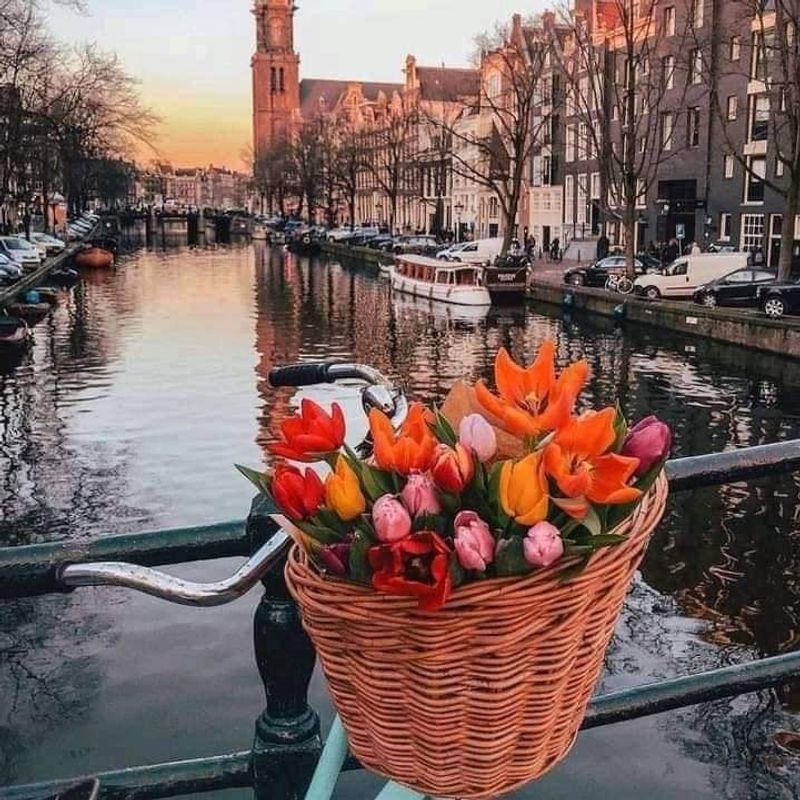
Amsterdam’s canal ring is not just a pretty backdrop. UNESCO designated it a World Heritage Site specifically because of how deliberately it was designed and built during the Dutch Golden Age in the 1600s.
The three main canals, Herengracht, Keizersgracht, and Prinsengracht, curve around the city center in a series of concentric arcs that were engineered for trade as much as for beauty.
Today those same canals are lined with narrow townhouses, independent bookshops, flower stalls, and houseboats that people actually live in year-round. The Anne Frank House sits along the Prinsengracht and draws long queues, so booking tickets well in advance is strongly recommended.
Canal bikes, pedal boats, and guided boat tours are all widely available for visitors who want to experience the water directly. The Jordaan neighborhood, which borders the canal ring on the west side, is one of the most walkable and interesting areas to explore on foot.
Utrecht, Netherlands
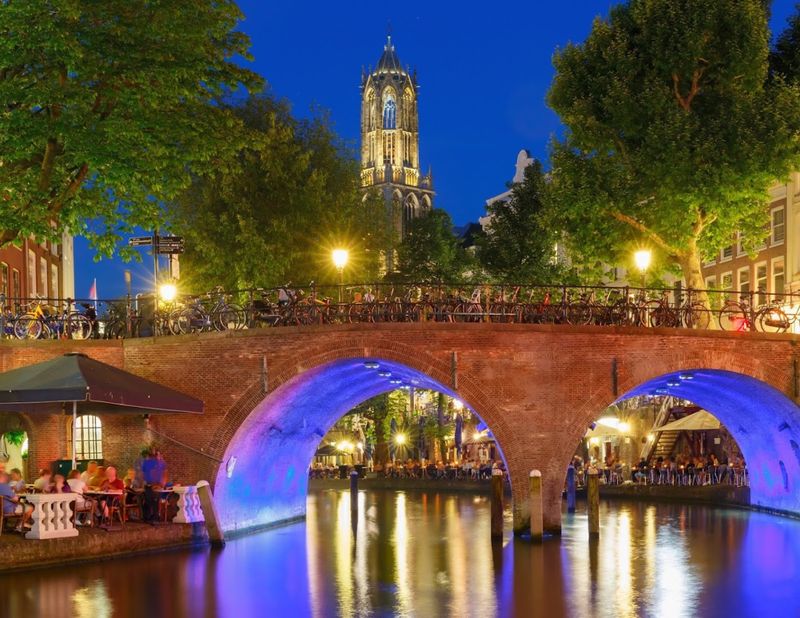
Utrecht has a canal feature that exists nowhere else in the world. The Oudegracht, which translates to Old Canal, runs through the city center at two levels.
The upper level carries the canal itself, while a lower level of medieval wharf cellars lines both sides of the water. These cellars were originally used for storage and trade, and many of them have since been converted into restaurants, cafes, and small shops.
Sitting at a canal-level terrace in Utrecht puts you several feet below street level, which creates a surprisingly peaceful setting even when the city above is busy. The effect is unlike anything you will find in Amsterdam or Bruges.
The Dom Tower, the tallest church tower in the Netherlands, rises above the city and is open for guided climbs that offer a full view of the canal network below. Utrecht is about 30 minutes from Amsterdam by train and makes for an excellent half-day or full-day side trip.
Leiden, Netherlands
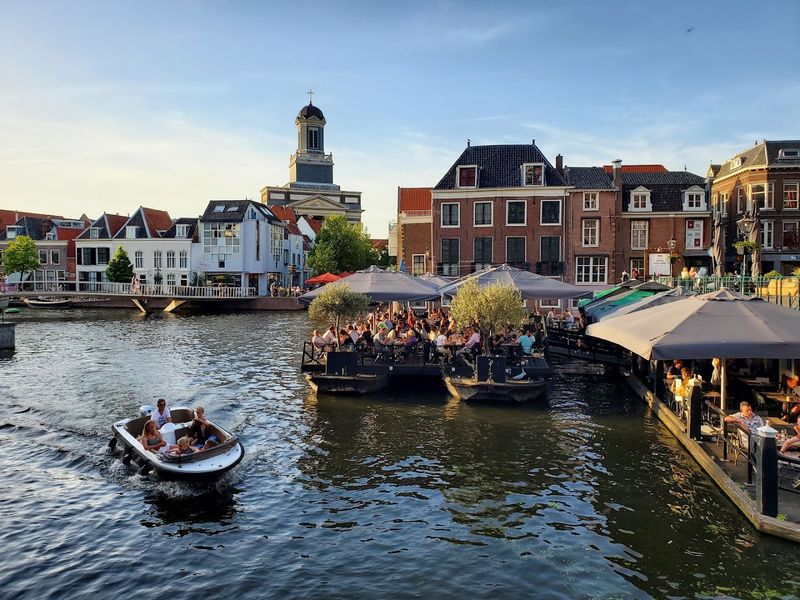
Leiden has been a university city since 1575, making it home to the oldest university in the Netherlands. That academic history is still visible in the architecture, the bookshops, and the general pace of the city.
The canals here are quieter and more residential than Amsterdam’s, which gives Leiden a genuinely local character that is easy to appreciate.
The city is also famous for its courtyards, called hofjes, which are hidden behind ordinary-looking doorways throughout the old center. Many of them are open to visitors and offer a calm contrast to the canal streets outside.
Rembrandt van Rijn was born in Leiden, and the city celebrates that connection through a dedicated museum and walking trail.
Canal boating through the historic center is available seasonally and gives a different perspective on the city’s medieval street pattern. Leiden is also a convenient base for visiting the Keukenhof tulip gardens, which are located just a short bus ride away during spring.
Delft, Netherlands
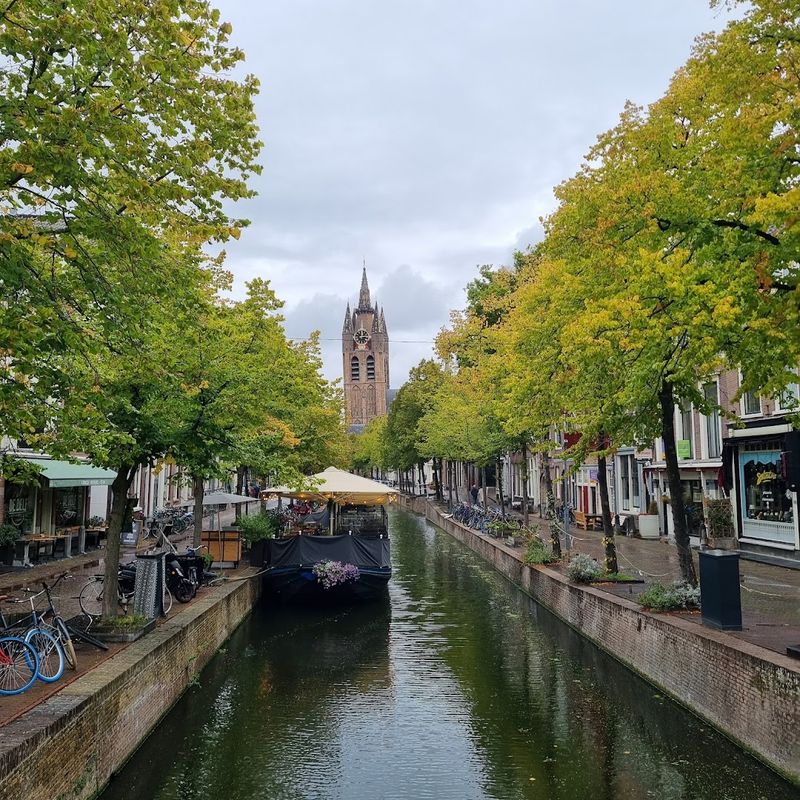
Delft is most famous for two things: its blue and white ceramic tradition known as Delft Blue, and the painter Johannes Vermeer, who was born and spent his entire life in the city. Both of those legacies are still very much present.
The Royal Delft factory, which has been producing hand-painted ceramics since 1653, offers tours and a museum that explains the full history of the craft.
The canals running through Delft’s old center are lined with step-gabled facades and crossed by small stone bridges in a pattern that feels both tidy and genuinely historic. The Markt, one of the largest market squares in the Netherlands, anchors the city center and is flanked by the New Church and the Old Church, both open to visitors.
Delft sits between The Hague and Rotterdam on the main rail line, so it is easy to visit as part of a broader Dutch itinerary. The city is compact enough to cover on foot in a relaxed afternoon.
Annecy, France
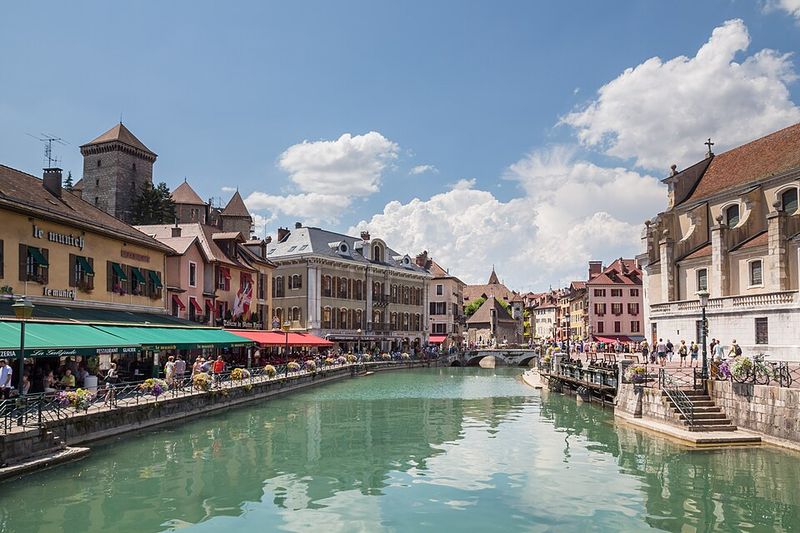
Annecy sits at the northern tip of a large alpine lake in the French Alps, and its old town is built around a network of short canals fed by that lake. The water here is famously clear, running through passages between colorful medieval buildings hung with flower boxes and accessed by low stone bridges.
It is the kind of place that photographs well from almost any angle.
The Palais de l’Isle, a small triangular building that juts into one of the main canals, is one of the most photographed landmarks in all of France. It dates back to the twelfth century and has served as a prison, a courthouse, and now a local history museum.
The market held along the canal on Tuesday, Friday, and Sunday mornings is a genuine local institution, selling fresh produce, regional cheeses, and prepared foods. Annecy is accessible by train from Lyon and Geneva, making it reachable from multiple directions for international travelers.
Strasbourg, France
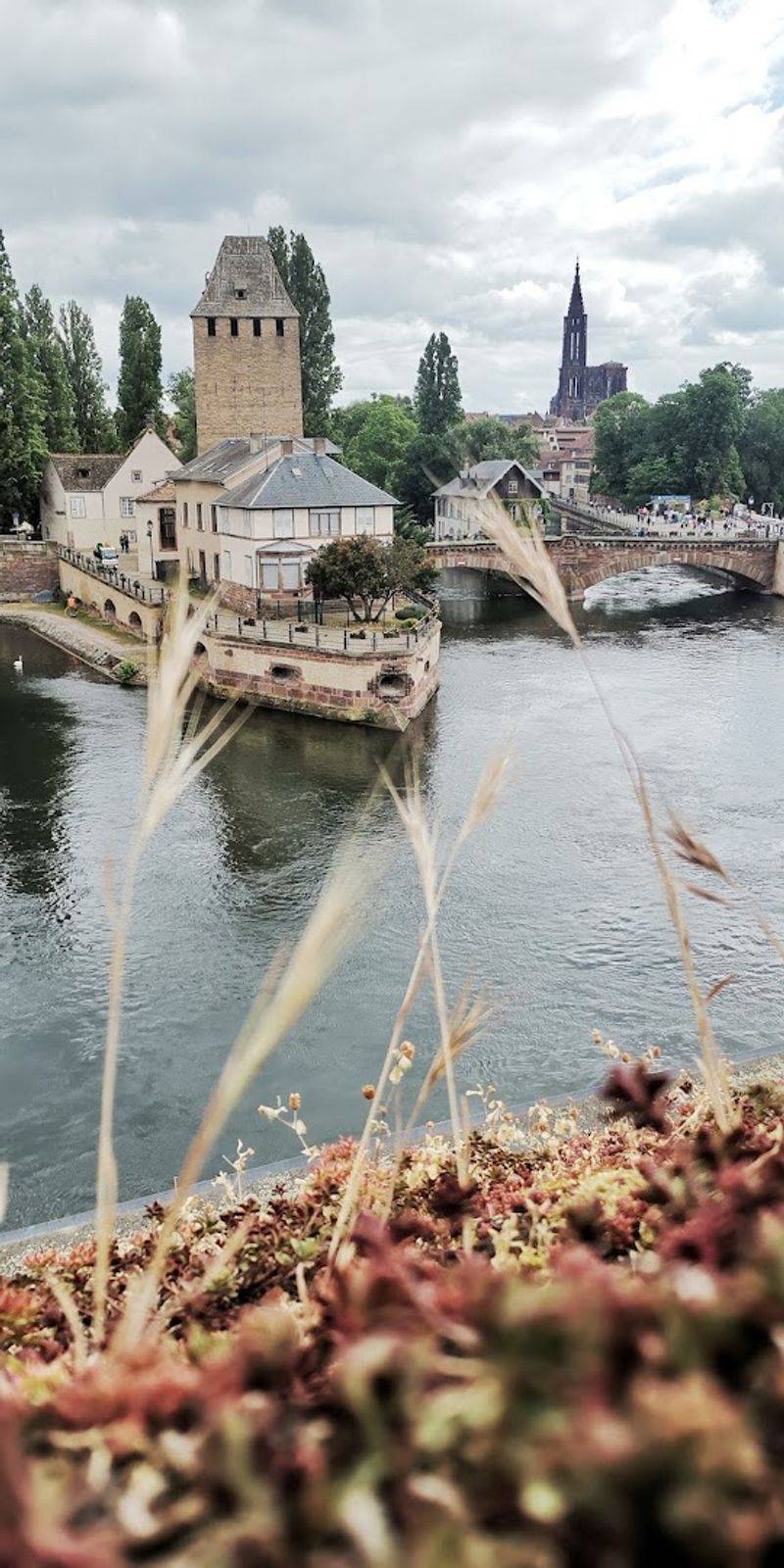
Strasbourg holds a somewhat unusual distinction: its Grande Ile and Neustadt districts are both UNESCO World Heritage listed, recognizing the city as a rare example of two different historic urban layers existing side by side. The older district, known as Petite France, is where the canals are most visible, running between clusters of half-timbered Alsatian houses with steep roofs and flower-covered balconies.
The covered bridges at the edge of Petite France are actually not covered anymore, but they still carry their historic name and offer a good vantage point over the canal network and the Vauban dam. Walking the canal paths here in the early morning, before tour groups arrive, gives a much clearer sense of how the district actually looks and feels.
Strasbourg is also the seat of the European Parliament, which adds an interesting modern layer to a very old city. The Christmas market held here each December is one of the oldest and largest in Europe, drawing visitors from across the continent.
Colmar, France
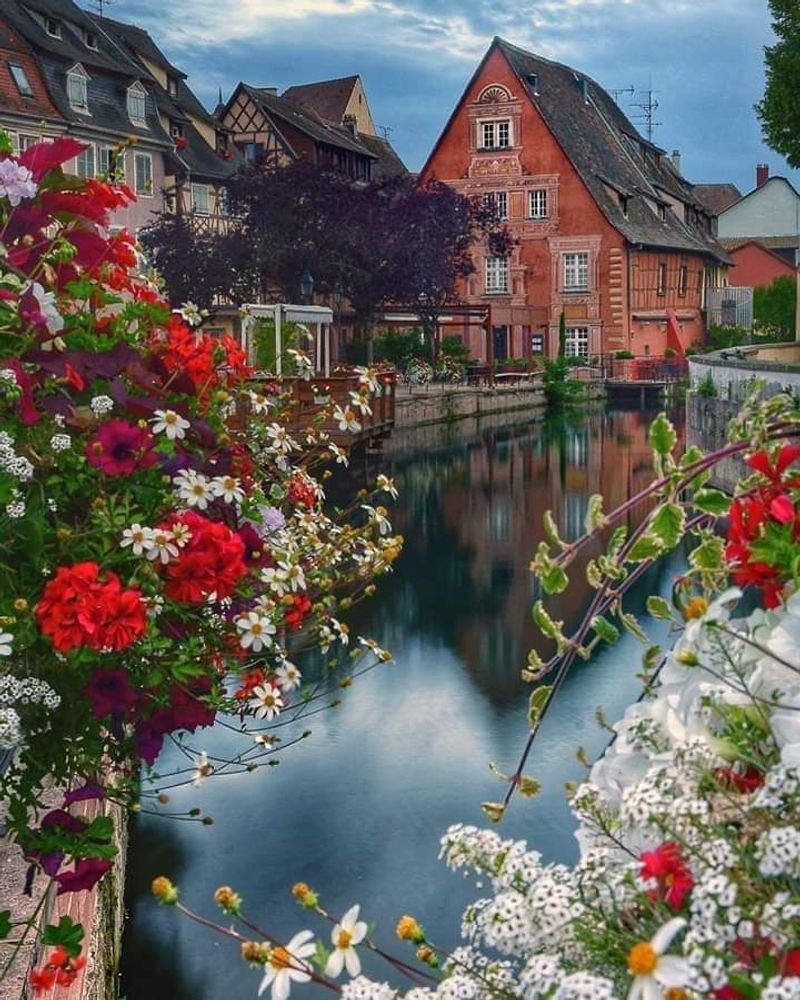
Colmar’s Little Venice district is a small area near the city center where flat-bottomed boats carry visitors through narrow canals lined with brightly painted half-timbered houses. It is genuinely one of the most visually striking canal neighborhoods anywhere in France.
The buildings here date back centuries and are maintained in a way that keeps the historic character intact without turning the area into a theme park.
Colmar is also home to the Unterlinden Museum, which houses the Isenheim Altarpiece, a monumental early sixteenth-century painting that draws art historians and general visitors alike. The old town is easy to walk, with cobblestone lanes connecting the canal district to the market squares and church buildings.
The city sits in the Alsace wine region, and the surrounding villages and vineyards are accessible by bicycle along well-maintained routes. Colmar is reachable by train from Strasbourg in about 30 minutes, making it a natural pairing on any Alsace itinerary.
Aveiro, Portugal
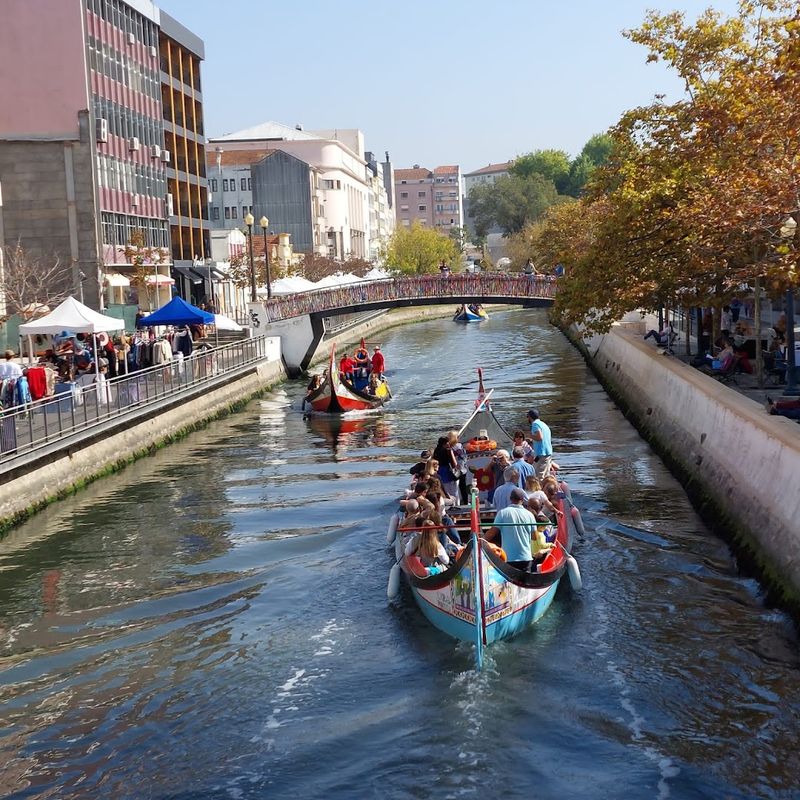
Aveiro is sometimes called the Venice of Portugal, which is a fair comparison in terms of canal geography, though the city has its own identity that goes well beyond the nickname. The canals here were originally used to harvest seaweed, and the traditional boats that worked those routes, called moliceiros, are still operating today as sightseeing vessels.
They are long, flat, and brightly painted with folk art motifs, and riding one through the central canal is one of the more distinctive things you can do in Portugal.
The city also has a notable collection of Art Nouveau buildings, several of which are concentrated near the canal district and have been restored and opened to the public. The central market and the waterfront area near the main canal are both active and interesting places to spend time.
Aveiro is about 45 minutes south of Porto by train, which makes it an easy and well-worthwhile day trip for anyone already visiting the north of Portugal.
Suzhou, China
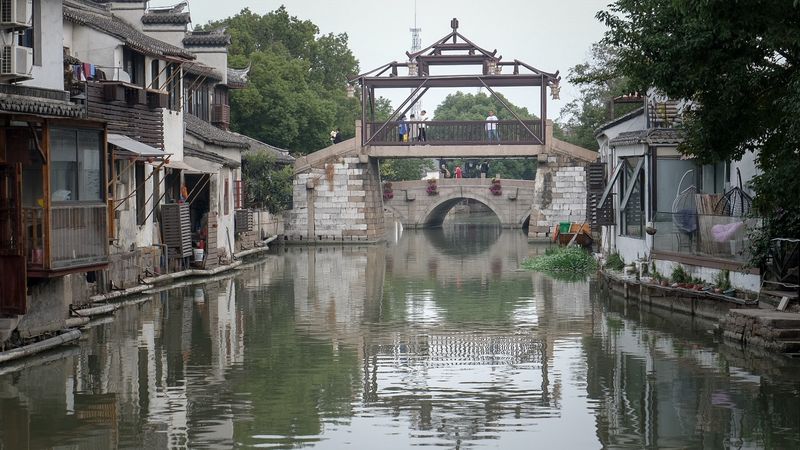
Suzhou has been called the Venice of the East for centuries, though it predates Venice by a considerable margin. The city’s canal network was established during the Spring and Autumn period, over 2,500 years ago.
UNESCO has recognized Suzhou’s classical gardens as World Heritage Sites, and several of them are open to the public and offer a very different kind of canal and water experience than anything found in Europe.
The Humble Administrator’s Garden is the largest classical garden in Suzhou, covering several acres of pavilions, ponds, covered walkways, and ornamental plantings. The Canglang Pavilion, the Master of Nets Garden, and the Lingering Garden are all similarly significant and worth visiting separately.
Beyond the gardens, the Pingjiang Road area is a restored canal street with traditional whitewashed buildings, tea houses, and small shops that gives a sense of how the old canal neighborhoods once functioned. Suzhou is about 30 minutes from Shanghai by high-speed rail.
Alappuzha, Kerala, India
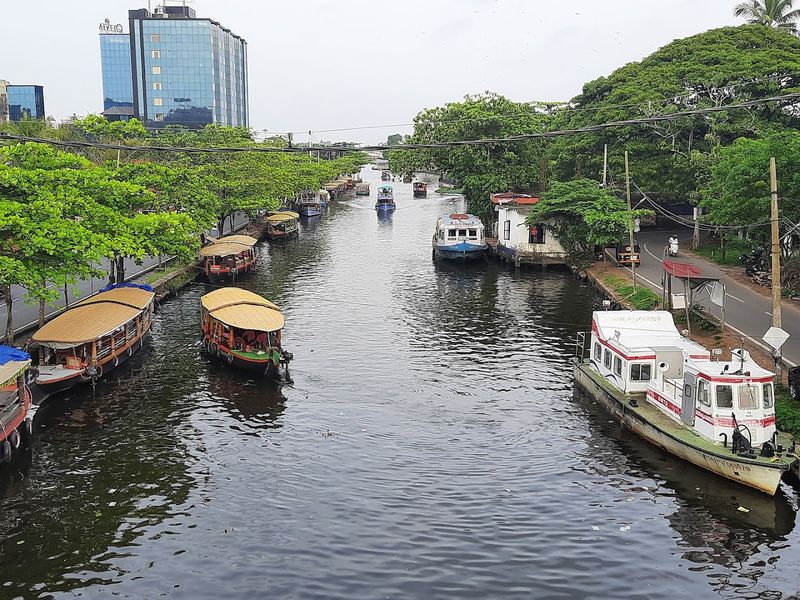
Alappuzha, also known as Alleppey, is the entry point for Kerala’s famous backwater network, a system of canals, lakes, and rivers that stretches across a large portion of the state’s coastline. The waterways here are not just scenic.
They connect actual villages, and for some communities, boats remain the primary way to get around.
Houseboats, known locally as kettuvallams, can be rented for overnight stays on the backwaters. These converted rice barges come with sleeping quarters and a crew, and they travel through canals bordered by coconut palms and rice paddies.
It is one of the more immersive ways to experience a canal city anywhere in the world.
Alappuzha also has a long beach and a historic pier that extends into the Arabian Sea. The town itself is compact and easy to navigate.
Kerala Tourism actively promotes the region, and boat services, houseboat rentals, and guided backwater tours are all well-organized and available year-round for international visitors.
Hamburg, Germany
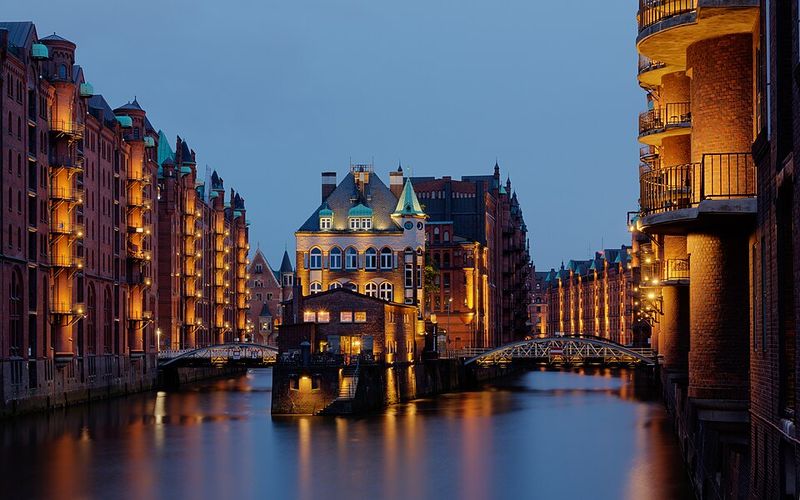
Hamburg has more canals than Venice and Amsterdam combined, which is a fact that surprises most people who have never been. The city’s canal network, known locally as the Fleet, runs throughout the urban area, but the most visually striking section is Speicherstadt, the historic warehouse district along the southern edge of the city center.
Speicherstadt was built between the 1880s and 1920s and is the largest warehouse complex in the world. The red brick Gothic Revival buildings rise directly from the canals on both sides, with arched bridges connecting them overhead.
UNESCO added Speicherstadt and the adjacent Kontorhaus district to the World Heritage list in 2015.
Today the warehouses contain museums, design studios, and the famous Miniatur Wunderland, which is one of the most visited indoor attractions in Germany. Canal boat tours depart from the harbor area and pass through Speicherstadt, giving a good view of the architecture from water level.
Hamburg rewards multiple days of exploration.
Copenhagen, Denmark
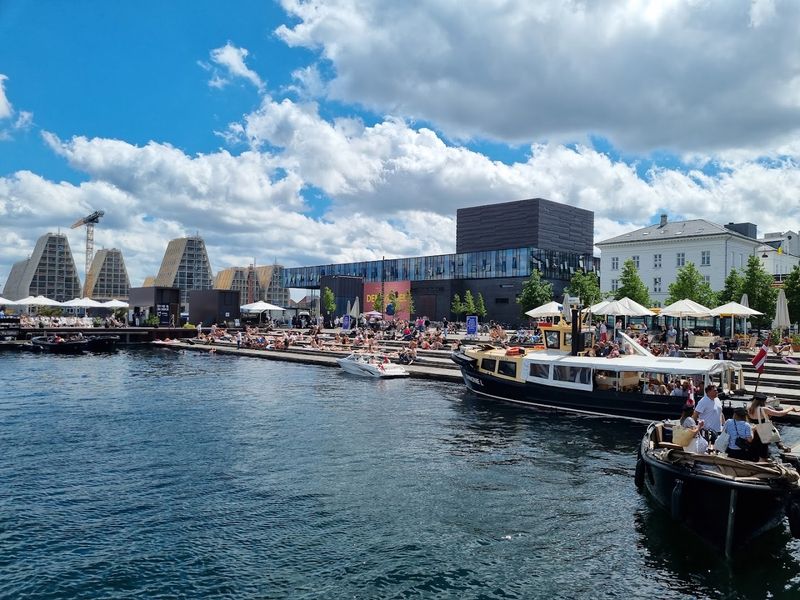
Nyhavn is the image most people picture when they think of Copenhagen, a narrow canal lined on both sides with seventeenth and eighteenth-century townhouses painted in bold shades of red, yellow, and blue. Historic wooden boats are moored along the quay, and the whole scene has a natural photographic quality that holds up in every season.
The canal was originally a working port, built in the 1670s to connect the city center to the harbor. Hans Christian Andersen lived in three different houses along Nyhavn at various points in his life, and plaques mark each address.
Canal boat tours depart from Nyhavn and travel through the wider harbor and past landmarks including the Opera House and the Royal Library.
Copenhagen’s canal network extends beyond Nyhavn into the Christianshavn neighborhood, where quieter waterways pass through a more residential part of the city. Christianshavn is worth the short walk from Nyhavn for anyone who wants to see a different side of the city’s water culture.
Share this story