Late-night television has always been a place where anything can happen, and sometimes that means things go completely sideways. From backstage blowups to on-air stunts that crossed every possible line, some celebrities found out the hard way that certain hosts and shows have very long memories.
Whether it was a chair catching fire, a photo getting torn up, or a band playing the wrong song entirely, the fallout could last years or even decades. These stories are part of what makes late-night history so fascinating, because the chaos is often just as entertaining as the shows themselves.
Joan Rivers Was Frozen Out After Crossing Johnny Carson
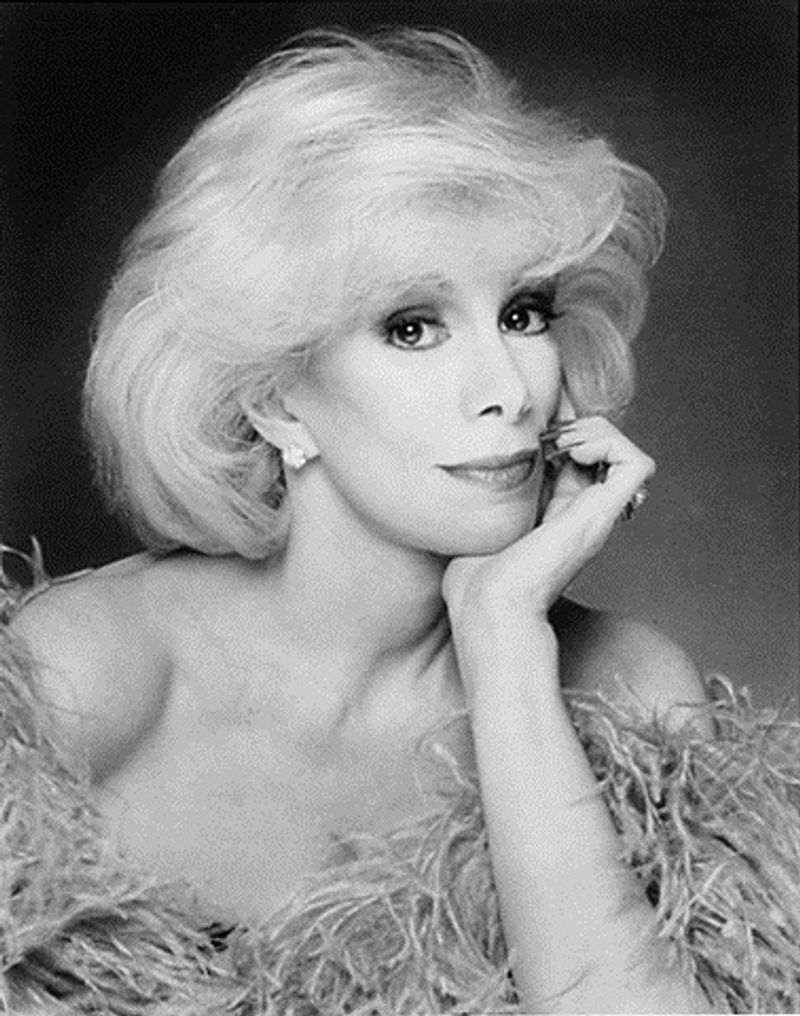
Few late-night feuds hit as hard or lasted as long as the one between Joan Rivers and Johnny Carson. Rivers had been one of Carson’s most trusted guest hosts on The Tonight Show, which made her 1986 decision to accept her own Fox late-night show feel like a serious betrayal to him.
Carson reportedly felt blindsided by the move, and he made his feelings known by shutting her out entirely.
For decades, Rivers was unwelcome on The Tonight Show. The freeze lasted through multiple host eras, outliving the original grudge by a significant stretch of time.
It was not until the Jimmy Fallon era that she finally returned to that iconic stage in 2014.
Her story became one of late-night television’s most cited examples of how personal loyalty and professional ambition can collide. The fact that the ban lasted so long made it legendary rather than just another industry disagreement.
Bobcat Goldthwait Set Fire To A Chair On The Tonight Show
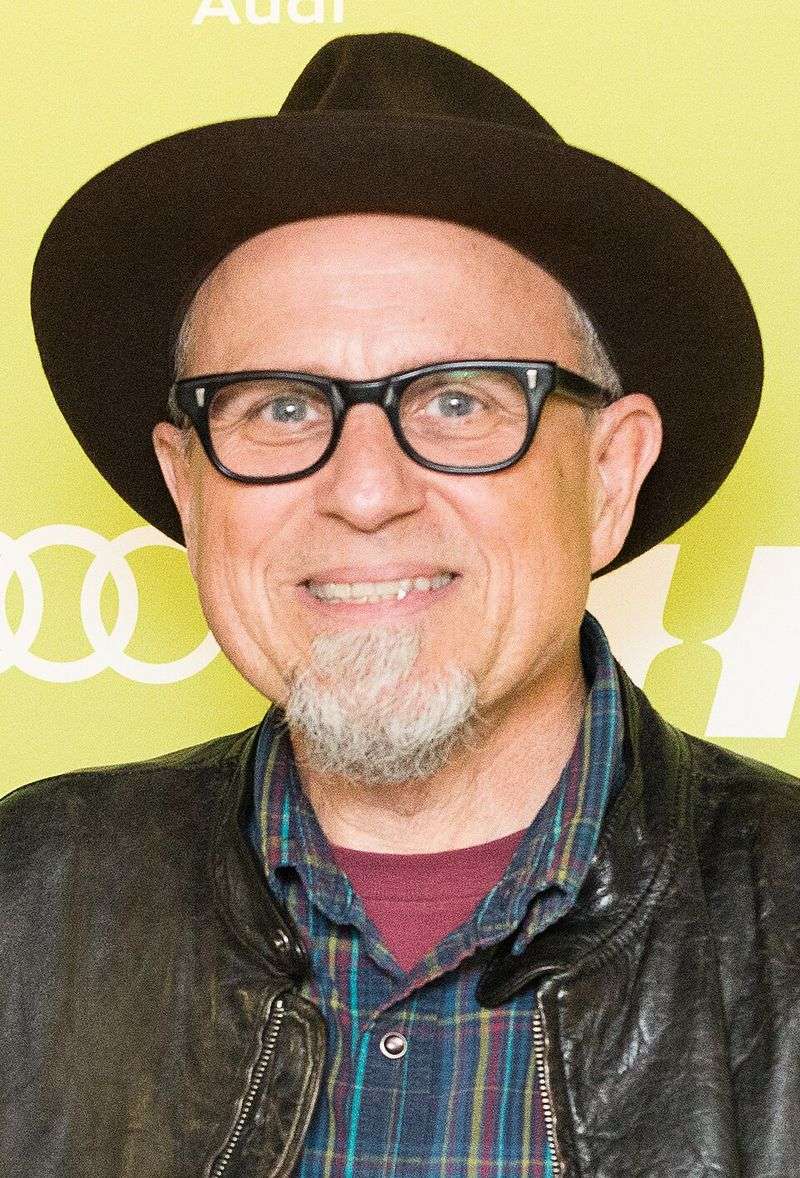
Setting furniture on fire during a live television appearance is not the kind of move that gets you invited back. That is exactly what Bobcat Goldthwait did in 1994 during a guest appearance on The Tonight Show with Jay Leno, when he lit a guest chair on fire mid-segment.
The stunt fit Goldthwait’s chaotic comedy persona, but it crossed a clear line on live network TV. Entertainment Weekly reported that the incident effectively got him banned from Leno’s Tonight Show, which was one of the highest-profile platforms in American television at the time.
Looking back, the story has taken on an almost legendary quality in late-night history. It remains one of the clearest examples of a guest turning a standard desk interview into a genuine safety situation.
Goldthwait has spoken about the moment over the years, and it never quite stopped following him.
Harmony Korine Was Banned From Letterman After A Backstage Incident
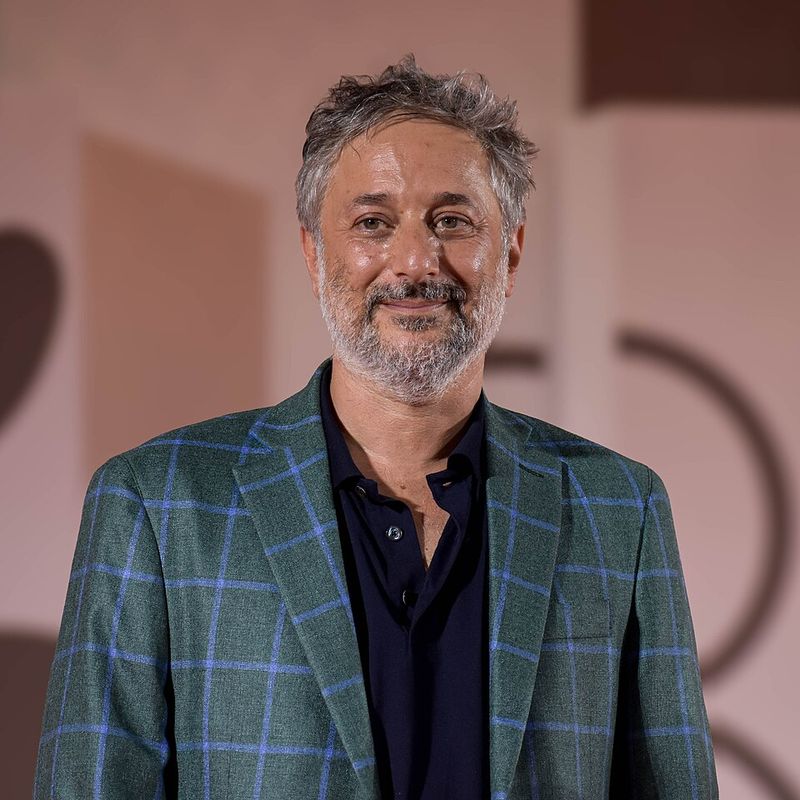
Harmony Korine built a reputation as one of independent film’s most unpredictable figures, and his appearances on Late Show with David Letterman reflected that energy. He showed up as a recurring oddball guest who kept audiences guessing.
But what ended his run on the show did not happen on camera at all.
Letterman later explained that he found Korine going through Meryl Streep’s purse backstage. That was enough.
Whatever goodwill Korine had built up through his quirky on-air moments evaporated quickly after that discovery.
What makes this case stand out from most late-night bans is that the reason was entirely off-screen. Viewers never saw it happen, and the incident only became public knowledge when Letterman chose to explain the absence.
It is a reminder that late-night television involves a lot of trust behind the scenes, and breaking that trust does not require doing anything on camera.
Hugh Grant Was Banned By Jon Stewart From The Daily Show
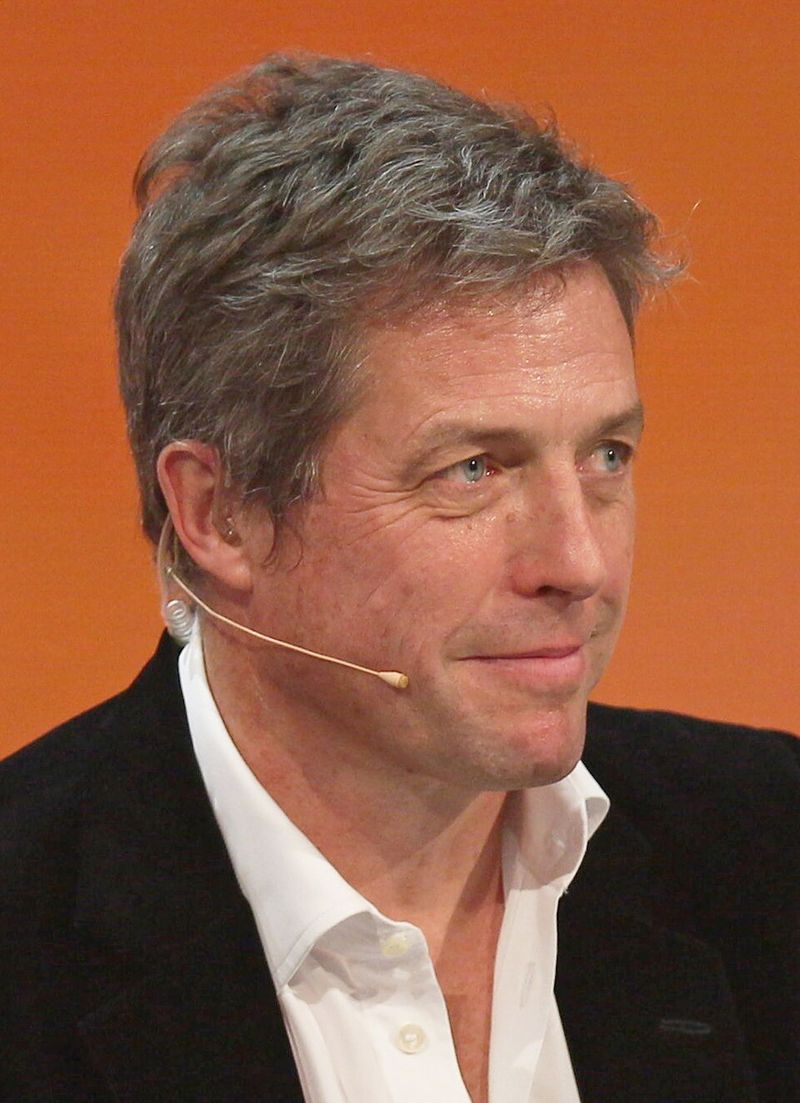
Not every late-night ban comes from a dramatic stunt. Hugh Grant’s situation was far more mundane, and honestly, that might be what makes it so memorable.
Jon Stewart later called Grant his worst guest ever, citing the actor’s attitude and complaints during his appearance on The Daily Show.
Stewart said Grant was difficult behind the scenes and grumbled throughout the process, making the experience frustrating for the show’s team. The result was a ban that Stewart did not hesitate to discuss publicly.
What makes this case unusual is what happened next.
Grant actually admitted that Stewart was right. Instead of pushing back on the story, he acknowledged the criticism and more or less owned it.
That kind of public accountability is rare in celebrity culture, especially when the subject is being called out by name. The ban stuck, but Grant’s response to it earned him a measure of respect he might not have expected.
Jay Leno Was Shut Out Of Conan O’Brien’s TBS Show
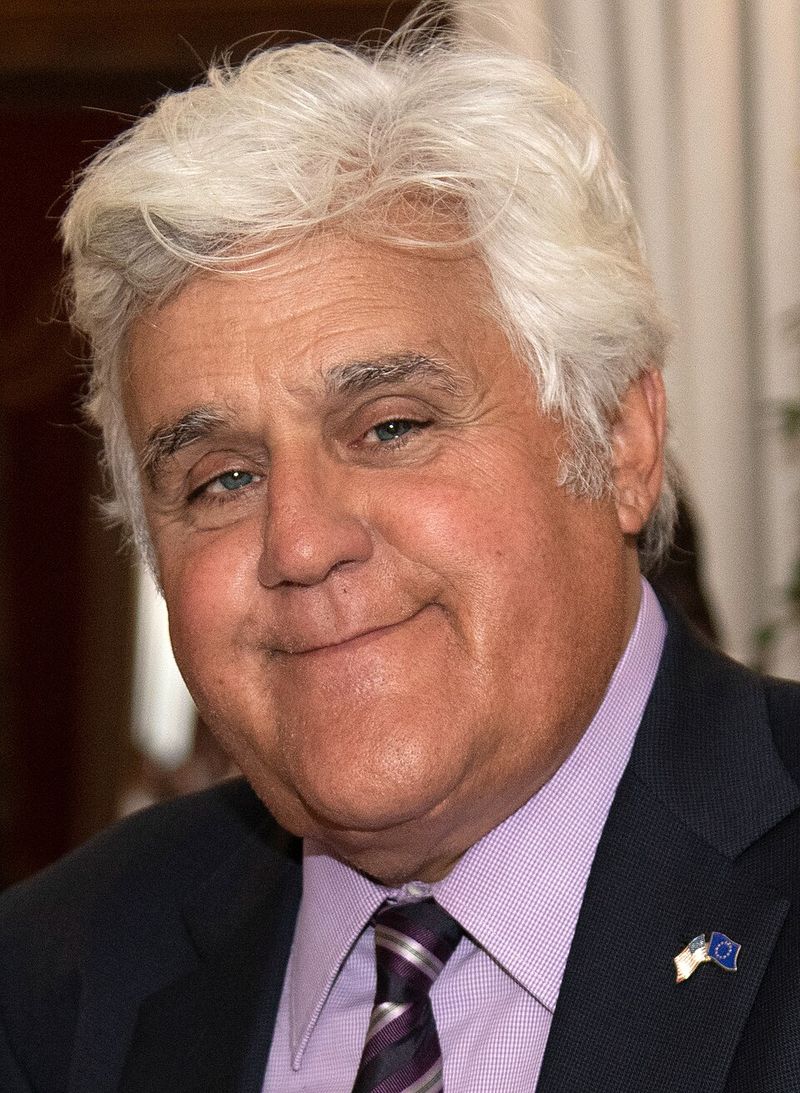
The 2010 Tonight Show conflict between Jay Leno and Conan O’Brien became one of the most talked-about moments in late-night television history. NBC’s decision to move Leno back into the Tonight Show slot after O’Brien had taken over created a public feud that neither host could fully walk away from.
When O’Brien moved to TBS and launched his own show, Leno was reportedly not welcome as a guest. This was not about a single bad appearance or a backstage blowup.
It was about the broader fallout from one of television’s messiest host transitions.
The result was the same as any other ban: one major late-night star became unwelcome on another major late-night star’s stage. Late-night television has always operated on relationships, loyalty, and trust.
When those things break down at the level they did between Leno and O’Brien, the consequences tend to be long-lasting and very public.
Barbra Streisand Fell Out Of Johnny Carson’s Late-Night Circle
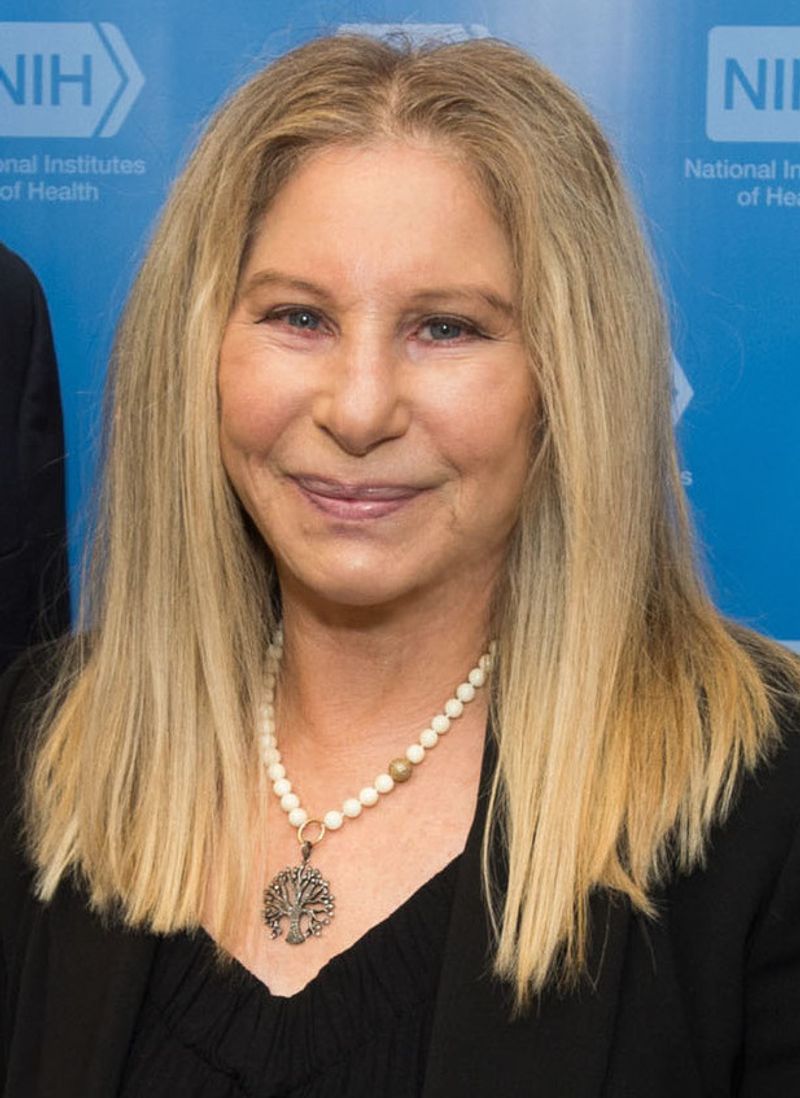
Johnny Carson was known for keeping score, and Barbra Streisand found that out after canceling a planned Tonight Show appearance in 1975. Carson reportedly did not take the snub lightly, and he made his displeasure known in a way that had lasting consequences for her relationship with the show.
Carson later referenced the cancellation publicly, which signaled to the industry that Streisand was not in his good graces. She did not return to The Tonight Show during his era, which was a notable absence given how central the show was to American entertainment culture at the time.
Like Joan Rivers, Streisand eventually returned to The Tonight Show decades later during the Jimmy Fallon era. Her case is an interesting study in how late-night grudges could outlast entire careers and cultural eras.
The original incident faded from public memory long before the freeze actually thawed, which says a lot about how seriously Carson took his relationships with guests.
William Shatner Was Reportedly Blacklisted By Johnny Carson
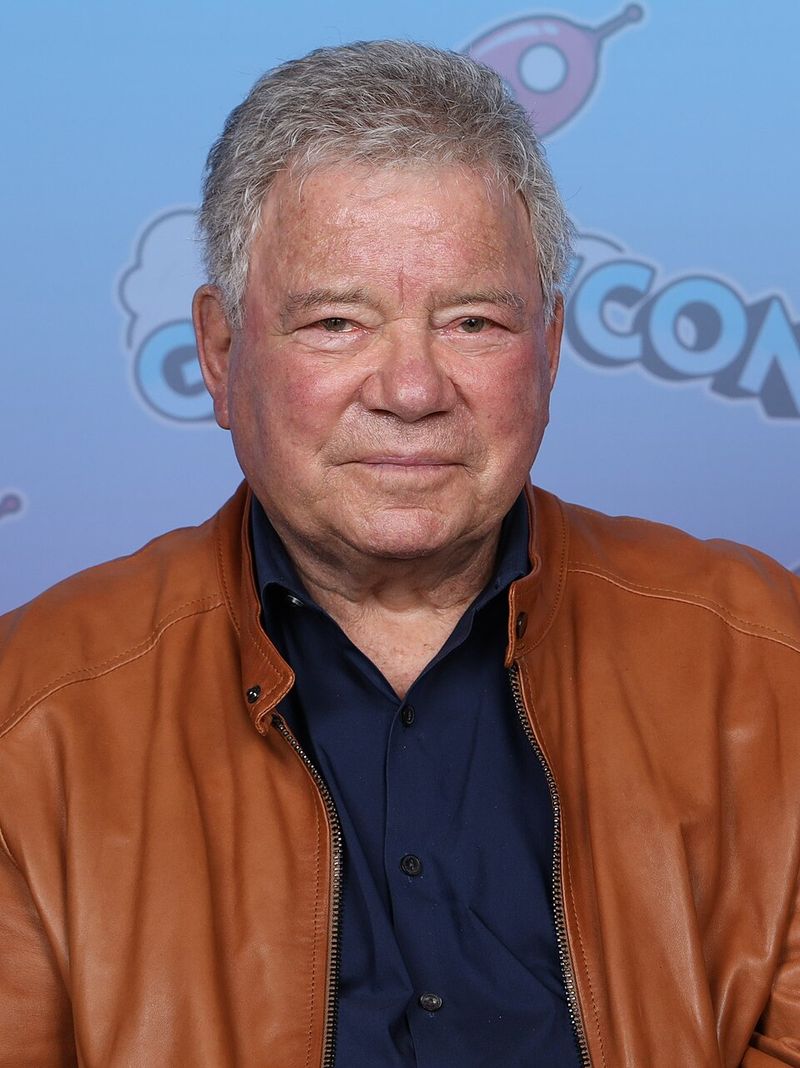
William Shatner’s 1983 Tonight Show appearance reportedly rubbed Johnny Carson the wrong way, and not in a small way. According to Entertainment Weekly, Shatner broke the show’s usual rhythm and norms during the visit, which was the kind of thing Carson took seriously.
The fallout was described as an unofficial blacklisting rather than a formally announced ban. That distinction is worth understanding.
Shatner was not publicly removed from television or told he was unwelcome everywhere. He simply stopped getting the call from Carson’s people.
That kind of quiet, unofficial freeze was actually more common in Carson’s era than formal bans. Carson held enormous influence over late-night television, and his approval or disapproval carried real weight across the industry.
Shatner’s case is a reminder that you did not have to do something spectacularly chaotic to end up on the wrong side of that equation. Sometimes, simply disrupting the flow was enough.
Kathy Griffin Has Claimed Multiple Late-Night Bans
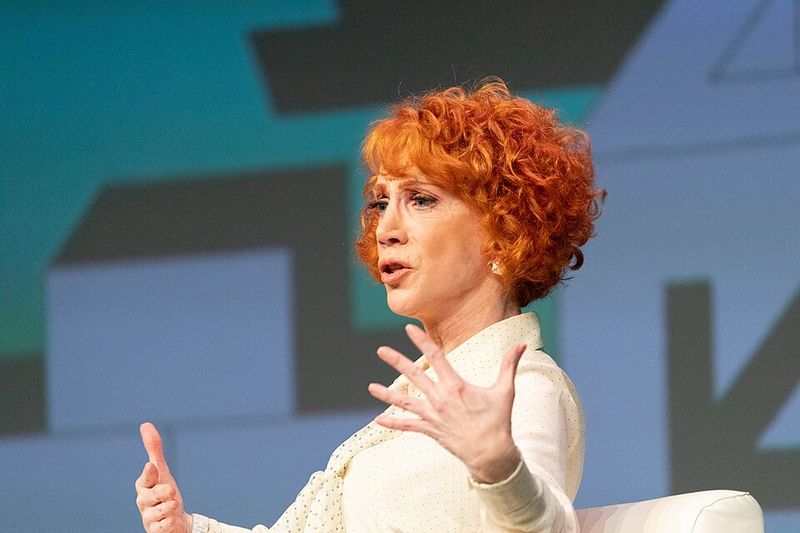
Kathy Griffin has never been shy about sharing her version of events, and that includes claiming she was banned from multiple late-night programs. Among the shows she has mentioned is The Tonight Show Starring Jimmy Fallon, which would be a significant platform to lose access to.
Her late-night relationships have often been turbulent, shaped by sharp jokes, public feuds, and reported backstage tension. Griffin’s combative public persona has made her a frequent subject of these kinds of conversations throughout her career.
Because many of the details come from Griffin’s own statements, her situation is best described as a collection of claimed bans rather than fully confirmed, network-level blacklists. That does not make the stories any less interesting, but it does mean they deserve a bit of skepticism.
What is clear is that her name keeps coming up in discussions about celebrities who have strained relationships with late-night television, and that pattern alone says something.
Steven Seagal Became One Of SNL’s Most Notorious Hosts
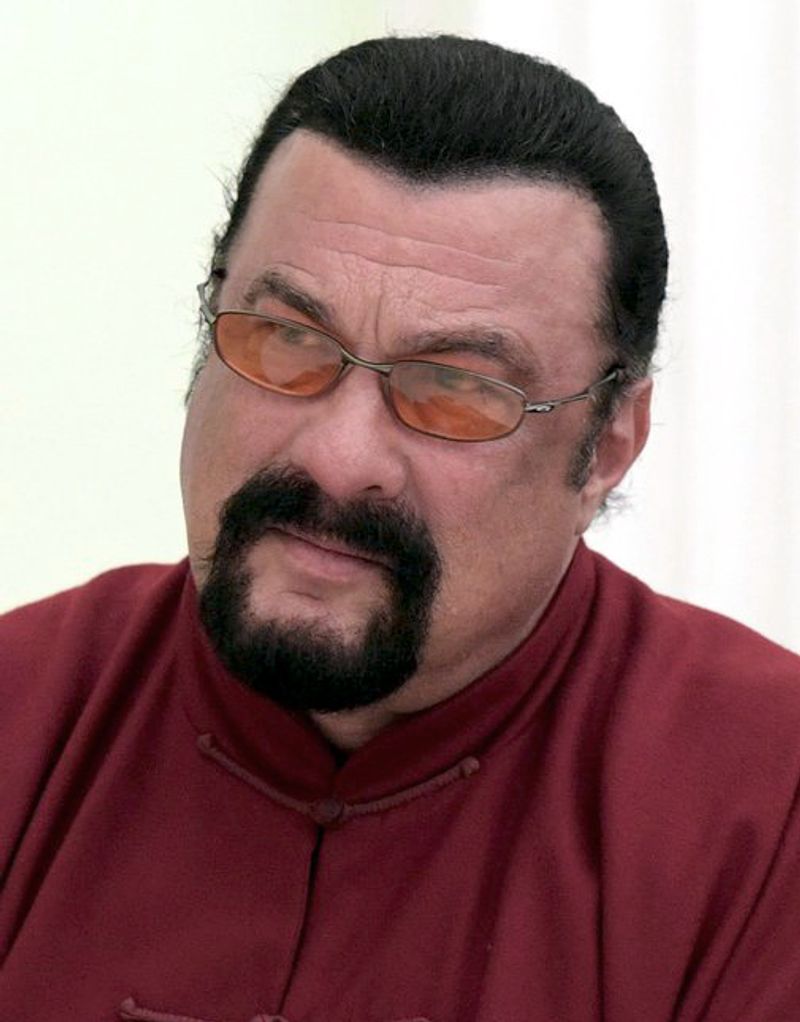
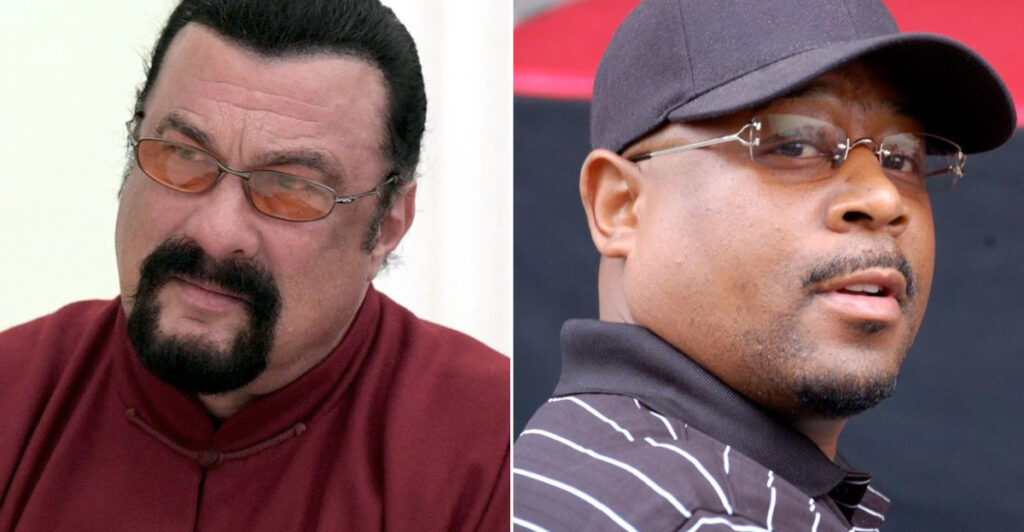
Hosting Saturday Night Live is a privilege, and Steven Seagal managed to turn it into one of the show’s most uncomfortable weeks in its entire history. His 1991 appearance became legendary for reasons that had nothing to do with comedy, and Lorne Michaels later joked on-air that Seagal was the worst host the show had ever had.
Reports from people who worked that week described Seagal as difficult to collaborate with during the rehearsal process. He reportedly struggled to take direction and created tension with the cast and writing staff throughout the week.
The result was that he never returned to host, joining a short but memorable list of celebrities who burned that particular bridge. SNL has hosted thousands of performers over its run, so landing on the unofficial banned list takes a real effort.
Seagal managed it in a single week, which is a strange kind of achievement in its own right.
Martin Lawrence’s Monologue Nearly Got SNL In Trouble
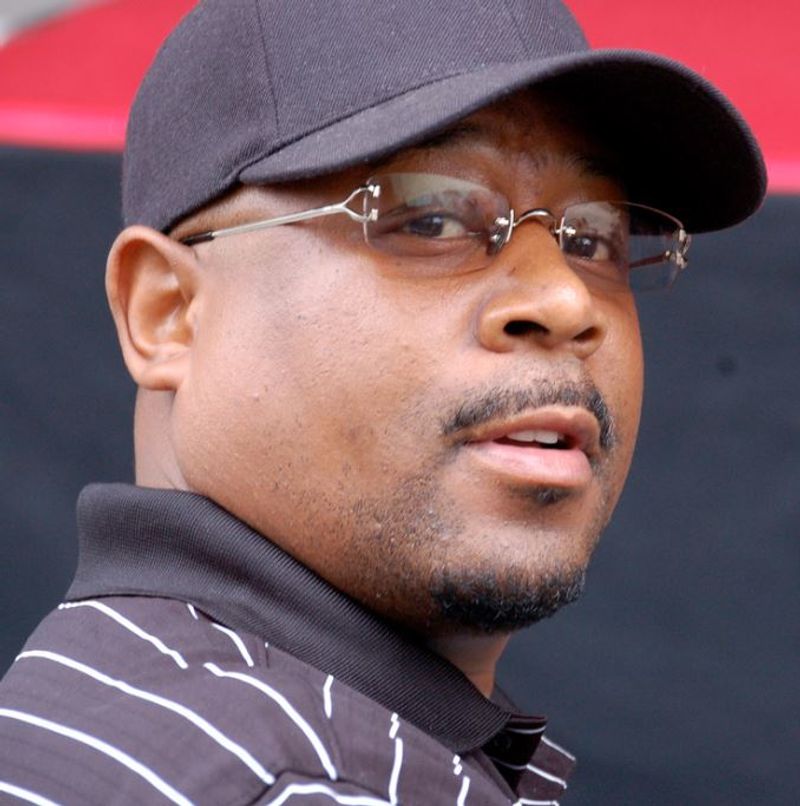
Martin Lawrence hosted SNL in 1994 and delivered a monologue that pushed well past the boundaries of what the network was comfortable broadcasting. The material included sexual content that NBC later removed from reruns, replacing it with an on-screen note explaining that the original had nearly caused serious problems for the show.
That kind of editorial intervention is rare for SNL, which has built its reputation on pushing limits. The fact that the show itself acknowledged the issue in reruns made Lawrence’s monologue one of the most documented examples of broadcast standards colliding with a performer’s choices.
Lawrence has long appeared on lists of performers who are not invited back to host, and his 1994 appearance is the reason. Even within a show that thrives on edgy material, there are lines that trigger real consequences.
His monologue demonstrated exactly where those lines were, and the door that closed after that night has stayed closed.
Sinead O’Connor Was Banned After Her Pope Photo Protest
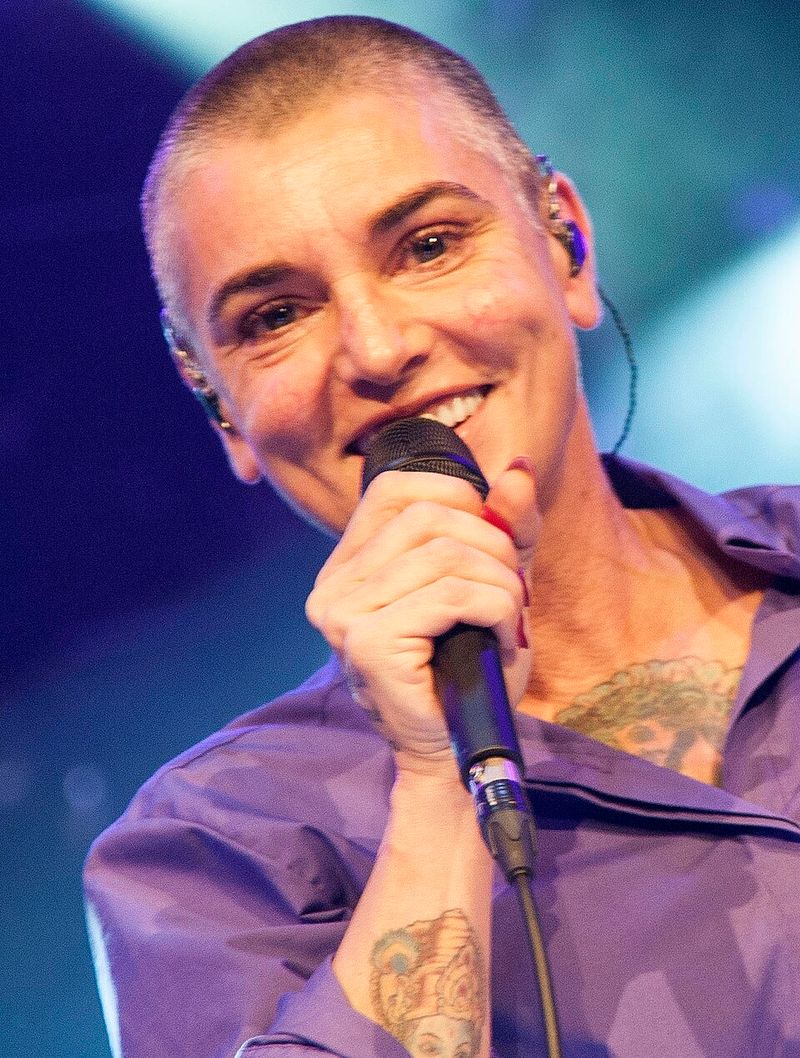
Very few moments in live television history carry the weight of what Sinead O’Connor did on SNL in 1992. During an a cappella performance of Bob Marley’s “War,” she held up a photograph of Pope John Paul II and tore it apart on live national television, calling attention to abuse within the Catholic Church.
NBC had no warning the act was coming. The studio audience sat in complete silence after it happened, which was its own kind of powerful response.
The reaction from the public and the network was swift and severe.
Time and other major outlets have described the aftermath as a lifetime ban from SNL. O’Connor’s career took a serious hit in the immediate aftermath, though history has treated her protest with more nuance than the initial reaction did.
The moment itself remains one of the most discussed and replayed events in the show’s nearly five-decade history.
Elvis Costello Was Banned For Switching Songs Live
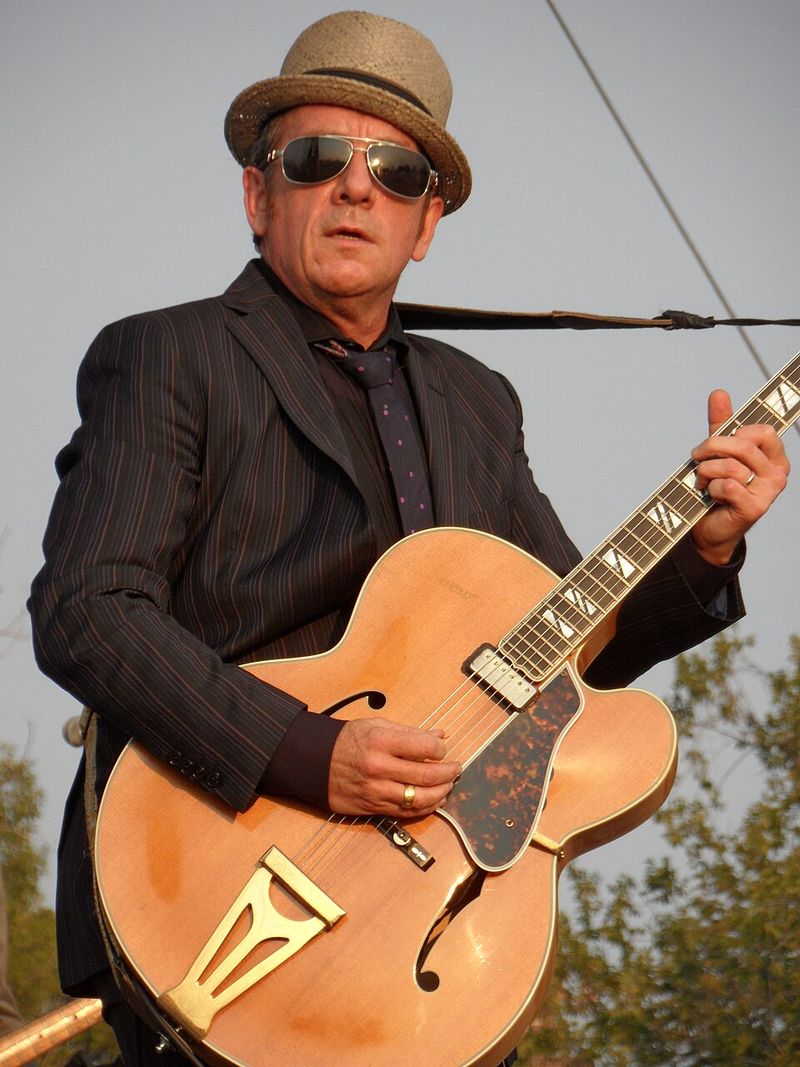
Playing the wrong song on live television takes a certain kind of nerve. Elvis Costello had plenty of that in 1977 when he appeared on SNL, was supposed to perform “Less Than Zero,” started playing it, and then stopped after a few bars to launch into “Radio Radio” instead.
The switch was deliberate, and the show was not pleased.
“Radio Radio” was a pointed commentary on corporate control of the music industry, which made the moment feel like a protest as much as a performance. The show responded by banning Costello for roughly 12 years.
Over time, the story transformed from a controversy into a piece of rock-and-roll mythology. Costello eventually returned to SNL and even parodied the incident during an anniversary special, which showed how much the culture around the moment had shifted.
What started as a ban became a badge of honor that added to his reputation rather than diminishing it.
The Replacements Were Banned After A Drunken SNL Performance
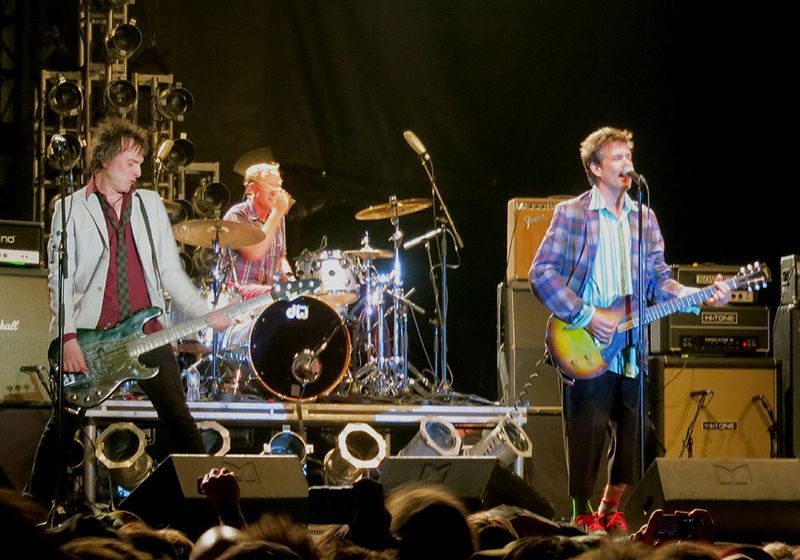
The Replacements arrived at SNL in 1986 and delivered one of the most chaotic musical performances in the show’s history. The band appeared visibly impaired, played sloppily through their set, and reportedly swapped clothing with each other between songs.
It was the kind of appearance that stuck in people’s memories for all the wrong reasons.
The performance became part of the band’s mythology almost immediately, talked about in music circles as an example of their unpredictable, self-destructive charm. It was also the last time they appeared on the show.
Pitchfork reported that the band did eventually return to NBC programming, performing on The Tonight Show Starring Jimmy Fallon nearly 30 years later. But their SNL ban stayed firmly in place, which meant the 1986 appearance remained their only chapter in that particular story.
For a band built on chaos, being remembered for one chaotic TV night fits the narrative perfectly.
Adrien Brody Was Long Rumored To Be Banned After His Sean Paul Intro
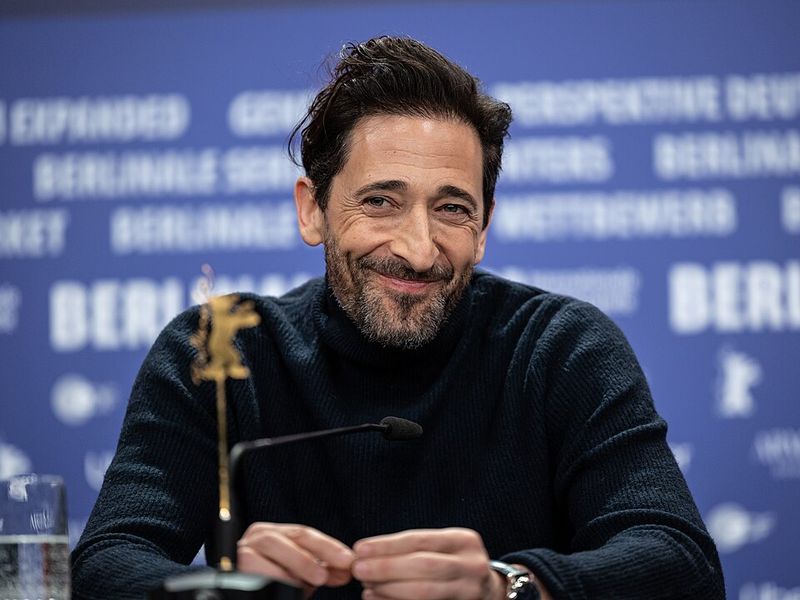
Adrien Brody hosted SNL in 2003 and introduced musical guest Sean Paul while wearing fake dreadlocks and speaking in an improvised Jamaican accent. The bit landed badly and became one of the more uncomfortable host moments in the show’s recent history, drawing criticism at the time and in the years that followed.
For a long time, the assumption was that Brody had been formally banned. He later pushed back on that characterization, saying there was no official ban.
But Entertainment Weekly noted that he has not been invited back to host since 2003, which is a gap that speaks for itself regardless of the official terminology.
His case is one of the clearest examples of the space between a formal ban and a quiet freeze. Nobody announced that Brody was unwelcome, but the invitation never came either.
In late-night television, those two things often end up looking exactly the same from the outside.
Chevy Chase’s SNL Ban Was Different Because He Was Family
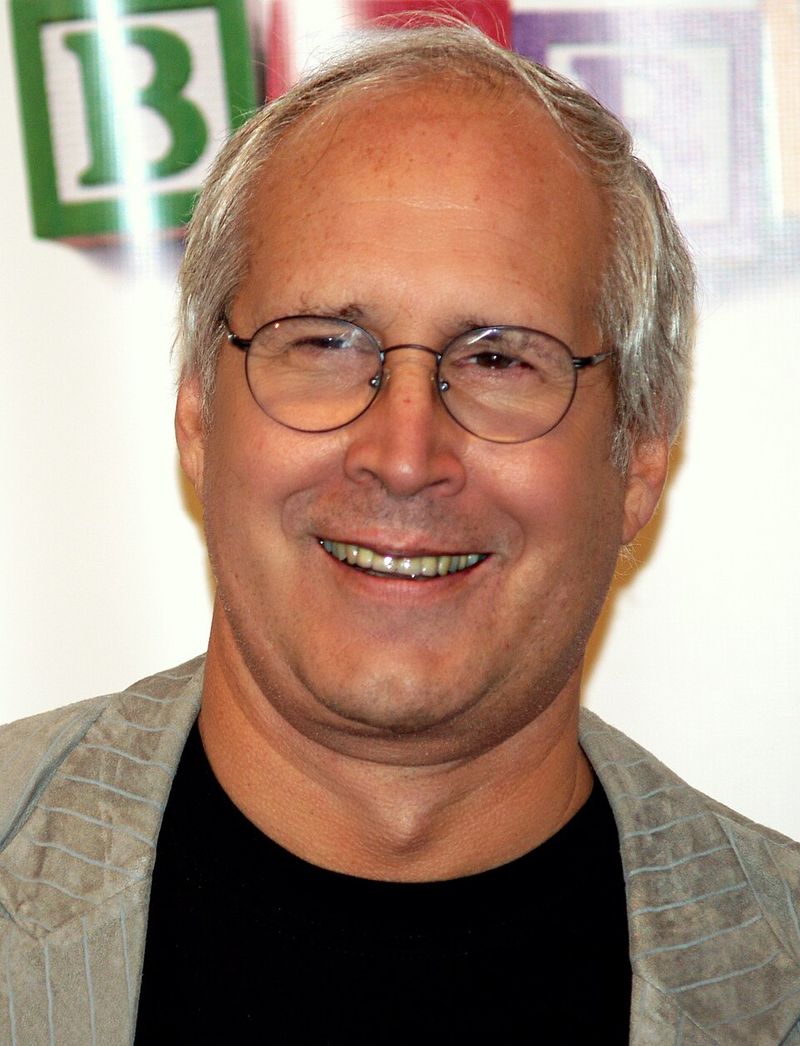
Chevy Chase occupies a unique and complicated position in SNL history. He was one of the original cast members from the show’s very first season, which gave him a kind of family status that most guest hosts never get.
That made his later behavior as a returning host all the more jarring for the people involved.
Reports over the years have described him as difficult during host weeks, creating tension with cast members and production staff. The situation reportedly reached a point where he was no longer trusted to host, even given his founding connection to the show.
What complicates the story is that Chase has still appeared in specials and sketches after the reported ban took effect. That makes his situation less of a total exile and more of a specific restriction.
He is not gone from the building entirely, but the hosting chair is reportedly off limits, which is a strange position for someone who helped build the show in the first place.
Rage Against The Machine Was Kicked Off After A Political Protest
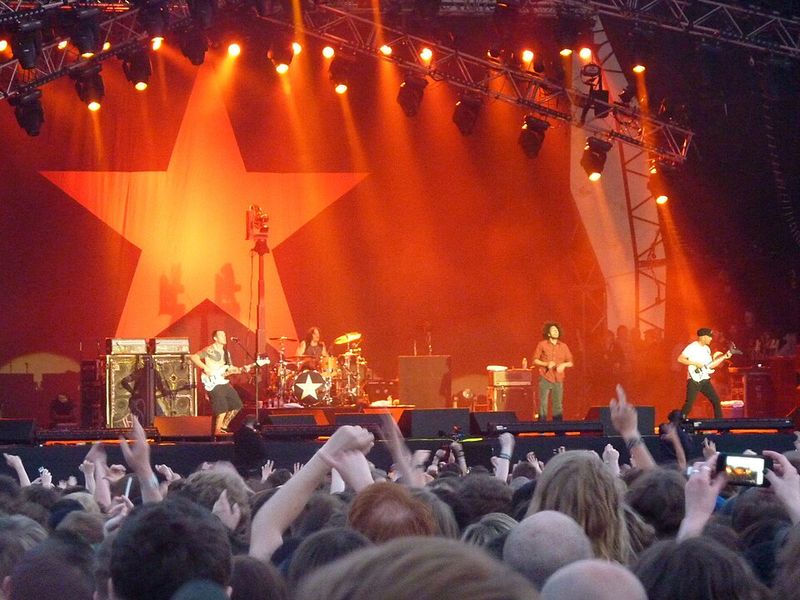
Rage Against the Machine was never going to be a comfortable fit for an SNL episode hosted by presidential candidate Steve Forbes in 1996. The combination was almost designed to create friction, and it did.
Before the broadcast, the band attempted to hang upside-down American flags on their amplifiers as a political statement. The flags were removed before they could go on air.
The band performed one song, but the second performance was cut, and they were reportedly escorted out of the building after tensions escalated backstage with Forbes’s team. Time and Entertainment Weekly both covered the incident as an example of the band being kicked off or banned from the show.
For a group whose entire identity was built on confrontational politics, the SNL incident fit naturally into their story. They did not tone it down for the occasion, and the show responded by ending their appearance early.
The moment has since become one of the more memorable political protests in SNL history.
Cypress Hill Was Banned After Lighting Up On SNL
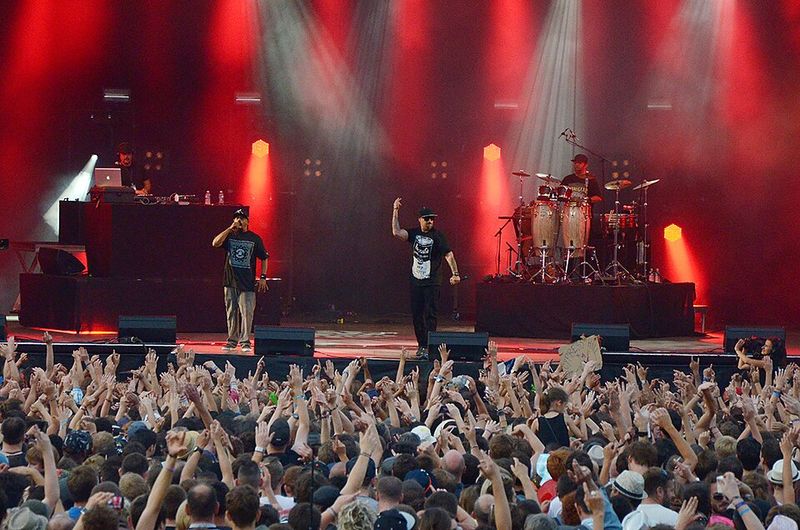
Cypress Hill’s entire musical identity was built around a rebellious, countercultural image, so their 1993 SNL appearance was never going to be low-key. What nobody expected was that DJ Muggs would light a marijuana joint on stage during the live broadcast, in front of a national audience on network television.
The group’s reputation for pushing limits was already well established, but doing that specific thing on live network TV crossed a line that the show was not going to overlook. The band has been widely described as banned from SNL ever since.
Decades later, the story still follows Cypress Hill because the incident is so direct and easy to describe. There is no ambiguity, no competing versions of events, and no complicated backstage drama to untangle.
What happened was visible to everyone watching. That kind of clarity is rare in the world of late-night bans, where most stories involve rumors and off-camera behavior that is harder to pin down.
Fear Got Booed And Never Returned After Punk Chaos
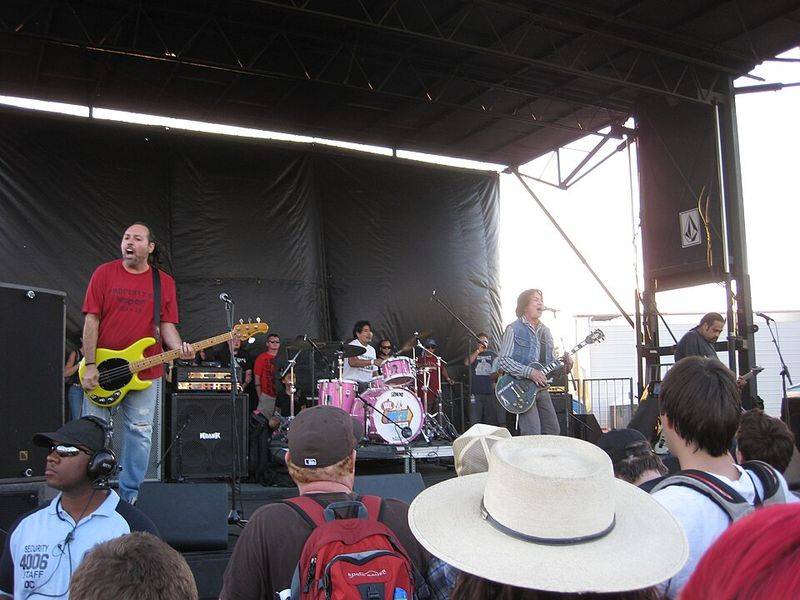
When John Belushi personally lobbied to get the punk band Fear booked on SNL in 1981, it was already a sign that the segment might not go smoothly. The performance quickly became chaotic, with crowd reactions that included boos and slam dancing, and reports of damage to the studio that have since been disputed by people who were there.
The exact details of how destructive the night really was have been argued about for decades. Some accounts describe it as a near-riot.
Others say the chaos was real but exaggerated in the retelling, as punk TV legends tend to be.
What nobody disputes is that Fear never appeared on SNL again. Their single performance became one of the most talked-about musical bookings in the show’s history, partly because of the chaos and partly because the show’s response was so definitive.
Whether the night was as wild as the legend claims, the outcome was the same: one appearance, no return.
Robert Blake Was Reportedly Banned After Clashing With SNL Writers
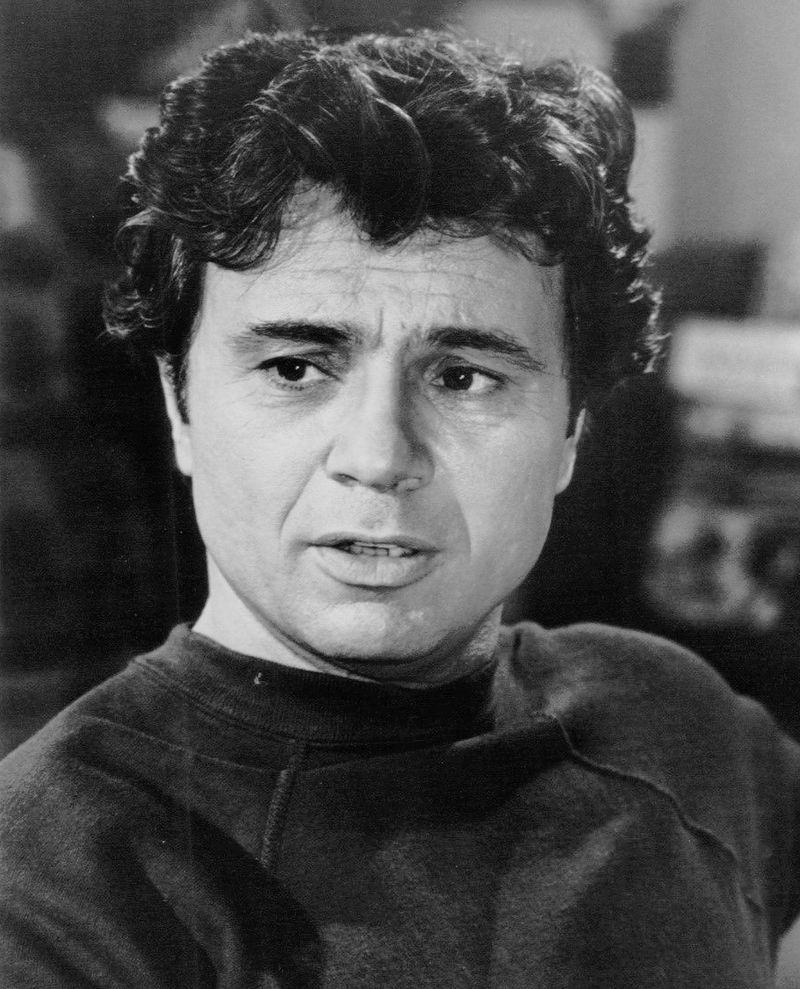
Robert Blake hosted SNL in 1982, and by most accounts the week did not go well from the start. Reports say he was deeply unhappy with the scripts that the writing staff had prepared, and at one point he reportedly threw a script back at writer and cast member Gary Kroeger in frustration.
That kind of behavior during a host week is not easily forgotten by the people who have to work closely with the host every day. The production environment for SNL is already intense, and a host who creates conflict with the writing team makes everything harder for everyone involved.
Blake never returned to host after that week, and he has appeared on multiple compiled lists of performers who are considered banned from the show. His case is a useful reminder that late-night bans do not always trace back to something viewers witnessed on screen.
Sometimes the real story happened in a hallway or a rehearsal room, far from the cameras and the audience.
Andy Kaufman Was Banned By An Audience Vote
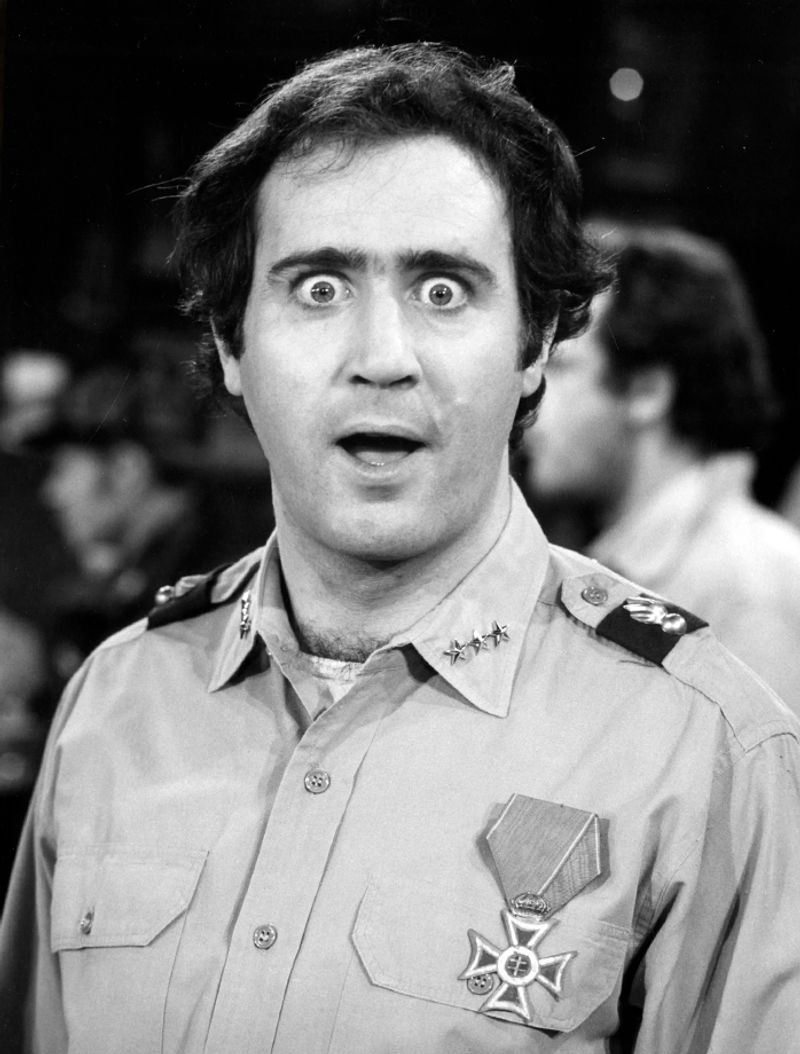
Andy Kaufman’s relationship with Saturday Night Live was always going to be strange, because everything about Kaufman was strange. His performances blurred the line between comedy and performance art in ways that audiences either loved or found genuinely confusing.
By 1982, the show decided to let the audience settle the question of whether he should come back.
SNL held a viewer phone poll asking whether Kaufman should be allowed to return. The audience voted against him.
That result was taken seriously, and Kaufman was effectively banned based on the outcome of that vote.
The method of the ban made it one of the most unusual exits in late-night history. Most performers get frozen out through private decisions made by producers and network executives.
Kaufman’s removal was turned into a public event, which meant the ban itself became a performance of its own. For a performer whose entire career was built on blurring reality and fiction, even getting banned happened in the most Kaufman way possible.
Share this story