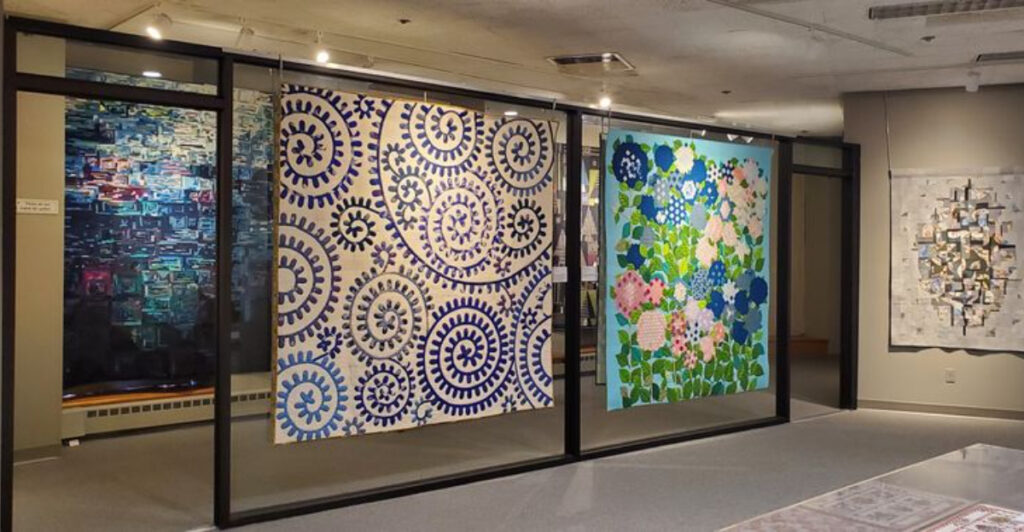
Most people walk past a quilt and think of a cozy bedroom accessory. But in Lowell, Massachusetts, quilts get a very different treatment.
At one remarkable museum tucked into the city’s historic mill district, these textile creations are hung like paintings, spotlit like sculptures, and studied like masterworks. The collections rotate throughout the year, meaning no two visits are ever quite the same.
From antique pieces that date back centuries to bold, modern fiber art that challenges what a quilt can even be, this place reframes the entire conversation. Whether you have sewn a stitch in your life or never touched a needle, the experience is genuinely surprising.
Lowell already has plenty of history to offer, but this museum adds something that is hard to find anywhere else: a deep, artistic look at one of America’s most underappreciated craft traditions.
A Museum Built Around an Underrated Art Form
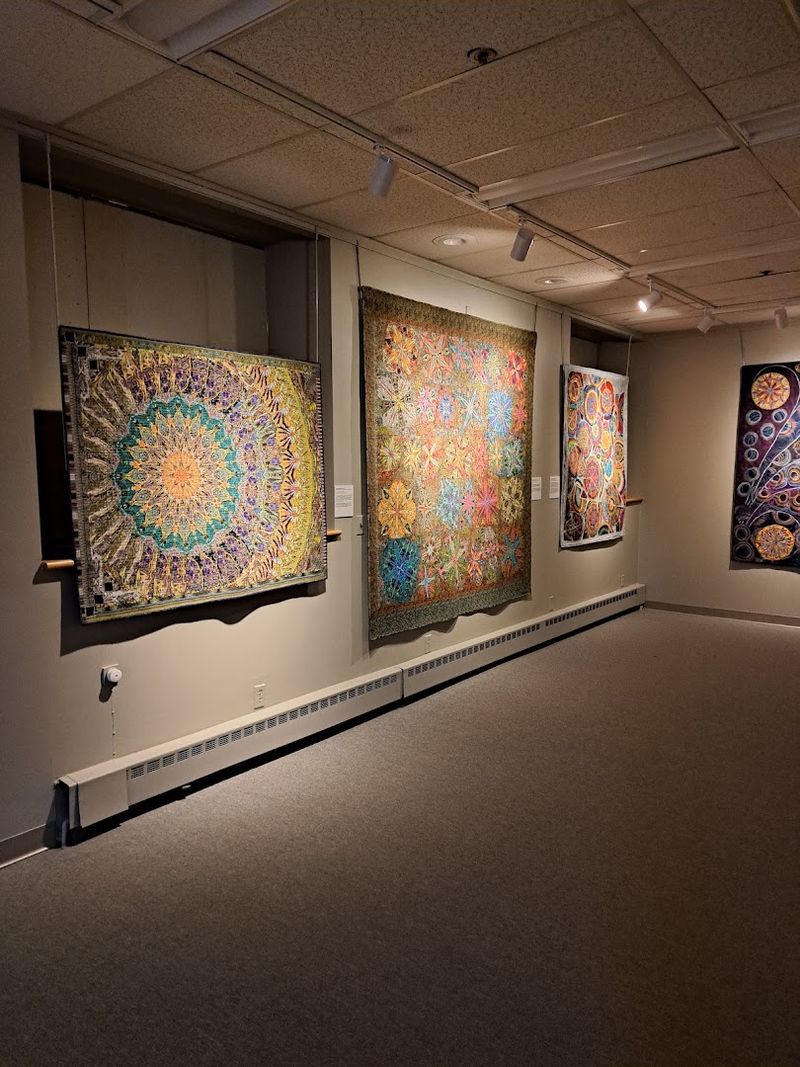
Quilting has spent decades being quietly dismissed as a hobby rather than an art form. The New England Quilt Museum pushes back against that idea with every single exhibit it puts on display.
Founded with the mission of preserving and celebrating the tradition of quilting, the museum treats each piece with the same respect you would find in any major fine arts institution. Quilts are mounted on walls, given proper lighting, and accompanied by detailed context about their creation and cultural significance.
The result is a space that feels genuinely curatorial rather than simply decorative. Every piece has a story, and the museum makes sure that story gets told.
For anyone who has ever underestimated what fabric and thread can accomplish, a single walk through these gallery rooms tends to be a convincing argument. The craft, it turns out, has always been art.
It just needed the right frame.
Rotating Exhibits That Keep Every Visit Fresh
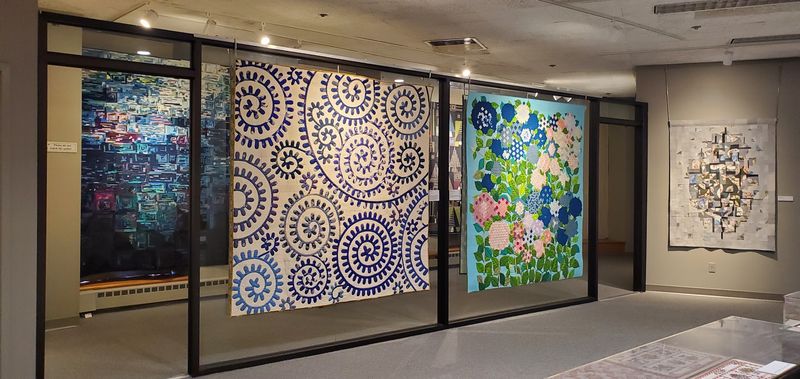
One of the most compelling reasons to return to this museum more than once is its rotating exhibition schedule. The collections change regularly throughout the year, which means the experience is always different depending on when you show up.
Past exhibits have included breathtaking quilts from Japan, woodland-themed fiber art, guild showcases from regional artists, and thought-provoking thematic displays that use quilts to explore social and environmental issues. Each exhibit is carefully curated to offer something new, whether that means a fresh artistic style, a different cultural perspective, or an unexpected subject matter.
Checking the museum’s website before visiting is a practical tip that pays off. Knowing what is currently on display helps set expectations and adds a layer of anticipation to the trip.
Many people who visit once find themselves planning a second trip as soon as the next exhibit announcement goes up. That kind of loyalty says everything about the quality of what is shown here.
Traditional Quilts From the 1800s and Early 1900s
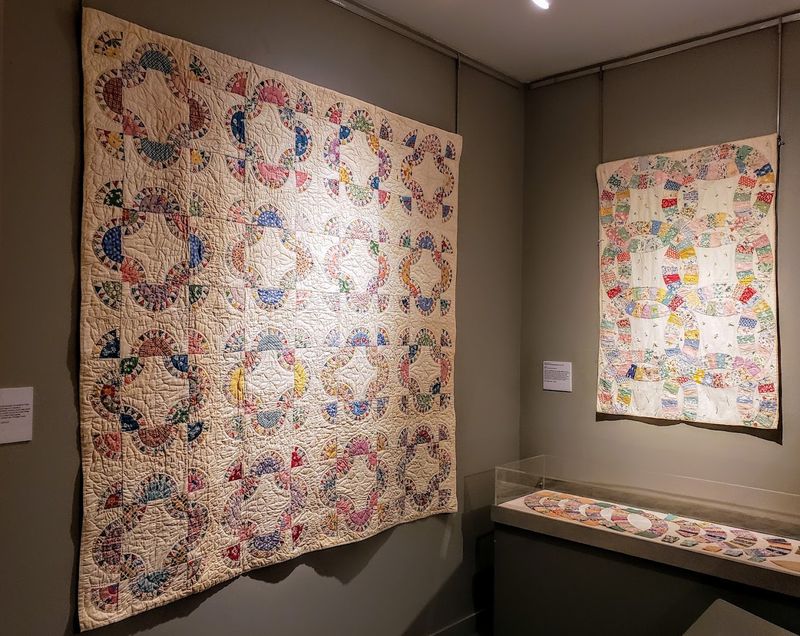
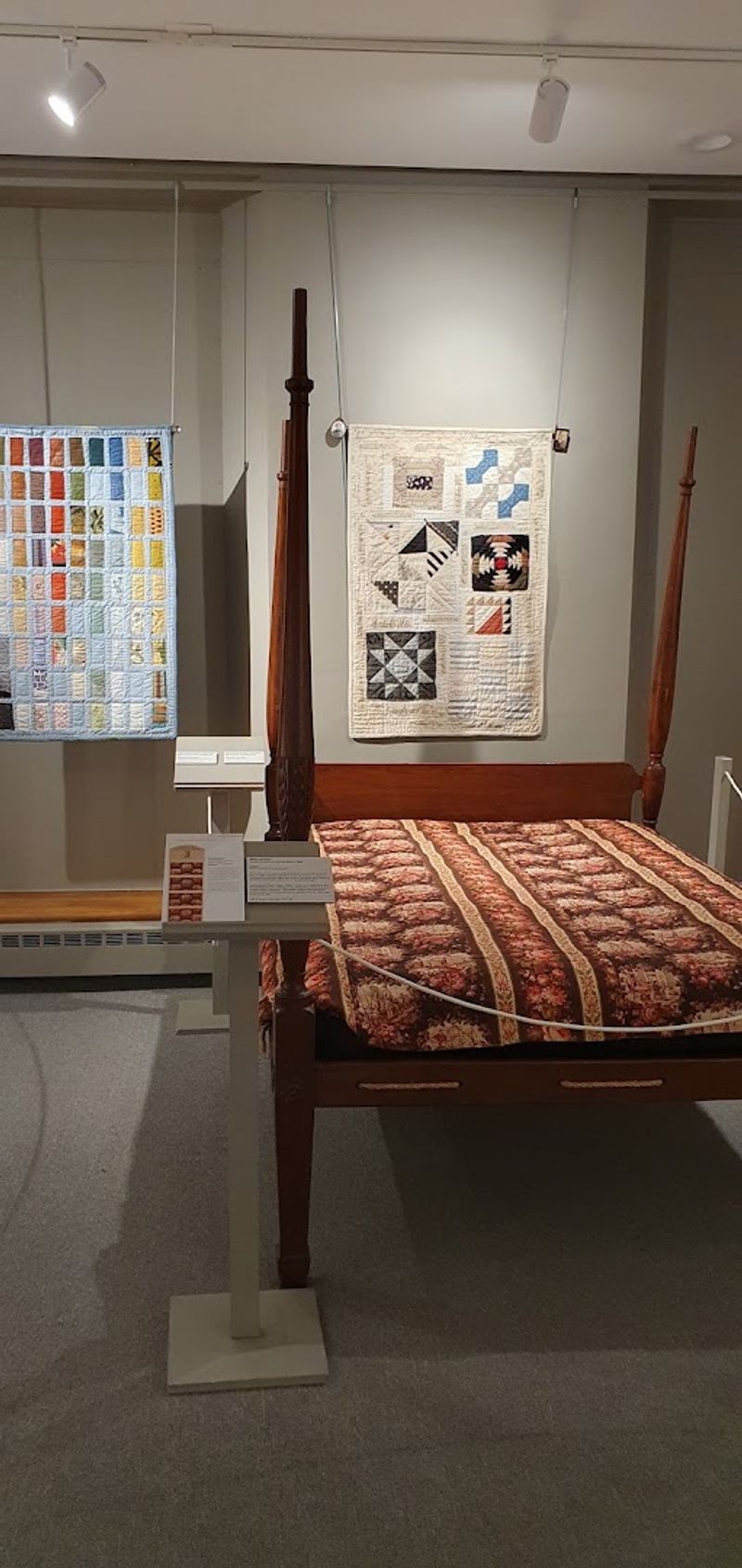
History runs deep in this museum’s permanent and rotating collections. Among the most striking offerings are the antique quilts that date back to the nineteenth and early twentieth centuries, pieces that give a direct window into American domestic life and craftsmanship from generations past.
These quilts were made by hand, often by women who had limited access to formal artistic training but possessed extraordinary skill and creativity. The patterns tell stories, reflect regional traditions, and demonstrate techniques that took years to master.
Looking at them up close, especially with the magnifying glasses the museum makes available, reveals a level of detail that is genuinely hard to believe was achieved without modern tools.
The museum treats these historical pieces with care and context, helping visitors understand not just how they were made but why they mattered. Each antique quilt on display is a document of its time, stitched together with patience and intention that modern audiences can still connect with today.
Modern Fiber Art That Redefines What a Quilt Can Be
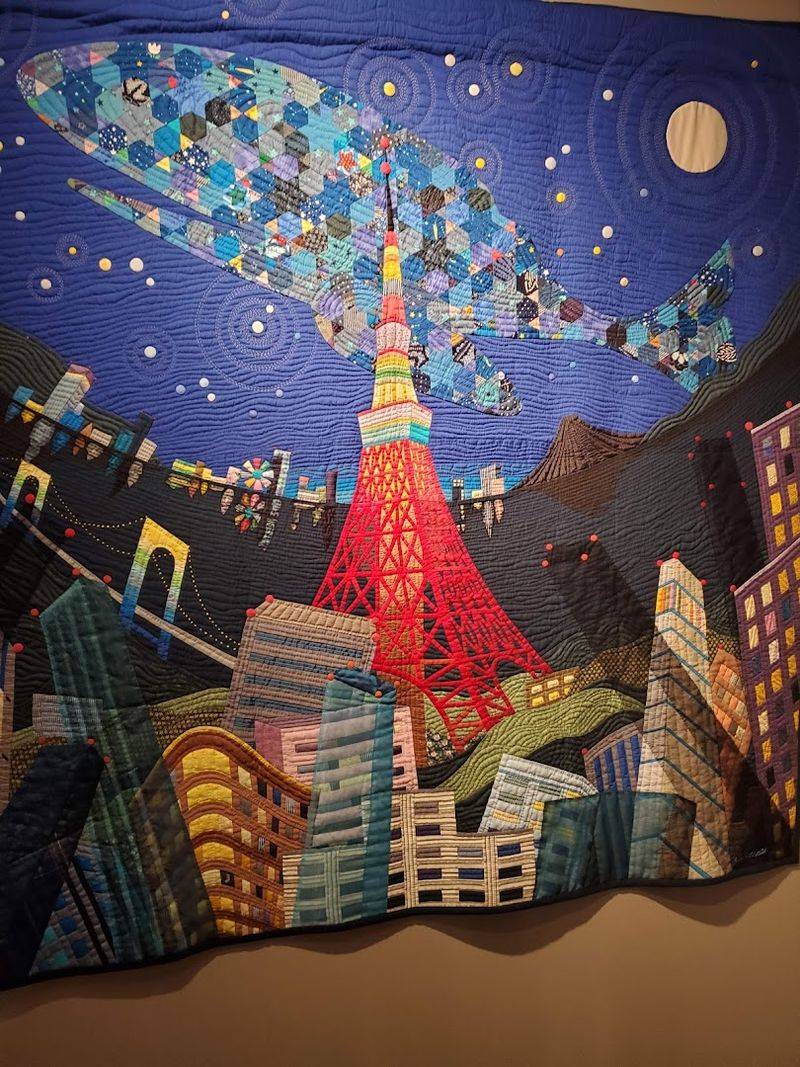
Not everything at the New England Quilt Museum fits the traditional definition of a quilt. And that is precisely the point.
Some of the most compelling pieces in the gallery push well beyond patchwork and batting into the territory of full-scale fiber art.
These contemporary works use quilting techniques as a foundation but build outward into abstraction, narrative, and social commentary. Artists represented in past exhibits have used fabric to depict everything from environmental concerns to cultural identity, creating pieces that function as large-scale visual statements rather than simple decorative objects.
The museum’s willingness to include this kind of work alongside historical quilts creates a meaningful dialogue between past and present. Tradition and innovation share the same wall space, and the conversation between them is one of the most interesting things about visiting.
For anyone who assumed quilting was a static craft frozen in time, the modern fiber art on display here offers a very direct and colorful correction.
The Japan Exhibit That Became a Must-See
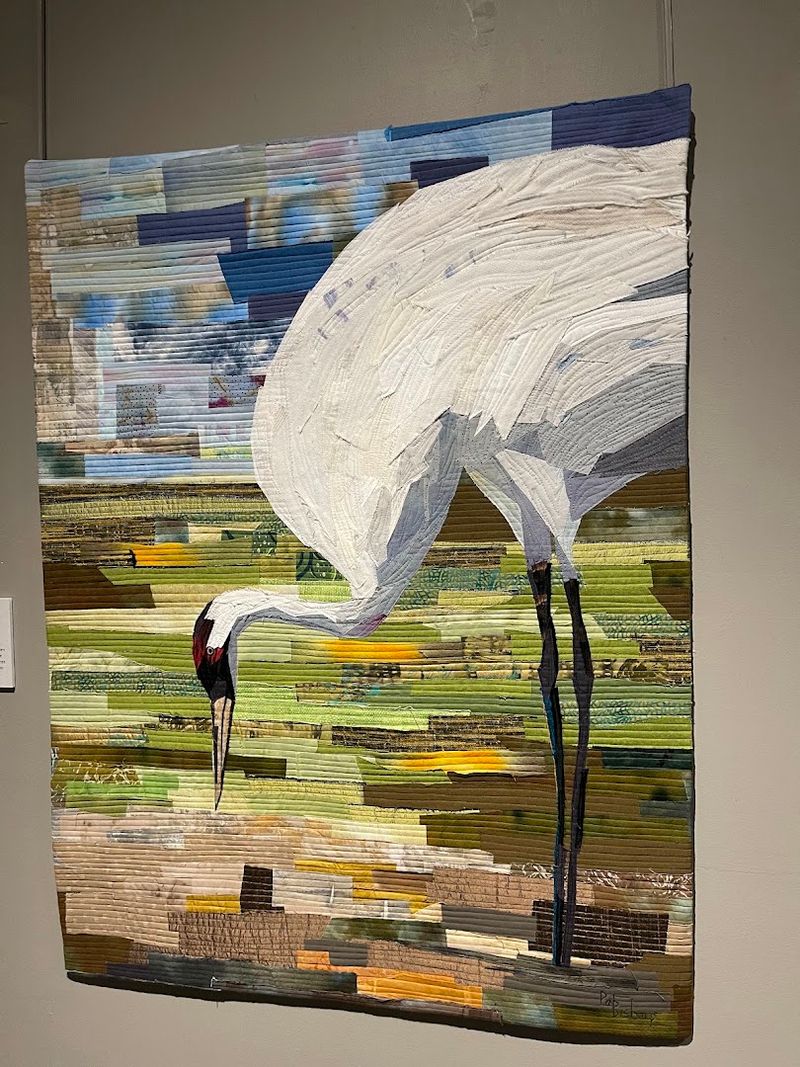
Among the exhibits that have made the biggest impression on those who visit, the Japan-focused quilt showcase stands out as a recurring highlight. Quilts from Japan bring a distinct aesthetic to the gallery, blending precision craftsmanship with visual traditions that feel both familiar and entirely new.
Japanese quilting has its own rich history, shaped by a culture that places extraordinary value on textile art and meticulous handiwork. The pieces displayed during this exhibit demonstrated techniques and design philosophies that differ significantly from American quilting traditions, offering visitors an unexpected cross-cultural art experience without leaving Massachusetts.
The exhibit drew people who had been planning the trip for months, and the response was consistently enthusiastic. It also illustrated exactly why the museum’s rotating schedule works so well: there is always the possibility that the next exhibit will be the one that surprises you most.
International perspectives on quilting add a global dimension to what could otherwise be a narrowly regional institution. That ambition is part of what makes this place worth the trip.
Knowledgeable Docents Who Bring the Art to Life
Art is always more interesting with a good guide, and the New England Quilt Museum delivers on that front. Volunteer docents are regularly present in the galleries, particularly on weekend mornings, and they bring a level of knowledge and enthusiasm that elevates the whole experience.
These guides are not just pointing at quilts and reading labels. They explain construction techniques, share the stories behind specific pieces, and answer questions with genuine depth.
For visitors who know nothing about quilting, the docents provide an accessible entry point. For those who already sew or quilt, the conversations can get surprisingly technical and rewarding.
Curators have also been known to be present during visits, engaging directly with guests and answering questions about the exhibits. That kind of direct access to the people who shape the collection is rare in any museum setting.
It creates a personal connection to the art that is hard to replicate in larger, more impersonal institutions. The human element here is a genuine asset.
The Museum’s Role in Lowell’s Broader Cultural Scene
Lowell is already a city with serious cultural depth. As the birthplace of the American Industrial Revolution and a designated National Historical Park, it draws history enthusiasts, architecture lovers, and anyone curious about how American manufacturing shaped the country.
The New England Quilt Museum fits naturally into this landscape. Textile production was central to Lowell’s industrial identity, and a museum dedicated to textile art connects directly to that heritage.
There is something fitting about a quilt museum existing in a city built on the work of mill workers who handled fabric every day.
Beyond historical resonance, the museum adds genuine artistic variety to Lowell’s offerings. Paired with nearby attractions like the Streetcar Museum, the Victorian garden across the street, and the broader National Park sites, it contributes to a full day of exploration.
Lowell rewards slow, curious visitors, and the quilt museum is one of the stops that tends to hold people longer than they originally planned. That is exactly the kind of anchor a cultural district needs.
Accessibility Features That Make It Easy for Everyone
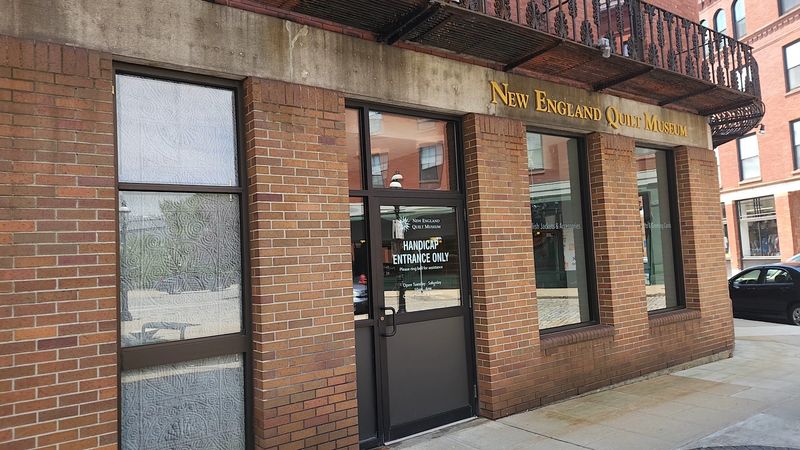
A good museum should be accessible to everyone, and the New England Quilt Museum takes that seriously. The building is equipped with an elevator, making the upper gallery floor reachable for visitors who cannot use stairs.
Restrooms are available on site, which matters more than it sounds for a longer visit.
One particularly thoughtful detail: the museum provides magnifying glasses for close-up viewing. This is a practical and genuinely useful touch, since much of what makes these quilts extraordinary is the fine stitching and intricate piecing that is nearly invisible to the naked eye from a distance.
The gallery spaces are also well-lit, which helps both casual observers and serious quilters appreciate the full detail of each piece. Air conditioning keeps the environment comfortable during warmer months.
For families with children, the museum has shown a welcoming attitude, and the manageable size of the space means younger visitors are unlikely to get overwhelmed or bored before the tour is complete.
How Long Does a Visit Actually Take
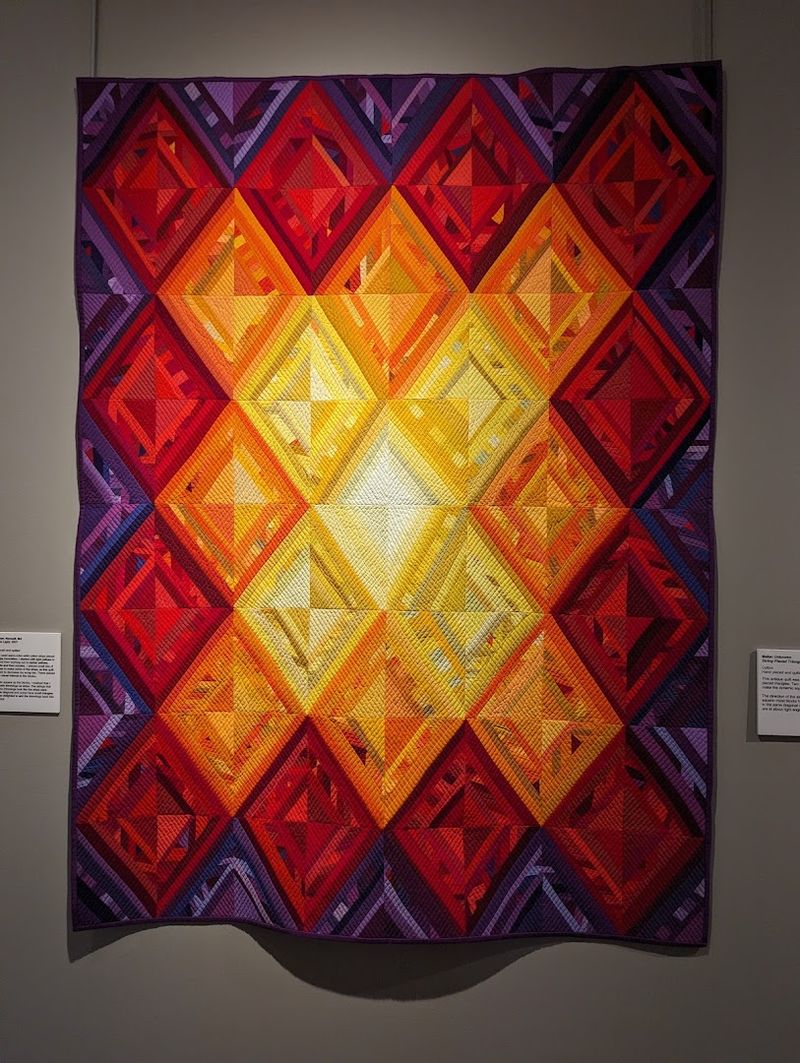
One of the most practical questions about any museum is how much time to budget. At the New England Quilt Museum, the answer depends entirely on how you engage with what is on display.
A quick walk-through takes roughly 30 minutes. A more deliberate visit, one where you read the exhibit notes, chat with a docent, and spend real time with each piece, can easily stretch to an hour or more.
The museum is compact by design, which is not a drawback. Smaller spaces often allow for more focused, meaningful experiences than sprawling institutions where attention gets scattered across too many rooms.
Every piece on display here has been chosen carefully, and the layout encourages you to slow down rather than rush.
For visitors combining the museum with other Lowell stops, it works well as a mid-morning or early afternoon anchor. The nearby Victorian garden and Streetcar Museum make for natural companions, turning the area around Shattuck Street into its own self-guided cultural loop worth a full day.
Photography Rules and What You Can Capture
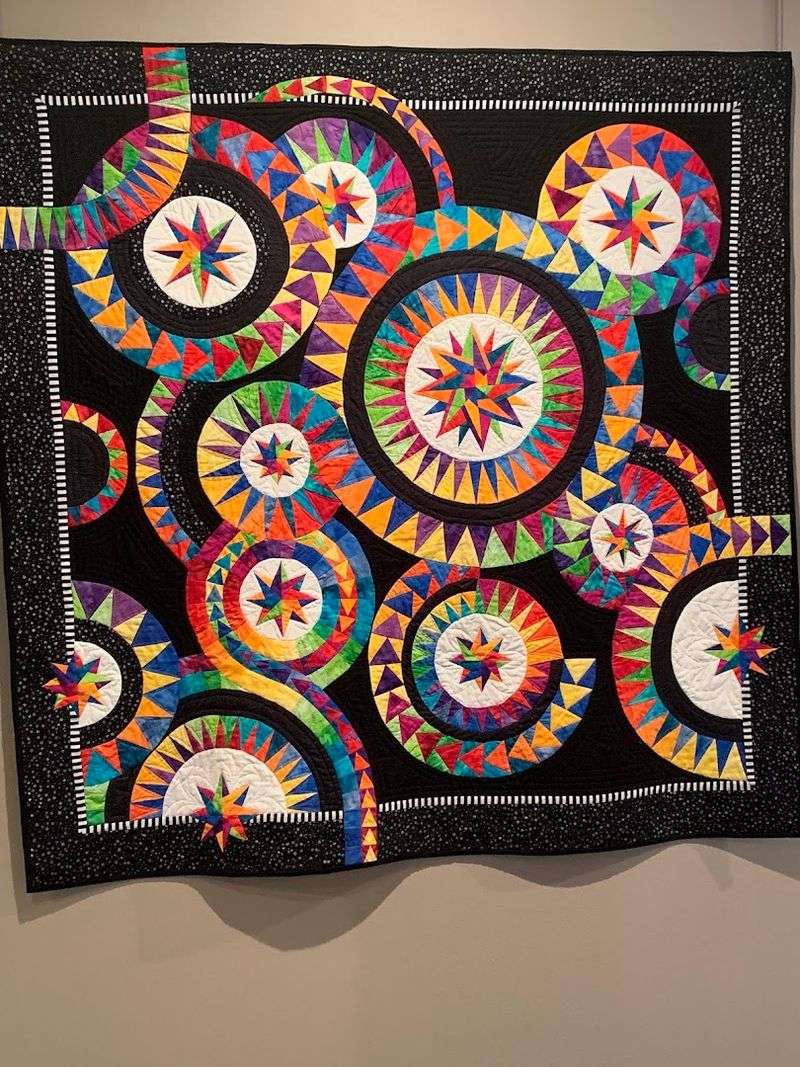
Good news for anyone who likes to document their travels: photography is allowed inside the New England Quilt Museum. The one rule is no flash, which makes sense given that flash photography can be damaging to delicate textiles over time.
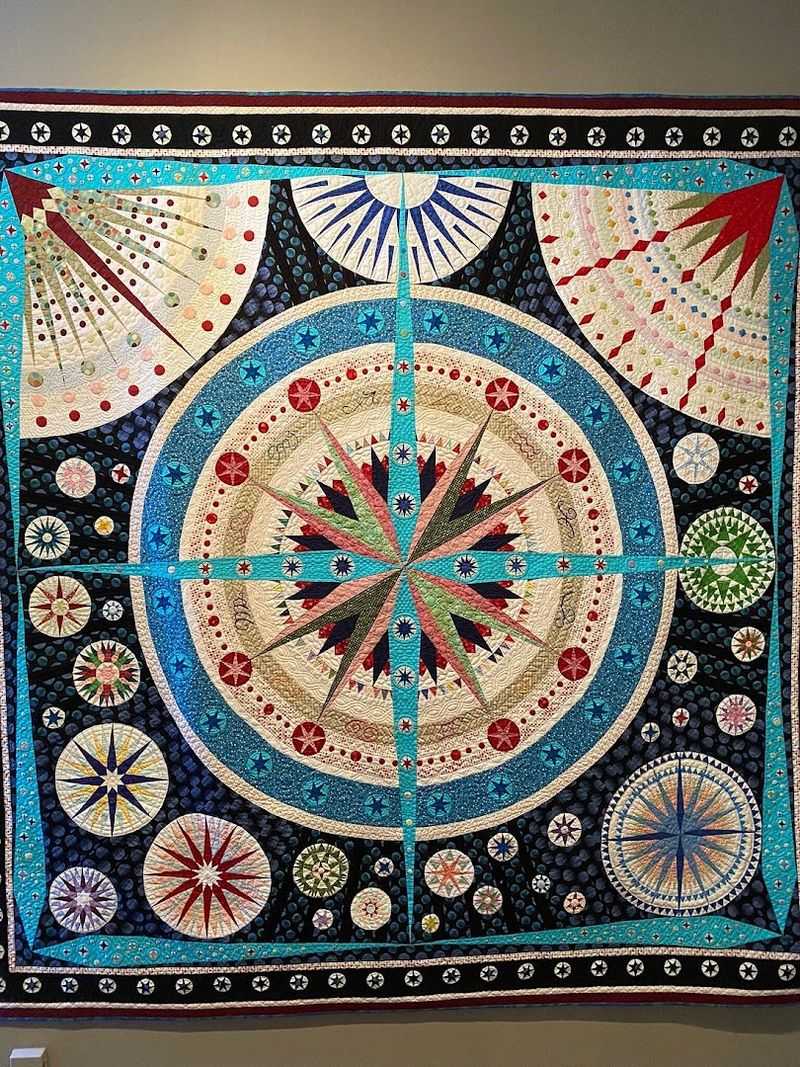
Natural and gallery lighting inside the museum is generally good enough to capture clear, detailed shots without flash. The large wall-mounted quilts make for striking photographs, and many pieces have the kind of bold color and geometric complexity that translates well on a camera or phone screen.
Sharing these images afterward tends to spark curiosity in people who have never considered visiting a quilt museum before. There is something about seeing a quilt mounted floor-to-ceiling on a gallery wall that shifts the perception of the craft immediately.
For anyone building a travel photo collection or simply wanting a visual record of a memorable stop, the museum offers plenty of material. Just remember to keep the flash off and take your time framing the shot.
What Makes the Woodland and Thematic Exhibits Stand Out
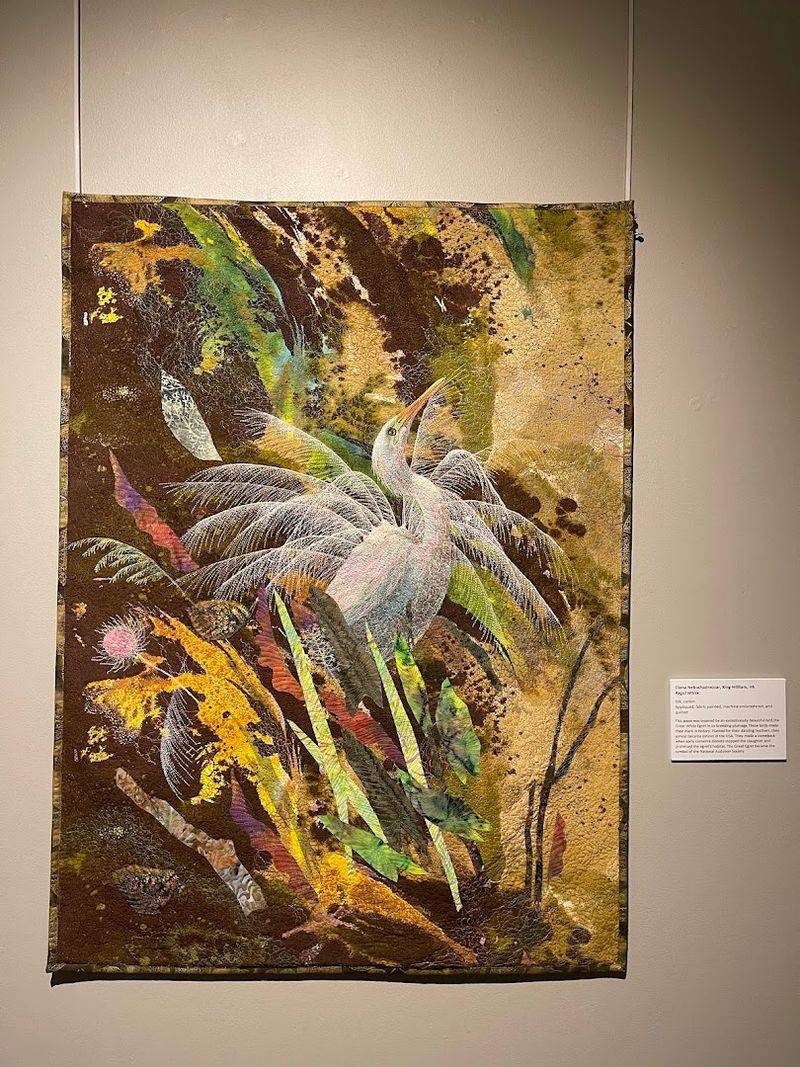
Beyond the international showcases and historical collections, the New England Quilt Museum has built a reputation for thematic exhibits that use quilts to explore specific subjects or ideas. The woodland-themed exhibit, which drew particularly strong responses, used fiber art to represent natural landscapes in ways that felt both detailed and expansive.
These thematic shows often include pieces that stretch the definition of quilting into something closer to illustrated storytelling. Artists create entire narratives using fabric, color, and texture, producing works that read almost like visual books when viewed in sequence around a gallery room.
The entry-floor exhibit space, which tends to house larger or more ambitious installations, has become a focal point for visitors who want to experience quilting at its most ambitious scale. These are not small, framed pieces meant for a wall in a hallway.
They are large, deliberate, carefully constructed works that fill a room with intention. That ambition is part of what keeps the museum feeling relevant and dynamic year after year.
Why Lowell Is Worth the Trip and This Museum Seals the Deal
Lowell does not always appear at the top of Massachusetts travel lists, but it holds up remarkably well as a destination. The combination of industrial history, canal-side architecture, and a genuinely diverse cultural scene gives the city a character that is distinct from the more obvious tourist stops in the state.
The New England Quilt Museum adds something that no other stop in Lowell provides: a sustained, thoughtful encounter with an art form that most people have never taken seriously before. That shift in perspective is exactly the kind of thing that makes a trip memorable rather than merely pleasant.
For anyone already planning a visit to the Lowell National Historical Park or the other museums in the area, adding the quilt museum to the itinerary requires almost no extra effort and pays off considerably. For anyone looking for a reason to visit Lowell in the first place, this museum is a perfectly good one.
The quilts are on the wall, the doors are open Tuesday through Saturday, and the story they tell is worth hearing.
Where to Find This Hidden Gem in Lowell
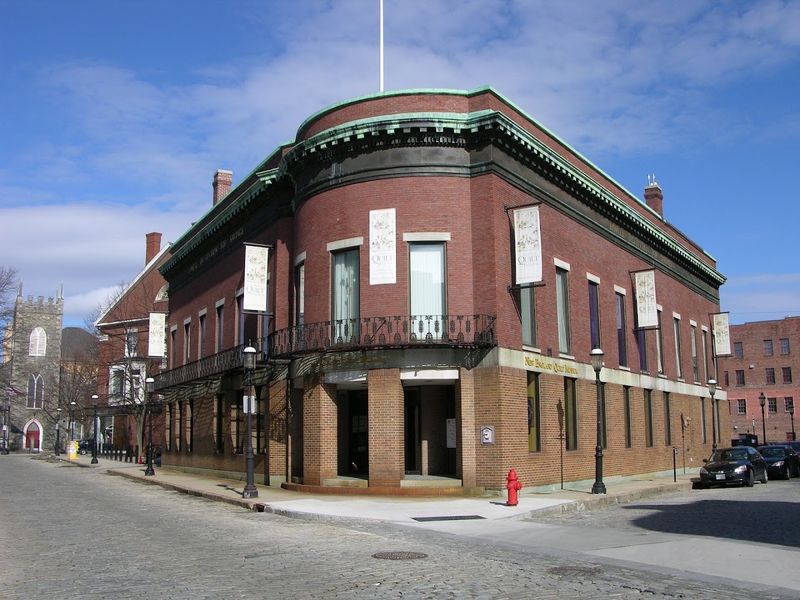
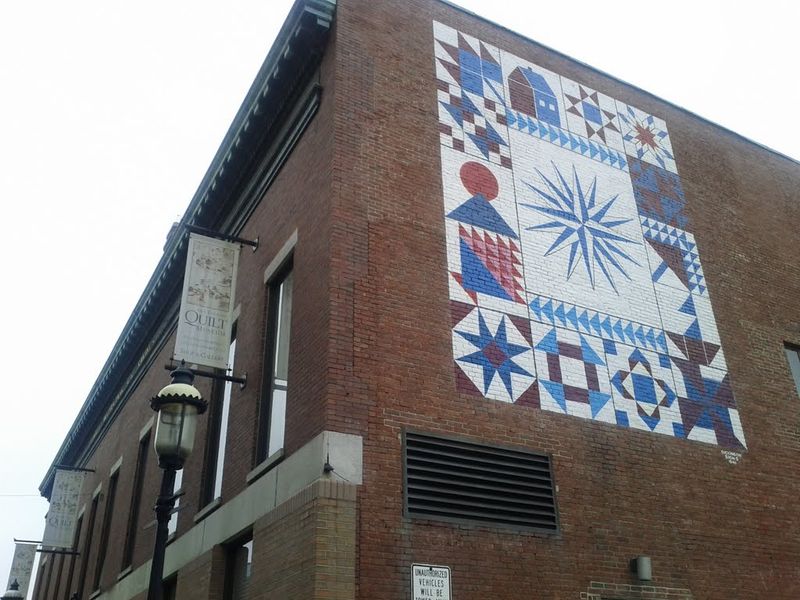
Right in the heart of Lowell’s historic downtown, the New England Quilt Museum sits at 18 Shattuck St, Lowell, MA 01852. The building fits naturally into the city’s mill-era architecture, a red-brick neighborhood that already tells a story of American industrial history.
The museum is open Tuesday through Saturday from 10 AM to 4 PM, and closed on Sundays and Mondays. That schedule makes it a solid weekday option or a Saturday destination for anyone exploring Lowell’s cultural corridor.
Street parking is available nearby, though spots tend to fill up quickly around mid-morning, so arriving early is a smart move. The museum is also conveniently close to other Lowell landmarks, including the entrance to a Victorian garden diagonally across the street, which leads to the Streetcar Museum.
Admission is modest, making it one of the more affordable art experiences in the region.
Share this story