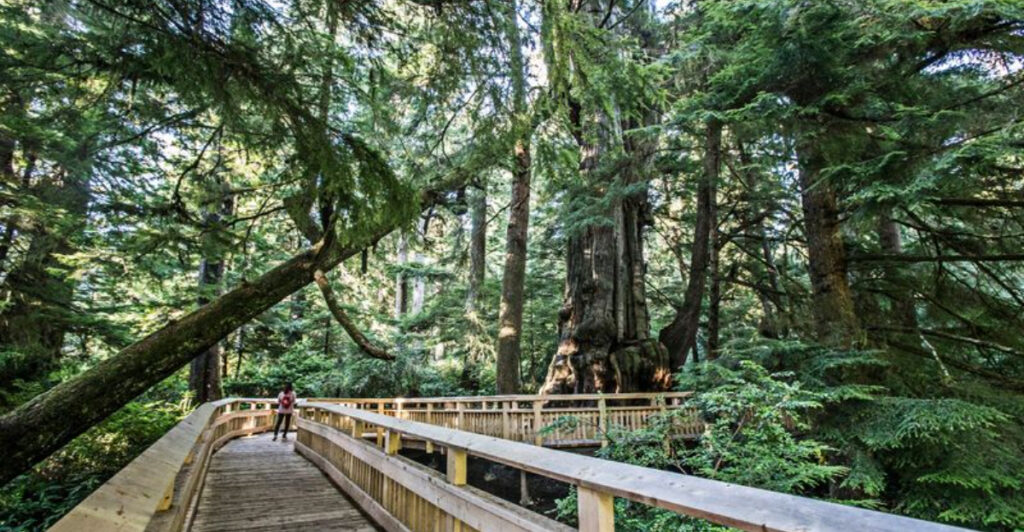
There is a small stretch of coastal Oregon where ancient trees have been quietly growing for nearly a thousand years, completely unbothered by the modern world rushing past on the highway just a few hundred feet away. A well-built wooden boardwalk winds through a lush wetland, carrying visitors of all ages and abilities right to the heart of this old-growth forest.
The star of the show is a massive western red cedar that has been standing since before Columbus ever set sail. Whether you are traveling with young kids, grandparents, or a dog on a leash, this trail delivers a genuinely awe-inspiring nature experience without asking much in return.
Finding the Trailhead: Location and First Impressions
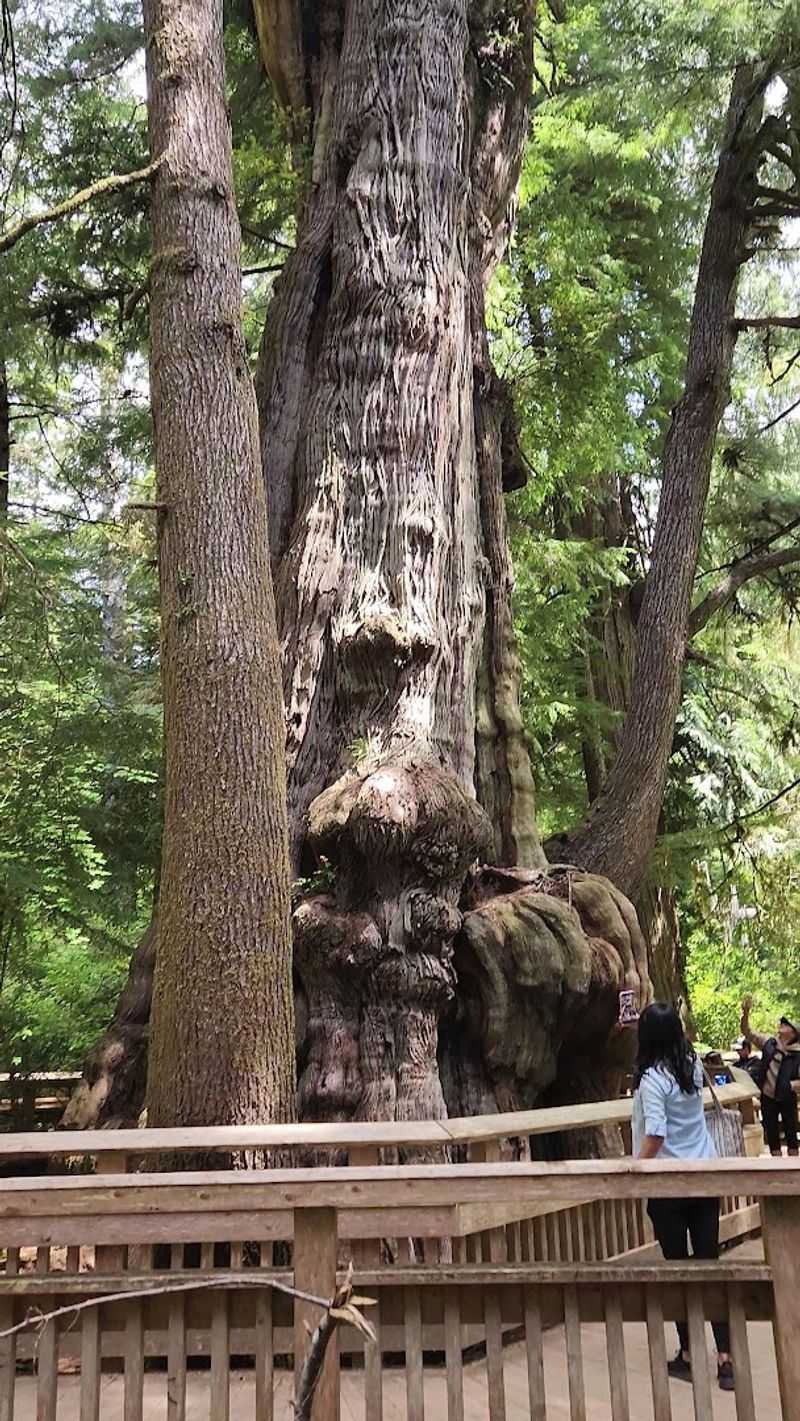
The Rockaway Big Tree Trailhead sits right off Highway 101 near East Washington Street in Rockaway Beach, Oregon 97136, tucked so close to the road that most drivers speed past without a second glance.
That easy-to-miss quality is actually part of its charm. One moment you are driving along the Oregon coast with the Pacific Ocean glittering in your peripheral vision, and the next you are parked and surrounded by towering trees that feel completely removed from the outside world.
The parking lot is small, holding only about a dozen cars, so arriving early on busy weekends is a smart move. Street parking along the road is available when the lot fills up, and it is just a short walk back to the trailhead entrance.
The trail opens at 7 AM every day of the week and stays open until 10 PM, giving visitors a generous window to explore at their own pace. Even before you step onto the boardwalk, the air changes noticeably.
It gets cooler, greener, and quieter, which is a pretty remarkable trick for a spot this close to a busy coastal highway.
The Boardwalk Itself: Built for Every Kind of Visitor
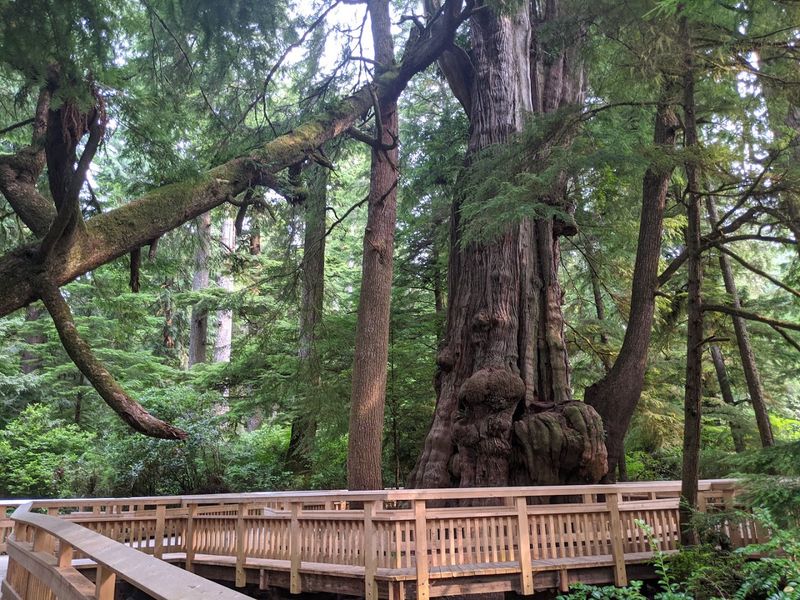
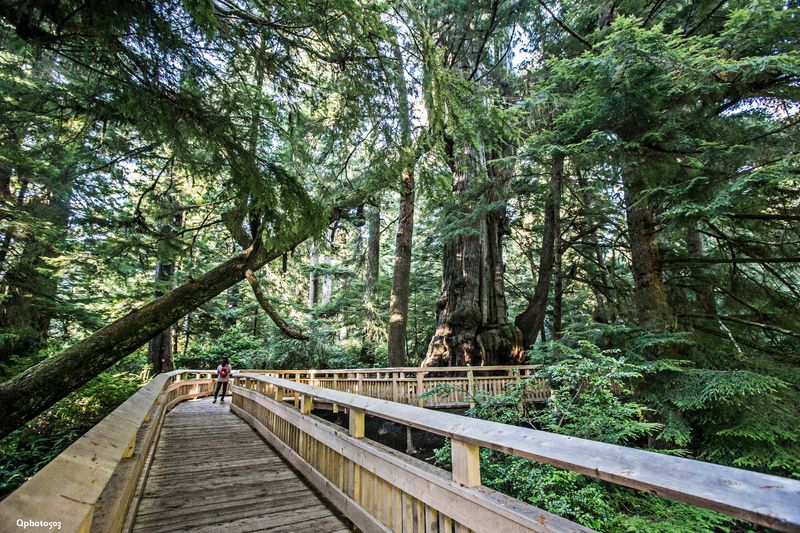
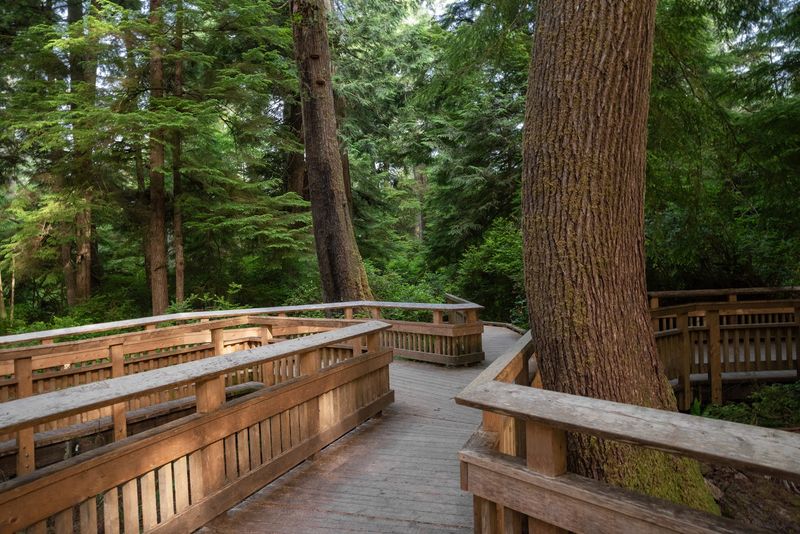
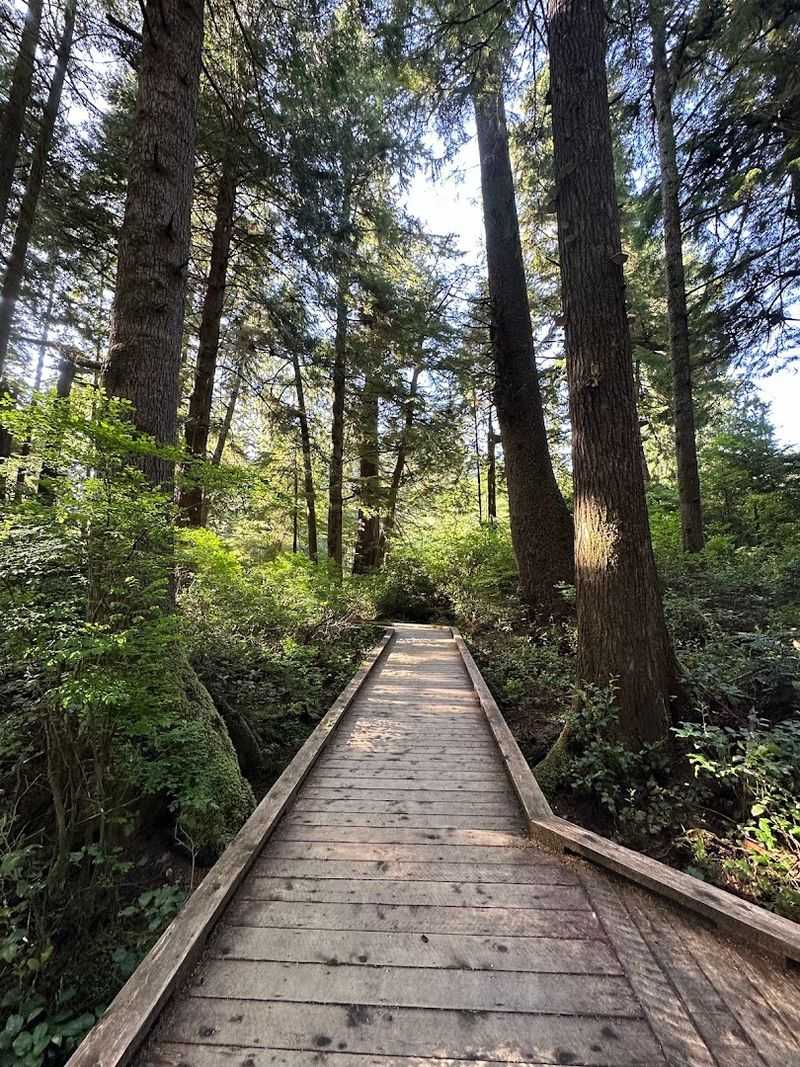
Not every trail earns the word “accessible” honestly, but this one does. The boardwalk at Rockaway Big Tree Trailhead is a raised wooden platform that runs above the wetland floor, keeping your feet dry even when the ground below is thoroughly soaked.
The path is wide enough to comfortably share with oncoming walkers, and the flat stretches that make up most of the route are genuinely stroller-friendly. Families have pushed baby carriages the full length of this trail without breaking a sweat.
There is a slight incline in the final quarter mile before you reach the big cedar, and that section deserves a heads-up for anyone with mobility concerns. It is not dramatic, but it is noticeable, and the wooden surface can get slippery after rain.
Rest areas with seating are scattered along the route, which is a thoughtful touch for visitors who want to pause and take in the surroundings without rushing. The whole setup feels like it was designed by someone who actually wanted everyone to show up, not just seasoned hikers with trekking poles and trail maps.
The Ancient Cedar: The Tree That Stops You Cold
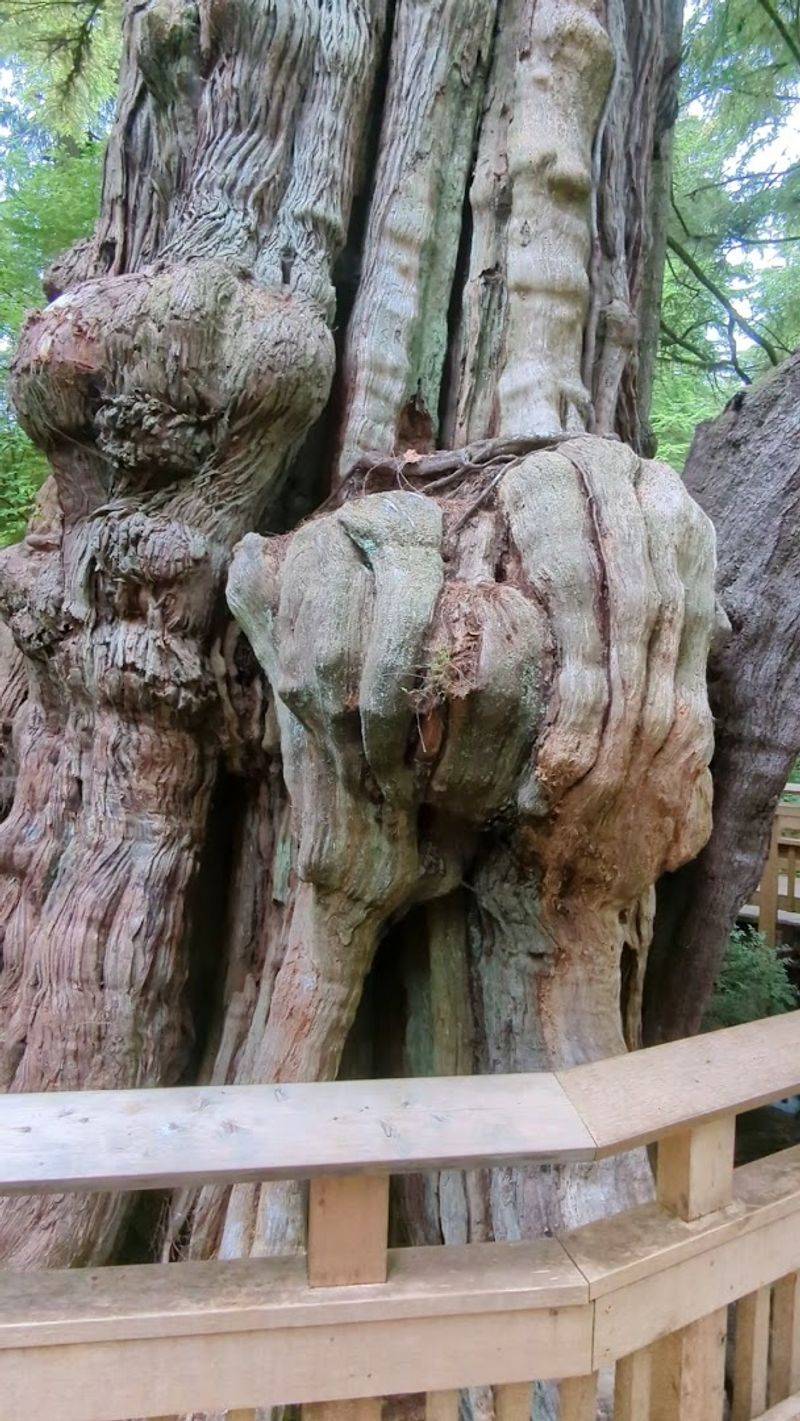
At the end of the boardwalk stands a western red cedar that is estimated to be somewhere between 800 and 1,200 years old. That range alone is worth sitting with for a moment.
This tree was already centuries old when European explorers first mapped the Pacific coastline.
The trunk is enormous, the kind of wide that makes a grown adult feel genuinely small. Thick moss carpets the bark in layered shades of green, and the canopy above filters the light into something soft and cathedral-like.
Most visitors go quiet when they reach it. There is something about standing next to a living thing that old that tends to short-circuit the usual chatter.
Kids press their hands against the bark with wide eyes, and adults pull out their phones before realizing that no photo is going to fully capture what they are looking at.
The cedar is the undisputed highlight of the trail, and it earns every bit of the reputation that brings people here. After seeing it, the short walk back feels different, like you are carrying something new in your chest that was not there before.
Wildlife Along the Way: More Than Just Trees
The trees are the main event, but the wildlife along the boardwalk gives the walk a lively, unpredictable energy that keeps you looking around at every step. Garter snakes have been spotted sunning themselves on logs near the viewpoint areas, completely unbothered by passing hikers.
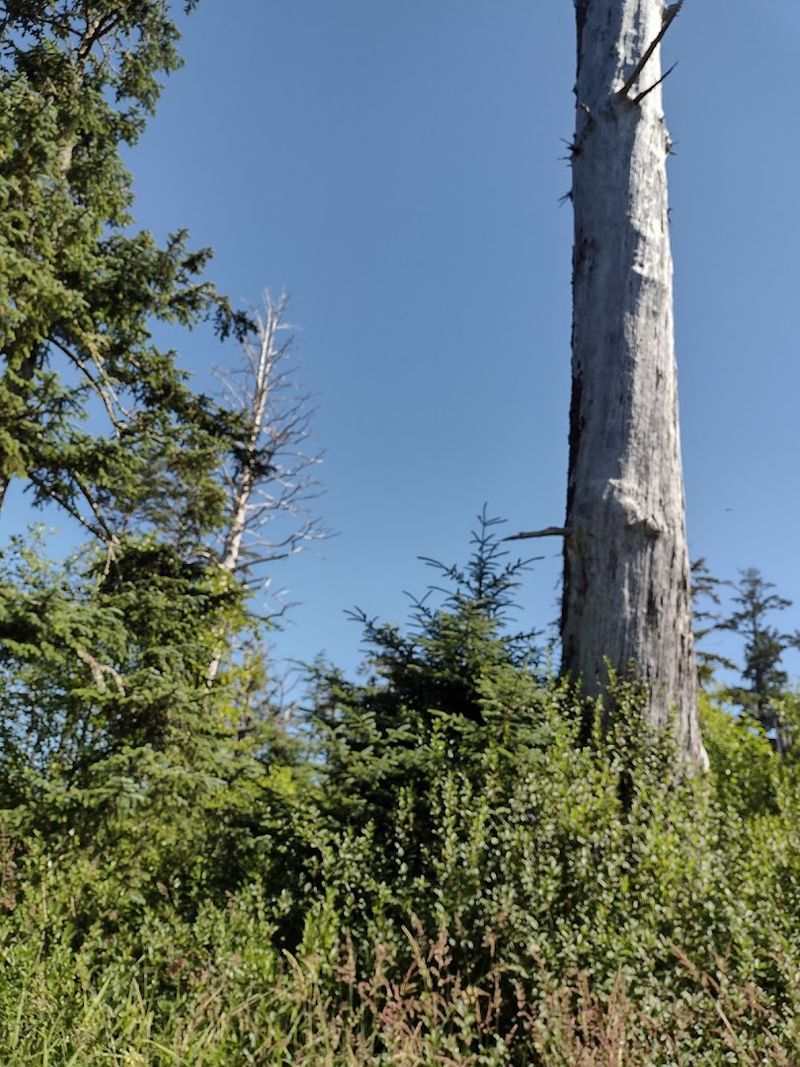
An osprey has built a nest at the top of a dead snag near the boardwalk, and if you catch the timing right, you might see it circling overhead. A family of hawks has also been spotted nesting nearby, which adds a welcome layer of drama to what might otherwise be a quiet stroll.
Frogs, chipmunks, and squirrels make regular appearances, and the bird sounds throughout the forest are constant and layered. Visitors have reported hearing species they could not immediately identify, which is always a fun excuse to download a birding app before you visit.
Salamanders have shown up near the wetter sections of the trail, delighting kids who were not expecting to add reptile spotting to their morning plans. The ecosystem here is genuinely active and diverse, which makes every visit feel a little different from the last one.
Skunk Cabbage and Wetland Plants: The Underrated Stars
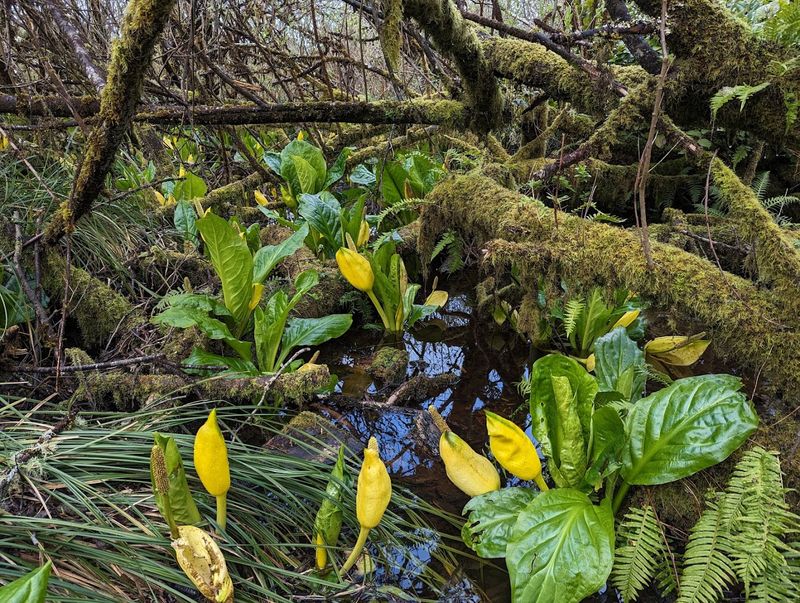
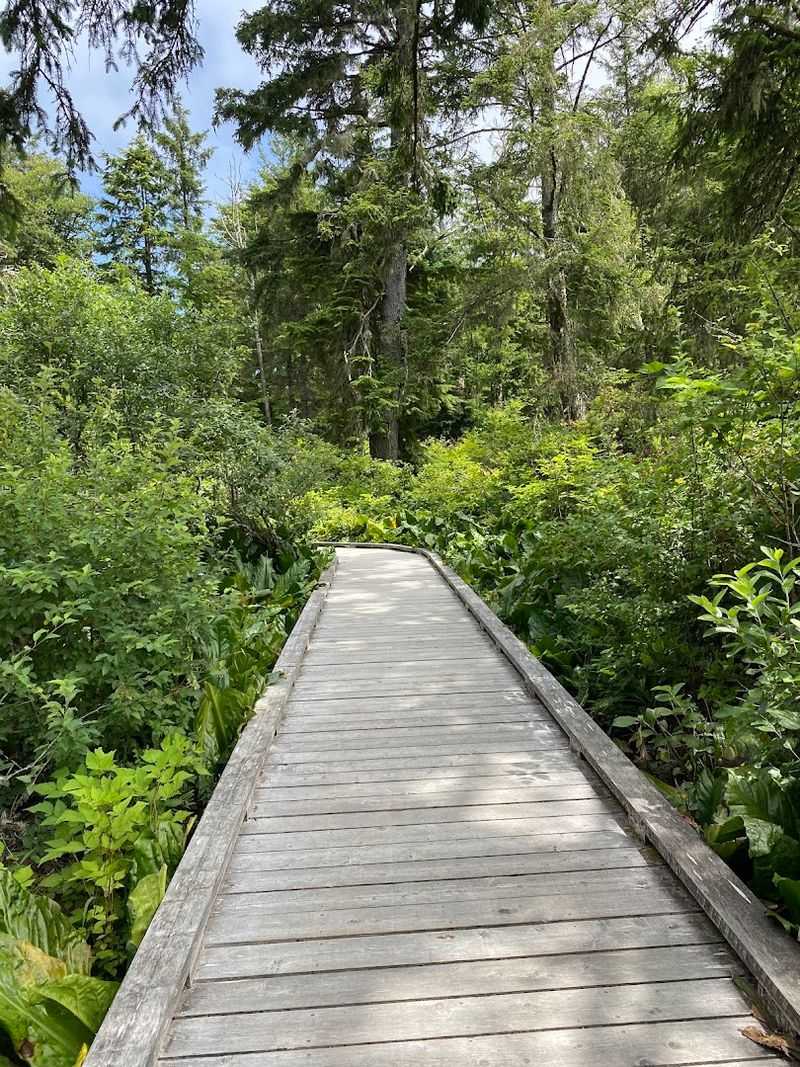
Skunk cabbage does not sound like something worth getting excited about, but first-time visitors consistently mention it as one of the unexpected highlights of this trail. The plants grow in thick clusters along the creek banks, with bold yellow spathes that stand out brilliantly against all the green.
The wetland environment that the boardwalk travels above supports a surprisingly rich variety of plant life. Mosses cover nearly every surface, ferns grow in dense patches along the edges of the path, and seasonal berries and wildflowers add color during warmer months.
Two creeks run beneath sections of the boardwalk, and looking down through the gaps in the planks gives you a clear view of the water moving slowly below. The sound of the water blends with the bird calls above to create a kind of natural white noise that is genuinely relaxing.
The plant life here changes noticeably with the seasons, which means repeat visitors always find something new to notice. Spring brings blooms and fresh green growth, while late summer fills the edges of the path with berries that attract birds and small mammals throughout the day.
Trail Length and Difficulty: Honest Numbers for Real Planning
The Rockaway Big Tree Trail runs approximately 1.1 to 1.2 miles as a loop, with some visitors describing it as closer to a one-mile out-and-back depending on which route they take. Either way, you are looking at a manageable distance that most people complete in 45 minutes to an hour.
The trail is mostly flat, with the exception of a moderate incline in the last quarter mile before the big cedar. That section is worth flagging for anyone visiting with very young children in carriers or visitors who have difficulty with inclines.
The overall difficulty level is genuinely low, which is a rare and valuable thing on the Oregon coast, where many forest trails involve significant elevation changes and uneven terrain. This one is designed to bring the forest to you rather than making you work hard to find it.
Plan for a relaxed pace rather than a power walk. The boardwalk rewards people who stop to look around, and the rest areas along the route make it easy to take breaks without feeling like you are holding anyone up.
A round trip of about an hour is a reasonable estimate for most groups.
The Soundscape: How the Highway Disappears
Highway 101 runs just a few hundred feet from the trailhead entrance, which sounds like a dealbreaker for anyone hoping to find quiet in the forest. The surprising reality is that the highway noise fades almost completely within the first few minutes on the boardwalk.
The tree canopy and dense undergrowth absorb sound in a way that feels almost deliberate. By the time you are fifty yards in, the dominant sounds are birds, water, and the soft creak of the wooden planks under your feet.
That transition happens faster than most visitors expect, and it tends to produce a noticeable physical response. Shoulders drop, breathing slows, and the mental chatter that usually follows people into outdoor spaces starts to quiet down on its own.
The forest has a layered, immersive quality to its sounds that is hard to describe accurately. Bird calls echo between the trees, the two creeks add a steady water sound beneath the boardwalk, and the wind moves through the upper canopy in long, slow waves.
Spending an hour inside that soundscape feels like a reset that no amount of scrolling through a phone can replicate.
Dog-Friendly Details: Bringing Your Four-Legged Hiker
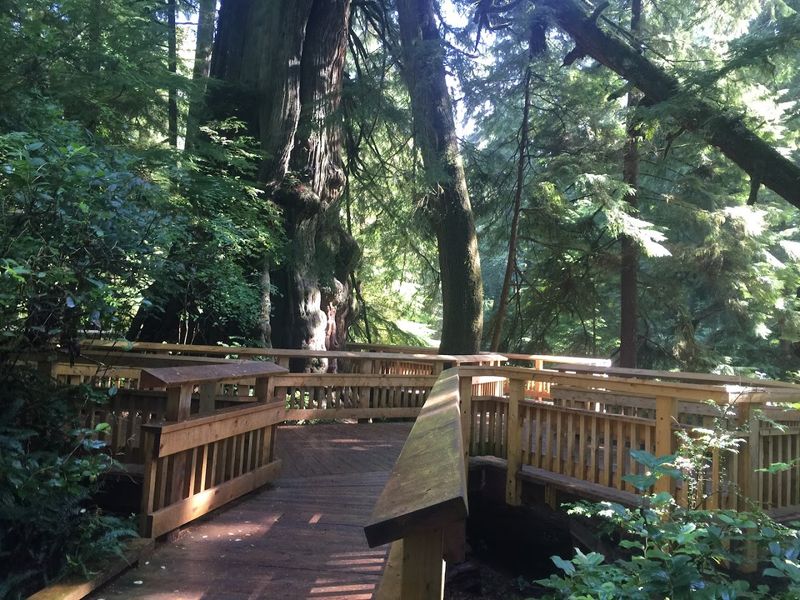
Dogs are welcome on the Rockaway Big Tree Trail, and the boardwalk format actually works well for four-legged visitors. The elevated path keeps paws clean and dry on most visits, which is a meaningful perk for anyone who has dealt with a mud-covered dog in a small car afterward.
The trail is short enough that even older or lower-energy dogs can comfortably complete the loop without struggling. The rest areas along the route give dogs a chance to sit and sniff while their humans take in the scenery, which tends to work well for everyone involved.
A few practical notes worth keeping in mind: leashes are expected on the trail, and the narrow sections can get tight when multiple groups are passing each other. Keeping your dog close to your side in those moments makes the experience smoother for everyone sharing the path.
Water is worth bringing along, since there are no dedicated water stations on the trail. The wetland water below the boardwalk is not a safe drinking source for pets.
A small collapsible bowl and a bottle from the car will keep your dog comfortable for the full length of this short, satisfying walk.
Family Visit Tips: Making It Work With Kids
Families with kids of all ages consistently rate this trail as one of the more successful nature stops along the Oregon coast, and the reasons are easy to understand. The distance is short enough to keep attention spans intact, and the boardwalk surface means no one is tripping over roots or sliding through mud.
The wildlife sightings are a genuine draw for younger visitors. Spotting a garter snake on a log or watching a chipmunk dart across the path gives kids something to talk about long after the walk is over.
The big cedar at the end delivers a satisfying payoff that even skeptical teenagers tend to appreciate.
Strollers work well on the flat sections of the boardwalk, though the incline near the end may require some extra effort. Baby carriers are a reliable option for that final stretch if you want to reach the tree with younger children in tow.
The trail is short enough that it pairs naturally with a beach visit to Rockaway Beach, making it an easy addition to a coastal day trip rather than a major detour. Most families finish the loop and still have plenty of energy left for the rest of the day.
Wet Weather Warnings: What to Know Before You Go
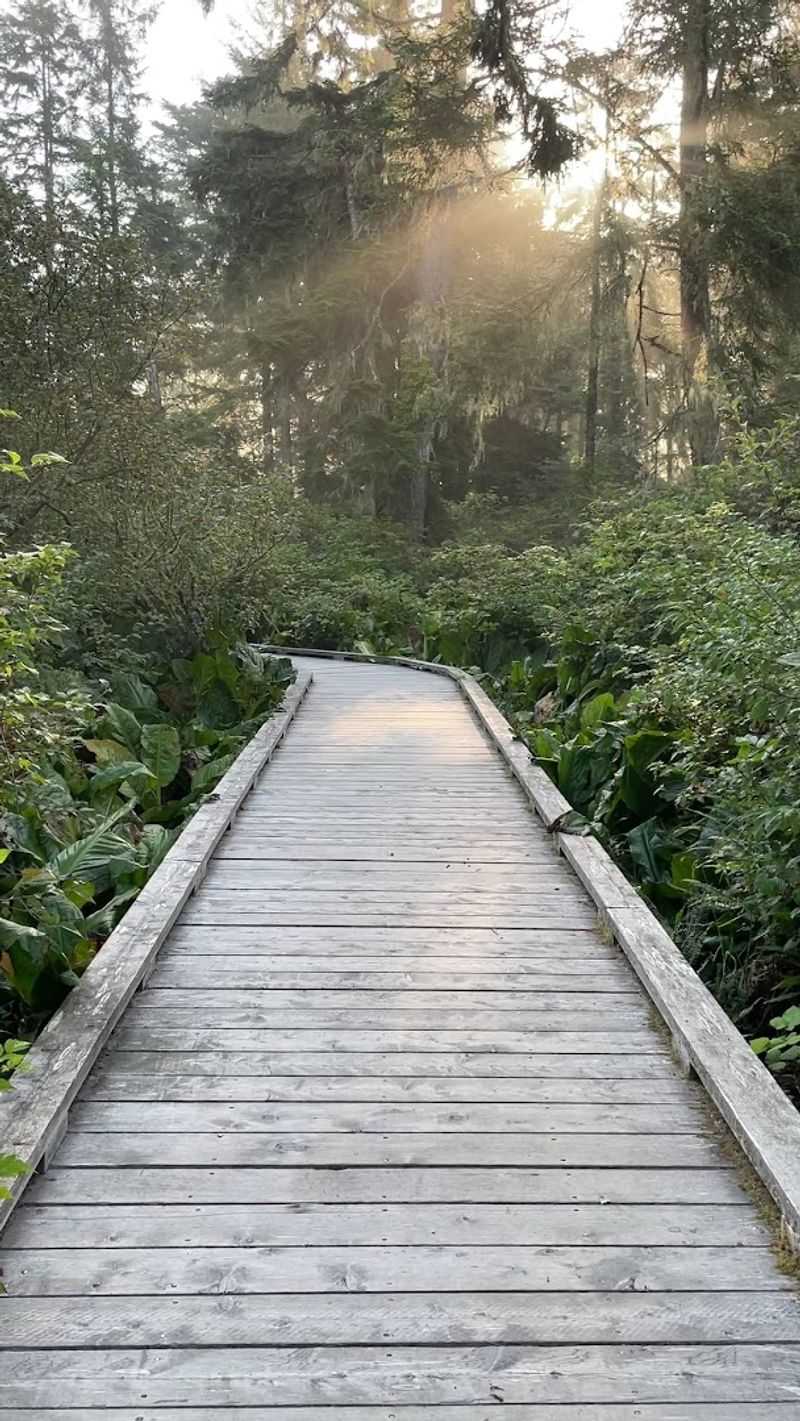
The Oregon coast is famously damp, and the Rockaway Big Tree Trail reflects that reality in one important way: the wooden boardwalk can get genuinely slippery after rain. The tree canopy keeps the planks shaded for most of the day, which means moisture lingers long after a storm has passed.
Shoes with real grip are strongly recommended for wet-day visits. Sandals, smooth-soled sneakers, and dress shoes have all caused problems on this trail, particularly near the incline section close to the big cedar.
A few visitors have taken unexpected tumbles in those spots, so the footwear advice is worth taking seriously.
The lack of handrails along most of the boardwalk is a design choice that works fine in dry conditions but becomes more noticeable when the wood is wet and the incline kicks in. Trekking poles can be a helpful addition for anyone who wants extra stability on those sections.
Dry days are the ideal time to visit, and the trail is genuinely beautiful in clear weather. That said, the forest looks absolutely lush and moody after rain, so if wet conditions are unavoidable, the right footwear makes all the difference between a great experience and a stressful one.
Best Times to Visit: Crowds, Seasons, and Sweet Spots
The trail opens at 7 AM every day, and early morning visits are rewarded with quieter conditions and better wildlife sightings. The bird activity tends to be most intense in the first hour or two after dawn, and the light filtering through the canopy at that time of day has a quality that afternoon visits rarely match.
Summer weekends draw the most visitors, and the parking lot fills up quickly during peak season. Arriving before 9 AM on a Saturday or Sunday is a reliable way to secure a spot without circling the lot.
Weekday visits in summer are noticeably calmer across the board.
Spring is a strong contender for the most visually rewarding season. The skunk cabbage blooms, new ferns unfurl along the edges of the boardwalk, and the whole forest takes on a vivid green intensity that feels almost theatrical.
Fall brings a quieter, more contemplative atmosphere as the crowds thin and the light softens.
Winter visits are entirely possible and can be surprisingly peaceful, but wet-weather footwear becomes even more essential in the colder months. The trail stays open year-round, and the old cedar looks genuinely magnificent on a gray, misty December morning.
Why This Trail Stands Apart on the Oregon Coast
The Oregon coast has no shortage of beautiful trails, but most of them ask something significant from the people who want to experience them. Steep elevation, rough terrain, and long distances are common features of coastal Oregon hiking, which quietly excludes a meaningful portion of the population from accessing those spaces.
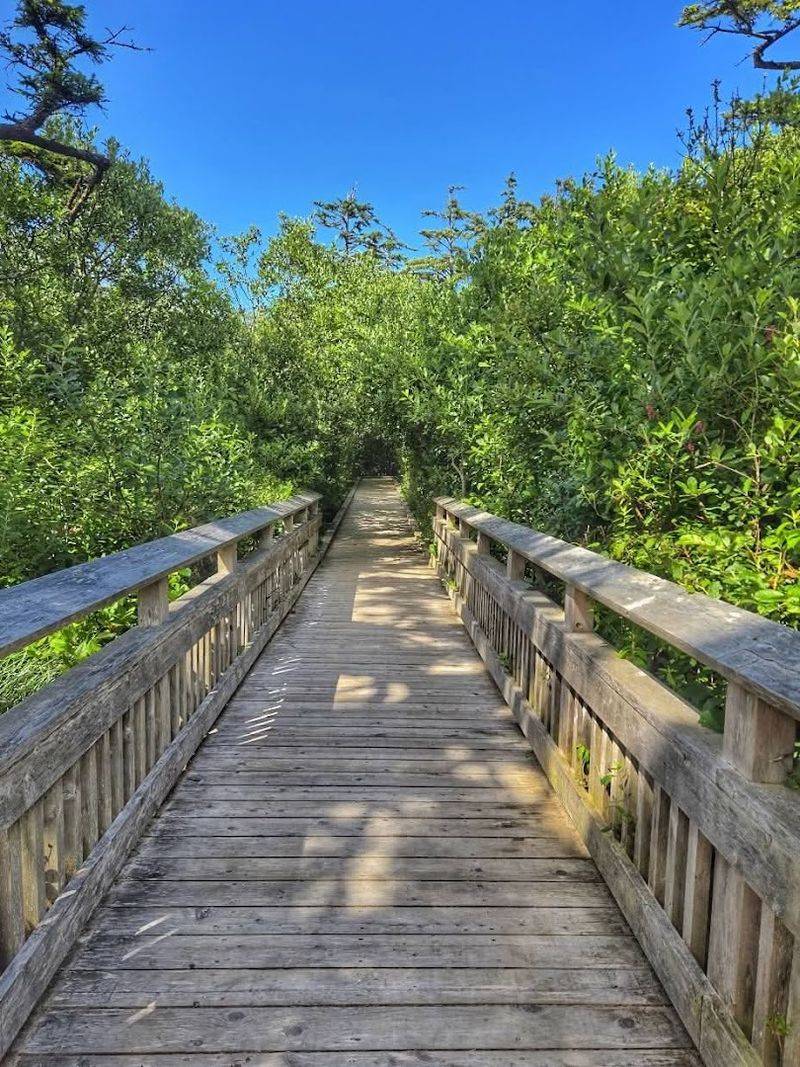
The Rockaway Big Tree Trail takes a different approach. By putting a well-maintained boardwalk through an old-growth forest and keeping the total distance under a mile and a half, it opens up a genuinely extraordinary natural experience to people who might otherwise never get close to a thousand-year-old tree.
The combination of ancient cedar, active wetland wildlife, lush plant life, and accessible infrastructure is rare anywhere in the Pacific Northwest. The fact that it sits just off a major coastal highway, with public restrooms on-site and a trail that can be completed in under an hour, makes it a practical stop rather than a logistical challenge.
Rated 4.8 stars across hundreds of reviews, this trail has clearly connected with a wide range of visitors. The people who leave the most enthusiastic comments are often those who stumbled onto it by accident, which might be the best possible endorsement a hidden coastal forest trail can receive.
Share this story