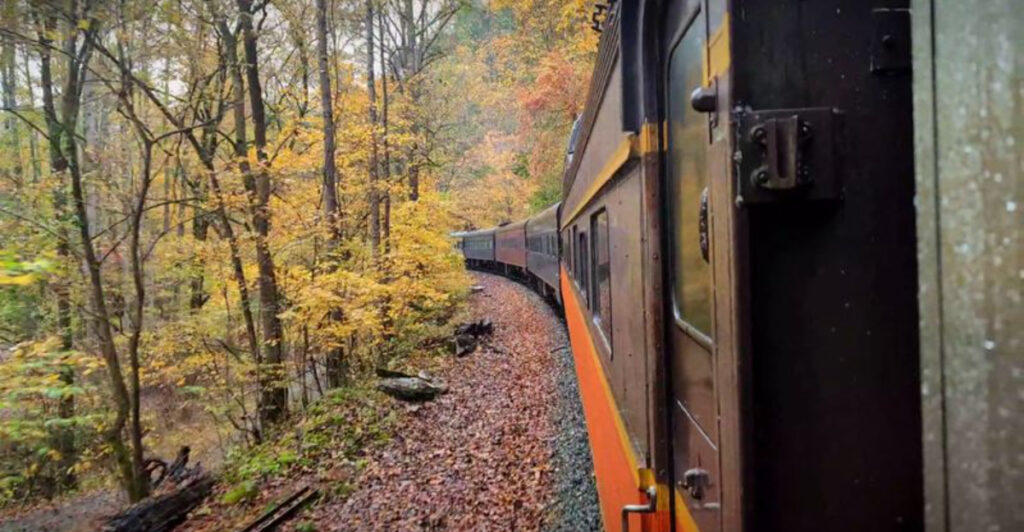
There is a stretch of Tennessee landscape so tucked away that no road, no trail, and no highway can take you there. The only way in is by rail, rolling through mountain gorges and across historic trestles on vintage train cars that have been hauling passengers through Cherokee National Forest for decades.
The Hiwassee River Scenic Railroad, operated by Tennessee Valley Railroad out of Delano, Tennessee, runs two signature routes that cut through terrain most people never get to witness up close. Whether you are a lifelong train enthusiast or just someone looking for an outing that trades traffic jams for river gorges, this ride has a way of turning a regular weekend into something worth talking about for years.
The Two Routes Worth Knowing About
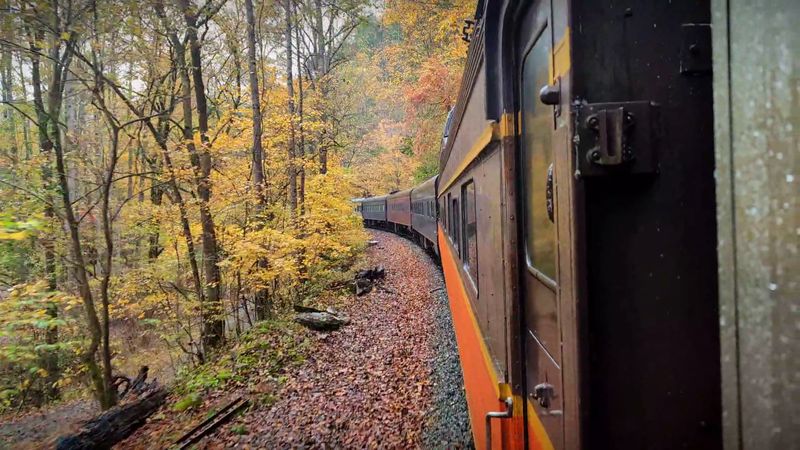
The railroad offers two main excursion options, and choosing between them is one of the first decisions any potential rider has to make. The Hiwassee Loop is the shorter of the two, running approximately four hours round trip and staying within the gorge corridor before looping back to Delano.
The full-day trip extends the journey all the way to Copperhill, Tennessee, and Mc Caysville, Georgia, crossing the state line and giving passengers a proper exploration of the region. That ride clocks in at around eight hours, with a lunch stop in Copperhill that allows time to walk around the twin border towns.
Both routes travel through Cherokee National Forest and along the Hiwassee River, so the core scenery remains consistent. The decision really comes down to how much time is available and how deep a person wants to go into the mountain corridor that makes this railroad genuinely worth the trip.
Why the Hiwassee River Gorge Stops People Mid-Conversation
The gorge section of the route is the centerpiece, and it earns that status without any exaggeration. As the train works its way along the river corridor, the ridgelines rise steeply on both sides, pressing in close enough that the outside world feels completely shut out.
The Hiwassee River runs alongside the tracks for a significant stretch, and the combination of moving water, dense forest, and layered mountain peaks creates a visual sequence that changes constantly as the train rounds each curve. There are no roads that parallel this section of track, which is precisely what makes the railroad the only practical way to witness it.
Passengers who have taken the ride during multiple seasons report that the experience shifts dramatically depending on the time of year. Autumn brings the most dramatic color, but the green canopy of summer and the bare ridge lines of early spring each offer their own compelling version of the gorge.
The Famous Hiwassee Loop Trestle
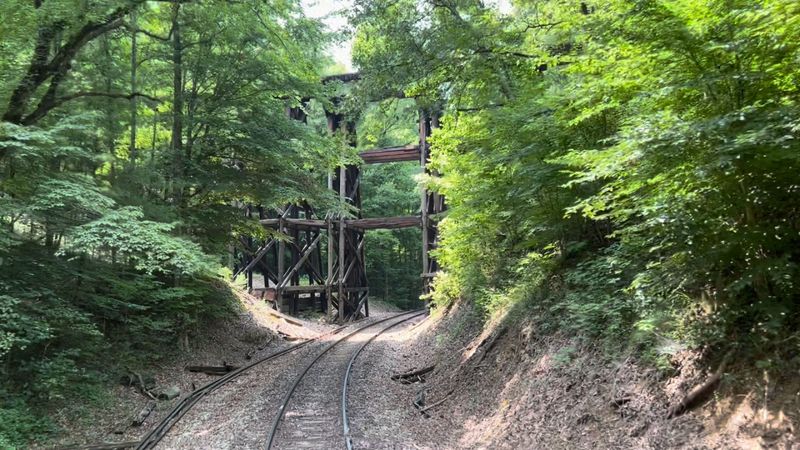
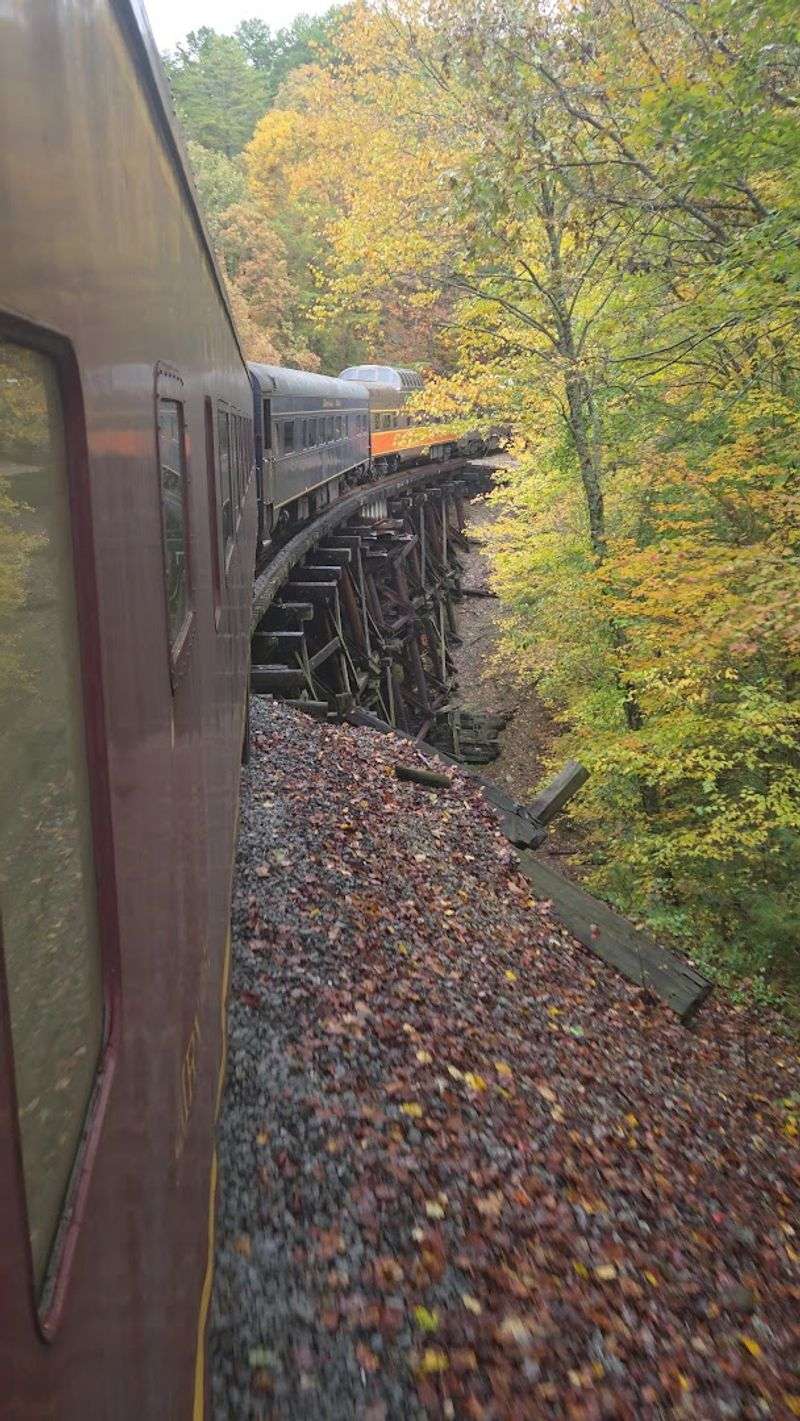
Few moments on the ride generate as much anticipation as the approach to the Hiwassee Loop trestle. This engineering structure is one of the most distinctive features of the route, a curved trestle that carries the train over itself as it gains elevation through the gorge.
The loop design was a solution to a serious geographic problem: the terrain rises sharply, and a standard grade would have been too steep for the trains of the era. By constructing a loop that crosses over its own lower track, the railroad engineers managed to climb the gorge wall without exceeding safe operating limits.
Crossing the trestle gives passengers a clear view down into the valley they just traveled through, a perspective that is difficult to fully prepare for. The construction visible from the train is substantial, and the sheer scale of the structure is something that photographs struggle to capture as effectively as being there in person does.
Vintage Rail Cars and What Makes Them Special
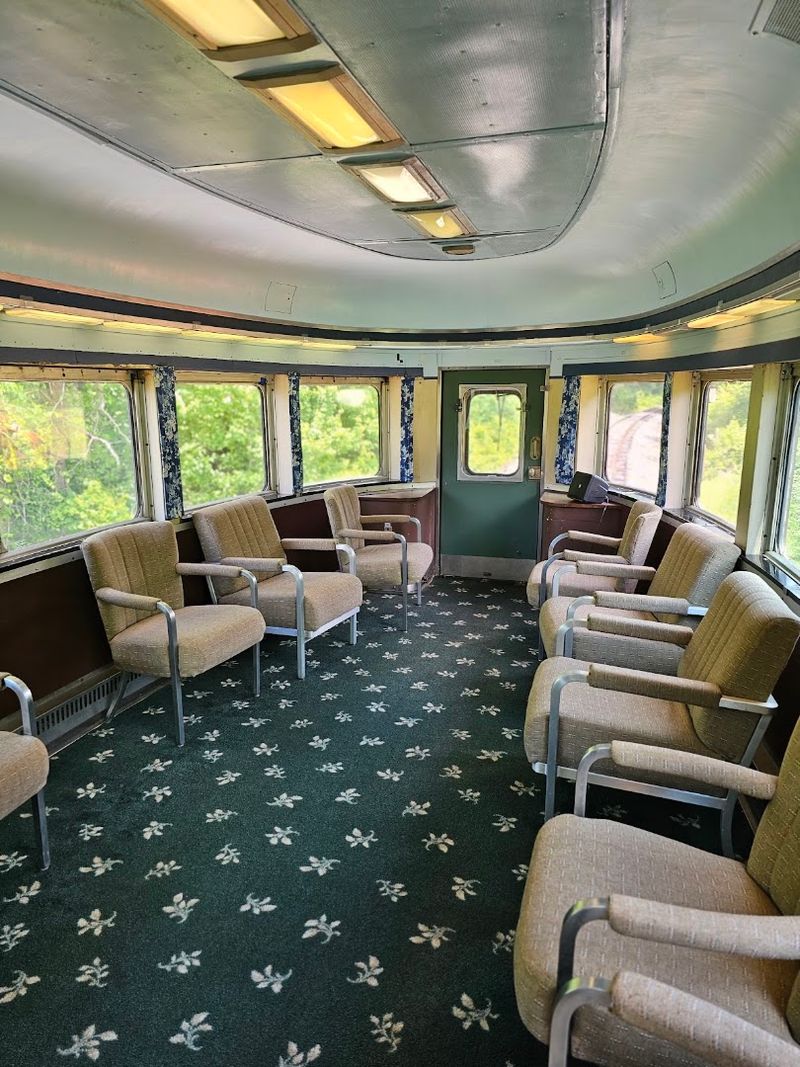
The rolling stock on this railroad is not modern equipment dressed up to look old. These are actual vintage rail cars, some from the Louisville and Nashville Railroad lineage, maintained and operated by a team that takes the preservation side of the mission seriously.
Riding in a genuine L&N car adds a layer of context to the trip that a replica simply cannot replicate. The proportions, the window frames, the ceiling height, and the general construction all reflect a period of railroading when passenger comfort was engineered into the design rather than added as an afterthought.
The cars are well-maintained, and the railroad clearly invests in keeping them operational rather than purely decorative. For anyone who has an interest in railroad history, getting a chance to ride in cars like these while moving through active mountain terrain is a combination that does not come along in many places across the country.
Dome Cars and Observation Seating: The View From the Top
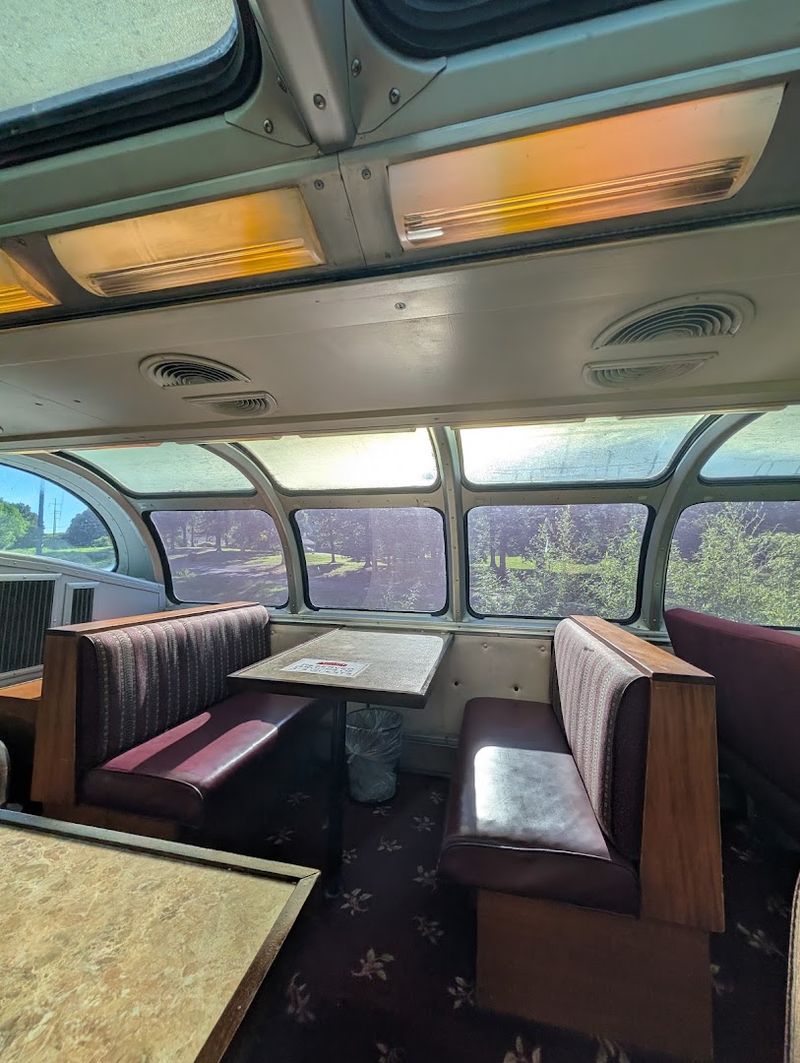
Not all seats on the train offer the same experience, and the dome car is widely considered the best option for taking in the full scope of the scenery. The elevated glass-enclosed seating gives a panoramic view that standard coach seating simply cannot match, especially when the train is moving through the gorge or crossing the trestle.
The observation cars are a step up in both price and experience, and most people who have tried both configurations strongly recommend paying the difference. The crown-class and dome seating options also come with added perks on some trips, including complimentary snack boxes, which is a small but appreciated touch for a long ride.
Booking early is important for dome seating because availability fills up, particularly on fall weekends when leaf season draws larger crowds to the region. Arriving at the depot ahead of departure time allows passengers to get properly settled before the train begins moving out of Delano.
The Narration That Actually Makes the Ride Better
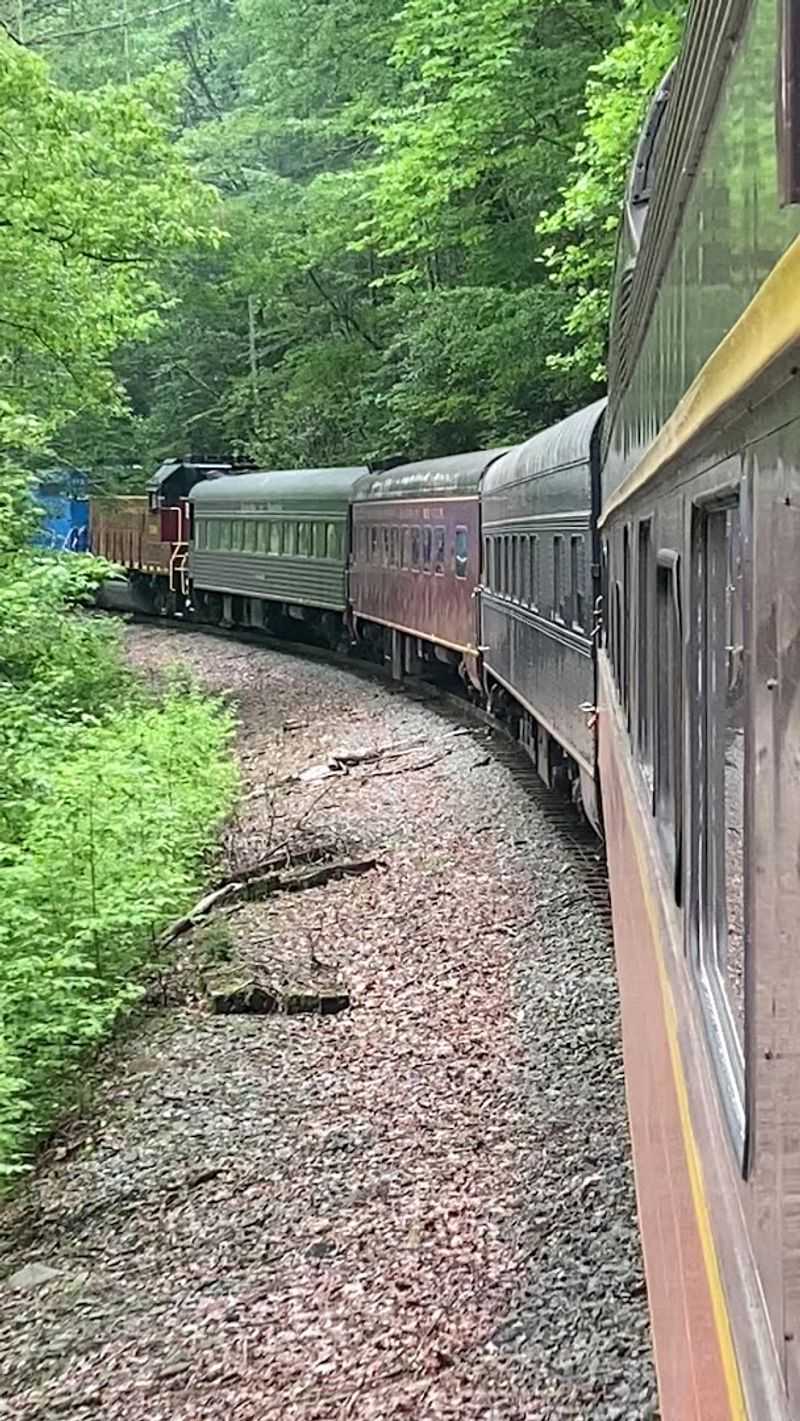
A scenic train ride without any context can still be enjoyable, but the narration on this railroad adds something that elevates the whole experience. Conductors and on-board staff provide commentary throughout the journey, covering the history of the railroad, the geology of the gorge, the ecology of Cherokee National Forest, and the stories behind the trestle and other landmarks along the route.
The narration is delivered in a way that manages to be genuinely informative without feeling like a lecture. There is humor woven in, and the conductors tend to read the car well, adjusting the tone depending on the mix of passengers on board.
On some trips, live banjo music has been part of the experience, adding a distinctly Appalachian touch to the journey through the mountains. The combination of educational content and entertainment keeps the hours from feeling long, which matters quite a bit on the full-day route to Copperhill.
Cherokee National Forest: The Backdrop That Never Gets Old
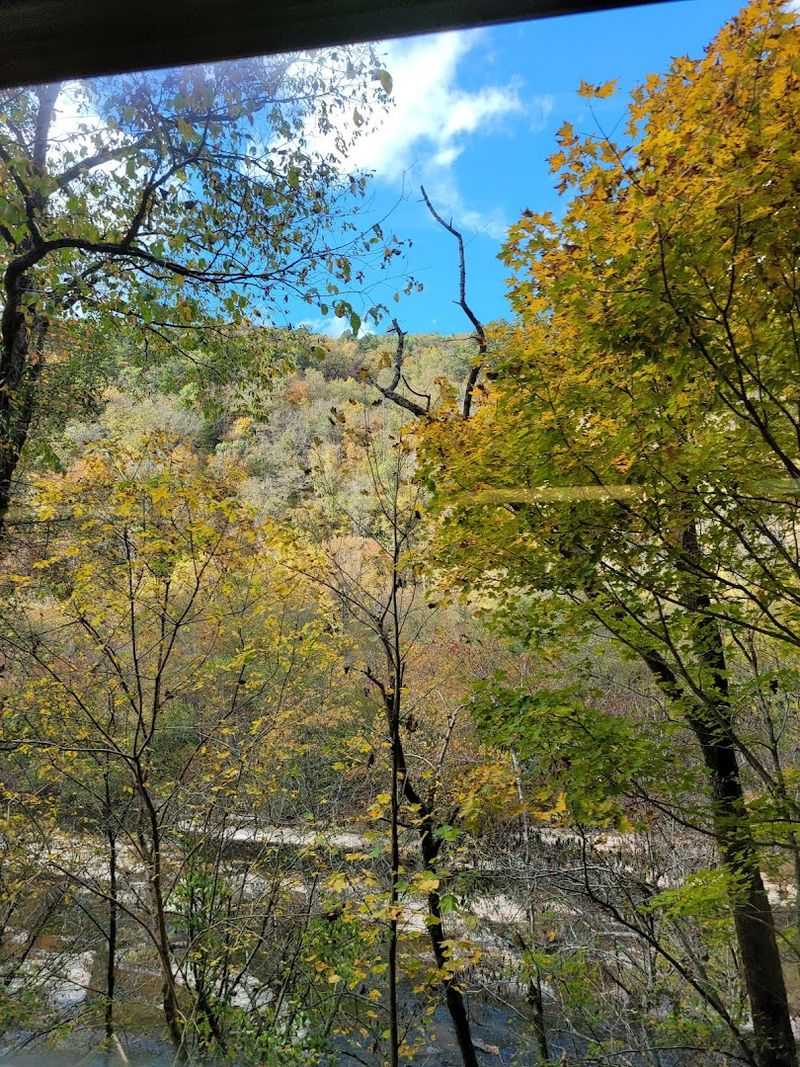
The entire route runs through or alongside Cherokee National Forest, one of the largest national forests in the eastern United States. The forest covers over 640,000 acres across the eastern edge of Tennessee, and the rail corridor passes through some of its least-accessed interior sections.
Because no public roads run through this particular stretch, the forest along the tracks remains largely undisturbed. The tree canopy is dense in warmer months, and the wildlife that moves through the area is occasionally visible from the train, though the ride is not marketed as a wildlife tour.
The seasonal variation within the forest is one of the reasons repeat riders cite for coming back more than once. Spring brings fresh growth and wildflowers along the banks, summer fills the canopy out completely, and autumn transforms the ridgelines into a rotating display of orange, yellow, and red that peaks somewhere in mid to late October depending on elevation.
The Copperhill Stop: A Town Worth the Extra Hours
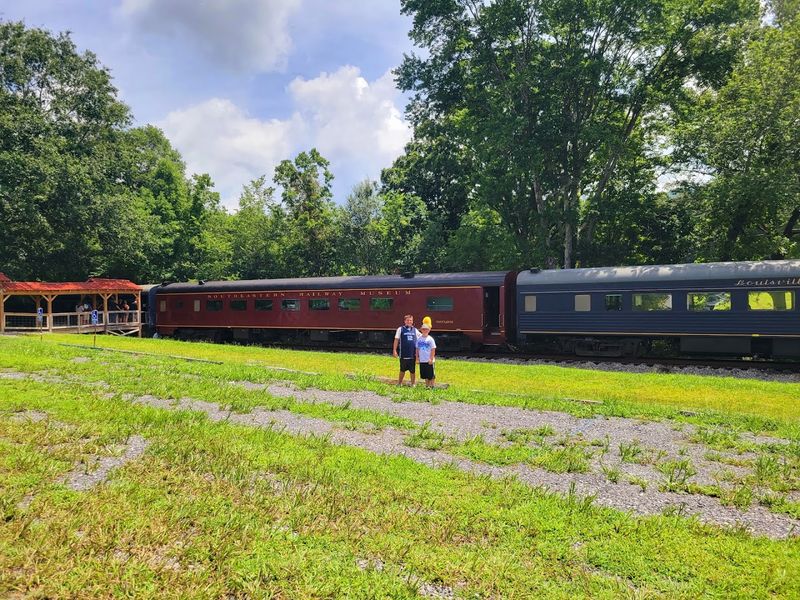
The full-day trip to Copperhill adds a dimension to the experience that the shorter loop does not include. Copperhill sits on the Tennessee-Georgia state line, sharing a downtown area with Mc Caysville, Georgia, in an arrangement where crossing the street technically means crossing a state border.
The lunch stop gives passengers enough time to walk around, find a meal, and browse the shops that line the small downtown corridor. The area has a handful of restaurants and local businesses that cater to the train crowd on operating days, so finding a place to eat is generally straightforward without requiring advance planning.
The copper mining history of the region gives the surrounding landscape a distinctive character, with terrain that was heavily altered by decades of industrial activity before reforestation efforts began reshaping the area. The town itself is compact and easy to navigate on foot during the layover window the railroad provides.
Best Time of Year to Book a Seat
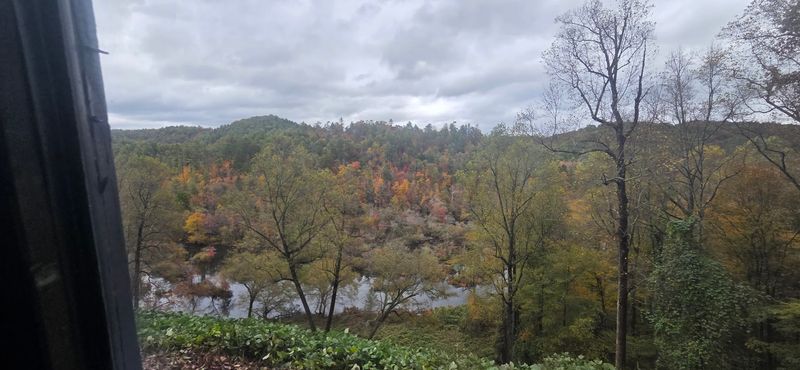
Timing a visit to the Hiwassee River Scenic Railroad makes a noticeable difference in what the trip delivers. The fall season, roughly mid-October through early November, is peak period for a reason: the hardwood forests along the gorge turn in a way that makes the ride feel like moving through a continuously changing landscape painting.
Summer offers a different kind of appeal, with the full canopy providing shade and the river running clear through the gorge. Spring is quieter in terms of crowds and offers the reward of early wildflowers and the gradual return of green to the ridgelines after winter.
Winter trips are not offered on this route, which makes the operating season from spring through late fall the window to work with. Booking well in advance for fall weekends is strongly recommended, as dome and observation seats sell out early and standard coach availability also tightens considerably as October approaches.
Practical Tips Before You Board
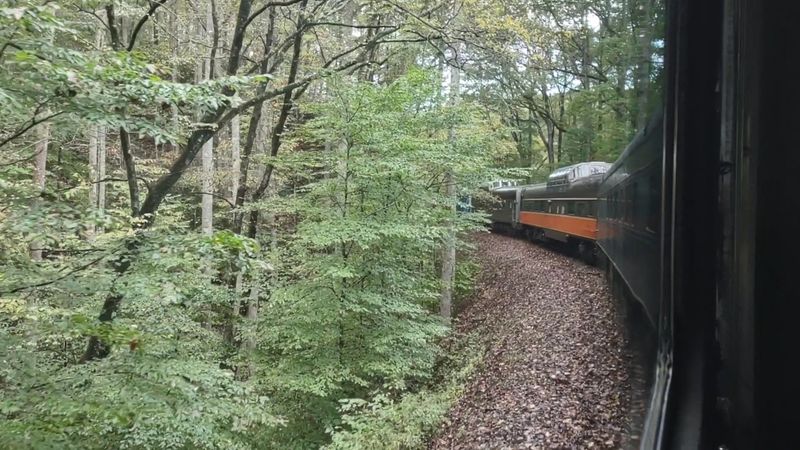
A few practical details can make the difference between a smooth trip and an avoidable frustration. Arriving at least 30 minutes before departure is recommended by the railroad itself, and getting there even earlier during peak season is a smart move that allows time to check in, find the right car, and get settled without rushing.
The train operates Thursday through Sunday during the active season, with Monday through Wednesday reserved as closed days. Checking the website at tvrail.com before booking is worthwhile because schedules and specific trip offerings can vary by week and season.
Comfortable, layered clothing is practical for the ride, as temperatures inside the cars can shift depending on weather conditions and whether climate systems are running at full capacity. Bringing a light jacket even in warmer months covers the possibility of a cooler gorge section.
Cash is useful for the tip jar at the end, as the on-board staff contribute meaningfully to the overall quality of the trip.
Why This Railroad Keeps Bringing People Back
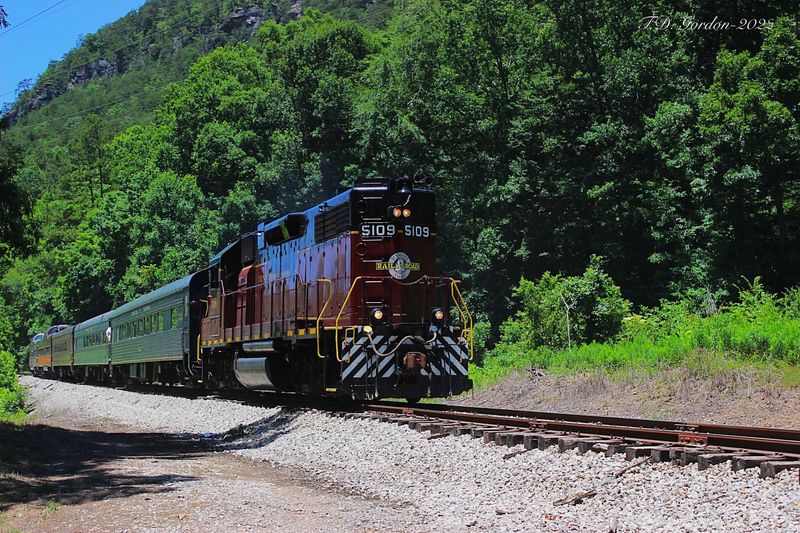
Repeat riders are a consistent feature of the Hiwassee River Scenic Railroad’s passenger base, and the reasons are not hard to understand. The combination of terrain that cannot be accessed any other way, historically significant rolling stock, and a crew that genuinely engages with passengers creates an experience that holds up across multiple visits.
The route itself changes character depending on the season, which gives returning passengers a legitimate reason to book again rather than simply chasing nostalgia. Each trip through the gorge offers something slightly different, whether that is the color of the canopy, the level of the river, or the particular crew working that day.
The railroad also operates as a preservation effort, keeping vintage equipment running and maintaining a stretch of track through terrain that commercial rail long ago abandoned. Supporting that kind of operation while getting one of the more unusual train rides available in the eastern United States is a combination that tends to stick with people long after the trip ends.
Where the Journey Begins: The Delano Depot
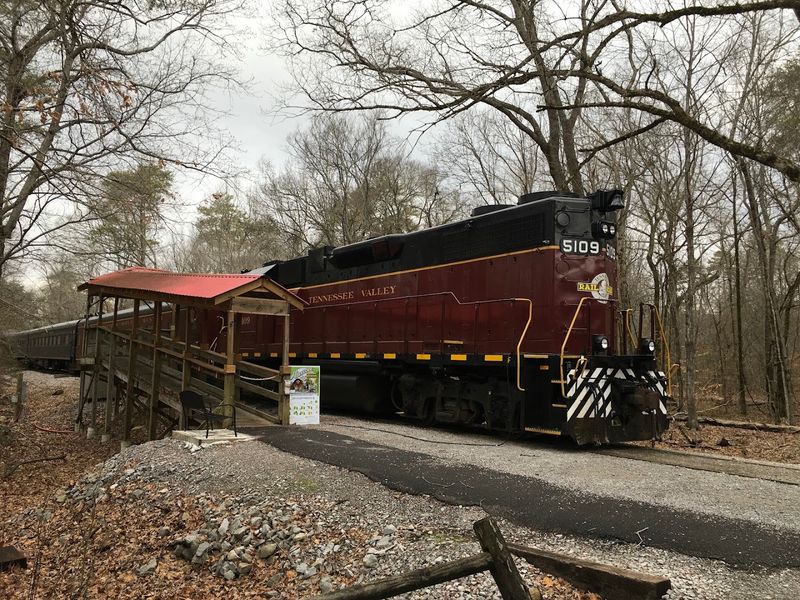
Not every great adventure starts with a grand entrance, but the Delano depot does a fine job of setting the tone. The Tennessee Valley Railroad Hiwassee River Scenic Railroad is located at 9406 US-411, Delano, TN 37325, tucked into a quiet corner of Polk County in southeastern Tennessee.
The boarding area is straightforward and well-organized, with staff on hand to help passengers find their cars and get settled before departure. The depot itself carries a working, no-frills charm that feels appropriate for a railroad operation rooted in history rather than theme-park polish.
Operating hours run Thursday through Saturday from 9 AM to 5 PM, with Sunday hours starting at 12:30 PM. The railroad is closed Monday through Wednesday.
Arriving early is strongly encouraged, as check-in can take time and getting settled before the train moves makes the whole experience more enjoyable from the start.
Share this story