Who says a great vacation has to involve sand between your toes? From the red rocks of Arizona to the jazz-soaked streets of Louisiana, the United States is packed with incredible inland cities that deliver unforgettable experiences.
Whether you love food, history, music, outdoor adventure, or all of the above, these destinations prove that skipping the beach might just be the best travel decision you ever make.
Santa Fe, New Mexico
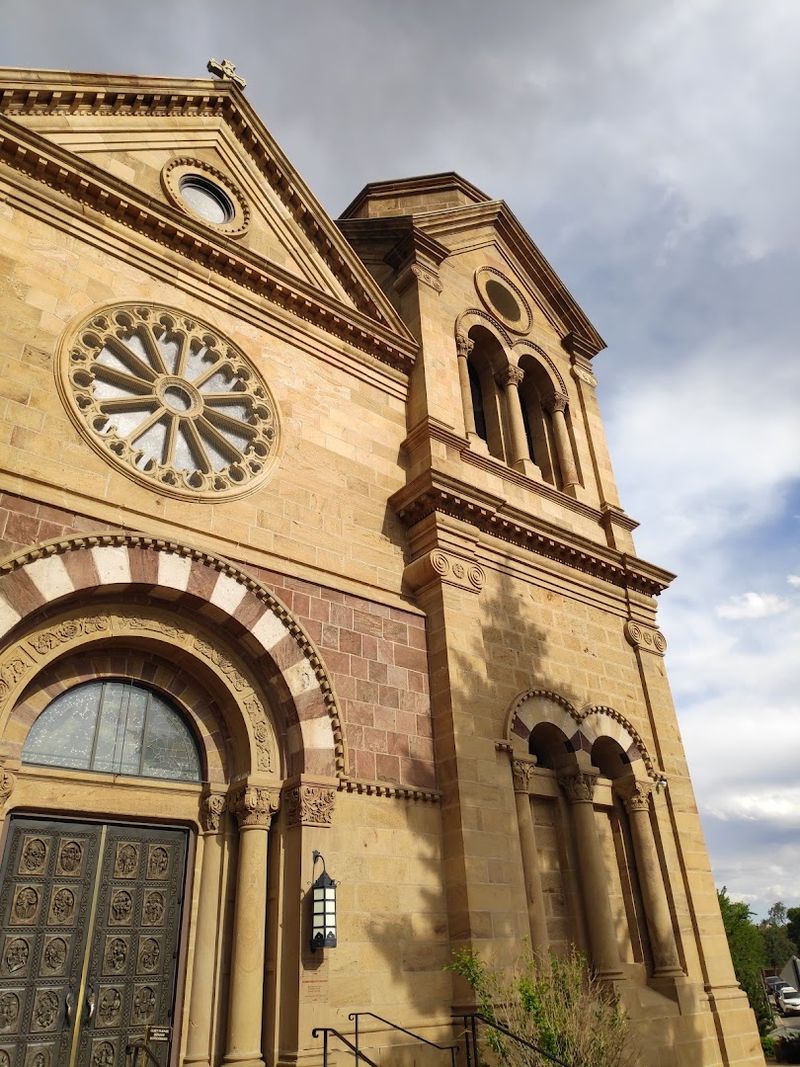
Walk down any street in Santa Fe and you will instantly feel like you have stepped into a living painting. The city’s iconic adobe buildings glow warm amber in the afternoon sun, and nearly every corner reveals a gallery, a courtyard, or a hand-painted doorway worth photographing.
With more than 250 art galleries, Santa Fe has one of the highest concentrations of art per capita in the entire country.
Food here is genuinely exciting. Hatch green chile shows up in everything from breakfast burritos to gourmet tasting menus, and the local restaurant scene punches well above its weight for a city of just 85,000 people.
The historic Santa Fe Plaza sits at the heart of it all, surrounded by museums, shops, and vendors selling authentic Native American jewelry.
Outdoor lovers can hike into the Sangre de Cristo Mountains just minutes from downtown. The Santa Fe National Forest offers trails for all skill levels, from casual walkers to serious backpackers.
Evenings cool down quickly at 7,000 feet of elevation, making a sunset stroll through the city feel refreshing and almost magical year-round.
Denver, Colorado
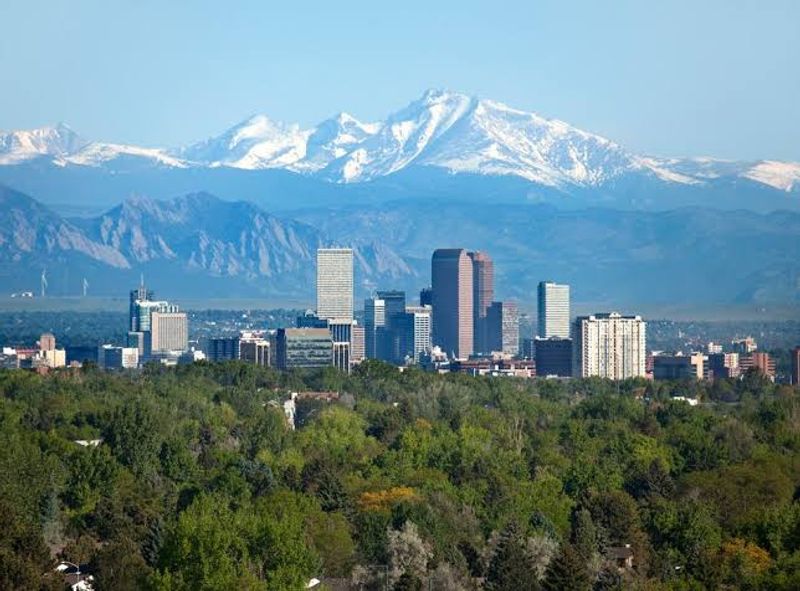
Standing in downtown Denver on a clear morning, you can see the snow-capped Rockies looming on the horizon like a giant postcard. That view alone sets the mood for what this city is all about: big energy, big scenery, and a whole lot to do.
Denver sits at exactly one mile above sea level, which is a fun fact that locals never get tired of mentioning.
The city’s neighborhoods each carry their own personality. RiNo, short for River North, is splashed with murals and packed with craft breweries, coffee roasters, and creative food concepts.
The Denver Art Museum anchors the cultural district with a striking building designed by architect Daniel Libeskind, and its collection spans everything from Indigenous art to modern installations.
Day trips from Denver are almost unfairly good. Red Rocks Amphitheatre offers one of the world’s most breathtaking concert settings, carved right into naturally formed sandstone formations.
Rocky Mountain National Park is roughly 90 minutes away, offering elk sightings, alpine lakes, and trails that feel genuinely wild. Denver works as both a relaxed city break and a launching pad for mountain adventures.
Nashville, Tennessee
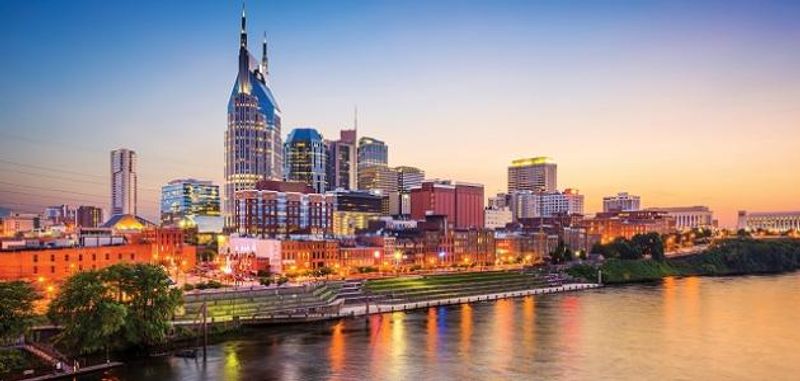
Neon lights, live guitar riffs spilling onto the sidewalk, and the smell of hot chicken drifting through the air, that is Broadway on a Tuesday night in Nashville. This city never really slows down, and the entertainment options stretch far beyond the famous honky-tonk strip.
Songwriter showcases in intimate venues offer some of the most authentic musical experiences you will find anywhere in America.
Nashville’s food scene has genuinely exploded over the past decade. Celebrated chefs have set up shop alongside beloved meat-and-three diners, creating a dining landscape that satisfies everyone from adventurous eaters to comfort food loyalists.
Prince’s Hot Chicken Shack, the originator of the city’s signature dish, remains a rite of passage for first-time visitors.
History and culture run deep here too. The Country Music Hall of Fame and Museum is one of the largest museums dedicated to a single musical genre anywhere in the world.
The Parthenon, a full-scale replica of the Greek original, sits inside Centennial Park and never fails to catch visitors off guard. Nashville rewards those who explore beyond Broadway with charming neighborhoods, independent boutiques, and a creative energy that feels genuinely contagious.
Austin, Texas
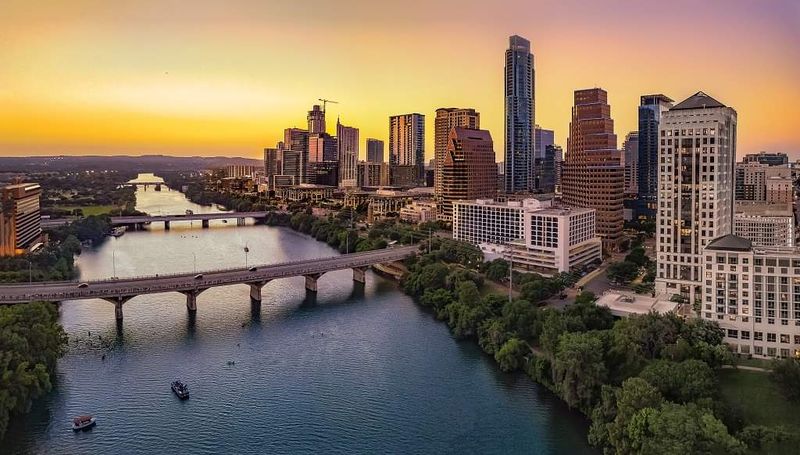
Austin has a saying printed on bumper stickers, T-shirts, and coffee mugs across the city: Keep Austin Weird. It sounds like a joke, but it is actually a pretty accurate travel guide.
This city celebrates the unconventional, from its food truck parks serving creative global cuisine to its beloved outdoor swimming holes fed by natural springs.
Barton Springs Pool, a three-acre natural swimming pool in the middle of Zilker Park, is one of Austin’s most beloved spots. Lady Bird Lake offers kayaking, paddleboarding, and a scenic running trail that wraps around the water.
When the sun goes down, the music begins, and Austin’s live music scene delivers everything from blues and country to electronic and experimental sounds across hundreds of venues.
The barbecue culture here is its own religion. Legendary spots like Franklin Barbecue have earned national acclaim, and the city’s pitmaster community continues to push the craft in exciting new directions.
South Congress Avenue is the go-to neighborhood for boutique shopping, vintage finds, and some of the most photographed murals in the country. Austin rewards both the spontaneous road-tripper and the carefully planned itinerary builder with equal enthusiasm.
Asheville, North Carolina
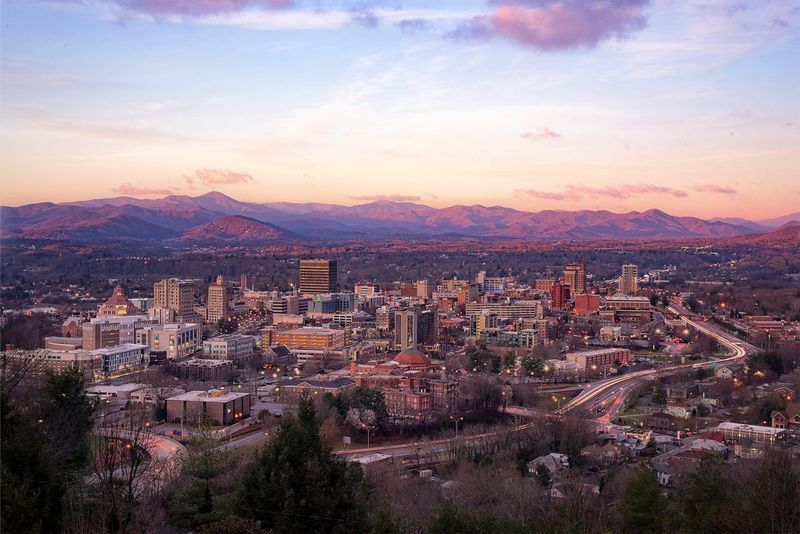
Tucked into a bowl of Blue Ridge Mountain peaks, Asheville somehow manages to be artsy, outdoorsy, and delicious all at once. The city has earned a reputation as one of America’s best small food destinations, with a restaurant scene driven by local farms, creative chefs, and a genuine passion for craft beverages.
Asheville reportedly has more breweries per capita than almost any other American city.
The Biltmore Estate is the headline attraction, and it earns every bit of that status. George Vanderbilt’s 8,000-acre property includes a 250-room chateau, formal gardens designed by Frederick Law Olmsted, a winery, and enough history to fill an entire day.
Outside the estate, the River Arts District has transformed former industrial buildings into working studios where visitors can watch artists create in real time.
Nature is never far away. The Blue Ridge Parkway, one of America’s most celebrated scenic drives, runs right through the area and offers overlooks that stop you cold with their beauty.
Hiking trails range from easy ridgeline walks to more demanding backcountry routes in the nearby Pisgah National Forest. Asheville is the kind of place where visitors consistently stay longer than originally planned.
Sedona, Arizona
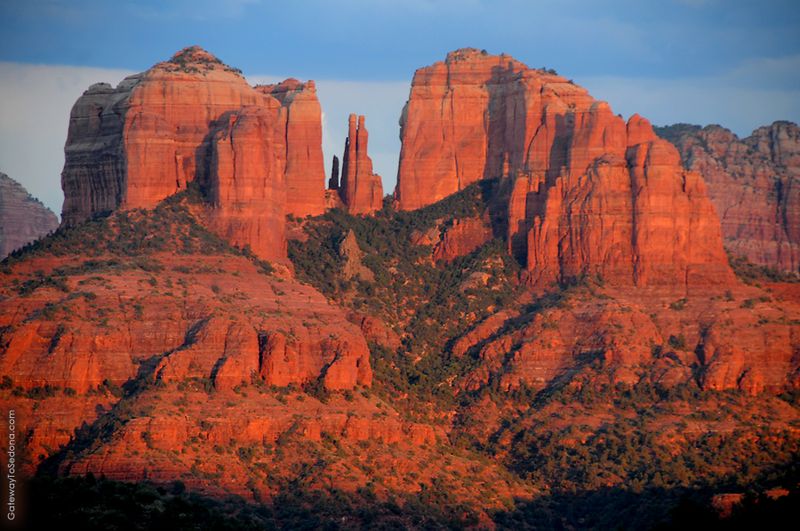
The first time you see Sedona’s red rock formations rising from the desert floor, it feels almost unreal, like someone turned the landscape’s color saturation up to maximum. Cathedral Rock, Bell Rock, and Courthouse Butte are among the most photographed natural landmarks in the American Southwest, and they look even more spectacular in person.
Sunrise and sunset here are genuinely jaw-dropping events.
Sedona draws hikers, mountain bikers, and wellness seekers in equal numbers. The trail network around the city ranges from flat, scenic paths suitable for families to challenging technical routes for experienced hikers.
Vortex sites, believed by many visitors to emit powerful spiritual energy, attract those looking for a more reflective travel experience alongside the physical outdoor adventures.
The town itself is smaller than you might expect, with a walkable uptown area full of galleries, crystal shops, and restaurants serving Southwestern cuisine with creative flair. Pink Jeep Tours have been taking visitors off-road through the red rock terrain since 1960, offering a thrilling way to cover ground that would take days on foot.
Sedona is one of those rare places that delivers more than its photographs promise, and that is saying something.
San Antonio, Texas
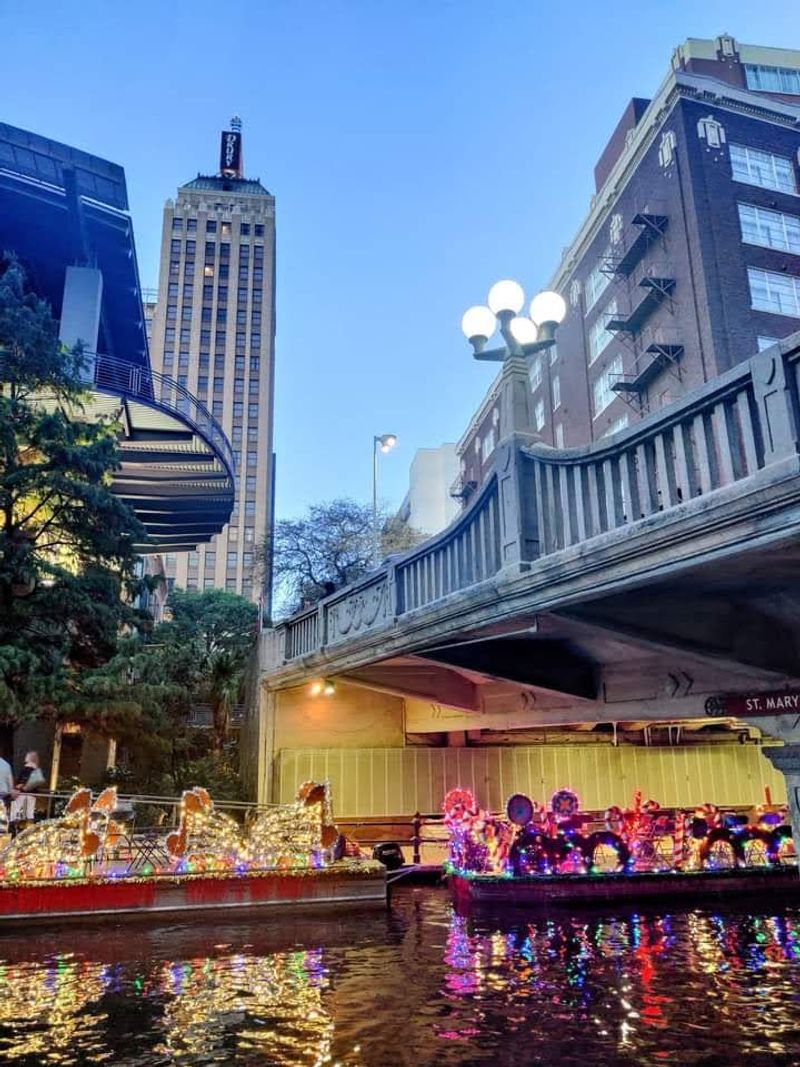
San Antonio pulls off something remarkable: it gives you the feeling of a waterfront city without a single wave in sight. The famous River Walk winds 15 miles through the heart of the city, lined with restaurants, bars, hotels, and flowering trees that dip toward the water.
On a warm evening, grabbing a table beside the river with a margarita in hand is about as pleasant as city life gets.
History is everywhere here. The Alamo, one of the most recognized landmarks in American history, sits right in the downtown core and draws millions of visitors each year.
Less famous but equally impressive are the four other Spanish colonial missions that stretch south of downtown, forming a UNESCO World Heritage Site that most tourists overlook entirely.
San Antonio’s food culture reflects its deep Tex-Mex heritage with pride and skill. The Pearl District has become a culinary hotspot, with a weekend farmers market, acclaimed restaurants, and converted brewery spaces that attract food lovers from across the state.
The city’s Mexican-American community has shaped its art, music, and architecture in ways that make every neighborhood feel rich with cultural story. San Antonio rewards curious travelers who explore beyond the obvious landmarks.
Kansas City, Missouri
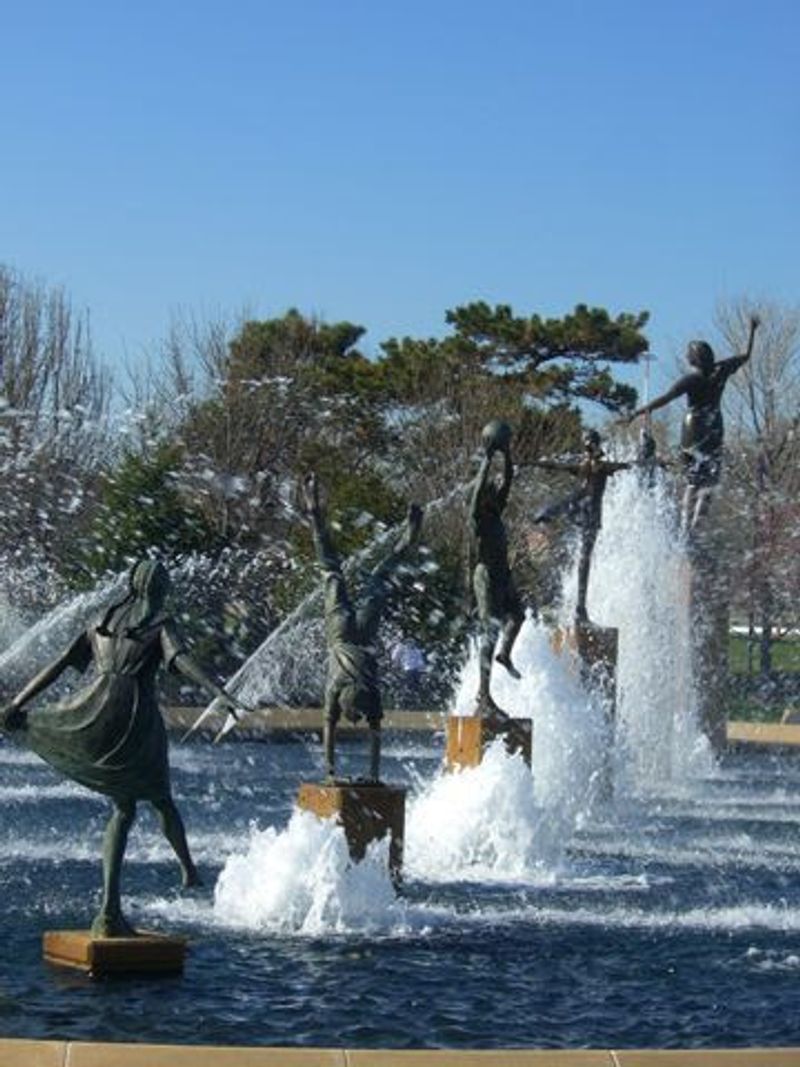
Kansas City has more fountains than any city in the world except Rome. That is not a travel brochure exaggeration.
The city has earned the nickname City of Fountains, and more than 200 of them are scattered throughout parks, plazas, and neighborhoods across town. It is a surprisingly elegant detail for a city best known internationally for smoked meats.
And yes, the barbecue is extraordinary. Kansas City-style barbecue features slow-smoked meats slathered in thick, sweet, tomato-based sauce, and the debate over which local spot does it best is a conversation that never truly ends.
Joe’s Kansas City Bar-B-Que, consistently ranked among the top barbecue restaurants in the country, started as a gas station and has never needed to change its approach.
Beyond the food, Kansas City delivers serious cultural credentials. The Nelson-Atkins Museum of Art houses an outstanding collection spanning 5,000 years of human creativity, and admission is free.
The National WWI Museum and Memorial is considered one of the finest of its kind in the world. The 18th and Vine Jazz District honors the city’s deep musical heritage with live performances and the American Jazz Museum.
Kansas City keeps surprising first-time visitors in the best possible way.
Minneapolis, Minnesota
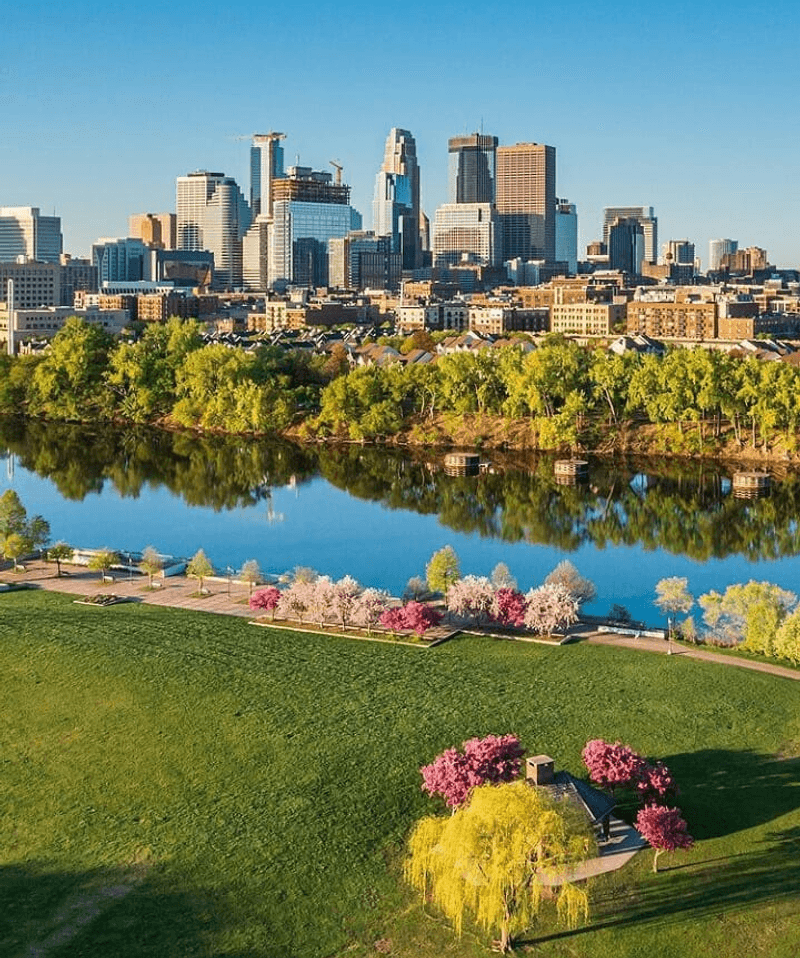
Minneapolis is the city that makes everyone who visits in summer immediately wonder why they do not live there. The Chain of Lakes, a series of connected urban lakes ringed by parkways and beaches, gives the city a resort-town feel right in the middle of a major metropolitan area.
On a July weekend, the lakeside paths are packed with cyclists, inline skaters, runners, and picnickers soaking up every minute of the warm season.
The arts scene here punches well above its weight. The Minneapolis Institute of Art, known locally as Mia, houses more than 90,000 works spanning 5,000 years and is completely free to visit.
The Walker Art Center is one of the leading contemporary art museums in the country, and its adjacent sculpture garden is home to the iconic Spoonbridge and Cherry sculpture that has become a symbol of the city.
Minneapolis also has a legendary theater scene, with more theater seats per capita than any American city outside New York. The food culture reflects the city’s diverse population, with outstanding Somali, Hmong, and Scandinavian-influenced restaurants alongside celebrated chef-driven spots.
The skyway system, an enclosed network of second-floor walkways connecting 80 city blocks, means winter exploration stays surprisingly comfortable.
Louisville, Kentucky
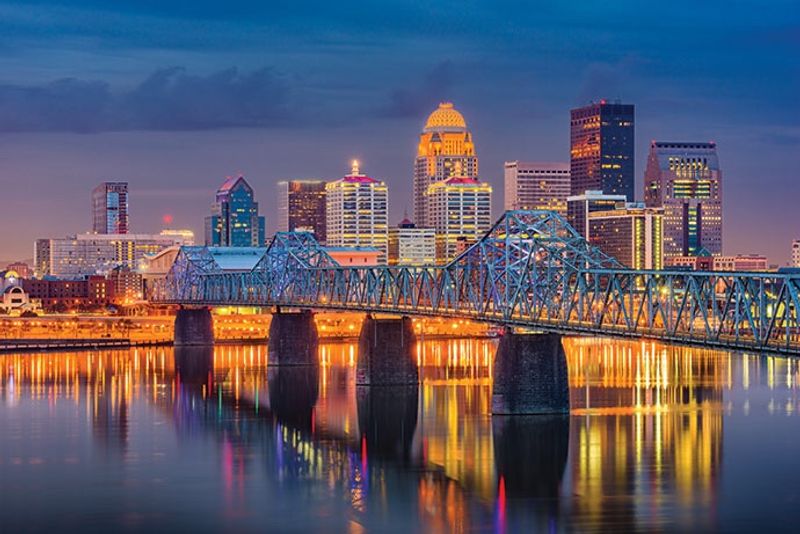
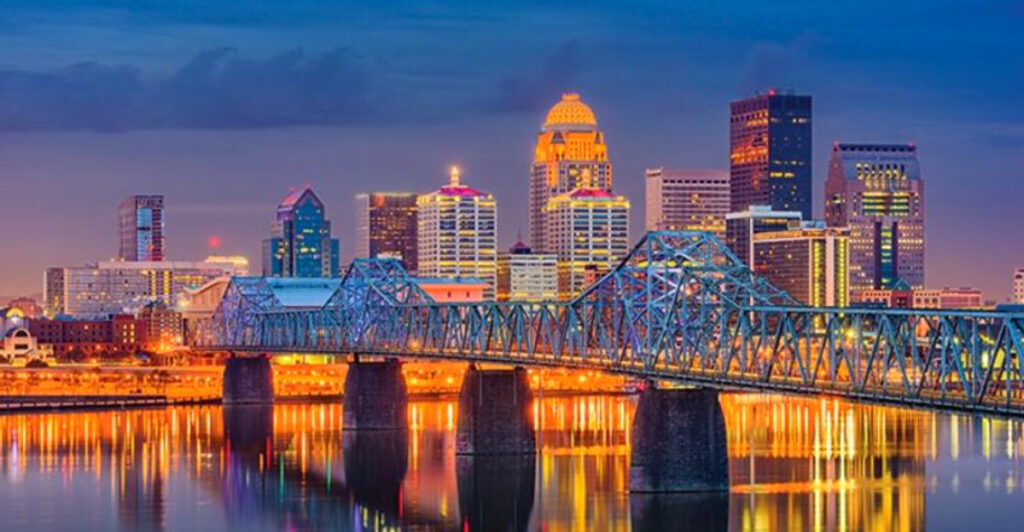
Louisville is the kind of city that sneaks up on you. You arrive expecting bourbon and horse racing, which are both genuinely excellent here, and then you discover a walkable downtown full of independent restaurants, a museum district that could fill two full days, and one of the most beautiful Victorian neighborhoods in the entire country.
Old Louisville, with its ornate architecture and shaded streets, feels like a different century entirely.
The bourbon trail starts here in earnest. Multiple distilleries operate right within the city limits, offering tours and tastings that explain why Kentucky produces 95 percent of the world’s bourbon supply.
The Evan Williams Bourbon Experience and Rabbit Hole Distillery are both downtown, making it easy to build a walking tour around the city’s most celebrated product.
Museum Row on West Main Street packs an impressive concentration of cultural institutions into a walkable stretch. The Muhammad Ali Center is a moving tribute to Louisville’s most famous son, combining sports history with a powerful message about activism and identity.
The Louisville Slugger Museum and Factory lets visitors watch baseball bats being made from start to finish. Louisville delivers a relaxed, unpretentious travel experience that feels genuinely local at every turn.
Memphis, Tennessee
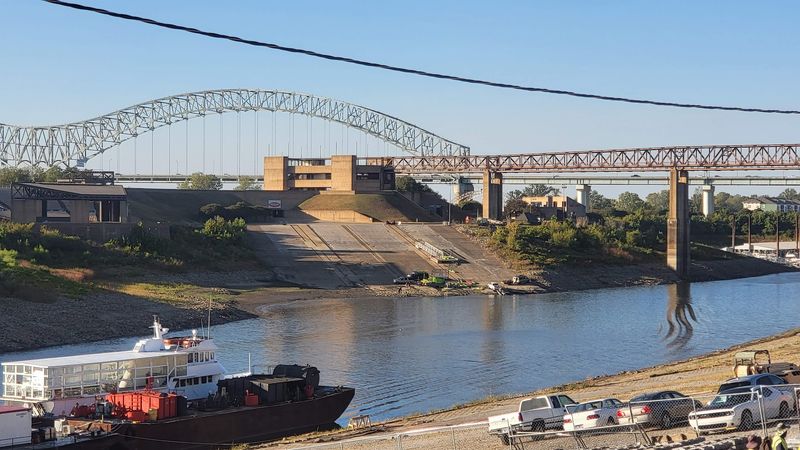
You can feel Memphis before you fully understand it. The blues drifts out of doorways on Beale Street, the smell of slow-smoked pork ribs hangs in the air, and the Mississippi River moves silently at the edge of the city like it has been keeping secrets for centuries.
Memphis shaped American music in ways that cannot be overstated, and visiting its legendary sites feels like touching the roots of something enormous.
Sun Studio, where Elvis Presley, Johnny Cash, Jerry Lee Lewis, and B.B. King all recorded, is one of the most historically significant small buildings in American music history.
Tours run continuously and deliver genuine chills. Graceland, Elvis’s former home and now a sprawling museum complex, remains one of the most visited private homes in the United States, drawing fans from every corner of the world.
The National Civil Rights Museum, built around the Lorraine Motel where Dr. Martin Luther King Jr. was assassinated in 1968, is one of the most important and emotionally powerful museums in the country. Memphis-style barbecue, defined by slow-smoked ribs and pulled pork with a tangy tomato sauce, is another essential experience.
Memphis is a city that asks something of its visitors and gives back even more in return.
Boise, Idaho
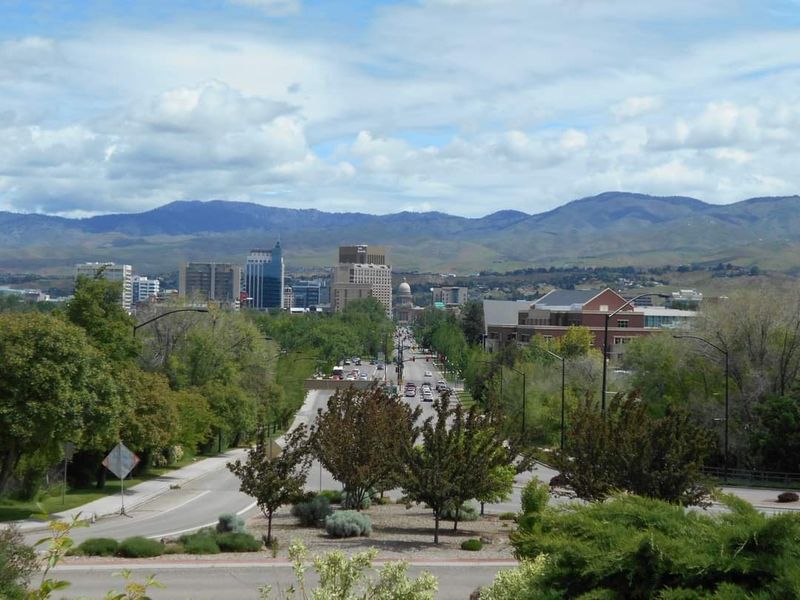
Boise is the best kind of travel secret: genuinely excellent but not yet overwhelmed by crowds. The downtown is compact, walkable, and filled with independent restaurants, local breweries, and a farmers market that runs every Saturday from April through December.
The Basque Block is one of the most unexpected cultural pockets in the American West, reflecting Boise’s large Basque community through restaurants, a cultural center, and a handball court.
The Boise River Greenbelt is a 25-mile paved path that winds through the city alongside the river, connecting parks, nature areas, and neighborhoods in a way that makes cycling or walking feel like a genuine adventure rather than exercise. In summer, floating the river on an inner tube is a beloved local tradition that visitors are warmly encouraged to join.
Just above the city, the Boise Foothills offer more than 190 miles of hiking and mountain biking trails with views back over the city and the broader Treasure Valley. The Idaho State Museum delivers a thorough and engaging introduction to the state’s history, and the Treefort Music Festival each spring draws independent music fans from across the country.
Boise rewards travelers who appreciate quality without the chaos of a larger destination.
Tucson, Arizona
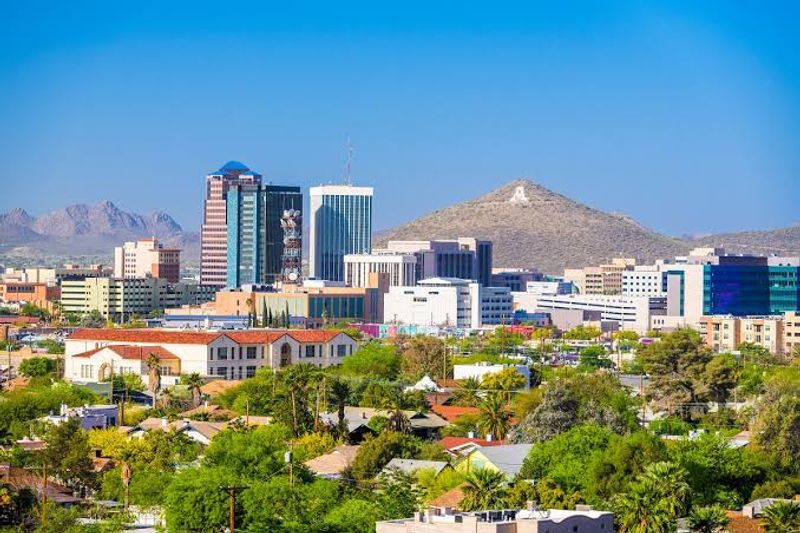
Tucson is surrounded by saguaro cacti so tall they look like they belong on another planet. Saguaro National Park wraps around both the east and west sides of the city, making it the only major American city with a national park on two sides simultaneously.
Watching the desert turn gold and purple at sunset from a ridge above the city is the kind of experience that stays with you long after you get home.
The food culture here is extraordinary and often underappreciated. Tucson became the first American city designated a UNESCO City of Gastronomy, recognizing a food tradition shaped by thousands of years of Indigenous agriculture and centuries of Mexican culinary influence.
Sonoran-style hot dogs, mesquite-grilled meats, and tepary bean dishes appear on menus that range from casual street food spots to acclaimed restaurants.
The University of Arizona campus anchors a lively neighborhood full of bookshops, coffee houses, and galleries. Kitt Peak National Observatory, about an hour outside the city, offers nighttime stargazing programs that take full advantage of some of the darkest skies in the continental United States.
The Arizona-Sonora Desert Museum is part zoo, part botanical garden, and part natural history museum, and it is one of the most thoughtfully designed visitor experiences in the Southwest.
Pittsburgh, Pennsylvania
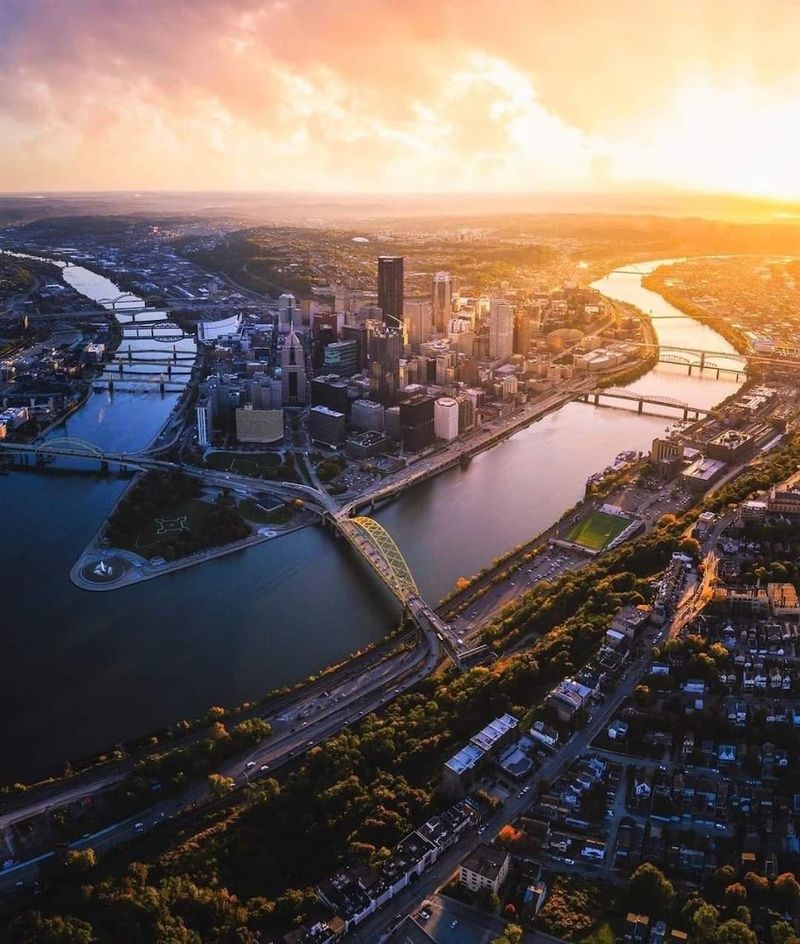
Pittsburgh has one of the most dramatic urban settings in America, and most people who have never visited have absolutely no idea. Positioned at the point where the Allegheny and Monongahela rivers merge to form the Ohio, the city is a landscape of bridges, hills, and neighborhoods stacked on steep slopes that create views most cities could only dream about.
Pittsburgh has more bridges than Venice, a fact that locals deploy with obvious satisfaction.
The Duquesne Incline, a historic funicular railway built in 1877, carries visitors up to the Mount Washington neighborhood for a panoramic skyline view that is widely considered one of the best urban vistas in the country. The Andy Warhol Museum, the largest museum in America dedicated to a single artist, houses an astonishing collection of work by Pittsburgh’s most famous creative export across seven floors.
The Strip District delivers one of the most energetic market experiences in the region, with fish mongers, spice shops, pierogi vendors, and specialty food importers packed into a lively few blocks along the river. Pittsburgh’s restaurant scene has developed serious momentum, with chefs drawing on the city’s Eastern European heritage and contemporary American influences.
The former steel city has reinvented itself with remarkable style and confidence.
New Orleans, Louisiana
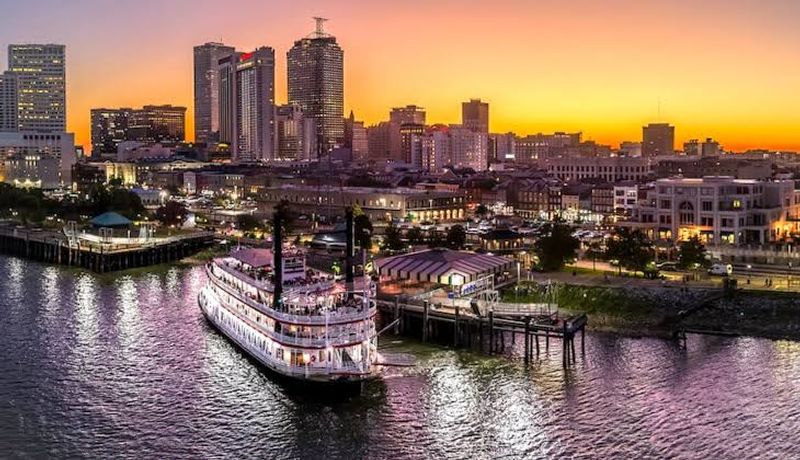
New Orleans does not feel like any other American city, and that is precisely the point. The French Quarter’s ornate iron balconies drip with ferns and flowers, jazz floats out of clubs at every hour of the day, and the food operates on a level that locals take personally and visitors find completely transformative.
Beignets at Cafe Du Monde at two in the morning is not just a meal; it is a New Orleans tradition.
The city’s neighborhoods each carry a completely different atmosphere. The Garden District showcases stunning antebellum mansions shaded by centuries-old oak trees, best explored on foot or by the historic St. Charles streetcar.
The Marigny neighborhood, just downriver from the French Quarter, hosts Frenchmen Street, where live music spills from multiple venues simultaneously every single night of the week.
Creole and Cajun cuisine here is not a theme; it is a living culinary tradition shaped by French, African, Spanish, and Indigenous influences over several hundred years. Gumbo, red beans and rice, crawfish etouffee, and charbroiled oysters appear on menus from humble neighborhood spots to celebrated fine dining rooms.
New Orleans has a way of making every visitor feel like a regular, and that warmth is as much a reason to visit as anything else on offer.
Share this story