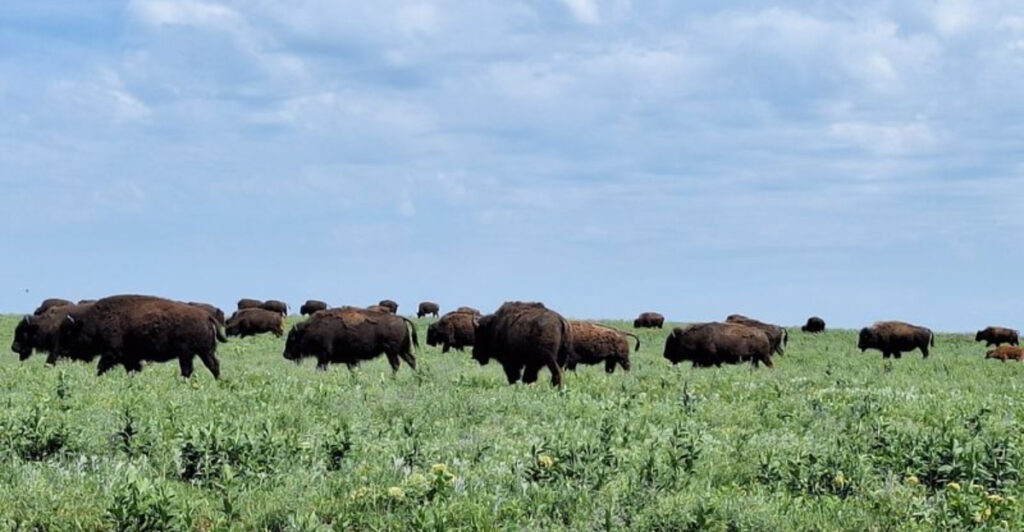
There is a stretch of northeastern Oklahoma where the wind moves through the grass in long, slow waves, and the horizon seems to go on forever. Out there, a herd of massive, shaggy bison roams free across nearly 40,000 acres of preserved tallgrass prairie, just as their ancestors did for thousands of years.
I had heard about this place before I visited, but nothing quite prepared me for the moment I rounded a bend on a gravel road and found myself face-to-face with one of the largest bison herds in the entire world. This is a story about open skies, wild animals, and one of the most quietly spectacular natural destinations in the United States.
Finding the Preserve: Address, Location, and Getting There
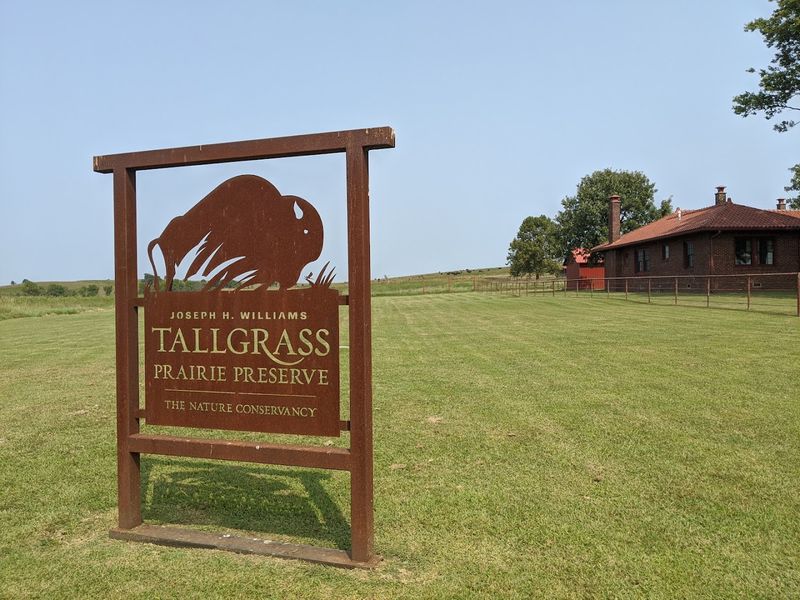
The Joseph H. Williams Tallgrass Prairie Preserve sits at 15316 Co Rd 4201, Pawhuska, OK 74056, tucked into the rolling Osage Hills of northeastern Oklahoma.
Pawhuska is the closest town, and the preserve is roughly 90 minutes from Tulsa, which makes it a very doable day trip without any serious planning stress.
Getting there requires following signs from Grandview Avenue heading north. The route is well-marked, which is genuinely helpful because the surrounding area is a web of rural dirt roads that can confuse even a confident navigator using GPS apps.
Once you turn off the highway, the pavement disappears and gravel takes over. The roads are maintained but dusty, so expect your car to wear a fine coat of Oklahoma soil by the time you leave.
An SUV or pickup truck handles the terrain most comfortably, though plenty of regular cars make it through just fine at a careful pace.
The preserve is open every day of the week from 7 AM to 7 PM, admission is completely free, and you can reach the visitor center by phone at +1 918-918-2552 for any questions before your visit.
The Scale of the Land: 40,000 Acres of Pure Prairie
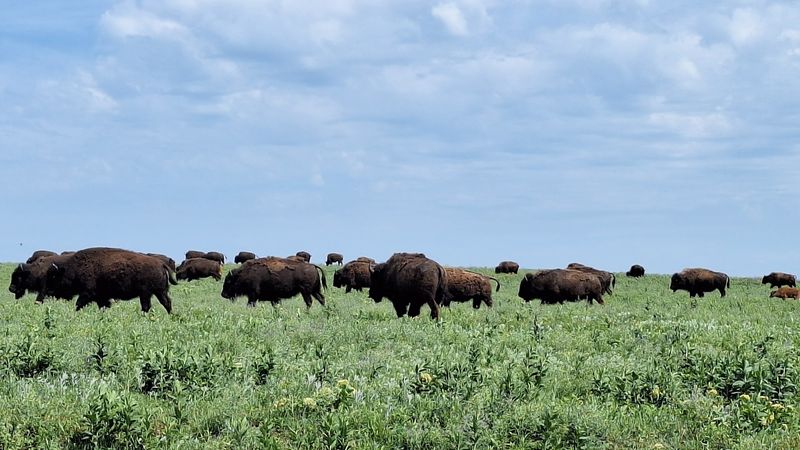
Nothing in a photograph really captures how big this place feels until you are standing in the middle of it. The Joseph H.
Williams Tallgrass Prairie Preserve covers nearly 40,000 acres, making it the largest protected remnant of tallgrass prairie on the entire planet.
Tallgrass prairie once blanketed more than 140 million acres across North America. Today, less than four percent of that original ecosystem survives, and this preserve protects the largest single chunk of what remains.
That context hits differently once you are out on the gravel roads with grass stretching in every direction and not a single building in sight.
The Nature Conservancy acquired this land starting in 1989 and has managed it with conservation as the clear priority ever since. The rolling terrain of the Osage Hills gives the prairie a gentle, undulating quality that makes every overlook feel like a painting.
Driving through, you pass through sections where the grass towers well above your knees and other stretches where the land opens into wide, flat meadows. The sheer variety of the landscape across a single drive keeps things visually interesting from start to finish.
The Bison Herd: One of the Largest in the World
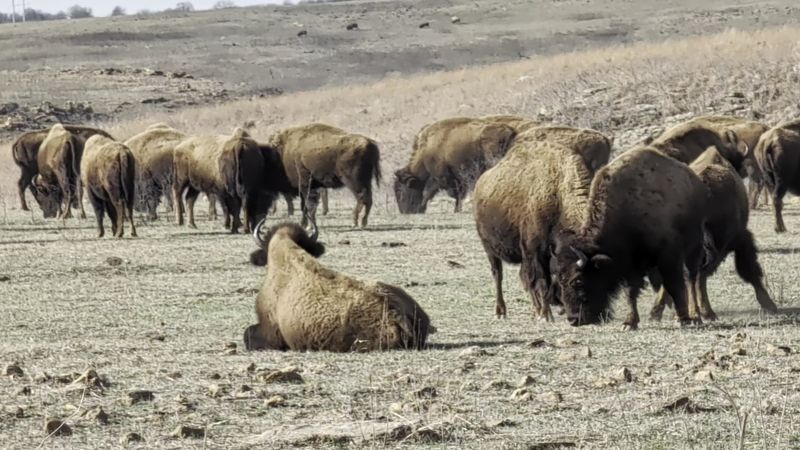
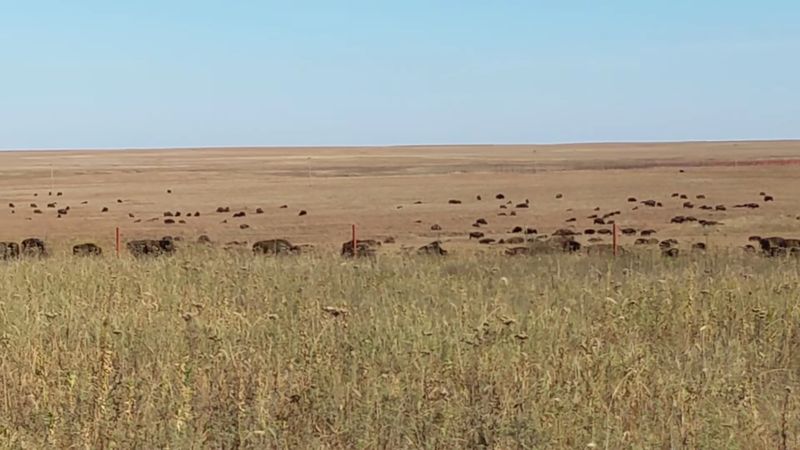
Around 2,500 bison roam the preserve at any given time, making this one of the largest free-roaming bison herds on the planet. Watching them move across the prairie in groups is one of those experiences that genuinely stops your breath for a moment.
The herd is managed by the Nature Conservancy to maintain a healthy population and to support the natural grazing patterns that the tallgrass ecosystem actually depends on. Bison and tallgrass prairie evolved together over thousands of years, and the animals play a real ecological role here rather than just serving as a scenic attraction.
Spring is a particularly rewarding time to visit because calves are born between March and May. The young bison are a warm cinnamon color, noticeably lighter than the dark brown adults, and they blend surprisingly well with the rocks and dry grass around them.
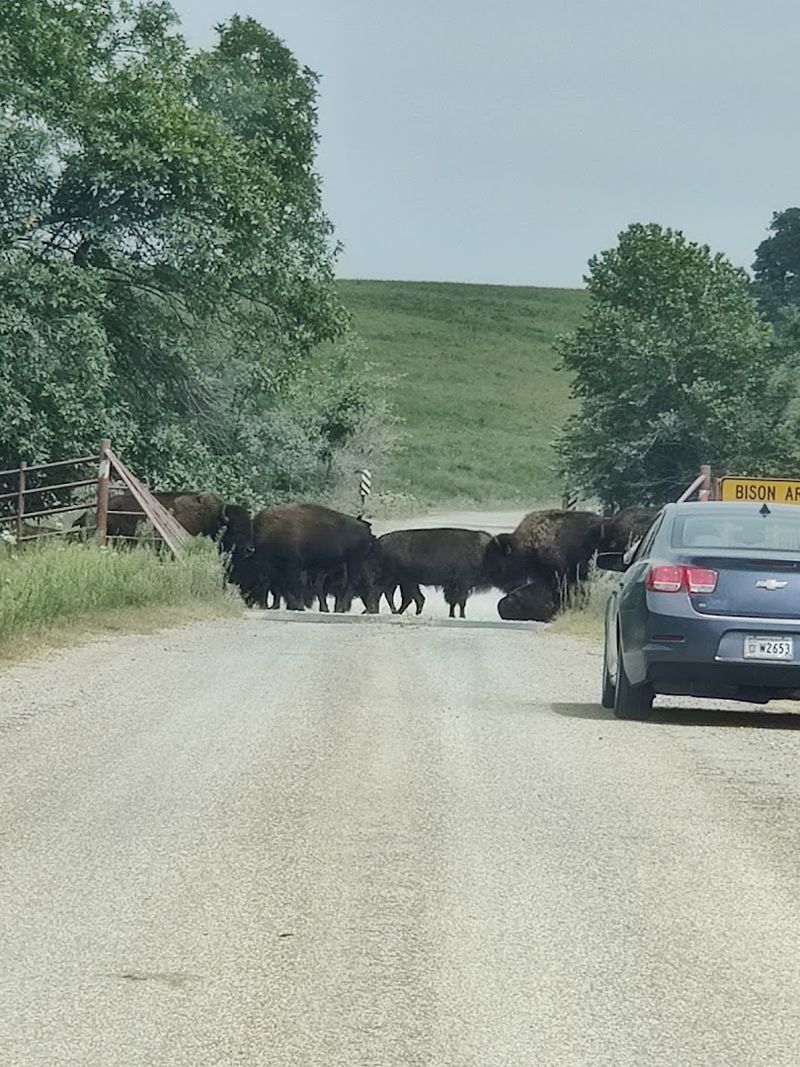
Encounters along the Bison Loop road can get close enough to feel genuinely wild. The animals have the right of way on every road in the preserve, and when a group of bison decides to cross, you simply wait and enjoy the show from inside your vehicle.
The Bison Loop Drive: Your Main Route Through the Preserve
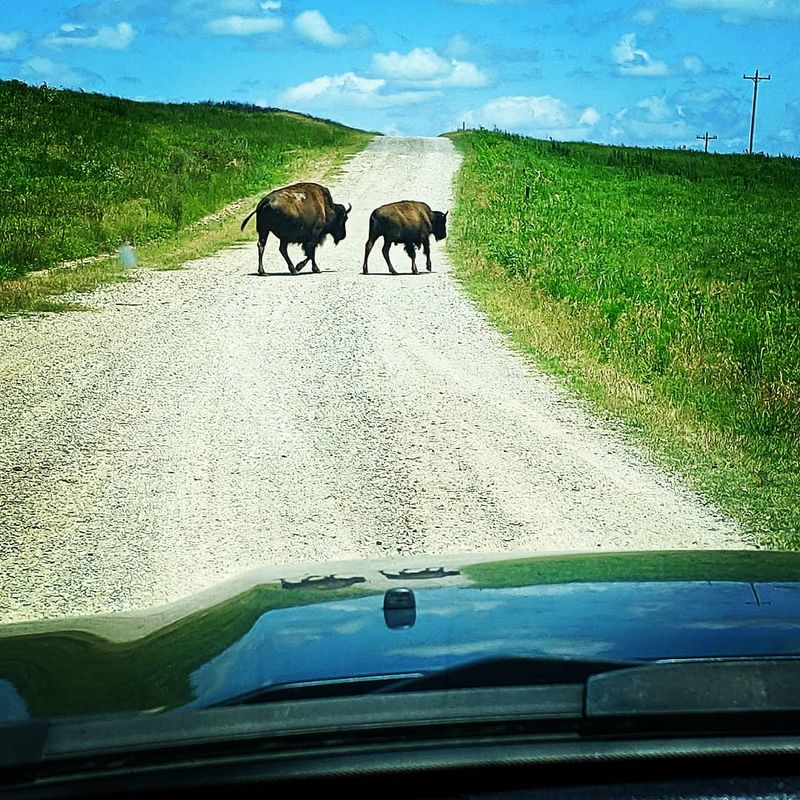
The Bison Loop is the primary driving route through the preserve, and completing it takes roughly one hour at a relaxed pace, though most people stretch it longer once the wildlife sightings start stacking up. The loop is clearly marked and easy to follow without a guide.
The road is unpaved gravel the entire way, which keeps speeds naturally low and forces a kind of slow, attentive driving that actually works in your favor when you are scanning the grassland for animals. Dust will find its way into every crevice of your car, so leave the freshly detailed vehicle at home.
Along the route, there are several scenic overlook points where you can pull off and take in wider views of the prairie and the Osage Hills. These spots are worth stopping at even if no bison are immediately visible, because the landscape itself is genuinely striking.
Beyond bison, the loop regularly delivers sightings of white-tailed deer, coyotes, wild turkeys, and a wide variety of bird species. Turtles sometimes appear near the low-water bridges that cross seasonal streams, and spotting one feels like a small bonus prize on an already rewarding drive.
The Visitor Center: Where the Knowledge Lives
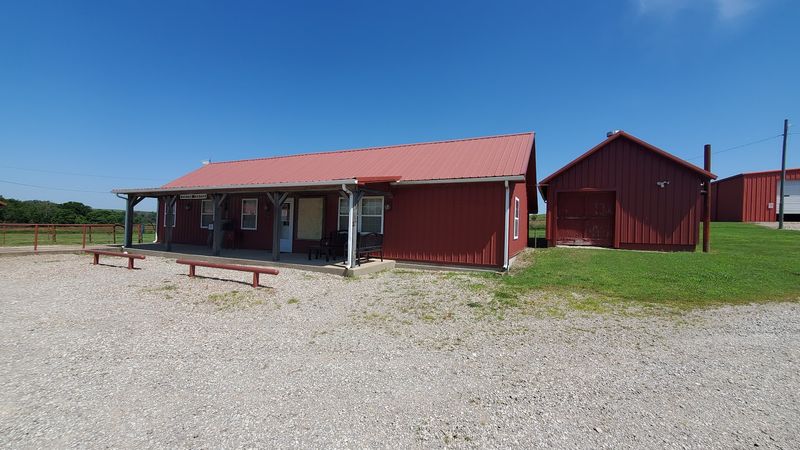
The visitor center sits at the end of the Bison Loop and serves as both an information hub and a welcome rest stop after the dusty drive. The staff and volunteers there bring an enthusiasm for bison and prairie ecology that is genuinely contagious.
Conversations at the visitor center tend to run longer than expected because the docents know an enormous amount about the herd, the ecosystem, and the history of the land. They are happy to point you toward the best spots to see calves in spring or explain the role fire plays in maintaining the health of the prairie.
The center also has restroom facilities, which become a surprisingly important detail after a long drive across a remote preserve with no other services nearby. There is no longer a gift shop on site, so do not plan your souvenir shopping around it.
Even if you arrive when the visitor center is closed, the preserve itself remains open and entirely worth exploring. But catching the center open adds a layer of context to the experience that makes the whole visit feel more meaningful and connected to the conservation work happening here.
Wildlife Beyond Bison: Deer, Coyotes, Birds, and More
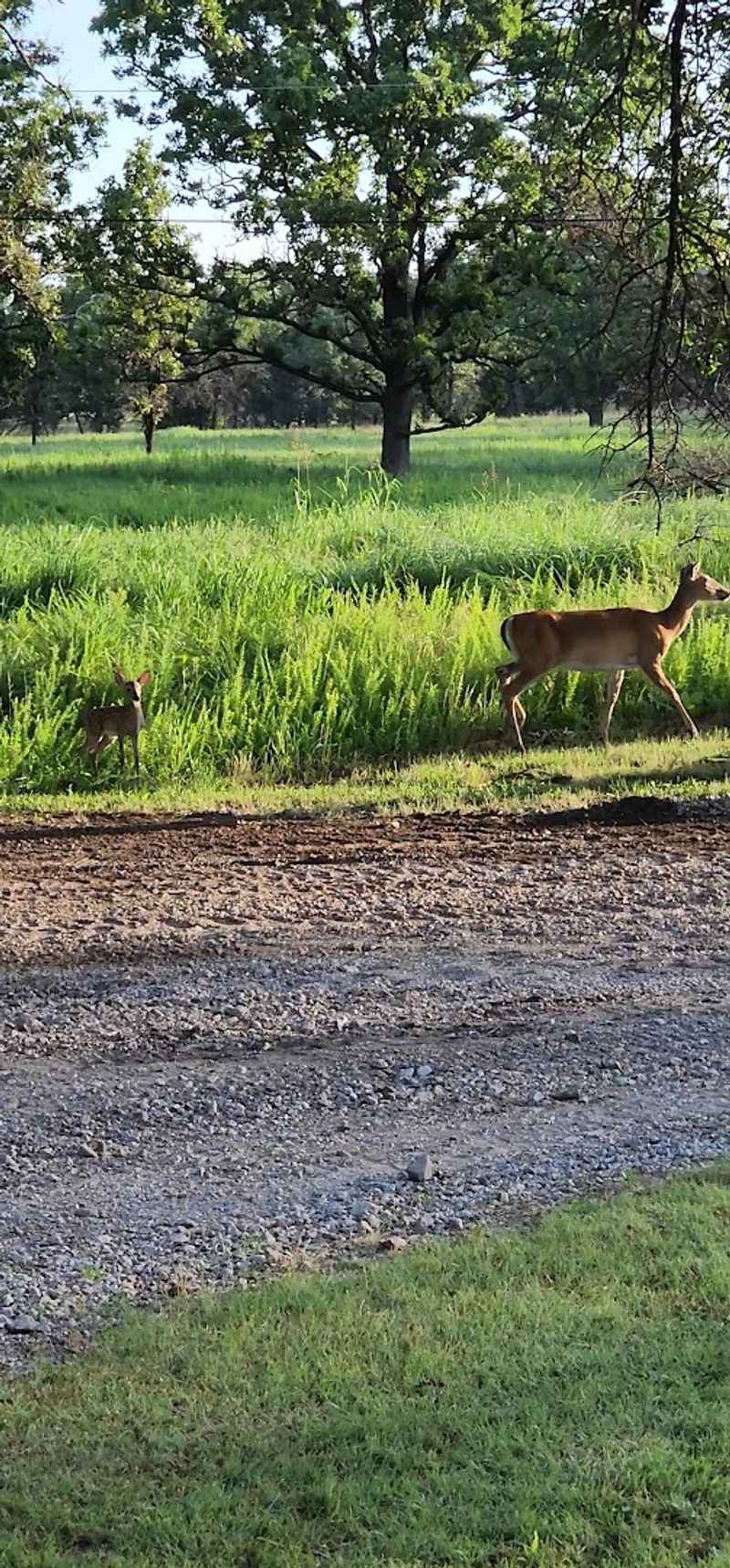
Bison get top billing here, and rightfully so, but the supporting cast of wildlife at the preserve is genuinely impressive on its own terms. White-tailed deer appear frequently along the roads and trails, often in groups, and they move with a speed that makes you glad you were paying attention at the right moment.
Coyotes show up often enough that spotting one feels less like a lucky accident and more like a natural part of the experience. They tend to appear near the edges of the road in early morning or late afternoon, trotting along with the relaxed confidence of an animal that knows it belongs there.
Bird life across the preserve is rich and varied. Meadowlarks, red-tailed hawks, and various grassland sparrows are regular sightings, and the open sky makes observation easy without any tree canopy blocking your line of sight.
Butterflies add unexpected color to the trails during warmer months, with multiple species moving through the wildflowers that bloom across the prairie from late spring into early fall. Turtles, wild turkeys, and the occasional ornate box turtle round out a wildlife checklist that keeps nature lovers thoroughly occupied well beyond any bison sighting.
Hiking Trails: Walking the Prairie on Foot
The preserve offers walking trails that give you a completely different relationship with the landscape than driving the loop does. On foot, the scale of the prairie becomes more personal, the sounds sharpen, and small details that blur past a car window suddenly become the whole focus.
The trails are mowed and well-maintained, which makes navigation straightforward even for casual hikers. Benches are placed at intervals along the path, providing spots to sit quietly and watch for wildlife without the noise of an engine nearby.
One important heads-up: most of the trails run through direct sun with very little shade, so sunscreen is not optional here, it is genuinely necessary. The Oklahoma sun on an open prairie is relentless, and the trails offer no canopy relief whatsoever.
Insect repellent deserves equal emphasis. Ticks are present throughout the warmer months, and tall grass along trail edges increases exposure significantly.
Coming prepared with repellent and doing a thorough tick check after your hike is simply smart practice at any open grassland preserve.
The longer trails are labeled as difficult but are actually quite manageable for most people. Taking two hours to walk them slowly, stopping often, and absorbing the views is the approach that rewards you most.
Wildflowers and Seasonal Changes: The Prairie Through the Year
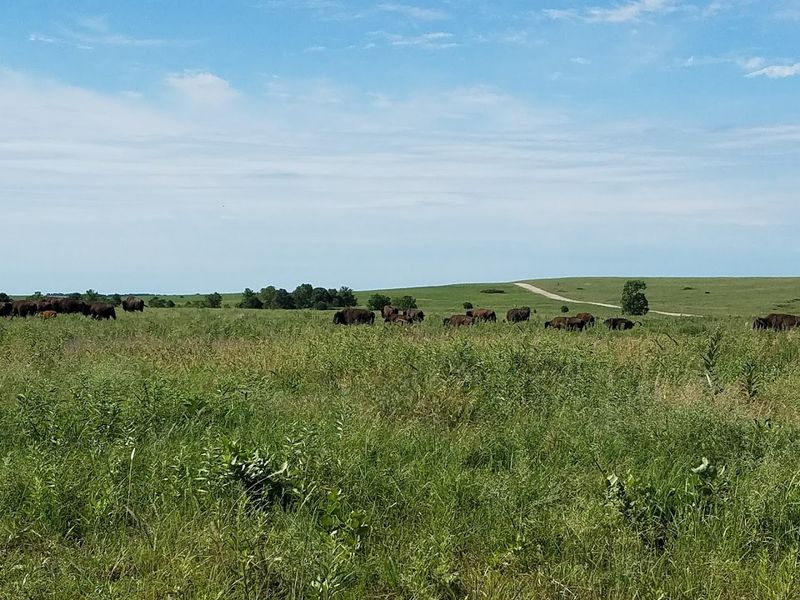
The preserve does not look the same twice, and that is part of what makes it worth returning to across different seasons. Spring brings an explosion of wildflowers that color the prairie in purples, yellows, and whites, turning the landscape into something that feels almost too vivid to be real.
Summer deepens the green of the grass and brings long, warm days that are ideal for early morning drives before the heat builds. The tall grasses reach their full height by midsummer, creating that classic tallgrass prairie silhouette that defines the landscape visually.
Fall shifts the palette toward amber, rust, and gold as the grasses dry and the light changes angle. The cooler temperatures make hiking more comfortable, and the bison are often more active during the mild autumn days.
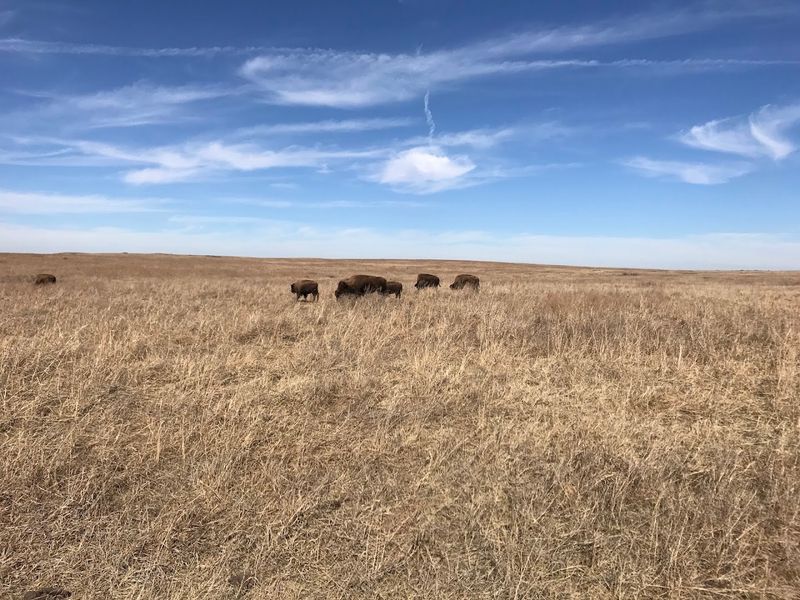
Winter visits are quieter and more solitary, with the grass taking on a pale, straw-colored tone and the bison standing out clearly against the muted landscape. The Nature Conservancy uses controlled burns to manage the prairie, and the post-burn landscape in early spring, with black earth giving way to vivid new green growth, is one of the more striking visual contrasts the preserve offers.
Stargazing and Late Evening Visits: The Sky After Sunset
The preserve closes at 7 PM daily, but the sky above it starts putting on a show well before that final hour. On clear evenings, the horizon glows with the kind of sunset that makes you pull over and just stand there for a while, doing nothing but watching.
The lack of urban light pollution in this part of Oklahoma makes the night sky extraordinary for anyone with an interest in astrophotography or simple stargazing. Visitors who time their exit near closing on clear nights report some of the most dramatic star views they have ever seen from anywhere in the state.
The Milky Way becomes visible on dark, moonless nights with a clarity that is hard to find within driving distance of any major city. Wide-angle camera setups on a tripod at one of the scenic overlook points can produce stunning results during the right conditions.
Coyotes are active after dark, so their calls carry across the open land as the light fades. That sound, layered over the wind moving through the grass, creates an atmosphere that is entirely unique to this kind of wide, undeveloped landscape and genuinely difficult to forget once you have experienced it.
Practical Tips for Your Visit: What to Know Before You Go
A few practical details make the difference between a smooth visit and a frustrating one at this preserve. The roads are all unpaved gravel, which means your vehicle will collect a serious layer of dust, and a car wash on the way home is almost a certainty rather than a choice.
An SUV or pickup truck handles the terrain most comfortably, especially if you plan to explore beyond the main Bison Loop. That said, careful drivers in standard sedans make it through without incident regularly, as long as they keep speeds reasonable and watch for low-water bridges on wet days.
Admission is completely free, which makes this one of the most accessible wildlife experiences in the entire country. No reservation is required, and the preserve sees far fewer crowds than most national parks, so the experience retains a genuinely uncrowded, personal quality.
Binoculars are worth bringing because bison sometimes graze at distances that make phone camera shots frustrating. Keeping a full tank of gas before entering is also wise, since there are no services inside the preserve and the nearest gas station is back in Pawhuska.
After your visit, the nearby Mercantile restaurant in Pawhuska makes an excellent stop for a meal.
Share this story