Most people visit national parks hoping for a glimpse of wildlife, but few expect to see a bear up close. The truth is, bears are far more common in certain parks than the average visitor realizes.
Whether you are planning a road trip through the Rockies, a cruise along the Alaskan coast, or a weekend hike in the Appalachians, knowing where bears show up most often can make your trip both safer and more memorable. This list covers twelve national parks where bear sightings happen regularly, along with what to expect and how to stay safe when you are out there.
Lake Clark National Park and Preserve, Alaska
Bear viewing at Lake Clark is not a side attraction. For most visitors who make the trip, it is the entire point.
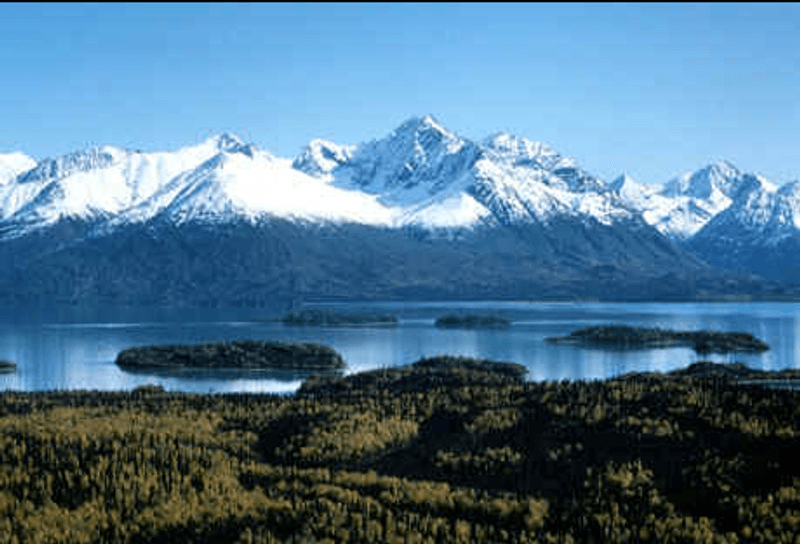
The National Park Service describes Lake Clark as offering world-class bear-viewing opportunities along its coastal areas, where brown bears gather in high numbers during feeding season.
Bears here are known to feed on sedges in open meadows, dig for clams along tidal flats, and fish in coastal streams. Getting there usually means a short flight on a small plane, followed by a guided trip to areas like Chinitna Bay or Crescent Lake, both of which are known for reliable bear activity.
Lake Clark does not get the same headlines as Katmai, but for travelers who take bear viewing seriously, it belongs near the top of any Alaska itinerary. The combination of remote coastline, mountain scenery, and frequent bear presence makes it genuinely hard to match.
Great Smoky Mountains National Park, Tennessee and North Carolina
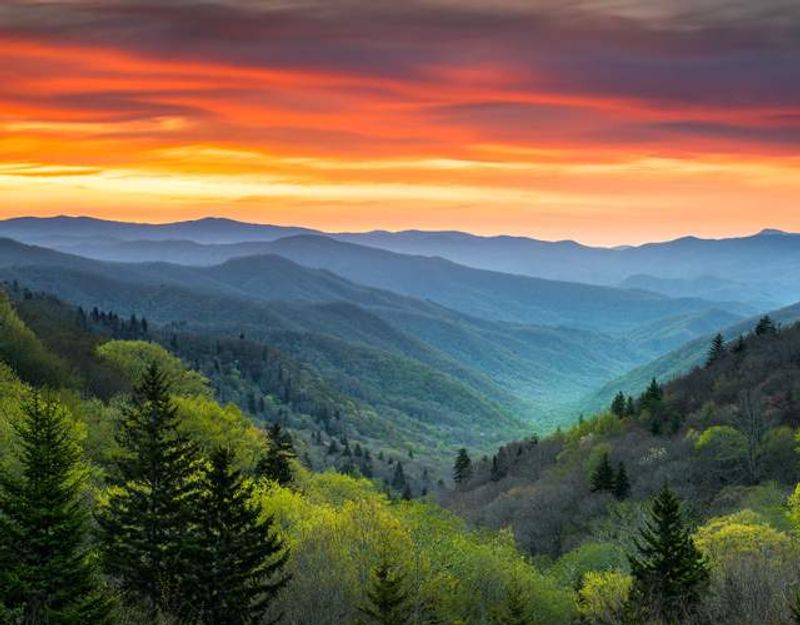
The numbers here are striking. The National Park Service estimates roughly 1,900 black bears live inside Great Smoky Mountains National Park, which works out to about two bears per square mile.
The park is widely recognized as having the densest black bear population in the eastern United States.
Bears can show up at nearly any elevation, from valley floors to high ridgelines. Cades Cove is one of the most popular wildlife-viewing areas, especially at dawn or dusk, but bears also appear along park roads, quiet hiking trails, and forested campground edges throughout the year.
Because the Smokies is also one of the most visited parks in the country, bear safety is taken seriously. Visitors are expected to keep their distance, store food properly, and resist the urge to stop in the middle of a road for a photo opportunity.
A sighting is exciting, but responsible behavior keeps both bears and people safe.
Yellowstone National Park, Wyoming, Montana, and Idaho
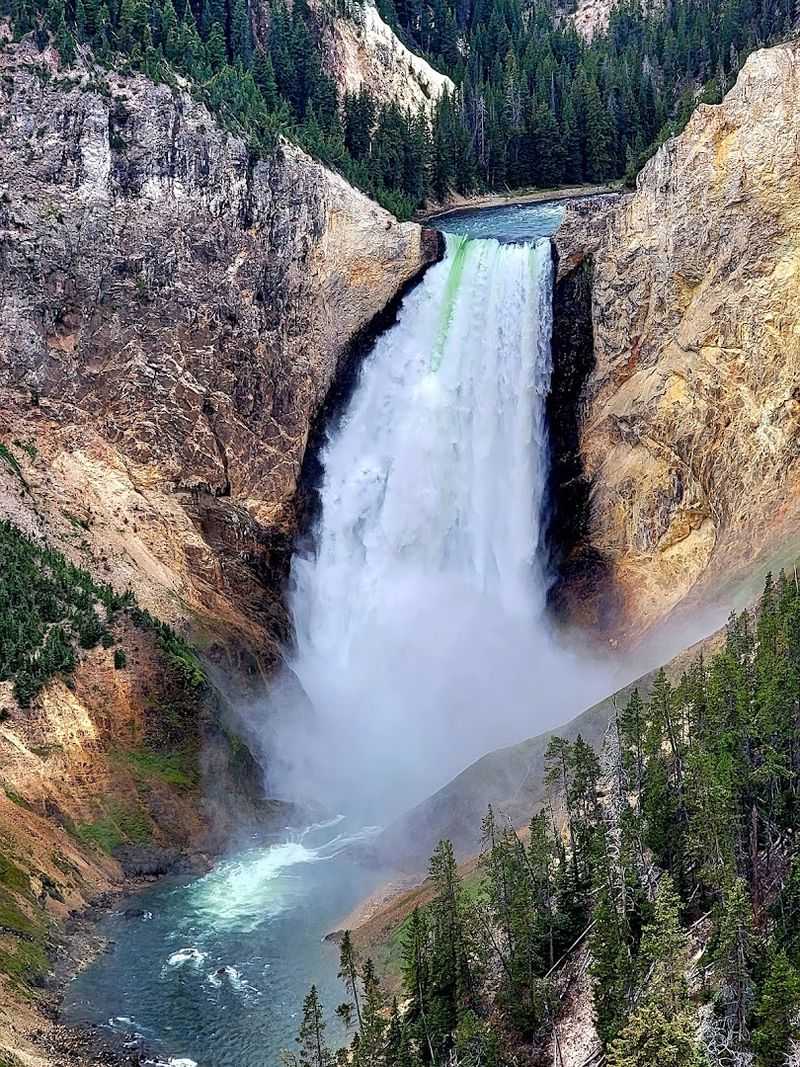
Yellowstone holds a rare distinction among parks in the lower 48 states. It is one of the only places south of Canada where both grizzly bears and black bears share the same landscape.
The National Park Service notes that the Greater Yellowstone Ecosystem supports one of the most significant grizzly bear populations in North America.
Spring and early summer tend to bring the most visible bear activity, when grizzlies emerge from denning and move into open areas to feed. Lamar Valley, Hayden Valley, and the Tower-Roosevelt area are among the spots where visitors set up spotting scopes and binoculars hoping for a distant sighting.
Yellowstone is not a place to wander unprepared. Carrying bear spray, hiking in groups, making noise on the trail, and maintaining a safe distance from any bear are not optional suggestions here.
The park is genuinely wild, and the bears that live there behave accordingly.
Grand Teton National Park, Wyoming
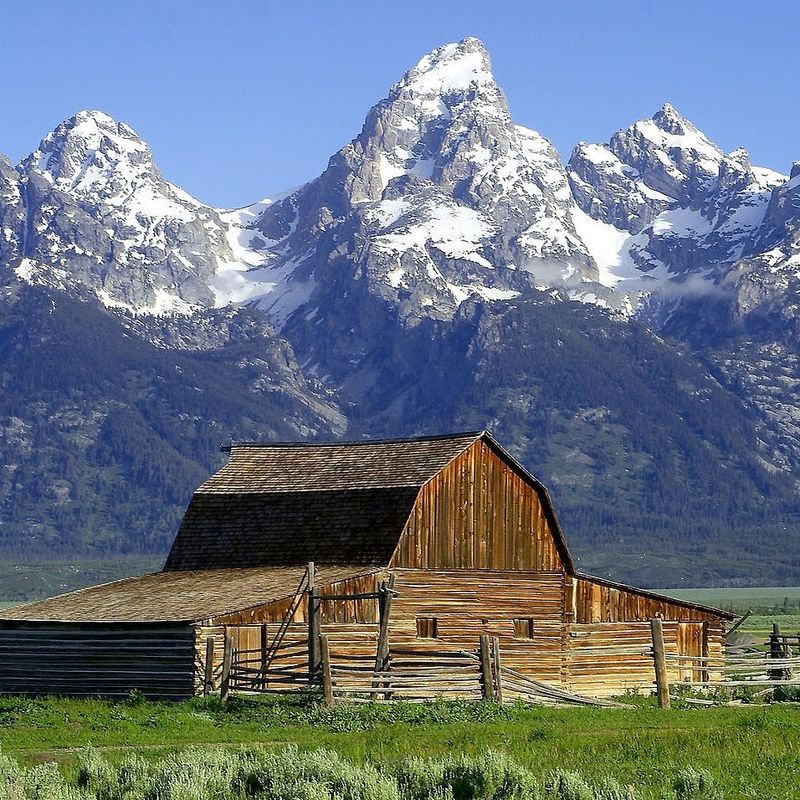
Grand Teton sits directly south of Yellowstone and shares the same broader bear ecosystem, which means both black bears and grizzly bears roam through the park. According to the National Park Service, both species can be found across all areas of the park throughout the year.
What makes Grand Teton stand out for wildlife watching is how much habitat is visible from roads, overlooks, and open valley floors. Bears are sometimes spotted near willow flats, along forest edges, around berry patches, and in areas close to lakes and streams, especially during active feeding periods.
A bear sighting in Grand Teton comes with scenery that few other parks can match. The jagged Teton peaks rising above an open meadow, with a grizzly or black bear moving through the foreground, is the kind of moment that stays with a visitor for a long time.
This park rewards patience and early mornings.
Katmai National Park and Preserve, Alaska
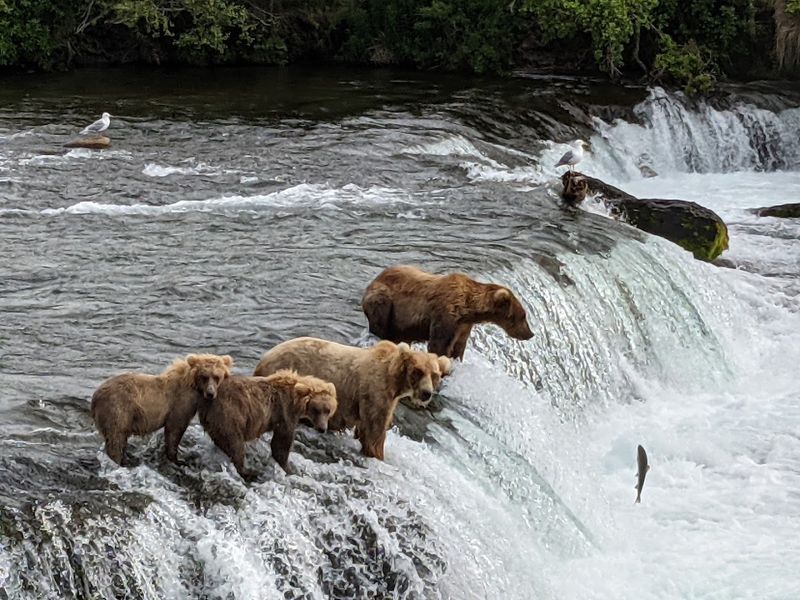
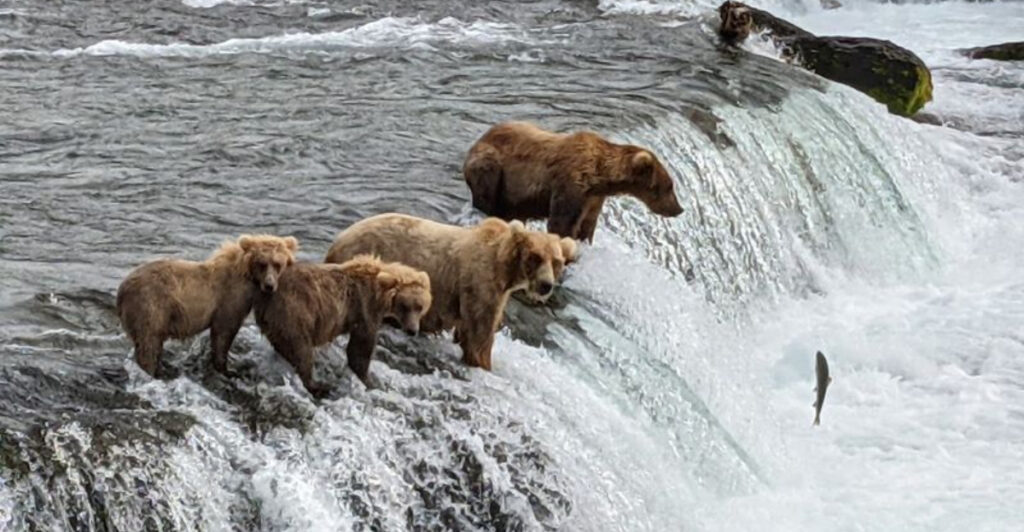
Katmai is about as close to a bear capital as the national park system gets. The park is world-famous for Brooks Camp, where brown bears gather along the Brooks River every summer to feed on sockeye salmon making their upstream run.
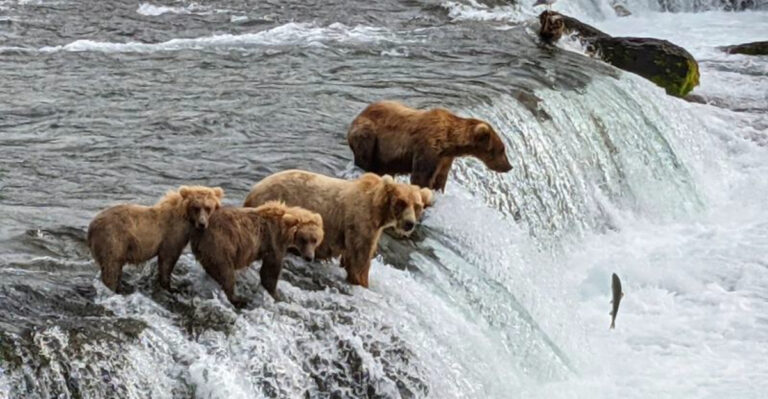
The most iconic scene is Brooks Falls, where bears station themselves in the rushing water and snatch salmon right out of the air mid-leap. During peak viewing in July and again in September, bear activity can be so consistent that visitors standing on designated platforms often watch multiple bears working the falls at the same time.
The National Park Service requires all visitors to Brooks Camp to complete a bear safety orientation before exploring the area. This is one of the most carefully managed bear-viewing experiences in the country, which is exactly why it works so well for both bears and the people watching them.
Glacier National Park, Montana
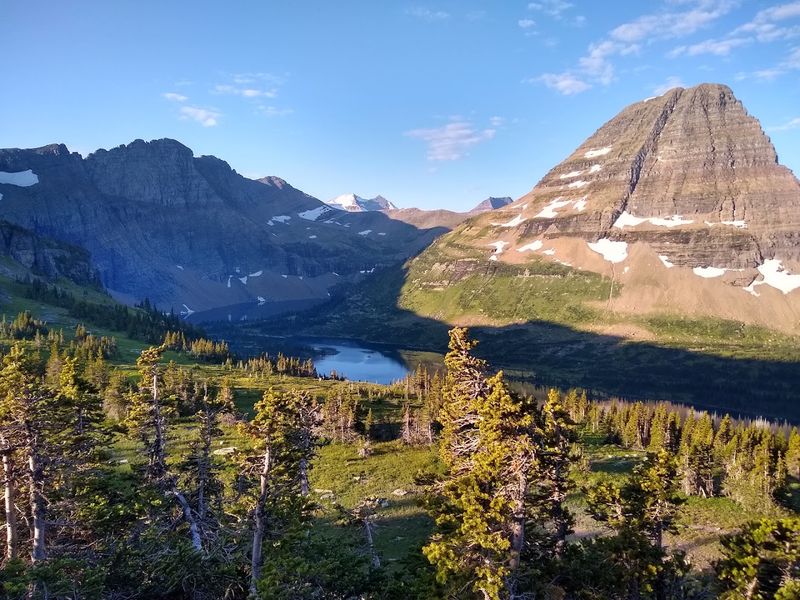
Glacier is serious bear country, and the park does not try to soften that fact. The National Park Service confirms that both black bears and grizzly bears live in the Waterton-Glacier International Peace Park area, which spans the U.S.-Canada border and covers an enormous stretch of mountain wilderness.
Bear sightings can happen along roadsides, near berry-rich slopes, in subalpine meadows, and in higher elevation areas depending on the time of year. Popular corridors like Many Glacier, Logan Pass, and the Going-to-the-Sun Road are known for wildlife activity, though trail closures due to bear presence are not uncommon.
Those closures are worth paying attention to. When Glacier closes a trail because of bear activity, it is a sign that the ecosystem is working exactly as it should.
For visitors willing to check conditions, carry bear spray, and follow ranger guidance, this park offers one of the most authentic grizzly bear experiences available in the continental United States.
Denali National Park and Preserve, Alaska
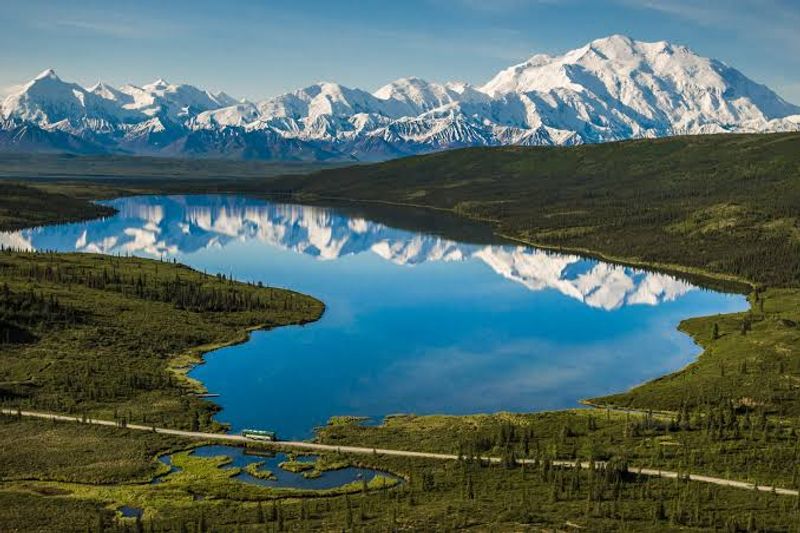
Denali is one of the great wildlife parks in North America, and the grizzly bear is central to that reputation. The National Park Service identifies grizzly bears as one of Denali’s major mammal species and provides extensive bear safety guidance for anyone venturing into the park’s backcountry.
Most visitors experience the park from the road corridor or on bus trips deep into the interior. The open tundra and wide-angle landscapes work in a visitor’s favor here.
Animals that would be invisible in a dense forest can sometimes be spotted from a considerable distance across Denali’s broad, treeless terrain.
A bear sighting in Denali often has a different quality than a roadside encounter at other parks. It might be a grizzly moving steadily across a far hillside, digging for roots, or traveling through open country with the Alaska Range filling the horizon behind it.
That kind of scene is hard to replicate anywhere else.
Shenandoah National Park, Virginia
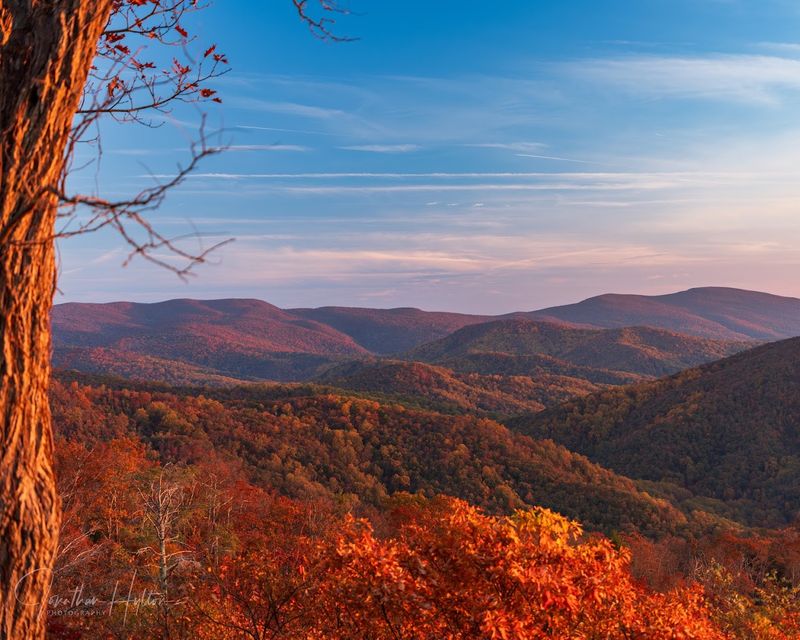
Shenandoah does not always get mentioned in the same breath as Yellowstone or the Alaska parks, but it is one of the strongest black bear parks in the eastern United States. The National Park Service points to the park’s large areas of contiguous, high-quality forest habitat as a key reason black bears thrive there.
Skyline Drive runs the length of the park and gives visitors a long, scenic route through prime bear habitat. Sightings from the road are not unusual, and quieter trails away from high-traffic areas also produce regular encounters during spring, summer, and early fall when bears are feeding heavily to build fat reserves.
The park sits roughly 75 miles from Washington, D.C., which means it is accessible to a large population of visitors who may not expect serious wildlife activity this close to a major city. More than 200,000 acres of protected land make it possible for black bears to move freely and remain a consistent presence throughout the seasons.
Yosemite National Park, California
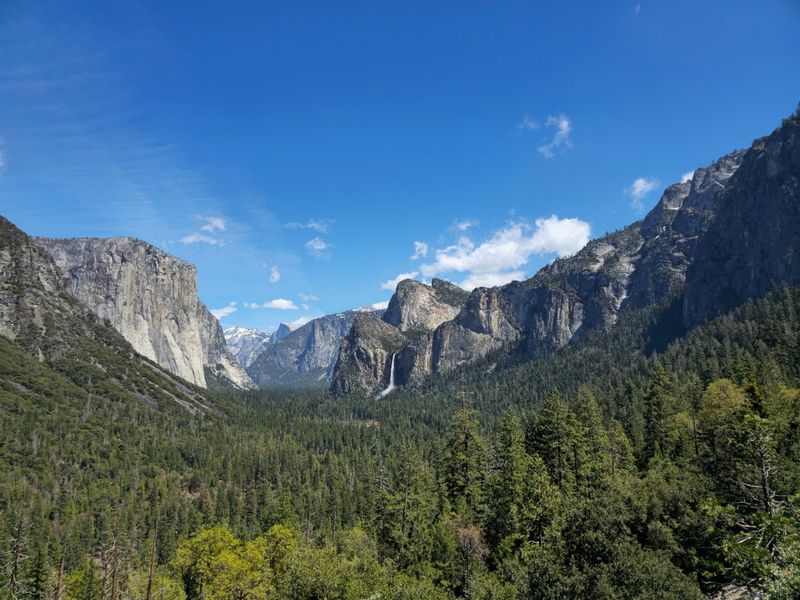
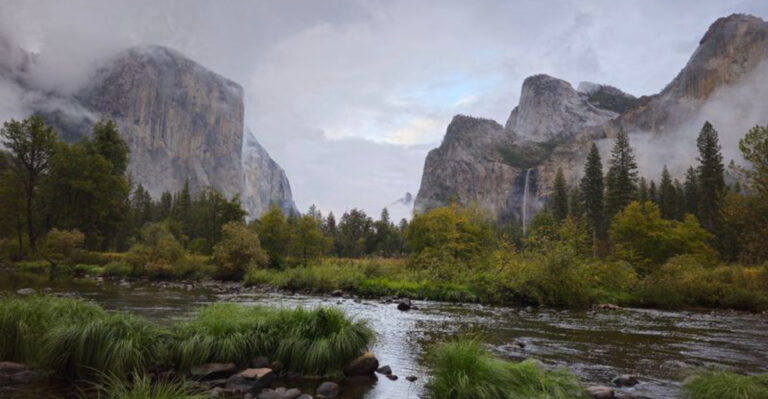
Yosemite is celebrated for its waterfalls and granite walls, but it also holds a well-documented black bear population. The National Park Service estimates between 300 and 500 black bears live in the park, and every bear spotted there is a black bear.
Grizzly bears have not lived in California for more than a century.
Bears show up in Yosemite Valley, near meadows, along forested roads, and in campground areas, particularly during active feeding seasons. Yosemite also runs one of the most visible bear management programs in the national park system, built largely around the reality that improperly stored food creates serious problems for bears and visitors alike.
The park’s message on bear encounters is straightforward and consistent: secure all food in approved containers, slow down on park roads, and never position yourself between a bear and where it is trying to go. A sighting here can absolutely be a highlight of a California road trip when handled with care.
Glacier Bay National Park and Preserve, Alaska
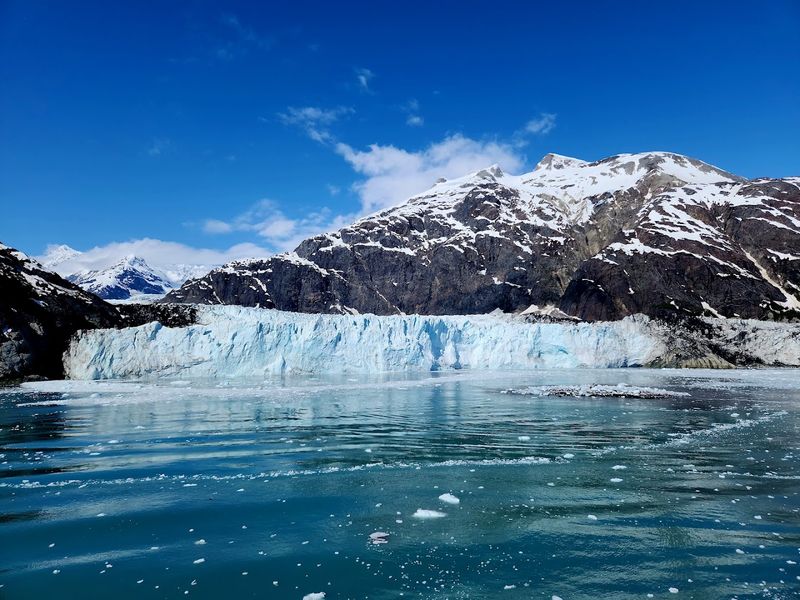
Glacier Bay may not carry the same bear-viewing reputation as Katmai or Lake Clark, but both black bears and brown bears live across the broader Glacier Bay region. Sightings can happen along shorelines, in tidal zones, and in backcountry areas throughout the park.
What makes Glacier Bay different is how many visitors experience it. A large portion of guests arrive by cruise ship or tour boat rather than by road, which means bear sightings here often happen from the water.
Spotting a bear walking a rocky beach or feeding near a coastal stream from the deck of a vessel is an experience with its own distinct character.
For travelers who want a layered Alaska wilderness trip that combines glaciers, marine wildlife like humpback whales and sea otters, and a genuine chance of seeing bears in a coastal setting, Glacier Bay adds something that most other parks on this list simply cannot offer. The scenery alone is reason enough to visit.
Wrangell-St. Elias National Park and Preserve, Alaska
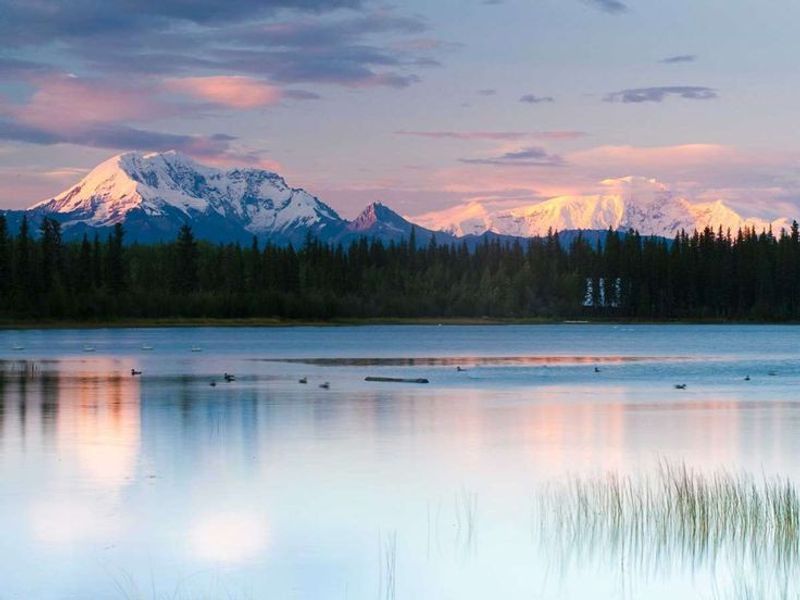
Scale is the first thing to understand about Wrangell-St. Elias. At 13.2 million acres, it is the largest national park in the United States.
The National Park Service notes that the park is roughly the same size as Yellowstone, Yosemite, and Switzerland combined, which gives some sense of the wilderness involved.
Bears are present throughout the park, particularly in backcountry areas and near salmon-rich streams, but sightings are far less predictable than at a managed site like Brooks Camp. This is a park built for experienced wilderness travelers who are comfortable with remote, rugged conditions rather than visitors looking for a reliable wildlife platform.
That sheer size means the park functions as critical bear habitat across a massive stretch of Alaska. Anyone hiking, camping, or traveling through Wrangell-St. Elias should approach every day in the field as travel through active bear country, because in every practical sense, that is exactly what it is.
Gates of the Arctic National Park and Preserve, Alaska
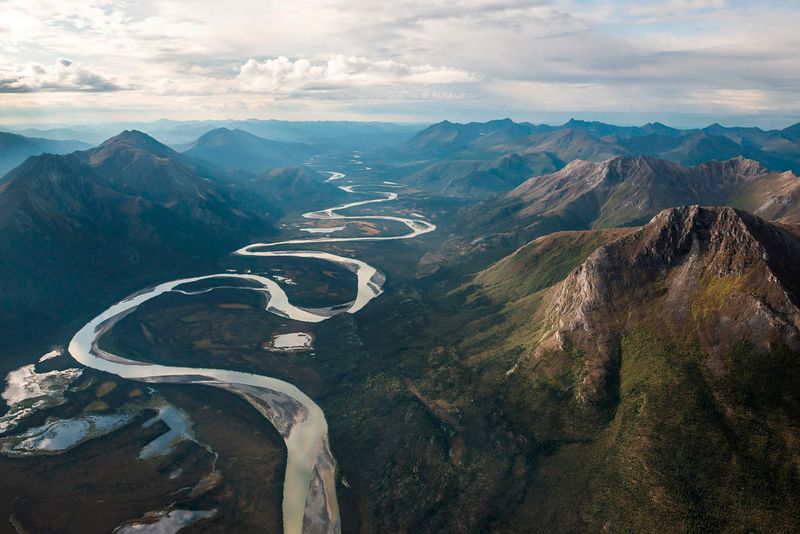
Gates of the Arctic is about as remote as a national park gets in the United States. There are no roads leading into the park, no established trails, and no visitor infrastructure in the traditional sense.
Getting there requires a flight from a small hub like Bettles or Coldfoot, followed by travel entirely on foot or by river.
Both black bears and grizzly bears live in the park, but a sighting depends on route, timing, and conditions. This is not a place where bear encounters can be scheduled or expected on a particular afternoon.
The park is best suited for experienced wilderness travelers, often traveling with guides or outfitters who know the terrain.
What Gates of the Arctic offers is a relationship with bear country that is completely unmediated. There are no platforms, no orientation sessions, and no ranger stations nearby.
Bears here are part of a functioning Arctic landscape, and any encounter with one is a reminder of exactly how wild this corner of Alaska remains.
Share this story