Some towns sit so high up in the mountains that just walking around can leave you gasping for breath. These aren’t ghost towns or temporary camps — real people live, work, and raise families here year-round, often in freezing temperatures with very little oxygen.
From the gold-mining peaks of Peru to the windswept Tibetan Plateau, these communities show just how tough and adaptable humans can be. Get ready to discover the most breathtaking — and literally breath-stealing — towns on the planet.
La Rinconada, Peru
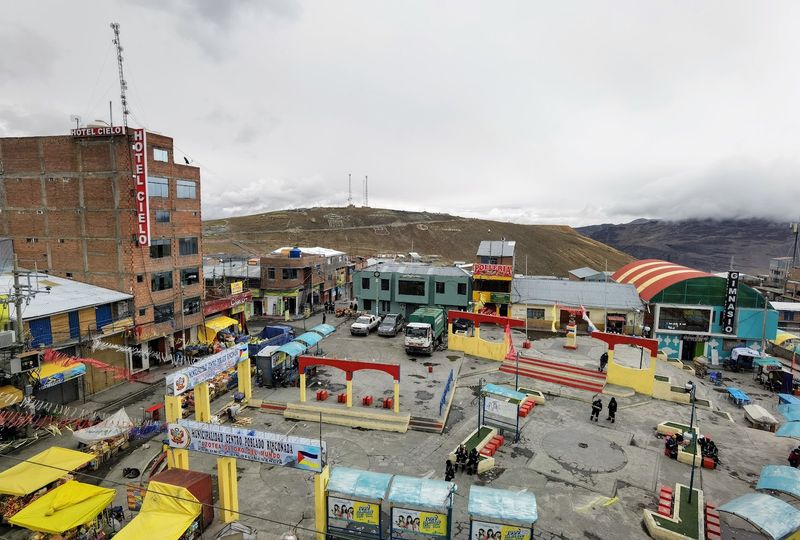
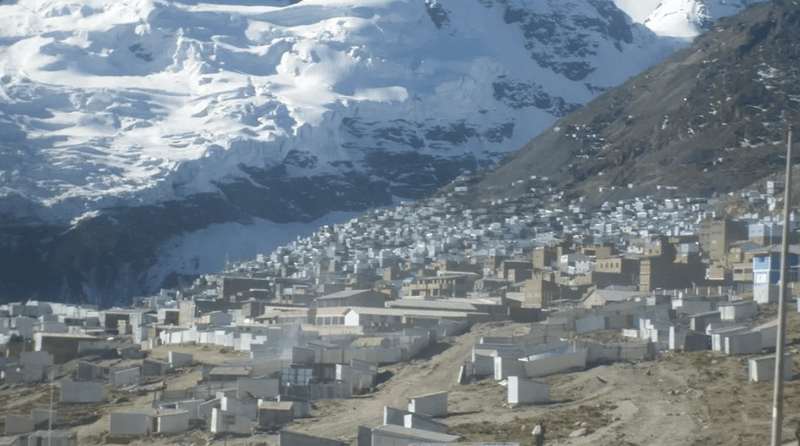
Gold fever brought people to La Rinconada, but sheer stubbornness keeps them there. Perched at a jaw-dropping 5,100 meters (16,732 feet) above sea level in the Peruvian Andes, this is officially the highest permanently inhabited town on Earth.
Around 50,000 people call it home, making it not just high but surprisingly crowded.
The air holds about 40% less oxygen than at sea level. New arrivals often experience altitude sickness for days before their bodies adjust.
Locals have adapted over generations, developing slightly larger lung capacity than people from lower elevations.
Life here revolves around gold mining, and the working conditions are brutal. Many miners work under a system called cachorreo, laboring for three weeks without pay in exchange for the right to keep whatever ore they can carry out on the fourth week.
Running water is scarce, roads are rough, and winters are merciless. Yet the promise of gold keeps the population growing.
La Rinconada is a place that defies logic and comfort in equal measure, a true testament to human determination at the very roof of the inhabited world.
Tuiwa, China (Tibet)
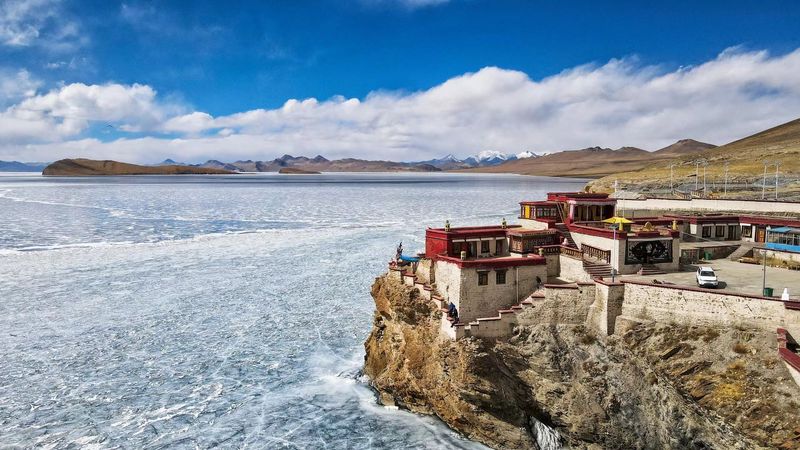
Imagine living next to one of the most beautiful lakes in the world, with no traffic jams, no noise, and almost no oxygen. Welcome to Tuiwa, a tiny Tibetan village perched at roughly 5,070 meters (16,634 feet) near the shimmering shores of Lake Puma Yumco.
Chinese authorities recognize it as the world’s highest administrative village.
The residents here are primarily herders, raising yaks and sheep across the windswept plateau. Yaks are basically the Swiss Army knives of the Tibetan highlands — they provide milk, meat, wool, and even fuel in the form of dried dung.
Life without them at this altitude would be nearly impossible.
Winters in Tuiwa are long and punishing, with temperatures dropping well below freezing for months at a time. The growing season is extremely short, so most food must either be stored or transported from lower regions.
Despite these hardships, the community maintains traditional Tibetan customs, language, and spiritual practices. The isolation that makes Tuiwa so challenging also preserves a way of life that has changed little over centuries, making it one of the most culturally intact high-altitude settlements anywhere on the planet.
Chasangcun, China (Tibet)
Yo; Wikimedia Commons; (CC0 1.0 DEED
Not many towns can claim an address that sits above the clouds, but Chasangcun manages it with ease. Located at approximately 5,011 meters (16,440 feet) on the Tibetan Plateau, this permanent settlement is one of the few places on Earth where people truly live above the 5,000-meter mark year-round.
That puts it higher than most people will ever hike in their entire lives.
Residents have developed remarkable physical adaptations over thousands of years. Tibetan people carry a genetic variant that helps their blood carry oxygen more efficiently at high altitudes.
Scientists consider this one of the fastest evolutionary adaptations ever recorded in humans, happening over roughly 3,000 years.
Daily life in Chasangcun centers on herding, with families moving their livestock between seasonal pastures. The landscape is stark and dramatic, with wide-open skies and mountain views that would make any photographer weep with joy.
Infrastructure remains limited, and accessing medical care or markets requires traveling significant distances. Yet families here have built a functioning community in one of the harshest environments imaginable.
Chasangcun stands as quiet proof that human beings are far more resilient than most of us will ever need to be.
Wenquan, China (Qinghai)
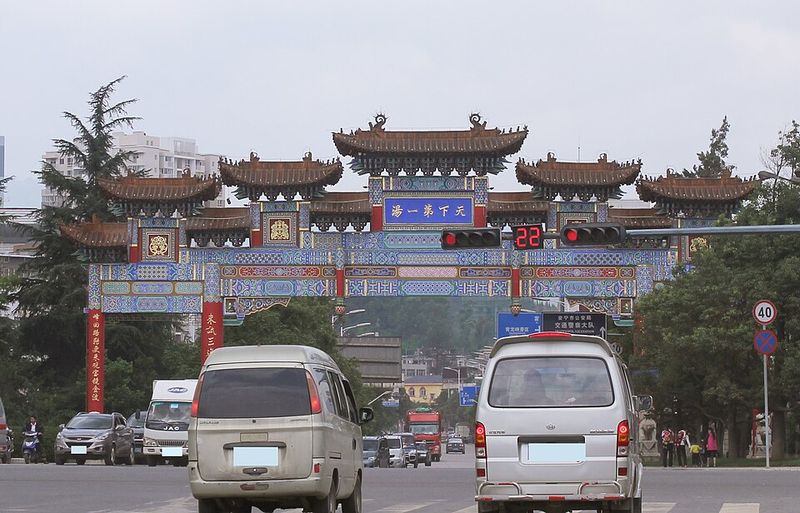
Wenquan translates to “hot spring” in Chinese, which feels almost ironic given how bitterly cold this place gets. Located at approximately 4,870 meters (15,978 feet) on the vast Qinghai-Tibet Plateau, Wenquan is one of China’s highest permanently inhabited towns outside of Tibet proper.
The hot springs, however, are very real and probably the most welcome luxury for miles around.
The Qinghai-Tibet Plateau is sometimes called the Third Pole because of its extreme elevation and climate. Wenquan sits in Maduo County, a region known for its grasslands, rivers, and wildlife including Tibetan antelope and wild yaks.
The scenery is genuinely spectacular, though most visitors pass through rather than stick around.
The town serves as a supply and administrative hub for the surrounding nomadic communities. Roads have improved significantly in recent decades as China has invested heavily in plateau infrastructure.
Still, altitude-related health challenges are a daily reality for residents and visitors alike. Newcomers are strongly advised to rest and hydrate before doing anything strenuous.
Wenquan may not top the list of highest towns, but at nearly 5,000 meters, it earns a very comfortable spot among Earth’s most elevated permanent communities.
Shuanghu, China (Tibet)
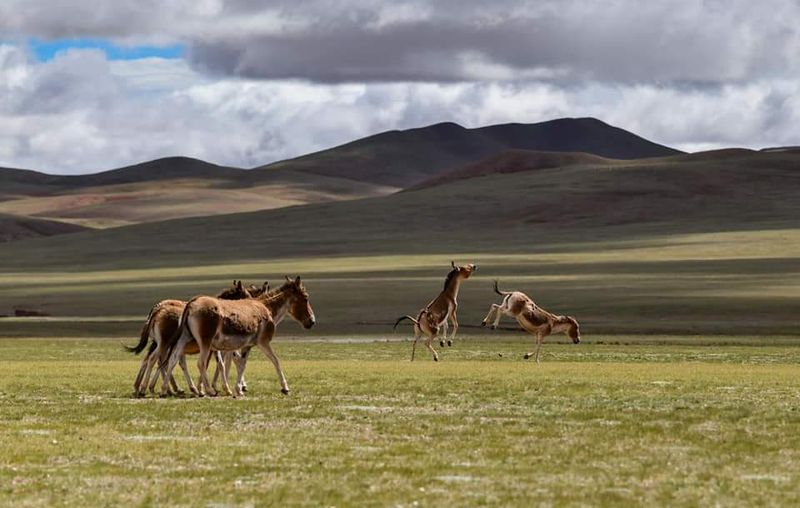
Shuanghu holds a record most places would never want: it was officially recognized as the highest county seat in the world. Sitting at about 4,950 meters (16,240 feet), this remote Tibetan town makes even other high-altitude settlements feel relatively cozy.
The northern Tibetan Plateau here is raw, wind-blasted, and achingly beautiful in the way that only truly wild places can be.
The county covers a massive area but has one of the lowest population densities on Earth. Nomadic herders spread across enormous distances, tending to yaks and sheep across grasslands that stretch to the horizon.
The town itself serves mainly as an administrative and service center for these scattered communities.
Getting to Shuanghu is an adventure in itself. Roads are unpaved in many sections, and the journey from Lhasa takes the better part of two days under good conditions.
Fuel, food supplies, and medical equipment must all be transported in from far away. Winter storms can cut the town off entirely for days at a time.
Despite all this, a permanent population stays on through every season, managing the logistics of life at an altitude where most people would struggle just to climb a flight of stairs.
Santa Barbara, Bolivia
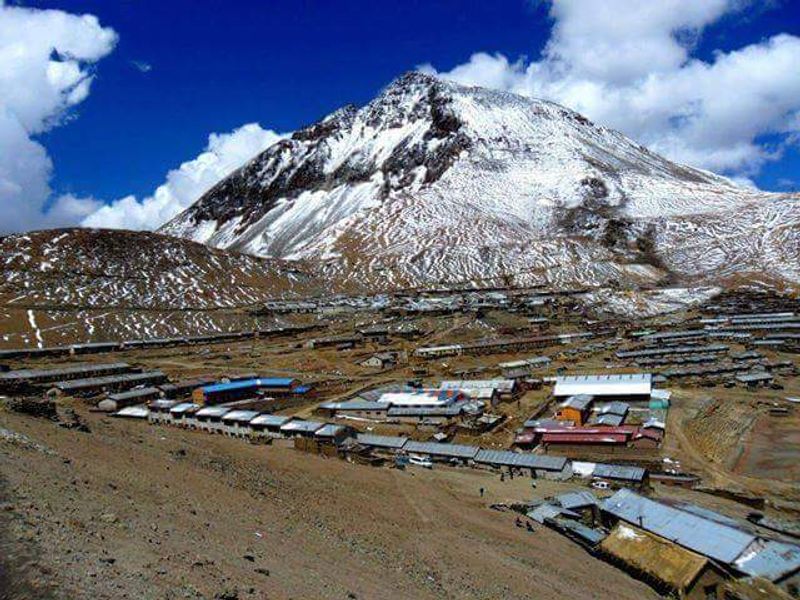
Bolivia has no shortage of sky-high towns, but Santa Barbara still manages to stand out. Tucked into the Potosi Department at around 4,770 meters (15,650 feet), this small mining settlement is one of South America’s most elevated permanent communities.
The name sounds warm and sunny, but the reality is closer to freezing winds and thin air.
Mining has driven settlement across Bolivia’s high Andes for centuries, going back to the Spanish colonial era when silver was extracted in enormous quantities from these mountains. Santa Barbara continues that tradition, with residents working mineral deposits that have drawn people to these heights generation after generation.
Life in a remote Bolivian mining town at this altitude is genuinely tough. Workers deal with cold temperatures, limited access to healthcare, and the physical toll of mining at high elevation.
Altitude sickness, called soroche locally, is a constant concern for anyone not born and raised in the region. Housing is basic, and amenities are few.
Yet the community persists, connected by shared work and the particular pride that comes from surviving somewhere most people couldn’t last a week. Santa Barbara may be small, but it punches well above its weight in terms of human endurance.
Korzok, India
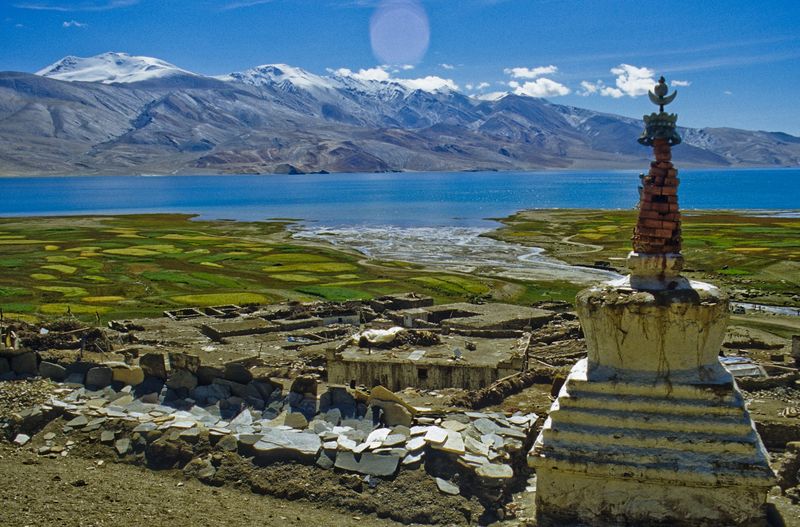
Perched beside one of the most stunning lakes in all of Asia, Korzok is the kind of place that makes you question every life choice that led you somewhere ordinary. Sitting at approximately 4,570 meters (15,000 feet) beside the gorgeous Tso Moriri Lake in Ladakh, this small village has been inhabited for centuries by Changpa nomads and Buddhist monks.
The Korzok Monastery is the heart of the community, dating back several hundred years. Every summer, the monastery hosts a colorful festival featuring traditional masked dances that draw visitors from across India and beyond.
For the rest of the year, the village returns to its quiet, wind-swept rhythm.
The Changpa people of Korzok are famous for raising Pashmina goats, whose incredibly fine wool is used to make the world-famous cashmere shawls sold across India. It takes the fleece from multiple goats just to make a single shawl.
The winters here are extreme, with temperatures dropping to minus 30 degrees Celsius. Road access closes seasonally, leaving the village isolated for months.
Yet Korzok’s residents handle this isolation with remarkable calm, sustained by their faith, their animals, and one of the most breathtaking landscapes on the planet.
Parinacota, Chile
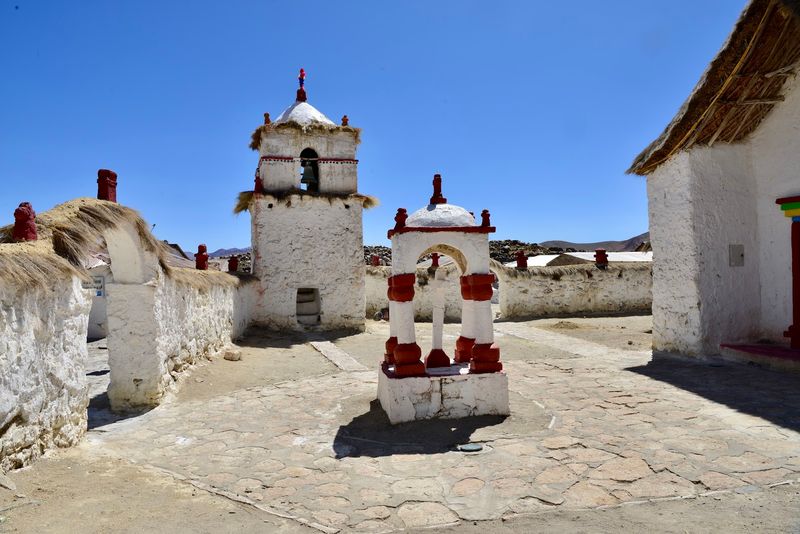
Few villages on Earth can claim a backdrop as dramatic as Parinacota’s. Sitting at roughly 4,400 meters (14,435 feet) in northern Chile’s Lauca National Park, this tiny settlement is framed by two perfectly symmetrical volcanoes called Parinacota and Pomerape, which locals affectionately nickname the Payachatas, meaning twins in Aymara.
The village’s colonial church, built in the 17th century, is one of the most photographed buildings in all of Chile. Its brilliant white walls glow against the volcanic landscape in a way that seems almost too perfect to be real.
Inside, ancient murals still decorate the walls, painted by indigenous artists centuries ago.
Parinacota has a tiny permanent population, with most residents being Aymara people who herd alpacas and llamas across the high plateau. Tourism brings seasonal visitors, especially birdwatchers drawn by the flamingos that flock to nearby lakes.
The altitude catches most tourists off guard, and the Chilean government actually recommends acclimatizing in lower towns before visiting. Despite its small size, Parinacota carries enormous cultural and historical weight, representing a rare and beautiful fusion of Andean indigenous traditions and Spanish colonial history at one of the world’s most spectacular elevations.
Dingboche, Nepal
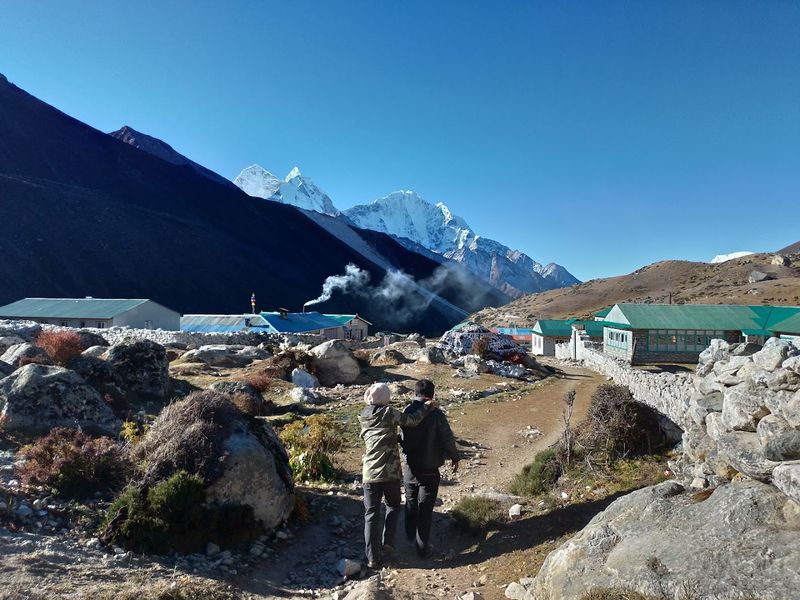
Every trekker heading toward Everest Base Camp passes through Dingboche, and most of them spend at least one rest day here letting their lungs catch up with their ambitions. Sitting at approximately 4,350 meters (14,270 feet) in Nepal’s Khumbu region, this Sherpa village is one of the highest permanently inhabited settlements in the entire Himalayas.
The views of Ama Dablam from here are the stuff of screensavers.
Unlike many high-altitude towns that exist purely for mining or administration, Dingboche has a genuine community spirit. Sherpa families have lived here for generations, farming barley and potatoes during the short growing season and running tea houses and lodges for trekkers the rest of the year.
The hospitality is legendary.
The village sits at the junction of two valleys, which means winds can pick up suddenly and with impressive force. Prayer flags strung between stone walls snap and flutter constantly, adding both color and noise to the landscape.
Acclimatization hikes from Dingboche are a standard part of most Everest trek itineraries. Spending a night here before pushing higher is considered essential, not optional.
Dingboche is where casual trekkers start to look nervous and serious mountaineers start to look at home.
Mina Pirquitas, Argentina

Argentina is mostly known for Buenos Aires, tango, and steak, so it might surprise you to learn the country has a functioning mining town sitting at 4,340 meters (14,240 feet) above sea level. Mina Pirquitas, tucked into the remote Puna region of Jujuy Province, produces silver and zinc from deposits that have been worked since pre-Columbian times.
Indigenous communities mined here long before any European arrived.
The modern operation is industrial in scale, with workers rotating in and out on scheduled shifts rather than living permanently at the site year-round. However, a support community has formed around the mine, making it a functioning high-altitude settlement with real residents.
The logistics of keeping such an operation running at this elevation are genuinely impressive.
Supplies, equipment, and workers all travel along rugged mountain roads that become treacherous in winter. The Puna plateau is a harsh environment, with intense solar radiation during the day and freezing temperatures at night.
Workers must acclimatize carefully before beginning physically demanding tasks. The surrounding landscape, however, is strikingly beautiful, with salt flats, volcanic peaks, and flamingo-filled lagoons nearby.
Mina Pirquitas is a reminder that some of Argentina’s most dramatic stories play out far from any city spotlight.
Qarabolaq, Afghanistan
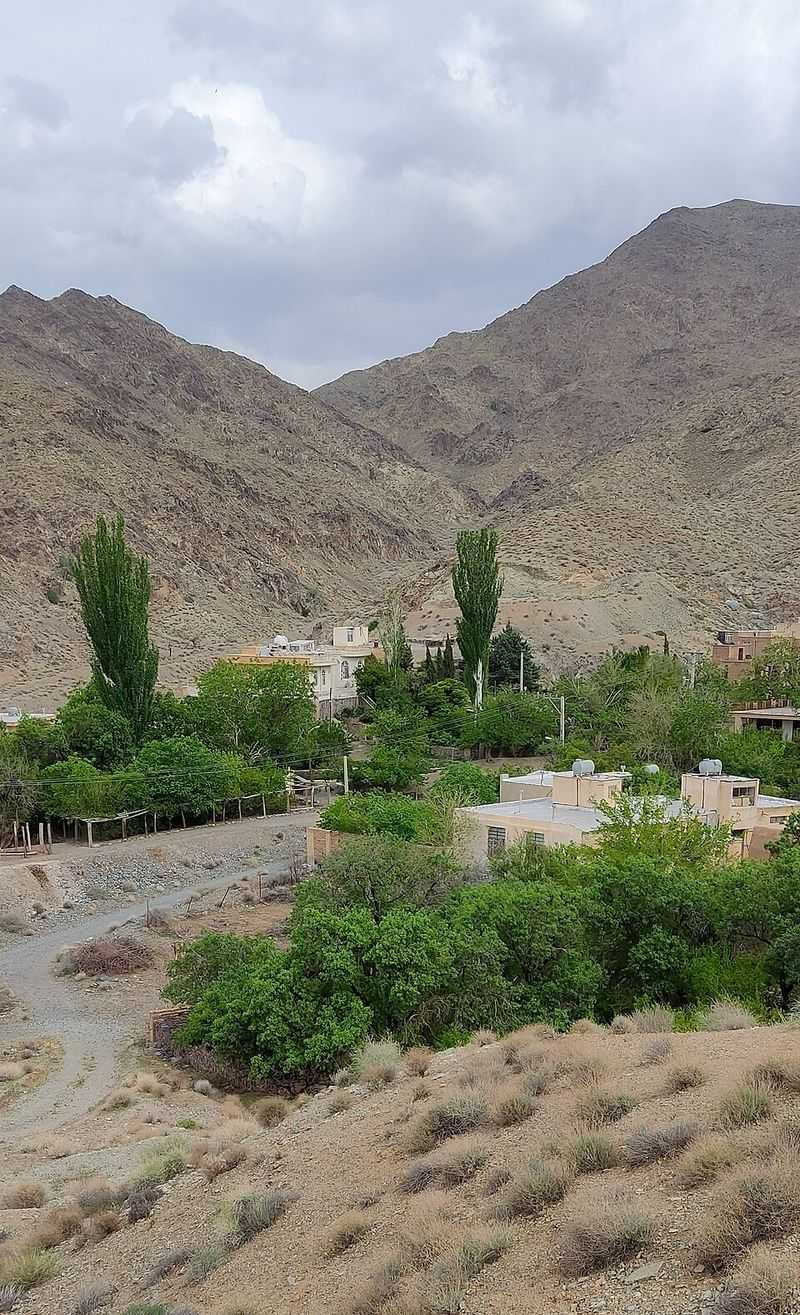
Hidden at the far eastern tip of Afghanistan, where the country narrows into a thin finger of land squeezed between Tajikistan, Pakistan, and China, Qarabolaq sits at approximately 4,139 meters (13,579 feet) in the legendary Wakhan Corridor. This is one of the most geographically isolated places on Earth, and it has been that way for a very long time.
The Wakhi people who live here have maintained their traditional way of life largely because the outside world has had so little reason to intrude. They herd livestock, farm small plots during the brief summer, and navigate some of the most dramatic mountain terrain imaginable.
The Hindu Kush and Pamir ranges form their horizon on every side.
Reaching Qarabolaq requires traveling along rough tracks that are impassable for much of the year. The Afghan government has limited presence this far into the corridor, meaning communities largely govern themselves through traditional structures.
Despite decades of conflict elsewhere in Afghanistan, the Wakhan Corridor has remained relatively peaceful, partly because its extreme remoteness makes it strategically unimportant to fighting factions. For the people of Qarabolaq, the mountains that isolate them have also, in a very real sense, protected them throughout history.
El Alto, Bolivia
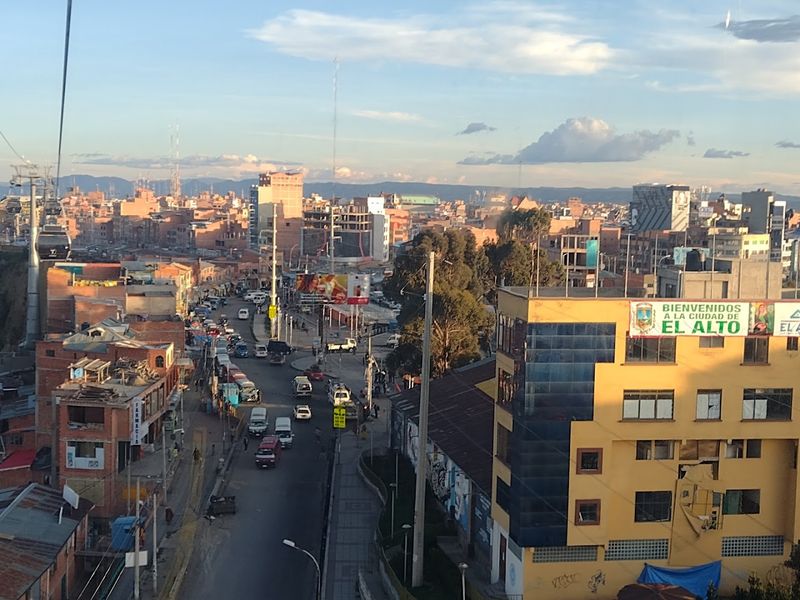
El Alto is not just a high-altitude town — it is a high-altitude city of over one million people, making it the largest elevated urban area on the planet by a wide margin. Sitting at around 4,150 meters (13,615 feet) on the edge of Bolivia’s vast Altiplano plateau, El Alto literally looks down on neighboring La Paz, which sits in a dramatic canyon below.
The views from the rim are spectacular.
The city grew rapidly during the 20th century as rural Aymara families migrated from the countryside seeking economic opportunities. Today it is one of Bolivia’s most culturally vibrant cities, with a strong Aymara identity, massive open-air markets, and a thriving entrepreneurial culture.
The Feria 16 de Julio market is one of the largest street markets in all of South America.
El Alto also made global headlines in 2019 when it was the site of significant political protests that ultimately changed Bolivia’s government. The city’s residents are known for their fierce civic pride and political engagement.
A cable car system called Mi Teleferico connects El Alto to La Paz, providing a scenic and practical commute between the two cities. El Alto proves that high altitude is no barrier to building a genuinely dynamic, complex, and modern urban society.
Potosi, Bolivia
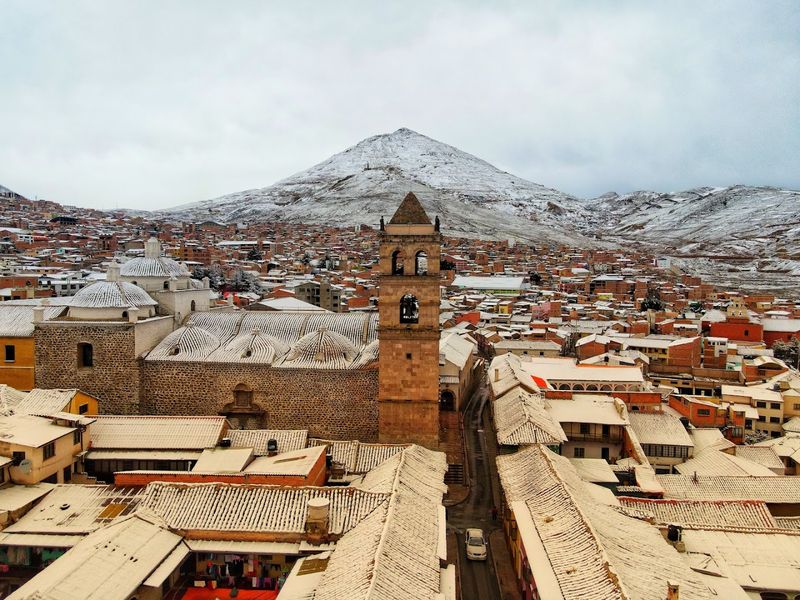
Once upon a time, Potosi was one of the richest cities in the entire world. At approximately 4,090 meters (13,420 feet), this Bolivian city grew explosively in the 16th century after Spanish colonizers discovered the mountain above it, called Cerro Rico, was essentially a giant lump of silver.
At its peak, Potosi had a larger population than London or Paris.
The silver extracted here funded the Spanish Empire for centuries, but the cost was devastating. Millions of indigenous workers and enslaved Africans died in the mines under brutal conditions.
A Spanish saying from that era — “worth a Potosi” — became a common phrase across Europe meaning something of enormous value. That phrase eventually made its way into Don Quixote.
Today Potosi is a UNESCO World Heritage Site, recognized for its extraordinary colonial architecture and its historical importance to global trade. The mines of Cerro Rico still operate, and visitors can actually tour them with local miners as guides.
It is not a comfortable experience, but it is an unforgettable one. The mountain continues to be mined even as it visibly shrinks, with structural concerns about its long-term stability.
Potosi carries its history heavily, a city of immense wealth built on immeasurable suffering.
Cerro de Pasco, Peru
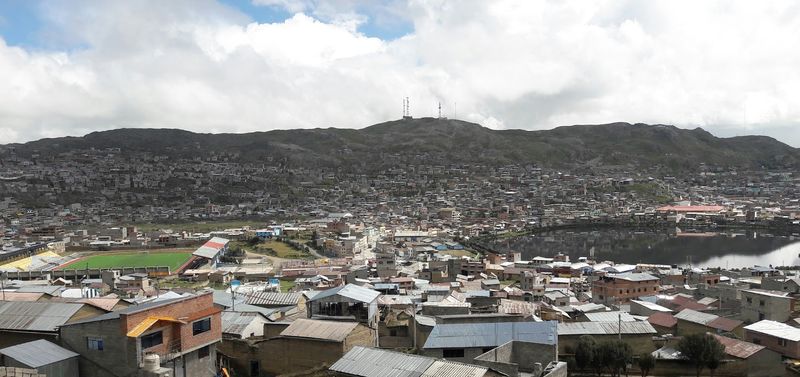
Cerro de Pasco might be the only city on Earth where an enormous open-pit mine sits right in the middle of the urban area. At roughly 4,330 meters (14,206 feet), this Peruvian city has grown up around a mining operation so large it has literally consumed parts of the city itself.
Buildings, roads, and entire neighborhoods have been demolished over the decades to expand the pit.
The city has a population of around 70,000 people, making it one of the highest large cities on the planet. Lead contamination from decades of mining is a serious public health concern, particularly for children living near the mine.
Studies have found elevated blood lead levels in a significant portion of the local child population, prompting international health organizations to call for urgent action.
Despite these very real problems, Cerro de Pasco has a long and colorful history. It was a major center of trade and culture during both the colonial and republican eras of Peruvian history.
The city sits on a high plateau surrounded by wetlands and mountains, and the landscape beyond the mine is actually quite striking. Efforts to relocate parts of the city to a safer location have been ongoing for years but remain complicated by economics and community ties.
Cerro de Pasco is a city living right on the edge in more ways than one.
Lhasa, China (Tibet)
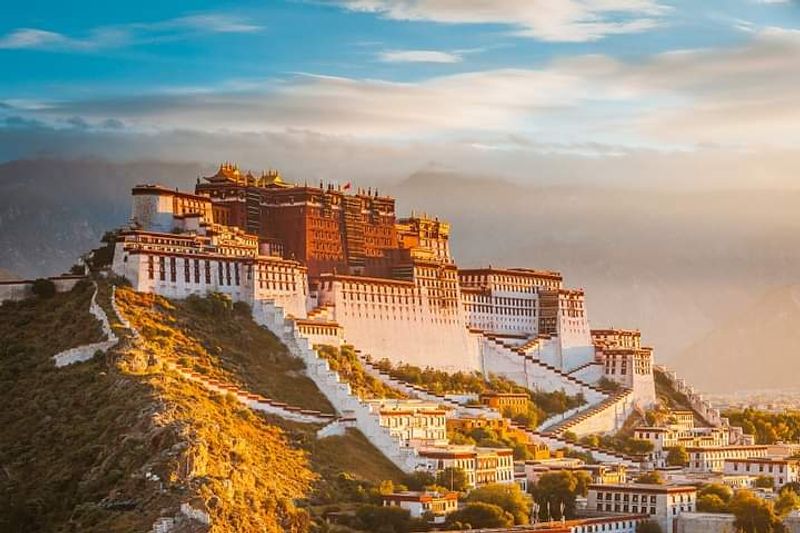
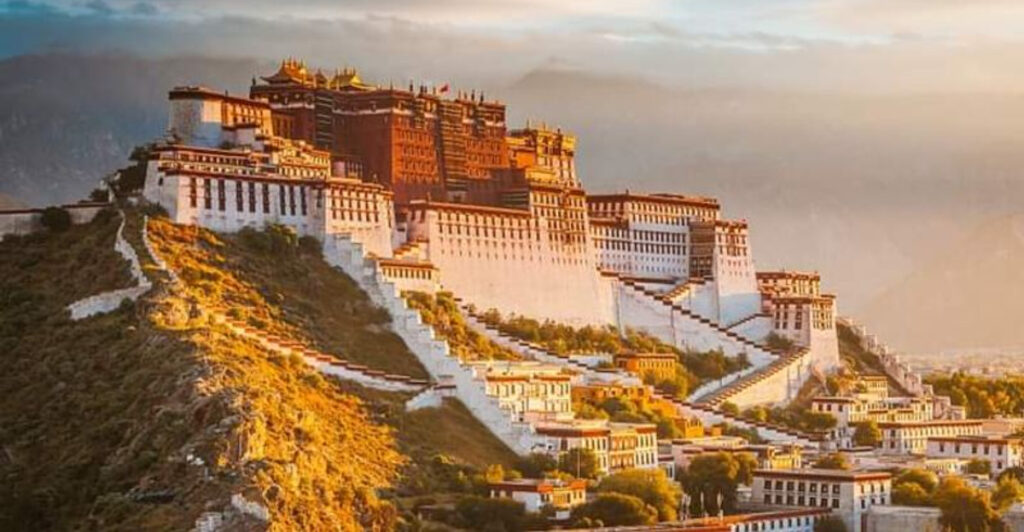
The Potala Palace rising above Lhasa is one of the most recognizable images in the world, and seeing it in person at 3,650 meters (11,975 feet) above sea level makes it even more impressive. While Lhasa sits lower than many settlements on this list, it is one of the world’s highest major cities and has been the spiritual and cultural capital of Tibet for well over a thousand years.
The Potala Palace was the traditional residence of the Dalai Lama and contains over a thousand rooms, ten thousand shrines, and approximately 200,000 statues. Construction began in the 7th century, though most of the current structure dates to the 17th century.
It is now a UNESCO World Heritage Site and one of Asia’s most visited landmarks.
Lhasa sits in a valley carved by the Lhasa River, which gives it a slightly more sheltered climate than the open plateau above. The city has modernized rapidly in recent decades following major Chinese investment in infrastructure, including the famous Qinghai-Tibet Railway, which carries passengers to Lhasa at altitudes exceeding 5,000 meters along the way.
Tourists traveling on the train are actually supplied with supplemental oxygen during the highest sections of the journey. Lhasa balances ancient spiritual significance with the very modern pressures of a rapidly changing world.
Share this story